
Crypto-champion
519 Posts

Crypto-champion
Report
Block User
Open Trade

PEPE Holder
Frequent Trader
5.5 Years
34 Following
3.6K+ Followers
1.8K+ Liked
Posts
Portfolio
All
Quotes
Live
·
--
Crypto Market Under Pressure as Bitcoin Slides Toward $63,000 Amid Global Economic UncertaintyThe global cryptocurrency market came under renewed selling pressure on November 18, 2026, with Bitcoin falling closer to the $63,000 level. Investor sentiment remained weak as concerns over rising U.S. inflation, uncertainty surrounding interest rate decisions, and growing geopolitical tensions continued to weigh on the market.
Bitcoin, the world's largest cryptocurrency, dropped from an earlier level of approximately $64,866 to around $62,749, putting the crucial $62,000 support zone in focus. The decline reflects growing caution among investors as uncertainty across global financial markets continues to weigh on risk-sensitive assets.
Ethereum also remained under pressure, trading near $1,800, while the total cryptocurrency market capitalization fluctuated between approximately $2.19 trillion and $2.21 trillion.
Bitcoin's recent decline has raised fresh concerns about where the market is heading in the short term. Traders are now keeping a close eye on the $62,000 support level, as a break below it could trigger further selling, while holding above it may help the market regain some stability.
If Bitcoin fails to hold this support level, it could further shake investor confidence and lead to more selling. On the other hand, a move back above recent price levels may help improve market sentiment and bring some confidence back among investors.
A sustained break below this level could weaken market confidence and encourage additional selling. However, a recovery above recent price levels could help restore some investor confidence.
Bulls initially welcomed the breakout above the range high, believing the market was heading higher, while bears were left apologising. However, the mood has now shifted. With prices falling back toward the range lows, bears are celebrating their call, while bulls are being forced to admit they may have been wrong.
Rising U.S. inflation has raised concerns that the Federal Reserve may maintain a tighter monetary policy for longer than investors previously expected. Higher interest rates generally make traditional financial instruments more attractive, potentially reducing demand for riskier investments such as cryptocurrencies.
Meanwhile, continuing tensions surrounding the Iran conflict have added another layer of uncertainty to global markets.
When geopolitical risks increase, investors often adopt defensive strategies, reducing exposure to volatile assets. Bitcoin and other cryptocurrencies have consequently faced additional pressure as market participants reassess their risk exposure.
Bitcoin mining company MARA reportedly raised $185 million in debt after selling approximately $1 billion worth of Bitcoin to repay existing loans.
The move highlights the financial challenges facing mining companies as they manage debt obligations, operational expenses, and exposure to Bitcoin's price fluctuations.
Meanwhile, institutional activity provided a relatively positive development. According to CryptoSlate, BlackRock helped limit Bitcoin ETF outflows despite the broader cautious market environment.
The development suggests that institutional participation remains an important factor in the cryptocurrency market, even as investor sentiment weakens.
Beyond market prices, international financial institutions are continuing to explore blockchain technology and strengthen cryptocurrency oversight.
The Bank of England has launched a 12-month sandbox initiative to examine blockchain-based clearing houses. The programme aims to explore how distributed ledger technology could be integrated into financial market infrastructure.
In Hong Kong, the monetary authority is encouraging banks to use artificial intelligence to identify cryptocurrency-related financial crimes more efficiently.
In the United States, a judge reportedly ruled that Ethereum has "no terms of use" while clearing two MIT brothers in a $25 million fraud case. The development has attracted attention because of its potential implications for discussions surrounding blockchain technology, decentralization, and legal accountability.
Such findings underline the importance of extensive testing before major blockchain upgrades are deployed. Network security and transaction reliability remain essential for maintaining user confidence, particularly as decentralized applications and financial services continue to expand.
Cybersecurity concerns have added another challenge to the digital asset ecosystem.
The cryptocurrency market is currently navigating a combination of economic uncertainty, geopolitical instability, institutional repositioning, and technological developments.
Bitcoin's ability to defend the $62,000 support zone could become a key indicator of short-term market sentiment. Meanwhile, developments in U.S. monetary policy, institutional ETF activity, and global regulatory frameworks will continue to influence investor confidence.
Despite the current downturn, blockchain innovation and institutional involvement remain active. However, technological progress alone may not be enough to offset the immediate impact of macroeconomic uncertainty.
For investors, the current environment calls for careful risk management rather than decisions driven by short-term market movements.
Disclaimer: This article is for informational and educational purposes only. It does not constitute financial or investment advice. Cryptocurrency markets are highly volatile, and investors should conduct their own research before making financial decisions.
#BTCRemainsUnderPressureAfterHawkishFOMCMinutes #MARA
Crypto Market Under Pressure as Bitcoin Slides Toward $63,000 Amid Global Economic Uncertainty
The global cryptocurrency market came under renewed selling pressure on November 18, 2026, with Bitcoin falling closer to the $63,000 level. Investor sentiment remained weak as concerns over rising U.S. inflation, uncertainty surrounding interest rate decisions, and growing geopolitical tensions continued to weigh on the market.
Bitcoin, the world's largest cryptocurrency, dropped from an earlier level of approximately $64,866 to around $62,749, putting the crucial $62,000 support zone in focus. The decline reflects growing caution among investors as uncertainty across global financial markets continues to weigh on risk-sensitive assets.
Ethereum also remained under pressure, trading near $1,800, while the total cryptocurrency market capitalization fluctuated between approximately $2.19 trillion and $2.21 trillion.
Bitcoin's recent decline has raised fresh concerns about where the market is heading in the short term. Traders are now keeping a close eye on the $62,000 support level, as a break below it could trigger further selling, while holding above it may help the market regain some stability.
If Bitcoin fails to hold this support level, it could further shake investor confidence and lead to more selling. On the other hand, a move back above recent price levels may help improve market sentiment and bring some confidence back among investors.
A sustained break below this level could weaken market confidence and encourage additional selling. However, a recovery above recent price levels could help restore some investor confidence.
Bulls initially welcomed the breakout above the range high, believing the market was heading higher, while bears were left apologising. However, the mood has now shifted. With prices falling back toward the range lows, bears are celebrating their call, while bulls are being forced to admit they may have been wrong.
Rising U.S. inflation has raised concerns that the Federal Reserve may maintain a tighter monetary policy for longer than investors previously expected. Higher interest rates generally make traditional financial instruments more attractive, potentially reducing demand for riskier investments such as cryptocurrencies.
Meanwhile, continuing tensions surrounding the Iran conflict have added another layer of uncertainty to global markets.
When geopolitical risks increase, investors often adopt defensive strategies, reducing exposure to volatile assets. Bitcoin and other cryptocurrencies have consequently faced additional pressure as market participants reassess their risk exposure.
Bitcoin mining company MARA reportedly raised $185 million in debt after selling approximately $1 billion worth of Bitcoin to repay existing loans.
The move highlights the financial challenges facing mining companies as they manage debt obligations, operational expenses, and exposure to Bitcoin's price fluctuations.
Meanwhile, institutional activity provided a relatively positive development. According to CryptoSlate, BlackRock helped limit Bitcoin ETF outflows despite the broader cautious market environment.
The development suggests that institutional participation remains an important factor in the cryptocurrency market, even as investor sentiment weakens.
Beyond market prices, international financial institutions are continuing to explore blockchain technology and strengthen cryptocurrency oversight.
The Bank of England has launched a 12-month sandbox initiative to examine blockchain-based clearing houses. The programme aims to explore how distributed ledger technology could be integrated into financial market infrastructure.
In Hong Kong, the monetary authority is encouraging banks to use artificial intelligence to identify cryptocurrency-related financial crimes more efficiently.
In the United States, a judge reportedly ruled that Ethereum has "no terms of use" while clearing two MIT brothers in a $25 million fraud case. The development has attracted attention because of its potential implications for discussions surrounding blockchain technology, decentralization, and legal accountability.
Such findings underline the importance of extensive testing before major blockchain upgrades are deployed. Network security and transaction reliability remain essential for maintaining user confidence, particularly as decentralized applications and financial services continue to expand.
Cybersecurity concerns have added another challenge to the digital asset ecosystem.
The cryptocurrency market is currently navigating a combination of economic uncertainty, geopolitical instability, institutional repositioning, and technological developments.
Bitcoin's ability to defend the $62,000 support zone could become a key indicator of short-term market sentiment. Meanwhile, developments in U.S. monetary policy, institutional ETF activity, and global regulatory frameworks will continue to influence investor confidence.
Despite the current downturn, blockchain innovation and institutional involvement remain active. However, technological progress alone may not be enough to offset the immediate impact of macroeconomic uncertainty.
For investors, the current environment calls for careful risk management rather than decisions driven by short-term market movements.
Disclaimer: This article is for informational and educational purposes only. It does not constitute financial or investment advice. Cryptocurrency markets are highly volatile, and investors should conduct their own research before making financial decisions.
#BTCRemainsUnderPressureAfterHawkishFOMCMinutes #MARA
117
·
--
Article
Nvidia, Jensen Huang and Cryptocurrency
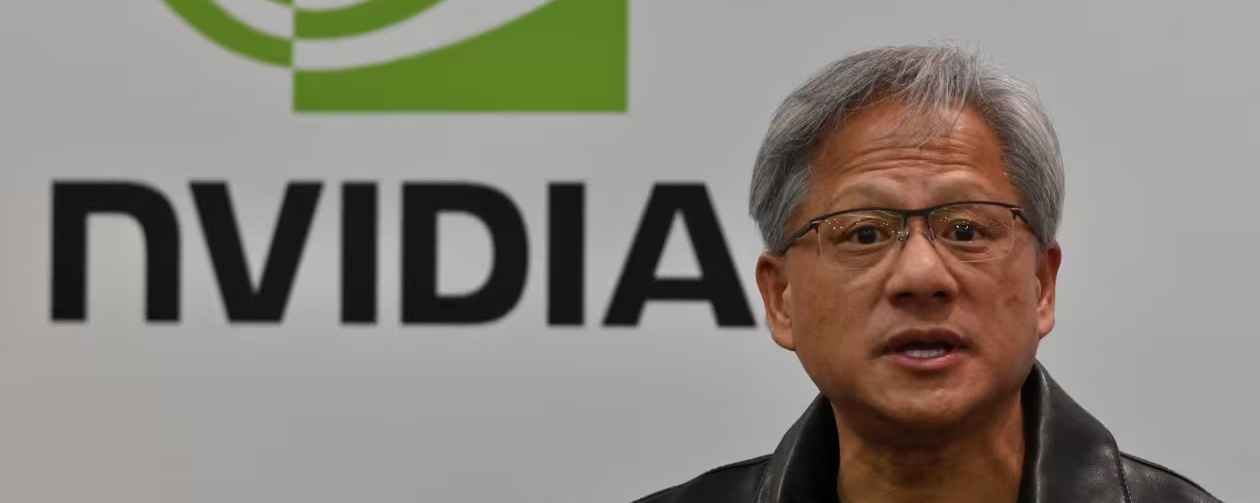
12-11-26 It's a chaotic week for Nvidia — not about chips, but about CEO Jensen Huang and leadership.
Huang and Nvidia was hit by a scandal that had nothing to do with chips or earnings.The whole week goes through his alleged girlfriend and Nnvidia and now how Musk can far from all this, So lets cover the story and have a look how it has affected crypto badly.
This week's big story right after the Trump interview will be covered soon.
Let's check the facts first:
Nvidia Corporation was founded in 1993 by Jensen Huang, Chris Malachowsky and Curtis Priem. It began as a company making graphics processing units (GPUs) for video games, but over the last decade it transformed into the dominant supplier of the chips that power artificial intelligence.
Today, Nvidia's GPUs and data-center systems are used by almost every major AI lab, cloud provider and hyperscaler — from Microsoft and Google to OpenAI — to train and run large AI models. That position made it the spearhead of the global AI race and, in October 2025, the first publicly listed company to hit a $5 trillion market value.
Huang, its co-founder and CEO, has been central to that story. He is known for his signature black leather jacket, his hands-on leadership style, and for building Nvidia into a company with no obvious second-in-command. He reportedly has around 60 direct reports and has driven product, strategy and customer relationships himself for more than 30 years.
That concentration of power is now the company's biggest vulnerability.
The trigger is reports of a second alleged affair. The first involved Alice Huang (no relation), an executive at Singapore-based data company Megaspeed, who has been described in reports as a suspected spy for China. That alone raised national-security and corporate-governance concerns for a company that supplies critical AI technology to the US government and its allies.
The second reportedly involves a company executive who reports to him.
Nvidia's board opened an independent investigation on November 8 and hired the law firm Wachtell, Lipton, Rosen & Katz to review the espionage allegations, according to CNBC reporting cited in coverage.
On social media, that story is dominating everything — CNN, CBS, BBC, Bloomberg and others all posted breaking-news graphics overnight about the board reportedly preparing to oust Huang.
The reports also suggest that the board may consider appointing an interim CEO while looking for a permanent replacement.
The news has created unexpected turbulence in the crypto market. What's interesting is that Nvidia doesn't directly hold major crypto assets or tokens, so why is the crypto market reacting to news surrounding the company?
The connection goes deeper than direct crypto holdings. Nvidia's technology has played a major role in the crypto industry, from GPU mining to AI-powered blockchain projects. Several crypto projects have also been linked to Nvidia's ecosystem and technology like WLD, FET,RNDR,AGIX, and AKT.
Over the past year, we've also seen how closely crypto markets follow Jensen Huang's public appearances, conference participation, and comments about AI and the future of technology. Even the possibility of his participation in major tech or crypto-related events has attracted market attention.This shows just how much influence Nvidia and its CEO have beyond the traditional tech industry. Even without directly holding cryptocurrencies, developments surrounding Huang and Nvidia can create waves across the digital asset market.
There could be several possible reasons behind this, but one factor that cannot be overlooked is BlackRock. BlackRock is not a business partner or supplier to Nvidia in the operational sense. Rather, it is one of Nvidia's largest institutional shareholders, making it one of the company's most influential investors.
In after shocks: shares slid more than 8% in after-hours trading Wednesday night on the board news.
That follows a brutal run: shares had already plunged 17% in the past week and 25% in the past month before Wednesday.
Sky News reported Nvidia's value had plummeted $430BN in two days as Huang was urged to quit..
The fear is not just moral — it is operational. If Huang is removed, who runs Nvidia? With 60 direct reports and no clear successor, investors fear a leadership vacuum at the exact moment AI competition is intensifying and Nvidia is due to report earnings on November 16.
Because BlackRock holds $388+ billion in Nvidia, an 8-10% drop translates into tens of billions in paper losses across its funds. For ordinary investors who hold BlackRock index funds, ETFs, or pensions, Nvidia's crisis is felt directly in their retirement accounts — which is why CBS called it an " Nvidia Meltdown" affecting a major holding in retirement accounts.
Its relationship with BlackRock shows how deeply intertwined it is with the global financial system: the world's largest asset manager is also its largest shareholder. And its CEO's personal conduct has now become a market-moving, company-defining issue.
For now, Nvidia's future is no longer just about chips. It is about trust, governance, and who can lead the world's most important AI company next.
#WhoWillSucceedJensenHuangatNvidia?
#JensenHuang
Nvidia, Jensen Huang and Cryptocurrency 12-11-26
It's a chaotic week for Nvidia — not about chips, but about CEO Jensen Huang and leadership.
Huang and Nvidia was hit by a scandal that had nothing to do with chips or earnings.The whole week goes through his alleged girlfriend and Nnvidia and now how Musk can far from all this, So lets cover the story and have a look how it has affected crypto badly.
This week's big story right after the Trump interview will be covered soon.
Let's check the facts first:
Nvidia Corporation was founded in 1993 by Jensen Huang, Chris Malachowsky and Curtis Priem. It began as a company making graphics processing units (GPUs) for video games, but over the last decade it transformed into the dominant supplier of the chips that power artificial intelligence.
Today, Nvidia's GPUs and data-center systems are used by almost every major AI lab, cloud provider and hyperscaler — from Microsoft and Google to OpenAI — to train and run large AI models. That position made it the spearhead of the global AI race and, in October 2025, the first publicly listed company to hit a $5 trillion market value.
Huang, its co-founder and CEO, has been central to that story. He is known for his signature black leather jacket, his hands-on leadership style, and for building Nvidia into a company with no obvious second-in-command. He reportedly has around 60 direct reports and has driven product, strategy and customer relationships himself for more than 30 years.
That concentration of power is now the company's biggest vulnerability.
The trigger is reports of a second alleged affair. The first involved Alice Huang (no relation), an executive at Singapore-based data company Megaspeed, who has been described in reports as a suspected spy for China. That alone raised national-security and corporate-governance concerns for a company that supplies critical AI technology to the US government and its allies.
The second reportedly involves a company executive who reports to him.
Nvidia's board opened an independent investigation on November 8 and hired the law firm Wachtell, Lipton, Rosen & Katz to review the espionage allegations, according to CNBC reporting cited in coverage.
On social media, that story is dominating everything — CNN, CBS, BBC, Bloomberg and others all posted breaking-news graphics overnight about the board reportedly preparing to oust Huang.
The reports also suggest that the board may consider appointing an interim CEO while looking for a permanent replacement.
The news has created unexpected turbulence in the crypto market. What's interesting is that Nvidia doesn't directly hold major crypto assets or tokens, so why is the crypto market reacting to news surrounding the company?
The connection goes deeper than direct crypto holdings. Nvidia's technology has played a major role in the crypto industry, from GPU mining to AI-powered blockchain projects. Several crypto projects have also been linked to Nvidia's ecosystem and technology like WLD, FET,RNDR,AGIX, and AKT.
Over the past year, we've also seen how closely crypto markets follow Jensen Huang's public appearances, conference participation, and comments about AI and the future of technology. Even the possibility of his participation in major tech or crypto-related events has attracted market attention.This shows just how much influence Nvidia and its CEO have beyond the traditional tech industry. Even without directly holding cryptocurrencies, developments surrounding Huang and Nvidia can create waves across the digital asset market.
There could be several possible reasons behind this, but one factor that cannot be overlooked is BlackRock. BlackRock is not a business partner or supplier to Nvidia in the operational sense. Rather, it is one of Nvidia's largest institutional shareholders, making it one of the company's most influential investors.
In after shocks: shares slid more than 8% in after-hours trading Wednesday night on the board news.
That follows a brutal run: shares had already plunged 17% in the past week and 25% in the past month before Wednesday.
Sky News reported Nvidia's value had plummeted $430BN in two days as Huang was urged to quit..
The fear is not just moral — it is operational. If Huang is removed, who runs Nvidia? With 60 direct reports and no clear successor, investors fear a leadership vacuum at the exact moment AI competition is intensifying and Nvidia is due to report earnings on November 16.
Because BlackRock holds $388+ billion in Nvidia, an 8-10% drop translates into tens of billions in paper losses across its funds. For ordinary investors who hold BlackRock index funds, ETFs, or pensions, Nvidia's crisis is felt directly in their retirement accounts — which is why CBS called it an " Nvidia Meltdown" affecting a major holding in retirement accounts.
Its relationship with BlackRock shows how deeply intertwined it is with the global financial system: the world's largest asset manager is also its largest shareholder. And its CEO's personal conduct has now become a market-moving, company-defining issue.
For now, Nvidia's future is no longer just about chips. It is about trust, governance, and who can lead the world's most important AI company next.
#WhoWillSucceedJensenHuangatNvidia?
#JensenHuang
NVDA+2.65%
BLKUS-2.33%
178
·
--
Article
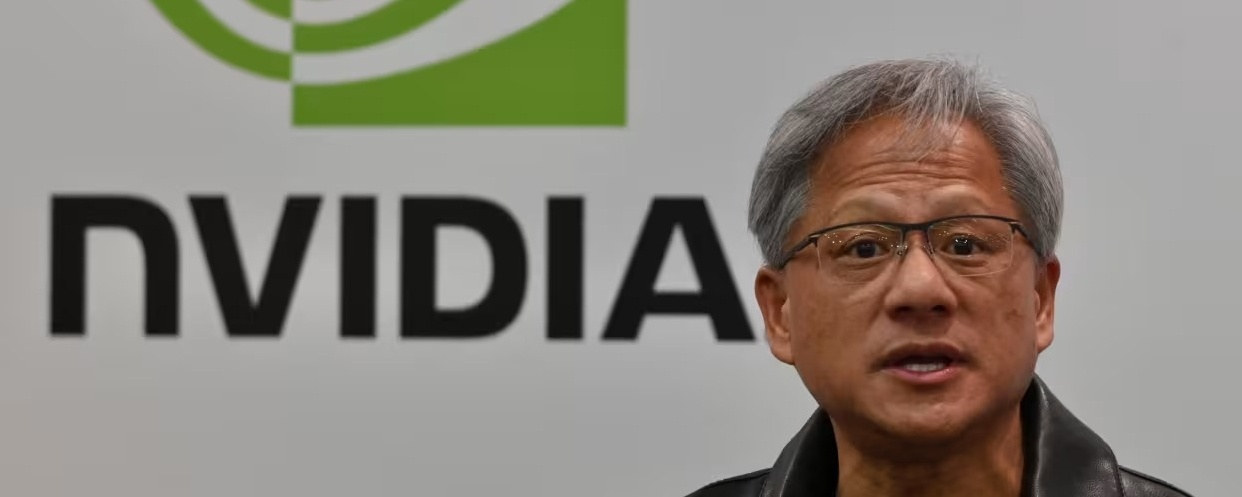
Nvidia , Jensen Huang and CyptoIt's a chaotic week for Nvidia — not about chips, but about CEO Jensen Huang and leadership.
Huang and Nvidia was hit by a scandal that had nothing to do with chips or earnings.The whole week goes through his alleged girlfriend and Nnvidia and now how Musk can far from all this, So lets cover the story and have a look how it has affected crypto badly.
This week's big story right after the Trump interview will be covered soon.
Let's check the facts first:
Nvidia Corporation was founded in 1993 by Jensen Huang, Chris Malachowsky and Curtis Priem. It began as a company making graphics processing units (GPUs) for video games, but over the last decade it transformed into the dominant supplier of the chips that power artificial intelligence.
Today, Nvidia's GPUs and data-center systems are used by almost every major AI lab, cloud provider and hyperscaler — from Microsoft and Google to OpenAI — to train and run large AI models.
That position made it the spearhead of the global AI race and, in October 2025, the first publicly listed company to hit a $5 trillion market value.
Huang, its co-founder and CEO, has been central to that story. He is known for his signature black leather jacket, his hands-on leadership style, and for building Nvidia into a company with no obvious second-in-command. He reportedly has around 60 direct reports and has driven product, strategy and customer relationships himself for more than 30 years.
That concentration of power is now the company's biggest vulnerability.
The trigger is reports of a second alleged affair. The first involved Alice Huang (no relation), an executive at Singapore-based data company Megaspeed, who has been described in reports as a suspected spy for China. That alone raised national-security and corporate-governance concerns for a company that supplies critical AI technology to the US government and its allies.
The second reportedly involves a company executive who reports to him.
Nvidia's board opened an independent investigation on November 8 and hired the law firm Wachtell, Lipton, Rosen & Katz to review the espionage allegations, according to CNBC reporting cited in coverage.
On social media, that story is dominating everything — CNN, CBS, BBC, Bloomberg and others all posted breaking-news graphics overnight about the board reportedly preparing to oust Huang.
The reports also suggest that the board may consider appointing an interim CEO while looking for a permanent replacement.
The news has created unexpected turbulence in the crypto market. What's interesting is that Nvidia doesn't directly hold major crypto assets or tokens, so why is the crypto market reacting to news surrounding the company?
The connection goes deeper than direct crypto holdings. Nvidia's technology has played a major role in the crypto industry, from GPU mining to AI-powered blockchain projects. Several crypto projects have also been linked to Nvidia's ecosystem and technology like WLD, FET,RNDR,AGIX, and AKT.
Over the past year, we've also seen how closely crypto markets follow Jensen Huang's public appearances, conference participation, and comments about AI and the future of technology. Even the possibility of his participation in major tech or crypto-related events has attracted market attention. This shows just how much influence Nvidia and its CEO have beyond the traditional tech industry. Even without directly holding cryptocurrencies, developments surrounding Huang and Nvidia can create waves across the digital asset market.
There could be several possible reasons behind this, but one factor that cannot be overlooked is BlackRock.
BlackRock is not a business partner or supplier to Nvidia in the operational sense. Rather, it is one of Nvidia's largest institutional shareholders, making it one of the company's most influential investors.
BlackRock aims to make market more digital, as these are the whales who pumps and dumps market,investors must aware about BlackRock fully with solid facts as it impacts so hardly on short to long terms investment especially on crypto.
so with the news
Bitcoin (BTC) fell from $75,607 to $73,510 in just 10 minutes on Sunday evening, its lowest price since August 21. It later fell as low as $73,761 before recovering back above $75,000.
Ethereum (ETH) fell even harder — down 4.2% in the same window, dropping below $2,100.
More than $1 billion in leveraged crypto positions were liquidated within 24 hours, the large majority of them long positions.
On November 9, CoinDesk reported only 5 of the top 100 cryptocurrencies gained more than 1% in 24 hours, as the Nvidia-led tech selloff weighed on crypto majors.
The pattern repeated on November 5 as well: Bitcoin fell almost 6% as the Nasdaq plunged 5.5% on AI fears.
To say a lot in few words “NVIDIA’s crisis is no longer just about stocks. It has turned into a market roller coaster.”
#HuangExitNvidiaStrategyInFocus
#ChipStocksExtendLossesAfterNvidiaCEOChange #Write2Earn
Nvidia , Jensen Huang and Cypto
It's a chaotic week for Nvidia — not about chips, but about CEO Jensen Huang and leadership.
Huang and Nvidia was hit by a scandal that had nothing to do with chips or earnings.The whole week goes through his alleged girlfriend and Nnvidia and now how Musk can far from all this, So lets cover the story and have a look how it has affected crypto badly.
This week's big story right after the Trump interview will be covered soon.
Let's check the facts first:
Nvidia Corporation was founded in 1993 by Jensen Huang, Chris Malachowsky and Curtis Priem. It began as a company making graphics processing units (GPUs) for video games, but over the last decade it transformed into the dominant supplier of the chips that power artificial intelligence.
Today, Nvidia's GPUs and data-center systems are used by almost every major AI lab, cloud provider and hyperscaler — from Microsoft and Google to OpenAI — to train and run large AI models.
That position made it the spearhead of the global AI race and, in October 2025, the first publicly listed company to hit a $5 trillion market value.
Huang, its co-founder and CEO, has been central to that story. He is known for his signature black leather jacket, his hands-on leadership style, and for building Nvidia into a company with no obvious second-in-command. He reportedly has around 60 direct reports and has driven product, strategy and customer relationships himself for more than 30 years.
That concentration of power is now the company's biggest vulnerability.
The trigger is reports of a second alleged affair. The first involved Alice Huang (no relation), an executive at Singapore-based data company Megaspeed, who has been described in reports as a suspected spy for China. That alone raised national-security and corporate-governance concerns for a company that supplies critical AI technology to the US government and its allies.
The second reportedly involves a company executive who reports to him.
Nvidia's board opened an independent investigation on November 8 and hired the law firm Wachtell, Lipton, Rosen & Katz to review the espionage allegations, according to CNBC reporting cited in coverage.
On social media, that story is dominating everything — CNN, CBS, BBC, Bloomberg and others all posted breaking-news graphics overnight about the board reportedly preparing to oust Huang.
The reports also suggest that the board may consider appointing an interim CEO while looking for a permanent replacement.
The news has created unexpected turbulence in the crypto market. What's interesting is that Nvidia doesn't directly hold major crypto assets or tokens, so why is the crypto market reacting to news surrounding the company?
The connection goes deeper than direct crypto holdings. Nvidia's technology has played a major role in the crypto industry, from GPU mining to AI-powered blockchain projects. Several crypto projects have also been linked to Nvidia's ecosystem and technology like WLD, FET,RNDR,AGIX, and AKT.
Over the past year, we've also seen how closely crypto markets follow Jensen Huang's public appearances, conference participation, and comments about AI and the future of technology. Even the possibility of his participation in major tech or crypto-related events has attracted market attention. This shows just how much influence Nvidia and its CEO have beyond the traditional tech industry. Even without directly holding cryptocurrencies, developments surrounding Huang and Nvidia can create waves across the digital asset market.
There could be several possible reasons behind this, but one factor that cannot be overlooked is BlackRock.
BlackRock is not a business partner or supplier to Nvidia in the operational sense. Rather, it is one of Nvidia's largest institutional shareholders, making it one of the company's most influential investors.
BlackRock aims to make market more digital, as these are the whales who pumps and dumps market,investors must aware about BlackRock fully with solid facts as it impacts so hardly on short to long terms investment especially on crypto.
so with the news
Bitcoin (BTC) fell from $75,607 to $73,510 in just 10 minutes on Sunday evening, its lowest price since August 21. It later fell as low as $73,761 before recovering back above $75,000.
Ethereum (ETH) fell even harder — down 4.2% in the same window, dropping below $2,100.
More than $1 billion in leveraged crypto positions were liquidated within 24 hours, the large majority of them long positions.
On November 9, CoinDesk reported only 5 of the top 100 cryptocurrencies gained more than 1% in 24 hours, as the Nvidia-led tech selloff weighed on crypto majors.
The pattern repeated on November 5 as well: Bitcoin fell almost 6% as the Nasdaq plunged 5.5% on AI fears.
To say a lot in few words “NVIDIA’s crisis is no longer just about stocks. It has turned into a market roller coaster.”
#HuangExitNvidiaStrategyInFocus
#ChipStocksExtendLossesAfterNvidiaCEOChange #Write2Earn
1
372
·
--
Spot WENB Insights 2026-10-28 14:00 UTC
TLDR
1. WENB rallied 16.0% in 24h to $7.11 following Trian Fund's $1.4B acquisition bid.
Key Drivers
1. - **Takeover offer (High)**: Nelson Peltz’s Trian Fund proposed a $1.4B buyout at $7.35/share → triggered an aggressive price surge from $6.08 to $7.11.
- **Volume explosion (High)**: Hourly turnover leaped above $1.17M from sub-$10K levels alongside heavy initial net capital inflow.
- **Bullish technical breakout (Medium)**: Price pierced the upper Bollinger Band as RSI-6 peaked at 94.7, confirming strong breakout momentum.
Risk Assessment
1. - **Overbought pullback (High)**: Extreme RSI levels (RSI-6 at 94.7, RSI-12 at 90.0) coupled with $241K net outflows signal imminent profit-taking.
- **Deal uncertainty (High)**: Nonbinding acquisition terms leave substantial downside risk if negotiations stall below the $7.35 proposed bid.
- **Operational headwinds (Medium)**: Major franchisee bankruptcy and impending closure of up to 60 locations threaten core business performance.
#WENBUSDT
1
238
·
--
complete set of knowledge in Urdu language about cryptoEpisode one:
Cryptocurrency has always been one of my favorite topics. Today, we’re starting a conversation about something you’ve probably heard about many times, but whose true nature may still be a mystery to you. Someone may have asked, “Have you bought Bitcoin?” Someone else may have claimed to have made millions by investing in crypto, or you may have read a news story about the crypto market suddenly rising or falling.
complete set of knowledge in Urdu language about crypto
Episode one:
Cryptocurrency has always been one of my favorite topics. Today, we’re starting a conversation about something you’ve probably heard about many times, but whose true nature may still be a mystery to you. Someone may have asked, “Have you bought Bitcoin?” Someone else may have claimed to have made millions by investing in crypto, or you may have read a news story about the crypto market suddenly rising or falling.
Cryptocurrency has always been one of my favorite topics. Today, we’re starting a conversation about something you’ve probably heard about many times, but whose true nature may still be a mystery to you. Someone may have asked, “Have you bought Bitcoin?” Someone else may have claimed to have made millions by investing in crypto, or you may have read a news story about the crypto market suddenly rising or falling.
3
150
·
--
Over viewed crash 😯"BREAKING: Trump's Unexpected Move Sparks Massive Crypto Sell-Off! 🚨 It looks like a carefully planned play. Here's the play-by-play:
As per news Two days before Trump's post on Truth Social, one of Bitcoin's oldest wallets started quietly building massive short positions on $BTC and $ETH, worth billions. No news, no headlines, just sneaky on-chain moves.
Then, Trump drops a hint about potential tariffs on China, sparking some market volatility. But the real kicker came hours later when Trump announced 100% tariffs on all Chinese imports starting November 1 from the White House podium.
The market reaction was swift:
👉🏻S&P 500 plummeted over 2% in a single day
👉🏻Bitcoin ₿ crashed to $102K, wiping out weeks of gains
👉🏻Altcoins went into freefall, with most losing 70-90% in minutes
👉🏻Over $20B-$22B in positions liquidated (real exposure likely $40B-$50B+)
👉🏻Nearly $1T in crypto market cap vaporized in under 3 hours😯
😱But here's the suspicious part: 30 minutes before Trump's announcement, that same whale doubled down on their short positions. When the market tanked, they closed their positions for an estimated $200M profit. Too good to be true?
🙂↕️It wasn't just traders who got hit. The crash looked structural, like a major fund or desk was forced to unwind positions all at once. Every exchange saw cascading liquidations. Even USDE depegged 35-40%. This wasn't a retail dump; it was a full leverage cleanse.
😶🌫️But here's the bigger picture: every bull market has a moment like this - a violent purge that resets leverage and clears weak hands. March 2020 had it, mid-2023 had it, and now October 2025 just got its own.
📖📜History says these purges don't end bull runs; they restart them. Because now:
👉🏻Leverage is gone
👉🏻Shorts are over-extended
👉🏻Strong hands are quietly buying from panic sellers
🫣Trump's tariff threat may have triggered the drop, but what follows next is the real story. The market just flushed out months of excess in one move. And when the dust settles, this becomes the base for the next expansion phase.
🤤So yes, the headlines scream Market Crash. But zoom out - the structure didn't break; it just reset. The whales are already positioning themselves. Retail panic is peaking. And history says that's exactly when the next leg begins."
Over viewed crash 😯
"BREAKING: Trump's Unexpected Move Sparks Massive Crypto Sell-Off! 🚨 It looks like a carefully planned play. Here's the play-by-play:
As per news Two days before Trump's post on Truth Social, one of Bitcoin's oldest wallets started quietly building massive short positions on $BTC and $ETH, worth billions. No news, no headlines, just sneaky on-chain moves.
Then, Trump drops a hint about potential tariffs on China, sparking some market volatility. But the real kicker came hours later when Trump announced 100% tariffs on all Chinese imports starting November 1 from the White House podium.
The market reaction was swift:
👉🏻S&P 500 plummeted over 2% in a single day
👉🏻Bitcoin ₿ crashed to $102K, wiping out weeks of gains
👉🏻Altcoins went into freefall, with most losing 70-90% in minutes
👉🏻Over $20B-$22B in positions liquidated (real exposure likely $40B-$50B+)
👉🏻Nearly $1T in crypto market cap vaporized in under 3 hours😯
😱But here's the suspicious part: 30 minutes before Trump's announcement, that same whale doubled down on their short positions. When the market tanked, they closed their positions for an estimated $200M profit. Too good to be true?
🙂↕️It wasn't just traders who got hit. The crash looked structural, like a major fund or desk was forced to unwind positions all at once. Every exchange saw cascading liquidations. Even USDE depegged 35-40%. This wasn't a retail dump; it was a full leverage cleanse.
😶🌫️But here's the bigger picture: every bull market has a moment like this - a violent purge that resets leverage and clears weak hands. March 2020 had it, mid-2023 had it, and now October 2025 just got its own.
📖📜History says these purges don't end bull runs; they restart them. Because now:
👉🏻Leverage is gone
👉🏻Shorts are over-extended
👉🏻Strong hands are quietly buying from panic sellers
🫣Trump's tariff threat may have triggered the drop, but what follows next is the real story. The market just flushed out months of excess in one move. And when the dust settles, this becomes the base for the next expansion phase.
🤤So yes, the headlines scream Market Crash. But zoom out - the structure didn't break; it just reset. The whales are already positioning themselves. Retail panic is peaking. And history says that's exactly when the next leg begins."
2
226
·
--
#SpotVSFuturesStrategy
*Spot vs Futures Trading Strategy: Understanding the Difference*
When it comes to trading, two popular strategies are spot trading and futures trading. Understanding the differences between these two approaches can help you make informed decisions and develop effective trading strategies.
*Spot Trading:*
- *Definition*: Spot trading involves buying or selling assets for immediate delivery.
- *Characteristics*: Spot prices reflect the current market price of an asset.
- *Advantages*: Spot trading allows for immediate ownership and settlement.
*Futures Trading:*
- *Definition*: Futures trading involves buying or selling contracts that obligate the buyer to purchase or the seller to sell an asset at a predetermined price on a specific future date.
- *Characteristics*: Futures contracts have expiration dates, and settlement occurs on that date.
- *Advantages*: Futures trading allows for speculation on price movements, hedging, and leverage.
*Key Differences:*
- *Settlement*: Spot trading settles immediately, while futures trading settles on a specific future date.
- *Ownership*: In spot trading, ownership transfers immediately, whereas in futures trading, ownership transfers on the settlement date.
- *Risk*: Futures trading involves higher risk due to leverage and potential price movements.
*Strategy Comparison:*
- *Spot Trading Strategy*: Suitable for investors who want to own assets outright, focus on long-term growth, or need immediate settlement.
1
76
·
--
#TrumpTariffs
*UPDATE: Trump Delays Tariff Deadline, Market Reaction Expected*
President Trump has postponed the July 9th tariffs deadline to August 1st, providing a 3-week extension for markets to adjust. This move could lead to:
- *Relief Rally*: Potential boost for U.S. equities, commodities, and cryptocurrencies as markets react to the delay.
- *Trade Negotiations*: Increased pressure on counterparties to make progress before the new deadline.
- *Macro Implications*: Extended timeframe for Fed decisions and Q3 guidance, with central bankers and corporates closely monitoring developments.
*Key Watchpoints:*
- Tariff-related comments
- Trade envoy updates
- Market pivot into August
This delay may trigger a relief-driven market surge or increased volatility. Traders and investors should remain adaptable and prepared for potential market shifts.
312
·
--
#HODLTradingStrategy
HODL (Hold On for Dear Life) is a popular trading strategy in the cryptocurrency market. It involves holding onto a cryptocurrency for an extended period, regardless of market fluctuations, with the expectation that its value will increase over time.
*Key Principles:*
1. *Long-term focus*: HODLers prioritize long-term growth over short-term gains.
2. *Risk tolerance*: HODLers must be willing to withstand significant price fluctuations.
3. *Research and conviction*: HODLers typically conduct thorough research on the cryptocurrency and have strong conviction in its potential.
*Benefits:*
1. *Potential for high returns*: HODLing can lead to significant gains if the cryptocurrency's value increases over time.
2. *Reduced stress*: By holding onto a cryptocurrency for the long term, HODLers can avoid the stress of frequent buying and selling.
3. *Less time-consuming*: HODLing requires less time and effort compared to active trading strategies.
*Challenges:*
1. *Market volatility*: Cryptocurrency markets can be highly volatile, leading to significant price drops.
2. *Lack of liquidity*: HODLers may face challenges selling their assets quickly enough or at a favorable price.
3. *Opportunity cost*: HODLing a cryptocurrency may mean missing out on potential gains from other investments.
*Tips for HODLing:*
1. *Diversify your portfolio*: Spread your investments across multiple cryptocurrencies to minimize risk.
2. *Set clear goals*: Determine your investment goals and risk tolerance before adopting a HODL strategy.
3. *Stay informed*: Stay up-to-date with market news and developments, but avoid making impulsive decisions based on short-term fluctuations.
By understanding the principles and challenges of HODLing, you can make informed decisions about whether this strategy is right for you.
#Write2Earn
79
·
--
#DayTradingStrategy
*Day Trading Strategy: A Comprehensive Guide*
Day trading is a popular trading strategy that involves buying and selling financial instruments within a single trading day. The goal is to profit from the fluctuations in the market prices without holding any positions overnight. Here's a comprehensive guide to help you develop a successful day trading strategy:
*Key Principles:*
1. *Market Understanding*: Develop a deep understanding of the markets, including trends, patterns, and volatility.
2. *Risk Management*: Implement strict risk management techniques to limit losses and protect profits.
3. *Trading Plan*: Create a well-defined trading plan, including entry and exit points, position sizing, and stop-loss levels.
4. *Discipline*: Stick to your trading plan and avoid impulsive decisions based on emotions.
*Popular Day Trading Strategies:*
1. *Trend Following*: Identify and follow the direction of market trends.
2. *Range Trading*: Buy and sell within established price ranges.
3. *Scalping*: Make multiple small trades to take advantage of small price movements.
4. *Momentum Trading*: Focus on stocks with high momentum and trading volume.
*Technical Indicators:*
1. *Moving Averages*: Use short-term and long-term moving averages to identify trends and potential entry points.
2. *Relative Strength Index (RSI)*: Monitor the RSI to identify overbought and oversold conditions.
3. *Bollinger Bands*: Use Bollinger Bands to identify volatility and potential breakouts.
*Best Practices:*
1. *Stay Informed*: Stay up-to-date with market news and analysis.
2. *Use Stop-Loss Orders*: Set stop-loss orders to limit potential losses.
3. *Manage Risk*: Limit position sizes and use proper risk management techniques.
4. *Stay Disciplined*: Stick to your trading plan and avoid impulsive decisions.
By following these principles, strategies, and best practices, you can develop a successful day trading strategy that helps you achieve your financial goals.
#Write2Earn
1
71
·
--
$BTC
Bitcoin's current price is around $107,785.37, with a recent trend showing bullish momentum. Here's a breakdown of what to expect this week
*Key Levels:*
- *Support Levels:* $106,202 and $103,091.07
- *Resistance Levels:* $108,143 and $110,000
*Predictions:*
- *Short-term Prediction:* Bitcoin might reach $108,015 in the next 10 days, with a predicted price of $107,910 for next week.
- *Long-term Prediction:* Bitcoin could hit $221,485 by the end of 2025 and $369,701 by 2030.
*Market Sentiment:*
- The Fear & Greed Index is in "extreme" territory, indicating rising investor greed.
- Institutional demand and ETF flows are driving the current bull run.
*Technical Analysis:*
- Moving averages indicate a buy signal, with short-term predictions leaning towards a sell and long-term predictions favoring a buy.
- The Relative Strength Index (RSI) is at 58.45, indicating natural market conditions without being oversold or overbought .
59
·
--
#VIC
time to short enter
.30 - .28
take profits at
T.P 1👉🏻 .25
T.P 2 👉🏻.23
T.P 3 👉🏻 .22
exit the market
don't be greedy if yes then
mark extra profit
at .18
be careful , have liquidity shown like this -----
opt extra risk management
#Write2Earn!
{future}(VICUSDT)
#VIC
time to short enter
.30 - .28
take profits at
T.P 1👉🏻 .25
T.P 2 👉🏻.23
T.P 3 👉🏻 .22
exit the market
don't be greedy if yes then
mark extra profit
at .18
be careful , have liquidity shown like this -----
opt extra risk management
#Write2Earn!
time to short enter
.30 - .28
take profits at
T.P 1👉🏻 .25
T.P 2 👉🏻.23
T.P 3 👉🏻 .22
exit the market
don't be greedy if yes then
mark extra profit
at .18
be careful , have liquidity shown like this -----
opt extra risk management
#Write2Earn!
2
94
·
--
$BTC 💸 #USNationalDebt has surpassed $35 trillion…
🇺🇸 U.S. Government: “Don’t worry, we’ll just print a little more…”
👶 Me: “Can I just get 1% of that debt?”
📉 Crypto investors: “This is exactly why we hold BTC, thanks.”
📈 Bitcoin: “Let there be a hard cap — 21M forever.”
🖨️ Fiat: “Ctrl + P moment!”
🤣 Every time the debt grows, somewhere in the world a new Bitcoin maxi is born.
⸻
👉 What do you think: is this a joke or just the financial reality of our time?
79
·
--
#USNationalDebt Elon Musk recently shared something that should make everyone stop and think. He said that if the U.S. keeps ignoring its growing debt, bankruptcy won’t just be a risk — it’ll be unavoidable. Right now, America’s national debt has crossed $34 trillion. The scary part? A huge chunk of government money might soon go just to cover interest payments. That’s not a theory — it’s basic math.
For people who pay attention, this kind of situation isn’t just bad news — it’s also a sign to get smart. When things get shaky, money usually flows into safer or high-growth places. That’s why assets like gold, crypto, and innovative companies often do well during uncertain times.
Musk isn’t just throwing out opinions. He’s pointing to a real issue, and the smart move is to prepare early. This could be the moment to rethink where your money is, stay diversified, and look ahead. The economy might hit some bumps, but those who stay alert and take action now will be in a much better position later. Musk sees the warning signs. The real question is — are we paying attention?
42
·
--
#XSuperApp Elon Musk's X is about to shake up finance.
The platform is launching an app for investing, payments, and more, potentially including crypto support.
Get ready for the future of money.
#ElonMusk. #PowellRemarks #CryptoStocks
#XSuperApp Elon Musk's X is about to shake up finance.
The platform is launching an app for investing, payments, and more, potentially including crypto support.
Get ready for the future of money.
#ElonMusk. #PowellRemarks #CryptoStocks
The platform is launching an app for investing, payments, and more, potentially including crypto support.
Get ready for the future of money.
#ElonMusk. #PowellRemarks #CryptoStocks
1
137
·
--
#MetaplanetBTCPurchase
Metaplanet's latest Bitcoin purchase has indeed sparked interest in the crypto community, with the company now holding 10,000 BTC. This aggressive accumulation strategy has delivered exceptional returns for shareholders, with the company's stock surging 430% year-to-date. Metaplanet's bold move could inspire other companies to follow suit, potentially triggering a new wave of corporate accumulation.
*Key Highlights:*
- *Metaplanet's Bitcoin Holdings*: 10,000 BTC, acquired at an average price of $94,697 per Bitcoin, with a remarkable 266.1% year-to-date yield
- *Future Targets*: 100,000 Bitcoin by end-2026 and 210,000 Bitcoin by end-2027, representing approximately 1% of all Bitcoin that will ever exist
- *Market Performance*: Metaplanet's stock surged 25.58% to 1,895 JPY following the latest Bitcoin purchase announcement, with extraordinary year-to-date returns of 430%
¹
*Other Corporate Bitcoin Adopters:*
- *MicroStrategy*: Leads the corporate pack with 568,840 Bitcoin worth around $59 billion
- *K Wave Media*: South Korean entertainment company that recently added Bitcoin to its balance sheet
- *Blockchain Group*: Paris-based crypto company that saw its stock spike 225% after announcing Bitcoin buying plans
The growing institutional adoption of Bitcoin could boost long-term confidence and reduce volatility as supply tightens. Will other companies follow Metaplanet's lead? Only time will tell, but the trend is certainly intriguing .
52
·
--
#VietnamCryptoPolicy
Vietnam has officially legalized crypto assets through the Law on Digital Technology Industry, passed by the National Assembly on June 14, 2025. This landmark legislation establishes a clear regulatory framework for digital assets, effective January 1, 2026.
*Key Provisions:*
- *Digital Asset Classification*: The law categorizes digital assets into two main types:
- *Virtual Assets*: Non-financial digital tools used for exchange or investment, excluding securities and digital fiat currencies.
- *Crypto Assets*: Encrypted digital units using blockchain technology to confirm ownership and process transactions, mainly referring to cryptocurrencies like Bitcoin and Ethereum.
- *Regulatory Framework*: The government will develop guidelines for licensing, compliance, consumer protection, and anti-money laundering (AML) standards aligned with international best practices.
- *Incentives for Technology Companies*: The law offers tax breaks, favorable land-use policies, and research and development subsidies for enterprises working on AI, semiconductors, and digital infrastructure.
- *Education and Workforce Development*: The law mandates investments in digital education and workforce training, with a focus on integrating digital technology skills into national curricula.
*Implications:*
- *International Compliance*: Vietnam's comprehensive approach to AML and counter-terrorism financing measures aims to address its placement on the Financial Action Task Force's gray list since 2023.
- *Digital Economy Growth*: The legislation signals Vietnam's ambition to become a digital tech hub, with a focus on emerging technologies like AI, semiconductors, and digital infrastructure.
- *Consumer Protection*: The law's consumer protection provisions and AML requirements aim to create a safer environment for legitimate cryptocurrency activities .
46
·
--
$BTC
Metaplanet, a Japanese investment firm, has reached a significant milestone in its Bitcoin strategy, now holding 10,000 BTC after purchasing 1,112 BTC worth approximately $117 million. This acquisition brings Metaplanet's average purchase price to around $94,697 per Bitcoin and yields a remarkable 266.1% year-to-date.
*Key Highlights:*
- *New Milestone*: 10,000 BTC acquired at an average price of $94,697 per BTC
- *Surpassing Coinbase*: Metaplanet has surpassed Coinbase Global in total corporate Bitcoin holdings, ranking as the 7th-largest publicly traded BTC holder
- *Corporate Pivot*: Metaplanet shifted its focus from hotel development to Bitcoin treasury management, targeting 210,000 BTC by 2027
*Market Performance:*
- *Stock Surge*: Metaplanet's stock surged 25.58% to 1,895 JPY following the announcement
- *Year-to-Date Gains*: The stock has delivered extraordinary year-to-date returns of 430%, reflecting investor confidence in the company's Bitcoin-centric transformation
*Future Targets:*
- *100,000 Bitcoin*: Metaplanet aims to hold 100,000 Bitcoin by end-2026, representing a 10x increase from current holdings
- *210,000 Bitcoin*: The company plans to reach 210,000 Bitcoin by end-2027, approximately 1% of all Bitcoin that will ever exist ¹
1
36
Log in to explore more content
Join global crypto users on Binance Square
⚡️ Get latest and useful information about crypto.
💬 Trusted by the world’s largest crypto exchange.
👍 Discover real insights from verified creators.
Email / Phone number
Trending Topics
BTCReboundsAbove$60KAmidWhaleDipBuying
95,087 views
416 Discussing
Abraxas Capital, Other Whales Buy the BTC Dip as Bitcoin Briefly Reclaims $60,000
Binance News
·38 Likes
·86.8k views
SolanaSets2027RoadmapToDoubleComputeCapacity
79,255 views
1,189 Discussing
CaliforniaNvidiaProbeExaminesPotentialCriminalViolations
21,820 views
177 Discussing