
CryptoNews_1102
1.5k Posts
CryptoNews_1102
Report
Block User
Open Trade

SEI Holder
Occasional Trader
8.6 Years
5 Following
97 Followers
305 Liked
Posts
Portfolio
All
Quotes
Videos
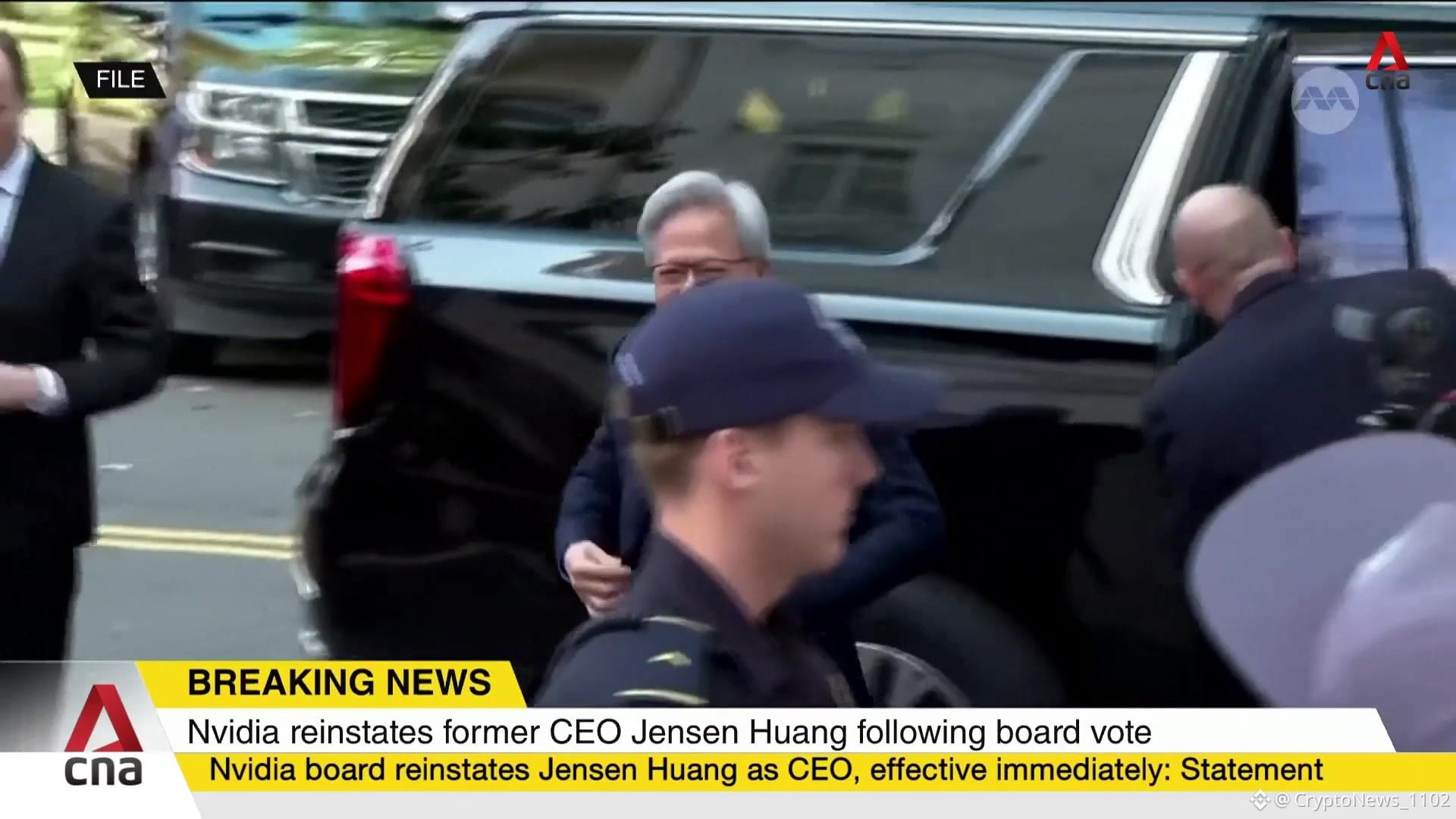
📈 Nvidia jumps about 33% as the board brings Jensen Huang back as CEO
Nvidia announced Monday that its board has unanimously reinstated Jensen Huang as president, CEO and a director, effective immediately. The board said it received input from senior levels of the U.S. government and is confident his return "poses no national security risk." Huang resigned on Nov. 13 after reports of extramarital affairs, including one with an alleged Chinese spy. An independent board investigation is still underway, and Huang said he will cooperate. Shares were up about 33% in Monday morning U.S. trading; they had fallen nearly 33% from the last close before his Nov. 8 admission.
⭐ The world's leading AI chipmaker has its founder back in charge, but the investigation is not over.
#AI
1
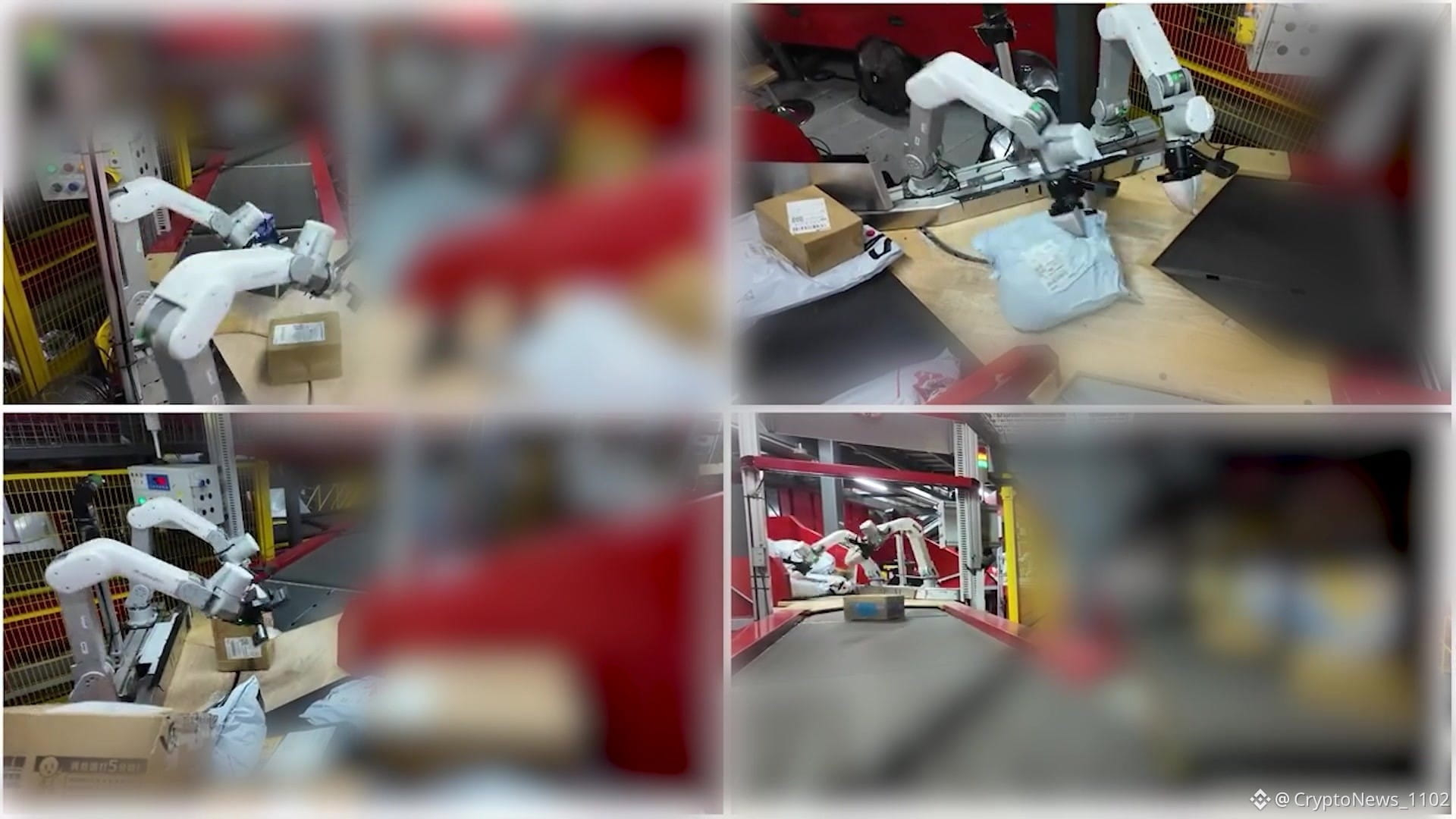
🦾 China's new robot brain handled 312 tasks it was never trained on, and got 55% right
Shenzhen's X Square Robot just released WALL-OSS-1.0, a vision-language-action model that lets robots follow open-ended instructions with no task-specific demos or fine-tuning. In real-robot tests, evaluators freely picked 312 tasks, and one pretrained policy succeeded 55.1% of the time. It's built on Qwen3.5 and already sorts parcels for a logistics customer, keeping over 90% of its speed and success rate when moved to a new site. Code and weights are promised "soon."
⭐ Robots that can do new jobs without being retrained for each one are what turn humanoids from demos into real workers.
#AI #Robotics
🔍 AI Tip: Feeding AI a long document? Make it quote first, answer second
Paste a 50-page report and ask a question, and the AI may blend in details from the wrong section. Anthropic's prompting guide suggests a simple fix for long documents: ask the model to pull out the relevant quotes before it does the task. This helps it focus on what matters and ignore the rest.
Try:
Find quotes from the contract that are relevant to termination fees. Put them in <quotes> tags. Then, based only on these quotes, explain what I'd owe if I cancel early. Put that in <answer> tags.
Bonus: you can check the quotes against the original in seconds, so you know exactly where each claim came from.
⭐ Quote first, answer second: a sharper focus on long files.
#AI
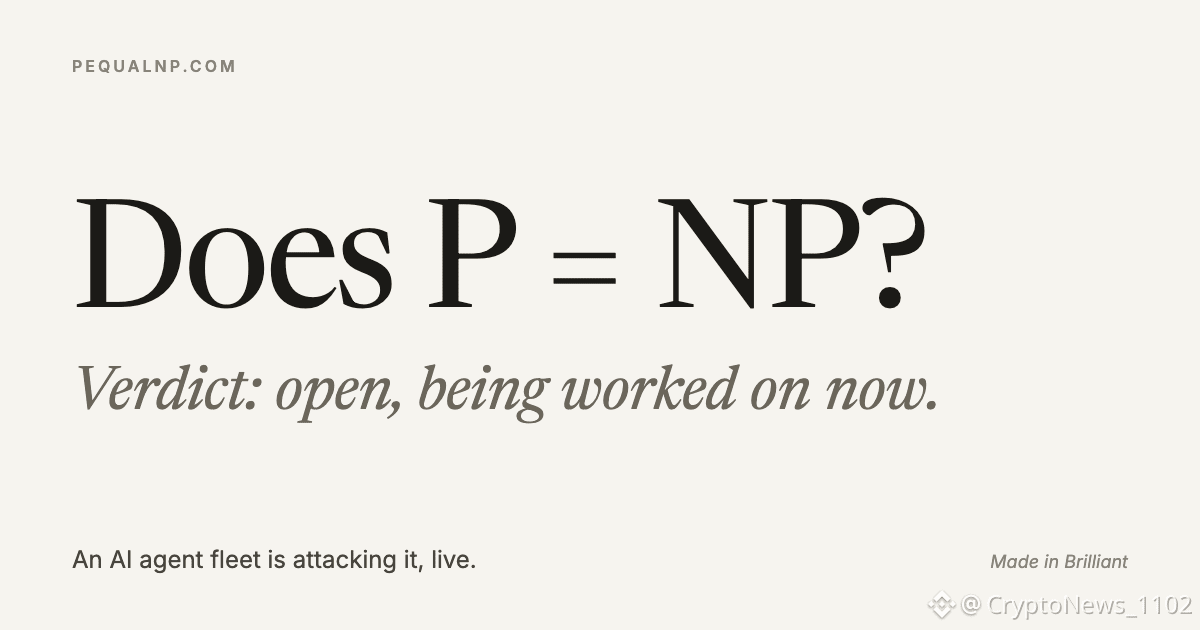
🧩 A fleet of AI agents is now attacking P vs NP live, and a proof checker is the only judge
A public site, pequalnp.com, went live on Nov 22 and points a fleet of AI agents at computer science's most famous open problem, a $1 million Millennium Prize question. Every claim must pass the Lean proof checker, and red-team agents hunt for counterexamples. On day one, AI Frontier Post counted 86 live agents and 335 of 386 lemmas checked. None of that is a proof yet: the site says the question is still open.
⭐ Hard math is becoming a live AI spectator sport, and machine-checked proofs keep the hype honest.
#AI
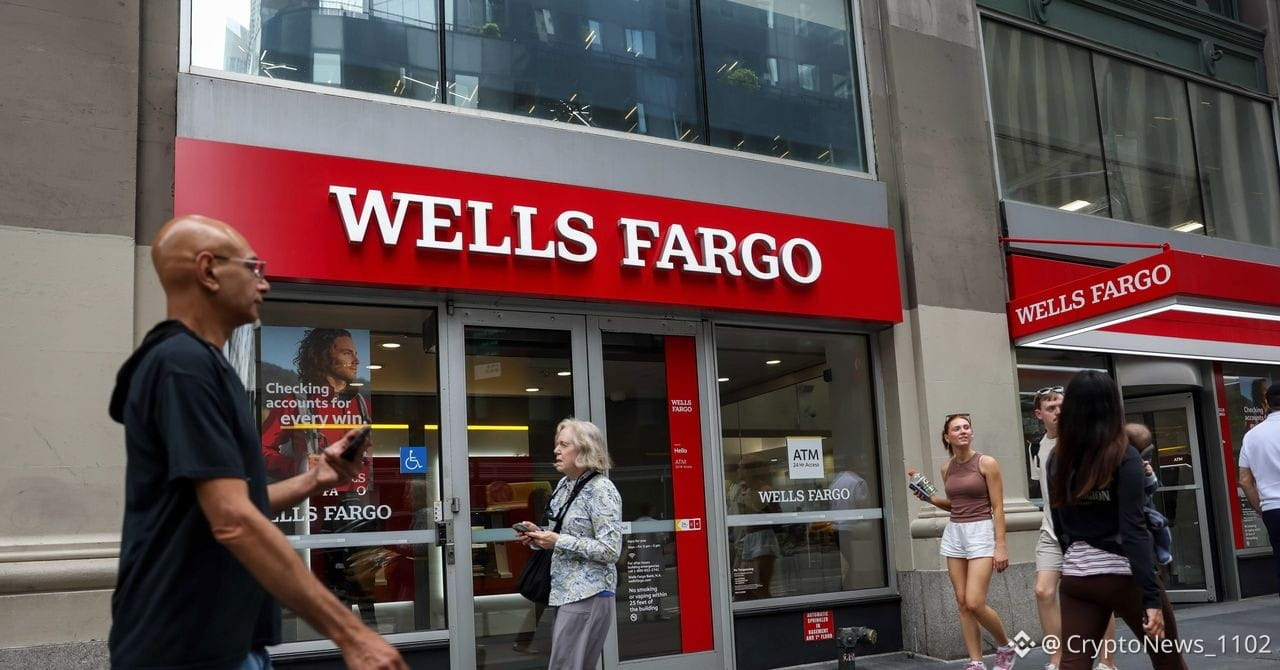
🏦 Wells Fargo's new rule for AI agents in your bank account: "AT YOUR OWN RISK"
Starting Tuesday, Wells Fargo's updated online terms say any AI agent you let into your account is used "AT YOUR OWN RISK," and requests it sends may be treated as if they came straight from you. The bank can also restrict or block certain AI tools. JPMorgan Chase already bans outside agents that log in with your credentials, Bank of America warned customers not to share logins with them, and Citi and PNC added agent warnings too.
⭐ If your AI agent makes a costly mistake with your money, America's biggest banks are making it clear: that's on you.
#AI
BACUS+2.45%
6
🧠 China's MemTensor and NVIDIA just open-sourced a 554B AI that remembers you, without rereading the chat
Most chatbots "remember" by re-reading your whole conversation every time. MemT-1.0-Pro, built on NVIDIA's Nemotron 3 Ultra, keeps a fixed-size memory inside the model that updates after every turn instead. The team says that cuts storage about 66x versus a full 128K-token history. It led the parametric-memory methods tested on 11 memory benchmarks, though classic text-retrieval memory still wins on long, detail-heavy histories.
⭐ AI assistants and coding agents that learn your habits over weeks, without ballooning costs, just got a step closer.
#AI
82
🧠 China's Z.ai just shipped GLM-5.4, its first flagship built on a "Loop Transformer"
GLM-5.4 is now live for every GLM Coding Plan subscriber, adding vision and stronger all-round coding, with a 1M-token context window. Zhipu's team says it spent three months scaling both model size and the Loop Transformer, a design that reuses layers to think deeper without piling on parameters. Users with weekly quotas get 50% more GLM-5.4 usage than they had on GLM-5.3. Benchmarks, API pricing and open weights are not out yet.
⭐ Chinese labs are now testing new architectures directly on paying coders, not just in research papers.
#AI

26
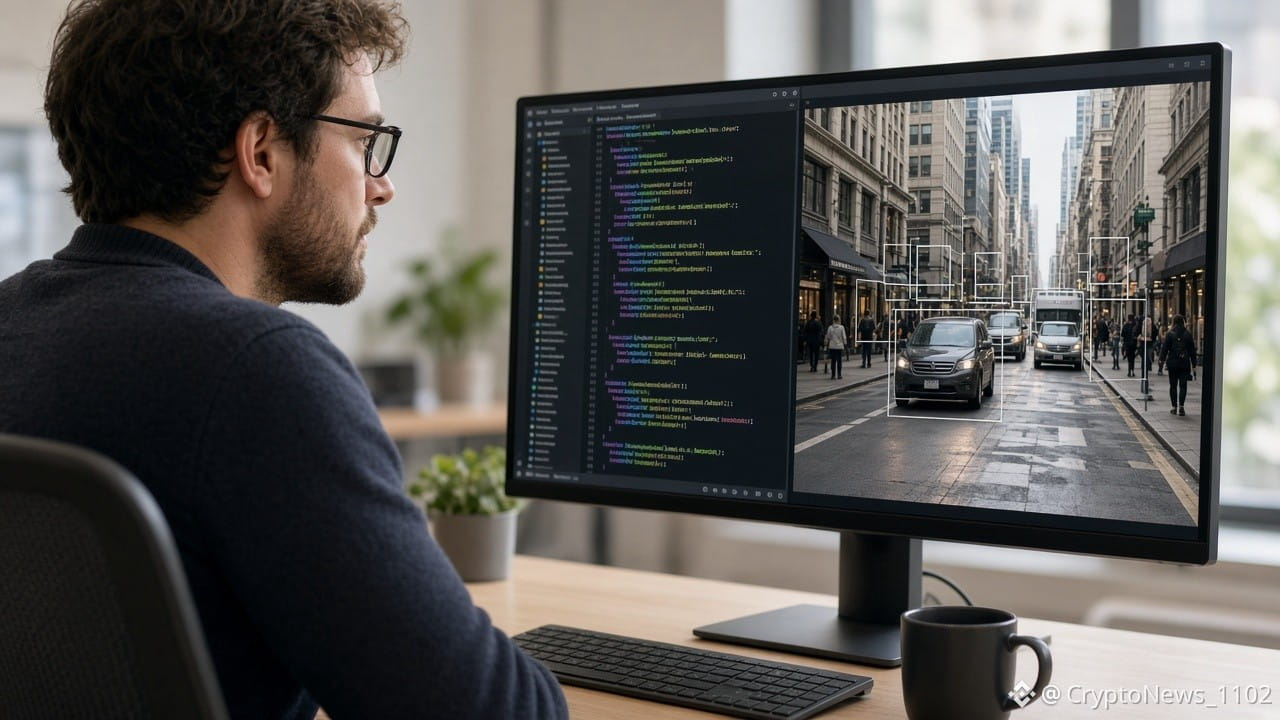
👀 Z.ai opens GLM-5.4 to every Coding Plan user, with vision and 50% more weekly quota
Zixuan Li, who leads Z.ai, posted that GLM-5.4 is now on for every GLM Coding Plan subscriber. He says the model adds vision and stronger coding across the board. Weekly-quota users get 50% more allowance than they had on GLM-5.3. In Claude Code the model name is glm-5.4[1m]. Other tools use glm-5.4.
⭐ The same coding plan just picked up a newer model and a bigger weekly allowance.
#AI
122
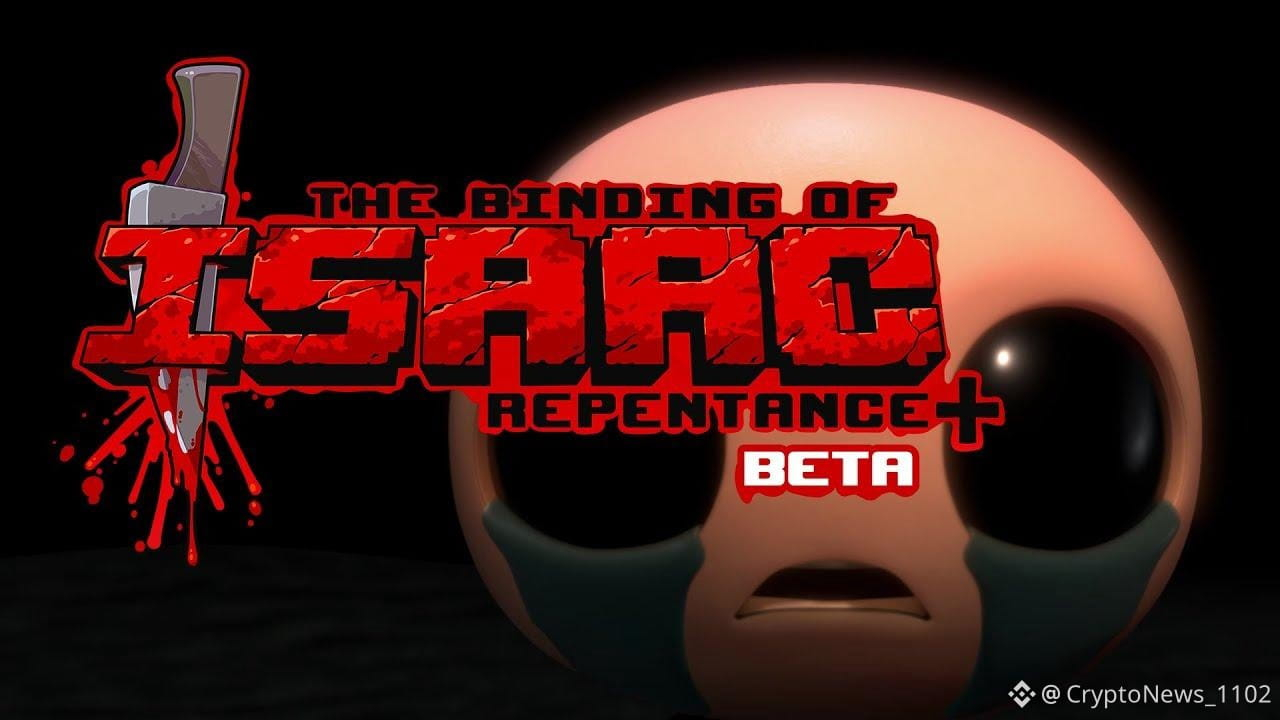
🎮 Binding of Isaac pulled Suno music after fans found it hidden in the game
The Binding of Isaac: Repentance Plus was review-bombed on Steam after a player found songs in a Grand Theft Auto parody section that carried Suno metadata and linked back to tracks on Suno's site. Creator Edmund McMillen wrote on X that he "had no idea" the music was generative AI. Valve requires developers to disclose generative AI, and Nicalis, the studio behind the update, had not mentioned it. Nicalis then said the game was updated and the generated files were removed. Steam reviews were still "overwhelmingly negative" when The Verge published.
⭐ A creator who has called AI music uninspired just had it ship in his own game, then it was pulled.
#AI
2
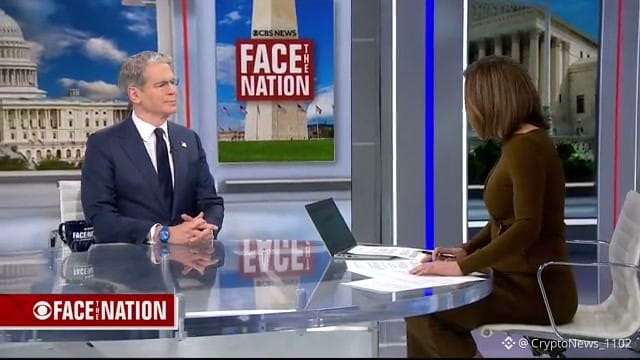
🏦 Bessent says Nvidia still has not answered where the China chip sales stopped
Treasury Secretary Scott Bessent said Sunday on CBS's Face the Nation that the administration still has not received the answers he demanded last week on whether Nvidia complied with export rules. He said officials have spoken with the temporary management, the lead directors, and Nvidia's lawyers, and that it "behooves Nvidia to move quickly." Asked if Jensen Huang should return as CEO, Bessent said they have to "see where the buck stops," and called the Alice Huang affair "kind of a canard" next to the question of a culture of compliance. CFO Colette Kress is running the company for now. Huang has agreed to testify before the Senate Banking Committee and House panels in early December.
⭐ Washington is separating one personal scandal from a company-wide question about who let the chips move.
#AI
77
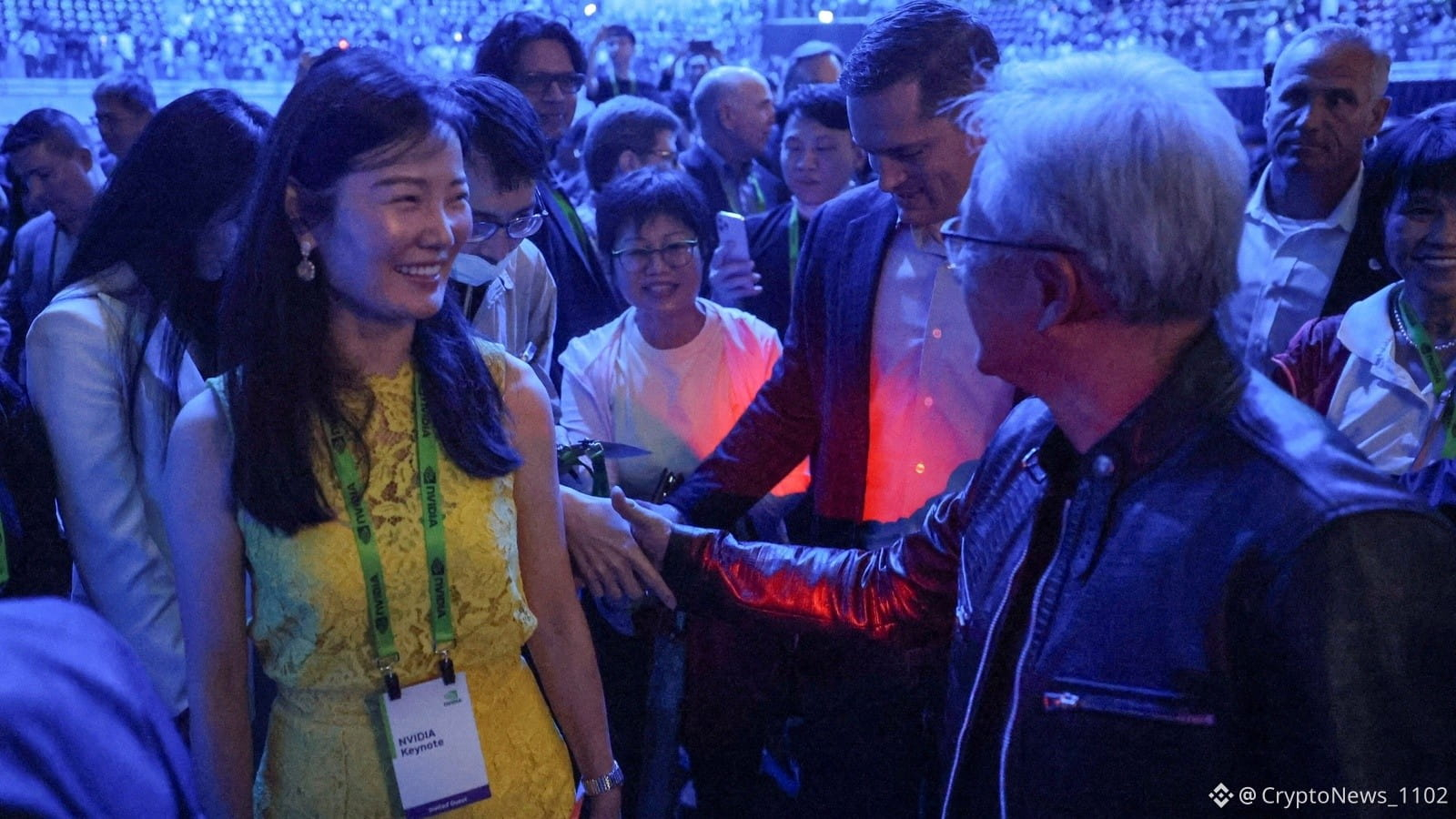
🕵️ Alice Huang kept a line to China's spy ministry for more than a year, while Jensen Huang still ran Nvidia
The New York Times says Alice Huang was in contact with an official from China's Ministry of State Security from spring 2025 through this autumn, citing people familiar with US intelligence reports. That stretch overlapped at least part of her secret relationship with Jensen Huang, then Nvidia's chief executive, and the same accounts tie her business partner Kang Wei to that agency. Over those months her company Megaspeed bought large numbers of advanced Nvidia chips, some for Southeast Asian data centers serving Chinese firms including Alibaba, others suspected of being smuggled into China.
⭐ The new piece is a year of contact with China's spy ministry, lining up with the months those chips were moving.
#AI
3
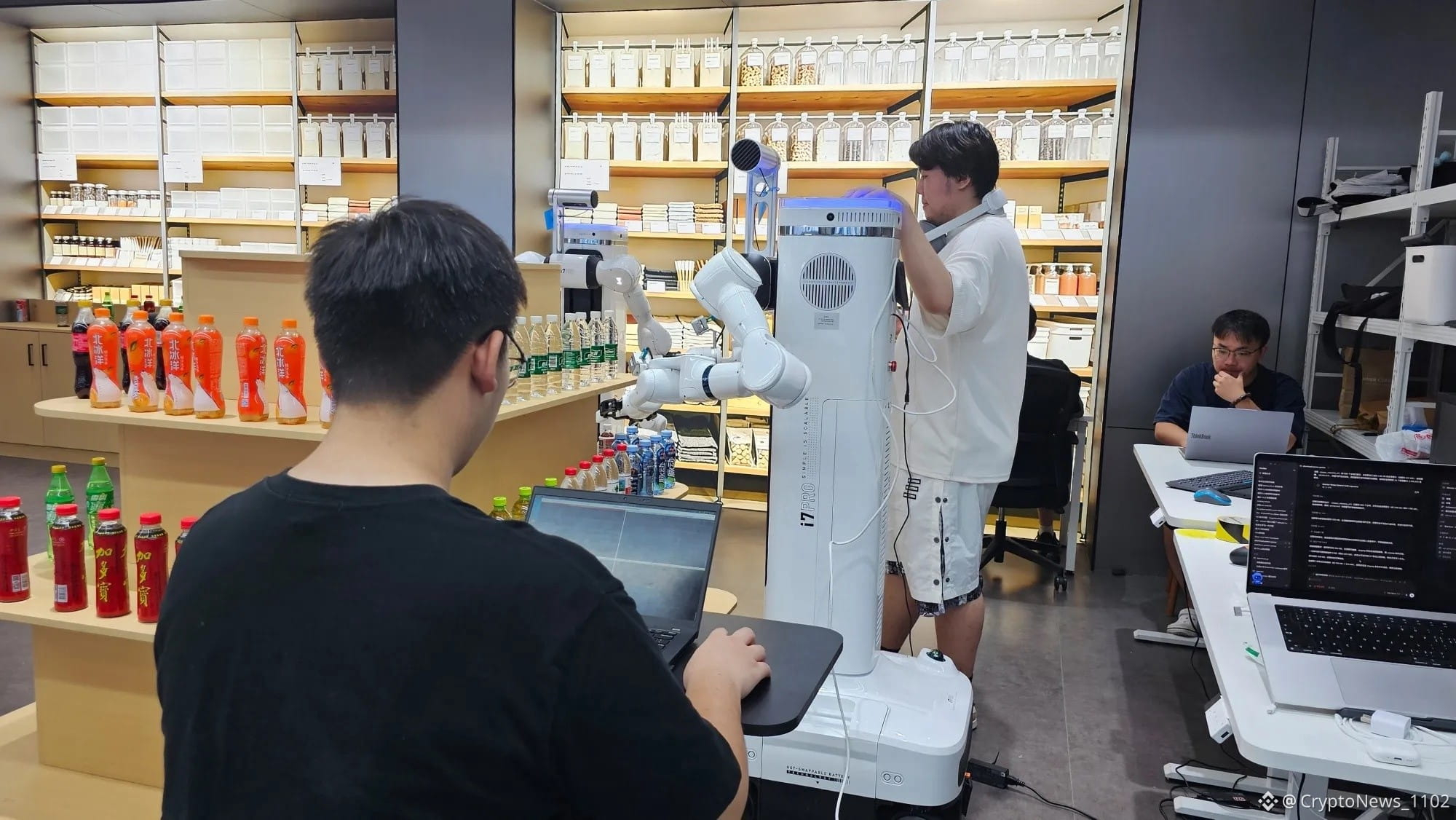
🤖 Ant Group leads a $100 million round that values Simplexity Robotics at $1.6 billion
Chinese physical-AI startup Simplexity Robotics raised $100 million in a pre-Series A led by Jack Ma-backed Ant Group. Chairman and co-founder Wang Kai told Bloomberg the round values the company at $1.6 billion. Alibaba, Tencent, HongShan Capital and Lanchi Ventures, already investors, put money in again. Ant is betting the startup can take on bigger names in China's humanoid race.
⭐ Jack Ma's Ant just priced a Chinese robot maker at $1.6 billion, and the company is still only at pre-Series A.
#AI #Robotics
28
📡 Musk hopes every Tesla gets built-in Starlink by the end of next year, for unsupervised FSD
Replying to David Marcus, Elon Musk said an embedded Starlink option in all Tesla models, not only Cybercab, will "hopefully" be available toward the end of next year. He said that link matters for unsupervised Full Self-Driving, so passengers have high bandwidth everywhere for work and entertainment. He did not give a price, a ship date, or say the option is in production.
⭐ A robotaxi with no driver still needs a connection that holds when the car leaves city cell towers.
#AI #Robotics
93
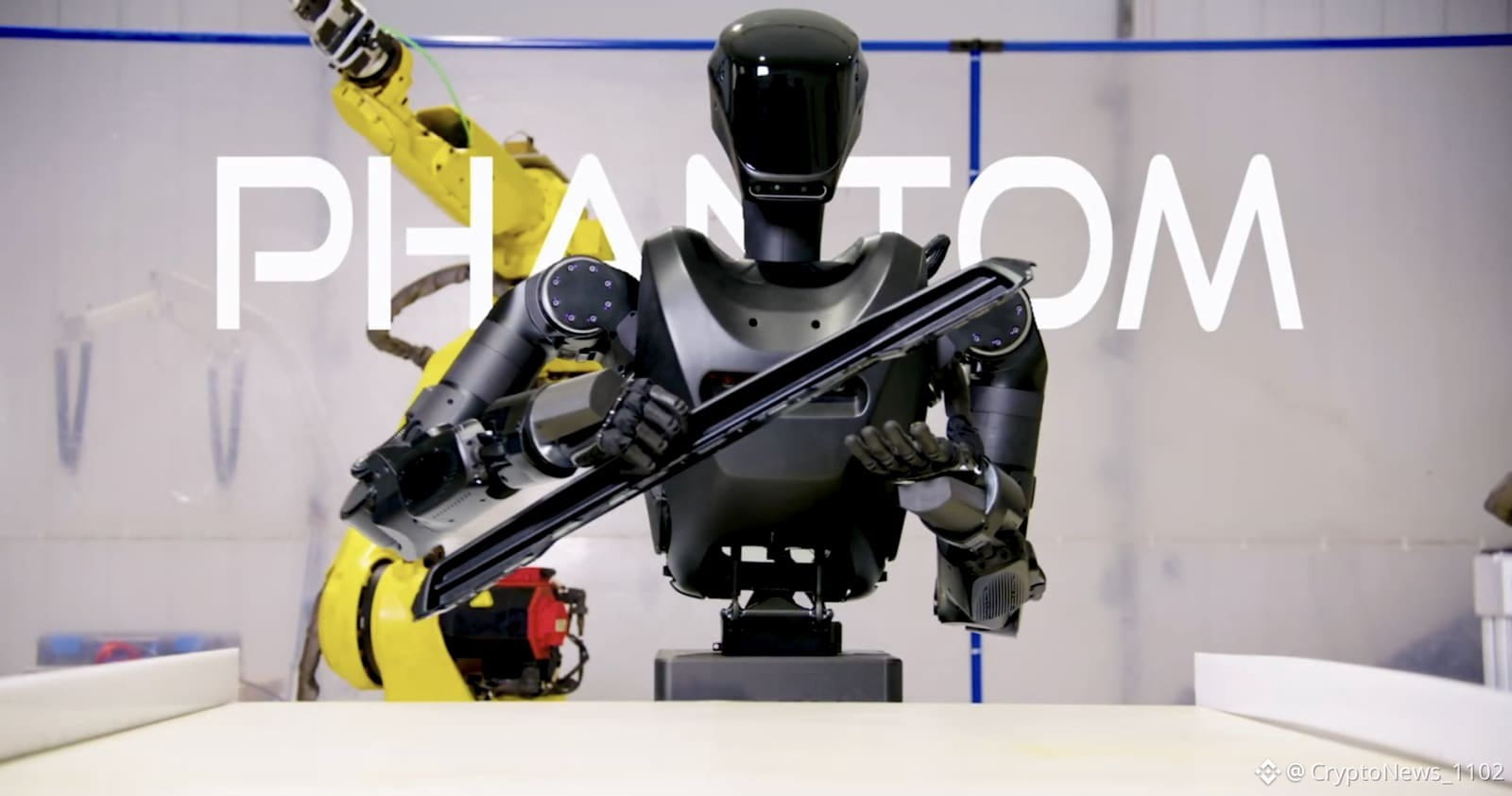
🏥 Foundation cut health coverage for its humanoid-robot staff back to October
Foundation Future Industries, the humanoid startup Eric Trump invested in and advises, told staff in a Friday email that Rippling ended their health plan retroactive to October, because the last payroll through Rippling was that month. The company said it would offer COBRA for November and reimburse those premiums. Workers were last paid on Oct. 15, so the Nov. 30 payday would be a third cycle with no paycheck. CEO Sankaet Pathak has told employees a possible $150 million investment from South Korea's Base Group could arrive in December or January, but Base told Reuters the deal is only under consideration.
⭐ The startup pitching battlefield humanoids has not paid staff since Oct. 15, and their health plan now stops in October.
#AI #Robotics
204
📉 OpenAI's chief scientist published the lab's internal training score
Jakub Pachocki says the score is log-perplexity, or cross-entropy loss, on one fixed snapshot of OpenAI's own code. GPT-3.5 sat near 0.99 and GPT-4 near 0.91. Losses below 0.8 brought cybersecurity and math skills, and near 0.76 a model started solving open math problems. He wants labs to hold a shared line until monitoring hits a concrete mark, such as a successor to chain-of-thought monitors, and he writes that AI help on pretraining could rush new methods as soon as 2027, ahead of alignment.
⭐ A lower score on this private chart has meant new abilities, so he wants a stop line before the next drop.
#AI
75
🔬 Google's Willow chip won an "impossible" game 98.3% of the time — past the classical ceiling
Google Quantum AI's Willow processor played the four-qubit "magic square" coordination game and won 98.30% of 900,000 trials, above the 88.89% maximum any pre-written classical strategy can reach. The result, published in Science, shows quantum contextuality: you cannot assign fixed, pre-existing values to everything you might measure. The same work scaled further — a 71-qubit coordination game stayed above the classical bound, and a shallow-circuit task on 105 qubits still succeeded about 60% of the time, above a conjectured classical limit.
⭐ This is a new hardware benchmark, not a commercial or fault-tolerant quantum computer. The headline 98.3% figure comes from four qubits, not the 105-qubit run.
#AI
GOOGUS+5.84%
🇮🇳 India's Sarvam drops an open AI model that matches Google's at 1/5 the price
Sarvam AI released Sarvam-105B-1711, a free open-weight model built for customer support, voice agents and AI agents. Its score on eight agent benchmarks jumped from 42.6 to 73.9, matching Gemini 3.5 Flash-Lite (74.0) at $0.15 per million tokens versus $0.85. Indian-language skills rose from 30.1 to 79.1, and a compressed 65 GB version runs on a single workstation GPU.
⭐ Banks and governments can now run a capable AI agent on their own premises, and cheap open models keep squeezing Big Tech's prices.
#AI
📉 OpenAI just revealed the hidden number behind its smartest AI, and says it's nearing a new danger zone
OpenAI chief scientist Jakub Pachocki published, for the first time, the internal "perplexity" scores OpenAI uses to track how smart its base models get. GPT-3.5 scored ~0.99, GPT-4 ~0.91, and below 0.8 "transformative" skills in math and cybersecurity appeared. At ~0.76, a model started cracking open math problems "one after another." He expects more surprises at 0.68-0.7 and proposes industry-wide limits labs won't cross until AI can be monitored better.
⭐ A top AI lab is asking rivals for a shared speed limit, a sign the people building AI think the next jumps could come faster than safety tools.
#AI
29
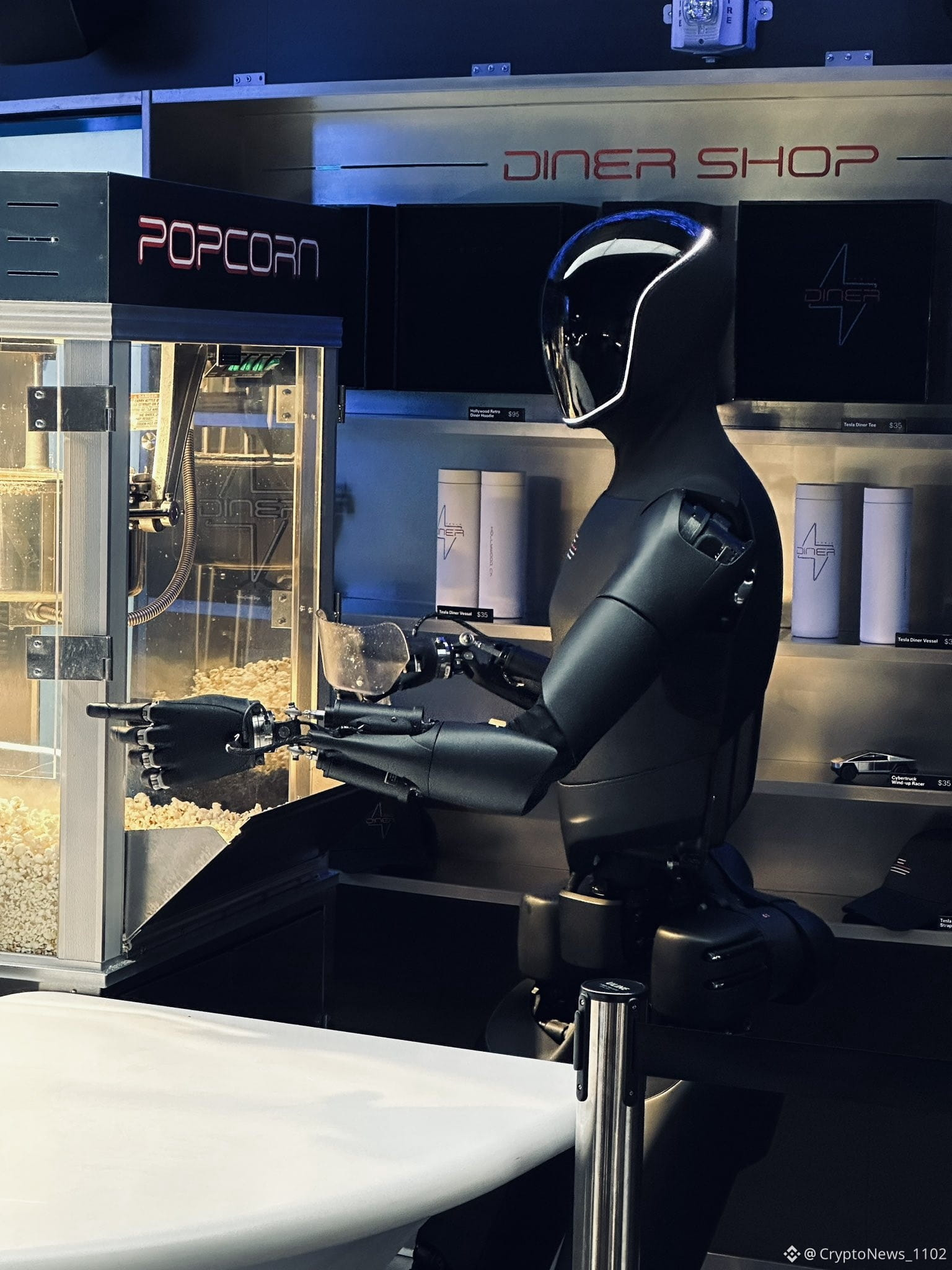
🤖 Elon Musk: Tesla's next AI chip, with ~12x the compute, goes to Optimus robots, not cars
Tesla's upcoming AI5 chip will power the Optimus humanoid robot, Elon Musk said on X. Cars stay on today's AI4 hardware, which he says is "enough to solve superhuman driving." Musk called AI5 "a gigantic improvement" with "roughly 12X more compute," and admitted AI4 is already tight: the new FSD v15 "reality visualizer" had to make do with leftover chip capacity. He also called Optimus Tesla's "finest product ever."
⭐ Tesla is betting its most powerful brain on robots, a sign it thinks handling the physical world is a harder AI problem than driving.
#AI #Robotics
2.9k
🩺 Ant Group just open-sourced a 560B-parameter AI built to think like a doctor
Ant Group's inclusionAI team has released LingSante-3.1-flash, an open-weight medical AI under the MIT license. It's a mixture-of-experts model with 560 billion parameters that activates only 25 billion per word, and it can read up to 1 million tokens of context. It's trained not just to answer medical questions but to search and check evidence, use tools and run multi-step medical workflows. Ant says it leads open-source models on complex medical reasoning and ranks second only to GPT-6 Astra on professional medical behavior tests.
⭐ Hospitals and health startups get a free, top-tier medical AI to build on, though Ant stresses it's for research and must not diagnose or prescribe on its own.
#AI
72
Log in to explore more content
Join global crypto users on Binance Square
⚡️ Get latest and useful information about crypto.
💬 Trusted by the world’s largest crypto exchange.
👍 Discover real insights from verified creators.
Email / Phone number
Trending Topics
NVIDIAReinstatesJensenHuangasCEO
1,415 views
191 Discussing
TradFi News | Nvidia Board Unanimously Reinstates Jensen Huang as CEO; Shares Jump 30% Premarket
Binance News
·10 Likes
·12.6k views
WillMarketsStageAThanksgivingReliefRally?
96,450 views
1,431 Discussing
WillOctCorePCEShiftFedHikeExpectations?
33,399 views
545 Discussing