
FOOKS
242 Posts

FOOKS
Report
Block User
流水不争先,争的是滔滔不绝
7 Following
29 Followers
254 Liked
Posts
All
Quotes
·
--
Three days ago, I left a line in that post: if it broke above $3.64 on strong volume, this rally wasn’t over. 🚀
Today it held above that level and surged all the way to $4.41, leaving its previous all-time high more than 20% behind.
It’s up about 49% in 24 hours and about 126% over the week.
There was no new news today—the rally was driven by money. Open interest in perpetual contracts across all exchanges rose about 58% in a day, reaching around $238 million.
What’s interesting is that the funding rate on OKX is only 0.005%, basically neutral. This rally isn’t being driven by shorts forced to buy back; fresh money is coming in with real conviction.
I don’t think this rally is over yet. There’s no overhead supply weighing it down.
If it falls back below $3.64, then this was a false breakout.
The token supply is still concentrated: the top 25 holders control about 97% of the market cap.
$3.64 has turned from a ceiling into a floor. Now we’ll see if it can hold.
$PIEVERSE

232
·
--
Shorts are paying 1.5% every 8 hours just to keep a coin down—even though there’s no new news about it today. 💸
ENSO is up about 10% again today, trading at around $0.51.
A week ago, it was just $0.37—a gain of about 38% in 7 days.
I looked around, and all the supposed good news I could find today was old news resurfacing: that February article about Chainlink cross-chain integration.
No new updates, but money is definitely flowing in: Binance perpetual open interest has more than doubled in a week, and 24-hour trading volume is close to $20 million—nearly twice its market cap.
I don’t think this rally is being driven by good news. I think shorts are spending money to give longs a lift.
If it holds above $0.50, the short squeeze still has room to run.
If it drops back below $0.46, then the momentum is gone.
The money’s in, the old news has resurfaced—now let’s see how many more rounds the shorts can afford to pay for.
$ENSO

378
·
--
On the second day after the unlock, the low was smashed through again. 📉
At 8 a.m. yesterday, around 2.1 billion AKE tokens were unlocked on schedule, accounting for 9.25% of the circulating supply. Roughly 70% went to investors and insiders.
In yesterday’s post, I wrote: “The key is whether $0.006 can hold. If the price can’t get back above it, the unlocked tokens will sooner or later put pressure on the market again.”
That selling pressure hit today: the token price briefly fell to around $0.0031, smashing through the $0.0045 low it had just held yesterday. It’s down more than 40% in 24 hours.
Market sentiment has turned bearish too: perpetual futures funding rates have turned negative, meaning shorts are paying. Of the $1.14 million liquidated over the past 24 hours, 60% was from long positions.
I don’t see much reason to buy the dip in the short term. The next support to watch is $0.0025, where this rally began on November 13.
If the price manages to get back above $0.0045 someday, we can chalk today’s move up to an overreaction. If it can’t, another batch of the same size is due to unlock on December 21.
$AKE

78
·
--
🐳 An institution that had $10.39 million stolen by hackers just four days ago turned around and spent $600 million buying the Bitcoin dip.
Lookonchain monitored Abraxas Capital scooping up 10,356 Bitcoin yesterday alone, worth about $607 million, at an average price of $58,651.
Of those, 5,856 BTC were withdrawn directly from Binance and Kraken within eight hours. They were pulled off the exchanges as soon as they arrived—not just placed as orders to scare people.
What’s interesting is that it was the same institution: on November 18, the API key for its Lighter account was leaked, costing it $10.39 million in USDC, after which it cleared out all its on-chain positions.
Three days later, it turned around and spent $600 million catching the falling knife. Losing money didn’t make it hesitate.
On the other side, some traders went the opposite way: two anonymous addresses deposited 4,069 Bitcoin, worth about $239 million, into Binance on the same day.
One side withdrew $600 million while the other deposited $240 million. Around the $60,000 level, bulls and bears are facing off with real money.
I don’t think this rally is just retail investors cheering themselves on: someone used real money to fill the hole at $55,100 early Saturday morning. At the latest price, Abraxas is already sitting on about $16 million in unrealized gains on this trade.
If Bitcoin really falls back below $58,000, then this dip-buying trade will have turned into catching a falling knife.
$BTC

102
·
--
☀️ Market Morning Brief 11-22
Overnight highlights:
① Bitcoin rebounds above $60,000 after hitting a low: Early Saturday, it briefly fell to around $55,100, its lowest level since September 2024, then staged a V-shaped rebound of over 9% to climb back above $60,000. It’s now around $60,200. About $2.5 billion in positions were liquidated across the crypto market over 24 hours, mostly longs. SOL closed above $70, and XRP recovered to $0.90.
② Two oil tankers attacked in the Strait of Hormuz: The UK Maritime Trade Operations (UKMTO) reported Saturday that two tankers near Khasab, Oman, were struck by unidentified projectiles, one on the stern and the other in the engine room. There were no casualties. Iran’s military said a tanker struck a mine and caught fire, while Iranian state television also claimed that an American military drone had been shot down.
③ Chainflip treasury drained: Around $4.86 million was swept from cross-chain protocol Chainflip’s Ethereum treasury in a transaction early Saturday, along with about 123 BTC. The signature was valid, raising suspicions that an aggregated validator signing key had been compromised. The funds reached Tornado Cash within nine minutes. The protocol has halted all operations, and FLIP fell about 34% on the day.
④ Kraken’s CAD order book shows a bizarre price discrepancy: BTC/CAD briefly traded at 24,250 Canadian dollars on Saturday, or about $16,900—roughly 70% below the market price. The discrepancy lasted around 11 hours. Kraken said orders were processed correctly, there was no hack, and trades were valid and would not be reversed.
⑤ ETFs continue to see outflows: Preliminary data showed U.S. spot Bitcoin ETFs had net outflows of about $125 million on Friday; BlackRock’s IBIT figure has not yet been released. Weekly net outflows were about $1.25 billion, bringing November’s total to around $3.59 billion.
What to watch today:
① U.S. markets open Monday: Whether the Nasdaq can stabilize after falling 5.28% on Friday will determine if this rally is just a breather or a genuine bottom. We’ll know whether Bitcoin’s seven-week losing streak is over when the weekly candle closes Monday morning.
② Monad unlock approaches next Tuesday: Around 16.6 billion MON will be unlocked on November 24, equal to 1.4 times the current circulating supply. Ahead of the unlock, watch for movements in locked wallets and changes in funding rates.
③ December rate hike largely priced in: CME tools show about a 96% probability of a rate hike on December 9, with a 25-basis-point increase the most likely outcome. The next key data point is PCE, due November 25, ahead of Thanksgiving.
Overnight on Saturday, crypto filled in the hole at $55,000, while another fire broke out across the strait. Monday’s market open will be the real test.
$BTC
$SOL
$MON
341
·
--
Tom Lee’s BitMine is now sitting on an unrealized loss of $11 billion 🩸
Lookonchain’s estimate today: BitMine holds 6.078 million ETH, purchased at an average price of around $3,350, with an unrealized loss of about $11 billion—a return of roughly -50%.
Strategy isn’t doing much better: 850,000 BTC, with an unrealized loss of about $16.9 billion.
Together, the two companies have around $27.9 billion in unrealized losses on their books.
The losses are on paper; not a single coin has been sold.
But the treasury strategy is built on buying more as prices fall. Now, the more they buy, the more they lose.
BitMine has staked 5.227 million ETH, earning about $245 million a year in staking income. Compared with its $11 billion unrealized loss, that’s just a drop in the bucket.
Strategy itself says it still has $35 billion in net reserves, and hasn’t staked a single coin—there’s no liquidation risk, but only the market can decide whether confidence holds.
I think this is the first time the treasury playbook has really been put to the test: if coin prices don’t recover, treasury companies are the biggest bagholders.
If ETH really gets back above $1,800 and the unrealized losses narrow significantly, that’s a different story.
$ETH

50
·
--
They audited their own books and found 1.5 billion extra tokens. 🔍
Sonic released an independent audit yesterday of the total supply of its S token.
The result is pretty alarming: the actual on-chain supply is 4.7 billion, 48% more than the 3.175 billion stated at launch—that’s 1.5 billion extra tokens.
The project gave an explanation for the excess.
Most of it goes back to the Fantom era: 2.12 billion native FTM tokens were minted on the Opera chain in 2019. Of the Ethereum-based FTM that should have been locked or burned, 1.47 billion weren’t locked. Both sides were converted into S at a 1:1 ratio.
Then there were 513.5 million tokens minted for business development, along with validator rewards and other smaller amounts.
Holders also still have 428 million FTM that haven’t been bridged, so the supply accounting isn’t finished yet.
There are two remedial steps: on December 15, burn 91.7 million unallocated airdrop tokens and remove the manual minting function from the contract.
But 91.7 million is only 6% of the 1.5 billion shortfall, and the audit says it’s still investigating where the rest came from.
I think having the courage to audit and air your dirty laundry is a plus. But that figure—1.5 billion extra tokens—is a supply overhang hanging over everyone’s heads.
S fell 11% today along with the broader market, landing at $0.026. It’s already down by half in a month. It wasn’t the audit that fell—it was trust.
Once the tokens are burned on December 15 and the rest of the accounting is explained, only then can this chapter be closed.
$S

97
·
--
At 3 a.m., Bitcoin pierced the July 1 low.
The hourly candle at 3 a.m. on November 21 hit a low of $57,778, just below the July 1 low of $57,800. We haven’t seen this price since September 2024.
Across the crypto market, 290,000 traders were liquidated for $1.9 billion over 24 hours. Long positions made up 90% of the total, and ETFs saw outflows of $582 million on Thursday alone.
Interestingly, after breaking below the low, Bitcoin didn’t keep falling. The 5 a.m. candle bounced back above $59,400.
But that rebound didn’t last. By noon, it had slipped back to around $58,300, not far from the low it had just broken through.
I don’t think this year’s low is a floor—it’s a threshold. Breaking below it and then recovering shows that the bears haven’t gained the upper hand either.
This weekend, watch to see whether it can get back above $59,000. If it can’t, this level will have to be tested again.
If it closes the weekend back above $59,400, then this move will have established a solid footing.
U.S. stock markets are closed this weekend, so crypto has to defend this level on its own.🕯️
$BTC

57
·
--
Verified
The unlock went through, but the price didn’t get hammered any lower. ⏳
At 8 a.m. today, around 2.1 billion AKE tokens were unlocked on schedule, accounting for 9.25% of the circulating supply and worth about $14 million at current prices. Roughly 70% went to investors and insiders.
The token had already taken a major hit before the unlock: it fell about 40% in 24 hours, bottoming out near $0.0043. The $0.0074 low mentioned in yesterday’s article had long since been broken.
In the hour or so since the unlock, the price has held around $0.006 without another high-volume sell-off. That suggests people waiting to sell into the unlock had already sold most of their tokens yesterday.
But I don’t think the dust has settled just yet.
The unlocked tokens only arrived today. The real selling pressure from large holders will depend on what happens over the next few days, once they’ve received their tokens. Whether the price can hold $0.006 is the key.
If it can climb back above $0.0074 over the next few days, we can write off yesterday’s move as an early shakeout. If it can’t, the newly unlocked tokens could eventually trigger another wave of selling.
$AKE
4
5
2k
·
--
☀️ Market Morning Brief 11-21
Overnight highlights:
① U.S. stocks were hammered on Friday: Nasdaq fell 5.28%, wiping out all its gains for the year; S&P 500 fell 3.7%, extending its losing streak to seven sessions—the longest since February 2020; Dow fell 1.93%, with both the S&P 500 and Dow entering correction territory; Nvidia plunged about 14%, its worst single-day performance in nearly two years. Reuters reported that the SEC is reviewing its accounting practices; Anthropic fell 9.1% on its second day of trading, closing at $88.30, still above its $83 IPO price.
② Bitcoin fell below $60,000 for the first time since July, touching an intraday low of around $58,800; it has fallen more than 20% in November and is down by more than half from its October 2025 peak; it climbed back above $59,000 early Saturday.
③ ETFs are still bleeding: U.S. spot Bitcoin ETFs saw net outflows of $582.3 million on Thursday. BlackRock's IBIT saw $541.1 million in outflows in a single day, its largest since launch; November's cumulative outflows are around $3.47 billion. Friday's figures are not out yet.
④ Sky's stablecoin USDS shrank by 30% in a day: Investigative firm Inca Digital tracked 422 wallets linked to hacks, sanctions, and North Korea that had moved around $518 million through Sky's PSM over the years, including around $102 million linked to North Korea. More than $1.5 billion in USDC flowed out after the news, and USDS's market cap fell to around $3.2 billion. Sky responded that this represented only about 0.03% of the PSM's cumulative processed volume, that the peg had not broken, and that USDS had stayed at $1.
⑤ Privacy coins were hit from both sides: ZEC fell about 15% in a day, dropping below $800—the steepest decline among the top 20—with around $14 million in long liquidations; on Hyperliquid, wrapped Monero XMR1 plunged from around $500 to below $1 in half an hour. About $13.51 million worth of the 5.2 million tokens transferred out of the deployer's wallet were sold. The same deployer also controls 99.97% of the ZEC1 supply. Native Monero was unaffected.
What to watch today:
① At 8 a.m. today, around 2.1 billion AKE tokens from Akedo will be unlocked: about 9.25% of the circulating supply, worth around $14 million at current prices. AKE had already fallen about 40% over the previous 24 hours ahead of the unlock. Watch whether the event clears the overhang or brings further selling pressure.
② Keep an eye on Bitcoin's year-to-date low of $57,700 this weekend: whether it holds or breaks will set the tone for Monday's open. It will be hard to call a bottom until Bitcoin recovers $62,000; the question of whether its seven-week losing streak continues won't be answered until Monday morning.
③ Monad's unlock is approaching next Tuesday: Around 16.6 billion MON tokens unlock on November 24, equivalent to 1.4 times the current circulating supply. Watch locked-wallet activity and funding-rate changes as the date approaches.
The biggest IPO in history lasted less than a day, and Bitcoin couldn't hold $60,000 either. This weekend, all eyes are on the $57,700 level.
$BTC
$AKE
$ZEC
85
·
--
Shorts are paying every day, yet the token price is stuck below $0.01. 😬
HUMA is up about 13% today, trading at $0.0092, after briefly touching $0.0102 intraday.
From its November 16 low of $0.0062, it has rebounded nearly 50%, but it’s still down more than 60% over the past 30 days.
The interesting part is the futures market: OKX’s funding rate is -0.12%, meaning shorts are continuing to pay. A co-founder also explained on November 12 that an early LP wallet was hacked on October 22, and about 12 million airdropped tokens were sold off. That hurt spot market sentiment, but the real battleground is on the leverage side.
But there’s still a sword hanging overhead: about 430 million tokens are set to unlock on November 26, roughly a quarter of the circulating supply.
I think this rebound is being driven by shorts paying up, not a reversal. If it can’t break above $0.01, the unlock day will only be tougher.
If it breaks above $0.01 on strong volume and holds there, then this rally is more than just a bounce.
$HUMA

217
·
--
The unlock hasn’t happened yet, but the token is already down 15%. ⏳
Akedo will unlock around 2.1 billion AKE at 8 a.m. tomorrow, nearly 10% of the circulating supply, worth about $18 million at the current price.
About 70% will go to investors and insiders, while the community gets only 30%.
The price has already taken a hit today: OKX perpetuals dipped as low as $0.0074, down more than 15% in 24 hours. The rebound over the past two weeks—from $0.002, a fourfold gain—has given back a big chunk.
But I don’t think it’s time to rush in and buy the dip.
The unlocked tokens won’t arrive until tomorrow. Today’s drop is from people who couldn’t wait; once tomorrow comes, we’ll see the real selling pressure.
For tonight, let’s see whether the $0.0074 low holds.
If the unlock goes through tomorrow and the price climbs back above $0.01, then we can chalk today’s move up to an early shakeout.
At 8 a.m. tomorrow, 2.1 billion tokens will hit the market right on schedule. Then we’ll see who can absorb the supply.
$AKE

1
367
·
--
Up 34% at the open, but only 17% by the close—and after-hours trading then broke below the day-one low. 🎢
Anthropic made its debut yesterday. Its $83 IPO price surged to $111.50 at the open, and its market cap briefly topped $2 trillion intraday. It closed at $97.17, trimming its gains to 17%.
It then fell about 5% after hours to $92.60, below its intraday low of $92.72 on day one.
The trigger was a Bloomberg report: Apple is building its own autonomous AI assistant to compete directly with OpenAI and Anthropic.
But I don't think we should rush to buy this dip just yet.
The 7x oversubscription on day one and the biggest IPO in history at $81.3 billion were real signs of excitement. But the stock gave back more than half of its opening gains in a single day, suggesting that buyers who chased the rally aren't feeling very secure.
The perpetual futures market has now slipped to just above $91, with a 24-hour low around $90.70.
The U.S. market opens tonight at 9:30 p.m. Let's see whether the $90 level holds.
If it moves back above $97 right at the open, we can chalk this up to profit-taking after day one.
The biggest IPO in history. On day two, the test isn't valuation—it's how much patience buyers still have.
$ANT
#Anthropic's record-breaking listing: Is a $1.5 trillion valuation justified?

70
·
--
Partly True
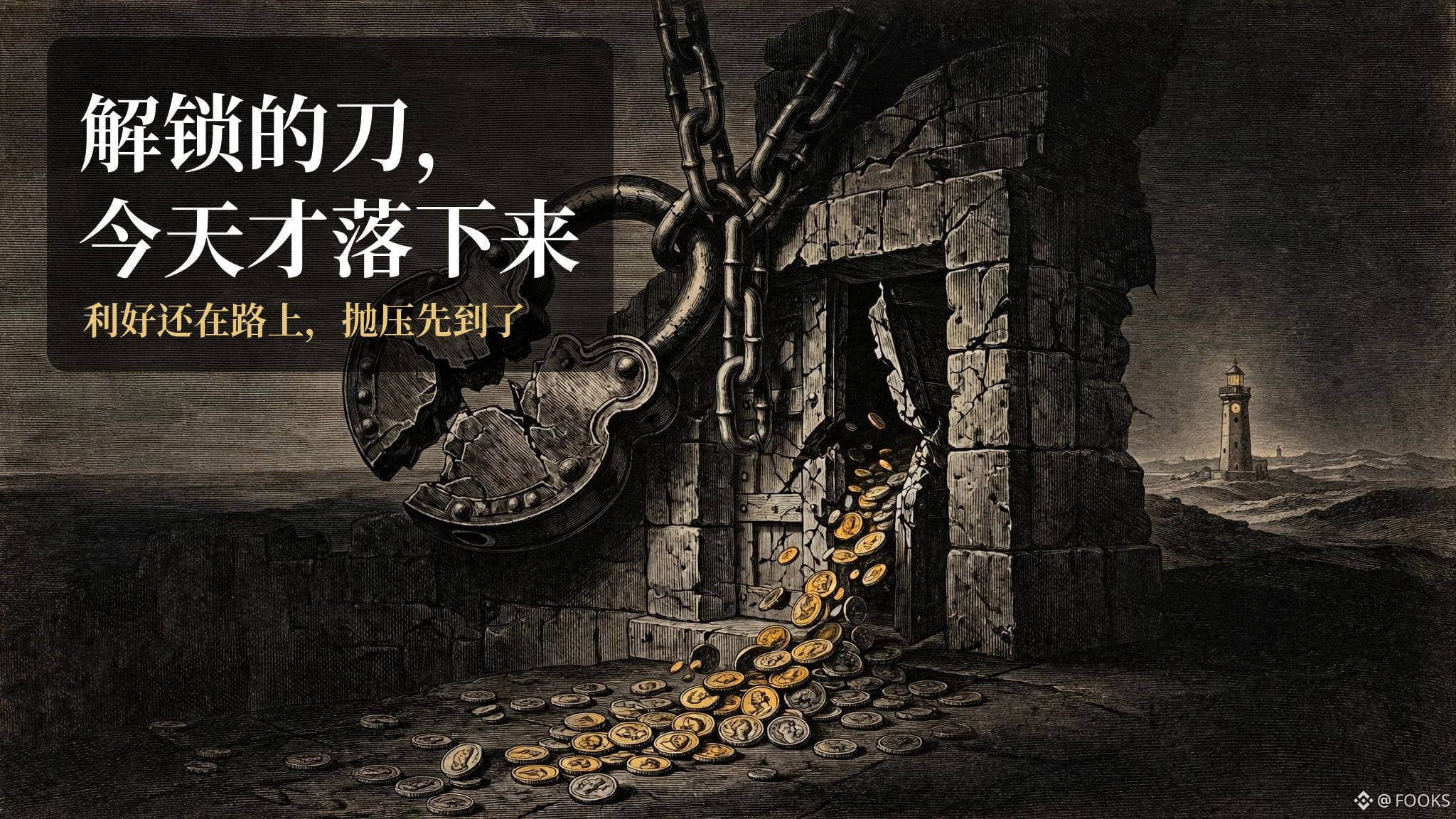
The good news is 10 days away, but selling pressure arrived in the early hours of this morning. 🔓
Today, LayerZero unlocks about 23.3 million ZRO, worth around $30 million—roughly 5.8% of the circulating supply. It’s all insider tokens allocated to core contributors and strategic partners.
The market has already priced it in to some extent: ZRO fell 10% on November 18, then dropped another 10% today. The price is now back around $1.26, with an intraday low of $1.247.
But I don’t think it’s over yet.
The October unlock is a cautionary tale: in the 11 days after it, ZRO fell as much as another 25%. The selling pressure played out gradually after the tokens were unlocked; it wasn’t all over on unlock day.
Meanwhile, the good news really is on the way: Zero mainnet and ATLAS launch on November 30. ZRO will be used for gas and staking, and 75% of fees will go toward buybacks and burns.
The catch is that those buybacks won’t begin until the mainnet launches and fees start flowing. Today’s selling pressure isn’t going to wait.
If ZRO can close back above $1.40 today, then the market has probably absorbed this wave of selling pressure ahead of time.
The mainnet story doesn’t begin until November 30. Today, the unlock is still the main event.
$ZRO
1
522
·
--
It was just hailed as a safe alternative to Nvidia, and now it’s been called out in a short-seller report. 🔍
Hunterbrook published an investigative report on Thursday titled “AMD has its own China problem.”
The report says that IEIT, a Chinese server maker blacklisted by the U.S., continued using at least six newer versions of AMD firmware after it was banned in March 2025. The latest version was dated October 19.
Servers sold by three affiliated manufacturers had firmware that was 99.94% identical to IEIT’s.
AMD closed at $489 on Thursday, down 7.7%, and fell another 2.6% after hours.
The perpetual price is now around $477. Over the past 24 hours, it reached a high of $555 and sank to a low of $470.
The report itself acknowledges that it doesn’t know how IEIT obtained the code or whether it had a license, and it offers no hard proof of wrongdoing.
What’s more, the Hunterbrook fund behind the report is short AMD, while AMD says the report misrepresents its business.
I wouldn’t rush to buy the dip just yet.
AMD rose nearly 45% over the past five trading days on the logic that “Nvidia is in trouble, and I’m a safe alternative.” Now that same question mark is hanging over AMD.
China and Hong Kong account for 22.4% of AMD’s revenue, compared with just 9.1% for Nvidia. AMD also has $4.28 billion in business in Singapore, and the new rules took effect on Thursday.
When the market opens tonight, the first thing to watch is whether $470 holds.
If it climbs straight back above $490 at the open tonight, then this report may just have given the bears an excuse to hit the stock.
Short-seller reports come with an agenda, but the regulatory question mark is now out there. We’ll see what happens at the open tonight.
$AMD

92
·
--
☀️ Morning Market Brief 11-20
Overnight highlights:
① U.S. stocks plunged across the board on Thursday: the Dow fell 2.19%, down more than 1,100 points to close at 49,097, falling below 50,000; the S&P 500 dropped 2.02%, extending its losing streak to six sessions—the longest in two and a half years; the Nasdaq fell 2.25%, while the Nasdaq 100 is down 15.4% from its October 6 high.
② Anthropic opened strong but then fell on its first day: its first trade was at $111.50, 34% above its $83 offering price. It reached an intraday high of $115.10, briefly taking its market cap above $2 trillion; it later retreated to close at $97.17, still 17.1% above the offering price. The IPO raised about $81.3 billion, the largest in history.
③ Bitcoin fell below $62,000: it closed below $62,000 on the UTC daily chart, marking six straight weeks of losses and a roughly 50% drop from its October 2025 peak. U.S. spot Bitcoin ETFs saw another $306 million in net outflows on Wednesday, bringing November outflows to about $2.6–$2.9 billion; Strategy fell to around $86.
④ A trilateral meeting produced a four-point “Declaration of Peace”: Trump, Xi Jinping, and Putin spoke in Shenzhen for about an hour and a half. Their joint statement pledged to advance UN reform, increase supplies of refined petroleum products, reduce nuclear risks, and restrict the International Criminal Court. It did not mention the wars in Ukraine or Iran, nor provide any timelines or figures.
⑤ U.S. initial jobless claims came in at 203,000: slightly above the market forecast of 199,000. Continuing claims jumped by 70,000 to 1.763 million—the more noteworthy figure in this report.
Today’s highlights:
① At 16:00 today, Bitcoin options expire on Deribit: open interest is about 35,300 BTC, with the max pain point near $70,000 and a notional value of about $2.18 billion. Ether’s max pain point for the same expiry is around $1,950.
② U.S. markets open tonight: after six straight losing sessions, whether the S&P 500 can stop the bleeding will be the main focus. Anthropic enters its second day of trading, with the IPO expected to settle today.
③ Fed officials speak one after another tonight: Governor Waller speaks at 21:25 and Governor Cook at 01:15. Waller said the day before that a 50-basis-point rate hike in December was possible. The University of Michigan’s final November consumer sentiment reading is due at 23:00, with a forecast of 51.0.
④ Tomorrow morning at 8:00, about 2.1 billion AKE tokens from Akedo will be unlocked: roughly 9.25% of the circulating supply, worth about $21 million at current prices. After an unlock of similar size last month, AKE fell about 60% over the following month.
Even the biggest IPO debut in history couldn’t keep the broader market afloat. Tonight, all eyes are on whether the six-day losing streak can be stopped.
$ANT
$BTC
$AKE
·
--
Three hours after a game launched, 7.9 million people were watching others play at the same time.
GTA 6 is rolling out worldwide today. It debuted on Metacritic with a score of 99, based on reviews from 146 outlets, tying for the highest score ever.
Three hours after launch, Streams Charts recorded nearly 7.9 million concurrent viewers—a new record for a game launch livestream. Twitch alone accounted for 3.29 million, more than the total for the 2022 League of Legends World Championship.
Pre-orders had already broken records, too. Sensor Tower estimates 17.07 million copies sold, worth about $1.65 billion, making it the most pre-ordered game ever.
Take-Two rose 6.2% on Wednesday, closing at $216.61. Its OKX perpetual contract is now at $217.20 and still climbing.
But don’t focus only on today: Take-Two is still down 15% year to date, and briefly fell to $183.86 at the end of October.
My take: This doesn’t look like a “sell the news” event. With a 99 score and 7.9 million concurrent viewers, if the stock holds above $220 after the U.S. market opens at 10:30 p.m. tonight, the next level to watch is $227.82—the closing price on November 13.
Wells Fargo has already raised its expectations, projecting 65 million copies sold by the end of March next year and a 19% increase in full-year net bookings to $9.76 billion. Oppenheimer expects 20 million copies sold in the first three days. Take-Two could report first-day sales as soon as tomorrow.
If it opens and drops straight back below $210, then this rally was just a breather thanks to the launch.
Thirteen years in the making—the market open tonight will tell the story. 🎮
$TTWO
#GTA6OfficiallyLaunches,CanTTWOStockGetABoost?

2
101
·
--
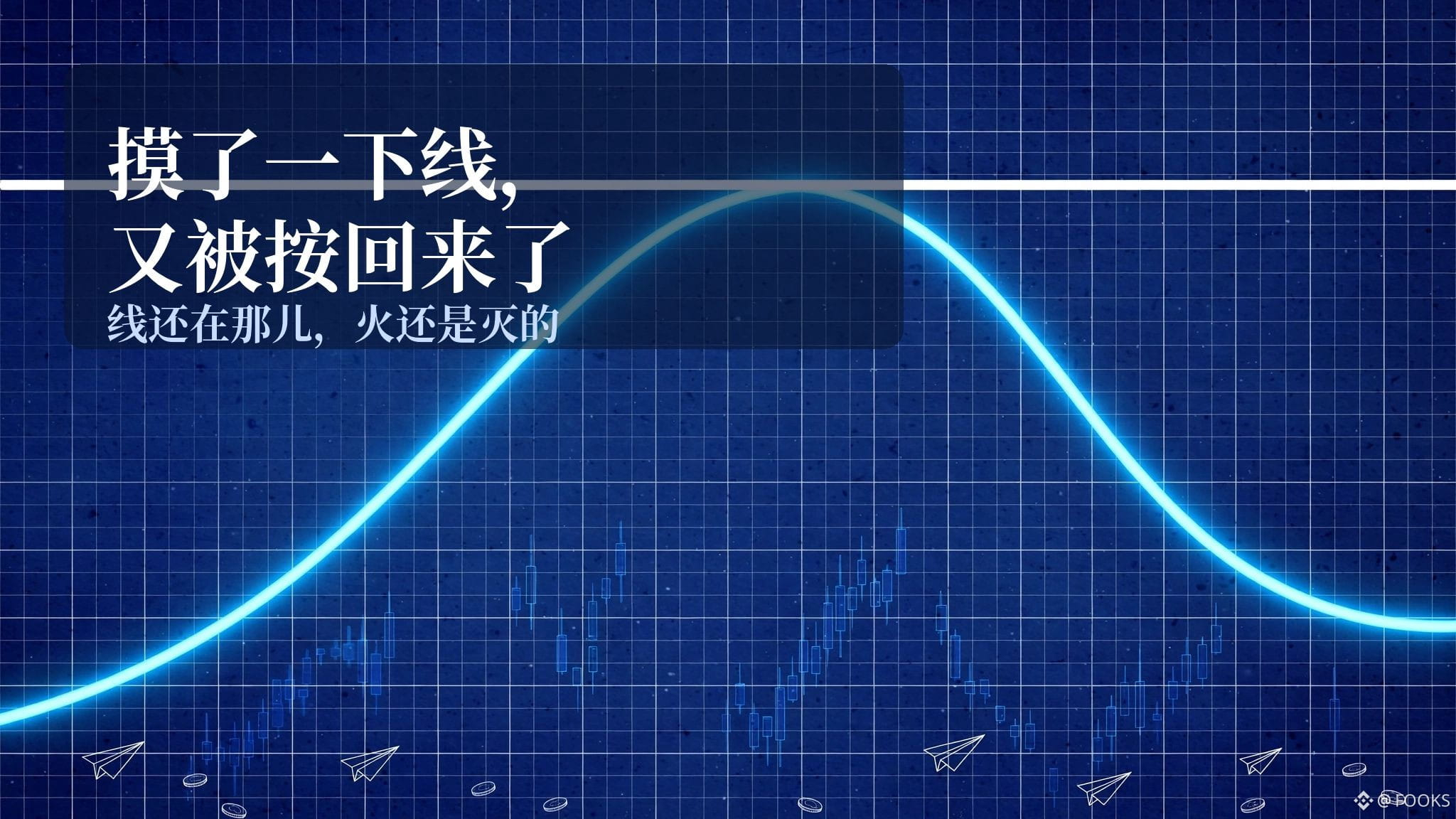
Yesterday’s post said the fire wouldn’t be out as long as it reclaimed $0.0092—and today it really did go test that level.
HUMA rebounded all the way from yesterday’s close of $0.0072, reaching an intraday high of $0.00935, up about 30%. 24-hour trading volume topped $32 million, more than twice the usual level.
But it turned back as soon as it hit the line. It’s now around $0.0082, down about 12% from the high, and shorts are still paying a funding rate of 0.34% every 8 hours—more than they paid yesterday.
I think this was just an oversold bounce that tested resistance but failed to hold. The fire’s still out: it’s down about 69% over 30 days and still 92% below its all-time high. One wick isn’t enough to turn things around.
If it breaks above $0.0092 on strong volume and holds there, then the fire might not be out after all.
The line’s still there. We’ll see next time whether it can hold. 🧯
$HUMA
149
·
--
Yesterday, BREV surged to a high of $0.138. Today, it fell to a low of $0.076.
In less than a day, yesterday’s gains of more than 100% were completely wiped out. The price is now hovering around $0.08, down more than 30% in 24 hours📉.
As I said in yesterday’s post, this rally was sparked by a short squeeze. The fire was borrowed, so it wasn’t going to burn for long.
The fire really did go out today, and the bulls are running too. Open interest is now worth less than $1.9 million, down about a quarter from yesterday.
But the bears haven’t come out ahead either. Funding rates on OKX are still negative, meaning shorts have to pay longs about 0.17% every 8 hours.
Trading hasn’t cooled off, either: 680 million tokens were traded in perpetual futures over 24 hours, while the market cap is only $20 million. Money is still swirling around in there.
After a drop like this, I don’t think it’s time to rush in and buy the dip. Borrowed fire dies fast, but the ashes are still hot.
If it can reclaim $0.12 on strong volume, the short-squeeze show isn’t over yet.
With a coin like this, just watch from the sidelines.
$BREV

180
·
--
Earnings weren’t out yet, but the stock had already jumped nearly 10%. Then earnings came out, and it rose another 10% after hours.
Palo Alto Networks closed Wednesday at $339.92, after briefly hitting $342.36 intraday, up 9.9% at the close.
That rally wasn’t driven by earnings—the results didn’t come out until after the close. The intraday move was part of a broader rally in cybersecurity stocks. With system outages happening one after another this week, investors rushed in looking for a safe haven.
Once earnings came out after the close, the numbers beat expectations across the board: first-quarter revenue was $3.44 billion, up 39% year over year, and earnings per share came in at $1.05, both above market expectations. The company also raised its full-year revenue guidance to $14.52 billion–$14.57 billion, well above the market’s $14.17 billion forecast.
On top of the earnings report, the company also announced a $4.5 billion acquisition: it’s buying AI security company Applied Compute in an all-stock deal. The seller was founded by several former OpenAI employees.
The stock rose to around $370 after hours, bringing its two-day gain to nearly 20%. It’s already up about 70% this year, so it’s certainly not cheap.
My take: The earnings beat is backed by real results, and the acquisition taps into the red-hot AI security story. The market opens tonight at 22:30. If the after-hours gains hold, the next level up is the October 30 high of $390.
If it opens and drops straight back below $342, then this rally was just a brief after-hours gust of wind.
In a market gripped by extreme fear, the first hour of trading is when you find out whether a stock surging against the trend is for real. 🛡️
$PANW

91
Log in to explore more content
Join global crypto users on Binance Square
⚡️ Get latest and useful information about crypto.
💬 Trusted by the world’s largest crypto exchange.
👍 Discover real insights from verified creators.
Email / Phone number
Trending Topics
BTCReboundsAbove$60KAmidWhaleDipBuying
34,591 views
195 Discussing
Abraxas Capital, Other Whales Buy the BTC Dip as Bitcoin Briefly Reclaims $60,000
Binance News
·31 Likes
·48.6k views
SolanaSets2027RoadmapToDoubleComputeCapacity
18,264 views
478 Discussing
CaliforniaNvidiaProbeExaminesPotentialCriminalViolations
5,205 views
64 Discussing