
#btcminingdifficultyincrease
btcminingdifficultyincrease
2.8M views
25,884 Discussing
Hot
Latest


·
--
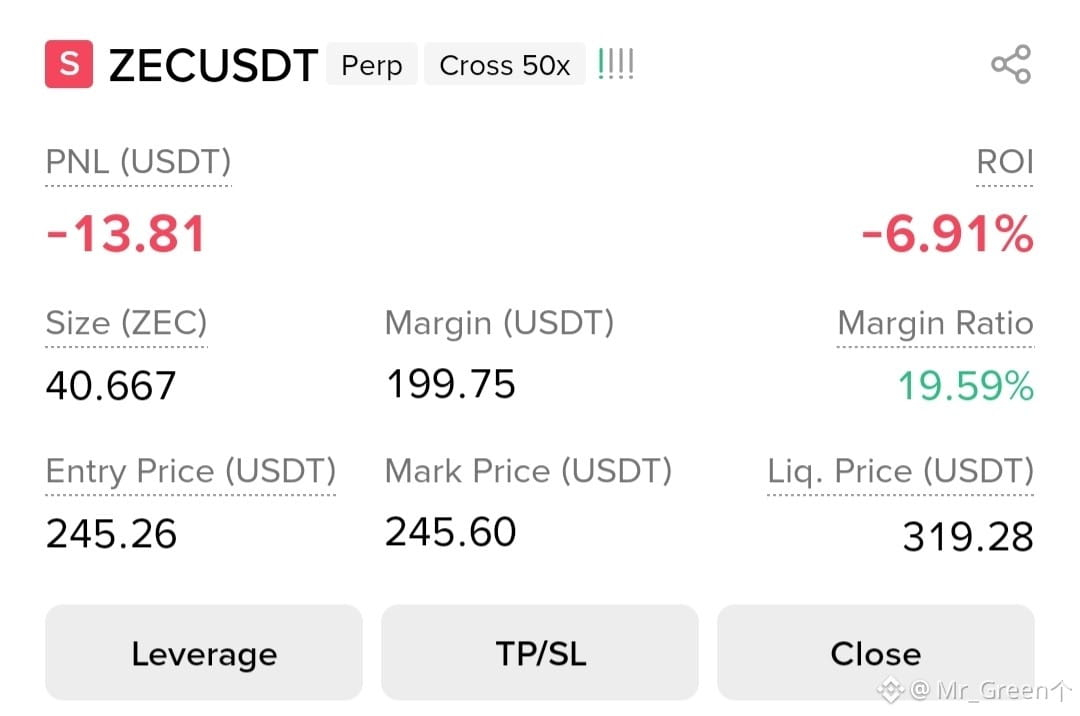
$ZEC short can be the perfect trade for today...
The bearish momentum continuation confirms short position..Thought it got a pull back from the order block in Daily timeframe...I guess it’s not that much strong...
So, bearish momentum will continue...
$BULLA long is also going well....
[N.B: Position pic from Future Demo, Just for showing you how much you could get]
#TrumpNewTariffs #TokenizedRealEstate #BTCMiningDifficultyIncrease #ZECUSDT #Mr_Green
1
3
1.3k
·
--
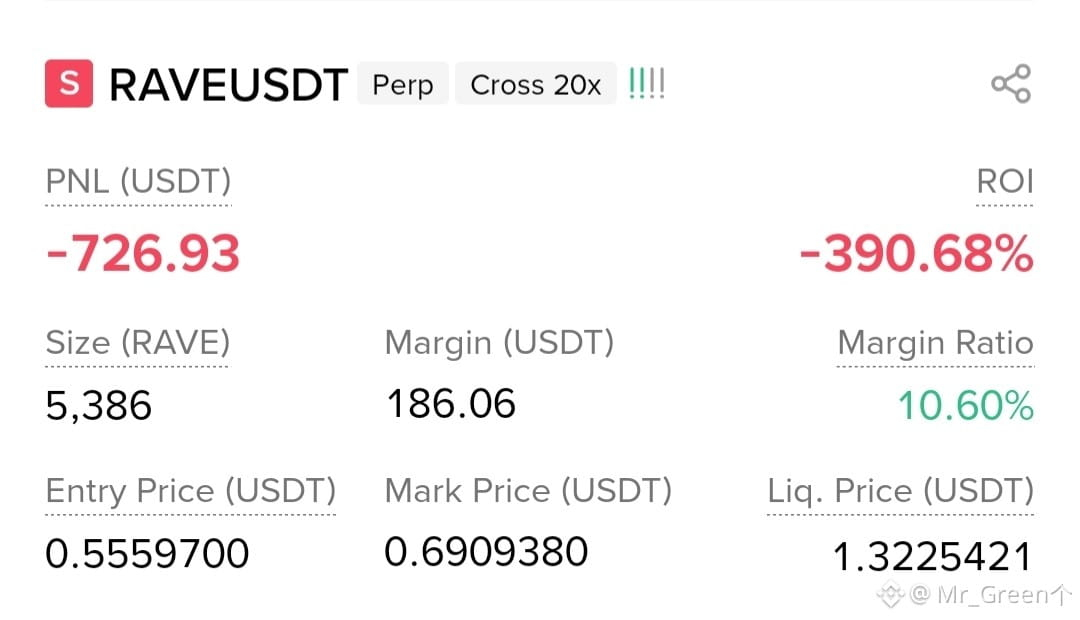
Do you remember this short?
I made this only for experiment... And you see going short on gainer coin isn’t always easy...
$RAVE was a top gainer, and will remain in the high for few days...
Keep your eyes on $PIPPIN and $SIREN
[N.B: Position pic from Future Demo, Just for showing you how much you could get]
#TrumpNewTariffs #TokenizedRealEstate #BTCMiningDifficultyIncrease #WhenWillCLARITYActPass #Mr_Green
1
4
622
·
--
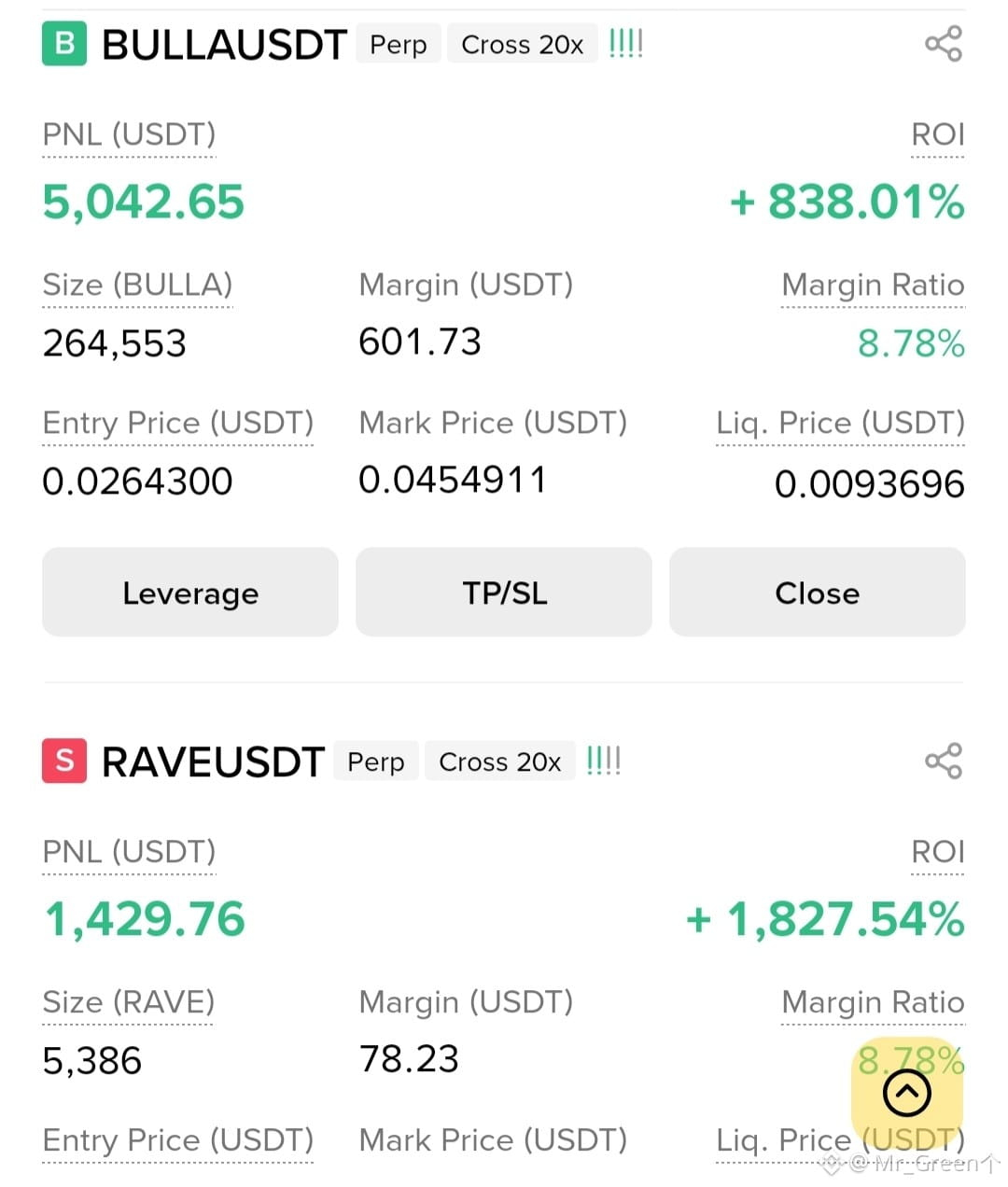
$RAVE and $BULLA
Boom boom...
I have told you a lot of time about this one...and you don't listen to me guys😪😪
#StrategyBTCPurchase #TokenizedRealEstate #TrumpNewTariffs #BTCMiningDifficultyIncrease #Mr_Green
$RAVE and $BULLA
Boom boom...
I have told you a lot of time about this one...and you don't listen to me guys😪😪
#StrategyBTCPurchase #TokenizedRealEstate #TrumpNewTariffs #BTCMiningDifficultyIncrease #Mr_Green
Boom boom...
I have told you a lot of time about this one...and you don't listen to me guys😪😪
#StrategyBTCPurchase #TokenizedRealEstate #TrumpNewTariffs #BTCMiningDifficultyIncrease #Mr_Green
4
723
·
--
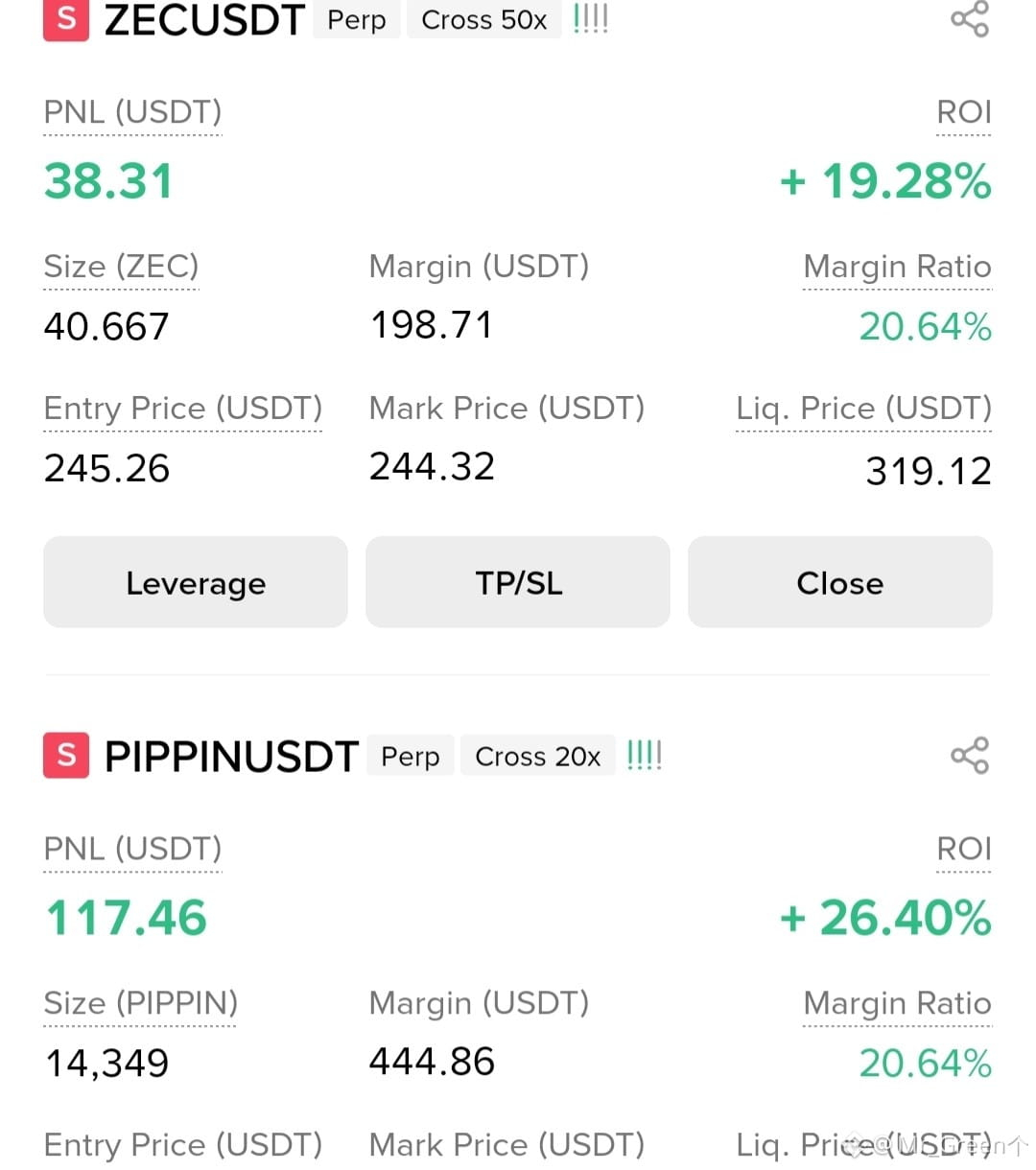
Short $ZEC
Short $PIPPIN
These two having heavy bearish Momentum...
So right time to go for short...buyers are fading away..seller taking the control back...
[N.B: Position pic from Future Demo, Just for showing you how much you could get]
#TrumpNewTariffs #TokenizedRealEstate #BTCMiningDifficultyIncrease #WhenWillCLARITYActPass #Mr_Green
2
565
·
--
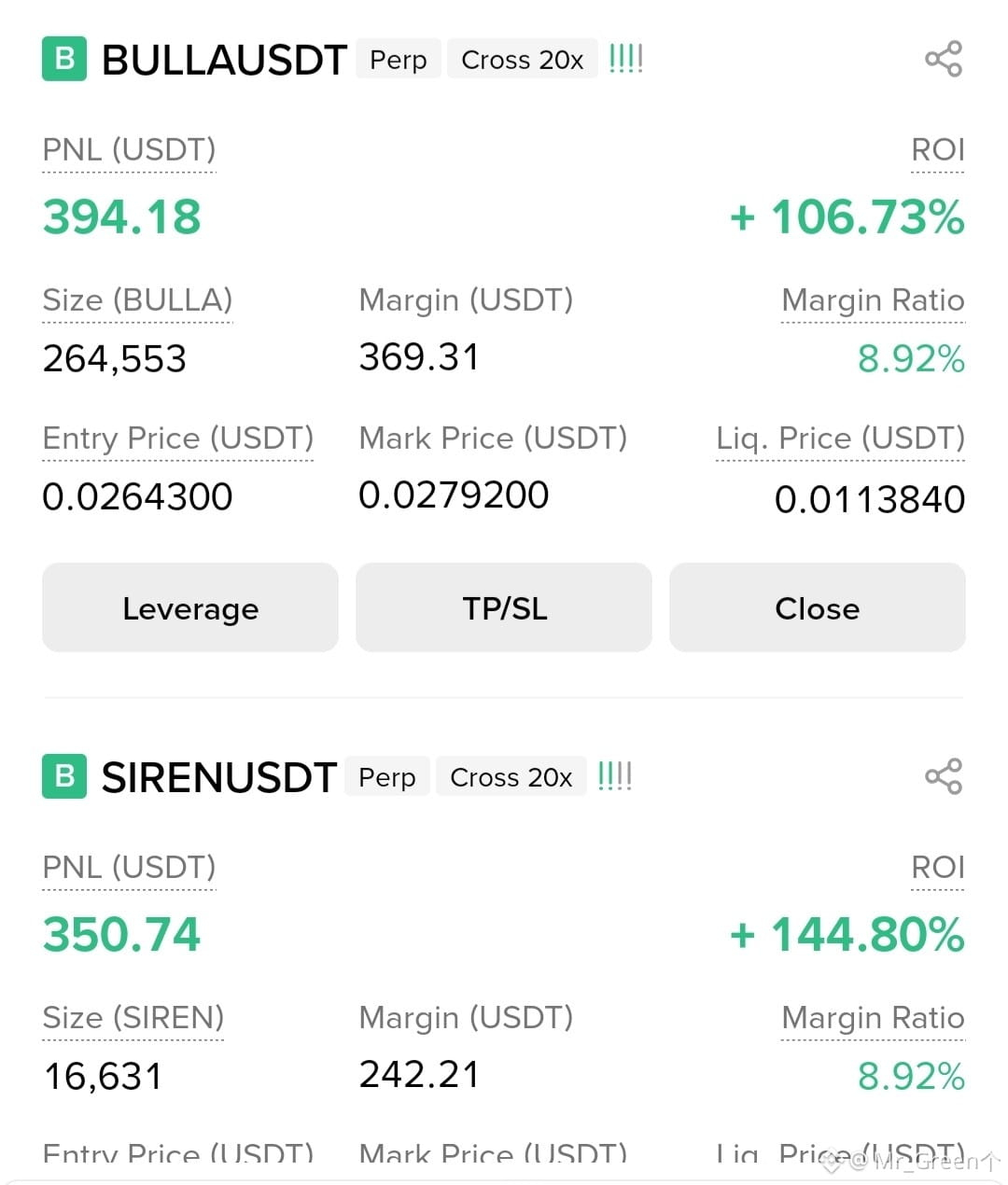
My call on $SIREN and $BULLA is working very well...
Now It's your time to decide. Long calls on these two coins have been working slowly but going well.
Keep your position tight and make it a good trade guys..
[N.B: Position pic from Future Demo, Just for showing you how much you could get]
#TrumpNewTariffs #TokenizedRealEstate #BTCMiningDifficultyIncrease #WhenWillCLARITYActPass #Mr_Green
5
752
·
--
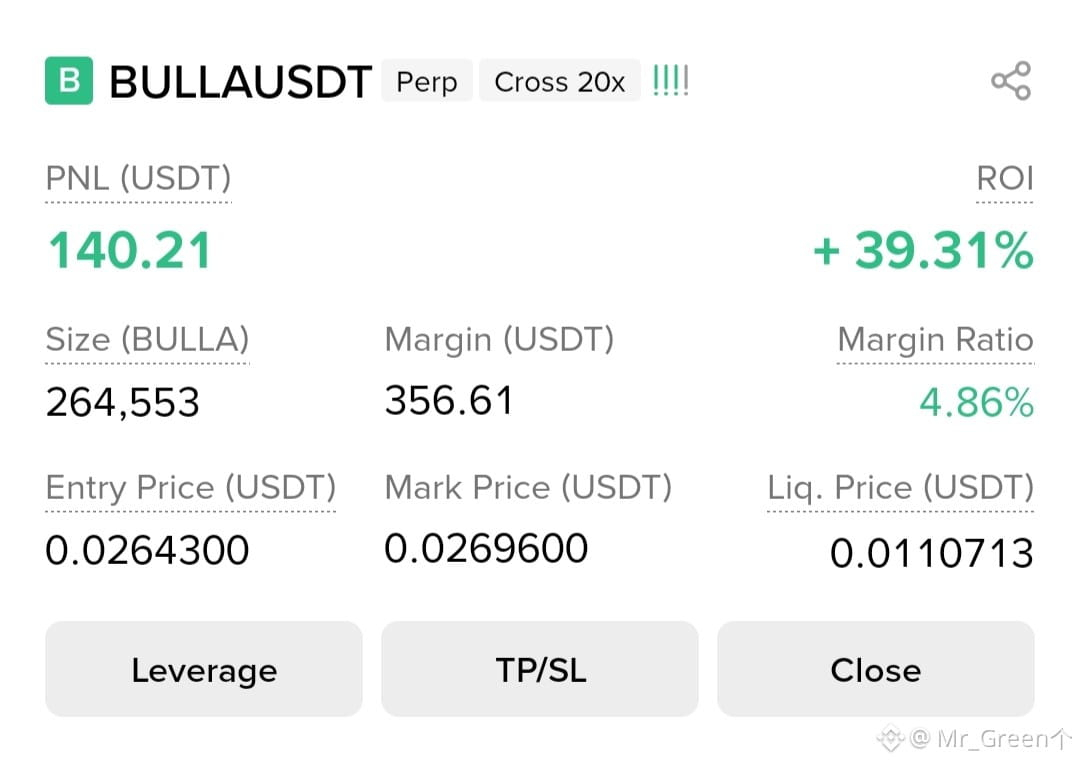
I always tell you about $BULLA and tell you to go long...
But who listens....
#TrumpNewTariffs #TokenizedRealEstate #BTCMiningDifficultyIncrease #WhenWillCLARITYActPass #Mr_Green
I always tell you about $BULLA and tell you to go long...
But who listens....
#TrumpNewTariffs #TokenizedRealEstate #BTCMiningDifficultyIncrease #WhenWillCLARITYActPass #Mr_Green
But who listens....
#TrumpNewTariffs #TokenizedRealEstate #BTCMiningDifficultyIncrease #WhenWillCLARITYActPass #Mr_Green
2
410
·
--
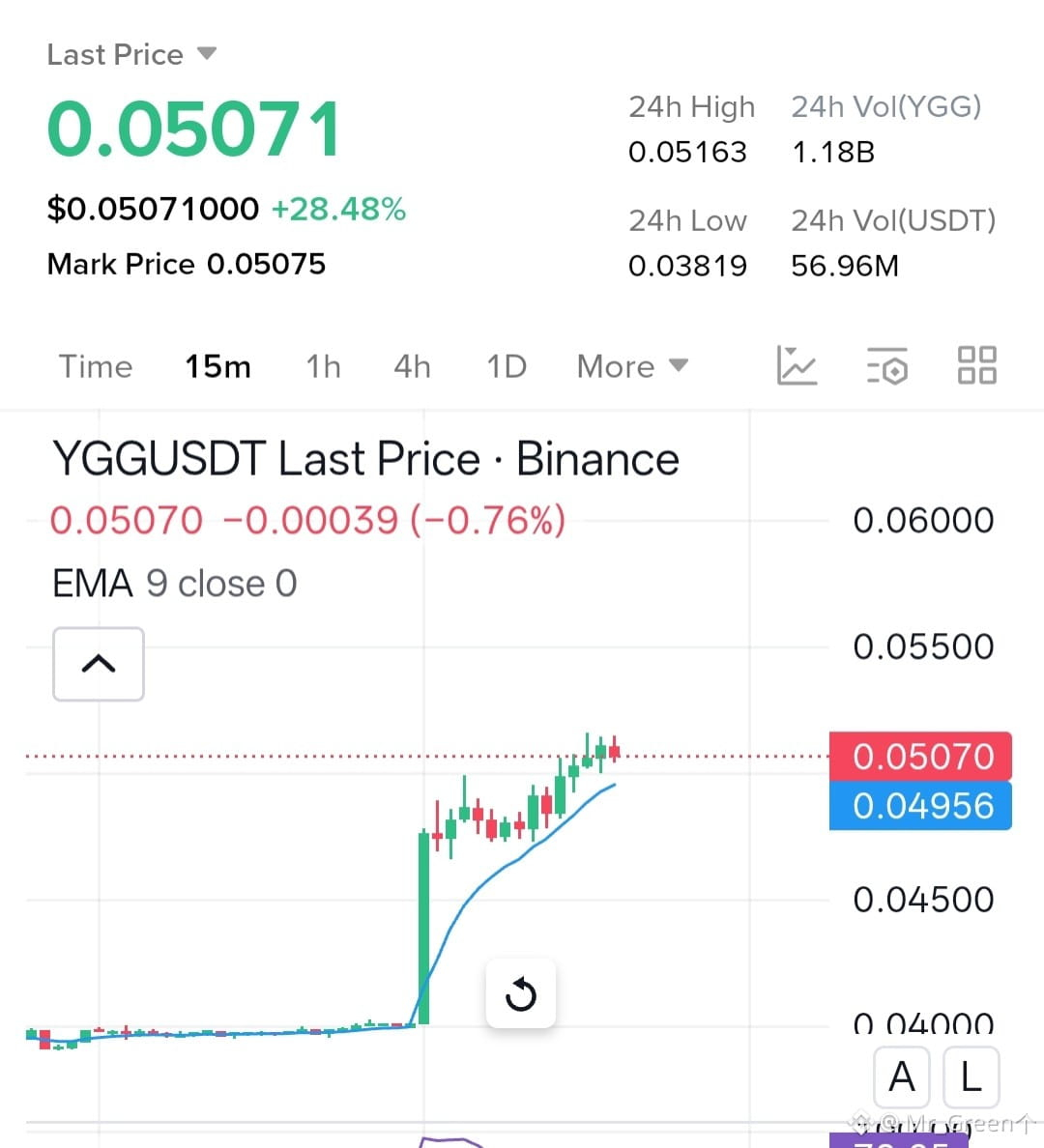
$YGG is bullish and will get a rejection at 0.053-0.054 zone..
So, you can long it with a TP at 0.053...
And $AZTEC is still not upto my satisfaction... I hope it will go down soon...
$RIVER is cooking..but it will go down to $5.00...
Let's go guysss.....
#TokenizedRealEstate #BTCMiningDifficultyIncrease #TrumpNewTariffs #WhenWillCLARITYActPass #Mr_Green
So, you can long it with a TP at 0.053...
And $AZTEC is still not upto my satisfaction... I hope it will go down soon...
$RIVER is cooking..but it will go down to $5.00...
Let's go guysss.....
#TokenizedRealEstate #BTCMiningDifficultyIncrease #TrumpNewTariffs #WhenWillCLARITYActPass #Mr_Green
1
462
·
--
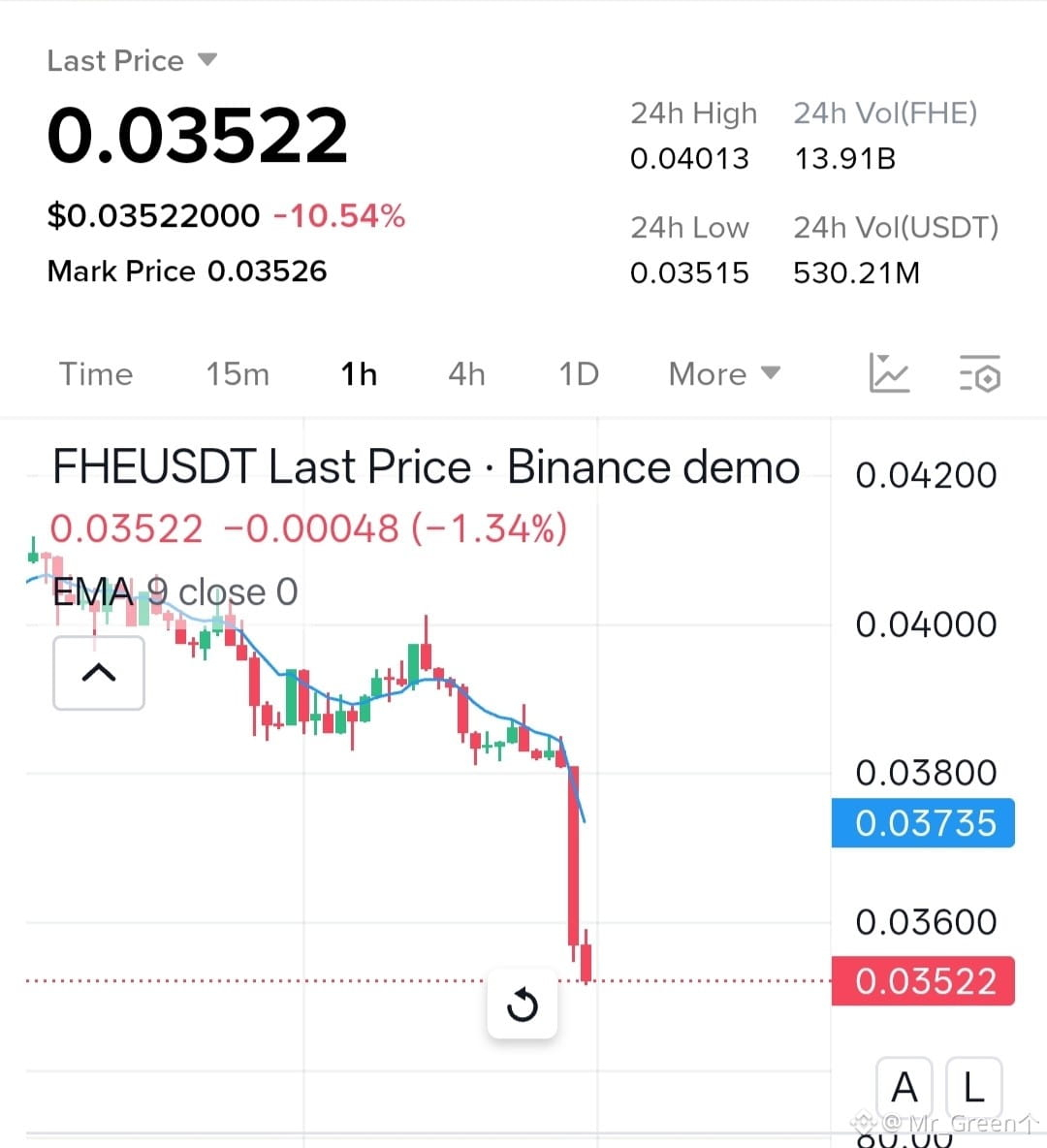
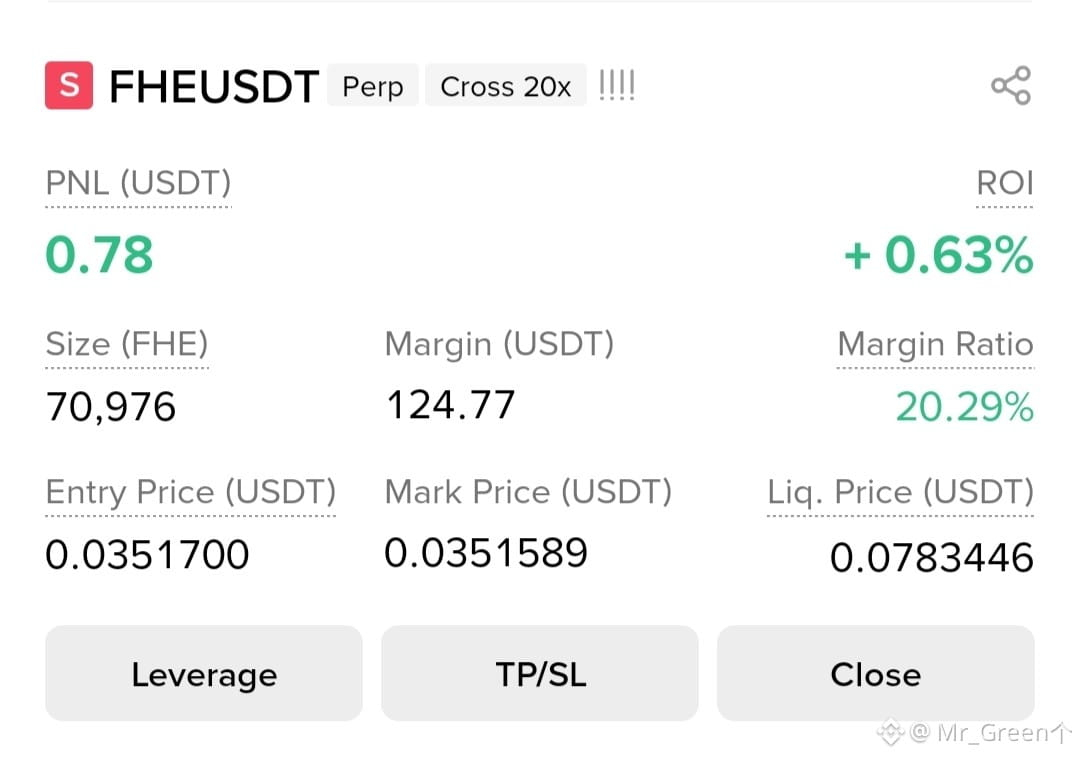
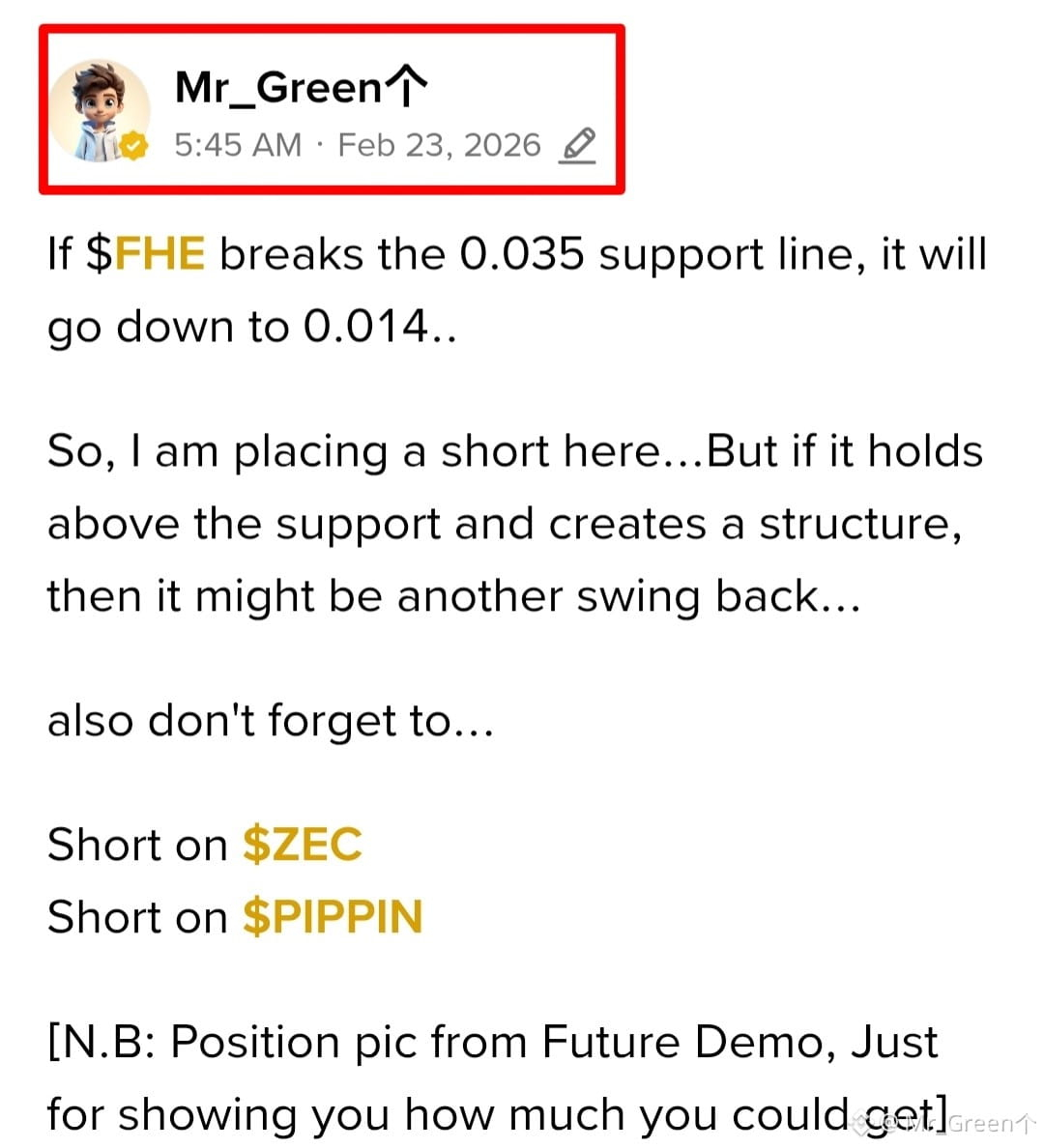
If $FHE breaks the 0.035 support line, it will go down to 0.014..
So, I am placing a short here...But if it holds above the support and creates a structure, then it might be another swing back...
also don't forget to...
Short on $ZEC
Short on $PIPPIN
[N.B: Position pic from Future Demo, Just for showing you how much you could get]
#TrumpNewTariffs #TokenizedRealEstate #BTCMiningDifficultyIncrease #Mr_Green
#ZEC/USDT
4
717
·
--
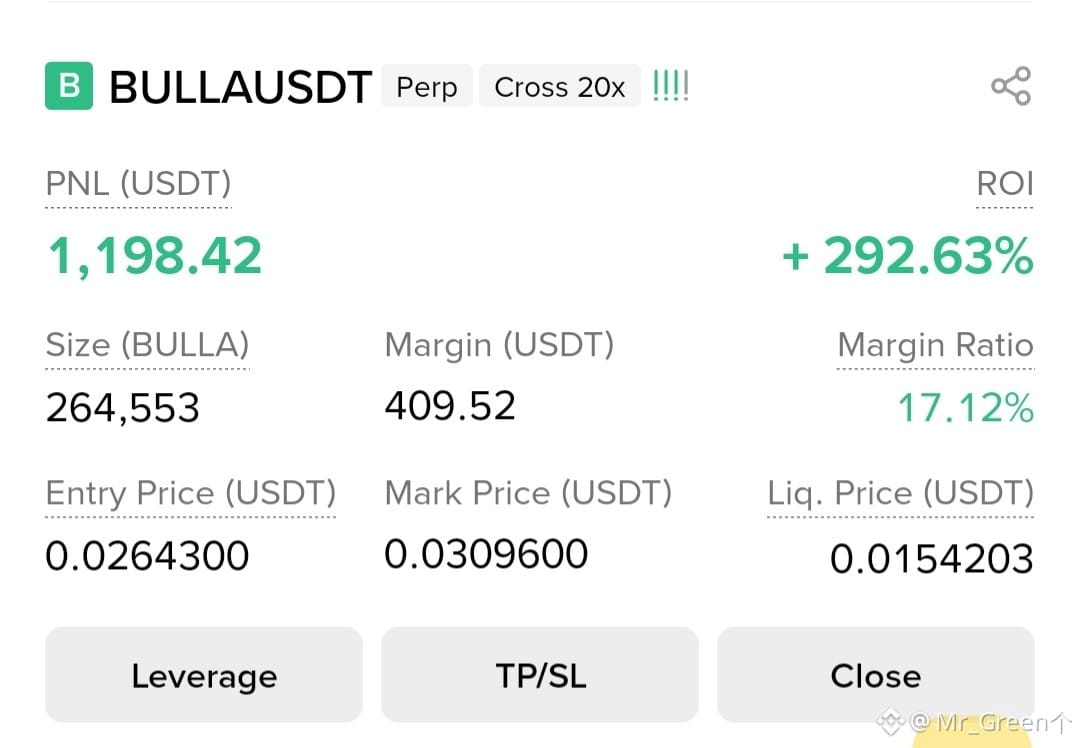
Look at $BULLA profit..
I have been telling you for a long time..for last few days...Long on this..Long on this...
But who listens...
Keep your eyes on $FHE short and $PIPPIN long also guys...
[N.B: Position pic from Future Demo, Just for showing you how much you could get]
#TrumpNewTariffs #TokenizedRealEstate #BTCMiningDifficultyIncrease #WhenWillCLARITYActPass #Mr_Green
636
·
--
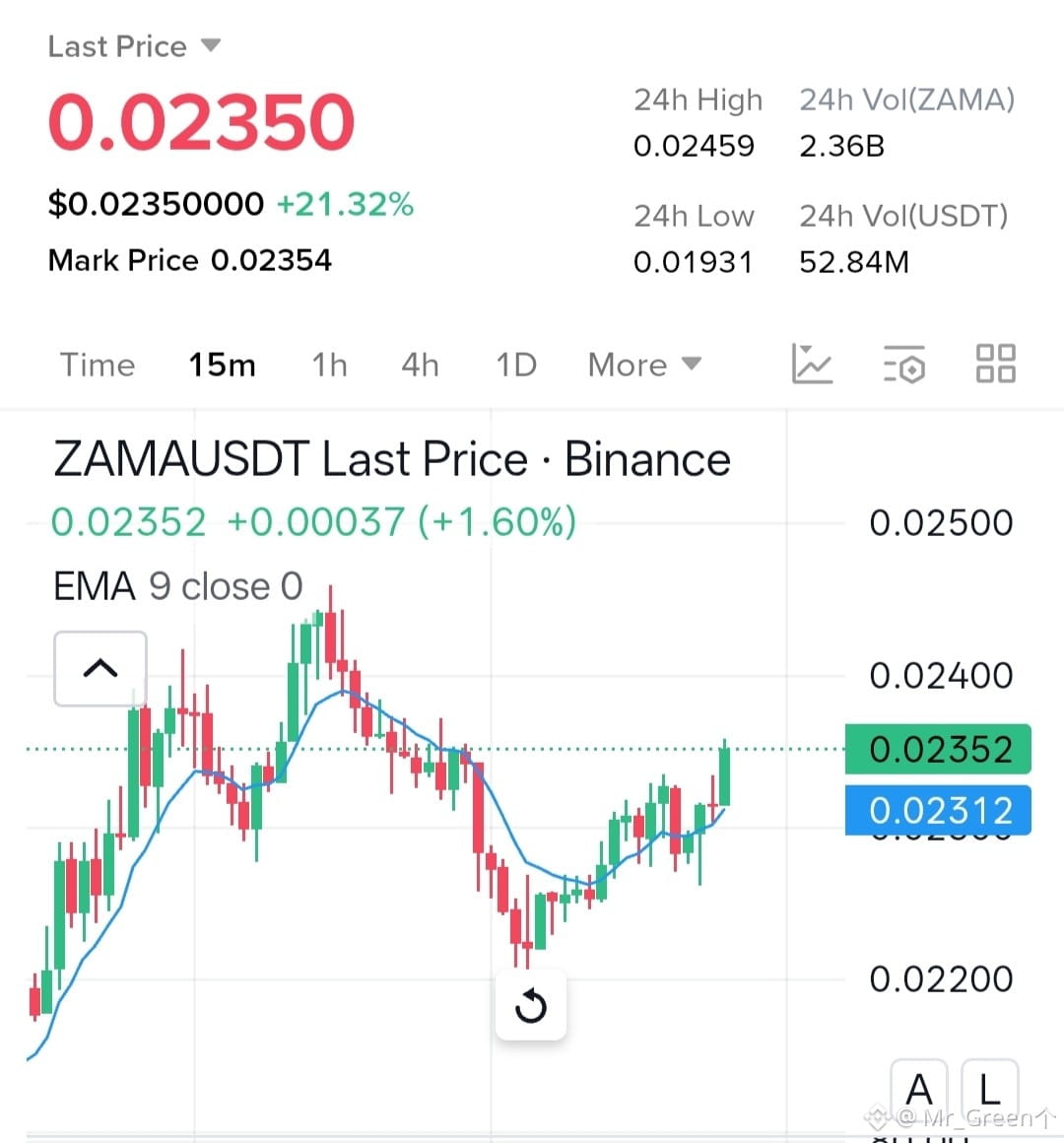
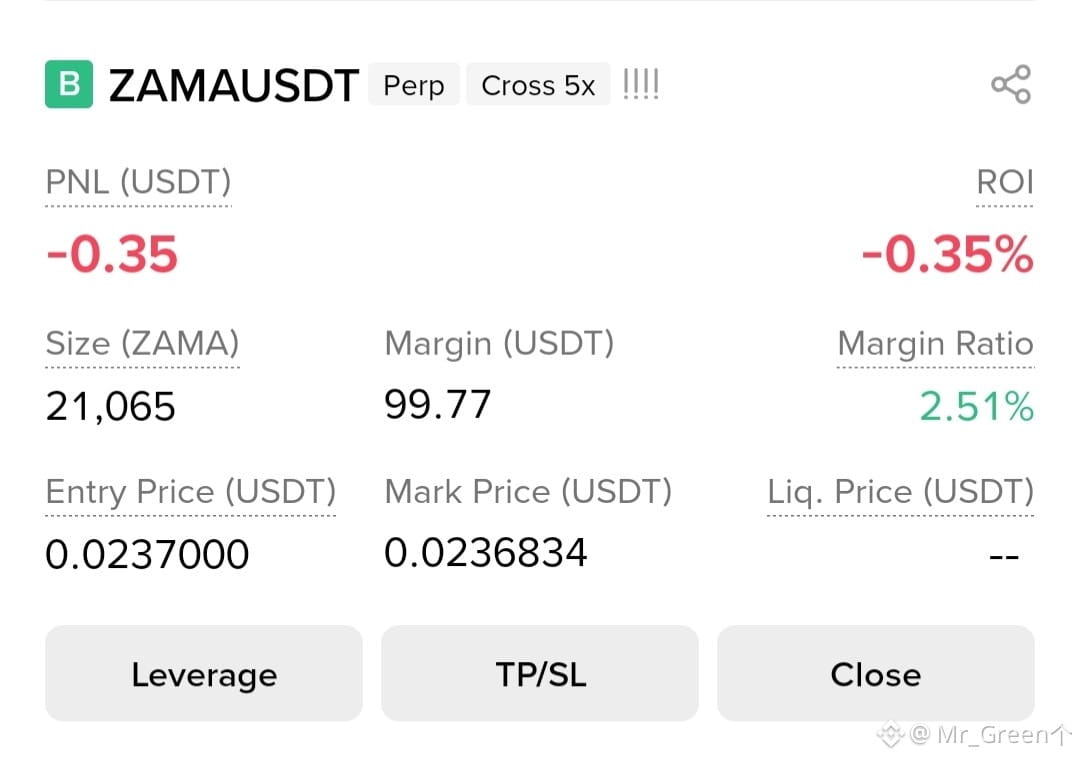
$ZAMA creating good structure, if it breaks the previous Lower High, then the trend reversal is confirmed...
Enter you Long there....
Keep your eyes on $ALLO and also on $AZTEC
#TokenizedRealEstate #BTCMiningDifficultyIncrease #TrumpNewTariffs #Mr_Green
$ZAMA creating good structure, if it breaks the previous Lower High, then the trend reversal is confirmed...
Enter you Long there....
Keep your eyes on $ALLO and also on $AZTEC
#TokenizedRealEstate #BTCMiningDifficultyIncrease #TrumpNewTariffs #Mr_Green
Enter you Long there....
Keep your eyes on $ALLO and also on $AZTEC
#TokenizedRealEstate #BTCMiningDifficultyIncrease #TrumpNewTariffs #Mr_Green
3
547
·
--
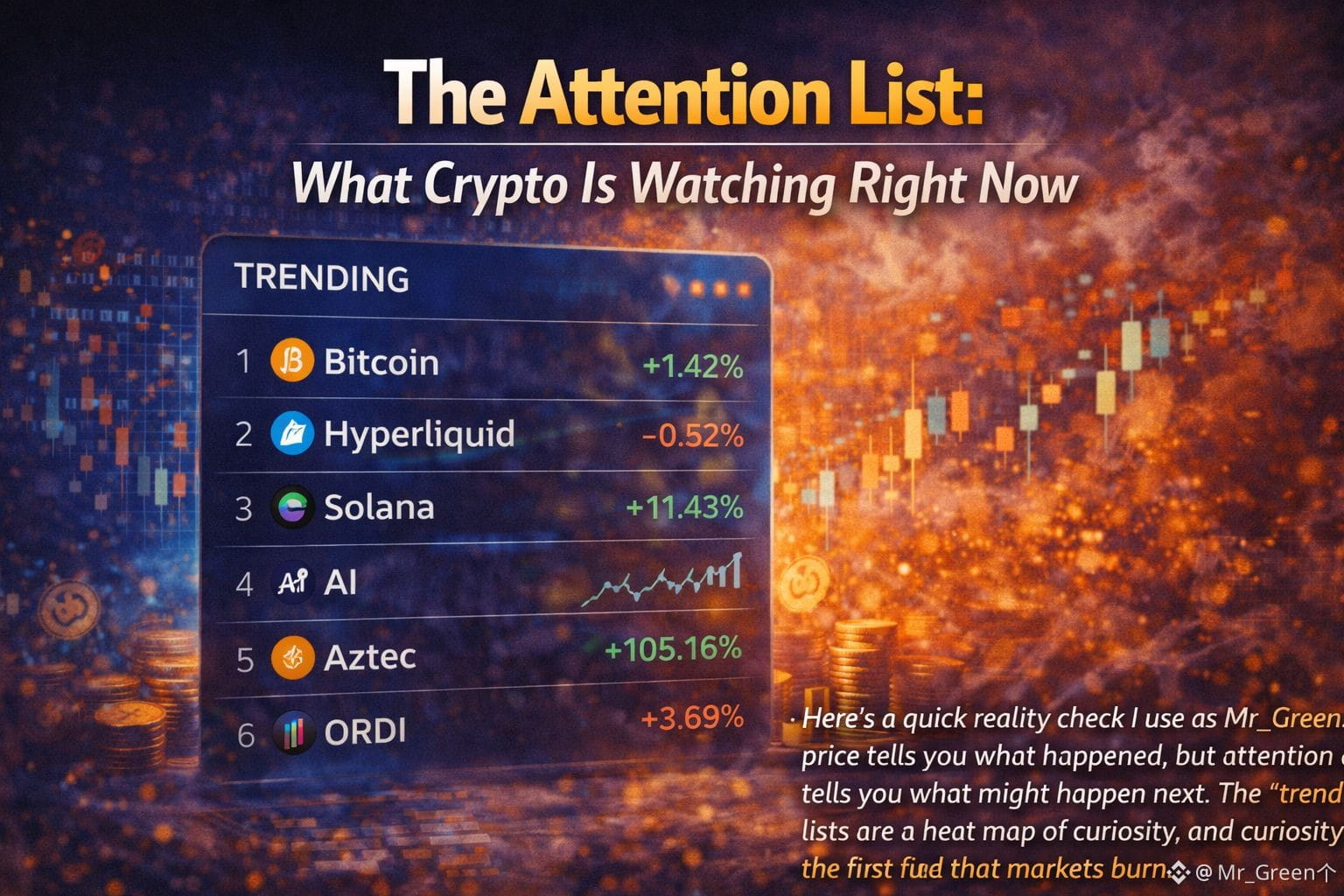
The Attention List: What Crypto Is Watching Right Now
Here’s a quick reality check I use as Mr_Green when the timeline gets noisy: price tells you what happened, but attention tells you what might happen next. The “trending” lists are basically a heat map of curiosity, and curiosity is the first fuel that markets burn.
Right now, the strongest attention clusters are forming around a mix of large caps, high-velocity narratives, and a few tokens riding fresh catalysts. Coins that repeatedly show up on trending dashboards tend to fall into three buckets.
First, the “always on” names. Bitcoin and major chains keep pulling baseline attention because they anchor the entire market’s mood. Even when nothing special is happening, people check them like they check weather.
Second, the narrative magnets. Onchain perps, AI-linked tokens, and modular or infrastructure themes keep rotating into the spotlight because they offer a story traders can repeat in one sentence. When the market is uncertain, people cling to simple stories.
Third, the catalyst spikes. Token launches, big listings, sudden volume bursts, and regional exchange effects can push a coin into the top trending slots overnight.
My takeaway: treat trending lists as a radar, not a signal to buy. If a coin keeps trending for days, it means the crowd is building a shared obsession, and shared obsession is where volatility is born.
$AZTEC
$BTC
$OPN
#TrumpNewTariffs #TokenizedRealEstate #BTCMiningDifficultyIncrease #WhenWillCLARITYActPass #Mr_Green
3
458
·
--
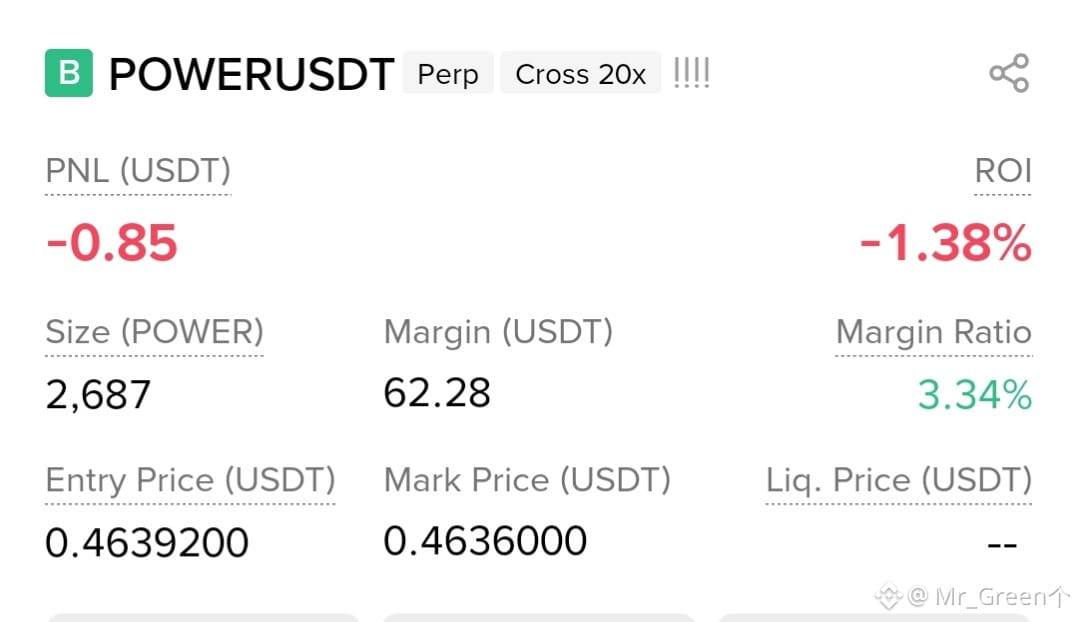
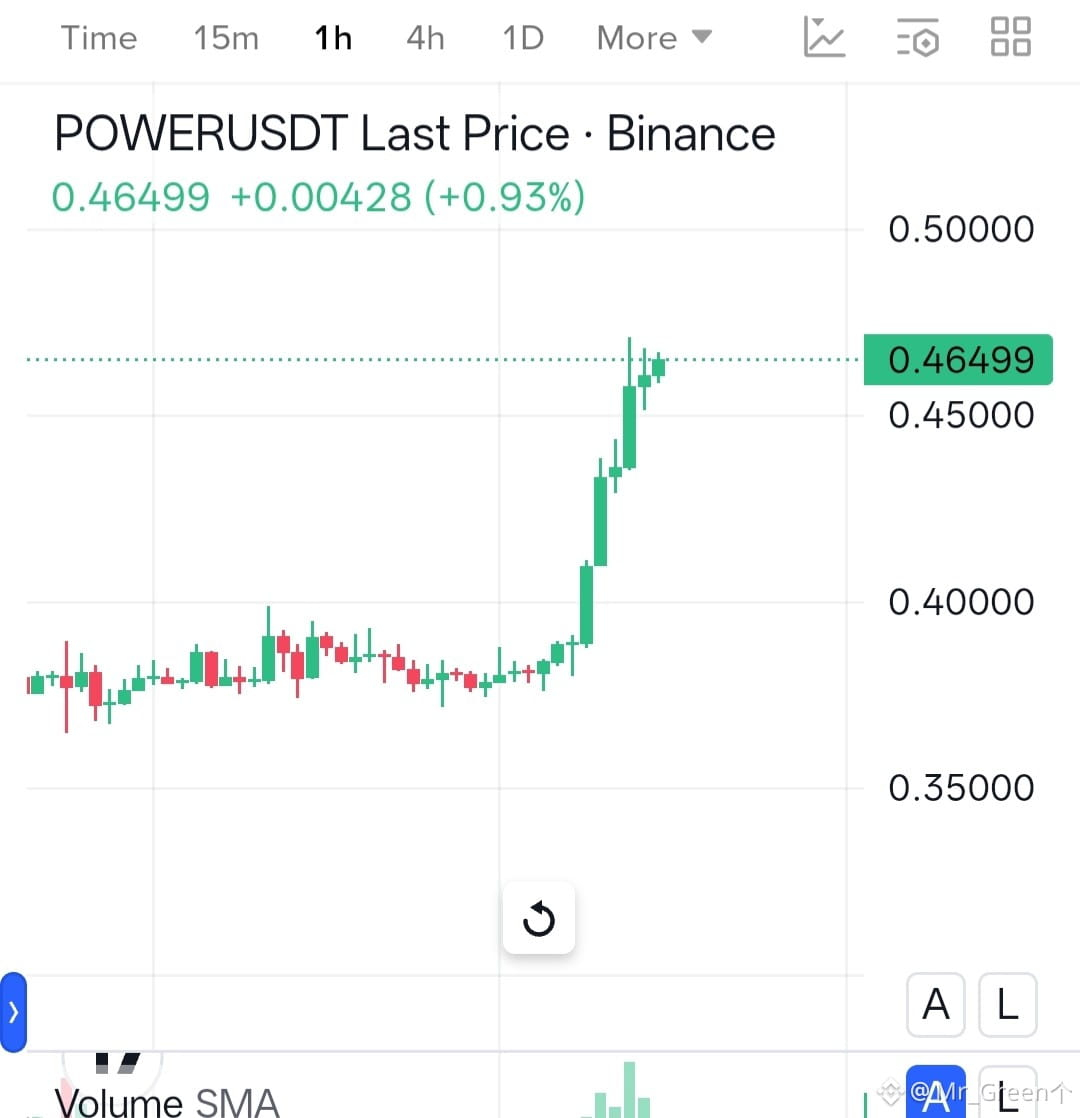
$POWER is cooking..
Long now...Power will be top gainer again...
Keep your eyes on $BULLA and $RIVER also...
#TokenizedRealEstate #BTCMiningDifficultyIncrease #TrumpNewTariffs #WhenWillCLARITYActPass #Mr_Green
$POWER is cooking..
Long now...Power will be top gainer again...
Keep your eyes on $BULLA and $RIVER also...
#TokenizedRealEstate #BTCMiningDifficultyIncrease #TrumpNewTariffs #WhenWillCLARITYActPass #Mr_Green
Long now...Power will be top gainer again...
Keep your eyes on $BULLA and $RIVER also...
#TokenizedRealEstate #BTCMiningDifficultyIncrease #TrumpNewTariffs #WhenWillCLARITYActPass #Mr_Green
2
309
·
--

Article
Privacy Comes Back: The ZK Revival and the Aztec MomentPrivacy has a way of returning when people get tired of performing. Every cycle, crypto rediscovers a new obsession, but privacy is one of the few themes that comes back not as hype, but as a correction. I am Mr_Green, and when I see the privacy narrative climbing again, I do not read it as rebellion. I read it as adulthood.
For years, the industry treated transparency like a virtue and privacy like a problem. Public ledgers were celebrated as a moral upgrade, and anyone asking for confidentiality was politely suspected of wanting to do something bad. That framing always felt shallow to me. In normal life, almost everyone expects their paycheck, their taxes, their net worth, and their spending habits not to be broadcast to strangers. Privacy is not a luxury, it is an ordinary social boundary. One major investment research note captured this plainly by arguing that privacy is a normal part of the financial system, while most blockchains remain transparent by default.
$AZTEC
So why the sudden heat now?
Because the privacy story got a spark that markets understand: a big, visible token moment. Aztec pushed privacy back into the spotlight with a Token Generation Event confirmed for February 12, 2026, turning years of “soon” into something tradable, measurable, and discussable. (KuCoin) When a privacy project moves from theory to liquidity, the whole narrative wakes up. Traders start pricing it. Builders start referencing it. Commentators start declaring a “revival,” the way they always do when a theme finally has a chart.
I watched the community reaction and recognized the pattern instantly. The first wave is emotional: relief that the thing is real. The second wave is speculative: listings, pairs, volatility, momentum. Exchanges announcing live trading for AZTEC on Feb 12 gave the story extra oxygen because access is a multiplier. (Kraken Blog) And when South Korean exchanges listed it with won pairs, the market did what it often does in that region: it moved fast and loud, with reports describing a sharp jump after those listings.
$XAU
But price is not the reason privacy matters. Price is just the megaphone.
The real reason privacy is back is that crypto has matured to the point where transparency is no longer charming. Transparent finance is fun when you are playing with small numbers and public bravado. It is less fun when serious users arrive. Businesses do not want competitors watching payroll. Funds do not want strategies exposed. Individuals do not want every purchase mapped forever. The more crypto tries to become ordinary, the more it needs privacy that feels ordinary too.
This is where zero-knowledge proofs change the tone. ZK is not just secrecy. It is accountability without confession. It lets you prove something is true without revealing everything behind the truth. That is the kind of compromise institutions can understand, even if they do not love it. I think that is why privacy is returning in a different outfit this time. Less “nobody can see me” and more “I can disclose what is required, and only what is required.”
My Mr_Green view is that the best privacy tech is not anti-compliance, it is pro-boundaries. It is not about escaping rules, it is about escaping unnecessary exposure. When privacy is framed that way, it becomes harder to dismiss. It becomes infrastructure, not ideology.
Still, I do not romanticize it. Privacy narratives carry tension because they sit at the intersection of legitimate human needs and legitimate regulatory fears. The market wants confidence that privacy tools will not become automatic shelters for abuse. Users want confidence they will not be forced to live on a public ledger forever. The future is likely to be awkward and selective. Systems will evolve that can reveal proofs to the right parties under the right conditions, while keeping everyone else out. That will satisfy nobody completely, which is usually how you know a compromise is real.
Aztec’s moment matters because it gives the theme a flagship. Flagships are not always the final winners, but they focus attention. They pull capital, talent, and discourse into one lane long enough for the lane to become a highway. If privacy is going to be a serious category again, it needs projects that can translate cryptography into a usable experience. It needs privacy that does not feel like hiding, and it needs tooling that makes privacy feel as routine as locking your phone.
So yes, privacy is back. Not because crypto suddenly became philosophical, but because crypto is finally running into the same truth traditional finance learned long ago: people do not just want freedom to transact. They want freedom from being watched while they do it.
#TrumpNewTariffs
#TokenizedRealEstate
#BTCMiningDifficultyIncrease
#WhenWillCLARITYActPass
#Mr_Green
Privacy Comes Back: The ZK Revival and the Aztec Moment
Privacy has a way of returning when people get tired of performing. Every cycle, crypto rediscovers a new obsession, but privacy is one of the few themes that comes back not as hype, but as a correction. I am Mr_Green, and when I see the privacy narrative climbing again, I do not read it as rebellion. I read it as adulthood.
For years, the industry treated transparency like a virtue and privacy like a problem. Public ledgers were celebrated as a moral upgrade, and anyone asking for confidentiality was politely suspected of wanting to do something bad. That framing always felt shallow to me. In normal life, almost everyone expects their paycheck, their taxes, their net worth, and their spending habits not to be broadcast to strangers. Privacy is not a luxury, it is an ordinary social boundary. One major investment research note captured this plainly by arguing that privacy is a normal part of the financial system, while most blockchains remain transparent by default.
$AZTEC
So why the sudden heat now?
Because the privacy story got a spark that markets understand: a big, visible token moment. Aztec pushed privacy back into the spotlight with a Token Generation Event confirmed for February 12, 2026, turning years of “soon” into something tradable, measurable, and discussable. (KuCoin) When a privacy project moves from theory to liquidity, the whole narrative wakes up. Traders start pricing it. Builders start referencing it. Commentators start declaring a “revival,” the way they always do when a theme finally has a chart.
I watched the community reaction and recognized the pattern instantly. The first wave is emotional: relief that the thing is real. The second wave is speculative: listings, pairs, volatility, momentum. Exchanges announcing live trading for AZTEC on Feb 12 gave the story extra oxygen because access is a multiplier. (Kraken Blog) And when South Korean exchanges listed it with won pairs, the market did what it often does in that region: it moved fast and loud, with reports describing a sharp jump after those listings.
$XAU
But price is not the reason privacy matters. Price is just the megaphone.
The real reason privacy is back is that crypto has matured to the point where transparency is no longer charming. Transparent finance is fun when you are playing with small numbers and public bravado. It is less fun when serious users arrive. Businesses do not want competitors watching payroll. Funds do not want strategies exposed. Individuals do not want every purchase mapped forever. The more crypto tries to become ordinary, the more it needs privacy that feels ordinary too.
This is where zero-knowledge proofs change the tone. ZK is not just secrecy. It is accountability without confession. It lets you prove something is true without revealing everything behind the truth. That is the kind of compromise institutions can understand, even if they do not love it. I think that is why privacy is returning in a different outfit this time. Less “nobody can see me” and more “I can disclose what is required, and only what is required.”
My Mr_Green view is that the best privacy tech is not anti-compliance, it is pro-boundaries. It is not about escaping rules, it is about escaping unnecessary exposure. When privacy is framed that way, it becomes harder to dismiss. It becomes infrastructure, not ideology.
Still, I do not romanticize it. Privacy narratives carry tension because they sit at the intersection of legitimate human needs and legitimate regulatory fears. The market wants confidence that privacy tools will not become automatic shelters for abuse. Users want confidence they will not be forced to live on a public ledger forever. The future is likely to be awkward and selective. Systems will evolve that can reveal proofs to the right parties under the right conditions, while keeping everyone else out. That will satisfy nobody completely, which is usually how you know a compromise is real.
Aztec’s moment matters because it gives the theme a flagship. Flagships are not always the final winners, but they focus attention. They pull capital, talent, and discourse into one lane long enough for the lane to become a highway. If privacy is going to be a serious category again, it needs projects that can translate cryptography into a usable experience. It needs privacy that does not feel like hiding, and it needs tooling that makes privacy feel as routine as locking your phone.
So yes, privacy is back. Not because crypto suddenly became philosophical, but because crypto is finally running into the same truth traditional finance learned long ago: people do not just want freedom to transact. They want freedom from being watched while they do it.
#TrumpNewTariffs
#TokenizedRealEstate
#BTCMiningDifficultyIncrease
#WhenWillCLARITYActPass
#Mr_Green
1
8
896
·
--
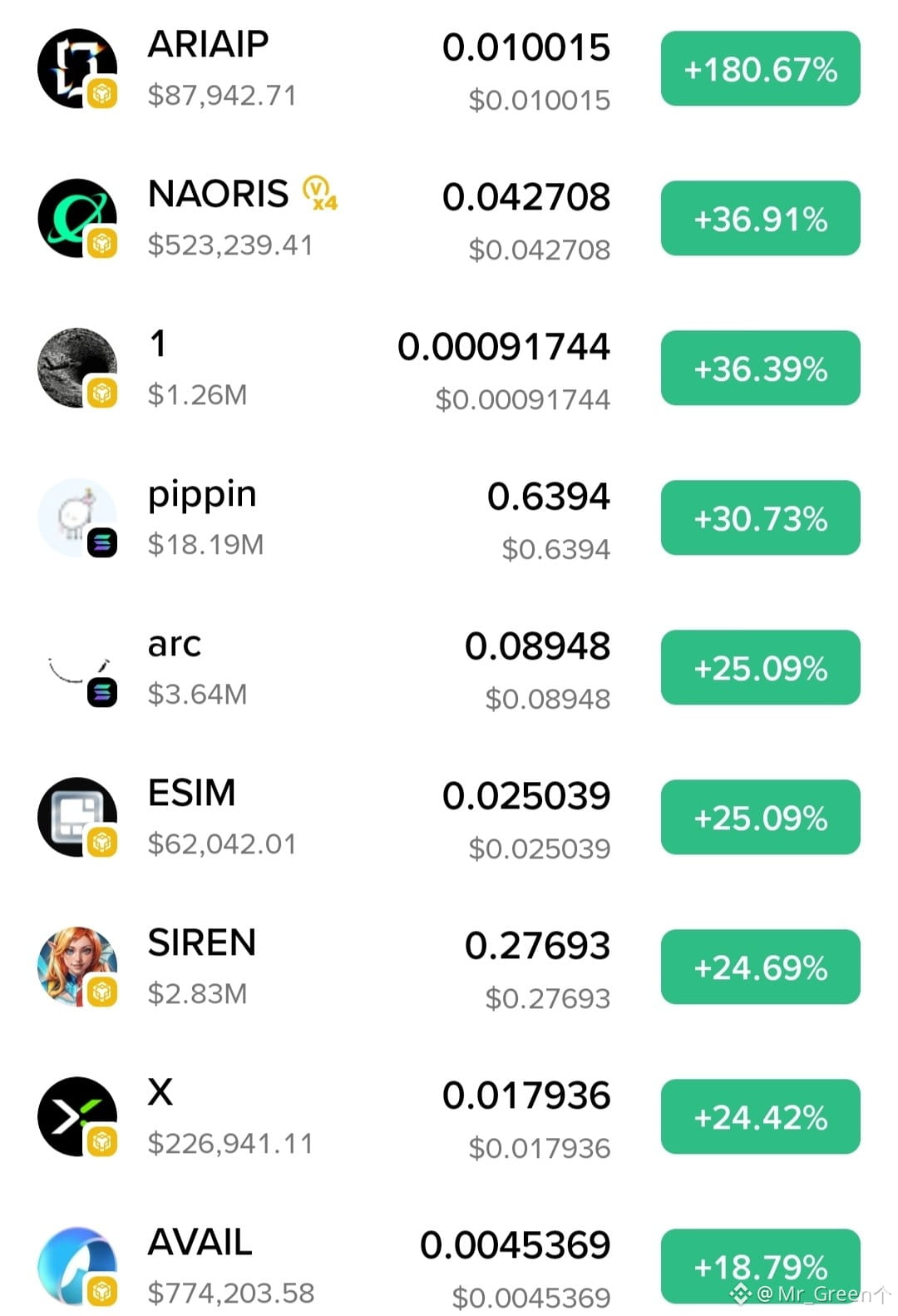
Look at the top gainers of the Alpha list..
If you want to make money fast then trade Alpha..
$NAORIS
Alpha is the best way to make money fast...But you have to always keep your eyes on the chart...
$ARIAIP
$SIREN
#TrumpNewTariffs #TokenizedRealEstate #BTCMiningDifficultyIncrease #WhenWillCLARITYActPass #Mr_Green
If you want to make money fast then trade Alpha..
$NAORIS
Alpha is the best way to make money fast...But you have to always keep your eyes on the chart...
$ARIAIP
$SIREN
#TrumpNewTariffs #TokenizedRealEstate #BTCMiningDifficultyIncrease #WhenWillCLARITYActPass #Mr_Green
2
479
·
--
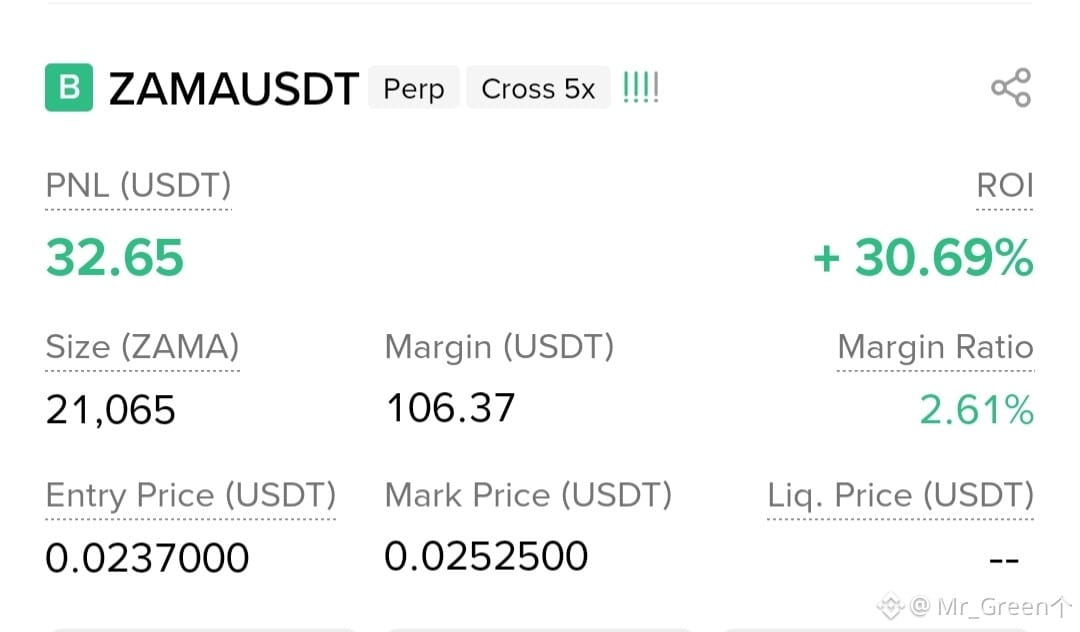
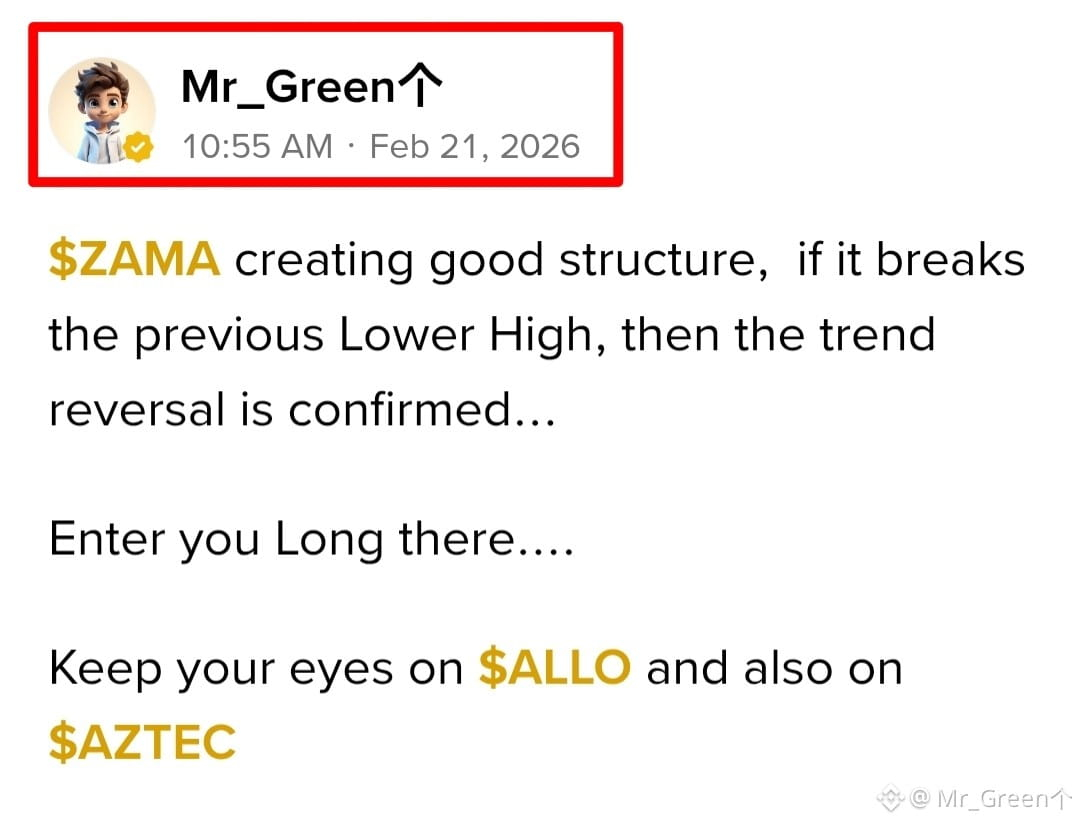
$ZAMA long gave a good return...You may exit your trade if you want...or you might set your entry to SL just to remove the risks from your trade...
good to go guys...make small but do it again and again...
keep your eyes on $EUL short and $RIVER long...
#TokenizedRealEstate #BTCMiningDifficultyIncrease #TrumpNewTariffs #WhenWillCLARITYActPass #Mr_Green
good to go guys...make small but do it again and again...
keep your eyes on $EUL short and $RIVER long...
#TokenizedRealEstate #BTCMiningDifficultyIncrease #TrumpNewTariffs #WhenWillCLARITYActPass #Mr_Green
2
525
·
--
Good Morning Profits...
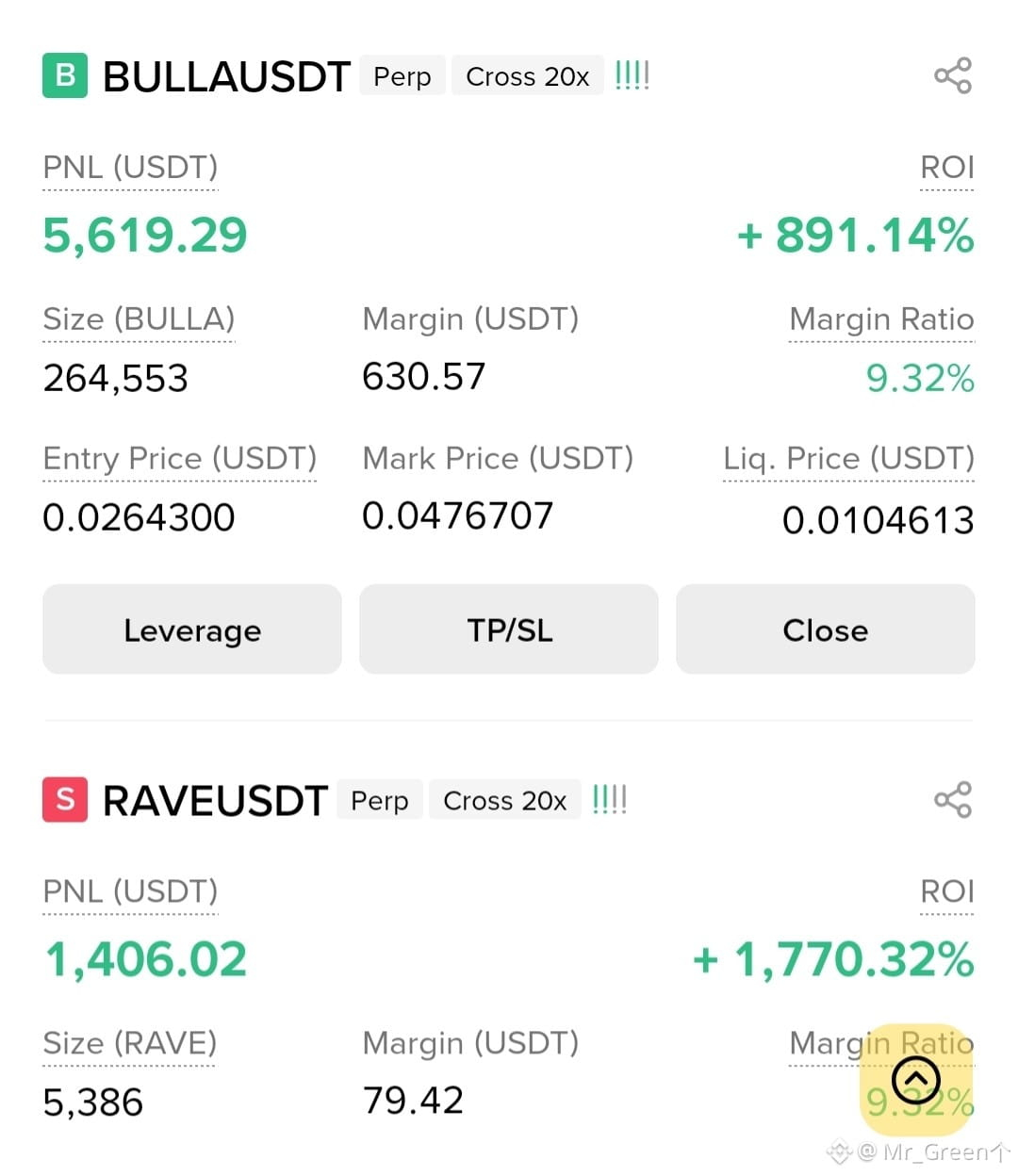
From Long $BULLA and Short $RAVE
I will be shorting $BULLA very soon..because the buyers are now fading away from the position....
What is your thought?
[N.B: Position pic from Future Demo, Just for showing you how much you could get]
#StrategyBTCPurchase #TrumpNewTariffs #TokenizedRealEstate #BTCMiningDifficultyIncrease #Mr_Green
2
650
·
--
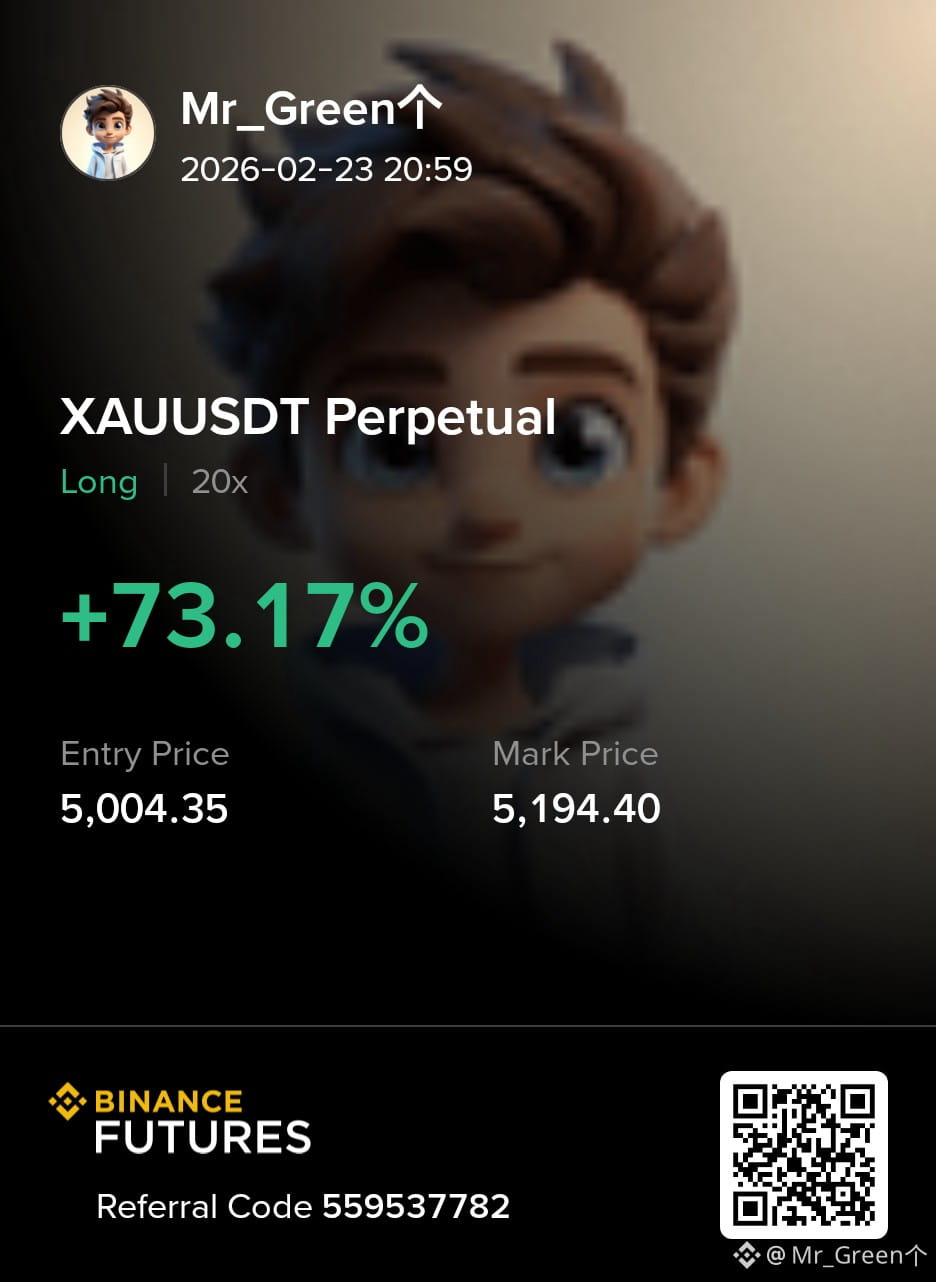
I always tell about $XAU and you ignore me...I Don't know why is this so....
Remember, only gold is the safest heaven...
#XAU #Mr_Green #BTCMiningDifficultyIncrease #BTCVSGOLD
I always tell about $XAU and you ignore me...I Don't know why is this so....
Remember, only gold is the safest heaven...
#XAU #Mr_Green #BTCMiningDifficultyIncrease #BTCVSGOLD
Remember, only gold is the safest heaven...
#XAU #Mr_Green #BTCMiningDifficultyIncrease #BTCVSGOLD
2
447
·
--
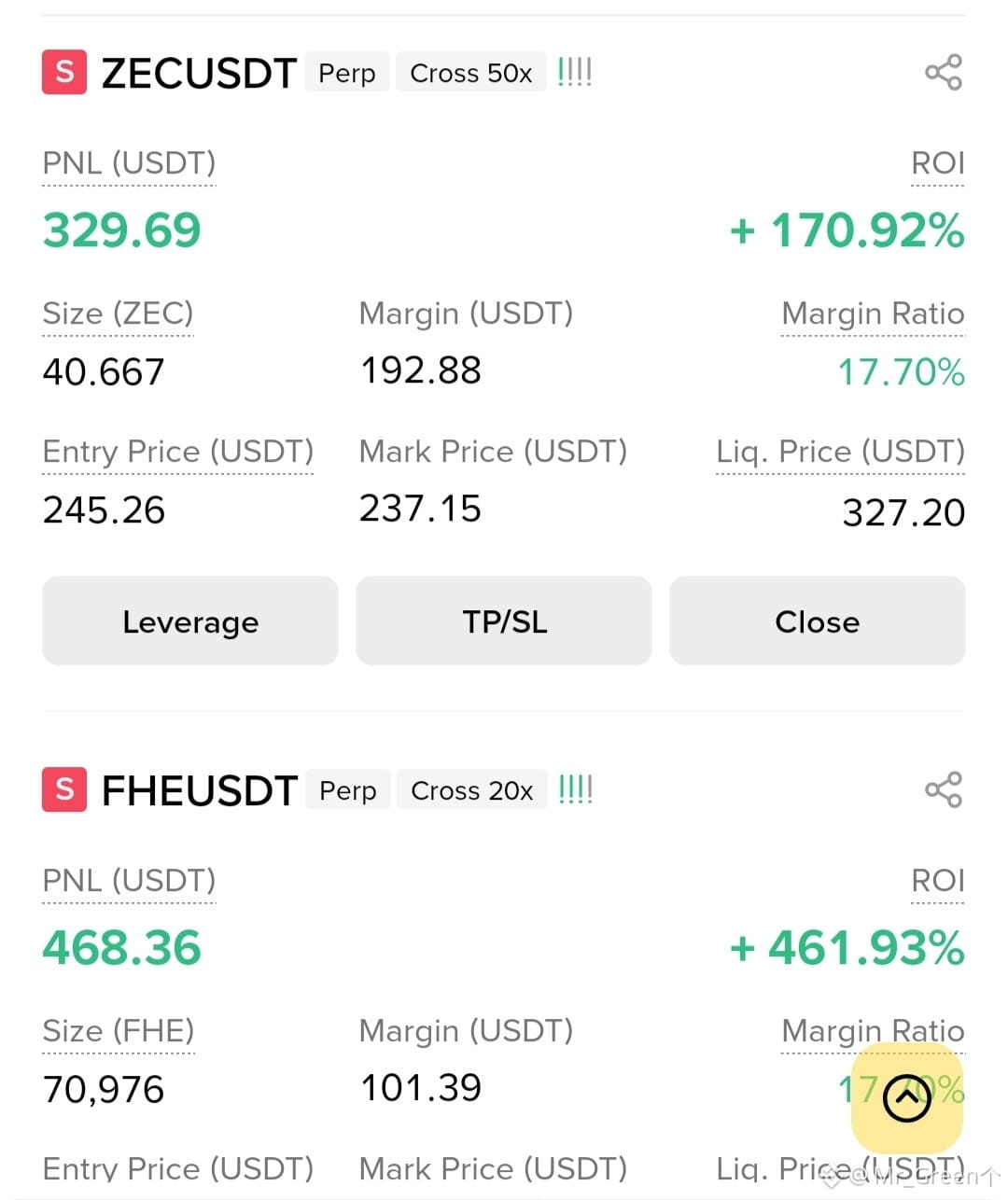
I told you to short on $FHE and $ZEC
Now you see, FHE is running 400% profit...and ZEC is also going down...
I hope you took that trade and making good profit guys...
I also always tell you to long on $XAU
Because it will go up more....
[N.B: Position pic from Future Demo, Just for showing you how much you could get]
#TrumpNewTariffs #TokenizedRealEstate #BTCMiningDifficultyIncrease #WhenWillCLARITYActPass #Mr_Green
513
·
--
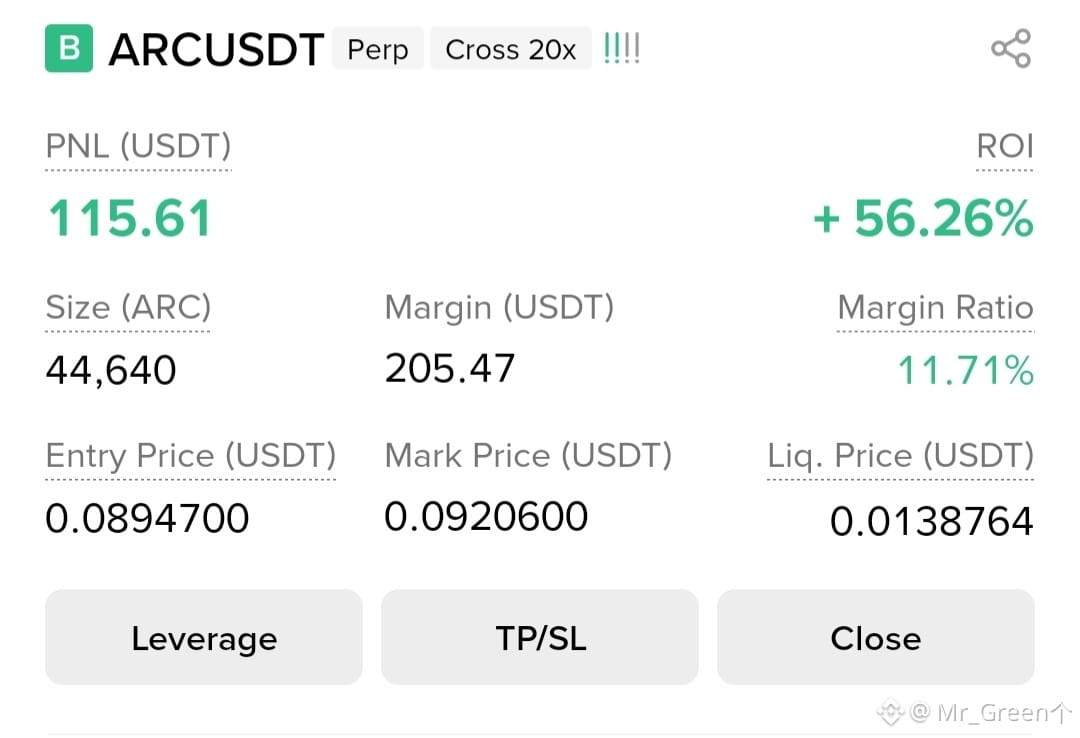
$ARC long is going well..
I hope you took your entry from my signal...And you are making profit now...I hope it will touch 0.10 again...
Our $PIPPIN and $BULLA trades are also maing profit on Long...
[N.B: Position pic from Future Demo, Just for showing you how much you could get]
#TrumpNewTariffs
#TokenizedRealEstate #BTCMiningDifficultyIncrease #ARC #Mr_Green
4
643
·
--
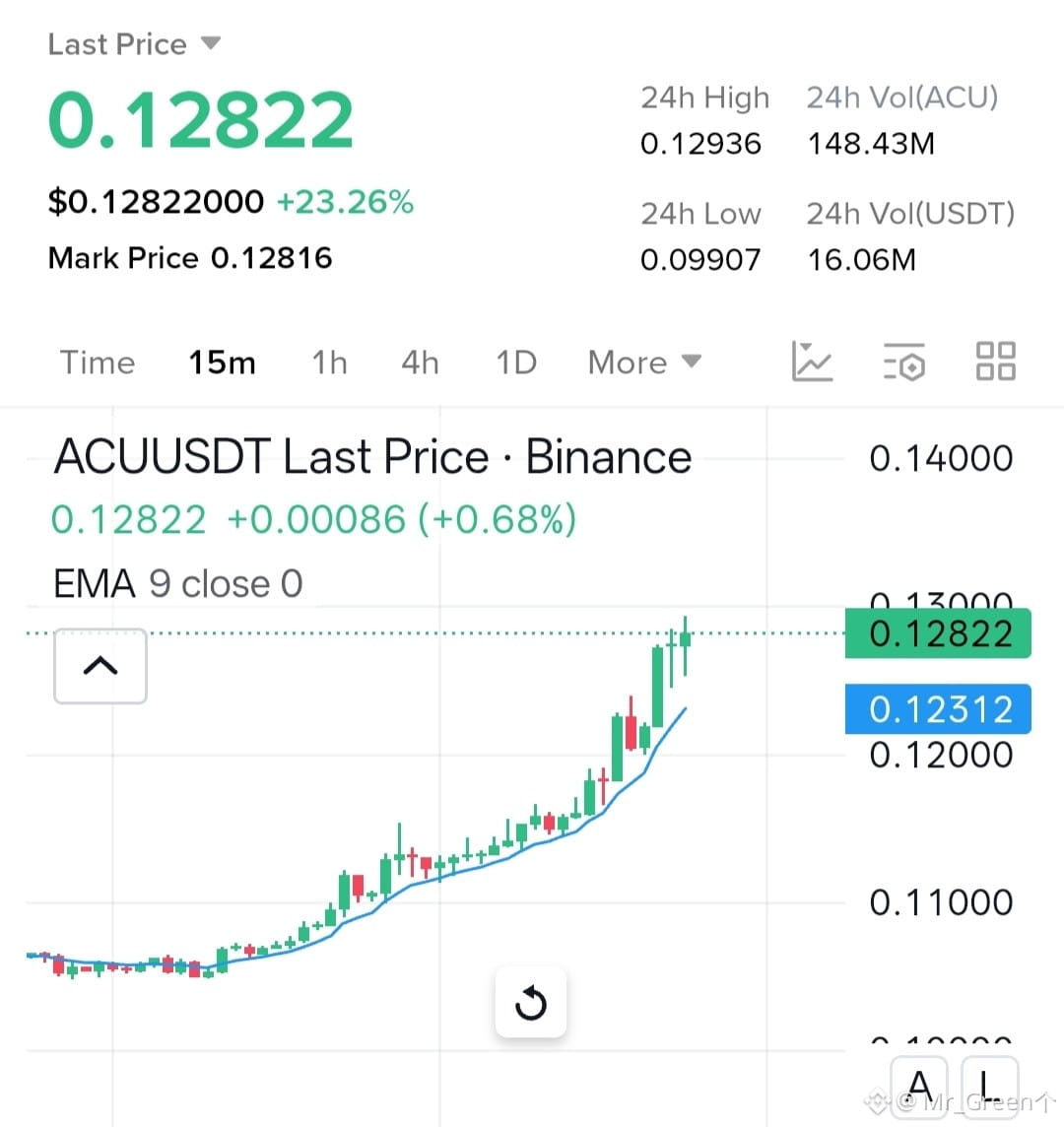
$ACU surges with vertical movement...
This might be the top gainer in the next few hours.. So keep your eyes on this one...
Also don't forget to have a look on both $RIVER and $BULLA
#BULLA might start a bullish rally again...
#TokenizedRealEstate #BTCMiningDifficultyIncrease #TrumpNewTariffs #Mr_Green
This might be the top gainer in the next few hours.. So keep your eyes on this one...
Also don't forget to have a look on both $RIVER and $BULLA
#BULLA might start a bullish rally again...
#TokenizedRealEstate #BTCMiningDifficultyIncrease #TrumpNewTariffs #Mr_Green
3
324
Log in to explore more content
Join global crypto users on Binance Square
⚡️ Get latest and useful information about crypto.
💬 Trusted by the world’s largest crypto exchange.
👍 Discover real insights from verified creators.
Email / Phone number
Trending Topics
1
#BitcoinFallsBelow$57KToTwoYearLow
5,626 views
37 Discussing
2
#NvidiaLoses$2.7TrillionInMonthAndAHalf
1,183 views
44 Discussing
3
#CanBTCReboundAfterFallingBelow60K?
550,336 views
2,342 Discussing
4
#GlobalStocksFaceLongestLosingStreakSince2023
189,131 views
1,630 Discussing
5
#BlackRockIBITPostsRecord$541MSingleDayOutflow
15,733 views
56 Discussing
6
#AnthropicPlungesTowardIPOPriceonDay2
93,913 views
945 Discussing
7
#TwentyOneCapitalAdds172.25BTC
39,103 views
466 Discussing
8
#HKBillWouldExcludeTokenizedDepositsFromVirtualAssets
3,645 views
47 Discussing
9
#BNBDropsBelow540USDTWith8.46%DailyDecline
54,280 views
485 Discussing
10
#HKBillProposesHK$100KFineForUnauthorizedCryptoTitles
1,858 views
20 Discussing