
#custodia
custodia
41,865 views
55 Discussing
Hot
Latest

·
--
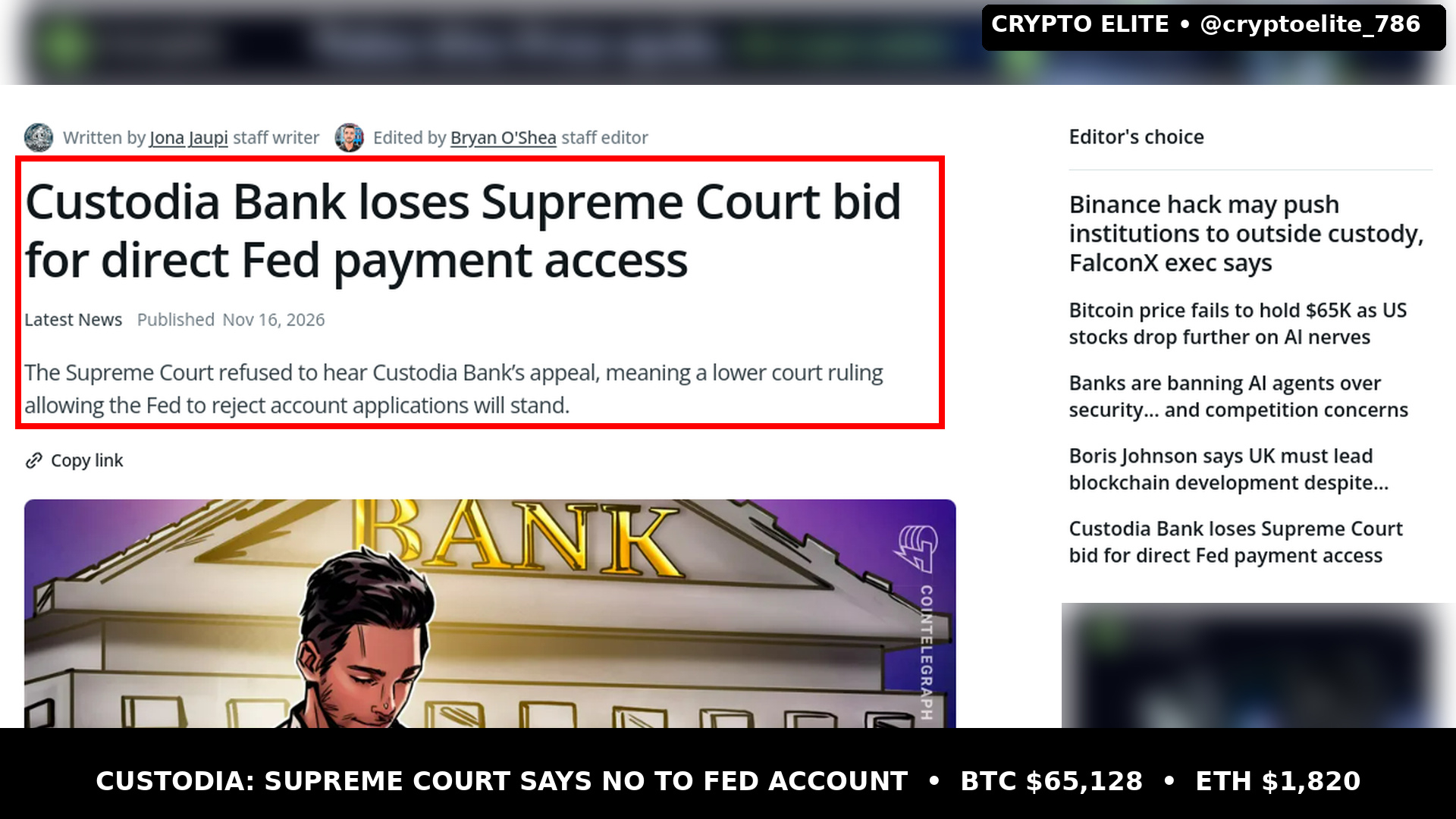
The US Supreme Court has ended Custodia Bank's fight for a Fed master account. On Nov 16 the justices declined to hear the Wyoming crypto bank's appeal, leaving in place the Tenth Circuit ruling that Federal Reserve Banks can deny master accounts, even to legally eligible institutions. Custodia first applied in 2020. Crypto banks still have no guaranteed route to Fed payment rails. #Custodia #Crypto #Banking
The US Supreme Court has ended Custodia Bank's fight for a Fed master account. On Nov 16 the justices declined to hear the Wyoming crypto bank's appeal, leaving in place the Tenth Circuit ruling that Federal Reserve Banks can deny master accounts, even to legally eligible institutions. Custodia first applied in 2020. Crypto banks still have no guaranteed route to Fed payment rails. #Custodia #Crypto #Banking

·
--
⚖️🏦 SUPREME COURT DECLINES CUSTODIA BANK'S FED ACCOUNT APPEAL 🏦⚖️
The U.S. Supreme Court on Monday declined to hear Custodia Bank's appeal, ending the crypto bank's latest legal effort to gain direct access to the Federal Reserve's payment system.
Custodia, a Wyoming-chartered bank, has been seeking a Fed master account since 2020, which would let it process payments directly instead of relying on third-party banks.
The decision leaves in place an earlier ruling that allows the Fed to reject master account applications from eligible banks. Custodia first sued the Fed in 2022 after waiting about two years for a decision; the Kansas City Fed rejected the request in January 2023, citing risks linked to the bank's crypto-focused business model.
In October 2025, a federal appeals court ruled against Custodia. The bank may still apply for another master account or seek limited access under a separate proposal. In March, Kraken Financial received a restricted one-year account from the same Kansas City Fed.
THE PROOF — check this news yourself here:
https://cointelegraph.com/news/custodia-bank-loses-supreme-court-bid-for-direct-fed-payment-access
Follow @cryptoelite_786 for the fastest crypto news & updates! 🔔
$BTC #Custodia #CryptoNews #Regulation
8

#SupremeCourtEndsCustodiaFedFight
🚨 U.S. SUPREME COURT SHUTS THE FED OUT TO A CRYPTO BANK
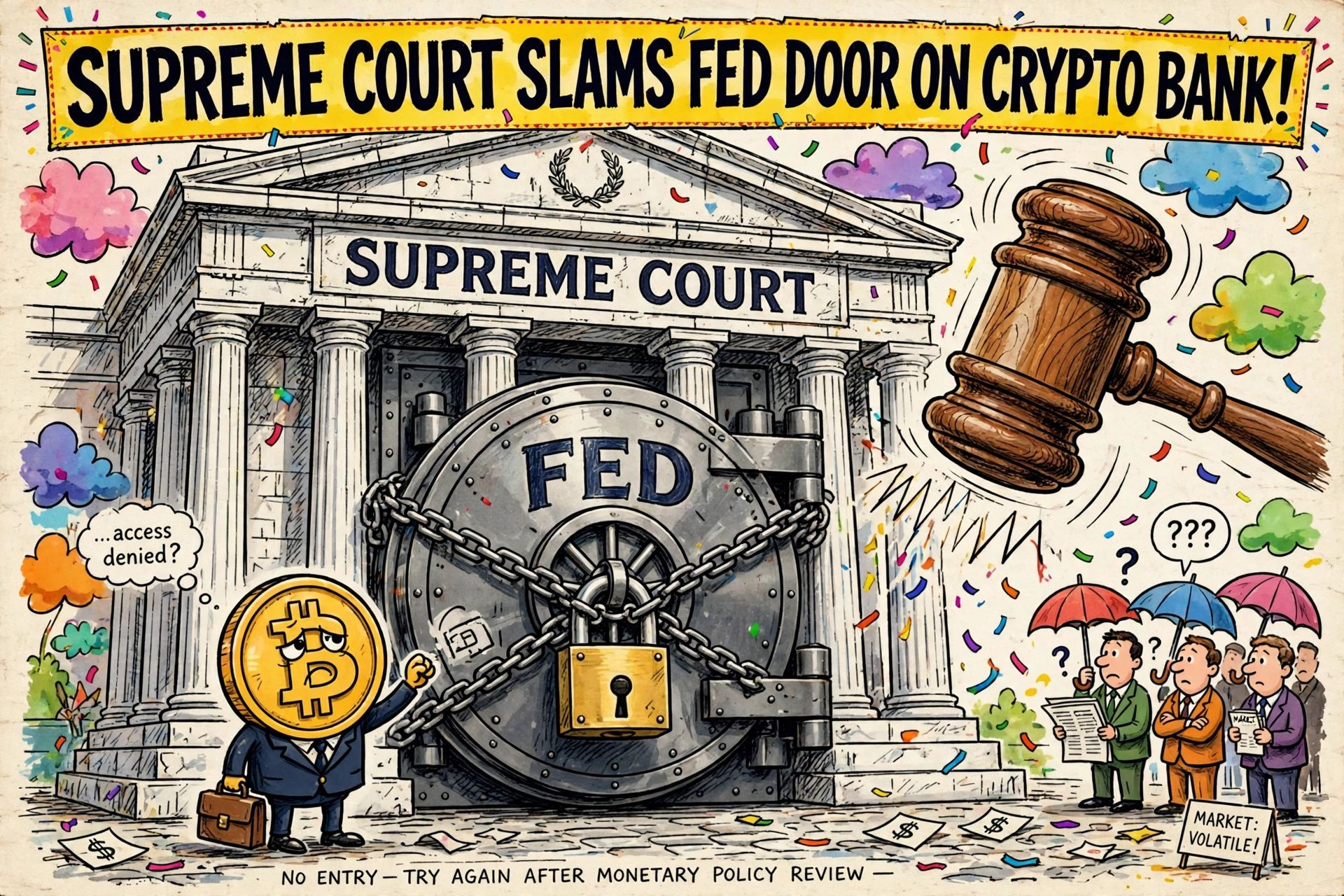
The U.S. Supreme Court has just declined to review Custodia Bank’s lawsuit, ending its six-year fight for a master account at the Fed. Custodia filed its application in October 2020, was rejected by the Federal Reserve Bank of Kansas City in January 2023, lost in district court and appeals court, and has now run out of legal options. The ruling upholds regional Fed banks’ authority to reject even eligible applications, making it difficult for crypto banks to access the Fed’s payment system. $BTC Perpetual is hovering around $64,642, and the whole market is holding its breath as Fed Chair Warsh speaks at midnight tonight.
The biggest Perpetual moves today: $ICP 2.47 dollars, $ASTER 0.566 dollars
#Bitcoin #Custodia #Fed
40

·
--
🎯 Want a direct line into the central bank? The court says no way
📰 The U.S. Supreme Court declined to hear Custodia’s appeal. For six years, this Wyoming crypto bank fought the Fed for a master account, hoping to connect directly to the payment system and gain access to wholesale dollars. Now it’s completely out of luck—not even a hearing.
💬 Honestly, this ruling is pretty discouraging. Institutions like this will have to go through stablecoins and partner banks instead, and the compliant path is getting narrower. Industry insiders have been waiting for a license so long, they’ve practically turned to fossils.
🏷️ #Custodia #监管合规 #美联储 #stablecoin
5
·
--
🎯 Crypto bank sues the Fed—and loses
📰 The U.S. Supreme Court today rejected Custodia’s appeal, ending this crypto bank’s long-shot bid for a Federal Reserve master account. After six years of litigation, it got nowhere—not even a crack in the door.
💬 Honestly, after all the talk about embracing crypto, the bar at the central bank settlement layer remains firmly shut. The much-touted path to compliant entry hasn’t opened up at all for payments and settlement. The fight over licenses will have to continue.
🏷️ #Custodia #监管合规 #美联储 #CryptoBank
29


Article
🇺🇸 BIG FOR CRYPTO BANKING: Custodia Bank takes the Fed to the U.S. Supreme Court ⚖️🚀Custodia Bank, Wyoming’s crypto-focused bank led by Caitlin Long, has just taken the most important step in its history: it formally filed a petition for certiorari with the U.S. Supreme Court, asking it to review the Federal Reserve’s refusal to grant it a "master account" within the Fed’s payments system.
📌 What’s at stake?
A master account is the gateway to a central bank’s payments infrastructure: Fedwire, FedNow, and FedACH. Without it, a bank relies on larger intermediaries, which makes its operations more expensive and more complicated.
🇺🇸 BIG FOR CRYPTO BANKING: Custodia Bank takes the Fed to the U.S. Supreme Court ⚖️🚀
Custodia Bank, Wyoming’s crypto-focused bank led by Caitlin Long, has just taken the most important step in its history: it formally filed a petition for certiorari with the U.S. Supreme Court, asking it to review the Federal Reserve’s refusal to grant it a "master account" within the Fed’s payments system.
📌 What’s at stake? A master account is the gateway to a central bank’s payments infrastructure: Fedwire, FedNow, and FedACH. Without it, a bank relies on larger intermediaries, which makes its operations more expensive and more complicated.
📌 What’s at stake? A master account is the gateway to a central bank’s payments infrastructure: Fedwire, FedNow, and FedACH. Without it, a bank relies on larger intermediaries, which makes its operations more expensive and more complicated.
1
176

·
--
Custodia Bank directly appealed to the U.S. Supreme Court, seeking a review of the Federal Reserve’s decision to deny it access to the payment system.
Crypto-friendly banks have been squeezed out of the clearing channel for years, and it’s finally come to a decisive end.
Markets may treat it as background noise, but this is the key variable that could genuinely rewrite the rules governing U.S. crypto infrastructure. #Custodia $BTC
{future}(BTCUSDT)
Custodia Bank directly appealed to the U.S. Supreme Court, seeking a review of the Federal Reserve’s decision to deny it access to the payment system.
Crypto-friendly banks have been squeezed out of the clearing channel for years, and it’s finally come to a decisive end.
Markets may treat it as background noise, but this is the key variable that could genuinely rewrite the rules governing U.S. crypto infrastructure. #Custodia $BTC
Crypto-friendly banks have been squeezed out of the clearing channel for years, and it’s finally come to a decisive end.
Markets may treat it as background noise, but this is the key variable that could genuinely rewrite the rules governing U.S. crypto infrastructure. #Custodia $BTC
188

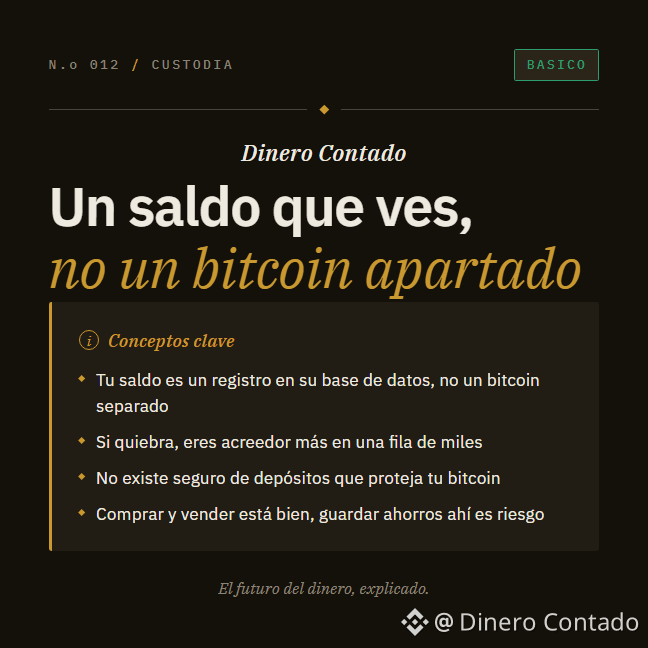
When you see 0.1 $BTC in your exchange balance, you assume that bitcoin is already yours.
It isn’t. Not yet.
That number lives in the platform’s database, not in a blockchain address that only you control. Most exchanges pool money from thousands of users into a few big wallets. Your balance is an accounting entry. Not a bitcoin set aside with your name on it.
You deposit 0.1 $BTC. The platform records 0.1 in your account, mixed in with other users’ deposits. But if that company goes bankrupt, you don’t claim “my bitcoin”: that bitcoin no longer exists as a separate asset that is yours. You’re just one more creditor, in line with thousands of others. And whoever decides how what’s left gets distributed is a judge—not you.
That’s what custodial balances are: someone else holds the asset, and you trust their word.
KEY CONCEPTS
- An exchange isn’t a bank. There’s no deposit insurance that will return your bitcoin if the platform fails or gets hacked.
- Not all exchanges operate the same way. Some centralize orders in a central order book and hold your funds during the transaction. Others connect buyers directly with sellers.
- Just because a platform is large or has been around for years doesn’t make it secure by default. Crypto history has seen exchanges that looked solid and ended up being hacked.
- Having bitcoin “on the exchange” means having a claim against a company—not the asset itself.
Buying and selling there makes sense. Keeping your savings there for years means giving someone else the final say over something that belongs to you.
Transparency: Binance may pay us a commission if you trade after clicking an asset symbol or a price link from this post.
#Custodia #Autocustodia #ExchangesCripto #SeguridadCripto
When you see 0.1 $BTC in your exchange balance, you assume that bitcoin is already yours.
It isn’t. Not yet.
That number lives in the platform’s database, not in a blockchain address that only you control. Most exchanges pool money from thousands of users into a few big wallets. Your balance is an accounting entry. Not a bitcoin set aside with your name on it.
You deposit 0.1 $BTC . The platform records 0.1 in your account, mixed in with other users’ deposits. But if that company goes bankrupt, you don’t claim “my bitcoin”: that bitcoin no longer exists as a separate asset that is yours. You’re just one more creditor, in line with thousands of others. And whoever decides how what’s left gets distributed is a judge—not you.
That’s what custodial balances are: someone else holds the asset, and you trust their word.
KEY CONCEPTS
- An exchange isn’t a bank. There’s no deposit insurance that will return your bitcoin if the platform fails or gets hacked.
- Not all exchanges operate the same way. Some centralize orders in a central order book and hold your funds during the transaction. Others connect buyers directly with sellers.
- Just because a platform is large or has been around for years doesn’t make it secure by default. Crypto history has seen exchanges that looked solid and ended up being hacked.
- Having bitcoin “on the exchange” means having a claim against a company—not the asset itself.
Buying and selling there makes sense. Keeping your savings there for years means giving someone else the final say over something that belongs to you.
Transparency: Binance may pay us a commission if you trade after clicking an asset symbol or a price link from this post.
#Custodia #Autocustodia #ExchangesCripto #SeguridadCripto
2
5
3k
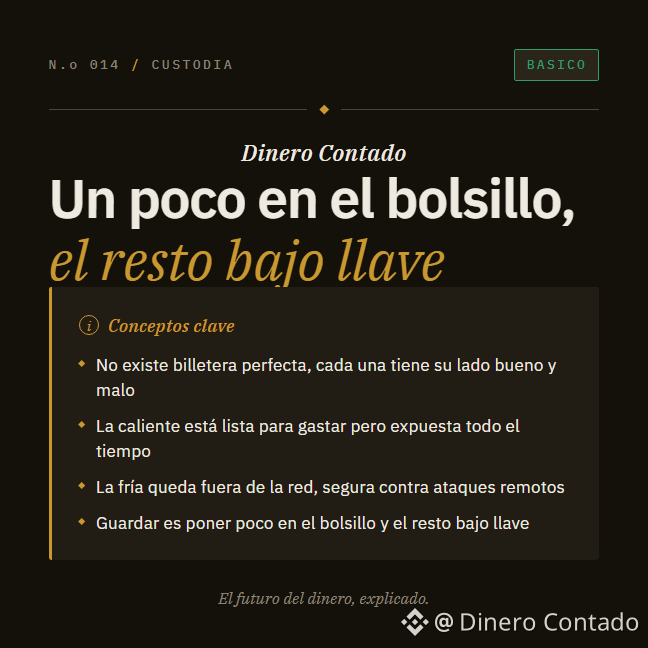
There is no perfect wallet. Each one covers a gap and opens another.
So which one do you use? It depends. Are you going to spend today or save for years.
Imagine you have 1 $BTC. You leave 0.05 in a wallet that lives connected to the internet, ready to spend quickly. The rest, 0.95, is kept somewhere that never touches the network unless you need it.
And that gap between what’s within reach and what’s stored away is, at the end of the day, the whole custody game.
KEY CONCEPTS
- Hot wallet: it stays connected, always ready for whatever you move. But being online all the time also means being exposed all the time.
- Cold wallet: it connects only at the moment of signing. The rest of the time it stays offline, which slows down remote theft. That said, it’s not automatic: you still need to back it up and take care of it.
- Hardware wallet: a physical device stores the keys away from any computer and connects by cable only to sign. It blocks attacks that come in over the internet, but it doesn’t prevent you from losing it or having it taken from you in person.
- Paper wallet: the keys are written or printed, with no cable and no chip involved. No hacker can touch it remotely, but fire, water, or a careless move can erase it forever.
Storing crypto is like storing cash. A little in your pocket for everyday life, the rest locked away where only you can reach.
Transparency: Binance may pay us a commission if you trade after clicking an asset symbol or a price link from this publication.
#Billeteras #Custodia #SeguridadDigital #Cryptocurrencies
There is no perfect wallet. Each one covers a gap and opens another.
So which one do you use? It depends. Are you going to spend today or save for years.
Imagine you have 1 $BTC . You leave 0.05 in a wallet that lives connected to the internet, ready to spend quickly. The rest, 0.95, is kept somewhere that never touches the network unless you need it.
And that gap between what’s within reach and what’s stored away is, at the end of the day, the whole custody game.
KEY CONCEPTS
- Hot wallet: it stays connected, always ready for whatever you move. But being online all the time also means being exposed all the time.
- Cold wallet: it connects only at the moment of signing. The rest of the time it stays offline, which slows down remote theft. That said, it’s not automatic: you still need to back it up and take care of it.
- Hardware wallet: a physical device stores the keys away from any computer and connects by cable only to sign. It blocks attacks that come in over the internet, but it doesn’t prevent you from losing it or having it taken from you in person.
- Paper wallet: the keys are written or printed, with no cable and no chip involved. No hacker can touch it remotely, but fire, water, or a careless move can erase it forever.
Storing crypto is like storing cash. A little in your pocket for everyday life, the rest locked away where only you can reach.
Transparency: Binance may pay us a commission if you trade after clicking an asset symbol or a price link from this publication.
#Billeteras #Custodia #SeguridadDigital #Cryptocurrencies
1
1
1.9k

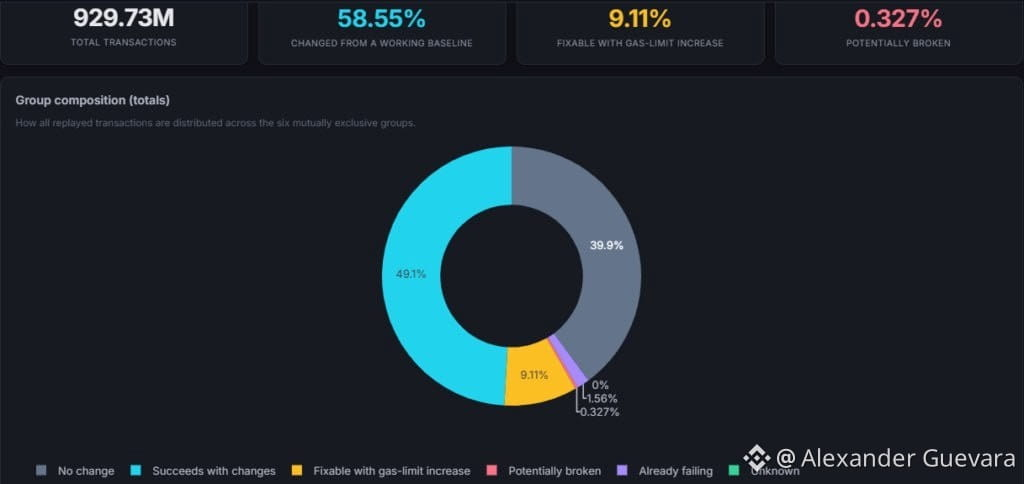
🔎The network paused its Glamsterdam upgrade over the risk of breaking immutable contracts by changing how gas is calculated. This technical pause exposes the tension between evolving the network and preserving historical compatibility.
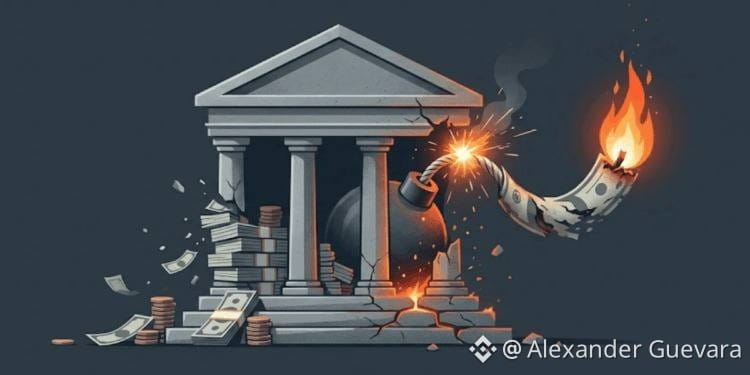
💣 Fractional reserves: a time bomb that bitcoin exchanges defused
“That’s why the real revolution isn’t applauding a custodian for being more honest and financially sound, but removing it from the equation. The ultimate step is self-custody. The ideal isn’t begging an app for permission to move your savings, but becoming your own bank once and for all.”
Learn all the arguments in our post
#Glamsterdam #BTC #Custodia #Technology #blockchain $BTC
54

·
--
Binance: pausing withdrawals does not revoke on-chain permissions
The initial report published by Binance on November 3, 2026, explains new details about the October 29 incident. According to the company, unauthorized access to its internal signing service enabled outflows outside the usual process; the report includes BTC, XRP, and ETH.
On Ethereum, Binance describes EIP-7702 delegations that could continue operating independently of its withdrawal infrastructure. Stopping those services did not automatically invalidate them: the authorizations had to be revoked on-chain.
As technical context, EIP-7702 allows an account to delegate execution to code. That delegation can persist until it is modified or revoked. Pausing a service and changing that state are separate operations; revoking it does not undo previous transfers.
Binance says it has rebuilt affected systems and removed the credentials involved. The investigation is ongoing, and its findings are subject to an independent review.
At 16:40 UTC on November 3, Binance Spot showed ETH at 2,293.86 USDT, BTC at 77,588.01 USDT, and XRP at 1.2768 USDT.
Market perspective: what matters is verifying how signing controls and incident response are validated. Publishing the report provides information, but does not by itself prove that the operational risk has disappeared or allow the movements of these assets to be attributed to it.
$ETH $BTC $XRP
Educational Content. Not financial advice.
#Binance #Ethereum #SeguridadCripto #Custodia #Blockchain

54
Many people buy a hardware wallet and consider the security issue settled.
It makes sense to think that way. The device’s chip stores the key and never connects to the internet; signing happens inside it, without exposing the key. That blocks remote theft, because no virus on your computer can copy something that never leaves the device. But blocking that threat doesn’t block all the others.
Here’s what almost nobody checks. You visit a fake exchange site and authorize a contract to move your funds. Your computer shows 0.05 $ETH, but the information sent to the device is different: unlimited permission to access your wallet. The device displays it character by character on its own screen. If you confirm without reading, it signs exactly that. The chip didn’t fail. The decision did.
The device’s passphrase protects against someone who steals it, not against what you yourself approve by mistake: access is one thing, judgment is another. Confusing the two explains much of today’s crypto phishing. A paper wallet teaches the same lesson: taking a key offline protects it from one type of threat, not all of them. Paper gets wet, burns, or gets lost, and nobody notices until it’s too late. Being offline isn’t the same as being safe.
A hardware wallet protects the key; signing is still a human decision, and that’s where its real limitation lies.
KEY CONCEPTS
- The offline chip prevents remote theft of the key, but it doesn’t verify whether the transaction you’re signing is legitimate.
- The passphrase protects the device from physical theft, not from transactions you yourself authorize by mistake.
- No wallet, hardware or paper, replaces the habit of reading the screen before confirming.
The device keeps the key away from the internet. Reading every signature before confirming is your job, not any chip’s.
Transparency: Binance may pay us a commission if you trade after clicking an asset symbol or a price link in this post.
#Custodia #Autocustodia #SeguridadCripto #HardwareWallet
Many people buy a hardware wallet and consider the security issue settled.
It makes sense to think that way. The device’s chip stores the key and never connects to the internet; signing happens inside it, without exposing the key. That blocks remote theft, because no virus on your computer can copy something that never leaves the device. But blocking that threat doesn’t block all the others.
Here’s what almost nobody checks. You visit a fake exchange site and authorize a contract to move your funds. Your computer shows 0.05 $ETH , but the information sent to the device is different: unlimited permission to access your wallet. The device displays it character by character on its own screen. If you confirm without reading, it signs exactly that. The chip didn’t fail. The decision did.
The device’s passphrase protects against someone who steals it, not against what you yourself approve by mistake: access is one thing, judgment is another. Confusing the two explains much of today’s crypto phishing. A paper wallet teaches the same lesson: taking a key offline protects it from one type of threat, not all of them. Paper gets wet, burns, or gets lost, and nobody notices until it’s too late. Being offline isn’t the same as being safe.
A hardware wallet protects the key; signing is still a human decision, and that’s where its real limitation lies.
KEY CONCEPTS
- The offline chip prevents remote theft of the key, but it doesn’t verify whether the transaction you’re signing is legitimate.
- The passphrase protects the device from physical theft, not from transactions you yourself authorize by mistake.
- No wallet, hardware or paper, replaces the habit of reading the screen before confirming.
The device keeps the key away from the internet. Reading every signature before confirming is your job, not any chip’s.
Transparency: Binance may pay us a commission if you trade after clicking an asset symbol or a price link in this post.
#Custodia #Autocustodia #SeguridadCripto #HardwareWallet

1
150
Some digital currencies never leave their original network, even when you use them on a completely different network.
If you have bitcoin and want to use it on Ethereum, you can’t just move it over. Bitcoin lives on its own chain, with its own rules. It doesn’t cross over on its own. What you can do is get a version of that bitcoin that circulates on Ethereum, while the original is kept somewhere else. Still. Without leaving its network.
The mechanism is simple. Someone gives 1 bitcoin to a custodian, who locks it away and issues 1 $WBTC on Ethereum. One for one. The bitcoin never leaves the vault. What you buy and sell is the receipt. And that receipt is worth something only as long as the custodian still holds the bitcoin.
The real risk isn’t in the network where the copy circulates, or in a coding error in the contract. It’s with the custodian. Whether it remains solvent, whether it still holds the bitcoin, whether it’s still willing to return it. This is called counterparty risk. And if the custodian goes bankrupt or stops responding, the copy is left without backing. Even if the network works perfectly.
That copy that lives on another network, backed by someone holding the original, is called a wrapped token.
KEY CONCEPTS
- A wrapped token isn’t the original. It’s a copy, and it’s worth what it’s worth because an external party holds the original and promises to return it.
- The backing depends on the custodian’s solvency, not on the protocol where the wrapped token circulates.
- A network running without issues doesn’t tell you whether the asset backing the wrapped token still exists.
It’s the same logic as a certificate of deposit. The paper represents the gold held in the vault, and is worth something only as long as that gold is still there.
Transparency: Binance may pay us a commission if you trade after clicking an asset symbol or price link in this post.
#TokensEnvueltos #Custodia #RiesgoContraparte #CriptoActivos

1
368
·
--
Google Cloud MPC: signing without bringing the full key together
Google Cloud’s Multi-party Compute remains in preview, according to its documentation updated on October 27, 2026. That date refers to the page, not a commercial launch: the release notes had already recorded improvements for Bitcoin transactions on October 1.
The idea? Multiple parties hold isolated shares and collaborate to produce a signature without bringing the complete private key together in one place. A participant threshold must be met. The documentation covers Bitcoin, Ethereum, and EVM-compatible networks.
It also allows destinations and spending limits to be evaluated before signing. There’s an important nuance: a DENY result prevents automatic signing, but enough signers can still authorize the operation. Splitting keys does not replace good governance.
The service, which is not yet generally available, may have limited support. And continuity depends on enough participants remaining accessible: distributing control does not eliminate operational risks.
Market context, Binance Spot as of 29/10, 04:07 UTC: BTC was trading at 79,816.91 USDT (-1.461% in 24 h) and ETH at 2,305.65 USDT (-2.141%). My take: this infrastructure could facilitate institutional custody; its development does not demonstrate new BTC or ETH purchases, nor does it allow these price movements to be attributed to it.
$BTC $ETH $USDT
Educational Content. Not financial advice.
#GoogleCloud #MPC #Custodia #Bitcoin #Ethereum

47
·
--
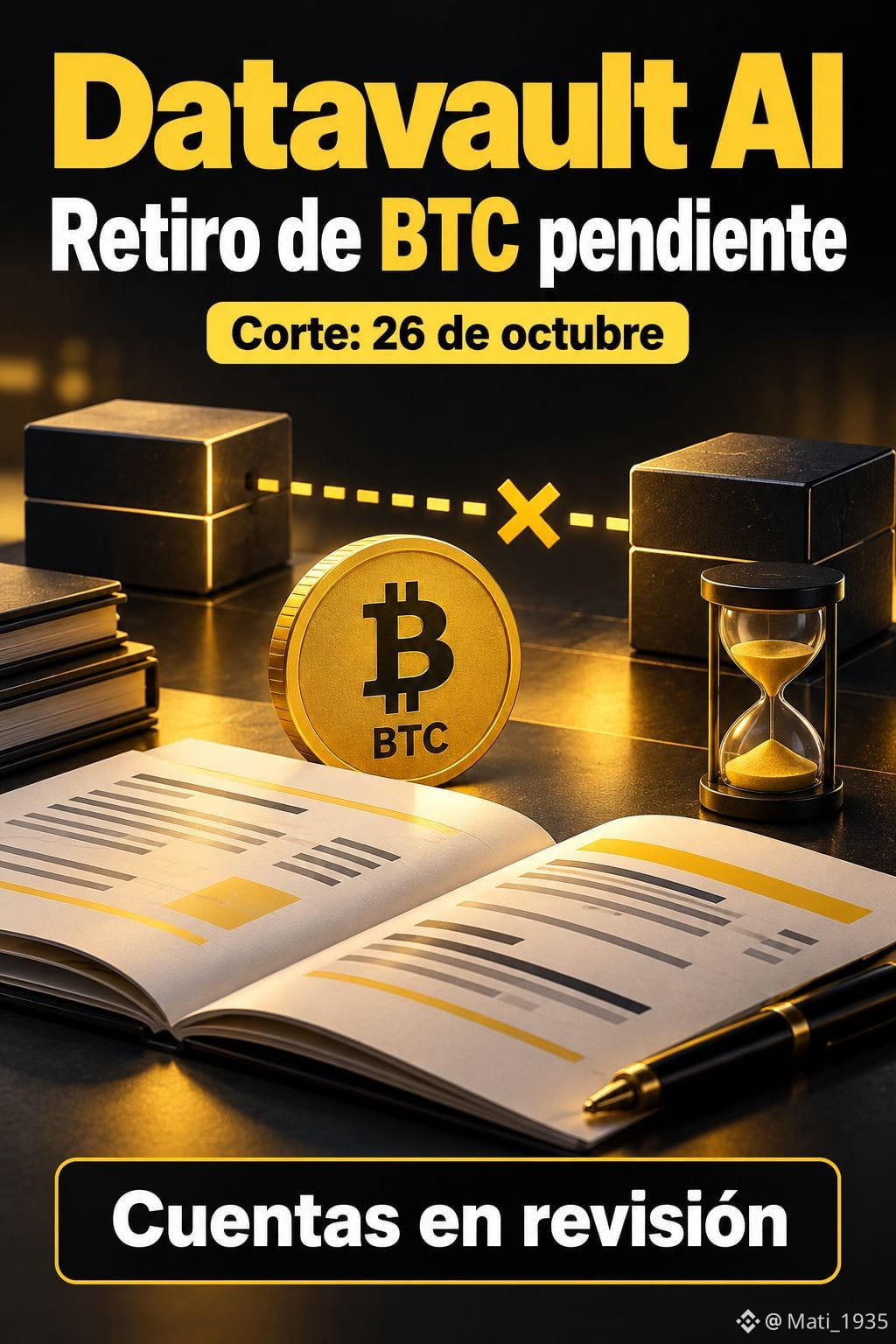
Datavault discloses pending BTC withdrawal and will review its accounts
In an 8-K report published on October 26, 2026, Datavault AI, whose shares trade on Nasdaq under the ticker DVLT, reported that it had not completed a BTC withdrawal requested in June from Biconomy.
The audit committee and management had concluded on October 20 that four financial statements from 2025 and 2026 should no longer be considered reliable.
The review concerns an investment by Scilex payable in bitcoin. The balances were credited through internal, off-chain transfers. Datavault determined that they should have been recorded as a receivable for the issuance of shares, reducing equity.
The company expects to reduce reported assets by $92.2 million as of year-end 2025 and by $49 million as of June 30, 2026. These are preliminary adjustments for different dates and should not be added together. Recovery of the amounts owed remains uncertain.
Market snapshot: On October 28 at 16:06 UTC, Binance Spot showed BTC at 80,548.01 USDT (−0.03% over 24 hours). The case highlights the need to distinguish bitcoin price exposure, actual availability, and counterparty risk; the quoted price does not prove that a company can withdraw its balances.
$BTC $DVLT $USDT
Educational Content. Not financial advice.
#Bitcoin #Datavault #Custodia #RiesgoDeContraparte #FinancialEducation
36
·
--
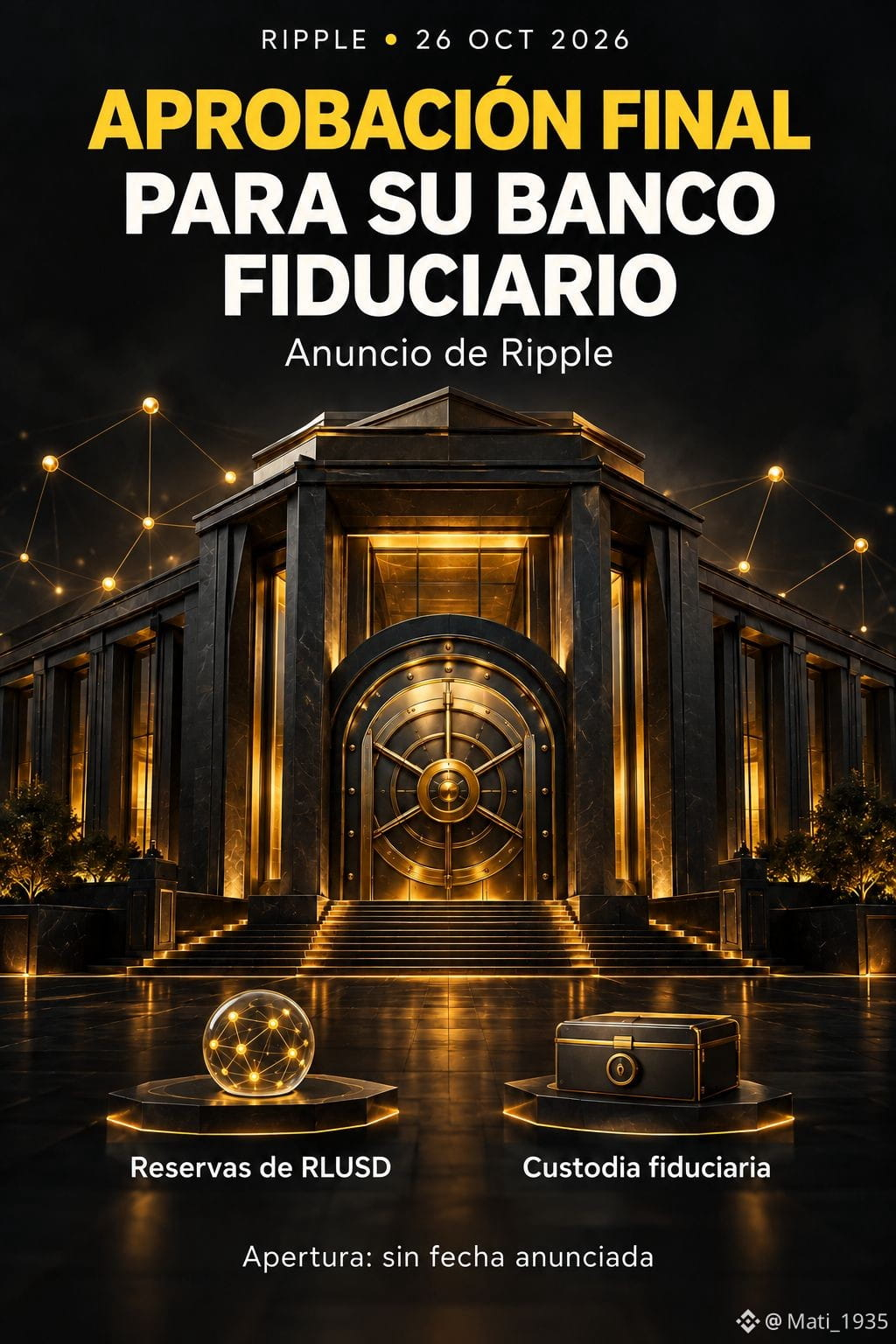
Ripple announces final approval for its trust bank
On October 26, 2026, Ripple announced that the OCC had granted final approval to establish Ripple National Trust Bank (RNTB). The announcement distinguishes this step from the conditional approval obtained in December 2025.
According to Ripple, the approved activities include managing RLUSD’s segregated reserves, acting as trustee for those reserves on behalf of their holders, and providing fiduciary custody of digital assets.
There is an important distinction: RLUSD will continue to be issued by Standard Custody & Trust Company, which is supervised by New York’s regulator, the NYDFS. RNTB adds federal oversight to the infrastructure backing the stablecoin; it does not replace its issuer.
The announcement describes the services it will provide when it opens, but does not set an opening date. Approval and actual availability are separate stages.
Market context: On October 27 at 08:03 UTC, XRP was trading at 1.3035 USDT on Binance Spot, up 2.155% over 24 hours, with 91.61 million USDT traded in the XRP/USDT pair.
My take: This strengthens RLUSD’s regulatory structure. It does not demonstrate additional demand for XRP or, on its own, explain its price movement. Operational custody risks and token volatility remain.
$RLUSD $XRP $USDT
Educational Content. Not financial advice.
#Ripple #RLUSD #XRP #Stablecoins #Custody
99


Article
Fireblocks releases updates after eight certificates from eMudhra certificate authority are compromisedA security breach outside the crypto world has forced one of the sector’s major custodians to take action. The private keys for eight of eMudhra’s intermediate certificates, issued by a certificate authority, have been compromised: six TLS certificates and two code-signing certificates.
Why does this matter? These certificates can be used to forge HTTPS certificates that impersonate any website to systems that still trust them. Browsers have already blocked them, but many programs outside the browser don’t check whether a certificate has been revoked and will continue to accept them until they’re updated. It’s not publicly known whether the attackers actually used them.
Fireblocks releases updates after eight certificates from eMudhra certificate authority are compromised
A security breach outside the crypto world has forced one of the sector’s major custodians to take action. The private keys for eight of eMudhra’s intermediate certificates, issued by a certificate authority, have been compromised: six TLS certificates and two code-signing certificates.
Why does this matter? These certificates can be used to forge HTTPS certificates that impersonate any website to systems that still trust them. Browsers have already blocked them, but many programs outside the browser don’t check whether a certificate has been revoked and will continue to accept them until they’re updated. It’s not publicly known whether the attackers actually used them.
Why does this matter? These certificates can be used to forge HTTPS certificates that impersonate any website to systems that still trust them. Browsers have already blocked them, but many programs outside the browser don’t check whether a certificate has been revoked and will continue to accept them until they’re updated. It’s not publicly known whether the attackers actually used them.
235
⚖️ River Financial sues a Blockstream subsidiary over alleged nonpayment of USD 6.7 million related to a termination agreement.
The case, filed in California, has just begun and not all details of the contract are publicly known yet.
#RiverFinance #BlockStreamAnalytics #California #Custodia #BTC $BTC
The case, filed in California, has just begun and not all details of the contract are publicly known yet.
#RiverFinance #BlockStreamAnalytics #California #Custodia #BTC $BTC

80
·
--
Dubai clarifies what a crypto reserve audit must verify
On October 6, 2026, VARA issued a circular after reviewing the reserve reports it received in 2025. The topic is among the trends on Binance Square.
100% coverage is not a new requirement: its rules already require reserves equivalent to customer liabilities, in the same asset on a one-to-one basis, daily reconciliation, and an independent audit at least every six months.
Example: a liability of 1 BTC requires 1 BTC; it cannot be replaced with another token of equivalent value.
The circular clarifies the scope of the audit: verify coverage throughout the entire period under review, include all wallets and external custodians, verify control and separation of proprietary and customer assets, and detail loans or asset reuse, where applicable.
The report must explain the procedures performed, the evidence, the sampling, and any limitations. It must also distinguish exceptions and matters that could not be verified. If independent evidence is available, management statements alone are not sufficient.
This sets verification expectations; it does not certify the solvency of every platform or guarantee withdrawals.
Market snapshot: Binance spot, on 7/10 at 10:38 UTC, showed BTC at 83,684.02 USDT (−2.72% in 24 hours), ETH at −5.03%, and BNB at −2.15%. The news concerns custody controls; these declines do not demonstrate its impact. The relevant evidence will be the reports and their exceptions.
Sources: VARA circular dated 6/10/2026 and rule VI.E on reserves.
$BTC $ETH $BNB
Educational content. Not financial advice.
#VARA #Dubai #ReservasCripto #Custodia #BinanceSquare

156
Log in to explore more content
Join global crypto users on Binance Square
⚡️ Get latest and useful information about crypto.
💬 Trusted by the world’s largest crypto exchange.
👍 Discover real insights from verified creators.
Email / Phone number
Trending Topics
1
#NVIDIAReinstatesJensenHuangasCEO
69,113 views
796 Discussing
2
#WillMarketsStageAThanksgivingReliefRally?
173,555 views
1,817 Discussing
3
#WillOctCorePCEShiftFedHikeExpectations?
64,349 views
771 Discussing
4
#BitcoinEndsRecord17DayStreakOfLowerHighs
21,709 views
273 Discussing
5
#TradersPriceOut50bpDecemberFedHike
12,814 views
177 Discussing
6
#EvolveAtBinanceBlockchainWeek
137,941 views
1,030 Discussing
7
#TrumpBackedAmericanBitcoinRaisesHoldingsToOver8500BTC
1,667 views
37 Discussing
8
#MuskWarnsOfAICashCrunch
74,351 views
708 Discussing
9
#TradFiForBeginners
1.1M views
6,025 Discussing
10
#SkyPSMUSDCLiquidityReboundsTo$1.77B
930 views
15 Discussing