
#defensespending
defensespending
9,739 views
39 Discussing
Hot
Latest

·
--
Defense Spending Spikes to Near-Record Highs 🚀
The latest data shows US orders for defense capital goods have surged to the second-highest level on record in April. This significant increase is largely attributed to the ongoing conflict with Iran, which has led to a boost in demand for military hardware. As a result, the market is experiencing a ripple effect, with defense-related stocks and industries likely to see a positive impact. The surge in defense spending is expected to have a broader impact on the economy, potentially influencing inflation and employment rates. Overall, the increased demand for defense capital goods is a significant indicator of the market's response to global geopolitical tensions. #DefenseSpending #MilitaryHardware #EconomicImpact #Markets #Geopolitics
The latest data shows US orders for defense capital goods have surged to the second-highest level on record in April. This significant increase is largely attributed to the ongoing conflict with Iran, which has led to a boost in demand for military hardware. As a result, the market is experiencing a ripple effect, with defense-related stocks and industries likely to see a positive impact. The surge in defense spending is expected to have a broader impact on the economy, potentially influencing inflation and employment rates. Overall, the increased demand for defense capital goods is a significant indicator of the market's response to global geopolitical tensions. #DefenseSpending #MilitaryHardware #EconomicImpact #Markets #Geopolitics
30

·
--
U.S. former President Donald Trump recently posted on the social platform Truth Social, saying that the United States is currently accelerating the production and supply of advanced weapons systems at an unprecedented scale. According to the report he received, U.S. defense manufacturing plants are operating around the clock 24/7, with a focus on expanding production capacity for key equipment including the Patriot, THAAD, Tomahawk cruise missiles, and Standard-series missiles, while continuously shipping them to the front lines in the Middle East and other strategic strongholds. On average, 4 to 5 large production facilities are being newly built for each major program.
On the surface, this statement showcases the U.S. defense industry’s ability to mobilize. However, at a deeper level, it sends an extremely dangerous signal: geopolitical confrontation appears to be shifting from localized, low-intensity friction to routine, strategic attrition. Full-capacity defense industrial operations, along with the large-scale redeployment of armaments to front lines in the Middle East, indicate that the risk of escalation in potential regional conflicts is growing. There are no signs of de-escalation; instead, events may be evolving toward long-term conflict with higher levels of confrontation.
For macro financial markets, geopolitical tensions combined with the rigid expansion of defense spending will directly raise supply-chain costs and risk-premium/hedging demand. Supply-disruption risks could affect commodities such as crude oil, which may reignite concerns about secondary inflation. This could then weigh on rate-cut expectations and push up U.S. Treasury yields. Under the dual pressure of heightened risk-aversion sentiment and tightening pressures, the U.S. dollar and gold may receive temporary support, but overall risk appetite (Risk-off) is likely to contract significantly.
As for the cryptocurrency market, this is by no means a positive signal of liquidity easing. Amid rising risk-aversion, capital typically flows back first into U.S. dollar cash or traditional safe-haven assets, rather than into higher-volatility risk assets. If the Middle East geopolitical situation further spirals out of control and boosts inflation expectations, crypto assets represented by $BTC may face severe short-term liquidity withdrawals and valuation pressure. Investors should be alert to the risk of sharp volatility.
#Geopolitics #DefenseSpending #MacroEconomy
23

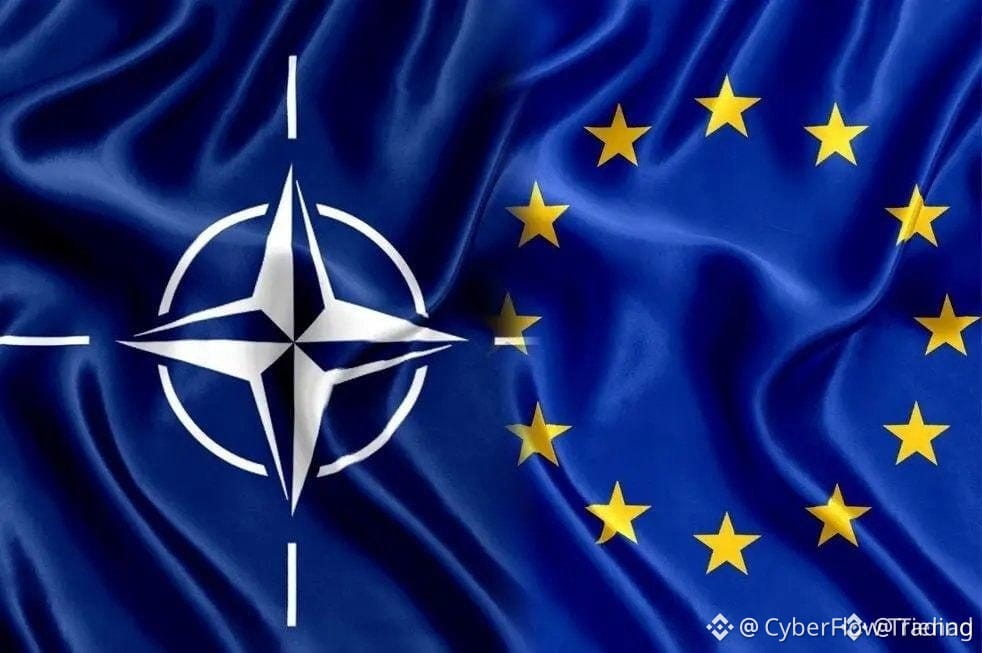
NATO DEFENSE SPENDING TO 4% GDP – HOW $UTK $SPELL $EVAA COULD MOVE ⚡
This is a macro shift that doesn't happen often. Defense spending across Europe and Canada aligning with US levels historically pumps capital into growth sectors, and crypto often catches that flow. The inflation angle is the key – if this drives CPI higher, hedges like $UTK and $EVAA could see renewed demand.
Early volume ticks on these names suggest algo bots are already positioning. The question is whether this is a short squeeze or the start of a longer trend.
What's your read on how defense-linked macro events move these smaller caps?
Not financial advice. Always manage your risk.
#UTK #MacroShift #DefenseSpending #Altcoins #CryptoNews
⚡


185

·
--
🚨 **BREAKING: $80 BILLION MORE FOR WAR?** 🚨
The Pentagon has just requested a massive $80 BILLION supplemental to cover mounting costs from the ongoing Iran conflict and other military expenditures.
Taxpayer burden rising! 💸📉
#BREAKING #DefenseSpending #IranWar #Economy #Pentagon
$SYN $HEI $VELVET
🚨 **BREAKING: $80 BILLION MORE FOR WAR?** 🚨
The Pentagon has just requested a massive $80 BILLION supplemental to cover mounting costs from the ongoing Iran conflict and other military expenditures.
Taxpayer burden rising! 💸📉
#BREAKING #DefenseSpending #IranWar #Economy #Pentagon
$SYN $HEI $VELVET
The Pentagon has just requested a massive $80 BILLION supplemental to cover mounting costs from the ongoing Iran conflict and other military expenditures.
Taxpayer burden rising! 💸📉
#BREAKING #DefenseSpending #IranWar #Economy #Pentagon
$SYN $HEI $VELVET
1
208

🏛️ The Pentagon requests $18 billion to fund missiles and potential economic impacts
The U.S. Department of Defense (the Pentagon) requested emergency funding of $18 billion to bolster missile stockpiles. This funding could lead to higher bond yields and strengthen the U.S. dollar, which may indirectly affect the broader economic market dynamics and the crypto market.
━━━━━━━━━━━━━━
📊 Impact: 📈 High
🏷️ OTHER
#GlobalEconomy #Macroeconomics #DefenseSpending #MarketImpact #Crypto
📰 Source: cryptobriefing.com
104


Article
The New Era of European Defense: Why Berlin is Turning Up the Heat on Paris 🇪🇺🛡️The geopolitical tectonic plates under Europe are shifting, and the tremors are being felt most acutely in the historic engine room of the European Union: the Franco-German alliance. At the recent Munich Security Conference, a clear message emerged from Berlin, delivered with a level of assertiveness we haven’t seen in decades. Germany isn’t just asking for cooperation anymore; it’s demanding a receipt for European sovereignty. 📝⚖️
Putting Money Where the "Sovereignty" Is 💶🏗️
For years, French President Emmanuel Macron has been the leading voice calling for "European strategic autonomy." It’s a vision of a Europe that can stand on its own two feet, less dependent on the shifting political winds of Washington. However, Germany’s Foreign Minister, Johann Wadephul, recently threw down the gauntlet. His message? If you’re going to talk the talk of sovereignty, you have to fund the walk. 🚶♂️💰
While Germany has made the painful political choice to exempt defense spending from its constitutional "debt brake"—earmarking a staggering €500bn for defense between 2025 and 2029—France finds itself in a fiscal vice. Currently sitting as the third-most indebted nation in the EU (trailing only Greece and Italy), Paris is struggling to match Berlin’s financial commitment. 📉🇫🇷
The friction is palpable. We aren't just talking about abstract numbers; we are talking about a 5% GDP defense spending target by 2035, a goal set during last June’s NATO summit. Wadephul’s critique was pointed: France's efforts have been "insufficient." In the world of high-stakes diplomacy, that’s about as close as you get to a public call-out. 📣💥
The Nuclear Umbrella: Protection or Provocation? ☢️☂️
Perhaps the most startling development is the discussion surrounding a "European Nuclear Umbrella." Chancellor Friedrich Merz has confirmed initial talks with Macron about Germany potentially joining France's nuclear deterrence program. 🇩🇪🤝🇫🇷
This represents a massive shift in German strategic thinking. For decades, the US nuclear shield was the undisputed bedrock of European security. But as doubts linger over the long-term consistency of transatlantic commitments, the "unthinkable" has become a boardroom discussion.
However, this move isn’t without its internal critics. Within the German coalition, voices like Lars Klingbeil and Armin Laschet are waving yellow flags. The concerns are two-fold:
The Transatlantic Rift: Would pursuing a European nuclear option signal to Washington that we’re giving up on them? 🇺🇸🛰️
The Sovereignty Trap: As Laschet pointed out, it is highly unlikely Macron would ever give a German Chancellor a "finger on the trigger." If France maintains sole control, is it truly a "European" shield, or just German funding for French power? 🤨🗝️
A Continent Under Pressure 🇷🇺⚡
The backdrop to these debates is, of course, the persistent threat from the East. The "moral case" for rearmament is no longer a fringe theory; it is being championed by military leaders across the continent. In an unprecedented move, the highest-ranking military officers from the UK and Germany issued a joint appeal for the public to prepare for the reality of potential conflict with Russia. 🇬🇧🇩🇪
This isn't just about buying more tanks or jets (though the discord over the next-generation European fighter jet project remains a thorn in the side of cooperation). It’s about a fundamental psychological shift. Europe is moving from a "peace-time" mindset to a "security-first" posture. 🎖️🌲
The Challenges Ahead: Friction in the Engine Room ⚙️⚠️
Despite the shared recognition of the threat, the Franco-German "motor" is sputtering. Beyond defense spending, the two nations are locked in disagreements over:
Pooled Debt: Macron wants it to boost investment; Merz has firmly rejected it. 🙅♂️💸
Trade: Deep discord remains over the EU trade deal with South American nations. 🚢🌎
Industrial Policy: Competitions over defense contracts and technology continue to slow down unified projects.
Chancellor Merz summarized the situation perfectly at Munich: "In the era of great power rivalry, even the United States will not be powerful enough to go it alone." 🤝🌍
The goal is a "European complement within NATO"—not necessarily a replacement for the US, but a robust, self-sufficient pillar that ensures Europe isn't just a spectator in its own security. The coming months will determine if France can find the fiscal room to match its rhetoric, or if the leadership of European defense will continue to tilt decisively toward Berlin and its newly opened coffers. 🏛️📈
The era of "security for free" is over. The era of "sovereignty through investment" has begun. 🚀🇪🇺
#Geopolitics #MacroEconomics #EuropeanUnion #DefenseSpending #MarketAnalysis
$BID
{alpha}(560xa1832f7f4e534ae557f9b5ab76de54b1873e498b)
$SAROS
{alpha}(CT_501SarosY6Vscao718M4A778z4CGtvcwcGef5M9MEH1LGL)
$42
{alpha}(560x834baf4f7832cc3c00734ddb2e0c61c68d975822)
The New Era of European Defense: Why Berlin is Turning Up the Heat on Paris 🇪🇺🛡️
The geopolitical tectonic plates under Europe are shifting, and the tremors are being felt most acutely in the historic engine room of the European Union: the Franco-German alliance. At the recent Munich Security Conference, a clear message emerged from Berlin, delivered with a level of assertiveness we haven’t seen in decades. Germany isn’t just asking for cooperation anymore; it’s demanding a receipt for European sovereignty. 📝⚖️
Putting Money Where the "Sovereignty" Is 💶🏗️
For years, French President Emmanuel Macron has been the leading voice calling for "European strategic autonomy." It’s a vision of a Europe that can stand on its own two feet, less dependent on the shifting political winds of Washington. However, Germany’s Foreign Minister, Johann Wadephul, recently threw down the gauntlet. His message? If you’re going to talk the talk of sovereignty, you have to fund the walk. 🚶♂️💰
While Germany has made the painful political choice to exempt defense spending from its constitutional "debt brake"—earmarking a staggering €500bn for defense between 2025 and 2029—France finds itself in a fiscal vice. Currently sitting as the third-most indebted nation in the EU (trailing only Greece and Italy), Paris is struggling to match Berlin’s financial commitment. 📉🇫🇷
The friction is palpable. We aren't just talking about abstract numbers; we are talking about a 5% GDP defense spending target by 2035, a goal set during last June’s NATO summit. Wadephul’s critique was pointed: France's efforts have been "insufficient." In the world of high-stakes diplomacy, that’s about as close as you get to a public call-out. 📣💥
The Nuclear Umbrella: Protection or Provocation? ☢️☂️
Perhaps the most startling development is the discussion surrounding a "European Nuclear Umbrella." Chancellor Friedrich Merz has confirmed initial talks with Macron about Germany potentially joining France's nuclear deterrence program. 🇩🇪🤝🇫🇷
This represents a massive shift in German strategic thinking. For decades, the US nuclear shield was the undisputed bedrock of European security. But as doubts linger over the long-term consistency of transatlantic commitments, the "unthinkable" has become a boardroom discussion.
However, this move isn’t without its internal critics. Within the German coalition, voices like Lars Klingbeil and Armin Laschet are waving yellow flags. The concerns are two-fold:
The Transatlantic Rift: Would pursuing a European nuclear option signal to Washington that we’re giving up on them? 🇺🇸🛰️
The Sovereignty Trap: As Laschet pointed out, it is highly unlikely Macron would ever give a German Chancellor a "finger on the trigger." If France maintains sole control, is it truly a "European" shield, or just German funding for French power? 🤨🗝️
A Continent Under Pressure 🇷🇺⚡
The backdrop to these debates is, of course, the persistent threat from the East. The "moral case" for rearmament is no longer a fringe theory; it is being championed by military leaders across the continent. In an unprecedented move, the highest-ranking military officers from the UK and Germany issued a joint appeal for the public to prepare for the reality of potential conflict with Russia. 🇬🇧🇩🇪
This isn't just about buying more tanks or jets (though the discord over the next-generation European fighter jet project remains a thorn in the side of cooperation). It’s about a fundamental psychological shift. Europe is moving from a "peace-time" mindset to a "security-first" posture. 🎖️🌲
The Challenges Ahead: Friction in the Engine Room ⚙️⚠️
Despite the shared recognition of the threat, the Franco-German "motor" is sputtering. Beyond defense spending, the two nations are locked in disagreements over:
Pooled Debt: Macron wants it to boost investment; Merz has firmly rejected it. 🙅♂️💸
Trade: Deep discord remains over the EU trade deal with South American nations. 🚢🌎
Industrial Policy: Competitions over defense contracts and technology continue to slow down unified projects.
Chancellor Merz summarized the situation perfectly at Munich: "In the era of great power rivalry, even the United States will not be powerful enough to go it alone." 🤝🌍
The goal is a "European complement within NATO"—not necessarily a replacement for the US, but a robust, self-sufficient pillar that ensures Europe isn't just a spectator in its own security. The coming months will determine if France can find the fiscal room to match its rhetoric, or if the leadership of European defense will continue to tilt decisively toward Berlin and its newly opened coffers. 🏛️📈
The era of "security for free" is over. The era of "sovereignty through investment" has begun. 🚀🇪🇺
#Geopolitics #MacroEconomics #EuropeanUnion #DefenseSpending #MarketAnalysis
$BID
$SAROS
$42
1
1
4
583
MASSIVE $1.5T DEFENSE BUDGET COULD SPARK BTC RALLY ⚡
The U.S. just proposed a $1.5 trillion defense budget — the largest ever. That kind of government spending means more money supply hitting the system, and historically BTC thrives when fiscal policy goes loose.
Castelion is raising $550M and building a hypersonic missile factory at SpaceX speed. When traditional industries start copying crypto-style efficiency, it tells you the mindset is shifting. We're in a macro environment where hard assets and decentralized alternatives get the bid.
What moves are you making with the news?
Not financial advice. Always manage your risk.
#BTC #MacroSetup #InflationHedge #DefenseSpending #CryptoMarket
⚡
1
213

·
--
Bearish
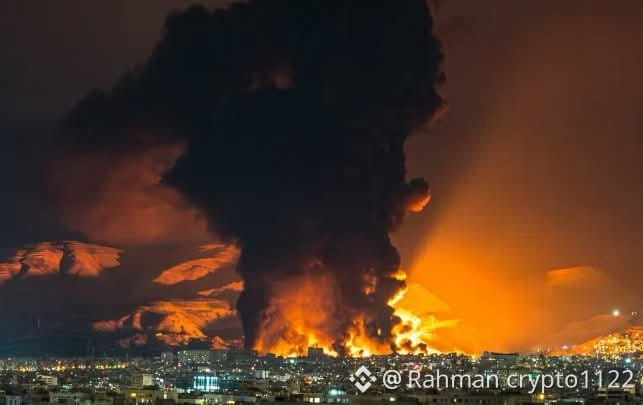
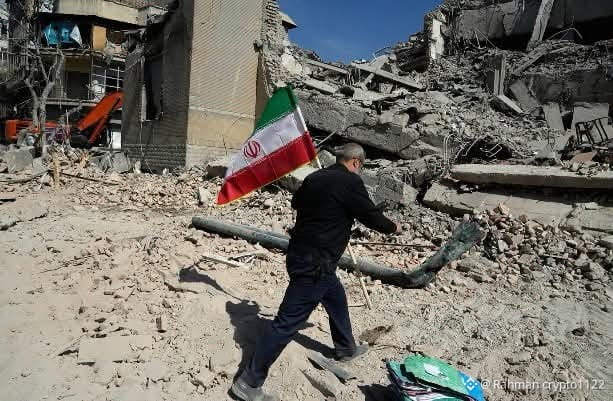
💰🔥 Iran War Costs Surge: U.S. Spending Exceeds $37.5 Billion as Pentagon Seeks Another $87 Billion
The financial cost of the ongoing conflict with Iran continues to rise sharply.
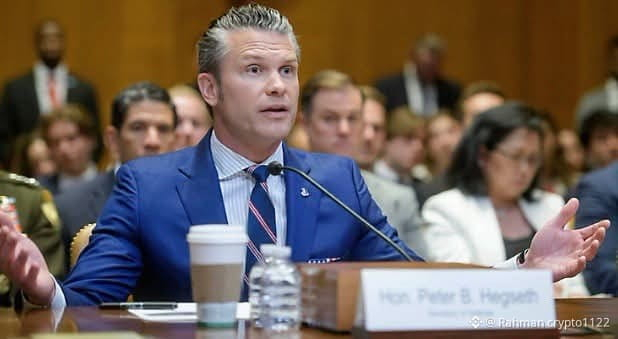
According to U.S. Defense Secretary Pete Hegseth, the United States has already spent approximately $37.5 billion on military operations related to the war—about $8 billion more than estimates provided earlier this year.
The Pentagon is now requesting an additional $87 billion from Congress, including $67 billion earmarked for military operations in the Middle East.
The funding debate has sparked controversy in Washington. Anti-war protesters interrupted Senate proceedings, while a tense exchange between the Defense Secretary and a U.S. senator highlighted growing political divisions over the conflict.
Meanwhile, casualties among U.S. personnel in the region continue to add to the human and financial costs of the war.
The escalating expenses raise a critical question: Is this conflict essential to U.S. national security, or is Washington becoming increasingly entangled in a costly and open-ended war?
Source: Testimony and budget request statements by U.S. Defense Secretary Pete Hegseth during congressional hearings, as reported by major U.S. media outlets and Pentagon briefings.
#IranUSConflict #Pentagon #DefenseSpending #Geopolitics #USMilitary
$BZ $CL
53

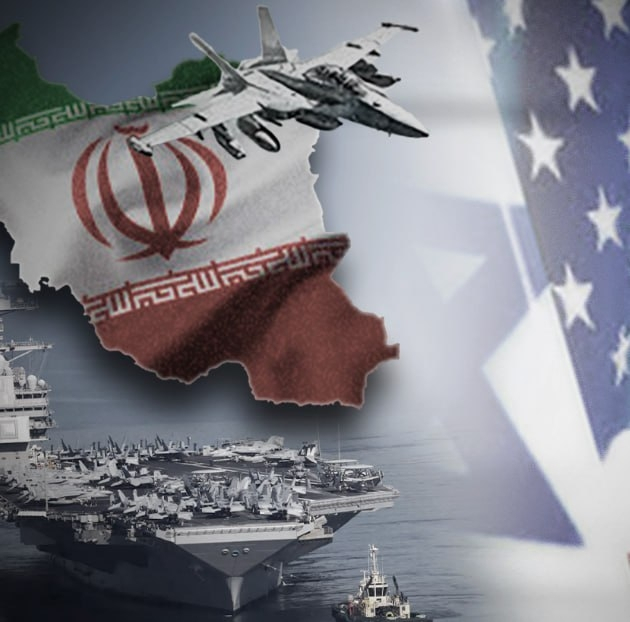
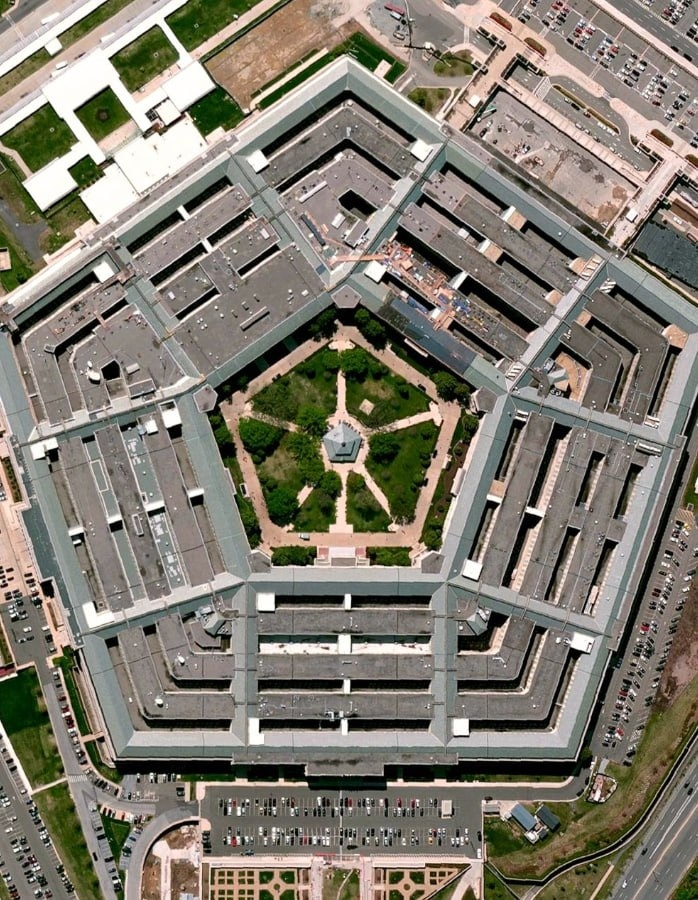
The Pentagon just issued an emergency order to rapidly increase weapons production. A classified memo obtained by the Washington Post says the Iran War has driven critical munitions into extreme shortage.
Extreme shortage.
Those are the Pentagon's own words. Not an analyst's assessment. Not a leaked opinion. The official characterization in a memo ordering emergency production increases.
Trump threatened prison for officials leaking reports of missile stockpile depletion just days ago. He denied any shortage and said production was surging.
The Pentagon memo obtained by the Washington Post says the shortage is real and orders firms to accelerate deliveries immediately.
One of those two statements is accurate.
The consequences of extreme shortage in the middle of an active war with Iran, while North Korea is building nuclear fuel at exponential rates, while Russia is fighting in Ukraine, while the Korean Peninsula threat level is at its highest in years, and while geopolitical risk has hit a 65 year high are impossible to overstate.
Modern warfare consumes precision munitions at rates that peacetime production schedules were never designed to sustain. The lesson from the Ukraine conflict was already clear. Western arsenals were not sized for prolonged high-intensity conflict.
The Iran War is proving that lesson again. At greater cost.
Defense contractors are now receiving emergency production orders. That means the shortage is real enough to require official government intervention in supply chains. Lead times for complex weapons systems run 18 to 36 months minimum.
The Pentagon is ordering acceleration today for munitions that will not be ready until 2027 or 2028.
Whatever happens in the Middle East between now and then will happen with the stockpiles that currently exist.
Extreme shortage is not a comfortable phrase in that context.
#Pentagon #IranWar #DefenseSpending #NationalSecurity #Geopolitics
1
107
Log in to explore more content
Join global crypto users on Binance Square
⚡️ Get latest and useful information about crypto.
💬 Trusted by the world’s largest crypto exchange.
👍 Discover real insights from verified creators.
Email / Phone number
Trending Topics
1
#BTCReboundsAbove$60KAmidWhaleDipBuying
43,922 views
234 Discussing
2
#SolanaSets2027RoadmapToDoubleComputeCapacity
28,259 views
588 Discussing
3
#CaliforniaNvidiaProbeExaminesPotentialCriminalViolations
7,088 views
79 Discussing
4
#BlackRockLaunchesHKDollarDigitalLiquidityFund
23,051 views
483 Discussing
5
#NvidiaLoses$2.7TrillionInMonthAndAHalf
65,509 views
275 Discussing
6
#GlobalStocksFaceLongestLosingStreakSince2023
513,229 views
3,207 Discussing
7
#BlackRockIBITPostsRecord$541MSingleDayOutflow
83,080 views
163 Discussing
8
#AnthropicPlungesTowardIPOPriceonDay2
278,680 views
2,132 Discussing
9
#TwentyOneCapitalAdds172.25BTC
144,124 views
1,467 Discussing
10
#HKBillWouldExcludeTokenizedDepositsFromVirtualAssets
16,919 views
97 Discussing