
#geopoliticaluncertainty
geopoliticaluncertainty
556,800 views
324 Discussing
Hot
Latest

Stop. Stop. Stop.
your attention is needed for 5 minutes
🌍 TRUMP AND PUTIN TO MEET IN CHINA: A SUMMIT THAT COULD SHAPE THE INTERNATIONAL AGENDA
Donald Trump and Vladimir Putin will take part in a trilateral meeting in Shenzhen, China, on November 19, alongside the president of the host country.
Topics on the agenda include nuclear arms control and the situation in the Middle East.
The meeting will take place amid international tensions over the war in Ukraine and the conflict with Iran.
Although no immediate agreements are expected, the meeting could open the door to new talks between the world’s major powers.
💬 Could this summit bring the sides closer together, or deepen their differences?
#GeopoliticalUncertainty
140

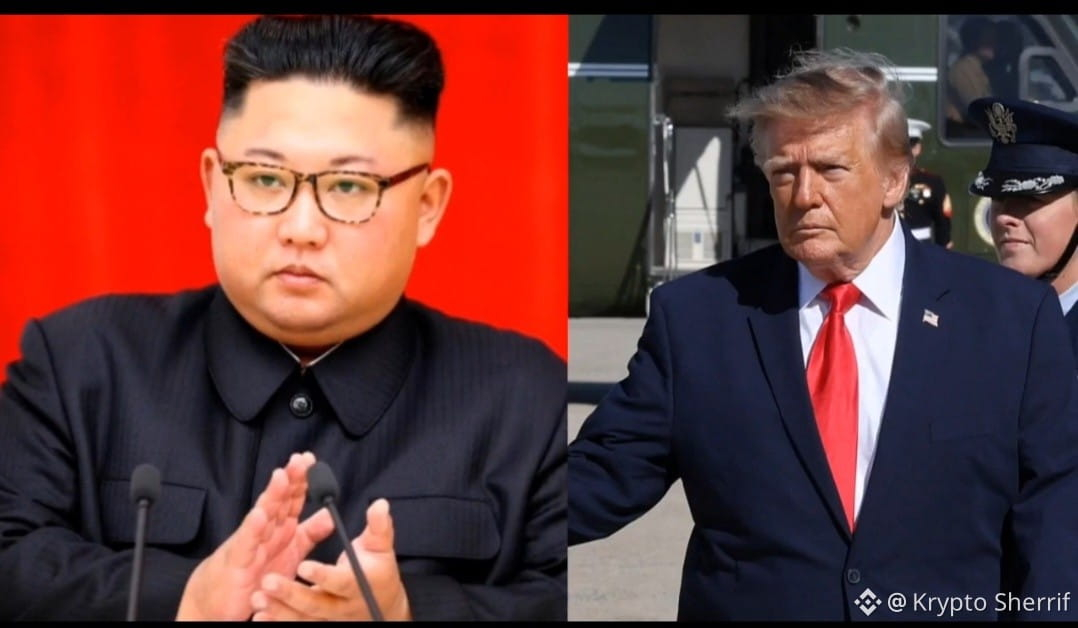
🚨 BREAKING: KIM JONG UN ISSUES A WARNING OVER NUCLEAR WEAPONS! 🇰🇵☢️😱
North Korean leader Kim Jong Un has reportedly issued a stark warning over the potential use of nuclear weapons.
According to the statement, if the United States were to use a nuclear weapon against any country — including Iran — it could trigger a serious and dangerous escalation. 👀🌍
The warning comes amid growing global tensions and renewed fears about the possibility of a wider conflict.
⚠️ Could the world be heading toward an even more dangerous geopolitical showdown?
The situation is developing, and the full context of the reported statement remains important.
#BREAKING #KimJongUn #NorthKorea #USA #Iran #Nuclear #Geopolitics #WorldNews#GeopoliticalUncertainty #GeopoliticalTension #TrumpCrypto #USJoblessClaimsRise $Jager
{alpha}(560x74836cc0e821a6be18e407e6388e430b689c66e9)
$PEPE
{alpha}()
🚨 BREAKING: KIM JONG UN ISSUES A WARNING OVER NUCLEAR WEAPONS! 🇰🇵☢️😱
North Korean leader Kim Jong Un has reportedly issued a stark warning over the potential use of nuclear weapons.
According to the statement, if the United States were to use a nuclear weapon against any country — including Iran — it could trigger a serious and dangerous escalation. 👀🌍
The warning comes amid growing global tensions and renewed fears about the possibility of a wider conflict.
⚠️ Could the world be heading toward an even more dangerous geopolitical showdown?
The situation is developing, and the full context of the reported statement remains important.
#BREAKING #KimJongUn #NorthKorea #USA #Iran #Nuclear #Geopolitics #WorldNews#GeopoliticalUncertainty #GeopoliticalTension #TrumpCrypto #USJoblessClaimsRise $Jager
$PEPE
5
1.5k
Stop. Stop. Stop.
your attention is needed for 5 minutes
🌍 MIDDLE EAST | TENSIONS RISE IN THE STRAIT OF HORMUZ: FOUR OIL TANKERS REPORTEDLY HIT BY EXPLOSIONS
Tensions in the Middle East are intensifying once again. This Thursday, November 12, Iranian military authorities reported that four oil tankers were hit by explosions while sailing through the strategic Strait of Hormuz.
According to Iran, two supertankers suffered explosions on Wednesday, and two others reported incidents this Thursday after entering maritime areas that Tehran considers restricted. Iranian authorities attributed the incidents to naval mines.
Meanwhile, the British agency UKMTO reported an attack on an oil tanker near Ras al-Khaimah, in the United Arab Emirates. The vessel sustained damage to its engine room, and its crew was evacuated. No casualties were reported.
However, it is important to note that Reuters could not independently verify Iran's claims about the four vessels.
WHY IS THE STRAIT OF HORMUZ SO IMPORTANT?
It is one of the most important maritime corridors on the planet. A significant portion of the world's oil and gas trade passes through its waters.
Any disruption to shipping can affect energy markets, drive up oil prices, and increase pressure on the international economy.
A CONFLICT WITH GLOBAL REPERCUSSIONS
The latest incidents come amid tensions between Iran and the United States, as risks to commercial shipping in the Persian Gulf persist.
The question is unavoidable: are we witnessing a new military escalation or a strategy of pressure at one of the most sensitive points in global trade?
🌐 The Middle East remains one of the main areas of international concern.
#GeopoliticalUncertainty
1
396
Stop. Stop. Stop.
Your attention is needed for 5 minutes
IRAN PROPOSES REOPENING THE STRAIT OF HORMUZ WITHIN 48 HOURS AS MILITARY PRESSURE GROWS
Iran presented a proposal to reopen the Strait of Hormuz within two days and resume nuclear negotiations with the United States, provided Washington accepts its conditions.
These include lifting the U.S. blockade of Iranian ports, easing oil sanctions, and a ceasefire that also includes Lebanon.
While diplomatic contacts continue, tensions remain high: according to officials cited by the Associated Press, Benjamin Netanyahu is pressuring Washington to launch new attacks against Iran after the U.S. midterm elections. Donald Trump has not yet committed to new military action.
In addition, a vessel was struck by a projectile of unknown origin while transiting the strait, according to the UK maritime agency UKMTO. The crew was unharmed.
The situation has put one of the world's most strategically important maritime routes for the oil trade on alert.
#GeopoliticalUncertainty
source of information
https://www.dw.com/es/ir%C3%A1n-propone-reabrir-el-estrecho-de-ormuz-en-dos-d%C3%ADas-si-ee-uu-acepta-sus-condiciones/a-79828446
189
Stop. Stop. Stop.
your attention is needed for 5 minutes
🌍 STRAIT OF HORMUZ: NEW INCIDENTS INVOLVING OIL TANKERS AND RISING TENSIONS BETWEEN IRAN AND THE UNITED STATES
Maritime security in the Strait of Hormuz continues to deteriorate. In recent days, new incidents involving commercial vessels have been reported, while Iran and the United States remain at odds over control of this important waterway.
🚢 Oil tankers affected and crews evacuated
Omani authorities reported rescuing 25 crew members from the Panamanian-flagged oil tanker RITI after an attack sparked a fire on board.
Meanwhile, Iran’s Revolutionary Guard claimed that several oil tankers suffered explosions and fires after attempting to cross routes that Tehran considers unauthorized. These claims have not been independently verified by Reuters.
🛢️ A vital corridor for global oil supplies
The Strait of Hormuz is one of the main strategic points in international energy trade. Before the conflict, approximately one-fifth of the world’s oil supply passed through this waterway.
Repeated attacks and restrictions on maritime traffic are raising concerns about possible disruptions to exports, higher shipping costs, and further pressure on international crude oil prices.
⚠️ Between military threats and diplomacy
While incidents continue, diplomatic efforts are also underway to try to reopen the strait and ease tensions.
Iran has proposed reopening the strait through mediators, although differences with Washington remain significant. At the same time, Iran’s leadership warned that it would respond to any new military threat.
Do you think negotiations will succeed in ensuring that ships can once again navigate the Strait of Hormuz, or will military tensions in the region continue to rise?
#GeopoliticalUncertainty
179
Holding $BTC 0.2 USDT
Stop. Stop. Stop.
your attention is needed for 5 minutes
🌍 TENSION IN THE STRAIT OF HORMUZ: OIL TANKER ATTACKED AND BRENT SURPASSES US$117
Tensions in the Middle East are once again affecting energy markets. This Friday, October 30, an oil tanker was struck by explosive devices attached to its hull while sailing through the strategic Strait of Hormuz.
According to the UK maritime security service UKMTO, a small vessel placed the explosives. The authorities did not publicly identify those responsible for the attack.
🛢️ Oil prices rise again
The markets were quick to react. The December Brent crude contract closed at US$117.64 per barrel, up 2.4%, reaching its highest level since late April.
The Strait of Hormuz is a crucial route for the global hydrocarbon trade. Any threat to navigation can disrupt supply and increase international uncertainty.
⚠️ An uncertain situation
As risks to maritime transport and energy facilities grow, diplomatic efforts to reach an agreement between the United States and Iran are also continuing.
The combination of attacks, threats, and negotiations has markets watching closely for any new developments.
Are we entering a new phase of military escalation in the Middle East, or is there still room for a diplomatic solution?
#GeopoliticalUncertainty #petróleo $BTC
158
Verified
Holding $BTC 0.2 USDT
Stop. Stop. Stop.
your attention is needed for 5 minutes
🌍 MIDDLE EAST ON THE BRINK OF A NEW ESCALATION: OIL REMAINS UNDER PRESSURE
Tensions in the Middle East continue to cause international concern. Clashes involving Iran, the United States, Israel, and Yemen’s Houthis, along with attacks and threats against energy infrastructure, have kept markets on alert.
🛢️ Oil at the center of the crisis
On Thursday, October 29, Brent crude closed at around US$114.88 per barrel, as investors weighed two opposing factors: the risk of further supply disruptions and the possibility of reviving diplomatic negotiations between Washington and Tehran.
Although prices fell during the day, uncertainty remains. Any major disruption to oil production or transportation could affect international markets, fuel prices, and transportation costs.
⚠️ Could the conflict escalate?
The possibility of further military attacks remains on the table, but diplomatic efforts to reach an agreement are also continuing. For now, there is no certainty that a new U.S. offensive will take place or what the outcome of the negotiations will be.
Developments over the coming days will be key in determining whether tensions rise or diplomacy manages to reduce the risk of a larger escalation.
Do you think negotiations will be able to contain the conflict, or will tensions ultimately lead to new clashes and another rise in oil prices?
#GeopoliticalUncertainty $BTC
240
Stop. Stop. Stop.
Your attention is needed for 5 minutes
🌍 EGYPT AUTHORIZES MILITARY SUPPORT FOR SAUDI ARABIA: COULD THE CONFLICT IN THE MIDDLE EAST ESCALATE?
On Monday, October 26, the Egyptian Parliament authorized President Abdel Fattah al-Sisi to take the necessary measures to support Saudi Arabia’s defense against external attacks, amid escalating tensions with Yemen’s Houthis.
🇪🇬 A decision with strategic implications
The parliamentary authorization opens the door to possible Egyptian military involvement, but it does not mean that troops have already been sent. The scope of any assistance has not yet been publicly defined and will depend on coordination between the two countries.
🇸🇦 Saudi Arabia at the center of the tensions
Attacks attributed to the Houthis have affected regional security and raised concerns about strategic facilities, airports, and maritime routes. Egypt says any support would be defensive in nature, while also backing diplomatic efforts to prevent further escalation.
🌊 What could happen next?
More direct involvement by Egypt could shift the regional balance and increase pressure on trade routes in the Red Sea and the Bab el-Mandeb Strait, a strategic passage for international trade.
For now, the political authorization is confirmed; a concrete military deployment is not.
Do you think Egypt’s involvement would help contain the attacks or increase the risk of a regional escalation?
#GeopoliticalUncertainty
152
Holding $BTC 0.2 USDT
Stop. Stop. Stop.
Your attention is required for 5 minutes
⚓ The British Navy under pressure: an opportunity for Argentina in the South Atlantic?
The United Kingdom’s naval capabilities are once again at the center of debate following warnings in a British parliamentary report about the state of its Navy. The analysis is of particular interest as Argentina considers various options for strengthening its naval capabilities.
🇬🇧 The British challenge
Maintaining a modern, operational fleet requires ongoing investment, specialized personnel, maintenance, and ship availability. Difficulties in any of these areas can limit a navy’s ability to respond to different strategic commitments simultaneously.
🇦🇷 What does this mean for Argentina?
For Buenos Aires, the current context opens up a discussion about modernizing its naval forces and the options available for restoring capabilities. However, a potential strategic opportunity does not automatically translate into a military advantage: budget, logistics, training, and the actual availability of the systems acquired also matter.
🌊 The South Atlantic factor
The issue has a particular geopolitical dimension because of the sovereignty dispute over the Falkland Islands and the strategic importance of the waters of the South Atlantic. Even so, a fleet’s maintenance or availability problems do not mean that the United Kingdom has lost its naval capabilities.
The question is: could the difficulties facing the British Navy drive greater naval modernization in Argentina, or will the capability gap remain too wide?
#GeopoliticalUncertainty $BTC
103
Holding $BTC 0.2 USDT
Stop. Stop. Stop.
Your attention is needed for 5 minutes
🇺🇦 Ukraine expands sanctions against Russia’s military industry: missiles, drones and suppliers under pressure
Ukrainian President Volodymyr Zelenskyy approved new sanctions against individuals and companies linked to the manufacture of ballistic missiles and the supply of components to Russia’s military industry.
The first group includes 51 individuals and 44 entities connected to missile production. A second group targets 32 citizens and 35 companies linked to the supply of machinery, electronic components and raw materials.
The measure aims to make it harder for Russia to access the resources it needs to maintain its arms production. However, the real impact will depend on how the restrictions are enforced and whether the sanctioned companies can find alternative suppliers.
Do you think the sanctions can significantly weaken Russian military production, or will Russia manage to replace those supplies?
#GeopoliticalUncertainty
{spot}(SPCXBUSDT)
$BTC
Stop. Stop. Stop.
Your attention is needed for 5 minutes
🇺🇦 Ukraine expands sanctions against Russia’s military industry: missiles, drones and suppliers under pressure
Ukrainian President Volodymyr Zelenskyy approved new sanctions against individuals and companies linked to the manufacture of ballistic missiles and the supply of components to Russia’s military industry.
The first group includes 51 individuals and 44 entities connected to missile production. A second group targets 32 citizens and 35 companies linked to the supply of machinery, electronic components and raw materials.
The measure aims to make it harder for Russia to access the resources it needs to maintain its arms production. However, the real impact will depend on how the restrictions are enforced and whether the sanctioned companies can find alternative suppliers.
Do you think the sanctions can significantly weaken Russian military production, or will Russia manage to replace those supplies?
#GeopoliticalUncertainty
$BTC
166
Stop. Stop. Stop.
Your attention is needed for 5 minutes
🚨🇦🇷 FALKLAND ISLANDS: ARGENTINA AND THE UNITED KINGDOM PREPARE FOR A KEY OIL DISPUTE
⚖️ The International Tribunal for the Law of the Sea has scheduled hearings for November 10 and 11 in the case brought by Argentina against the United Kingdom over oil exploration linked to the Sea Lion project, near the Falkland Islands.
🛢️ Buenos Aires requested provisional measures in an attempt to halt oil development while the dispute is being heard. The project involves energy interests and a sovereignty dispute that has lasted for decades.
🌊 The case opens a new diplomatic and legal chapter in the South Atlantic, a region of strategic importance because of its natural resources and geopolitical significance.
🎯 Can legal action stop the oil project from moving forward, or will exploration continue while the dispute remains unresolved?
#GeopoliticalUncertainty
2
592
#IranMandatesHormuzShipInsurance
🚢 The Hormuz toll comes with a 60-day "grace period"
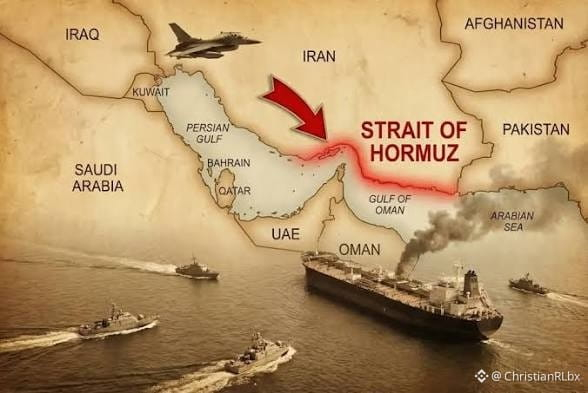
Iran has imposed a new mandatory insurance and permit system for all vessels wanting to transit the Strait of Hormuz. The measure, published by the Persian Gulf Authority (PGSA), states that no ship can pass without an insurance policy approved by Iran and a permit requested 48 hours in advance.
⏳ The 60-day trap
Iran signed an agreement with the U.S. committing to not charge fees for 60 days in exchange for reopening the strait. However, the new system lays the groundwork for a permanent toll:
· Now: insurance is free, covered by the Iranian government.
· Starting mid-August: the PGSA reserves the right to introduce insurance fees.
"The MoU is clear: 60 days without fees... after that, a new framework will be defined that will likely include charges," stated an Iranian official.
⚔️ Who accepts the toll?
· The U.S. and the UK reject it. The U.S. Central Command recommends an alternative route along the coast of Oman.
· The shipping industry is divided. Greek magnate Marinakis prefers to pay the toll: "I would rather pay a toll than much higher war insurance premiums."
· Oman is the key player: the strait passes through its waters, and its cooperation would provide legal coverage for the toll.
🛢️ Impact on oil and crypto
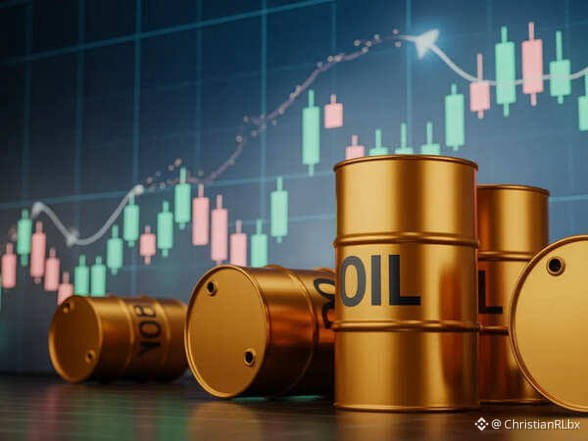
The Strait of Hormuz handles 20% of the world's oil. Any uncertainty raises the risk premium on crude. If Iran imposes the toll, the geopolitical premium will remain high, pushing oil and inflation upwards. For the crypto sector, this means less liquidity and a less favorable macro environment for Bitcoin.
In summary: peace in Hormuz may have arrived, but its price —literally— is still to be defined.
Do you think Iran will manage to impose the toll, or will international pressure hold it back? 👇
#iran #GeopoliticalUncertainty #MacroEconomia $BTC $CL $BZ
1
284

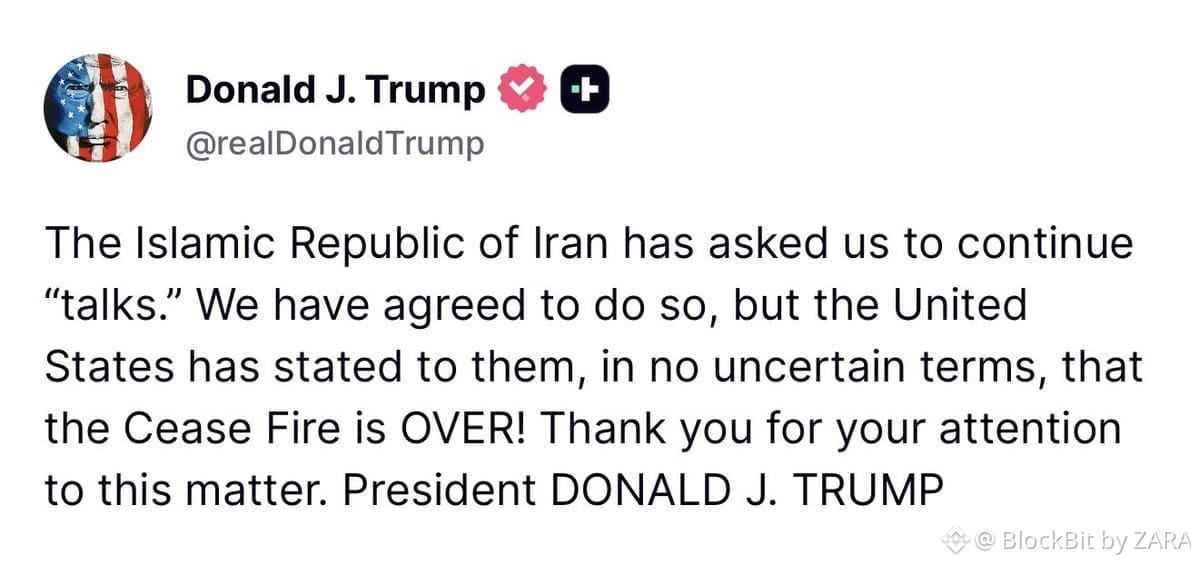
🚨 Geopolitical Tensions Are Back & Markets Are on Edge
Reports indicate that Iran remains open to diplomatic engagement with the United States, but that doesn't mean tensions have eased. The possibility of further escalation is still very much alive.
For financial markets, this means one thing: expect volatility.
If the situation deteriorates, investors could shift into risk-off mode, putting pressure on crypto and global equities while increasing demand for safe-haven assets.
📌 Stay focused on price action, avoid emotional trades, and be prepared for sudden market-moving headlines.
Risk management matters more than predictions.
#BTC #crypto #bitcoin #GeopoliticalUncertainty
2
81

·
--

Article
Superpowers, Trade Settlements, and Off-Grid Innovation🌍⚙️
A profound shift is occurring as global superpowers race to establish dominance over digital asset frameworks. The regulatory landscape is no longer just about consumer protection; it is a high-stakes geopolitical contest to attract capital and computational power. Nations that implement clear, welcoming legal structures for $BTC
{spot}(BTCUSDT)
are successfully drawing in global infrastructure, leaving overly restrictive regimes at a distinct economic disadvantage. This regulatory race is fundamentally rewriting the rules of global financial influence. ⚖️
Concurrently, the architecture of international trade settlements is fracturing. Traditional clearing systems are increasingly fragmented by political alliances and sweeping sanctions, forcing trading partners to seek neutral alternatives. The decentralized network supported by @Bitcoinworld offers a frictionless, trustless medium for cross-border commerce. By utilizing a borderless settlement layer, states can conduct trade directly without relying on foreign intermediaries or exposed banking corridors, ensuring uninterrupted supply chains. 🚢
Fueling this entire ecosystem is a massive wave of off-grid mining innovations. Operations are deploying directly to remote locations, capturing wasted flare gas, stranded geothermal energy, and isolated hydro power. This technological leap means mining no longer competes with urban populations for electricity. Instead, it monetizes lost energy, turning environmental waste into sovereign digital wealth. 🔋
#BitcoinBreaksBelow75KAsWarshTakesFedHelm #GeopoliticalUncertainty #trade #INNOVATION #MacroEconomics
Superpowers, Trade Settlements, and Off-Grid Innovation
🌍⚙️
A profound shift is occurring as global superpowers race to establish dominance over digital asset frameworks. The regulatory landscape is no longer just about consumer protection; it is a high-stakes geopolitical contest to attract capital and computational power. Nations that implement clear, welcoming legal structures for $BTC
are successfully drawing in global infrastructure, leaving overly restrictive regimes at a distinct economic disadvantage. This regulatory race is fundamentally rewriting the rules of global financial influence. ⚖️
Concurrently, the architecture of international trade settlements is fracturing. Traditional clearing systems are increasingly fragmented by political alliances and sweeping sanctions, forcing trading partners to seek neutral alternatives. The decentralized network supported by @Bitcoinworld offers a frictionless, trustless medium for cross-border commerce. By utilizing a borderless settlement layer, states can conduct trade directly without relying on foreign intermediaries or exposed banking corridors, ensuring uninterrupted supply chains. 🚢
Fueling this entire ecosystem is a massive wave of off-grid mining innovations. Operations are deploying directly to remote locations, capturing wasted flare gas, stranded geothermal energy, and isolated hydro power. This technological leap means mining no longer competes with urban populations for electricity. Instead, it monetizes lost energy, turning environmental waste into sovereign digital wealth. 🔋
#BitcoinBreaksBelow75KAsWarshTakesFedHelm #GeopoliticalUncertainty #trade #INNOVATION #MacroEconomics
54
Hold up. Hold up. Hold up.
Your attention is needed for 5 minutes.
Europe is ramping up diplomatic efforts to reopen the Strait of Hormuz while the markets keep reacting to expectations of greater stability in the Middle East.
The impact is already showing in the energy sector. Oil prices have taken a significant hit with the outlook that one of the world's most important trade routes will return to normal. At the same time, investors are weighing how these events might affect inflation, international trade, and financial markets in the coming months.
Geopolitics continues to prove its ability to move assets in a matter of hours. From energy to cryptocurrencies, any progress or setback in negotiations can create new opportunities and episodes of volatility.
📊 Do you think the reopening of Hormuz and a potential de-escalation in the region will boost risk appetite in the markets, or is it still too early to talk about stability?
#GeopoliticalUncertainty
106
Hold up. Hold up. Hold up.
Your attention is needed for 5 minutes
The latest signals indicate that the Strait of Hormuz might stay open, albeit with new conditions and potential transit fees for some vessels. At the same time, diplomatic and military maneuvers in the region are ongoing, including contacts between key players from the Middle East and Asia.
If maritime flow can stabilize, the impact on oil, gas, and global markets could ease. However, the situation remains highly dynamic, and any shifts in negotiations could once again change the game.
📊 Do you think the reopening and greater stability in Hormuz will relieve pressure on energy prices and crypto assets related to the sector, or is there still a lot of uncertainty?
#GeopoliticalUncertainty
189

#IranianCrudeTops$80
Oil Just Fired a Warning Shot. 🛢️⚠️
The market is starting to price in geopolitical risk.
Iranian crude has surged above $80, WTI is holding above $80, and Brent is pushing toward $87 as tensions across the Middle East continue to build.
What's driving the spike?
⚠️ Renewed U.S. pressure on Iran.
🚢 Growing disruption risks in the Strait of Hormuz.
🔥 Rising military tensions across the Gulf.
This is the part that matters: Nearly 20% of the world's oil supply moves through the Strait of Hormuz. If that route faces serious disruption, oil prices could climb much faster than many expect.
A sustained move higher in crude doesn't just hit the energy market. It can reignite inflation, pressure central banks, and inject fresh volatility into stocks and crypto.
📊 Is oil preparing for its next major breakout, or is this just another geopolitical head fake?
#CrudeOilPricesRise #GeopoliticalUncertainty
1
233
🇺🇸🇨🇳 The US earmarks USD 76.6 billion for 14 nuclear submarines in response to China’s naval advance
The United States has taken another step to strengthen its naval power with contracts worth USD 76.6 billion for the construction of 14 nuclear submarines, in a program that will run until 2038.
The investment includes nine Virginia-class attack submarines and five Columbia-class strategic submarines, amid growing concern in Washington over China’s expanding naval capabilities.
The race for maritime dominance is once again at the center of the strategic competition between the two powers.
The Indo-Pacific is thus becoming one of the main theaters of the new arms race: more submarines, more deterrence capability, and an increasing concentration of naval power.
🌎 The question is no longer just who has the largest fleet, but who will have the ability to control sea lanes and sustain its military power in the coming decades.
#BreakingNews" #GeopoliticalUncertainty
189
Hold up. Hold up. Hold up.
Your attention is needed for just 5 minutes.
🌍⚠️ The situation in the Middle East is entering a critical and confusing phase at the same time.
While the United States continues to bolster its military presence and upgrade its defense systems, Qatar and Pakistan are pushing for negotiations to avoid a direct escalation with Iran.
The signals are mixed:
• military movements are ongoing
• oil reacts to every rumor
• diplomatic pressures are mounting
• and fears of a broader regional conflict are increasing
For now, it seems both sides are trying to buy time while negotiating under maximum tension.
The world is particularly watching the Strait of Hormuz, one of the most sensitive points for global energy stability.
The coming hours and days could be pivotal. 🌐
#GeopoliticalUncertainty
#BreakingNews2026
328
Hold up. Hold up. Hold up.
I need just 5 minutes of your time.
China and the US are back in the game, competing for strategic influence in Latin America, this time through digital infrastructure.
A China-backed submarine cable project could boost the direct connection between Latin America and Asia, placing the region at the center of a new global tech showdown.
Beyond just the internet, submarine cables are seen as critical infrastructure because they carry a huge chunk of international communications and data.
🌎 Key points in the debate:
• digital sovereignty
• communication security
• tech competition among superpowers
• growing strategic importance of Latin America
21st-century geopolitics isn't just played out with armies and energy resources anymore. It's also fought underwater, through the networks that connect the world.
⚠️ The global power map keeps shifting.
#BreakingNews" #GeopoliticalUncertainty
291
Log in to explore more content
Join global crypto users on Binance Square
⚡️ Get latest and useful information about crypto.
💬 Trusted by the world’s largest crypto exchange.
👍 Discover real insights from verified creators.
Email / Phone number
Trending Topics
1
#BTCReboundsAbove$60KAmidWhaleDipBuying
95,087 views
416 Discussing
2
#SolanaSets2027RoadmapToDoubleComputeCapacity
79,255 views
1,190 Discussing
3
#CaliforniaNvidiaProbeExaminesPotentialCriminalViolations
21,820 views
177 Discussing
4
#BlackRockLaunchesHKDollarDigitalLiquidityFund
67,572 views
869 Discussing
5
#NvidiaLoses$2.7TrillionInMonthAndAHalf
85,486 views
343 Discussing
6
#GlobalStocksFaceLongestLosingStreakSince2023
603,099 views
3,599 Discussing
7
#BlackRockIBITPostsRecord$541MSingleDayOutflow
102,665 views
188 Discussing
8
#AnthropicPlungesTowardIPOPriceonDay2
337,481 views
2,417 Discussing
9
#TwentyOneCapitalAdds172.25BTC
185,070 views
1,723 Discussing
10
#HKBillWouldExcludeTokenizedDepositsFromVirtualAssets
19,428 views
112 Discussing