
#miami
miami
4,020 views
41 Discussing
Hot
Latest

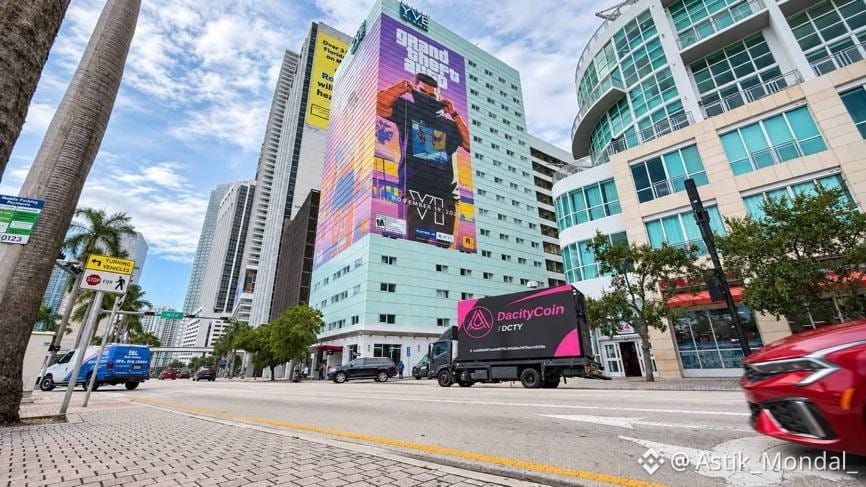
🚨 JUST IN: A TRUCK STRAIGHT OUT OF GTA 6 HAS BEEN SPOTTED DRIVING AROUND MIAMI! 🇺🇸🎮
Rockstar's marketing team couldn't have planned this better. 😂
A real-life truck resembling one featured in the highly anticipated GTA 6 has reportedly been spotted cruising through Miami.
The resemblance is turning heads because GTA 6's fictional Vice City is heavily inspired by Miami.
Real life is starting to look like the game.
GTA 6 hype is reaching another level, and Rockstar hasn't even released the game yet.
Vice City is becoming REALITY.
#GTA6 #RockstarGames #ViceCity #Gaming #Miami

1
7

·
--
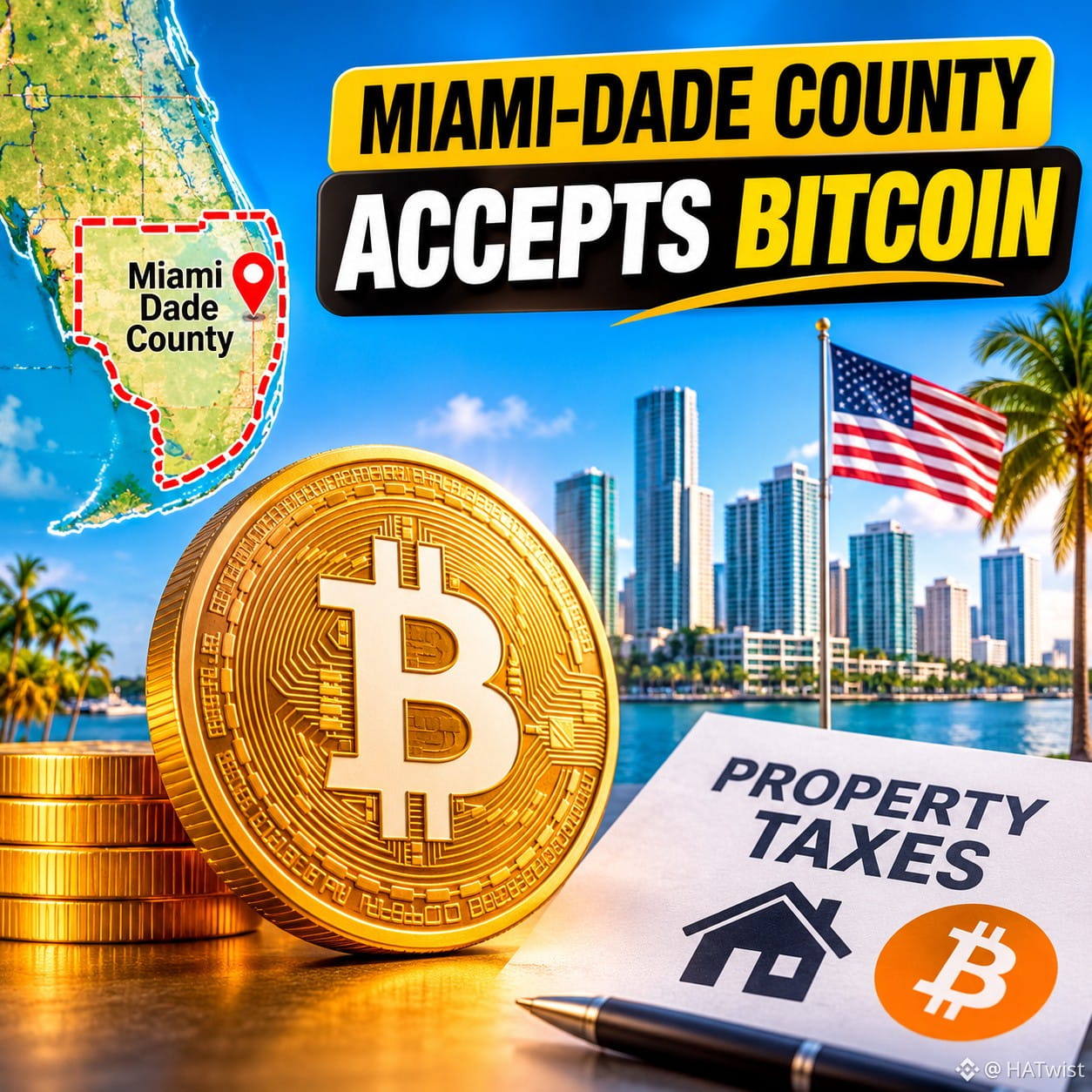
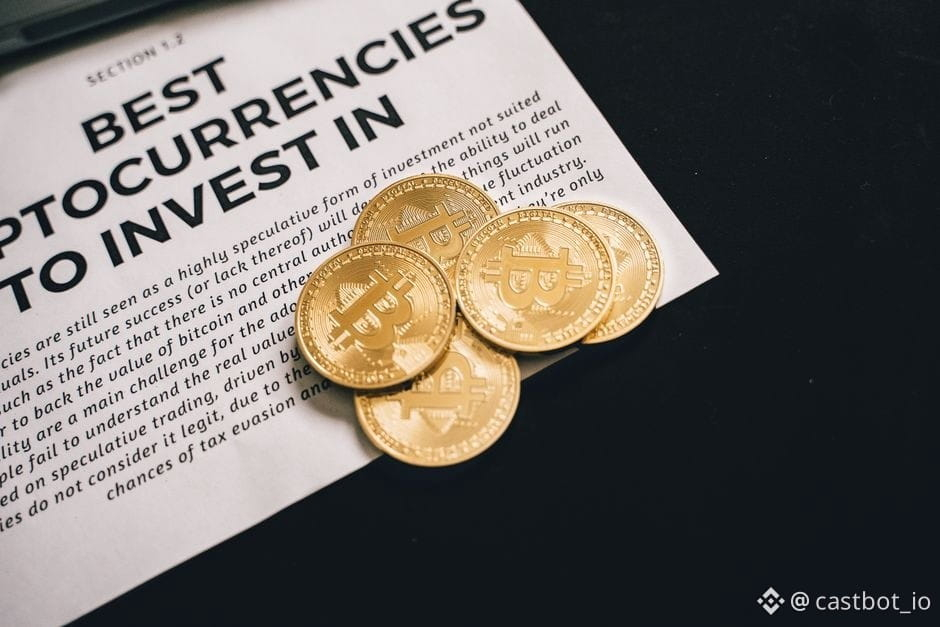
🚨 JUST IN: Miami-Dade County Now Accepts Bitcoin ($BTC) for Property Tax Payments! 🇺🇸
A major step toward crypto adoption!
Residents can now pay their property taxes online or in person using Bitcoin. The BTC payments are automatically converted into U.S. dollars before reaching the Tax Collector’s Office.
Another real-world use case for Bitcoin! 🚀🔥
#Bitcoin #BTC #CryptoAdoption #CryptoNews #Miami
1
75

·
--
📰 America’s largest county embraces BTC for tax payments: Why can local governments’ digital currency experiments succeed?
Miami-Dade County, Florida, has decided to accept Bitcoin payments for property taxes, becoming the third county-level jurisdiction in the United States to allow taxes to be paid in cryptocurrency. The policy is expected to encourage more local governments to follow suit, giving cryptocurrencies a wider range of real-world uses while also easing barriers that traditional payment methods pose for some people.
Why does this news matter?
The main motivation for local governments to accept Bitcoin for tax payments is to improve the efficiency of public services, particularly for taxpayers in remote areas or with limited access to financial services. Miami-Dade County is the fourth-largest metropolitan jurisdiction in the United States. Accepting Bitcoin means that at least several million dollars in taxes could be collected through cryptocurrency channels each year. The potential to scale this experiment is reflected in several ways:
- It bypasses regulatory restrictions and transaction fees associated with the traditional banking system, making it especially helpful for taxpayers without bank accounts
- Tax revenue itself will not decrease as a result of adopting a new payment method; it simply gives taxpayers more ways to pay
- It reflects the scope for local governments to innovate independently amid uncertainty over federal regulations, and their approach may differ from that of state governments (such as Florida’s recently crypto-friendly stance)
Market impact
- In the short term, it will encourage real-world uses for Bitcoin, particularly in high-frequency, essential-use cases like tax payments
- In the long term, the experience gained from policies like this could serve as a reference for expanding cryptocurrency payments at the state and even federal levels
- It may have a marginal effect on market sentiment, but will not cause a structural shock because the total amount of tax revenue will remain unchanged
- Relevant historical examples include El Salvador’s adoption of Bitcoin as legal tender (a failure) and cryptocurrency payment pilots in countries such as Sudan (with limited results)
Trading strategy
💡 Miami-Dade County’s experiment gives BTC a new real-world-use narrative, signaling that the currency is gradually gaining ground in public services. If more local governments follow suit, it could prompt institutional investors to reassess Bitcoin’s status as legal tender. In the short term, however, it is more important to focus on the direct impact of global macroeconomic capital flows on prices. This rationale would no longer hold if regulators moved in the opposite direction and tightened restrictions—for example, by introducing new rules that limit the scope of cryptocurrency payments.
This article is not sponsored by any project team, and the author does not hold any of the assets mentioned.
$BTC $ETH #BTC #ETH
⚠️ This is not investment advice. Forecasts are for reference only.
#Miami-DadeCountynowacceptsBitcoinforpropertytaxpayments

310

·
--
🚨 MIAMI AIRPORT TRAGEDY: WHAT WE KNOW
A serious aviation tragedy occurred at Miami International Airport on September 6 after an Amazon cargo Boeing 767 operated by 21 Air overran the runway while landing.
The aircraft struck multiple vehicles and caught fire. Authorities reported at least 5 fatalities and 5 injuries, including several people in critical condition.
Emergency crews responded in large numbers, while airport operations were temporarily disrupted. The FAA and NTSB are now investigating what caused the accident.
✈️ The cause has not yet been determined.
Our thoughts are with everyone affected and the families of those who lost their lives.
#Miami #BreakingNews #Aviation #Amazon #News

1
72

·
--
📰 Solana goes after Hoch and Crowder AGAIN for being wrong about Klay Thompson
Solana interrupts a preview of tonight’s Heat-Rockets game to remind Hoch and Crowder how wrong they were about Klay Thompson.
Source : Audacy
Time : 2026-11-16 21:55:03
Credit : audacy podcasts
#sports #miami-heat
Share your opinion in the comment section below
Solana interrupts a preview of tonight’s Heat-Rockets game to remind Hoch and Crowder how wrong they were about Klay Thompson.
Source : Audacy
Time : 2026-11-16 21:55:03
Credit : audacy podcasts
#sports #miami-heat
Share your opinion in the comment section below

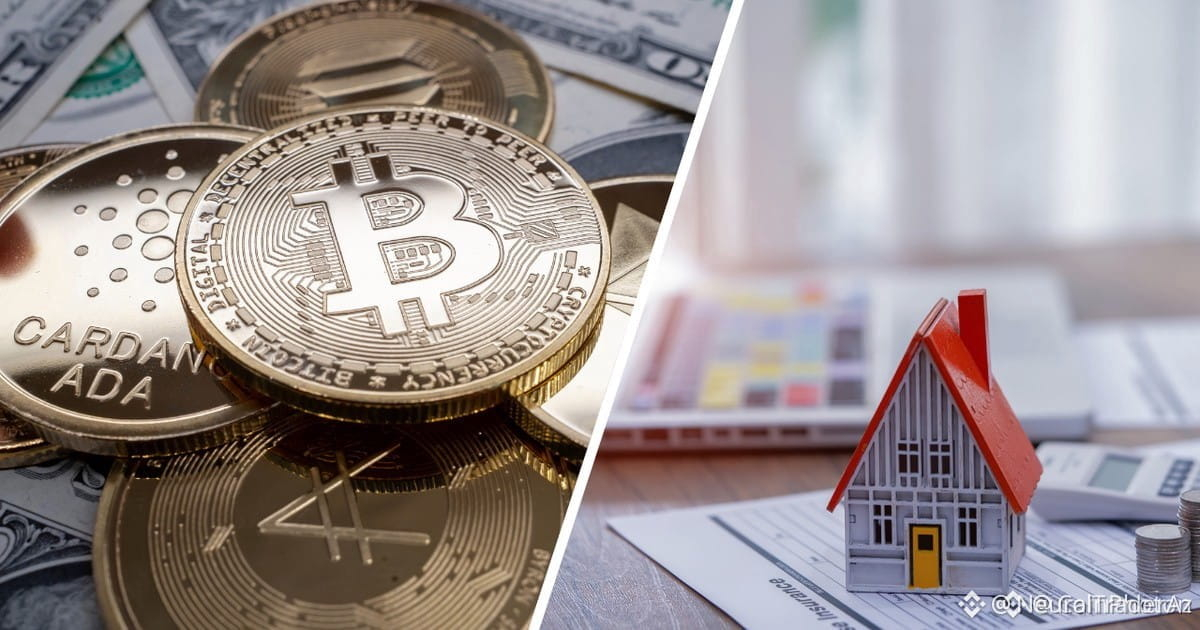
🚨 $BTC OFFICIALLY INTEGRATED FOR MUNICIPAL PROPERTY TAXES IN A MAJOR US COUNTY 📈
Institutional integration hits a new structural milestone as a major US county adopts $BTC for everyday municipal obligations 📊. By utilizing an instant-conversion model to shield public balance sheets from volatility, this rollout redefines how institutional utility enters the public sector 💡.
This frictionless bridge between sovereign digital assets and traditional government ledgers removes barriers for long-term holders 🌊. Are you leveraging your stack for real-world utility or keeping it locked in cold storage? 🤔
⚠️ Not financial advice. Always manage your risk. 🛡️
🏷️ #BTC #CryptoAdoption #Macro #Miami
🔥 💎

·
--
Bullish
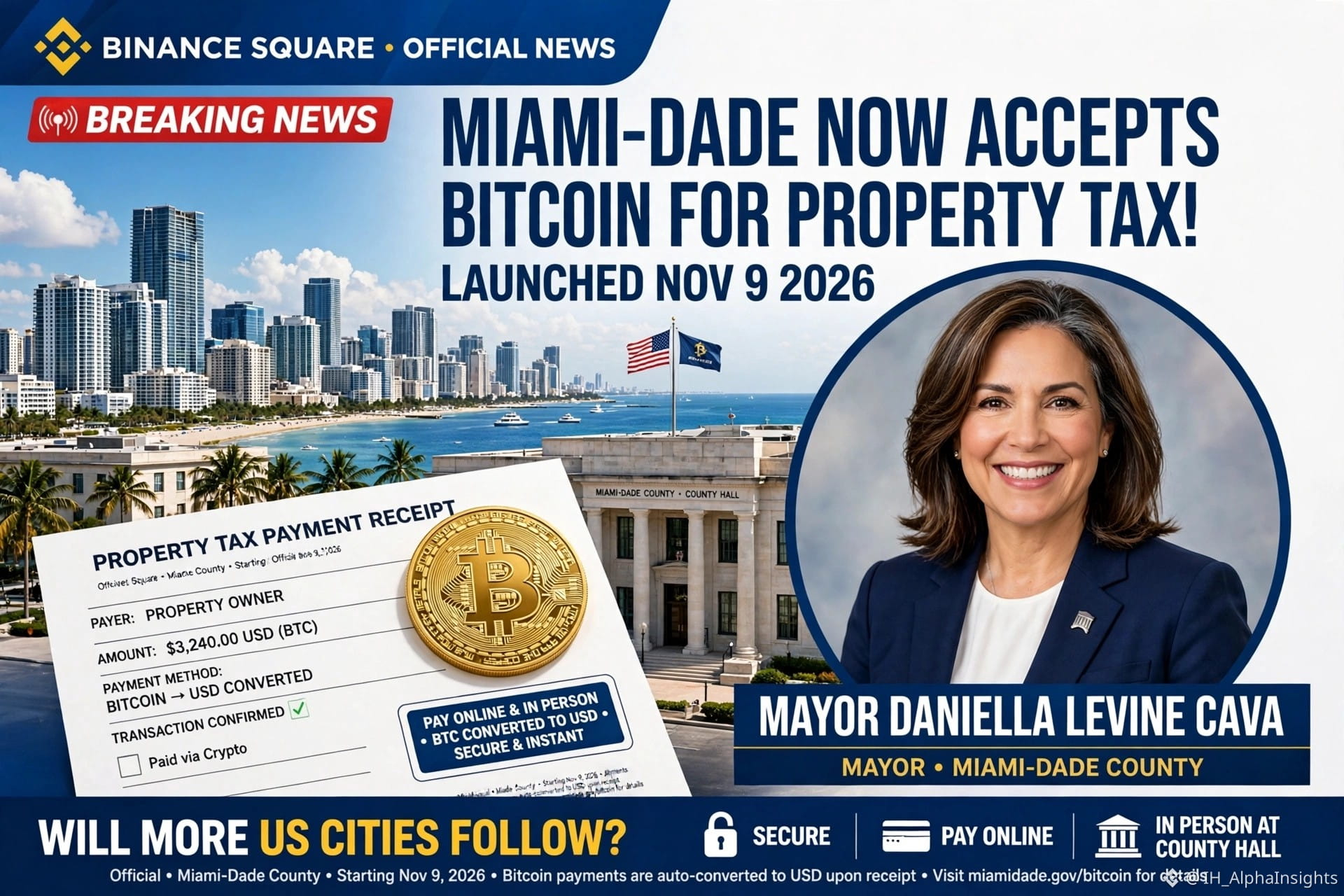
🚨 BREAKING: MIAMI-DADE NOW ACCEPTS BITCOIN FOR PROPERTY TAX PAYMENTS! 🇺🇸₿
A major step forward for real-world crypto adoption!
Miami-Dade County officially launched Bitcoin payments for property taxes on November 9, 2026.
🔥 Here's how it works:
Residents can pay property taxes using Bitcoin.
Payments are available online and in person.
A third-party payment system automatically converts BTC into USD.
The county receives dollars, not Bitcoin.
Traditional payment methods remain available.
📊 Why does this matter?
This is another sign that cryptocurrency is moving beyond trading and becoming part of everyday financial infrastructure.
Governments may not need to hold Bitcoin to embrace its payment utility.
Could more US cities follow Miami-Dade's lead? 👀
$BTC
{spot}(BTCUSDT)
#Bitcoin #BTC #CryptoAdoption #Miami #CryptoNews
🚨 BREAKING: MIAMI-DADE NOW ACCEPTS BITCOIN FOR PROPERTY TAX PAYMENTS! 🇺🇸₿
A major step forward for real-world crypto adoption!
Miami-Dade County officially launched Bitcoin payments for property taxes on November 9, 2026.
🔥 Here's how it works:
Residents can pay property taxes using Bitcoin.
Payments are available online and in person.
A third-party payment system automatically converts BTC into USD.
The county receives dollars, not Bitcoin.
Traditional payment methods remain available.
📊 Why does this matter?
This is another sign that cryptocurrency is moving beyond trading and becoming part of everyday financial infrastructure.
Governments may not need to hold Bitcoin to embrace its payment utility.
Could more US cities follow Miami-Dade's lead? 👀
$BTC
#Bitcoin #BTC #CryptoAdoption #Miami #CryptoNews
42



·
--
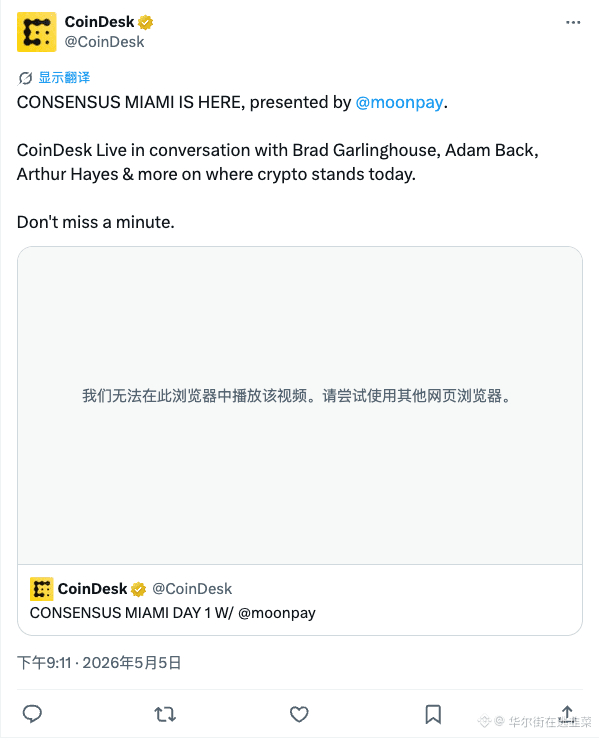
The Miami Consensus conference is kicking off right on time, with MoonPay throwing down some cash to set the stage. Familiar faces like Brad Garlinghouse, Adam Back, and Arthur Hayes are back to hype up the fam again. With this lineup, they’ve got compliance, tech, and macro narratives all covered.
Veterans know this top-tier conference is basically a "good news realization" battlefield, with PPT projects piling up and big names spouting off constantly. With Adam Back in the mix, he's likely to force-feed the Bitcoin L2 narrative again; and with Hayes around, we need to brace ourselves for his jaw-dropping takes that can skew volatility in the opposite direction. Right now, on-chain liquidity is just so-so, and during conferences, it’s usually retail traders soaking up stories while institutions swap tokens. Don’t let the "we’re gonna change the world" hype at the venue cloud your judgment—stay cool and keep that wallet close.
Do you think this conference will spark a new hot trend, or are we just hearing the same old tune? #Consensus2026 #Miami $BTC
{future}(BTCUSDT)
The Miami Consensus conference is kicking off right on time, with MoonPay throwing down some cash to set the stage. Familiar faces like Brad Garlinghouse, Adam Back, and Arthur Hayes are back to hype up the fam again. With this lineup, they’ve got compliance, tech, and macro narratives all covered.
Veterans know this top-tier conference is basically a "good news realization" battlefield, with PPT projects piling up and big names spouting off constantly. With Adam Back in the mix, he's likely to force-feed the Bitcoin L2 narrative again; and with Hayes around, we need to brace ourselves for his jaw-dropping takes that can skew volatility in the opposite direction. Right now, on-chain liquidity is just so-so, and during conferences, it’s usually retail traders soaking up stories while institutions swap tokens. Don’t let the "we’re gonna change the world" hype at the venue cloud your judgment—stay cool and keep that wallet close.
Do you think this conference will spark a new hot trend, or are we just hearing the same old tune? #Consensus2026 #Miami $BTC
265

·
--
🚀 Consensus 2026 is just days away… and the market is watching
In just two days, Consensus Miami 2026 kicks off in Miami Beach from May 5 to 7, as one of the largest crypto and digital asset gatherings this year. The event is held at the Miami Beach Convention Center.
Why is the market keeping an eye on it?
These types of conferences aren’t just about the headlines.
They often set the tone for the market in the second half of the year — especially when developers, institutions, regulators, and capital managers gather in one spot.
What are traders watching this time?
➡ US market regulation — particularly the clarity around digital asset legislation
➡ RWA and Tokenization — and whether institutional capital is entering at a faster pace
➡ Payments and stablecoins — following expansions from companies like Visa and Stripe
➡ The intersection of AI and blockchain — one of the hottest topics right now
In summary
Consensus Miami 2026 isn’t just a conference.
It’s often where major narratives are tested: Is the market entering a phase of institutional maturity… or is it still driven by momentum?
❓ Question:
What do you expect the conference to yield this year?
Major institutional announcements… or just media hype?
#Consensus2026 #bitcoin #RWA #crypto #Miami
129

·
--
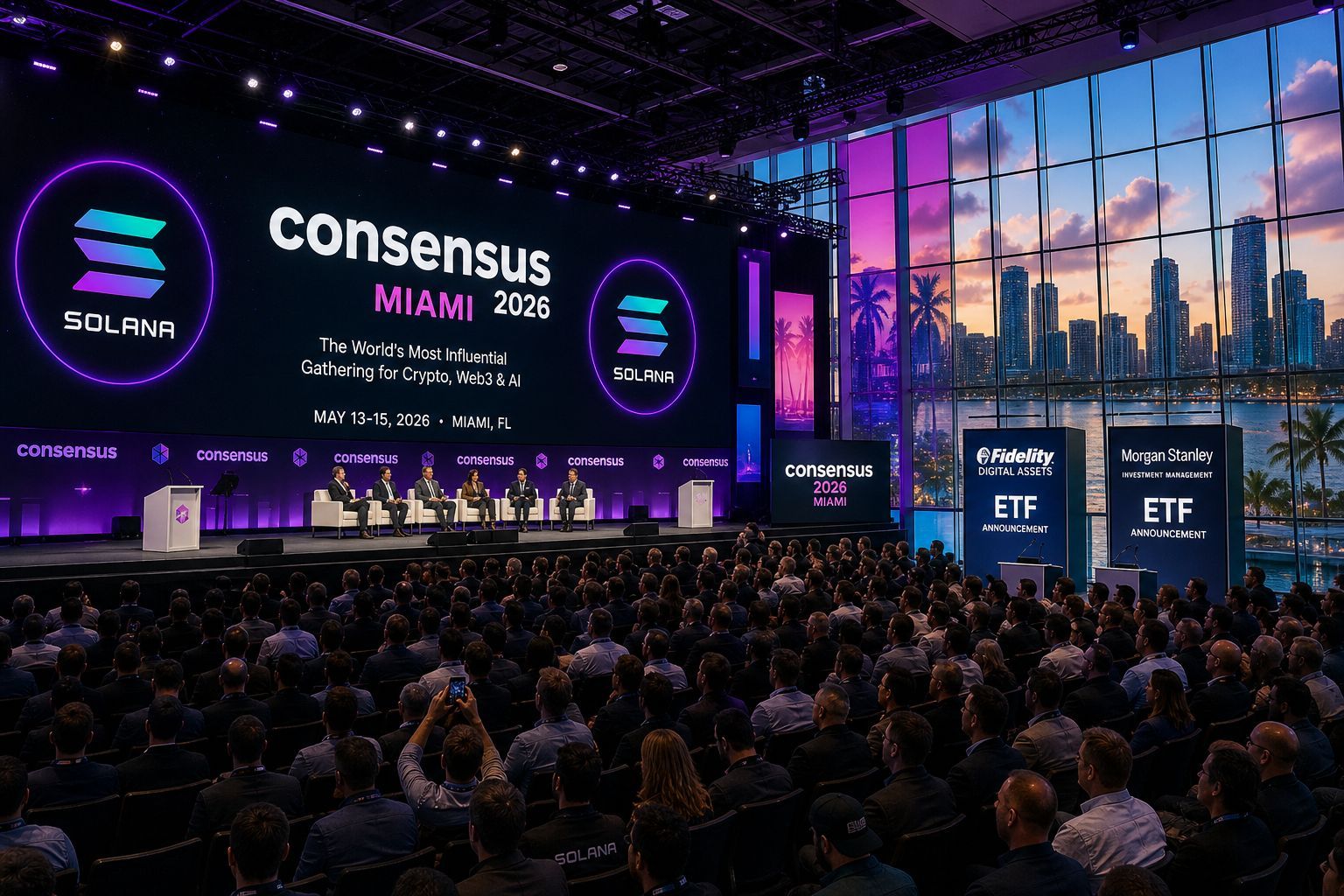
Consensus 2026 Miami started TODAY.
The biggest crypto conference of the year. And $SOL is everywhere.
Two major SOL ETF filers are presenting. Solana Foundation is on stage. And the buzz around Solana's ecosystem is impossible to ignore.
Here's what makes today interesting:
Every major crypto conference in history has had a "moment" — an announcement that moves markets. In 2024 it was the ETF approval signal. In 2025 it was the Strategic Reserve idea. In 2026 it could be the first SOL ETF approval news.
And while everyone is watching the main stage —
✅ SOL holding $85 — above key $83 support
✅ Germany's AllUnity euro stablecoin running on SOL right now
✅ TVL at all-time highs in SOL terms
✅ 167 million unique holders
✅ Fidelity ETF: waiting for SEC decision
✅ Morgan Stanley ETF: also filed
BTC dominance at 60% doesn't last forever.
When it turns — Solana has historically been the first major altcoin to catch the flows.
Today might be the day someone says something at Consensus that matters.
📊 SOL today:
— Price: $85-$86 — holding perfectly
— Consensus 2026: happening RIGHT NOW ✅
— $83 support: holding ✅
— ETF approval: could be announced anytime ✅
#Solana #Consensus2026 #Miami #CryptoEvent #U.S.SenatorsBarredfromTradingonPredictionMarkets
2
76

·
--
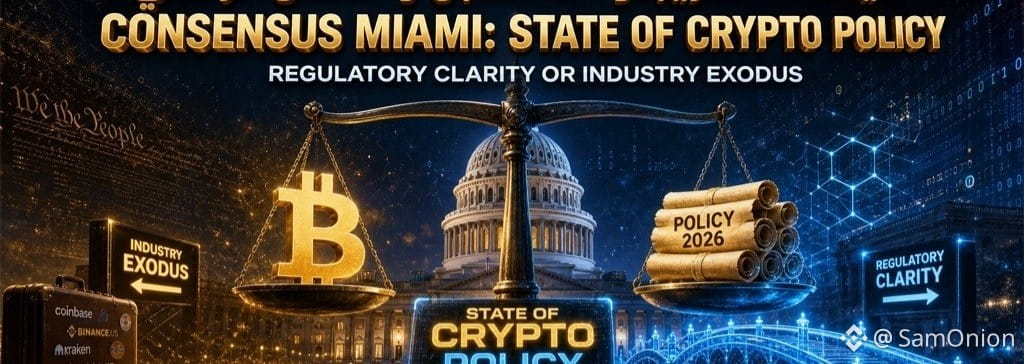
📣 Exclusive: The #Miami conference warns that continued legal uncertainty in America could lead to crypto companies relocating overseas. 🏛️🚶♂️
Lawmakers emphasize that 2026 is the last chance to establish clear rules that guarantee America's leadership in the digital economy. ⚖️🇺🇸
$BTC
{spot}(BTCUSDT)
📣 Exclusive: The #Miami conference warns that continued legal uncertainty in America could lead to crypto companies relocating overseas. 🏛️🚶♂️
Lawmakers emphasize that 2026 is the last chance to establish clear rules that guarantee America's leadership in the digital economy. ⚖️🇺🇸
$BTC
Lawmakers emphasize that 2026 is the last chance to establish clear rules that guarantee America's leadership in the digital economy. ⚖️🇺🇸
$BTC
80

·
--
Bullish
@MANTRA_Chain $MANTRA
@InveniamIO At #Consensus2026
Inveniam joined @TDSecurities and
@OwneraIO to define the future of accountable infrastructure for AI activity.
The Solution: Inveniam’s NVNM Chain.
Purpose-built Layer 2 "Receipt Layer" for AI built on $MANTRA
Anchoring reasoning & source data onchain.
Launching with $200B+ in certified data.
NVNM Chain is a purpose-built Layer 2 blockchain designed as an "attestation" or "receipts layer" for verifiable private market data, with a strong focus on AI agent accountability in institutional finance.
It anchors cryptographic proofs of data provenance, reasoning, and compliance events without exposing sensitive underlying information.
Liability is the final frontier for institutional AI. As Bill Papp noted: "Data doesn't lie."
Mainnet Launch: May 13. 🚀
#AI #Blockchain #Inveniam #Miami
@MANTRA $MANTRA
@InveniamIO At #Consensus2026
Inveniam joined @TDSecurities and
@OwneraIO to define the future of accountable infrastructure for AI activity.
The Solution: Inveniam’s NVNM Chain.
Purpose-built Layer 2 "Receipt Layer" for AI built on $MANTRA
Anchoring reasoning & source data onchain.
Launching with $200B+ in certified data.
NVNM Chain is a purpose-built Layer 2 blockchain designed as an "attestation" or "receipts layer" for verifiable private market data, with a strong focus on AI agent accountability in institutional finance.
It anchors cryptographic proofs of data provenance, reasoning, and compliance events without exposing sensitive underlying information.
Liability is the final frontier for institutional AI. As Bill Papp noted: "Data doesn't lie."
Mainnet Launch: May 13. 🚀
#AI #Blockchain #Inveniam #Miami
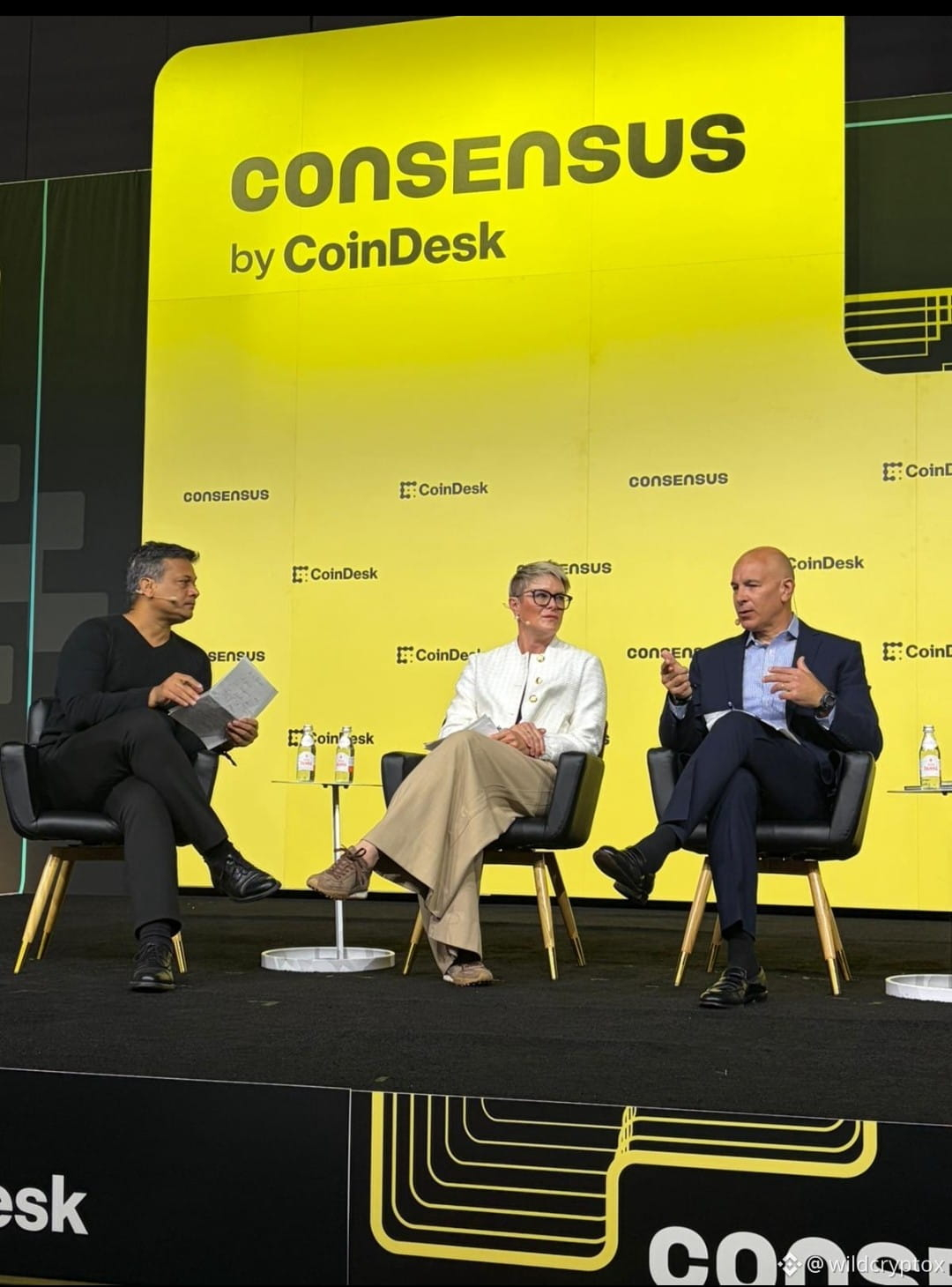
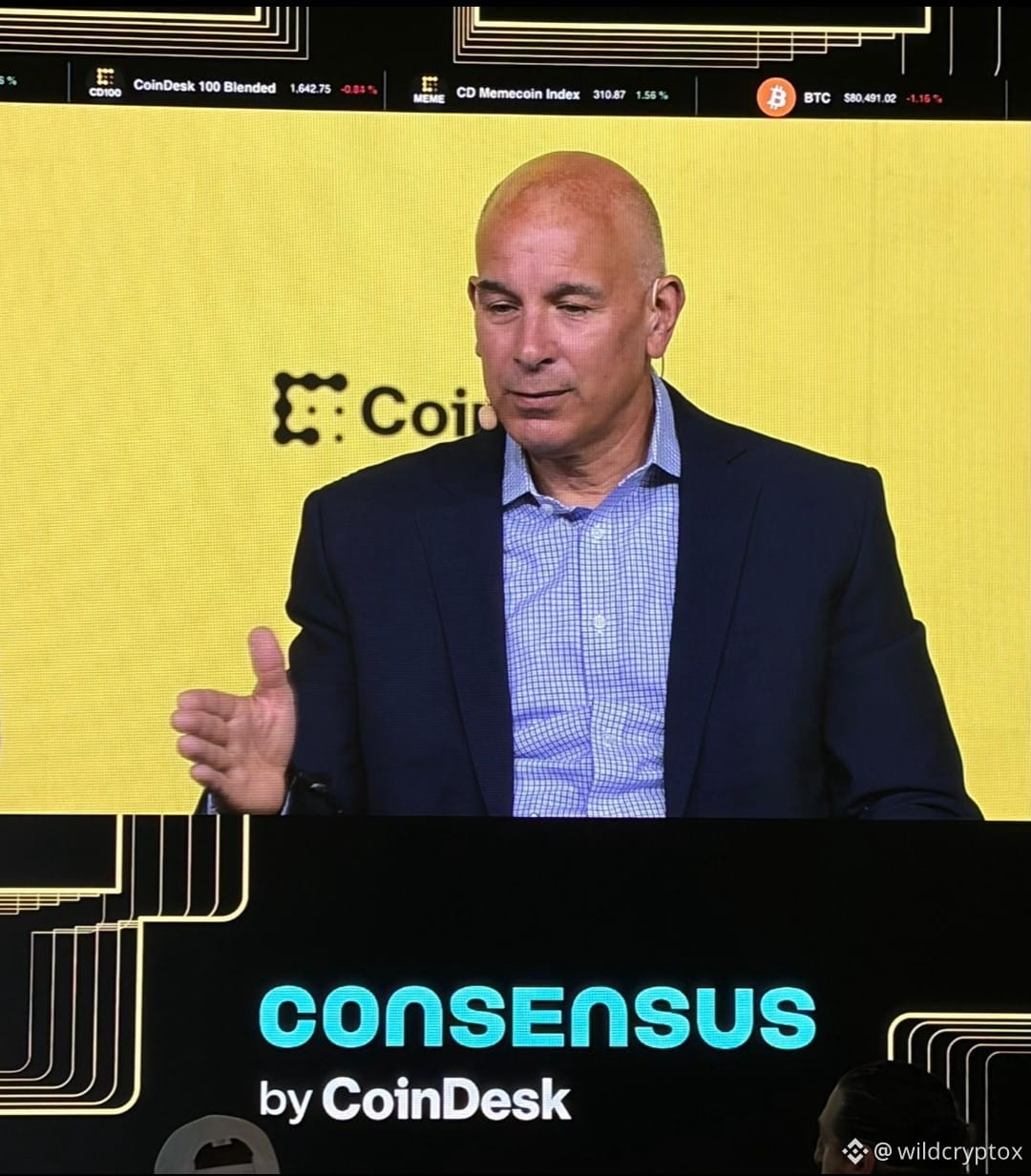
1
3
195

My expectations for Pi Network at Consensus Miami 2026
Both founders of Pi will take the stage, and here’s what I’m looking forward to from their talks, considering Pi's achievements:
Chengdiao Fan — May 6 · Convergence Stage
■ AI is lowering the barriers to creation: authentic data and verified users are becoming a real competitive edge.
■ The over 17.7 million Pi pioneers, KYC-verified, form the most valuable base of authenticated users in Web3.
■ Tokens as tools for sustainable growth, not just exit opportunities.
■ Pi App Studio applications are live on the mainnet with real payments in Pi.
■ Subscription smart contract launched on the testnet on April 17: a real commercial infrastructure.
Nicolas Kokkalis — May 7 · Convergence Stage
■ Trust on the Internet is under threat: AI bots can now imitate humans on a massive scale.
■ Pi's response: over a million human validators, more than 526 million verifications completed, and a paid mining rate 21 times higher than the base rate. The amount, but more importantly, the ability to pay accurately on the blockchain to real people globally (imagine multinationals paying salaries to their employees in USDT/USDC, etc., via Pi Block).
■ Not just internal KYC: Pi plans to offer identity verification via an API to the entire Web3.
■ Identity as a platform. No other blockchain has developed such a solution at Pi's scale.
#PiCoreTeam #nkokkalis #Chengdiao
#Consensus2026 #Miami
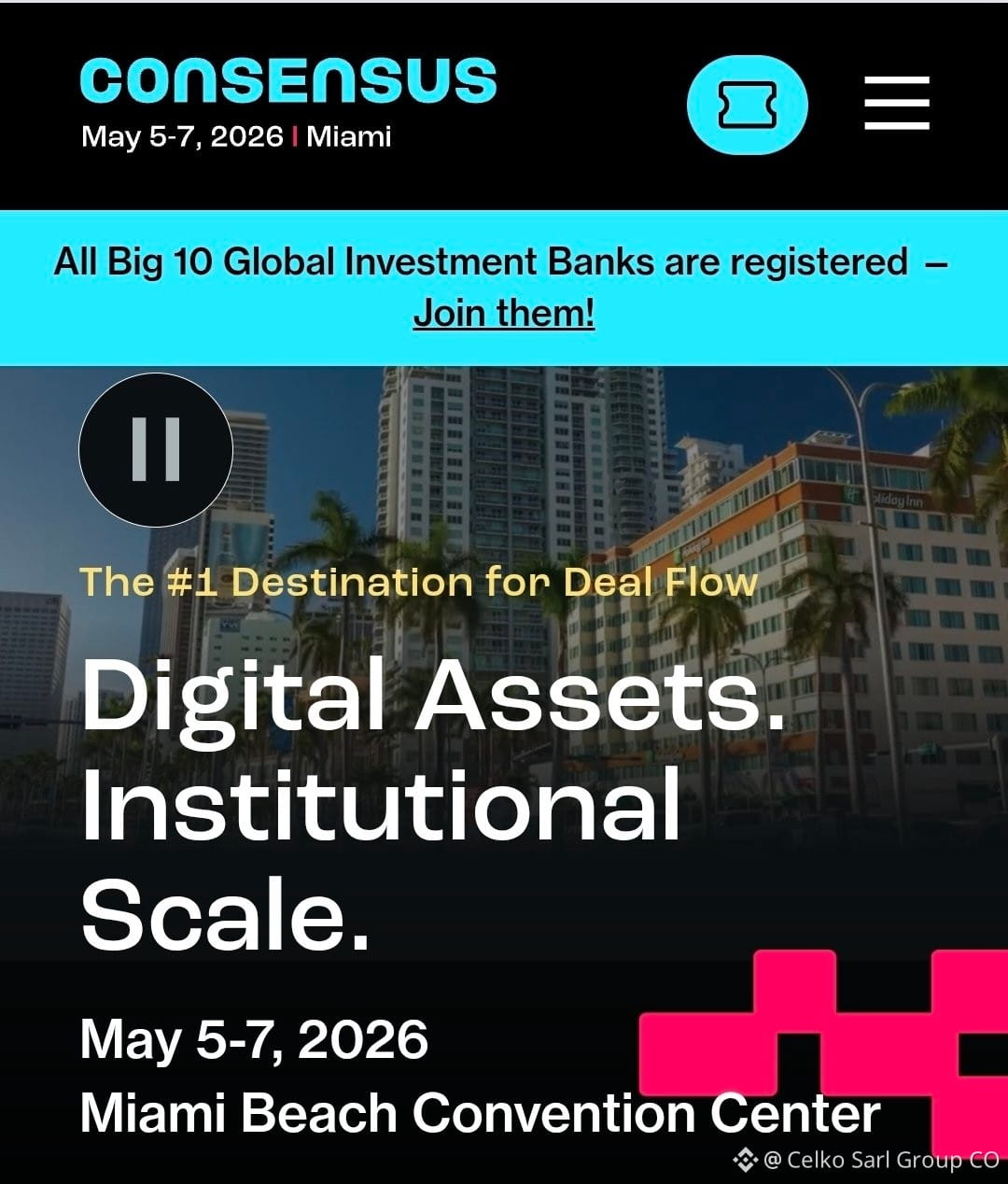
1
136

🔥 Day 2 of in Miami and the alpha is already hitting different.
Markets? Shifting.
Policy? Unpredictable.
AI x Bitcoin narratives? Getting weird (in a good way).
The convos off-stage are louder than the panels. The real alpha isn't in the slides — it's in the side chats over cafecito.
📉 Macro chop.
🧠 AI agents stacking sats.
🇺🇸 Policy pivots inbound.
🟠 Bitcoin as the neutral zone.
If you're not reshaping your thesis real-time this week, you're falling behind.
$FHE $TON $IO
Alpha loading… stay locked. 🧡⚡
#Consensus2026 #Bitcoin #AI #CryptoPolicy #Miami
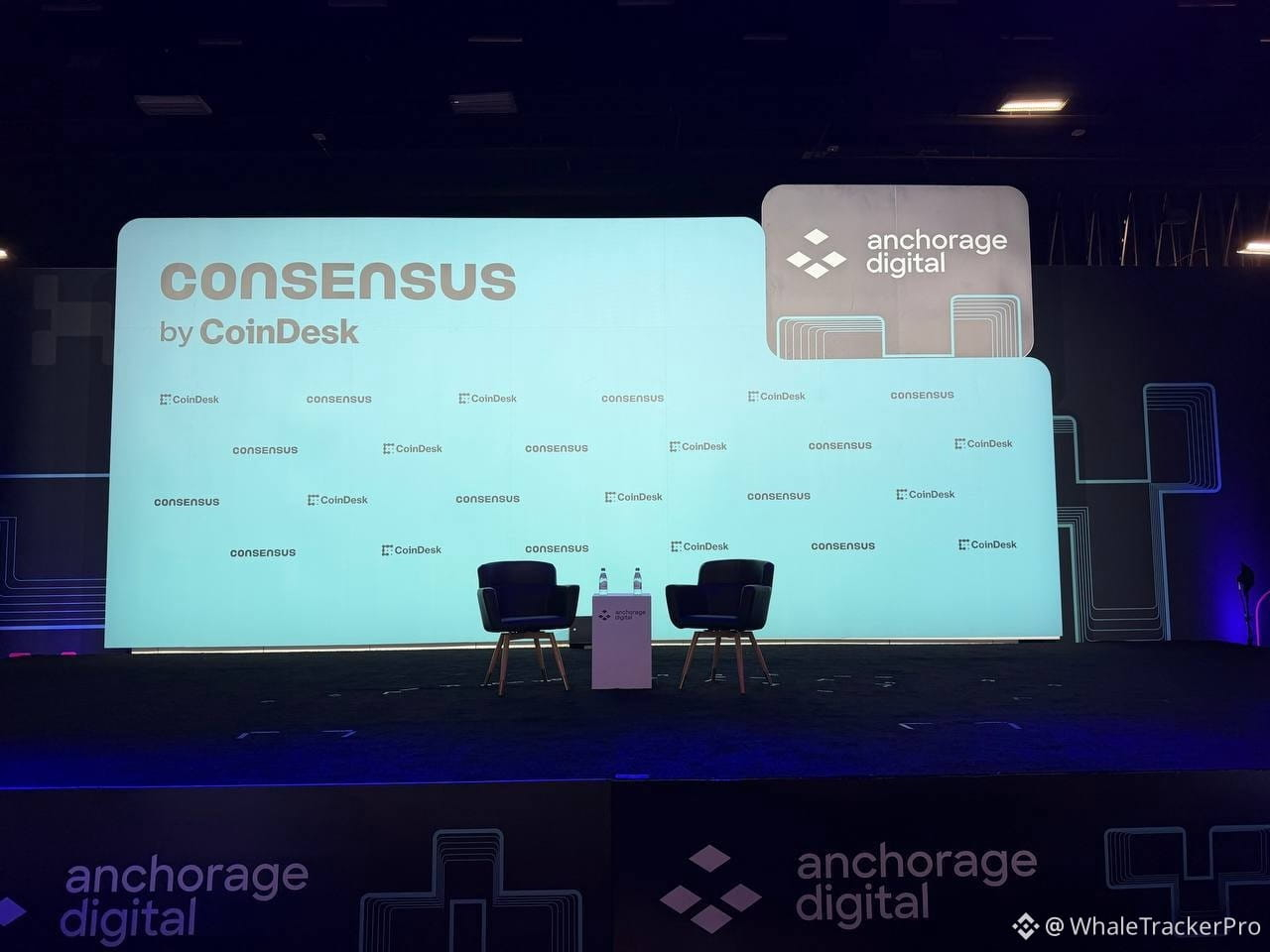
1
117
·
--
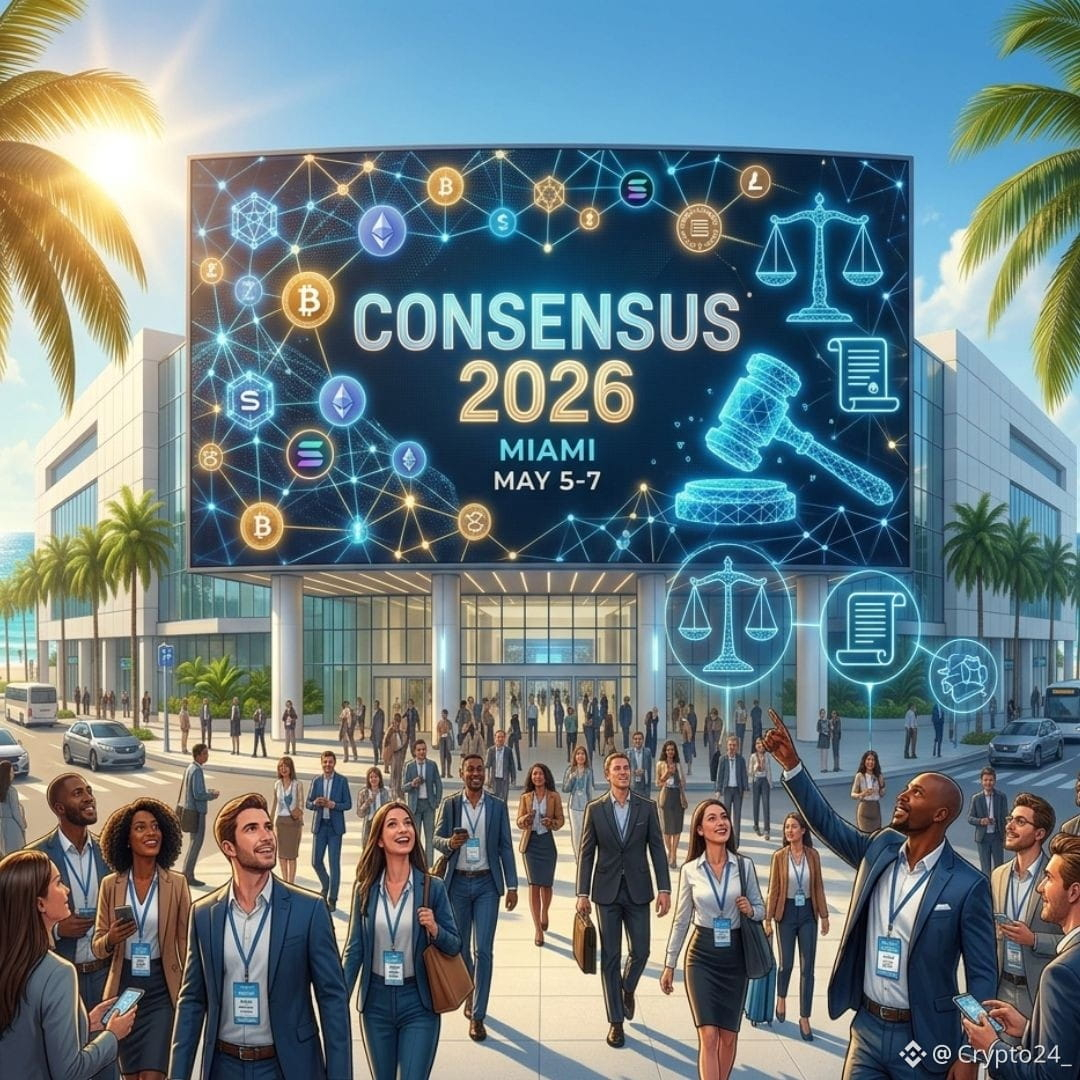
Consensus 2026 is hitting Miami May 5-7! 🌴
This is the big one for Web3 and regulation talk.
If you want to know where the industry is heading, this is where it happens.
Can't wait to see the updates!
#crypto #Web3 #Miami #Consensus2026 #MiamiCrypto
$BTC
{spot}(BTCUSDT)
$ETH
{spot}(ETHUSDT)
$BNB
{spot}(BNBUSDT)
Consensus 2026 is hitting Miami May 5-7! 🌴
This is the big one for Web3 and regulation talk.
If you want to know where the industry is heading, this is where it happens.
Can't wait to see the updates!
#crypto #Web3 #Miami #Consensus2026 #MiamiCrypto
$BTC
$ETH
$BNB
This is the big one for Web3 and regulation talk.
If you want to know where the industry is heading, this is where it happens.
Can't wait to see the updates!
#crypto #Web3 #Miami #Consensus2026 #MiamiCrypto
$BTC
$ETH
$BNB
97




·
--
Consensus 2026 Miami: Policy Sessions to Watch 📰🗞️
Consensus 2026 kicks off Tuesday in Miami. Packed policy agenda covers regulation, legislation, DeFi, stablecoins, and 2026 elections.
Tuesday Highlights
> 10:35am: Rep. Steven Horsford on Parity Act, crypto tax reform
> 11:00am: Congressional staffers on drafting bills, public engagement
> 3:45pm: Brian Klein on Tornado Cash dev Roman Storm trial
> 4:10pm: CFTC Chair Mike Selig fireside with CoinDesk
Wednesday Highlights
> 9:45am: Sen. Kirsten Gillibrand on crypto legislation
> 10:25am: Bermuda Premier David Burt + Coinbase CLO Paul Grewal on digital assets
> 1:05pm: American Bitcoin’s Eric Trump, Asher Genoot
> 3:10pm: White House Exec Director Patrick Witt
Thursday: Policy Summit
> 10:00am: 8-hr summit starts with DeFi regulation
> IRS talk: 1099-DA, digital asset tax with ex-IRS officials
> 12:50pm: World Liberty Financial’s Donald Trump Jr., Zach Witkoff
> 1:55pm: SEC Crypto Task Force Chief Counsel Taylor Lindman
> 2:00pm: Tether, Bridge on stablecoin regs
> 2:40pm: Coinbase VP on Clarity Act, stablecoin yield talks
> 4:30pm: Prediction markets: swaps or gambling? Legal preview
#Consensus2026 #CryptoPolicy #Miami

4
145
·
--
The #Miami conference concluded by emphasizing the integration of artificial intelligence into crypto and transforming blockchain into an everyday tool for billions. 🌴🤖
The conference's final vision indicates the world's readiness to adopt "#Web3 " as an indispensable and fundamental financial and technological infrastructure. 🌐🚀
$BTC
{spot}(BTCUSDT)
The #Miami conference concluded by emphasizing the integration of artificial intelligence into crypto and transforming blockchain into an everyday tool for billions. 🌴🤖
The conference's final vision indicates the world's readiness to adopt "#Web3 " as an indispensable and fundamental financial and technological infrastructure. 🌐🚀
$BTC
The conference's final vision indicates the world's readiness to adopt "#Web3 " as an indispensable and fundamental financial and technological infrastructure. 🌐🚀
$BTC

9
Log in to explore more content
Join global crypto users on Binance Square
⚡️ Get latest and useful information about crypto.
💬 Trusted by the world’s largest crypto exchange.
👍 Discover real insights from verified creators.
Email / Phone number
Trending Topics
1
#IsAnthropic’s$1.5TMarketCapJustified?
7,224 views
64 Discussing
2
#BTCRemainsUnderPressureAfterHawkishFOMCMinutes
205,547 views
1,969 Discussing
3
#NvidiaBoardReportedlySplitOverHuang’sReturn
100,001 views
1,055 Discussing
4
#StrategySTRCPreferredSlips3.65%Below$100Par
5,485 views
63 Discussing
5
#MASToUpgradeSGDTestnetToSGDigitalLedger
15,689 views
218 Discussing
6
#CanGTA6'sLaunchLiftTTWOShares?
70,967 views
777 Discussing
7
#Solana2027RoadmapTargetsDoubleComputeCapacity
5,770 views
116 Discussing
8
#InjectiveTokenizedRealEstateMortgagesTop$1.5B
969 views
27 Discussing
9
#TetherMakesStrategicInvestmentInSCRYPT
4,828 views
93 Discussing
10
#CapitalGroupAdds1264500StrategyShares
22,743 views
221 Discussing