
#mining
mining
1.2M views
4,194 Discussing
Hot
Latest

BITCOIN MINING × AI INTELLIGENCE 01
WHY BITCOIN MINERS ARE SELLING BTC TO FINANCE AI
A major capital shift is unfolding across publicly traded Bitcoin miners.
The industry's most valuable asset may increasingly be its power infrastructure, not just its hashrate.
THE VERIFIED NUMBERS
• RIOT: Sold 20,264 BTC for ~$1.5B during the first nine months of 2026, mainly funding data center development and debt repayment.
• MARA: Sold 13,597 BTC for ~$1.1B after Q3, using $750M to repay BTC-backed loans.
• IREN: Reported $200M in quarterly AI Cloud revenue versus $28M from mining.
• CORZ: Reported $215.4M in Q3 colocation revenue.
WHY THE SHIFT MATTERS
Bitcoin mining and AI computing both require substantial electricity, infrastructure and capital.
But their economics differ.
Mining revenue is highly exposed to BTC prices and network difficulty.
AI infrastructure can generate contracted revenue, potentially offering more predictable cash flows.
However, contracts do not eliminate construction risk, financing costs or customer concentration.
THREE SIGNALS TO WATCH
BTC sales: Are proceeds funding growth or covering recurring losses?
AI revenue: Is contracted capacity becoming operational and profitable?
Balance sheets: Are debt and capital expenditure growing faster than cash flow?
THE TAKEAWAY
Miner selling is not automatically capitulation.
It may signal a strategic transition from Bitcoin extraction toward AI infrastructure.
The decisive metric is return on invested capital, not BTC sold.
#Bitcoin #AIInfrastructure #Mining #CapitalMarkets $MARA $IREN
{future}(IRENUSDT)
{future}(MARAUSDT)
BITCOIN MINING × AI INTELLIGENCE 01
WHY BITCOIN MINERS ARE SELLING BTC TO FINANCE AI
A major capital shift is unfolding across publicly traded Bitcoin miners.
The industry's most valuable asset may increasingly be its power infrastructure, not just its hashrate.
THE VERIFIED NUMBERS
• RIOT: Sold 20,264 BTC for ~$1.5B during the first nine months of 2026, mainly funding data center development and debt repayment.
• MARA: Sold 13,597 BTC for ~$1.1B after Q3, using $750M to repay BTC-backed loans.
• IREN: Reported $200M in quarterly AI Cloud revenue versus $28M from mining.
• CORZ: Reported $215.4M in Q3 colocation revenue.
WHY THE SHIFT MATTERS
Bitcoin mining and AI computing both require substantial electricity, infrastructure and capital.
But their economics differ.
Mining revenue is highly exposed to BTC prices and network difficulty.
AI infrastructure can generate contracted revenue, potentially offering more predictable cash flows.
However, contracts do not eliminate construction risk, financing costs or customer concentration.
THREE SIGNALS TO WATCH
BTC sales: Are proceeds funding growth or covering recurring losses?
AI revenue: Is contracted capacity becoming operational and profitable?
Balance sheets: Are debt and capital expenditure growing faster than cash flow?
THE TAKEAWAY
Miner selling is not automatically capitulation.
It may signal a strategic transition from Bitcoin extraction toward AI infrastructure.
The decisive metric is return on invested capital, not BTC sold.
#Bitcoin #AIInfrastructure #Mining #CapitalMarkets $MARA $IREN

115
·
--
Two 50-bitcoin mining rewards that had sat unspent since September 2010 moved on November 13, 2026, together worth about $6.89 million.
At 04:08 UTC on November 13, 2026, a 50 BTC coinbase output from September 19, 2010 (block 80,723) was spent for the first time, splitting into about 49.99 BTC and 0.01 BTC at newer SegWit addresses, according to mempool.space and Whale Alert. About two minutes later, at 04:10 UTC, a second 50 BTC reward mined on September 8, 2010 (block 78,671) followed, sending about 49.00 BTC and 1 BTC to two other SegWit addresses. Each transfer paid a 1,110-satoshi fee, or about $0.75, and bitcoin was trading near $68,850.
The coins were worth only about $3 per reward when they were mined, when bitcoin traded around six cents. Some of the bitcoin was later consolidated, but the owners and whether any coins were sold remain unknown. $BTC
#Bitcoin #Onchain #Mining
DYOR. Not financial advice.

74

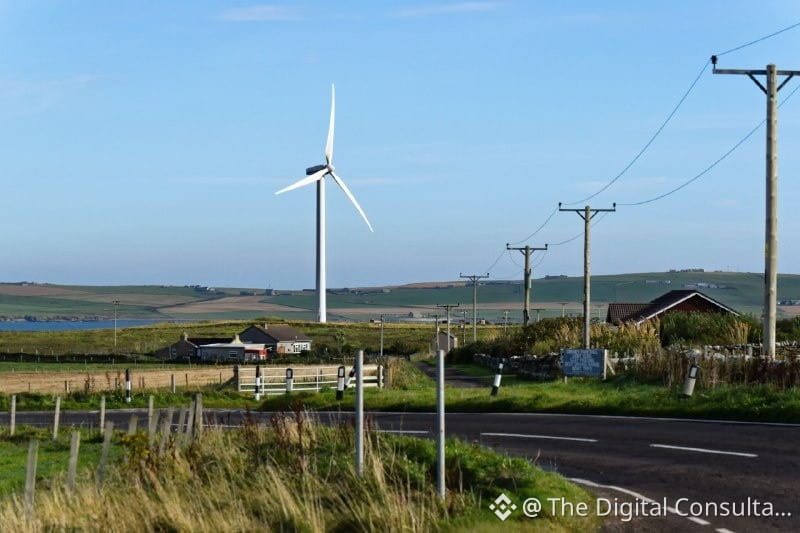
Britain is exploring an innovative energy fix: routing excess Scottish wind power into Bitcoin mining. Wind curtailment costs the grid billions when generation outpaces transmission. By using flexible load like mining to soak up stranded green energy, the UK could slash massive constraint bills while simultaneously supporting decentralized hash rate security. It is a fascinating intersection of grid management and renewable economics.
What do you think? $BTC #Bitcoin #RenewableEnergy #Mining
What do you think? $BTC #Bitcoin #RenewableEnergy #Mining
2

·
--
Bitcoin's difficulty cut came in bigger than forecast. The numbers:
• Difficulty: 148.36T to 134.82T, down 9.13% (mempool.space via PANews)
• Forecast two days earlier: about -7.85% (TokenPost)
• Biggest cut since June 14's -10.09%
• Hashrate: 906.93 EH/s vs 1,001.01 EH/s a week earlier (TokenPost)
• Blocks averaged 11 minutes, not 10 (BTC.network)
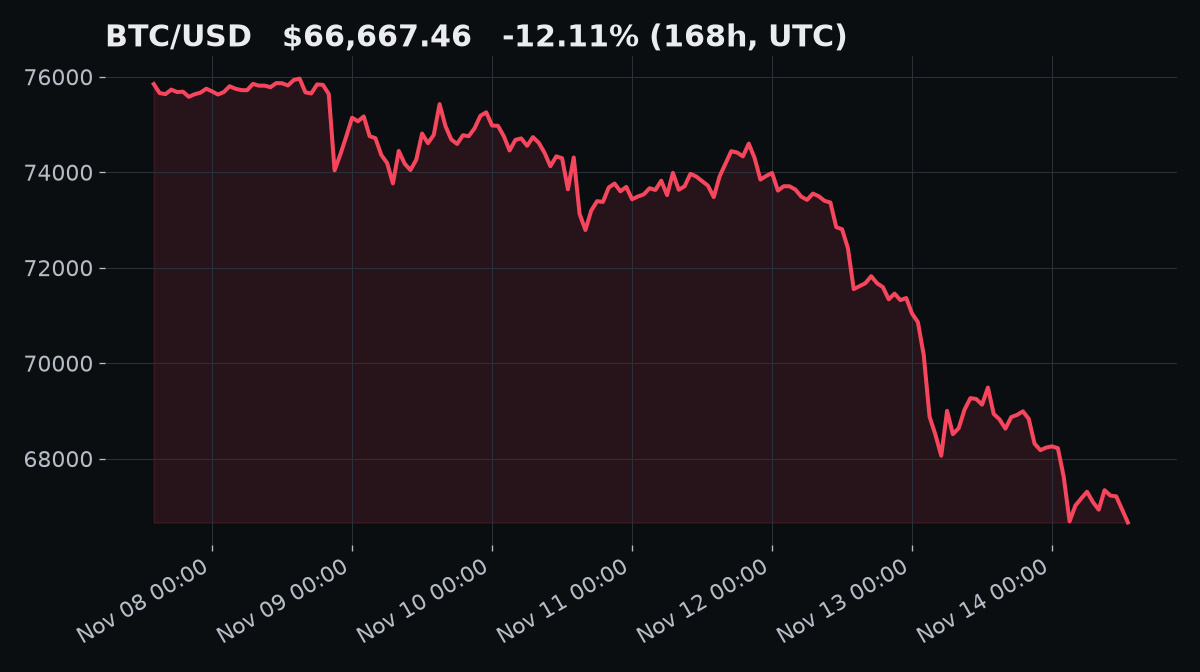
My read: machines are switching off because $BTC slid from about $80,750 to $67,100 since the Oct 29 adjustment (Coinbase, via Altcoin Reporter). The cut gives remaining miners roughly 10% more BTC per hash, which eases pressure but doesn't fix the price. Current estimate for the next one: about -6.65% around Nov 29 (Coinucation). If it holds, the exits aren't done. Not financial advice.
#Bitcoin #Mining
Disclosure: Write to Earn may pay me a commission on cashtag trades.
4

·
--
🚨BREAKING🚨
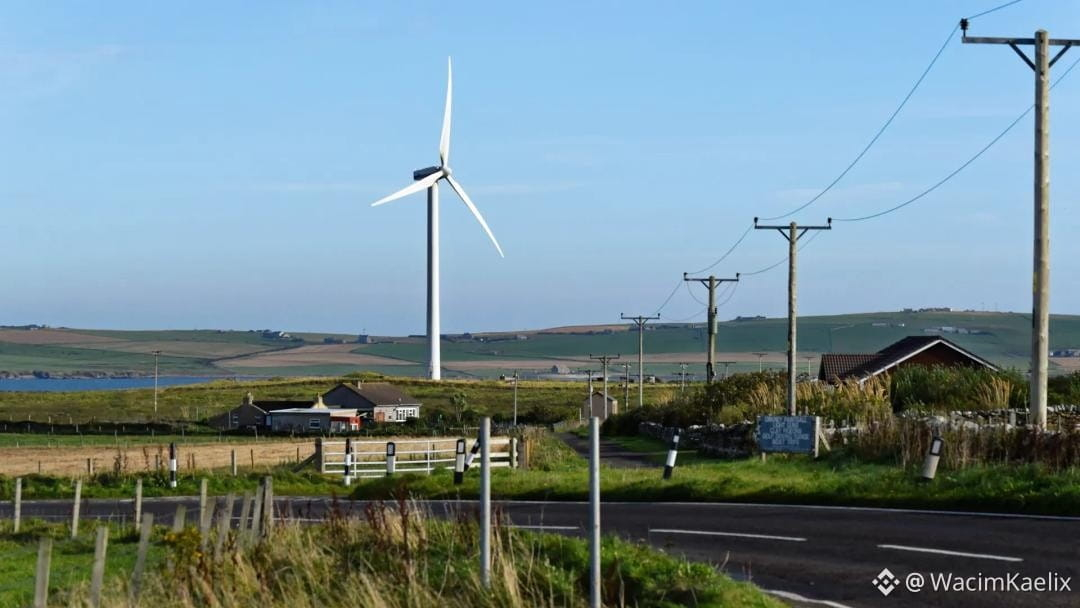
🇬🇧 UK Could Use Bitcoin Mining to Turn Wasted Wind Energy Into Revenue
* ⚡ The UK is considering using Bitcoin mining to absorb surplus wind energy generated in Scotland.
* 💰 Britain pays over £1 billion ($1.32 billion) annually to wind farms to stop generating electricity due to grid constraints.
* ₿ Bitcoin mining could use this otherwise wasted electricity and potentially reduce energy system costs.
* 🔌 Bitcoin mining facilities can quickly adjust or shut down operations depending on electricity supply and grid demand.
* 📊 Research involving 10 mining companies found that miners reduced electricity consumption between 5% and 31% of the time in response to grid conditions.
* 🏛️ The Bitcoin Policy Institute recommends assessing mining facilities near Scotland's electricity transmission bottlenecks.
* ⚠️ Potential savings, environmental impact and infrastructure costs still require further analysis.
* 📈 The proposal could strengthen Bitcoin mining's role in energy management and Britain's crypto industry.
$BTC $ETH
#Mining #bitcoin
1
176

BULLISH SIGNAL FOR BITCOIN HOLDERS! ₿
Bitcoin miners just received some relief!
📉 Bitcoin mining difficulty dropped by 9.13%, making it easier for miners to earn BTC with the same computing power.
⚡ Lower mining difficulty can mean:
- More BTC earned per unit of mining power.
- Improved profitability for efficient miners.
- Less pressure to sell Bitcoin just to cover electricity costs.
🐂 If mining economics improve it could help reduce selling pressure from struggling miners.
Could this be another positive signal for $BTC?
#Bitcoin #BTC #Mining #CryptoNews
44

·
--
⚡ $BTC MINING DIFFICULTY DROPS 9.13%, UNLOCKING THE DEEPEST HASH-RATE RESET SINCE JUNE! ⛏️
The network just caught its breath as difficulty sliced from 148.36 trillion down to 134.82 trillion. When block times drag past that ten-minute target, weaker computing power steps aside, leaving a lean, battle-tested group of miners to scoop rewards with far less overhead. 📊
Historically, these sharp hash-rate resets flush out late-cycle fatigue and clear the runway for structural accumulation before the next major momentum shift. Smart money watches how network stress relief transforms into a supply-side cushion. 💡
Are you treating this hash-rate dip as a quiet accumulation window or waiting for further confirmation from the order books? 👇
⚠️ Not financial advice. Always manage your risk. 🛡️
🏷️ #BTC #Mining #Bitcoin #Crypto
🔥 💎
5
·
--
Bitcoin's mining difficulty fell about 9.13% at block 975,744 at 05:02 UTC on November 14, 2026, the largest downward retarget since June 14, 2026.
Bitcoin adjusts mining difficulty every 2,016 blocks to keep average block times near 10 minutes. In the epoch that closed at block 975,743, blocks arrived about 11 minutes apart on average, so the protocol lowered difficulty from about 148.36 trillion to about 134.82 trillion. The new setting takes effect from block 975,744.
A lower difficulty means each hash is slightly more likely to find a valid block, which should pull block times back toward the 10-minute target if hashrate holds. The previous two retargets, on October 16 and October 29, 2026, had raised difficulty by about 5.92% and 5.54%. The last larger cut was a 10.09% drop on June 14, 2026. $BTC
#Bitcoin #Mining #Difficulty
DYOR. Not financial advice.

33


·
--
⛏️ Bitcoin mining difficulty drops 9.13%, the deepest cut since June
Bitcoin lowered mining difficulty at block 975,744, from 148.36 trillion to 134.82 trillion.
The last larger single drop was on June 14, at 10.09%. The two adjustments before this one were increases of 5.92% and 5.54%.
⭐ Difficulty falls when blocks arrive slower than the 10-minute target, which means computing power on the network has weakened. Miners who remain need less power to win a block reward.
#Bitcoin #Mining #Crypto
1
94
Paraguay's shifting energy priorities highlight a major structural trend for BTC miners globally. As state utilities pivot toward lucrative long-term AI infrastructure contracts, traditional proof-of-work operations face increasing competition for cheap power. This evolving landscape forces the mining sector to innovate, secure renewable microgrids, and rethink how hash rate operations negotiate grid energy access moving forward. $BTC #Bitcoin #Mining #ArtificialIntelligence
Paraguay's shifting energy priorities highlight a major structural trend for BTC miners globally. As state utilities pivot toward lucrative long-term AI infrastructure contracts, traditional proof-of-work operations face increasing competition for cheap power. This evolving landscape forces the mining sector to innovate, secure renewable microgrids, and rethink how hash rate operations negotiate grid energy access moving forward. $BTC #Bitcoin #Mining #ArtificialIntelligence
112

·
--
⛏️ Bitcoin mining is about to get easier — in the next few hours!
Bitcoin's mining difficulty is set to drop about 8% at block 975,744 — the biggest cut since June.
Difficulty falls from 148.36T to about 136.4T, because the network hashrate pulled back from over 1,000 EH/s.
Easier mining means less pressure on miners after a brutal week for $BTC .
Does this help Bitcoin find a floor — or is the selling still too strong? 👇
#bitcoin #Mining #BTC
(Info only, not financial advice)
{spot}(BTCUSDT)
⛏️ Bitcoin mining is about to get easier — in the next few hours!
Bitcoin's mining difficulty is set to drop about 8% at block 975,744 — the biggest cut since June.
Difficulty falls from 148.36T to about 136.4T, because the network hashrate pulled back from over 1,000 EH/s.
Easier mining means less pressure on miners after a brutal week for $BTC .
Does this help Bitcoin find a floor — or is the selling still too strong? 👇
#bitcoin #Mining #BTC
(Info only, not financial advice)

54
·
--
Bitcoin's mining difficulty is about to get its biggest cut since June. Here's what that means in plain English:
Every 2,016 blocks the network resets difficulty so blocks keep arriving about every 10 minutes. Lately they've been late (10m46s to 10m50s on average this epoch, per Crypto Briefing), which means machines have gone offline or hashrate has cooled. Seven-day hashrate averages this month: roughly 963 to 1,069 EH/s.
The numbers:
• Current difficulty: 148.36T, after a 5.54% rise on Oct 29
• Projected change: about -6.4% to -7.8% (Crypto Briefing); mempool.space's live estimate is -7.9%, with 128 blocks left at my check, due around Nov 14
• For scale, June's cut was 10.09%
My read: a cut doesn't predict price, it reacts to it. Difficulty rises when mining is attractive and gets trimmed when weaker rigs switch off, and $BTC sitting near $71K, a roughly 12-week low (The Block), is exactly when that happens. For the miners still running, each machine finds more blocks for the same power bill, so it eases some pressure. What I'd watch: does hashrate climb back over 1 ZH/s after the reset, or keep slipping?
Do you read a difficulty cut as capitulation or as the network healing itself? Not financial advice. #Bitcoin #Mining
Disclosure: Write to Earn may pay me a commission on cashtag trades.
63

·
--
🚨 BITCOIN MINING JUST GOT ~7% EASIER — BIGGEST DIFFICULTY CUT SINCE JUNE
Bitcoin's difficulty is set to drop ~7% today — the biggest cut since June's -10.09%. 👀
Difficulty sits at 148.36T after October's hikes, but slow blocks forced the network to ease up. Miner revenue per hash jumps ~7% overnight — yet older S19 rigs still can't break even at 5¢ power.
BTC is holding ~$71,500 at its lowest since August. Does cheaper mining stop the miner sell-off — or is this just a breather before the next leg down? 👇
#Bitcoin #BTC #Mining
48

·
--
Miners are about to catch a break, so why is nobody celebrating? 👀
📰 What happened
Bitcoin mining difficulty is set to fall ~7.8% at block 975,744, around Nov 13 23:50 UTC (Nov 14 ~07:50 Beijing). Blocks have averaged 651 seconds this epoch vs the 600-second target. It would be the biggest cut since June's -10.09% (mempool.space).
🤔 Why it matters
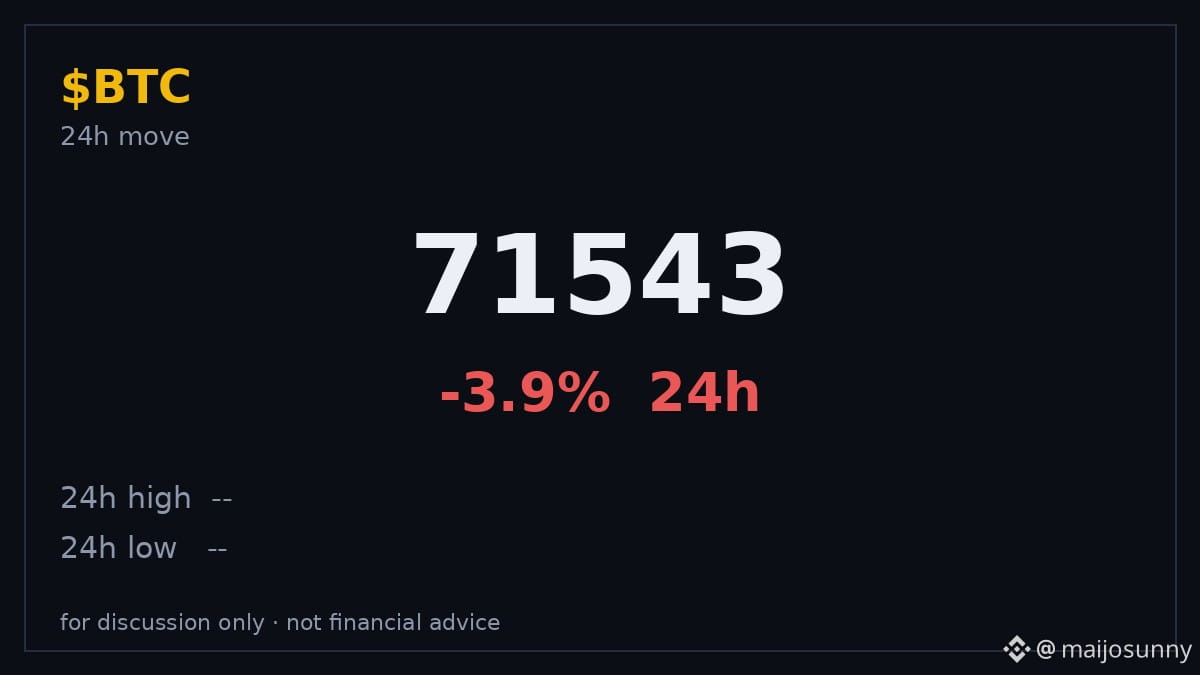
Difficulty follows hashrate, and hashrate follows price. $BTC sits at $71,543, down 3.9% in 24h (Binance spot), and miners are still selling into the tape. A 7.8% cut eases the squeeze, but it is a lagging adjustment, not a demand signal. Hashrate has already partly recovered, from 825 to 982 EH/s in three days.
👀 What to watch
The print itself on Friday morning Beijing time, then whether hashrate holds above 950 EH/s and whether $70,000 holds.
A difficulty cut ≠ a price signal. Relief for miners, or just a breather before the next leg down? 🐂🐻
Not financial advice. DYOR.
#Bitcoin #Crypto #Mining
26

·
--
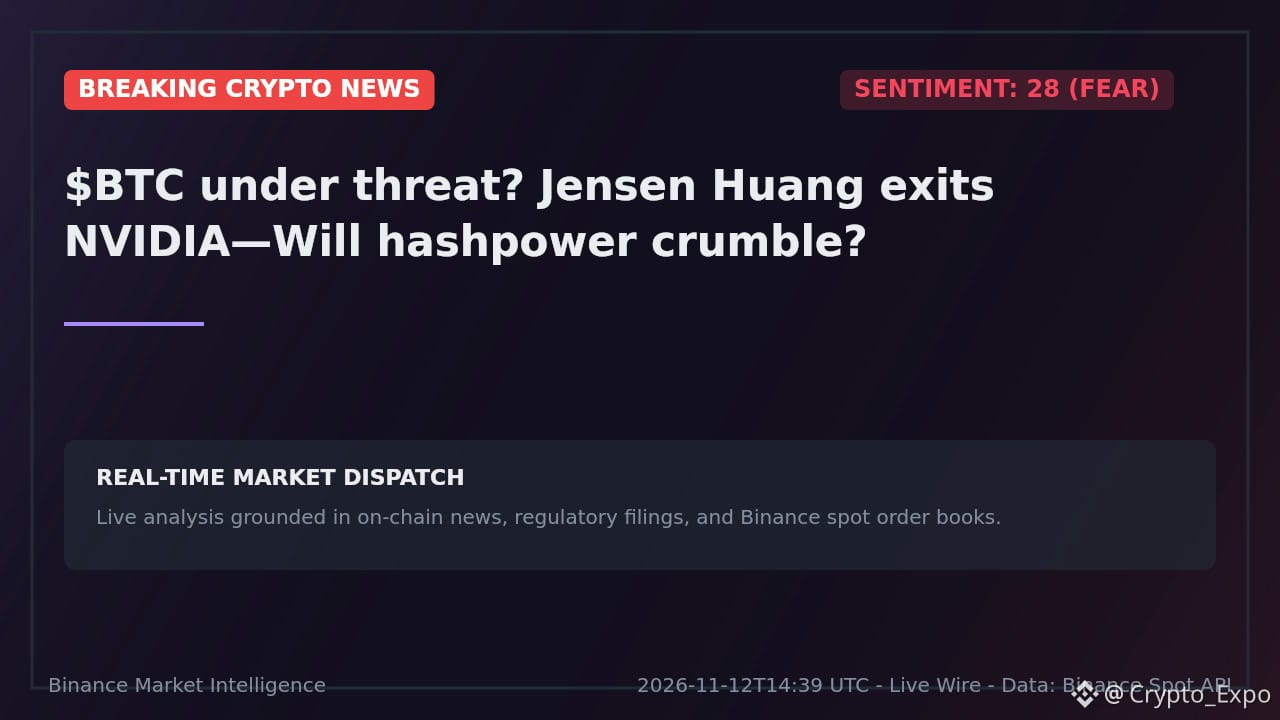
🚨 $BTC under threat? Jensen Huang exits NVIDIA—Will hashpower crumble?
NVIDIA’s co‑founder and CEO Jensen Huang stepped down, shaking the backbone of GPU supply for miners. With the market already in a risk‑off mode, miners fear a slowdown in new GPU rollouts and potential price pressure on existing rigs.
📊 Market & Token Impact
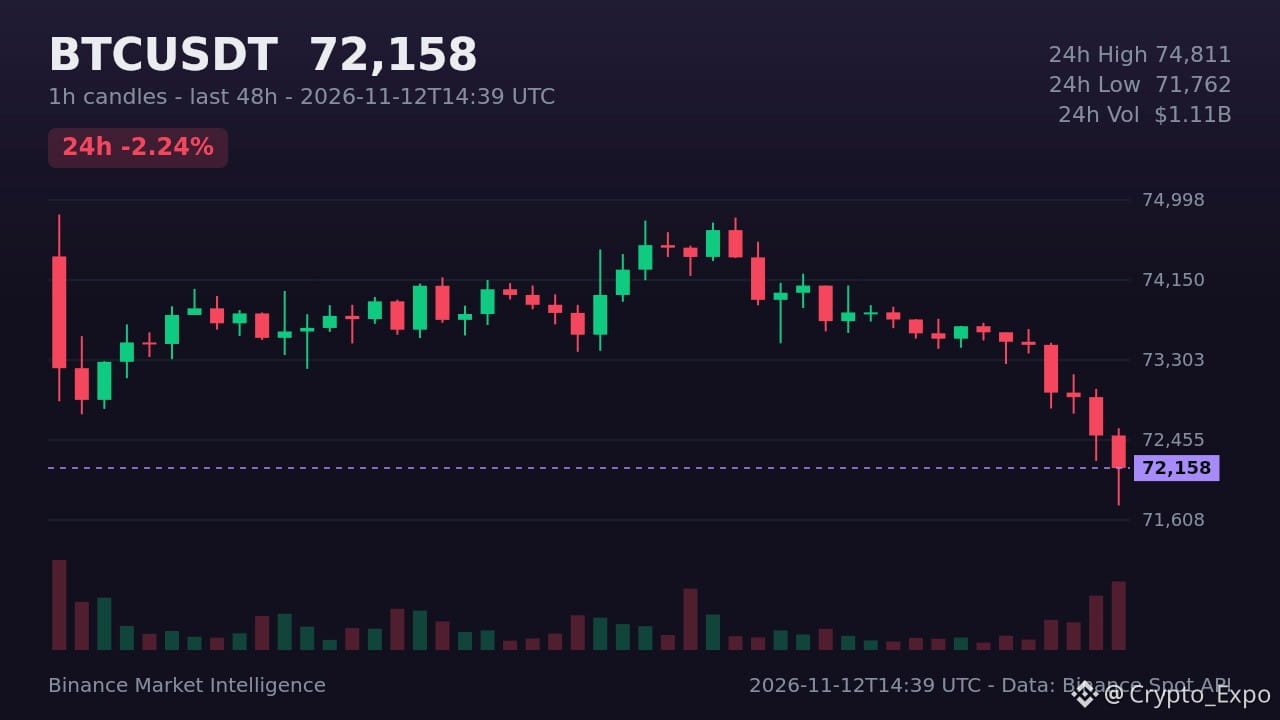
• $BTC slipped ~2.2% to $72,158, testing the $71,500 support zone.
• $ETH echoed the move, down ~2.3% at $2,012, eyeing the $1,990‑$2,010 range.
• 24‑hour $BTC volume topped $1.1 B (≈1,113,055,051 USDT), showing strong trader activity.
⚡️ Risk/Reward
If mining supply tightens, $BTC could test $68k lows; a quick rebound may push it back toward $74k resistance.
What’s your take on the mining outlook? Drop a comment below 👇
$BTC $ETH #Crypto #Mining #Bitcoin
7
·
--
Canaan sells the machines that mine Bitcoin. Their sales just fell 96%.
Q3 hardware revenue: $4.8M vs $118.6M a year ago (CoinDesk). So it's now selling some crypto to fund a $20M stock buyback, while 1,258 of its 1,875.5 $BTC sit pledged against loans.
Miners funding themselves by selling coins is a pattern after MARA. Does it pressure supply or just show how thin the margins are?
#Bitcoin #Mining
Disclosure: Write to Earn may pay me a commission on cashtag trades.
2

·
--
⛏️ Bitcoin mining difficulty fell by 9.13% — the biggest drop since June
On November 14, 2026, at block height 975,744, the Bitcoin network automatically lowered mining difficulty by 9.13%, from 148.36 to 134.82 trillion. This is confirmed by data from the Mempool explorer.
The decrease was the largest since June 14, when difficulty fell by 10.09%. The figure is recalculated every 2,016 blocks to maintain an average block interval of about ten minutes as miners’ computing power changes.
For equipment with an unchanged hashrate, finding a block is now statistically easier. But a change in difficulty does not guarantee an increase in the price of BTC and, by itself, does not prove that miners are shutting down en masse.
Source: Mempool, CoinNess, November 14, 2026
#Bitcoin #Mining
14
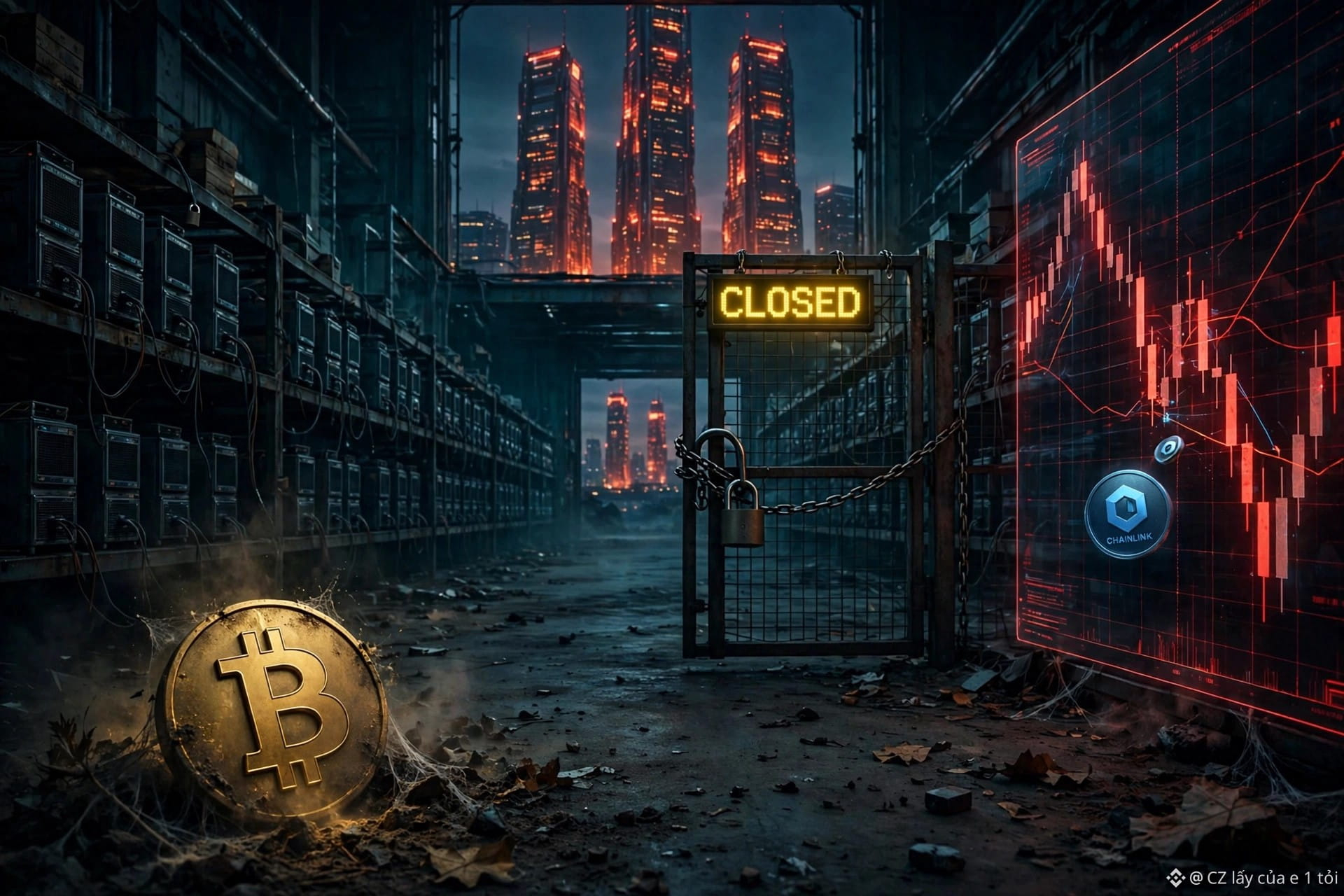
Binance officially shuts down Binance Pool — the end of 6 years of mining by the world’s largest exchange ⛏️
Binance Pool, Cloud Mining, Pool Savings, and Transaction Accelerator ceased operations at 07:00 UTC on 10/11. Launched in April 2020, the pool mined more than 22,000 Bitcoin blocks — but in its final week, it mined just 1 block out of ~925 across the entire network, equivalent to a 0.11% market share. The pool’s hashrate fell from ~26 EH/s (12/2025) to ~9.2 EH/s (10/2026), a drop of about 65%.
Notably, as Binance exits, hashrate is becoming even more concentrated in the hands of the three largest pools — Foundry USA, AntPool, and F2Pool. This is the centralization issue that the mining community continues to debate, especially as mining difficulty just fell by 9.13%.
The market remains in the red: BTC ~65,618 USD, Fear & Greed down to just 13 (Extreme Fear), ETH ~1,816 USD. Among the top 100, $LINK is the biggest decliner not recently mentioned: -8.01% in 24h, down to ~9.04 USD.
Do you think Binance’s exit from crypto mining is a good or bad sign for Bitcoin’s decentralization? 👇
#CryptoNews #Bitcoin #Binance #Mining
Market information, not investment advice.
443

🚨 Paraguay’s mining farms pay $350 million a year; AI may accelerate their relocation 🧠
📊 | $BTC | $ETH | $BNB |
- Follow, like, and comment for daily updates on the crypto market. 📈
- Bitcoin mining farms in Paraguay pay the power grid about $350 million in electricity costs each year, accounting for roughly 4% of global hashrate.
- The contract price for electricity sold to mining farms is $44 per megawatt-hour and expires on December 31, 2027.
- The country’s utility provider has called this the final deadline, with no further extensions.
- The government has signed a 15-year agreement to supply power to an AI campus backed by Founders Fund. 🔥
- Electricity resources may shift from mining to AI workloads, driving up energy costs for the industry.
- Mining farms may relocate more quickly to regions with lower electricity prices, affecting the long-term distribution of hashrate.
- BTC prices are expected to see limited direct short-term impact from this news, with the market reaction leaning neutral.
- Whale activity appears neutral for now, with no clear directional bets on either side.
- Do you think AI demand will accelerate the relocation of mining farms? Share your thoughts in the comments.
- Follow me for expert analysis of the crypto market, and feel free to join the discussion in the comments.
#Bitcoin #Crypto #Whales #Mining #AI

A Bitcoin Policy Institute report links Scotland’s surplus wind power to a $1.3 billion reduction in grid costs. $BTC
The detail that could easily be missed: these billions are paid to stop wind turbines from generating electricity when production exceeds demand. The report suggests that mining operations could absorb $BTC this surplus energy instead of receiving compensation.
If this approach is adopted, the surplus could turn from a financial burden into a source of usable energy. But it is a proposal in a report, not an officially approved policy.
The takeaway: the value here lies in using wasted energy, not in revenue figures.
Who do you think this issue affects most: long-term holders, active traders, newcomers, or miners?
#Bitcoin #Mining
Content is for informational purposes only and is not financial advice.
Tap $BTC to trade
$BTC
Others have already followed you. Visit my profile and stay with those who read before the news spreads.
75
Log in to explore more content
Join global crypto users on Binance Square
⚡️ Get latest and useful information about crypto.
💬 Trusted by the world’s largest crypto exchange.
👍 Discover real insights from verified creators.
Email / Phone number
Trending Topics
1
#WhoWillSucceedJensenHuangatNvidia?
128,210 views
1,463 Discussing
2
#WhatWillDriveCryptoandStocks’NextRebound?
517,040 views
3,320 Discussing
3
#BitcoinActiveSupplyInProfitDropsBelow45%
54,054 views
594 Discussing
4
#KavaSaysAbnormalActivityLimitedToKavaLend
27,571 views
328 Discussing
5
#USSpotXRPETFsSeeLargestWeeklyOutflowIn8Months
21,112 views
283 Discussing
6
#USPPIMissMayEaseBTCPressure
260,097 views
2,183 Discussing
7
#WORPTLetsTouristsConvertCryptoToThaiBaht
7,565 views
79 Discussing
8
#TONStrategyReports$23.97MQ3NetLoss
8,017 views
41 Discussing
9
#PolkadotCommunityApprovesNewStrategyWith97%Vote
24,344 views
278 Discussing
10
#dYdXPlansV9.9UpgradeToShiftUSDCToInjective
19,805 views
231 Discussing