
#oilmarket
oilmarket
1.3M views
3,118 Discussing
Hot
Latest


Verified
Article
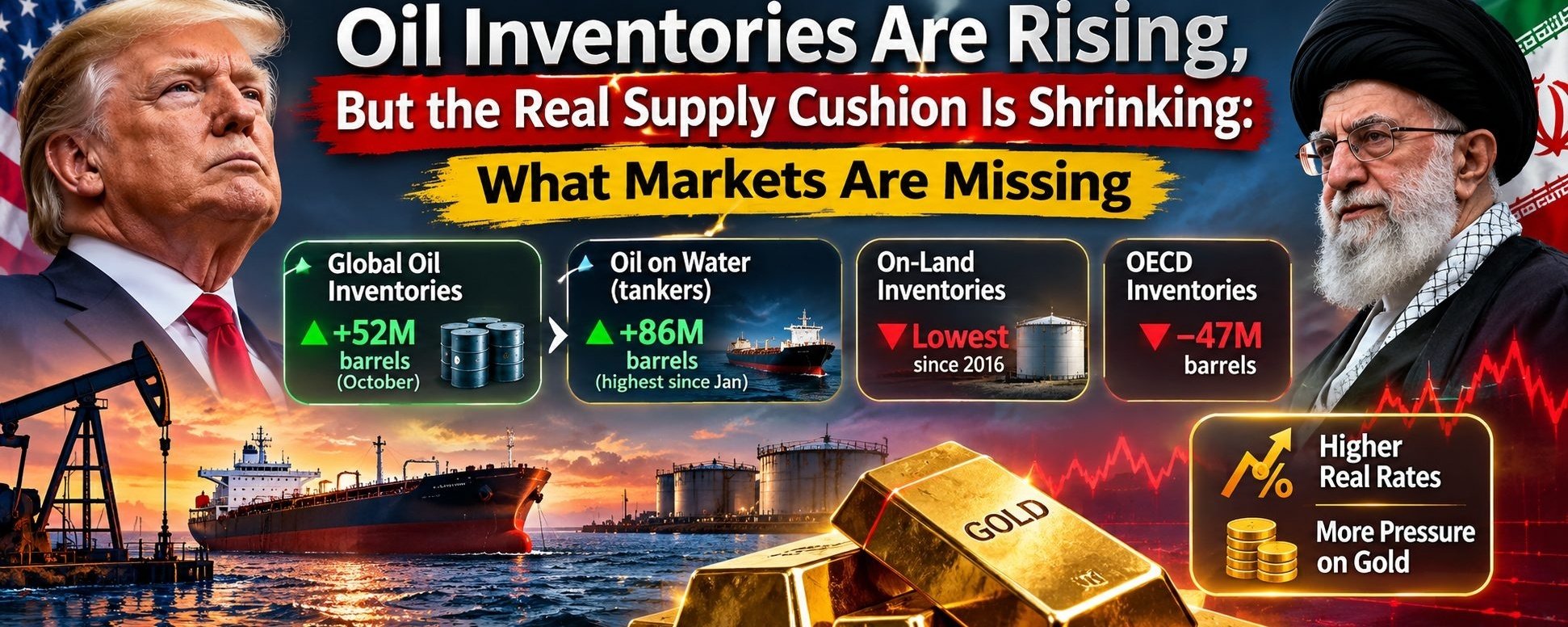
Oil Inventories Are Rising, But the Real Supply Cushion Is Shrinking: What Markets Are MissingSomething interesting is happening in the oil market. The global inventory numbers are improving, yet the actual supply picture is not as comfortable as it first appears.
According to the IEA's November 13 report, global oil inventories increased by 52 million barrels in October. That sounds like good news for supply. But look closer: 86 million barrels were added to oil held on water, while onshore inventories continued falling to their lowest level since at least 2016.
That's an important difference.
Oil travelling aboard tankers is part of the supply chain, but it isn't the same as having crude safely stored and immediately available to refiners. The market may be receiving more barrels, but rebuilding its physical reserves is a separate challenge.
The Iran situation makes this even more complicated. Gulf exports have recovered, helping ease pressure on crude prices, but they were still 26% below pre-war levels in October. Shipping security remains a risk that cannot simply be ignored.
Gold adds another dimension. Geopolitical uncertainty can encourage safe-haven demand, but higher real interest rates make holding non-yielding assets less attractive.
My takeaway is that markets are looking beyond political headlines. Actual oil deliveries, available reserves and monetary conditions matter just as much.
The real test now is whether falling onshore inventories finally begin to recover while Gulf shipping remains stable.
#OilMarket #Geopolitics #IranConflict #GoldMarket #EnergyCrisis
Oil Inventories Are Rising, But the Real Supply Cushion Is Shrinking: What Markets Are Missing
Something interesting is happening in the oil market. The global inventory numbers are improving, yet the actual supply picture is not as comfortable as it first appears.
According to the IEA's November 13 report, global oil inventories increased by 52 million barrels in October. That sounds like good news for supply. But look closer: 86 million barrels were added to oil held on water, while onshore inventories continued falling to their lowest level since at least 2016.
That's an important difference.
Oil travelling aboard tankers is part of the supply chain, but it isn't the same as having crude safely stored and immediately available to refiners. The market may be receiving more barrels, but rebuilding its physical reserves is a separate challenge.
The Iran situation makes this even more complicated. Gulf exports have recovered, helping ease pressure on crude prices, but they were still 26% below pre-war levels in October. Shipping security remains a risk that cannot simply be ignored.
Gold adds another dimension. Geopolitical uncertainty can encourage safe-haven demand, but higher real interest rates make holding non-yielding assets less attractive.
My takeaway is that markets are looking beyond political headlines. Actual oil deliveries, available reserves and monetary conditions matter just as much.
The real test now is whether falling onshore inventories finally begin to recover while Gulf shipping remains stable.
#OilMarket #Geopolitics #IranConflict #GoldMarket #EnergyCrisis
970

·
--
🇺🇸 U.S. oil prices are falling fast and gas is getting cheaper, too.
Just a few weeks ago, crude oil was trading above $100 a barrel.
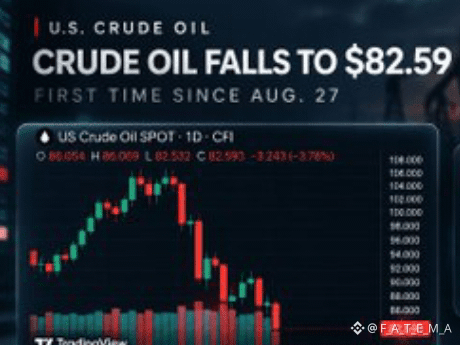
Now it's down to around $82.60 after falling nearly 4% in a single day.
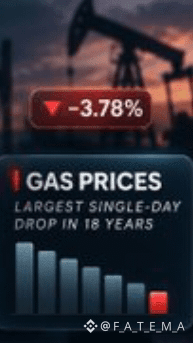
Gas prices have also seen their biggest one-day drop in 18 years.
That's a pretty big change in just a few weeks.
Now the question is how much of that drop will actually reach American drivers at the pump.
Source: TradingView
$BTC
{future}(BTCUSDT)
#OilMarket #CryptoNews #worldnewswithfatema
🇺🇸 U.S. oil prices are falling fast and gas is getting cheaper, too.
Just a few weeks ago, crude oil was trading above $100 a barrel.
Now it's down to around $82.60 after falling nearly 4% in a single day.
Gas prices have also seen their biggest one-day drop in 18 years.
That's a pretty big change in just a few weeks.
Now the question is how much of that drop will actually reach American drivers at the pump.
Source: TradingView
$BTC
#OilMarket #CryptoNews #worldnewswithfatema
301

Crude oil markets are heating up with high volatility as global supply shifts and geopolitical tensions drive major price action. 🛢️📈
Trade WTI and Brent market movements seamlessly in the digital space with CLUSDT and BZUSDT perpetuals on Binance! 🚀
Are you bullish or bearish on oil this week? Drop your predictions below! 👇
#CLUSDT #BZUSDT #CrudeOilNews #OilMarket #CryptoTrading
Trade WTI and Brent market movements seamlessly in the digital space with CLUSDT and BZUSDT perpetuals on Binance! 🚀
Are you bullish or bearish on oil this week? Drop your predictions below! 👇
#CLUSDT #BZUSDT #CrudeOilNews #OilMarket #CryptoTrading

266
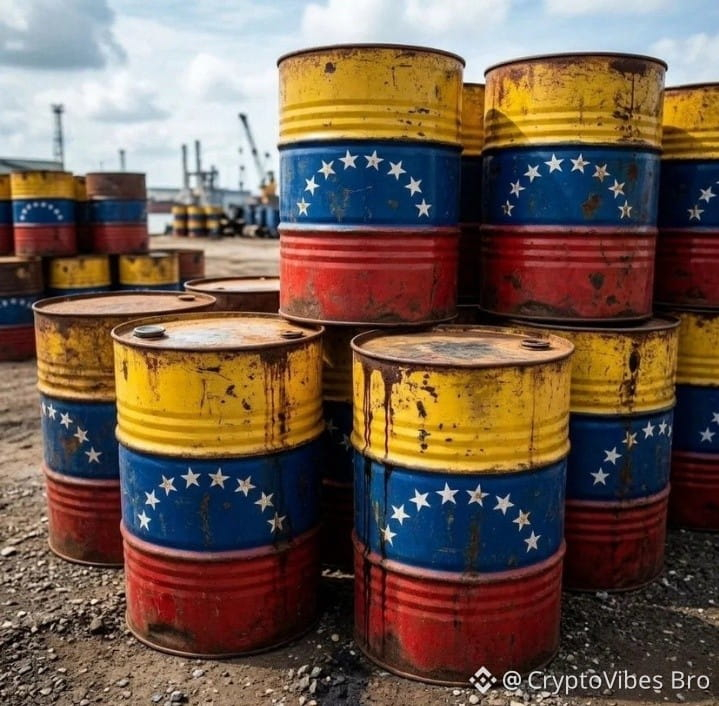
🚨 BREAKING: Trump Signals Potential Expansion of U.S.–Venezuela Oil Trade
U.S. President Donald Trump says the United States has purchased billions of dollars' worth of oil from Venezuela and expects significantly more oil supplies in the near future.
If realized, this could mark a major development in U.S.–Venezuela energy relations, potentially influencing global oil supply, trade flows, and energy market sentiment.
The key question: Could this reshape the global oil market? 🌍🛢️
What’s your take?$SHIB $PEPE $TRUMP
#Trump #Venezuela #OilMarket #crudeoil #EnergyNews #GlobalMarkets #CryptoCommunity
420

·
--
Partly True
Article
WEST TEXAS INTERMEDIATE CRUDE OIL (WTI)
Technical Analysis Nov 13H4 Bias: Bearish
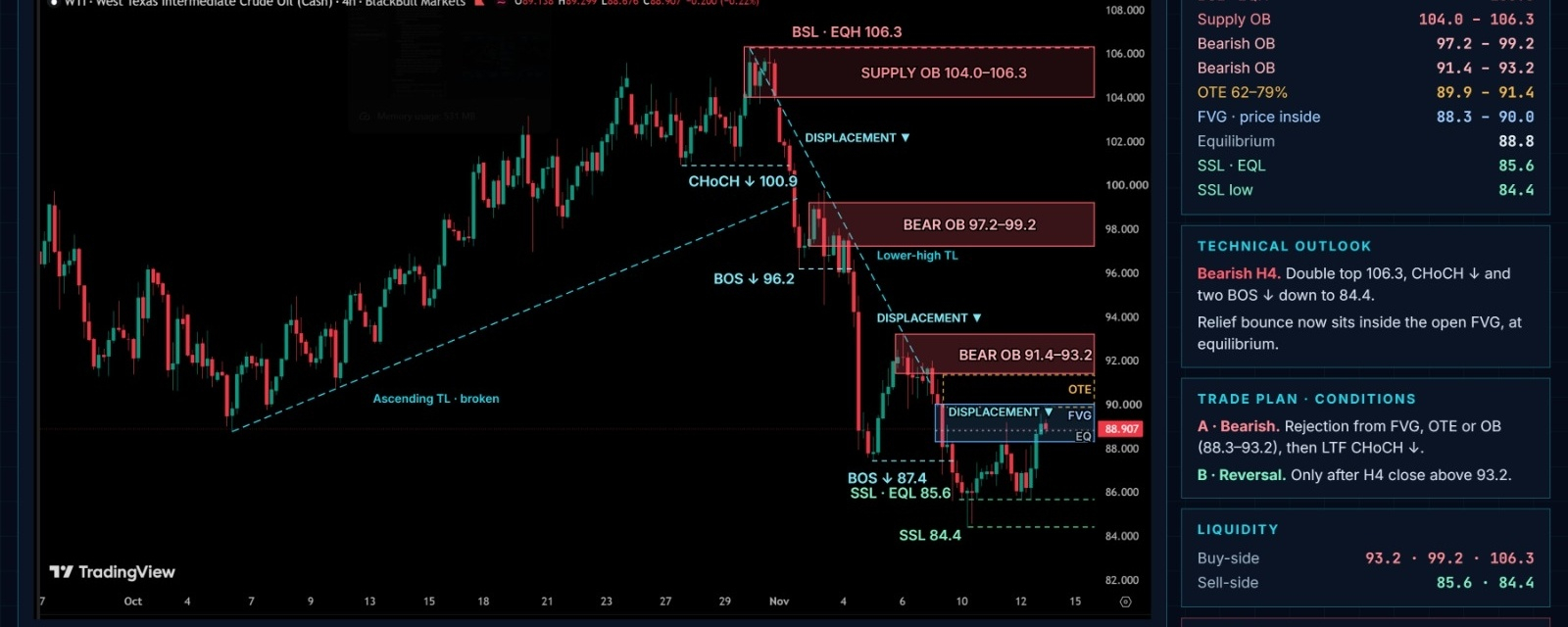
Structure State: Strong bearish structural reversal following the break of the ascending trendline, a bearish CHoCH at 100.9, and successive bearish BOS confirmations at 96.2 and 87.4. Price is consolidating within the 88.3–90.0 open FVG region.
Market Structure
$CL has undergone a significant bearish structural reversal after failing to sustain its previous bullish advance toward the 106.3 equal-high and buy-side liquidity region. The ascending trendline was broken, followed by a bearish CHoCH around 100.9 and subsequent bearish BOS confirmations at 96.2 and 87.4.
The resulting bearish displacement established successive lower highs and lower lows, with price declining through the 104.0–106.3 major supply, 97.2–99.2 bearish order block and 91.4–93.2 bearish order block regions.
Price is currently trading at 88.907 within the 88.3–90.0 open FVG region and near the 88.8 equilibrium level. A corrective recovery remains possible, but the broader H4 structure continues to favor sellers.
Key Resistance
BSL / EQH: 106.3 — major equal-high and buy-side liquidity.
Supply OB: 104.0–106.3 — major overhead supply.
Bearish OB: 97.2–99.2 — intermediate bearish supply.
Bearish OB: 91.4–93.2 — immediate bearish order block.
OTE 62–79%: 89.9–91.4 — premium retracement and potential rejection region.
FVG: 88.3–90.0 — current open imbalance.
Equilibrium: 88.8 — current structural equilibrium reference.
Key Support
SSL / EQ: 85.6 — immediate lower sell-side liquidity.
SSL Low: 84.4 — major downside liquidity reference.
FVG — Fair Value Gap
The 88.3–90.0 region represents the current open FVG. A retracement into this imbalance followed by bearish rejection would support continuation. The 89.9–91.4 OTE region provides an additional premium retracement reference.
Order Block (OB)
The 91.4–93.2 region represents the immediate bearish order block. A recovery into this area followed by bearish CHoCH confirmation would strengthen the continuation setup. The higher 97.2–99.2 and 104.0–106.3 supply regions remain broader bearish references.
Liquidity Map
Buy-side liquidity (BSL): 93.2, 99.2 and 106.3.
Sell-side liquidity (SSL): 85.6 and 84.4.
Trade Scenarios
Bearish continuation: Rejection from the 88.3–90.0 FVG, 89.9–91.4 OTE or 91.4–93.2 bearish order block, followed by lower-timeframe CHoCH confirmation, would favor further downside toward 85.6 and 84.4.
Bullish reversal: A sustained H4 close above 93.2 would provide the first meaningful challenge to the immediate bearish structure. A further H4 close above 99.2 would indicate a broader structural reversal.
Trendline
The previous ascending trendline has been broken by strong bearish displacement. The subsequent CHoCH and multiple BOS confirmations establish a clear downside structural preference.
Invalidation
A bearish H4 close above 93.2 would invalidate the immediate bearish setup. A full structural reversal requires an H4 close above 99.2.
Professional Summary
Primary bias: Bearish.
Major supply: 104.0–106.3.
Intermediate supply: 97.2–99.2.
Immediate bearish OB: 91.4–93.2.
OTE: 89.9–91.4.
Open FVG: 88.3–90.0.
Equilibrium: 88.8.
Immediate SSL: 85.6.
Lower SSL: 84.4.
Preferred setup: Rejection from FVG, OTE or bearish OB followed by LTF CHoCH.
Immediate invalidation: H4 close above 93.2.
Full reversal: H4 close above 99.2.
Risk Consideration: WTI has experienced substantial bearish displacement and is trading near equilibrium. A relief bounce into the open FVG remains possible, so continuation entries should require renewed bearish confirmation.
#CrudeOilMarketOutlook #OilPrice #energy #OilMarket
WEST TEXAS INTERMEDIATE CRUDE OIL (WTI) Technical Analysis Nov 13
H4 Bias: Bearish
Structure State: Strong bearish structural reversal following the break of the ascending trendline, a bearish CHoCH at 100.9, and successive bearish BOS confirmations at 96.2 and 87.4. Price is consolidating within the 88.3–90.0 open FVG region.
Market Structure
$CL has undergone a significant bearish structural reversal after failing to sustain its previous bullish advance toward the 106.3 equal-high and buy-side liquidity region. The ascending trendline was broken, followed by a bearish CHoCH around 100.9 and subsequent bearish BOS confirmations at 96.2 and 87.4.
The resulting bearish displacement established successive lower highs and lower lows, with price declining through the 104.0–106.3 major supply, 97.2–99.2 bearish order block and 91.4–93.2 bearish order block regions.
Price is currently trading at 88.907 within the 88.3–90.0 open FVG region and near the 88.8 equilibrium level. A corrective recovery remains possible, but the broader H4 structure continues to favor sellers.
Key Resistance
BSL / EQH: 106.3 — major equal-high and buy-side liquidity.
Supply OB: 104.0–106.3 — major overhead supply.
Bearish OB: 97.2–99.2 — intermediate bearish supply.
Bearish OB: 91.4–93.2 — immediate bearish order block.
OTE 62–79%: 89.9–91.4 — premium retracement and potential rejection region.
FVG: 88.3–90.0 — current open imbalance.
Equilibrium: 88.8 — current structural equilibrium reference.
Key Support
SSL / EQ: 85.6 — immediate lower sell-side liquidity.
SSL Low: 84.4 — major downside liquidity reference.
FVG — Fair Value Gap
The 88.3–90.0 region represents the current open FVG. A retracement into this imbalance followed by bearish rejection would support continuation. The 89.9–91.4 OTE region provides an additional premium retracement reference.
Order Block (OB)
The 91.4–93.2 region represents the immediate bearish order block. A recovery into this area followed by bearish CHoCH confirmation would strengthen the continuation setup. The higher 97.2–99.2 and 104.0–106.3 supply regions remain broader bearish references.
Liquidity Map
Buy-side liquidity (BSL): 93.2, 99.2 and 106.3.
Sell-side liquidity (SSL): 85.6 and 84.4.
Trade Scenarios
Bearish continuation: Rejection from the 88.3–90.0 FVG, 89.9–91.4 OTE or 91.4–93.2 bearish order block, followed by lower-timeframe CHoCH confirmation, would favor further downside toward 85.6 and 84.4.
Bullish reversal: A sustained H4 close above 93.2 would provide the first meaningful challenge to the immediate bearish structure. A further H4 close above 99.2 would indicate a broader structural reversal.
Trendline
The previous ascending trendline has been broken by strong bearish displacement. The subsequent CHoCH and multiple BOS confirmations establish a clear downside structural preference.
Invalidation
A bearish H4 close above 93.2 would invalidate the immediate bearish setup. A full structural reversal requires an H4 close above 99.2.
Professional Summary
Primary bias: Bearish.
Major supply: 104.0–106.3.
Intermediate supply: 97.2–99.2.
Immediate bearish OB: 91.4–93.2.
OTE: 89.9–91.4.
Open FVG: 88.3–90.0.
Equilibrium: 88.8.
Immediate SSL: 85.6.
Lower SSL: 84.4.
Preferred setup: Rejection from FVG, OTE or bearish OB followed by LTF CHoCH.
Immediate invalidation: H4 close above 93.2.
Full reversal: H4 close above 99.2.
Risk Consideration: WTI has experienced substantial bearish displacement and is trading near equilibrium. A relief bounce into the open FVG remains possible, so continuation entries should require renewed bearish confirmation.
#CrudeOilMarketOutlook #OilPrice #energy #OilMarket
166

·
--
Bullish
OPEC+ supply rebounds, but some Saudi output is going into storage
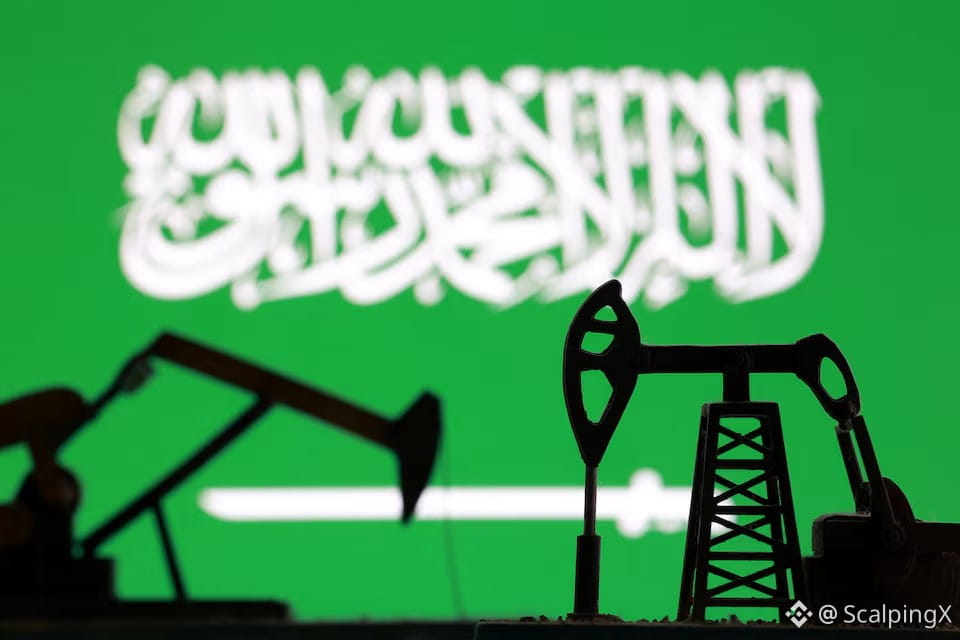
🛢️ OPEC+ output rose by about 2.04 million barrels per day in October to 41.23 million. The Saudi-led recovery is easing war-related supply shortages.
📊 Saudi Arabia reported production of 10.56 million barrels per day, while market supply reached 9.20 million. The difference went into storage.
📦 Even so, Saudi supply to the market increased by around 1.22 million barrels per day from September. This represents a meaningful recovery, adding downward pressure on oil prices.
⚓ Sustaining these flows depends on shipping security and alternative routes around Hormuz. Further disruption could interrupt the recovery.
🔎 Actual exports and the November 29 OPEC+ meeting remain key to watch. Continued growth in deliveries would strengthen supply pressure on prices.
#OilMarket $CL $BZ
1
411

·
--
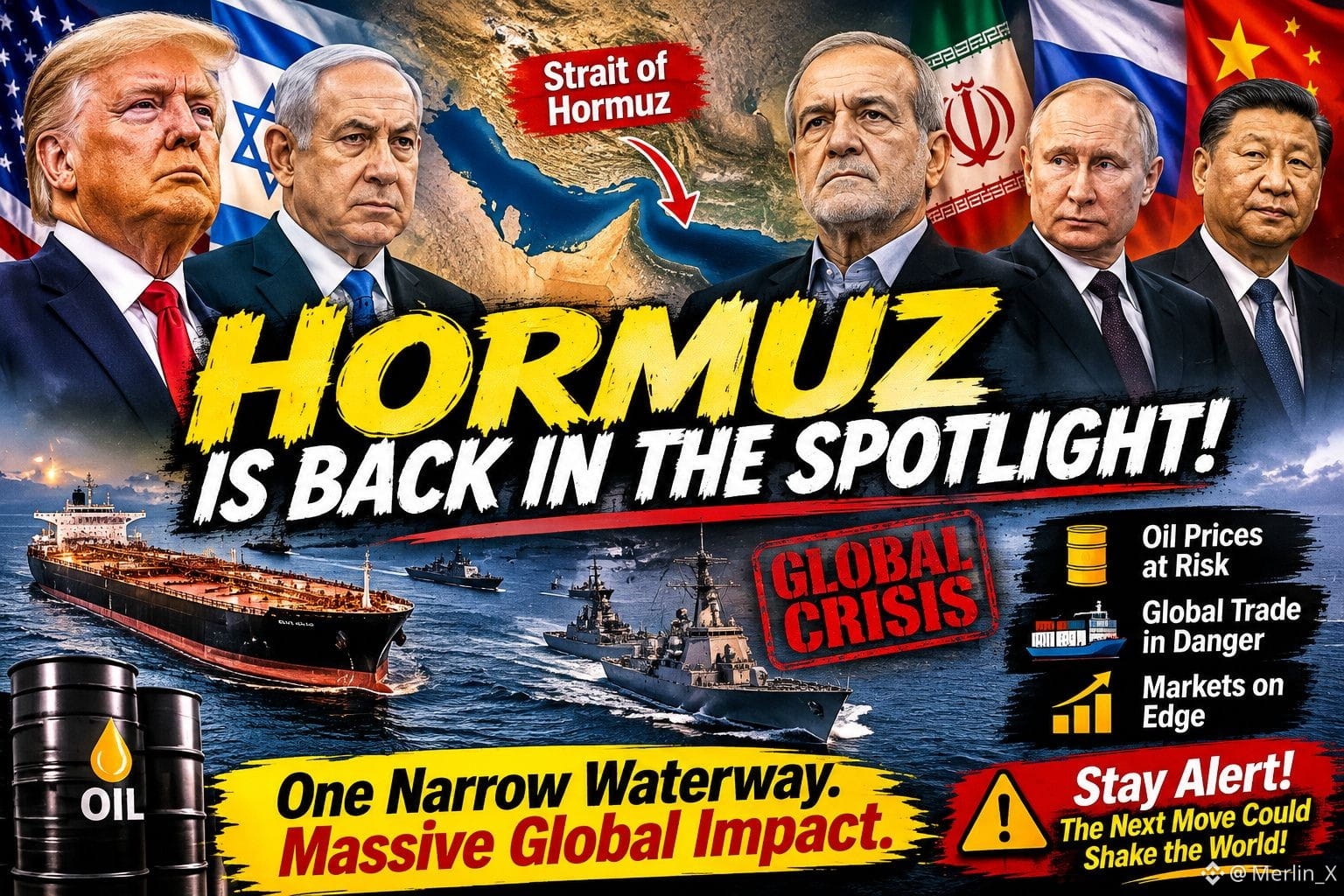
🚨🔥 THE WORLD IS WATCHING HORMUZ — AND THE MARKETS ARE ON EDGE! $TRUMP
The Strait of Hormuz is once again commanding global attention. 🚢🌍 $BTC
One of the world's most critical energy chokepoints, this narrow waterway has the power to shake oil prices, disrupt shipping, and impact global trade.$JCT
Rising geopolitical tensions and shipping concerns are keeping investors alert. Every new development could bring fresh volatility across global markets.
⚡ One strategic waterway.
💥 Billions in global trade.
🌍 Worldwide economic consequences.
HORMUZ IS MORE THAN A SHIPPING ROUTE — IT'S A GLOBAL POWER POINT!
Stay alert. The next move could shake the markets!
#Hormuz #OilMarket #Geopolitics
1
836

·
--
Verified
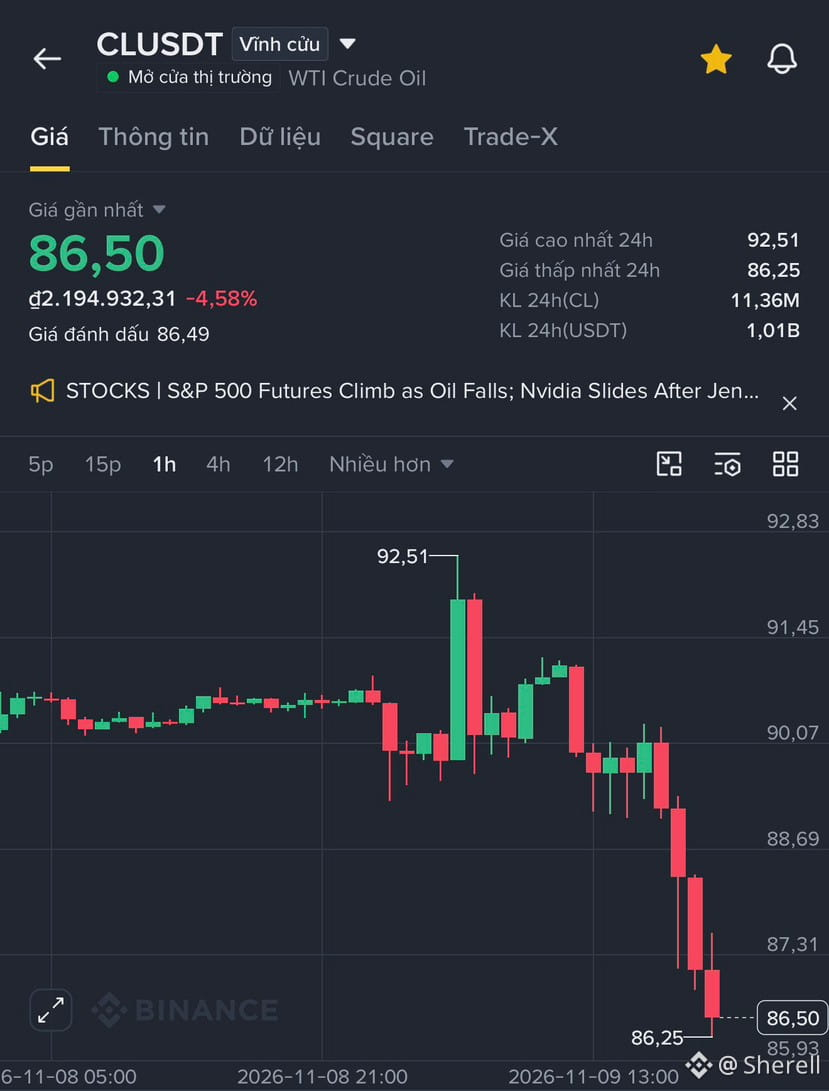
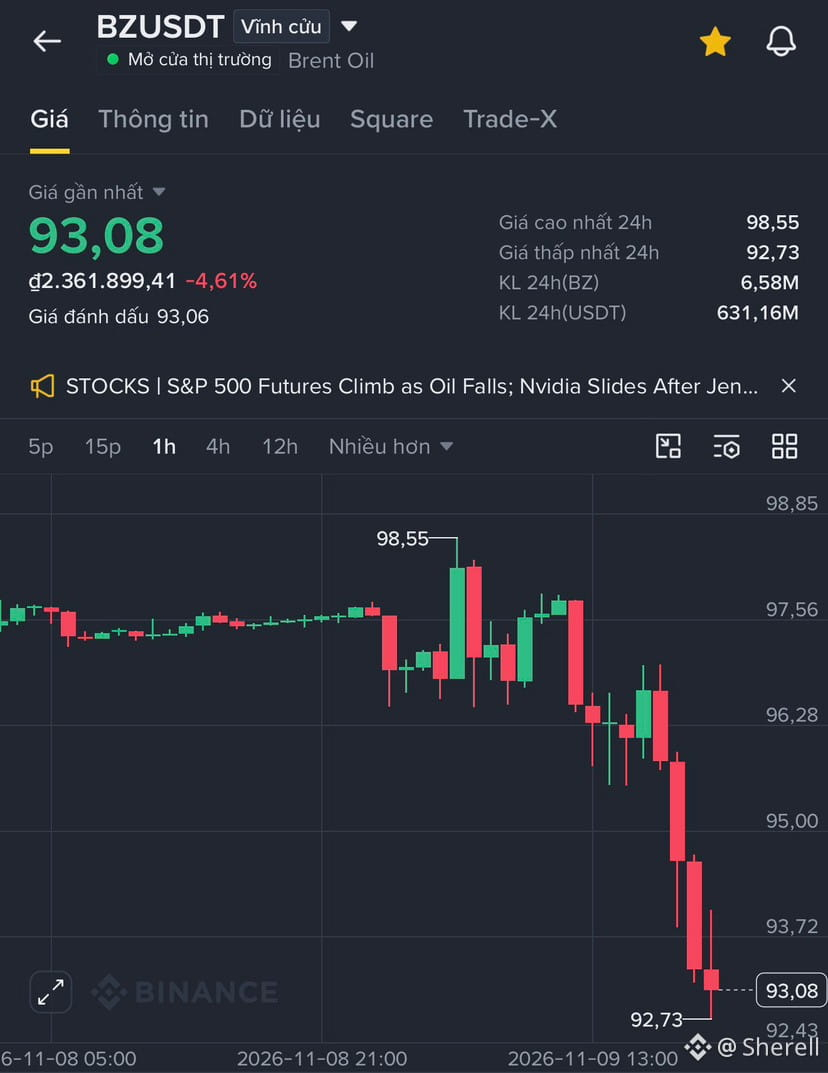
🆘BREAKING: Oil prices $CL plunge as the US and Iran consider an $8 billion deal to reopen the Strait of Hormuz.$BZ
🔥 Under the proposal:
1. The US releases $8 billion in frozen Iranian funds.
2. The US lifts its naval blockade of Iran.
3. Iran reopens the Strait of Hormuz.
4. Iran halts attacks on shipping in the Persian Gulf.
🔥 President Trump is expected to meet Qatar’s prime minister today to discuss the deal.
#OilMarket
7
2
892
·
--
$TRUMP
{future}(TRUMPUSDT)
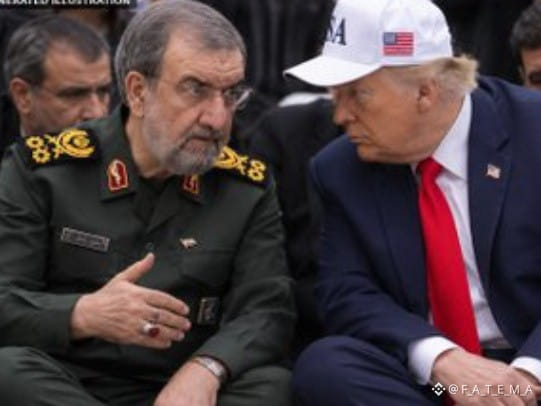
🇺🇸🇮🇷 Trump's war with Iran may end up accelerating the global shift away from oil and gas.
Not because governments suddenly care more about climate change, but because they're tired of depending on energy supplies that can be disrupted by a war.
🇪🇬 Egypt has moved its 45% renewable electricity target forward by 7 YEARS.
🇰🇷 South Korea is speeding up its plans, while solar equipment imports have surged across parts of Africa and Southeast Asia.
And according to the International Energy Agency, renewables could generate 43% of the world's electricity by 2031.
A war that sent fossil fuel prices soaring is giving countries another reason to invest in alternatives.
For many governments, renewable energy is becoming less about climate politics and more about national security.
Source: Axios
#OilMarket #worldnews
$TRUMP
🇺🇸🇮🇷 Trump's war with Iran may end up accelerating the global shift away from oil and gas.
Not because governments suddenly care more about climate change, but because they're tired of depending on energy supplies that can be disrupted by a war.
🇪🇬 Egypt has moved its 45% renewable electricity target forward by 7 YEARS.
🇰🇷 South Korea is speeding up its plans, while solar equipment imports have surged across parts of Africa and Southeast Asia.
And according to the International Energy Agency, renewables could generate 43% of the world's electricity by 2031.
A war that sent fossil fuel prices soaring is giving countries another reason to invest in alternatives.
For many governments, renewable energy is becoming less about climate politics and more about national security.
Source: Axios
#OilMarket #worldnews
330

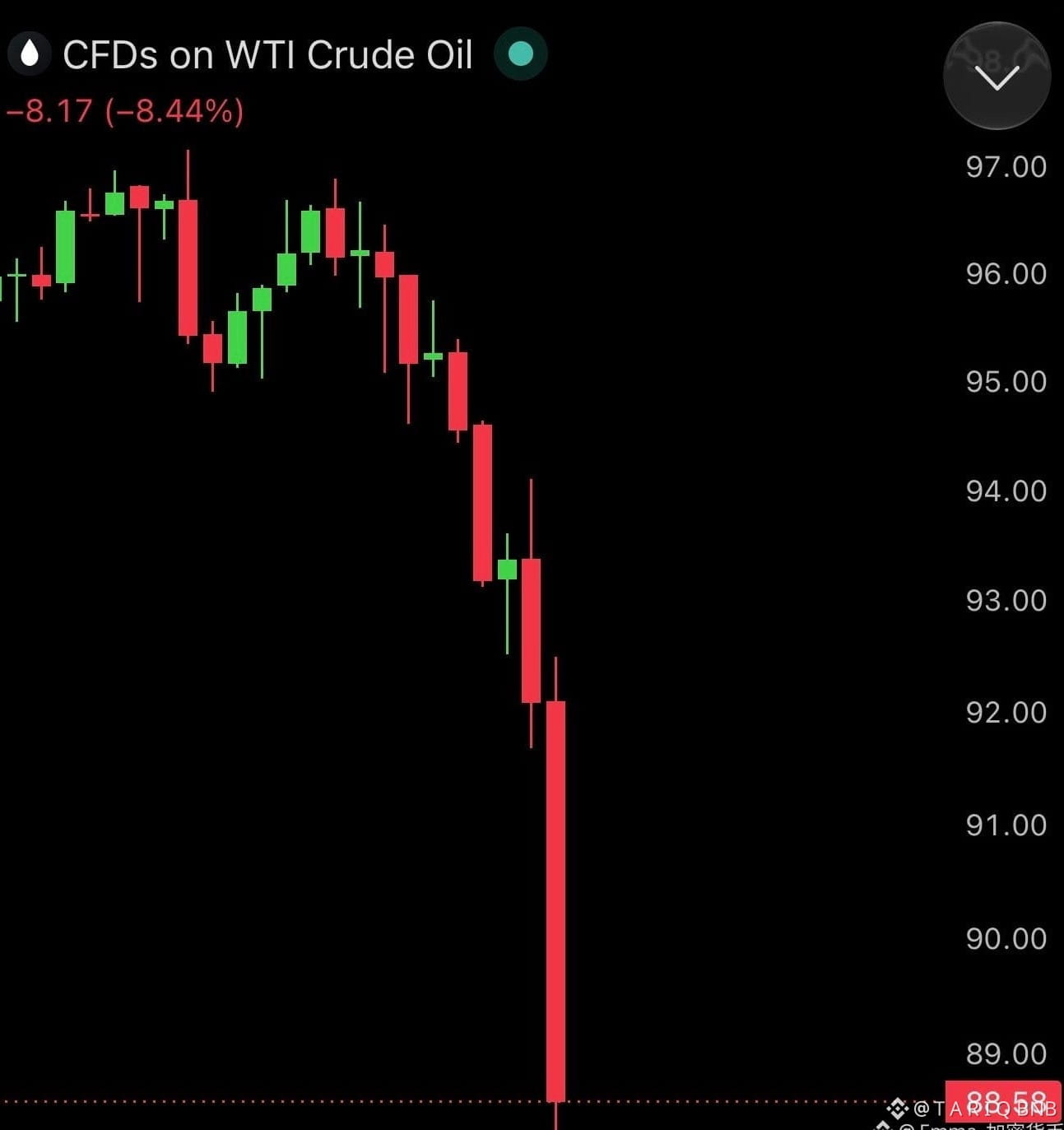
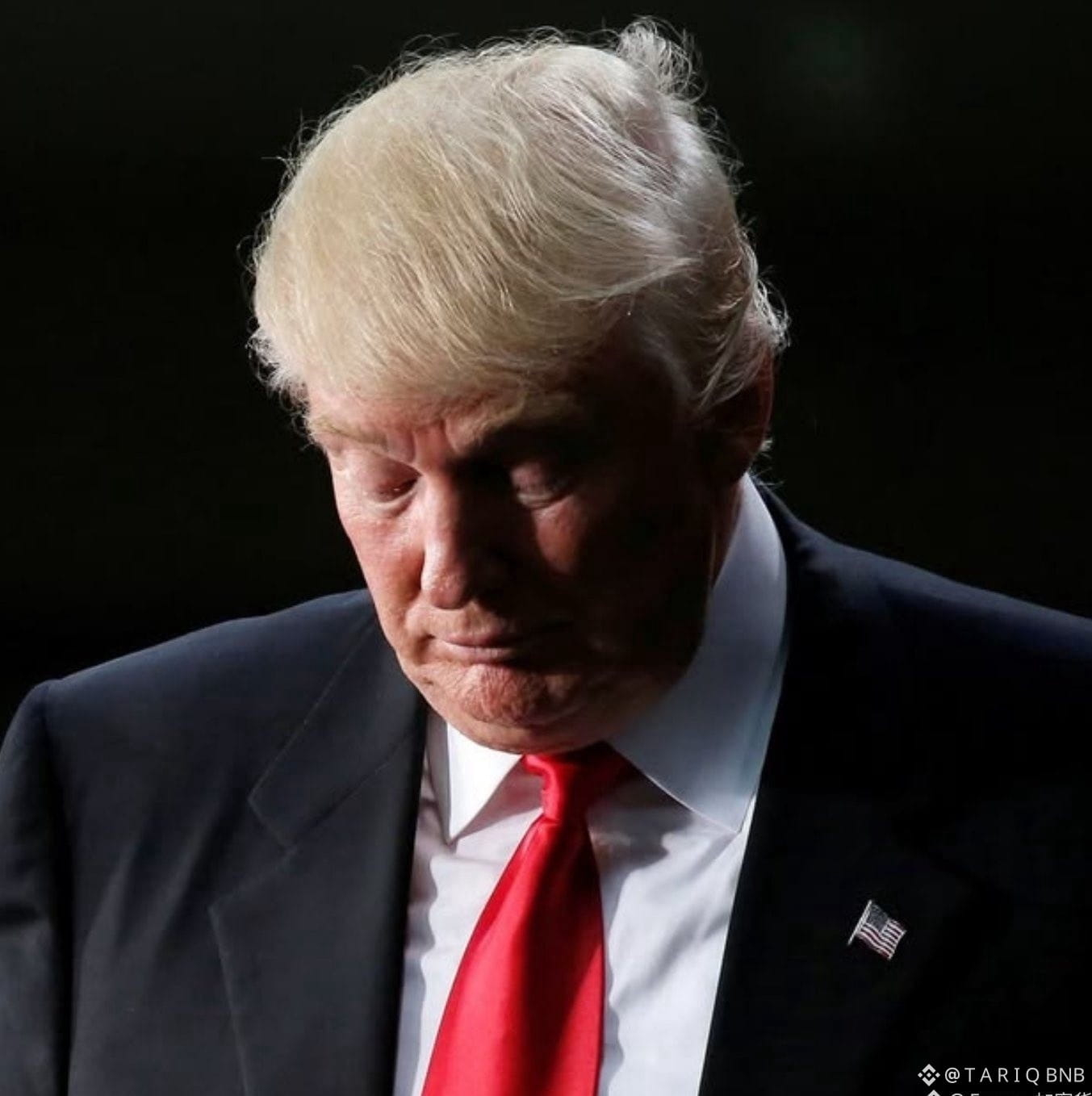
🚨CRASH Crude oil prices plunged 8% following the midterm elections as market sentiment shifted toward peace. Traded under the ticker $CL , oil fell sharply after Democratic leader Chuck Schumer announced plans to end the war with Iran, prompting investors to price out conflict-related risk premiums.$CL
{future}(CLUSDT)
$BZ
{future}(BZUSDT)
#USMidterms-WhatAreMarketsExpecting? #BinanceIncidentReport #OilMarket
🚨CRASH Crude oil prices plunged 8% following the midterm elections as market sentiment shifted toward peace. Traded under the ticker $CL , oil fell sharply after Democratic leader Chuck Schumer announced plans to end the war with Iran, prompting investors to price out conflict-related risk premiums.$CL
$BZ
#USMidterms-WhatAreMarketsExpecting? #BinanceIncidentReport #OilMarket
$BZ
#USMidterms-WhatAreMarketsExpecting? #BinanceIncidentReport #OilMarket
1
67
·
--
Verified
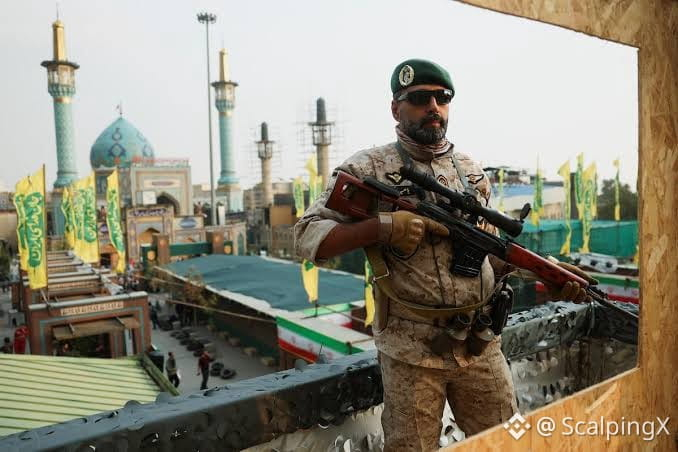
IRGC statement adds uncertainty to oil shipments through Hormuz
🛢 Iran’s IRGC said on November 4 that four oil tankers struck mines and remained ablaze on a route south of Hormuz it described as “prohibited.” It also claimed to have seized two other vessels.
🔎 Initial reports did not identify the ships, cargo volumes or casualties. The damage and cause of the incidents have not been independently verified.
🚢 For energy markets, the key concern is potential disruption to shipping through the strait. Confirmation could heighten concerns over maritime safety.
📈 The statement could add a geopolitical risk premium to oil prices. Any sustained reaction would depend on the actual impact on supply flows.
📌 Vessel identities and updates from UKMTO and shipowners will help establish whether the reported incidents have disrupted transit.
#OilMarket $CL $BZ
538

·
--
Verified
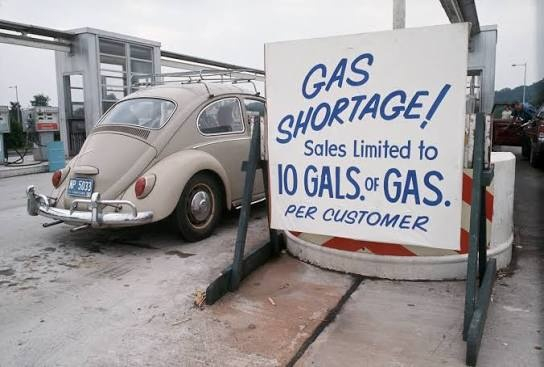
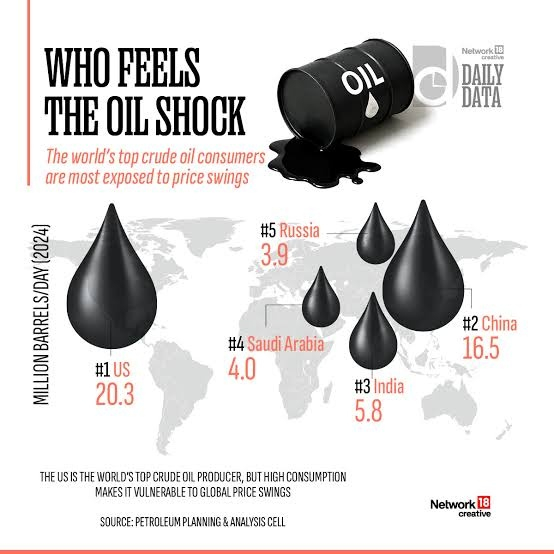
The oil market is being pulled in different directions right now.
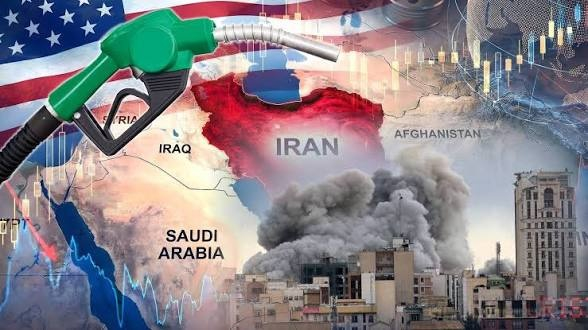
Middle East tensions, disruptions in the Strait of Hormuz and threats to oil shipping routes are putting pressure on global supply.
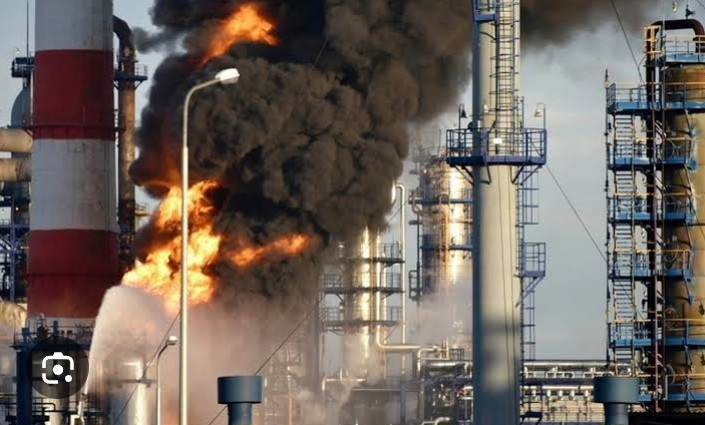
At the same time, Russia and Ukraine continue attacking energy infrastructure. Ukraine has just hit a major Russian oil refinery in Yaroslavl, while Russia has launched another massive attack on Ukrainian energy facilities. New US mediated peace talks are scheduled for November 10–11.
We can already see the difference between the two main crude benchmarks: $CL is around $96, while Brent $BZ is around $104.
{future}(CLUSDT)
{future}(BZUSDT)
If tensions escalate and supply disruptions continue, oil prices could rise further.
But successful peace negotiations with Iran or Russia could ease supply concerns and push prices down. That being said,
my hope for peacefull negotiations is not much high. From what we seen so far the oil is used as a weapon to hold over regular users heads. The prices of oil affect living costs of people across the world, so it's not that hard to believe they re manipulated through politics.
Also what catches my attention is that this events escalated highly at the time of the US elections... So is it just coincidence or crafted scenario still remains to be seen...
Oil remains highly sensitive to geopolitics. With several conflicts affecting production, infrastructure and shipping, volatility is likely to remain high.
#OilMarket #RussiaUkraineWar
The oil market is being pulled in different directions right now.
Middle East tensions, disruptions in the Strait of Hormuz and threats to oil shipping routes are putting pressure on global supply.
At the same time, Russia and Ukraine continue attacking energy infrastructure. Ukraine has just hit a major Russian oil refinery in Yaroslavl, while Russia has launched another massive attack on Ukrainian energy facilities. New US mediated peace talks are scheduled for November 10–11.
We can already see the difference between the two main crude benchmarks: $CL is around $96, while Brent $BZ is around $104.
If tensions escalate and supply disruptions continue, oil prices could rise further.
But successful peace negotiations with Iran or Russia could ease supply concerns and push prices down. That being said,
my hope for peacefull negotiations is not much high. From what we seen so far the oil is used as a weapon to hold over regular users heads. The prices of oil affect living costs of people across the world, so it's not that hard to believe they re manipulated through politics.
Also what catches my attention is that this events escalated highly at the time of the US elections... So is it just coincidence or crafted scenario still remains to be seen...
Oil remains highly sensitive to geopolitics. With several conflicts affecting production, infrastructure and shipping, volatility is likely to remain high.
#OilMarket #RussiaUkraineWar
3
3
2.2k

·
--
Verified
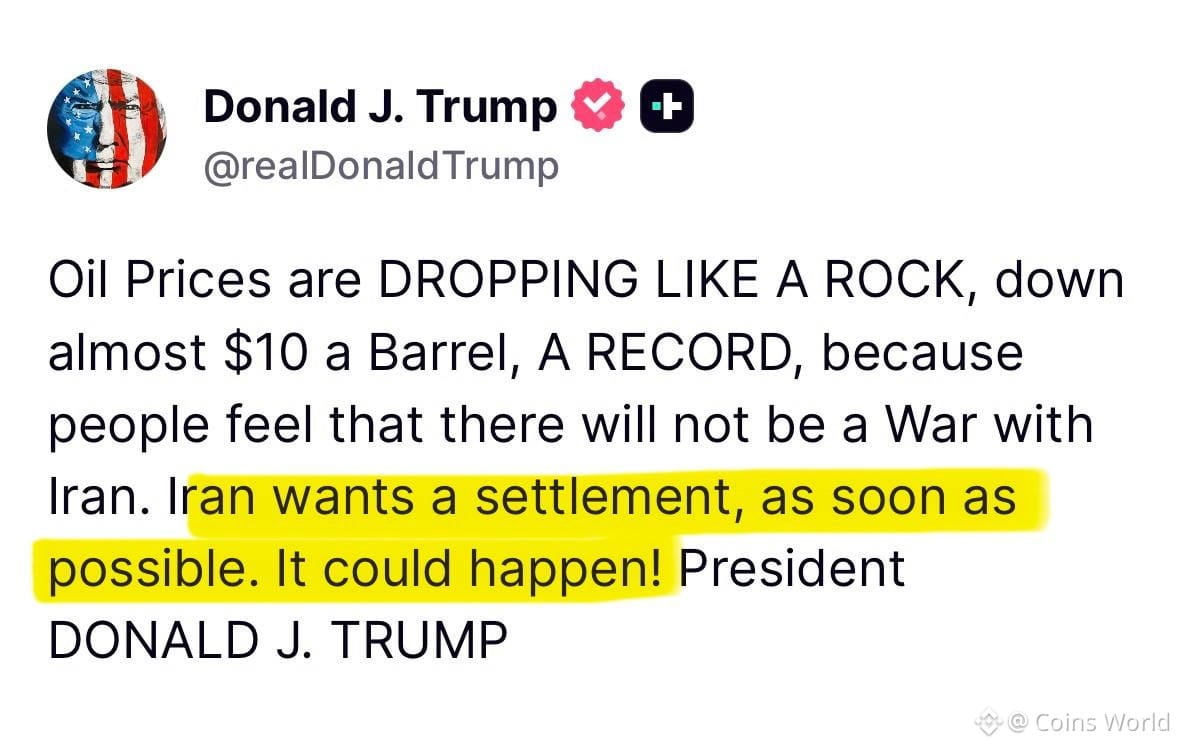
⚡BREAKING: 🇺🇸 President Trump says oil prices are ‘dropping like a rock’ as people believe there will be no war.
He says a settlement ‘could happen’.
$CL $BZ
#OilMarket
⚡BREAKING: 🇺🇸 President Trump says oil prices are ‘dropping like a rock’ as people believe there will be no war.
He says a settlement ‘could happen’.
$CL $BZ
#OilMarket
He says a settlement ‘could happen’.
$CL $BZ
#OilMarket
3
1.5k

Verified
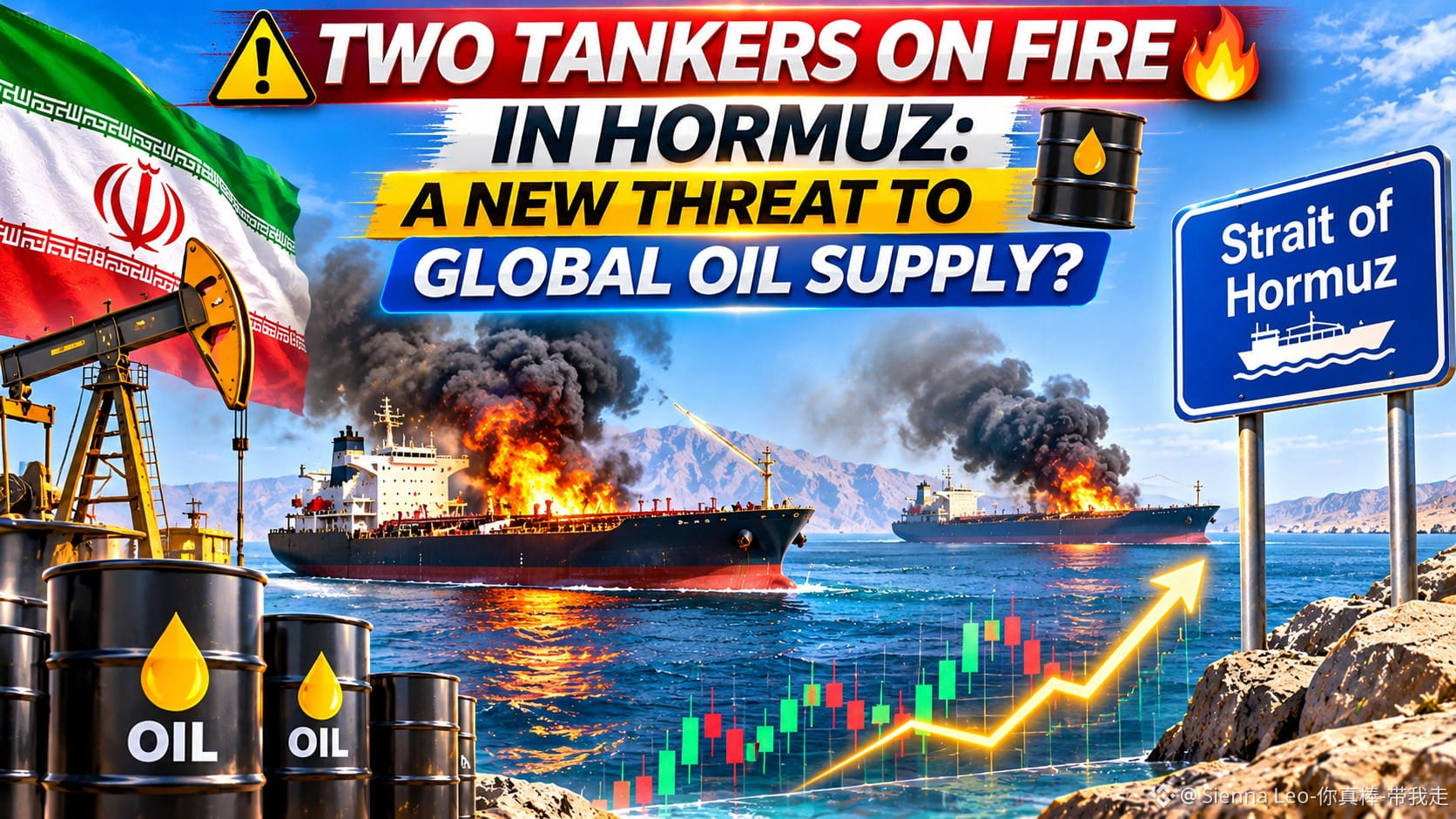
🚨🌊 TWO TANKERS ON FIRE IN HORMUZ: Is Global Oil Supply Facing a New Shock? 🛢️🔥
When flames appear on the world's most sensitive shipping route, the consequences can travel far beyond the coastline.
Iran's Islamic Revolutionary Guard Corps (IRGC) Navy claims that two oil tankers exploded after striking mines while travelling through what Tehran described as an unauthorized route in the Strait of Hormuz.
The report, carried by Iranian state media and reported by Reuters on November 1, has not yet established independent confirmation of the exact circumstances.
Why does this matter? Hormuz is a critical passage for international oil and LNG shipments. Any disruption can threaten tanker movements, raise shipping insurance costs and create uncertainty around energy deliveries.
The biggest market risk isn't necessarily an immediate shortage. It is the possibility that shipping companies become reluctant to operate in the area, slowing deliveries even before physical supply is lost.
MY TAKE: Watch the difference between actual supply disruption and geopolitical fear.
A temporary security incident can create a risk premium in oil prices. But sustained disruption, restricted vessel traffic and repeated attacks would present a much more serious challenge for global energy markets.
Oil doesn't need to disappear for the world to feel its absence.
Will this incident trigger another oil price shock, or can diplomacy prevent a wider shipping crisis?
Disclaimer: For educational purposes only. Not financial advice.
#OilMarket #StraitOfHormuz #GrowWithSAC $HAEDAL $GPS $1000SATS
3
1.2k

·
--
Bearish
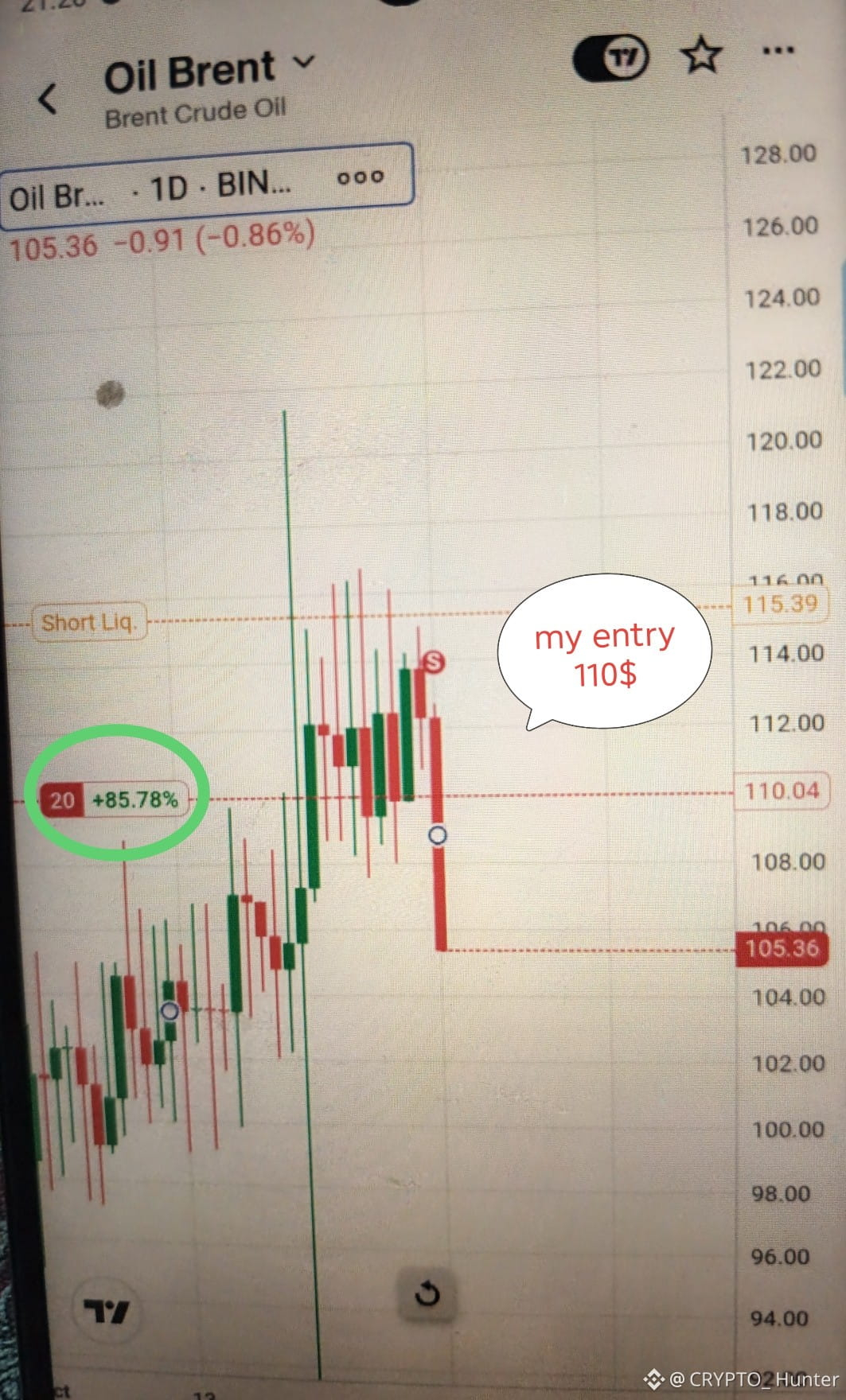
#OilMarket __ Crased 🚨🚨
85$ profit From 🛢️oil Brent sell/ short trade
crypto is very risky and I'm ranging form
so I opened short trade in oil Brent and got awesome profit , you should wisely invest your money at crypto forex and stock dono miss the opportunity understand market conditions
#OilPrice #crashthemarket
85$ profit From 🛢️oil Brent sell/ short trade
crypto is very risky and I'm ranging form
so I opened short trade in oil Brent and got awesome profit , you should wisely invest your money at crypto forex and stock dono miss the opportunity understand market conditions
#OilPrice #crashthemarket
737
·
--
Bullish
Verified
Oil prices fall at the start of the week as Iran talks continue
🛢️ Brent fell 1.40% to $111.84 a barrel and WTI dropped 1.50% to $102.56 in early Asian trading on November 2, based on prices at 00:11 UTC.
🤝 Iran and Qatar entered a third day of talks aimed at advancing a deal to end the war. Diplomatic hopes and the absence of major military escalation over the weekend eased immediate concerns.
🚢 However, attacks on tankers in the Strait of Hormuz continue to strain shipping and supply. OPEC+ kept December production targets unchanged, while export disruptions remain unresolved.
⚖️ The pullback following last week’s gains is insufficient to confirm a trend reversal. A sustained easing in prices would require tangible progress in negotiations and shipping security.
🗳️ The November 3 US midterm elections remain a key event to watch. Statements on Iran and developments around Hormuz could keep oil prices volatile.
#OilMarket $CL $BZ
541

·
--
OIL DOES NOT WAIT FOR THE HESITANT
Oil does not wait for the hesitant
*Suggested platform text (with disclaimer):*
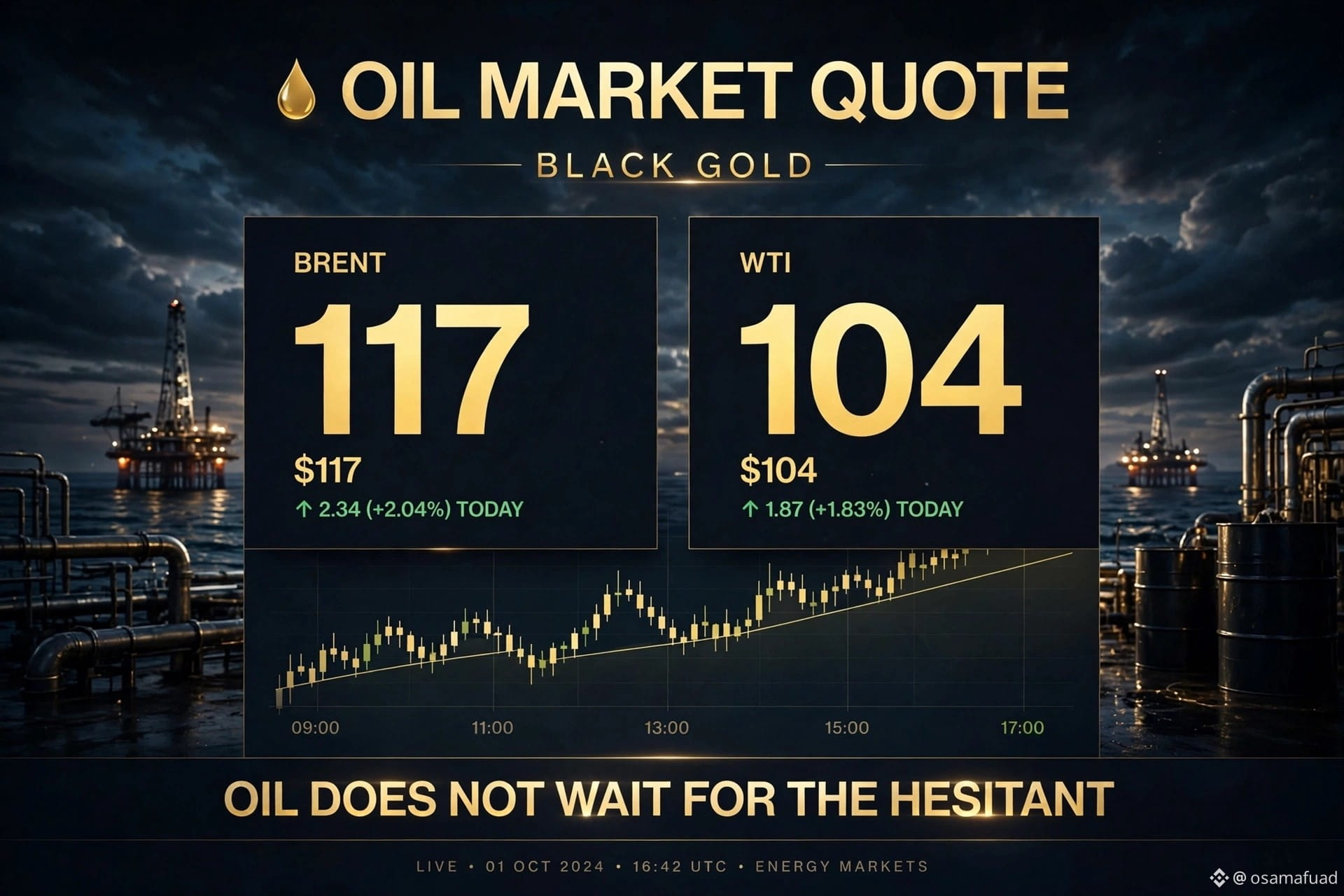
🛢️ OIL MARKET TODAY - November 1 🛢️
BLACK GOLD IS ON FIRE 🔥
Brent: $117.64 (+2.4%) - Highest close since April
WTI: $104.12 (+2.08%)
Reasons according to Reuters today:
- U.S.-Iran tensions and risks in the Strait of Hormuz
- OPEC+ keeps production unchanged for December
- Up 13.6% for the full month of October
The saying:
"OIL DOES NOT WAIT FOR THE HESITANT"
Black gold does not wait for the hesitant.
Brent's next resistance is at $120, with support at $110-112
⚠️ This is an educational analysis of market movements only, not a buy/sell recommendation. Oil trading is high-risk; study the market carefully.
#oil #Brent #WTI energy_markets #OilMarket
106
·
--
Bullish
Verified
Hormuz tanker attack highlights risks to oil shipping
🚢 According to UKMTO, a small boat approached a vessel and attached explosives to its hull, causing an engine-room fire. The blaze was extinguished, the crew remained safe, and the vessel resumed its voyage.
⚠️ The IRGC also claimed several tankers suffered incidents along the southern Hormuz route. The number of vessels and extent of damage have yet to be fully independently verified.
🛢️ Further attacks could sustain oil’s risk premium and raise insurance and freight costs. However, one contained fire alone does not establish a major supply disruption.
🕊️ The incident comes as mediation efforts continue. Actual shipping flows, confirmation of other incidents and progress in talks will help determine how persistent these risks become.
#OilMarket $CL $BZ $NATGAS

623

·
--
Partly True
Oil Dips as US-Iran Diplomacy Talks Resume
Brent slips to $114.8 as hopes for renewed US-Iran talks offset Middle East supply fears.
Market watching two things:
Strait of Hormuz shipping routes
Next diplomatic draft from Qatari mediators
Volatility in oil often spills over to crypto Risk management first
Source: Dawn / Reuters today
#OilMarket #Geopolitics #CryptoMarket

1
734

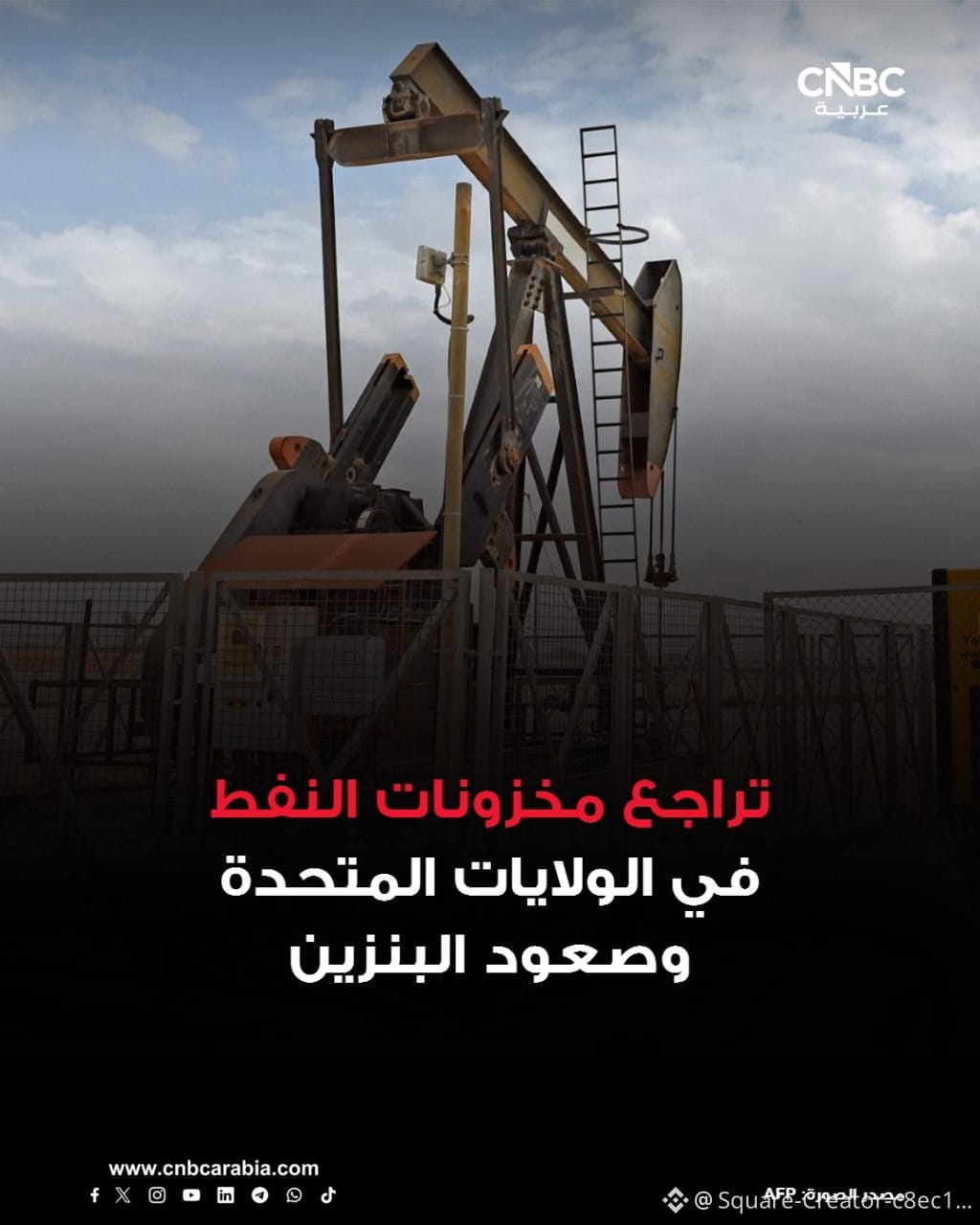
As usual, with winter approaching, a rise in all oil, gas, and gasoline prices is very much expected, especially during wars. But this year, it seems the increase will be significant#OilMarket
As usual, with winter approaching, a rise in all oil, gas, and gasoline prices is very much expected, especially during wars. But this year, it seems the increase will be significant#OilMarket
202
Log in to explore more content
Join global crypto users on Binance Square
⚡️ Get latest and useful information about crypto.
💬 Trusted by the world’s largest crypto exchange.
👍 Discover real insights from verified creators.
Email / Phone number
Trending Topics
1
#IsAnthropic’s$1.5TMarketCapJustified?
11,732 views
97 Discussing
2
#BTCRemainsUnderPressureAfterHawkishFOMCMinutes
253,730 views
2,119 Discussing
3
#NvidiaBoardReportedlySplitOverHuang’sReturn
123,695 views
1,145 Discussing
4
#StrategySTRCPreferredSlips3.65%Below$100Par
8,314 views
80 Discussing
5
#MASToUpgradeSGDTestnetToSGDigitalLedger
23,286 views
271 Discussing
6
#CanGTA6'sLaunchLiftTTWOShares?
89,405 views
829 Discussing
7
#Solana2027RoadmapTargetsDoubleComputeCapacity
10,141 views
142 Discussing
8
#InjectiveTokenizedRealEstateMortgagesTop$1.5B
1,213 views
29 Discussing
9
#TetherMakesStrategicInvestmentInSCRYPT
7,306 views
113 Discussing
10
#CapitalGroupAdds1264500StrategyShares
32,693 views
244 Discussing