
#usdd
usdd
209,233 views
1,631 Discussing
Hot
Latest

USDD: Why a decentralized stablecoin still beats banks on financial freedom
- Traditional banks are racing to build stablecoins, but USDD (a decentralized stablecoin protocol) argues that the crypto-native model still comes out ahead in five ways.
- Permissionless access: all you need is a phone and internet access to create a wallet and start using it—no paperwork, minimum balance, or approval wait.
- 24/7 global payments: blockchains don’t take weekends or holidays off; banks still have business hours and weekend cutoffs, and cross-border transfers can take days.
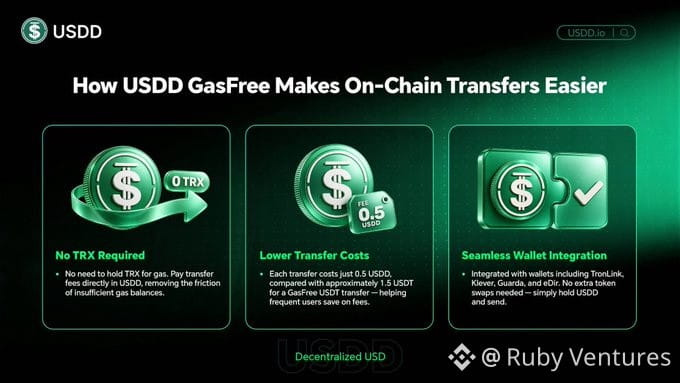
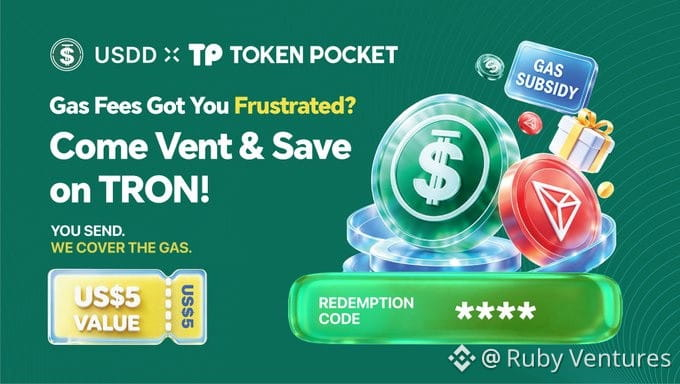
- GasFree integration on TRON: pay network fees directly in USDD without holding TRX. Fees are around 0.5 USDD per transaction, compared with around 1.5 USDT for a standard USDT transaction under the stated fee conditions.
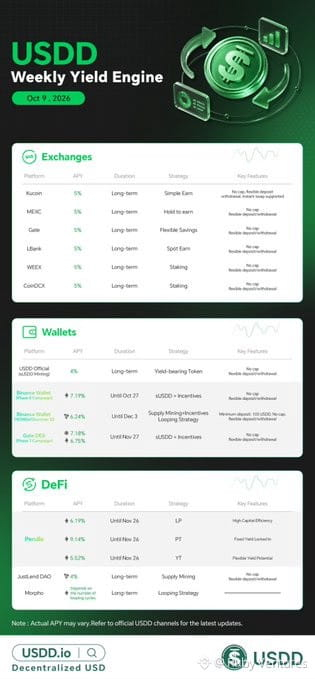
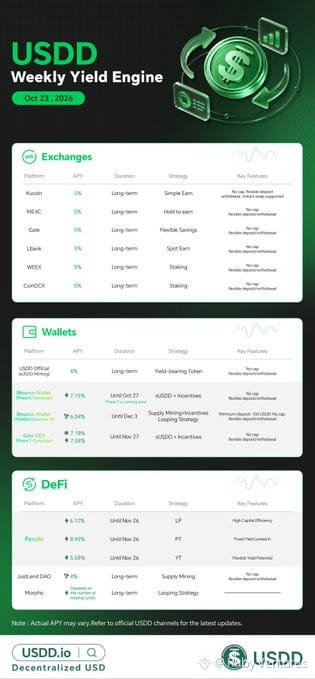
- Yield returned to users: with USDD Earn, deposit USDD to receive sUSDD, with yield generated automatically through Smart Allocator and no fixed lock-up; banks keep most of the spread.
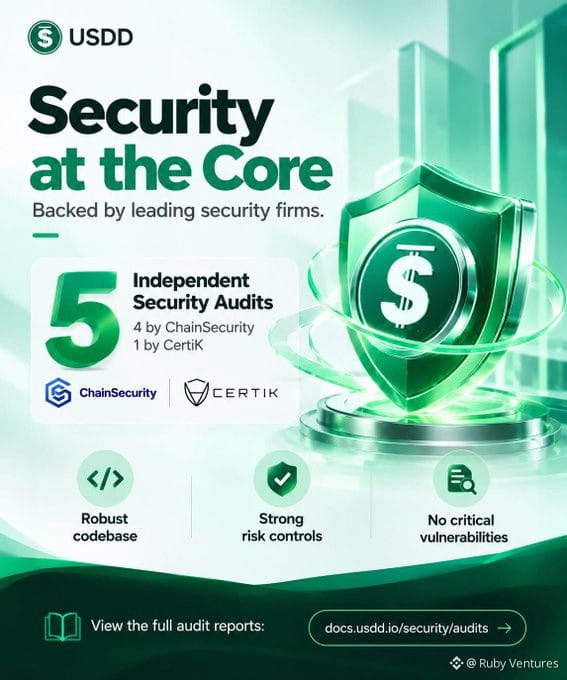
- Onchain transparency: smart contract addresses, collateral reserves, and Smart Allocator allocations are public; quarterly Treasury reports and third-party security audits are available. The ethos: “Don’t trust, verify.”
- Multichain: following a protocol upgrade in January 2025, USDD expanded natively from TRON to Ethereum and BNB Chain; sUSDD is integrated with DeFi protocols including Pendle and Morpho.
- Key remarks from Yvonne Chia (Head of Communications, USDD) in an interview with ChangeNOW: stablecoins are not just becoming banks—they surpass traditional banks in some respects.
- Context: announced on November 20 in Road Town, Tortola, British Virgin Islands. The RSS source provides no additional TVL figures, prices, or forecasts.
#BinanceSquare #CryptoNews #USDD #TRX #USDT Stablecoin DeFi TRON ETH BNB
$usdd $trx $usdt
vlikevn Titanbot
Source: NewsBTC
159

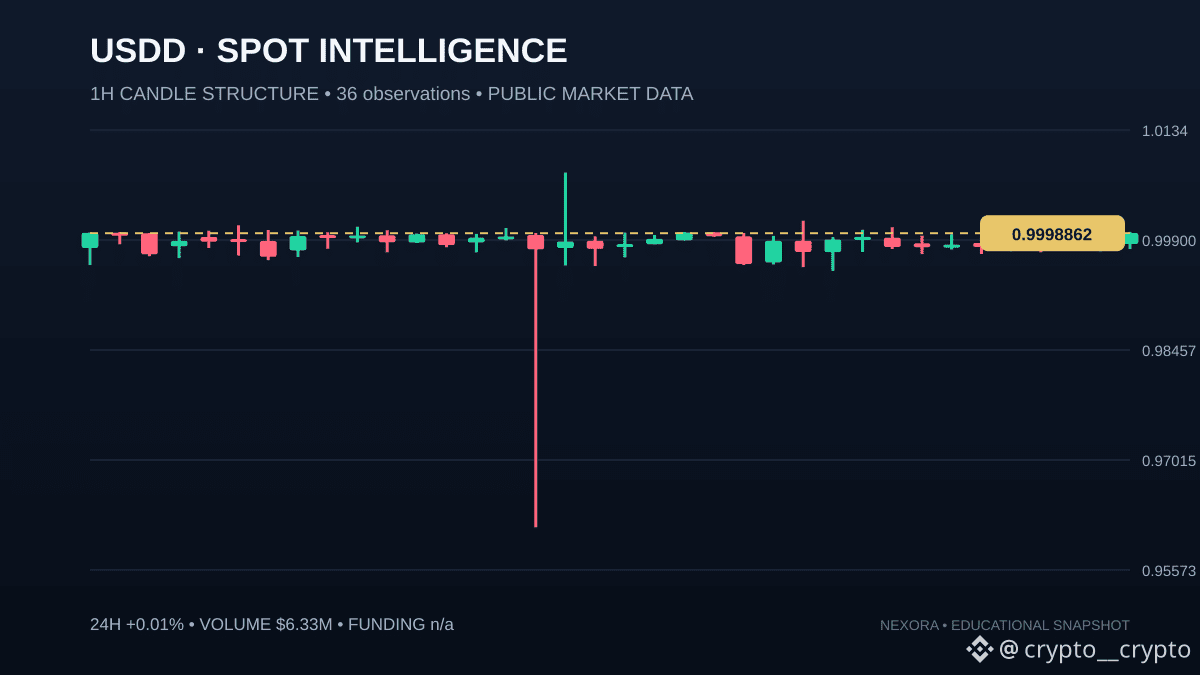
NEXORA // THE STRUCTURE CHECK
━━━━━━━━━━━━━━━━━━━━
USDD / USDD • SPOT MARKET
PRICE $0.99884554
24H MOVE +0.01%
24H VOLUME $6.33M
MARKET CAP $1.44B
MARKET RANK #47
LATEST DAILY RANGE 0.23%
A single percentage change is not a complete market read. Compare the latest daily candle with the broader sequence.
CHART READ: The latest daily close is above the first candle's open across the displayed sample. This is historical context, not a forecast.
DATA: CoinMarketCap market snapshot + CoinLore daily OHLCV. Captured 18 Nov 2026, 05:44 IST.
Research snapshot only — not a trade signal or financial advice.
#NEXORA #CryptoMarket #USDD
4


𝗧𝗵𝗲 𝗕𝗶𝗻𝗮𝗻𝗰𝗲 𝗪𝗮𝗹𝗹𝗲𝘁 𝗘𝗰𝗼𝘀𝘆𝘀𝘁𝗲𝗺 𝗣𝗮𝗿𝘁𝗻𝗲𝗿𝘀𝗵𝗶𝗽: 𝗔 𝗣𝗿𝗼𝘃𝗲𝗻 𝗝𝗼𝘂𝗿𝗻𝗲𝘆
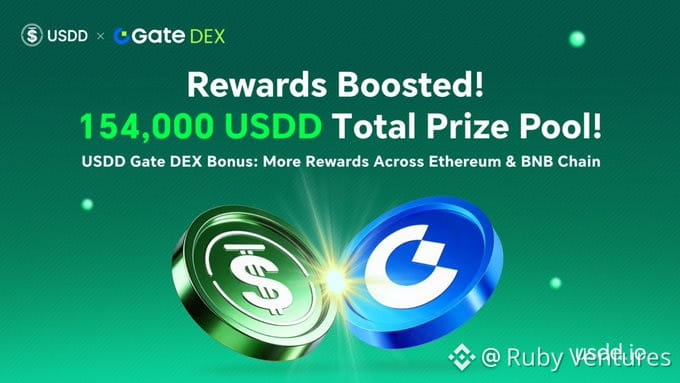
Following extended months of incredible momentum and widespread adoption with Binance Wallet, USDD continues to expand its reach.
Our ongoing campaigns bring deeper utility, massive rewards, and an unshakeable commitment to decentralized excellence.
Join millions experiencing the next evolution of digital finance today.
𝗚𝗲𝘁𝘁𝗶𝗻𝗴 𝗦𝘁𝗮𝗿𝘁𝗲𝗱
Connect your Binance Wallet securely to https://app.usdd.io.
Participate in active reward campaigns with substantial prize pools.
Claim your share of continuous community distributions.
𝗪𝗵𝘆 𝗗𝗲𝗰𝗲𝗻𝘁𝗿𝗮𝗹𝗶𝘇𝗲𝗱𝗨𝗦𝗗 𝗠𝗮𝘁𝘁𝗲𝗿𝘀
- Built on a battle-tested foundation of strong continuous performance.
- Secured by transparent over-collateralized reserves and rigorous audits.
- Offers zero-cap earning structures and seamless 1:1 asset swaps.
- Driven by continuous collaboration with top industry leaders.
𝗧𝗵𝗲 𝗕𝗶𝗴𝗴𝗲𝗿 𝗣𝗶𝗰𝘁𝘂𝗿𝗲
Strong partnerships foster sustainable industry growth and deliver exceptional value.
Be part of a thriving, validated decentralized economy.
@usddio @BinanceWallet @JustinSun #TRONEcoStar #USDD
𝗧𝗵𝗲 𝗕𝗶𝗻𝗮𝗻𝗰𝗲 𝗪𝗮𝗹𝗹𝗲𝘁 𝗘𝗰𝗼𝘀𝘆𝘀𝘁𝗲𝗺 𝗣𝗮𝗿𝘁𝗻𝗲𝗿𝘀𝗵𝗶𝗽: 𝗔 𝗣𝗿𝗼𝘃𝗲𝗻 𝗝𝗼𝘂𝗿𝗻𝗲𝘆
Following extended months of incredible momentum and widespread adoption with Binance Wallet, USDD continues to expand its reach.
Our ongoing campaigns bring deeper utility, massive rewards, and an unshakeable commitment to decentralized excellence.
Join millions experiencing the next evolution of digital finance today.
𝗚𝗲𝘁𝘁𝗶𝗻𝗴 𝗦𝘁𝗮𝗿𝘁𝗲𝗱
Connect your Binance Wallet securely to https://app.usdd.io.
Participate in active reward campaigns with substantial prize pools.
Claim your share of continuous community distributions.
𝗪𝗵𝘆 𝗗𝗲𝗰𝗲𝗻𝘁𝗿𝗮𝗹𝗶𝘇𝗲𝗱𝗨𝗦𝗗 𝗠𝗮𝘁𝘁𝗲𝗿𝘀
- Built on a battle-tested foundation of strong continuous performance.
- Secured by transparent over-collateralized reserves and rigorous audits.
- Offers zero-cap earning structures and seamless 1:1 asset swaps.
- Driven by continuous collaboration with top industry leaders.
𝗧𝗵𝗲 𝗕𝗶𝗴𝗴𝗲𝗿 𝗣𝗶𝗰𝘁𝘂𝗿𝗲
Strong partnerships foster sustainable industry growth and deliver exceptional value.
Be part of a thriving, validated decentralized economy.
@USDD - Decentralized USD @Binance Wallet @Justin Sun孙宇晨 #TRONEcoStar #USDD

5
𝗧𝗵𝗲 𝗨𝗻𝗰𝗼𝗻𝘀𝘁𝗿𝗮𝗶𝗻𝗲𝗱 𝗟𝗶𝗾𝘂𝗶𝗱𝗶𝘁𝘆 𝗣𝗿𝗼𝘁𝗼𝗰𝗼𝗹: 𝗙𝗿𝗲𝗲𝗱𝗼𝗺 𝘁𝗼 𝗠𝗼𝘃𝗲
Restrictive holding periods and arbitrary withdrawal caps trap your capital when fast-moving market opportunities demand agility.
USDD earning vaults feature absolute liquidity freedom with zero mandatory lock-ups or delayed exit queues.
Maintain complete control over your assets at every single moment.
𝗚𝗲𝘁𝘁𝗶𝗻𝗴 𝗦𝘁𝗮𝗿𝘁𝗲𝗱
Access fully liquid earning vaults directly at https://app.usdd.io.
Deposit stablecoins into strategies built for instant maneuverability.
Enjoy total freedom to withdraw, swap, or reallocate at any second.
𝗪𝗵𝘆 𝗗𝗲𝗰𝗲𝗻𝘁𝗿𝗮𝗹𝗶𝘇𝗲𝗱𝗨𝗦𝗗 𝗠𝗮𝘁𝘁𝗲𝗿𝘀
- Zero lock-up restrictions guaranteeing instant access to your funds.
- Backed by robust over-collateralized reserves ensuring 24/7 redeemability.
- Tailored for active strategists who refuse to have their hands tied.
- Seamlessly integrated with top ecosystem reward and utility campaigns.
𝗧𝗵𝗲 𝗕𝗶𝗴𝗴𝗲𝗿 𝗣𝗶𝗰𝘁𝘂𝗿𝗲
True agility ensures you can capture emerging trends the second they appear.
Stay liquid, stay flexible, and stay ahead of the market.
@usddio @BinanceWallet @JustinSun #TRONEcoStar #USDD
𝗧𝗵𝗲 𝗨𝗻𝗰𝗼𝗻𝘀𝘁𝗿𝗮𝗶𝗻𝗲𝗱 𝗟𝗶𝗾𝘂𝗶𝗱𝗶𝘁𝘆 𝗣𝗿𝗼𝘁𝗼𝗰𝗼𝗹: 𝗙𝗿𝗲𝗲𝗱𝗼𝗺 𝘁𝗼 𝗠𝗼𝘃𝗲
Restrictive holding periods and arbitrary withdrawal caps trap your capital when fast-moving market opportunities demand agility.
USDD earning vaults feature absolute liquidity freedom with zero mandatory lock-ups or delayed exit queues.
Maintain complete control over your assets at every single moment.
𝗚𝗲𝘁𝘁𝗶𝗻𝗴 𝗦𝘁𝗮𝗿𝘁𝗲𝗱
Access fully liquid earning vaults directly at https://app.usdd.io.
Deposit stablecoins into strategies built for instant maneuverability.
Enjoy total freedom to withdraw, swap, or reallocate at any second.
𝗪𝗵𝘆 𝗗𝗲𝗰𝗲𝗻𝘁𝗿𝗮𝗹𝗶𝘇𝗲𝗱𝗨𝗦𝗗 𝗠𝗮𝘁𝘁𝗲𝗿𝘀
- Zero lock-up restrictions guaranteeing instant access to your funds.
- Backed by robust over-collateralized reserves ensuring 24/7 redeemability.
- Tailored for active strategists who refuse to have their hands tied.
- Seamlessly integrated with top ecosystem reward and utility campaigns.
𝗧𝗵𝗲 𝗕𝗶𝗴𝗴𝗲𝗿 𝗣𝗶𝗰𝘁𝘂𝗿𝗲
True agility ensures you can capture emerging trends the second they appear.
Stay liquid, stay flexible, and stay ahead of the market.
@USDD - Decentralized USD @Binance Wallet @Justin Sun孙宇晨 #TRONEcoStar #USDD
3
𝗧𝗵𝗲 𝗥𝗶𝘀𝗸-𝗔𝗱𝗷𝘂𝘀𝘁𝗲𝗱 𝗦𝗮𝗳𝗲𝘁𝘆 𝗚𝗿𝗶𝗱: 𝗦𝗵𝗶𝗲𝗹𝗱𝗶𝗻𝗴 𝗬𝗼𝘂𝗿 𝗣𝗼𝗿𝘁𝗳𝗼𝗹𝗶𝗼
Chasing high returns without proper risk management often leads to catastrophic losses during unexpected market downturns.
DecentralizeUSD integrates a multi-layered safety grid designed to insulate your capital from extreme volatility and protocol shocks.
Grow your portfolio securely inside a fortress of sound engineering.
𝗚𝗲𝘁𝘁𝗶𝗻𝗴 𝗦𝘁𝗮𝗿𝘁𝗲𝗱
1️⃣
Review our comprehensive risk management framework at https://app.usdd.io
.
2️⃣
Mint USDD to establish a reliable, protected baseline for your holdings.
3️⃣
Follow our regular security updates tracking safety metrics and audits.
𝗪𝗵𝘆 𝗗𝗲𝗰𝗲𝗻𝘁𝗿𝗮𝗹𝗶𝘇𝗲𝗱𝗨𝗦𝗗 𝗠𝗮𝘁𝘁𝗲𝗿𝘀
- Multi-layered defense mechanisms neutralizing sudden market anomalies.
- Secured by heavy over-collateralization buffers ensuring structural integrity.
- Eliminates single points of failure through resilient decentralized design.
- Designed to provide absolute peace of mind during turbulent cycles.
𝗧𝗵𝗲 𝗕𝗶𝗴𝗴𝗲𝗿 𝗣𝗶𝗰𝘁𝘂𝗿𝗲
Defending your principal is just as important as generating new returns.
True financial longevity begins with uncompromising risk mitigation.
@usddio @BinanceWallet @JustinSun #TRONEcoStar #USDD
𝗧𝗵𝗲 𝗥𝗶𝘀𝗸-𝗔𝗱𝗷𝘂𝘀𝘁𝗲𝗱 𝗦𝗮𝗳𝗲𝘁𝘆 𝗚𝗿𝗶𝗱: 𝗦𝗵𝗶𝗲𝗹𝗱𝗶𝗻𝗴 𝗬𝗼𝘂𝗿 𝗣𝗼𝗿𝘁𝗳𝗼𝗹𝗶𝗼
Chasing high returns without proper risk management often leads to catastrophic losses during unexpected market downturns.
DecentralizeUSD integrates a multi-layered safety grid designed to insulate your capital from extreme volatility and protocol shocks.
Grow your portfolio securely inside a fortress of sound engineering.
𝗚𝗲𝘁𝘁𝗶𝗻𝗴 𝗦𝘁𝗮𝗿𝘁𝗲𝗱
1️⃣
Review our comprehensive risk management framework at https://app.usdd.io
.
2️⃣
Mint USDD to establish a reliable, protected baseline for your holdings.
3️⃣
Follow our regular security updates tracking safety metrics and audits.
𝗪𝗵𝘆 𝗗𝗲𝗰𝗲𝗻𝘁𝗿𝗮𝗹𝗶𝘇𝗲𝗱𝗨𝗦𝗗 𝗠𝗮𝘁𝘁𝗲𝗿𝘀
- Multi-layered defense mechanisms neutralizing sudden market anomalies.
- Secured by heavy over-collateralization buffers ensuring structural integrity.
- Eliminates single points of failure through resilient decentralized design.
- Designed to provide absolute peace of mind during turbulent cycles.
𝗧𝗵𝗲 𝗕𝗶𝗴𝗴𝗲𝗿 𝗣𝗶𝗰𝘁𝘂𝗿𝗲
Defending your principal is just as important as generating new returns.
True financial longevity begins with uncompromising risk mitigation.
@USDD - Decentralized USD @Binance Wallet @Justin Sun孙宇晨 #TRONEcoStar #USDD

7
𝗧𝗵𝗲 𝗬𝗶𝗲𝗹𝗱 𝗢𝗽𝘁𝗶𝗺𝗶𝘇𝗮𝘁𝗶𝗼𝗻 𝗠𝗮𝘁𝗿𝗶𝘅: 𝗠𝗮𝘅𝗶𝗺𝗶𝘇𝗶𝗻𝗴 𝗘𝗳𝗳𝗶𝗰𝗶𝗲𝗻𝗰𝘆
Letting stablecoins sit idle in a standard wallet means missing out on the compounding power of active decentralized finance.
DecentralizeUSD vaults utilize an advanced optimization matrix that routes your assets to the highest-performing verified strategies.
Put your digital capital to work intelligently around the clock.
𝗚𝗲𝘁𝘁𝗶𝗻𝗴 𝗦𝘁𝗮𝗿𝘁𝗲𝗱
1️⃣
Explore active earning strategies at https://app.usdd.io
.
2️⃣
Deposit USDD into optimized vaults to begin generating automated returns.
3️⃣
Track your daily yield accumulation through our streamlined interface.
𝗪𝗵𝘆 𝗗𝗲𝗰𝗲𝗻𝘁𝗿𝗮𝗹𝗶𝘇𝗲𝗱𝗨𝗦𝗗 𝗠𝗮𝘁𝘁𝗲𝗿𝘀
- Automatically routes funds to secure, high-yield earning opportunities.
- Fully flexible with zero mandatory lock-up periods or hidden penalties.
- Backed by robust over-collateralized reserves safeguarding your principal.
- Tailored for modern participants demanding hands-off wealth creation.
𝗧𝗵𝗲 𝗕𝗶𝗴𝗴𝗲𝗿 𝗣𝗶𝗰𝘁𝘂𝗿𝗲
Smart capital deployment turns passive holdings into active engines of prosperity.
Let precision algorithms compound your wealth while you sleep.
@usddio @BinanceWallet @JustinSun #TRONEcoStar #USDD
𝗧𝗵𝗲 𝗬𝗶𝗲𝗹𝗱 𝗢𝗽𝘁𝗶𝗺𝗶𝘇𝗮𝘁𝗶𝗼𝗻 𝗠𝗮𝘁𝗿𝗶𝘅: 𝗠𝗮𝘅𝗶𝗺𝗶𝘇𝗶𝗻𝗴 𝗘𝗳𝗳𝗶𝗰𝗶𝗲𝗻𝗰𝘆
Letting stablecoins sit idle in a standard wallet means missing out on the compounding power of active decentralized finance.
DecentralizeUSD vaults utilize an advanced optimization matrix that routes your assets to the highest-performing verified strategies.
Put your digital capital to work intelligently around the clock.
𝗚𝗲𝘁𝘁𝗶𝗻𝗴 𝗦𝘁𝗮𝗿𝘁𝗲𝗱
1️⃣
Explore active earning strategies at https://app.usdd.io
.
2️⃣
Deposit USDD into optimized vaults to begin generating automated returns.
3️⃣
Track your daily yield accumulation through our streamlined interface.
𝗪𝗵𝘆 𝗗𝗲𝗰𝗲𝗻𝘁𝗿𝗮𝗹𝗶𝘇𝗲𝗱𝗨𝗦𝗗 𝗠𝗮𝘁𝘁𝗲𝗿𝘀
- Automatically routes funds to secure, high-yield earning opportunities.
- Fully flexible with zero mandatory lock-up periods or hidden penalties.
- Backed by robust over-collateralized reserves safeguarding your principal.
- Tailored for modern participants demanding hands-off wealth creation.
𝗧𝗵𝗲 𝗕𝗶𝗴𝗴𝗲𝗿 𝗣𝗶𝗰𝘁𝘂𝗿𝗲
Smart capital deployment turns passive holdings into active engines of prosperity.
Let precision algorithms compound your wealth while you sleep.
@USDD - Decentralized USD @Binance Wallet @Justin Sun孙宇晨 #TRONEcoStar #USDD

6
𝗧𝗵𝗲 𝗗𝗲𝗰𝗲𝗻𝘁𝗿𝗮𝗹𝗶𝘇𝗲𝗱 𝗧𝗿𝗲𝗮𝘀𝘂𝗿𝘆 𝗚𝗿𝗶𝗱: 𝗧𝗿𝗮𝗻𝘀𝗽𝗮𝗿𝗲𝗻𝗰𝘆 𝗶𝗻 𝗔𝗰𝘁𝗶𝗼𝗻
Opaque treasury management has historically exposed investors to sudden, unexpected asset devaluation and mismanagement risks.
DecentralizeUSD operates an entirely transparent on-chain treasury where every asset allocation is publicly verifiable 24/7.
Demand absolute accountability from the financial protocols you trust.
𝗚𝗲𝘁𝘁𝗶𝗻𝗴 𝗦𝘁𝗮𝗿𝘁𝗲𝗱
1️⃣
Access our public treasury ledgers anytime at https://app.usdd.io
.
2️⃣
Verify active reserve allocations using independent blockchain explorers.
3️⃣
Mint USDD knowing your backing is open for the world to inspect.
𝗪𝗵𝘆 𝗗𝗲𝗰𝗲𝗻𝘁𝗿𝗮𝗹𝗶𝘇𝗲𝗱𝗨𝗦𝗗 𝗠𝗮𝘁𝘁𝗲𝗿𝘀
- Replaces closed-door decisions with verifiable on-chain treasury tracking.
- Backed by pristine over-collateralized reserves protecting every transaction.
- Eliminates counterparty doubt through radical, uncompromising visibility.
- Sets the gold standard for decentralized asset governance.
𝗧𝗵𝗲 𝗕𝗶𝗴𝗴𝗲𝗿 𝗣𝗶𝗰𝘁𝘂𝗿𝗲
Sunlight is the best disinfectant, and open treasuries build unbreakable user confidence.
True decentralization leaves no room for hidden financial shadows.
@usddio @BinanceWallet @JustinSun #TRONEcoStar #USDD
𝗧𝗵𝗲 𝗗𝗲𝗰𝗲𝗻𝘁𝗿𝗮𝗹𝗶𝘇𝗲𝗱 𝗧𝗿𝗲𝗮𝘀𝘂𝗿𝘆 𝗚𝗿𝗶𝗱: 𝗧𝗿𝗮𝗻𝘀𝗽𝗮𝗿𝗲𝗻𝗰𝘆 𝗶𝗻 𝗔𝗰𝘁𝗶𝗼𝗻
Opaque treasury management has historically exposed investors to sudden, unexpected asset devaluation and mismanagement risks.
DecentralizeUSD operates an entirely transparent on-chain treasury where every asset allocation is publicly verifiable 24/7.
Demand absolute accountability from the financial protocols you trust.
𝗚𝗲𝘁𝘁𝗶𝗻𝗴 𝗦𝘁𝗮𝗿𝘁𝗲𝗱
1️⃣
Access our public treasury ledgers anytime at https://app.usdd.io
.
2️⃣
Verify active reserve allocations using independent blockchain explorers.
3️⃣
Mint USDD knowing your backing is open for the world to inspect.
𝗪𝗵𝘆 𝗗𝗲𝗰𝗲𝗻𝘁𝗿𝗮𝗹𝗶𝘇𝗲𝗱𝗨𝗦𝗗 𝗠𝗮𝘁𝘁𝗲𝗿𝘀
- Replaces closed-door decisions with verifiable on-chain treasury tracking.
- Backed by pristine over-collateralized reserves protecting every transaction.
- Eliminates counterparty doubt through radical, uncompromising visibility.
- Sets the gold standard for decentralized asset governance.
𝗧𝗵𝗲 𝗕𝗶𝗴𝗴𝗲𝗿 𝗣𝗶𝗰𝘁𝘂𝗿𝗲
Sunlight is the best disinfectant, and open treasuries build unbreakable user confidence.
True decentralization leaves no room for hidden financial shadows.
@USDD - Decentralized USD @Binance Wallet @Justin Sun孙宇晨 #TRONEcoStar #USDD

3
𝗧𝗵𝗲 𝗔𝘂𝘁𝗼𝗺𝗮𝘁𝗲𝗱 𝗟𝗶𝗾𝘂𝗶𝗱𝗶𝘁𝘆 𝗕𝗮𝗹𝗮𝗻𝗰𝗲𝗿: 𝗣𝗿𝗲𝘃𝗲𝗻𝘁𝗶𝗻𝗴 𝗜𝗺𝗯𝗮𝗹𝗮𝗻𝗰𝗲𝘀
Sudden shifts in market sentiment can cause severe liquidity imbalances across decentralized trading pools, resulting in high slippage.
DecentralizeUSD integrates an automated balancing engine that dynamically adjusts capital distribution to maintain optimal execution depth.
Trade with confidence knowing your transactions are protected by algorithmic equilibrium.
𝗚𝗲𝘁𝘁𝗶𝗻𝗴 𝗦𝘁𝗮𝗿𝘁𝗲𝗱
Inspect our live liquidity metrics directly at https://app.usdd.io.
Mint USDD to participate in balanced, high-efficiency liquidity pools.
Monitor pool depth adjustments in real time via our public dashboard.
𝗪𝗵𝘆 𝗗𝗲𝗰𝗲𝗻𝘁𝗿𝗮𝗹𝗶𝘇𝗲𝗱𝗨𝗦𝗗 𝗠𝗮𝘁𝘁𝗲𝗿𝘀
- Dynamically resolves market imbalances without manual intervention.
- Secured by heavy over-collateralized reserves ensuring absolute solvency.
- Guarantees seamless 1:1 execution for active swappers and traders.
- Engineered for maximum capital efficiency across all market conditions.
𝗧𝗵𝗲 𝗕𝗶𝗴𝗴𝗲𝗿 𝗣𝗶𝗰𝘁𝘂𝗿𝗲
Algorithmic balance turns unpredictable market swings into smooth, reliable trading experiences.
Consistency is the cornerstone of sustainable financial growth.
@usddio @BinanceWallet @JustinSun #TRONEcoStar #USDD
𝗧𝗵𝗲 𝗔𝘂𝘁𝗼𝗺𝗮𝘁𝗲𝗱 𝗟𝗶𝗾𝘂𝗶𝗱𝗶𝘁𝘆 𝗕𝗮𝗹𝗮𝗻𝗰𝗲𝗿: 𝗣𝗿𝗲𝘃𝗲𝗻𝘁𝗶𝗻𝗴 𝗜𝗺𝗯𝗮𝗹𝗮𝗻𝗰𝗲𝘀
Sudden shifts in market sentiment can cause severe liquidity imbalances across decentralized trading pools, resulting in high slippage.
DecentralizeUSD integrates an automated balancing engine that dynamically adjusts capital distribution to maintain optimal execution depth.
Trade with confidence knowing your transactions are protected by algorithmic equilibrium.
𝗚𝗲𝘁𝘁𝗶𝗻𝗴 𝗦𝘁𝗮𝗿𝘁𝗲𝗱
Inspect our live liquidity metrics directly at https://app.usdd.io.
Mint USDD to participate in balanced, high-efficiency liquidity pools.
Monitor pool depth adjustments in real time via our public dashboard.
𝗪𝗵𝘆 𝗗𝗲𝗰𝗲𝗻𝘁𝗿𝗮𝗹𝗶𝘇𝗲𝗱𝗨𝗦𝗗 𝗠𝗮𝘁𝘁𝗲𝗿𝘀
- Dynamically resolves market imbalances without manual intervention.
- Secured by heavy over-collateralized reserves ensuring absolute solvency.
- Guarantees seamless 1:1 execution for active swappers and traders.
- Engineered for maximum capital efficiency across all market conditions.
𝗧𝗵𝗲 𝗕𝗶𝗴𝗴𝗲𝗿 𝗣𝗶𝗰𝘁𝘂𝗿𝗲
Algorithmic balance turns unpredictable market swings into smooth, reliable trading experiences.
Consistency is the cornerstone of sustainable financial growth.
@USDD - Decentralized USD @Binance Wallet @Justin Sun孙宇晨 #TRONEcoStar #USDD

4
𝗧𝗵𝗲 𝗦𝘆𝗺𝗯𝗶𝗼𝘀𝗶𝘀 𝗡𝗲𝘁𝘄𝗼𝗿𝗸: 𝗖𝗿𝗼𝘀𝘀-𝗣𝗹𝗮𝘁𝗳𝗼𝗿𝗺 𝗨𝘁𝗶𝗹𝗶𝘁𝘆
Isolated financial applications limit capital efficiency and create tedious administrative friction for active portfolio managers.
DecentralizeUSD integrates seamlessly with top-tier lending markets, derivatives platforms, and yield aggregators.
Expand your asset utility across the entire Web3 universe effortlessly.
𝗚𝗲𝘁𝘁𝗶𝗻𝗴 𝗦𝘁𝗮𝗿𝘁𝗲𝗱
1️⃣
Discover integrated partner protocols and vaults at https://app.usdd.io
.
2️⃣
Mint USDD to utilize your capital simultaneously across multiple networks.
3️⃣
Track your cross-platform positions from a single unified interface.
𝗪𝗵𝘆 𝗗𝗲𝗰𝗲𝗻𝘁𝗿𝗮𝗹𝗶𝘇𝗲𝗱𝗨𝗦𝗗 𝗠𝗮𝘁𝘁𝗲𝗿𝘀
- Maximizes token utility by plugging directly into leading DeFi ecosystems.
- Backed by transparent over-collateralized assets across every integration.
- Eliminates artificial walled gardens to foster a truly open financial network.
- Empowers users with maximum portfolio flexibility and deployment choices.
𝗧𝗵𝗲 𝗕𝗶𝗴𝗴𝗲𝗿 𝗣𝗶𝗰𝘁𝘂𝗿𝗲
Connected protocols create a richer, more powerful financial experience for everyone.
Multiply your earning potential across the entire decentralized landscape.
@usddio @BinanceWallet @JustinSun #TRONEcoStar #USDD
𝗧𝗵𝗲 𝗦𝘆𝗺𝗯𝗶𝗼𝘀𝗶𝘀 𝗡𝗲𝘁𝘄𝗼𝗿𝗸: 𝗖𝗿𝗼𝘀𝘀-𝗣𝗹𝗮𝘁𝗳𝗼𝗿𝗺 𝗨𝘁𝗶𝗹𝗶𝘁𝘆
Isolated financial applications limit capital efficiency and create tedious administrative friction for active portfolio managers.
DecentralizeUSD integrates seamlessly with top-tier lending markets, derivatives platforms, and yield aggregators.
Expand your asset utility across the entire Web3 universe effortlessly.
𝗚𝗲𝘁𝘁𝗶𝗻𝗴 𝗦𝘁𝗮𝗿𝘁𝗲𝗱
1️⃣
Discover integrated partner protocols and vaults at https://app.usdd.io
.
2️⃣
Mint USDD to utilize your capital simultaneously across multiple networks.
3️⃣
Track your cross-platform positions from a single unified interface.
𝗪𝗵𝘆 𝗗𝗲𝗰𝗲𝗻𝘁𝗿𝗮𝗹𝗶𝘇𝗲𝗱𝗨𝗦𝗗 𝗠𝗮𝘁𝘁𝗲𝗿𝘀
- Maximizes token utility by plugging directly into leading DeFi ecosystems.
- Backed by transparent over-collateralized assets across every integration.
- Eliminates artificial walled gardens to foster a truly open financial network.
- Empowers users with maximum portfolio flexibility and deployment choices.
𝗧𝗵𝗲 𝗕𝗶𝗴𝗴𝗲𝗿 𝗣𝗶𝗰𝘁𝘂𝗿𝗲
Connected protocols create a richer, more powerful financial experience for everyone.
Multiply your earning potential across the entire decentralized landscape.
@USDD - Decentralized USD @Binance Wallet @Justin Sun孙宇晨 #TRONEcoStar #USDD
1
𝗧𝗵𝗲 𝗙𝗼𝗿𝘄𝗮𝗿𝗱 𝗥𝗼𝗮𝗱𝗺𝗮𝗽 𝗩𝗶𝘀𝗶𝗼𝗻: 𝗦𝗵𝗮𝗽𝗶𝗻𝗴 𝘁𝗵𝗲 𝗙𝘂𝘁𝘂𝗿𝗲
As the digital asset landscape matures, stablecoins are graduating from simple trading placeholders into comprehensive wealth engines.
The DecentralizeUSD roadmap outlines ambitious expansions in cross-chain utility, automated yield, and enterprise accessibility.
Every milestone achieved brings us closer to defining global standards.
𝗚𝗲𝘁𝘁𝗶𝗻𝗴 𝗦𝘁𝗮𝗿𝘁𝗲𝗱
1️⃣
Visit https://app.usdd.io
to explore our vision and roadmap features.
2️⃣
Mint USDD to join a progressive network building tomorrow's financial system.
3️⃣
Engage with advanced earning options designed for long-term prosperity.
𝗪𝗵𝘆 𝗗𝗲𝗰𝗲𝗻𝘁𝗿𝗮𝗹𝗶𝘇𝗲𝗱𝗨𝗦𝗗 𝗠𝗮𝘁𝘁𝗲𝗿𝘀
- Guided by a clear, forward-thinking development roadmap for enduring success.
- Backed by transparent over-collateralized reserves and weekly public audits.
- Features complete capital flexibility with zero quota limits or lock-ups.
- Designed to deliver continuous economic empowerment to all participants.
𝗧𝗵𝗲 𝗕𝗶𝗴𝗴𝗲𝗿 𝗣𝗶𝗰𝘁𝘂𝗿𝗲
We are actively constructing the permanent, universal financial architecture of tomorrow.
Vision, security, and flawless execution define true industry leaders.
@usddio @BinanceWallet @JustinSun #TRONEcoStar #USDD
𝗧𝗵𝗲 𝗙𝗼𝗿𝘄𝗮𝗿𝗱 𝗥𝗼𝗮𝗱𝗺𝗮𝗽 𝗩𝗶𝘀𝗶𝗼𝗻: 𝗦𝗵𝗮𝗽𝗶𝗻𝗴 𝘁𝗵𝗲 𝗙𝘂𝘁𝘂𝗿𝗲
As the digital asset landscape matures, stablecoins are graduating from simple trading placeholders into comprehensive wealth engines.
The DecentralizeUSD roadmap outlines ambitious expansions in cross-chain utility, automated yield, and enterprise accessibility.
Every milestone achieved brings us closer to defining global standards.
𝗚𝗲𝘁𝘁𝗶𝗻𝗴 𝗦𝘁𝗮𝗿𝘁𝗲𝗱
1️⃣
Visit https://app.usdd.io
to explore our vision and roadmap features.
2️⃣
Mint USDD to join a progressive network building tomorrow's financial system.
3️⃣
Engage with advanced earning options designed for long-term prosperity.
𝗪𝗵𝘆 𝗗𝗲𝗰𝗲𝗻𝘁𝗿𝗮𝗹𝗶𝘇𝗲𝗱𝗨𝗦𝗗 𝗠𝗮𝘁𝘁𝗲𝗿𝘀
- Guided by a clear, forward-thinking development roadmap for enduring success.
- Backed by transparent over-collateralized reserves and weekly public audits.
- Features complete capital flexibility with zero quota limits or lock-ups.
- Designed to deliver continuous economic empowerment to all participants.
𝗧𝗵𝗲 𝗕𝗶𝗴𝗴𝗲𝗿 𝗣𝗶𝗰𝘁𝘂𝗿𝗲
We are actively constructing the permanent, universal financial architecture of tomorrow.
Vision, security, and flawless execution define true industry leaders.
@USDD - Decentralized USD @Binance Wallet @Justin Sun孙宇晨 #TRONEcoStar #USDD

4
𝗧𝗵𝗲 𝗕𝗼𝗿𝗱𝗲𝗿𝗹𝗲𝘀𝘀 𝗙𝗶𝗻𝗮𝗻𝗰𝗶𝗮𝗹 𝗡𝗲𝘁𝘄𝗼𝗿𝗸: 𝗨𝗻𝗶𝘃𝗲𝗿𝘀𝗮𝗹 𝗔𝗰𝗰𝗲𝘀𝘀
Traditional financial systems are crippled by geographic borders, currency conversion fees, and regional restrictions.
The blockchain knows no borders, and DecentralizeUSD is designed to move fluidly across the globe without asking permission.
Send, earn, and store value anywhere on Earth with total freedom.
𝗚𝗲𝘁𝘁𝗶𝗻𝗴 𝗦𝘁𝗮𝗿𝘁𝗲𝗱
1️⃣
Access our borderless financial platform at https://app.usdd.io
.
2️⃣
Mint USDD to participate in a truly global digital economy.
3️⃣
Connect with multi-chain networks designed for international accessibility.
𝗪𝗵𝘆 𝗗𝗲𝗰𝗲𝗻𝘁𝗿𝗮𝗹𝗶𝘇𝗲𝗱𝗨𝗦𝗗 𝗠𝗮𝘁𝘁𝗲𝗿𝘀
- Eliminates geographic friction and traditional cross-border banking fees.
- Secured by unshakeable over-collateralized backing across integrated chains.
- Operates 24/7/365 without regional gatekeepers or operational downtime.
- Built to empower individuals in every corner of the world equally.
𝗧𝗵𝗲 𝗕𝗶𝗴𝗴𝗲𝗿 𝗣𝗶𝗰𝘁𝘂𝗿𝗲
True financial inclusion means everyone has access to elite wealth tools.
Borderlessness is the ultimate promise of decentralized technology.
@usddio @BinanceWallet @JustinSun #TRONEcoStar #USDD
𝗧𝗵𝗲 𝗕𝗼𝗿𝗱𝗲𝗿𝗹𝗲𝘀𝘀 𝗙𝗶𝗻𝗮𝗻𝗰𝗶𝗮𝗹 𝗡𝗲𝘁𝘄𝗼𝗿𝗸: 𝗨𝗻𝗶𝘃𝗲𝗿𝘀𝗮𝗹 𝗔𝗰𝗰𝗲𝘀𝘀
Traditional financial systems are crippled by geographic borders, currency conversion fees, and regional restrictions.
The blockchain knows no borders, and DecentralizeUSD is designed to move fluidly across the globe without asking permission.
Send, earn, and store value anywhere on Earth with total freedom.
𝗚𝗲𝘁𝘁𝗶𝗻𝗴 𝗦𝘁𝗮𝗿𝘁𝗲𝗱
1️⃣
Access our borderless financial platform at https://app.usdd.io
.
2️⃣
Mint USDD to participate in a truly global digital economy.
3️⃣
Connect with multi-chain networks designed for international accessibility.
𝗪𝗵𝘆 𝗗𝗲𝗰𝗲𝗻𝘁𝗿𝗮𝗹𝗶𝘇𝗲𝗱𝗨𝗦𝗗 𝗠𝗮𝘁𝘁𝗲𝗿𝘀
- Eliminates geographic friction and traditional cross-border banking fees.
- Secured by unshakeable over-collateralized backing across integrated chains.
- Operates 24/7/365 without regional gatekeepers or operational downtime.
- Built to empower individuals in every corner of the world equally.
𝗧𝗵𝗲 𝗕𝗶𝗴𝗴𝗲𝗿 𝗣𝗶𝗰𝘁𝘂𝗿𝗲
True financial inclusion means everyone has access to elite wealth tools.
Borderlessness is the ultimate promise of decentralized technology.
@USDD - Decentralized USD @Binance Wallet @Justin Sun孙宇晨 #TRONEcoStar #USDD
6
𝗧𝗵𝗲 𝗭𝗲𝗿𝗼-𝗞𝗻𝗼𝘄𝗹𝗲𝗱𝗴𝗲 𝗣𝗿𝗶𝘃𝗮𝗰𝘆 𝗟𝗮𝘆𝗲𝗿: 𝗖𝗼𝗻𝗳𝗶𝗱𝗲𝗻𝘁𝗶𝗮𝗹𝗶𝘁𝘆 𝗶𝗻 𝗗𝗲𝗙𝗶
In an increasingly digitized world, protecting your financial privacy without sacrificing operational efficiency is vital.
DecentralizeUSD integrates advanced cryptographic standards to ensure your transaction privacy remains fully secured on-chain.
Manage your wealth with complete data confidentiality.
𝗚𝗲𝘁𝘁𝗶𝗻𝗴 𝗦𝘁𝗮𝗿𝘁𝗲𝗱
1️⃣
Visit https://app.usdd.io
to learn about our privacy-focused architecture.
2️⃣
Mint USDD to participate in a secure, confidential financial ecosystem.
3️⃣
Monitor transaction records through decentralized verification protocols.
𝗪𝗵𝘆 𝗗𝗲𝗰𝗲𝗻𝘁𝗿𝗮𝗹𝗶𝘇𝗲𝗱𝗨𝗦𝗗 𝗠𝗮𝘁𝘁𝗲𝗿𝘀
- Champions individual financial privacy without compromising network security.
- Backed by transparent, over-collateralized assets verifiable at all times.
- Eliminates unnecessary data exposure during high-velocity transactions.
- Built for modern users who value both transparency and privacy.
𝗧𝗵𝗲 𝗕𝗶𝗴𝗴𝗲𝗿 𝗣𝗶𝗰𝘁𝘂𝗿𝗲
Privacy is a fundamental right that empowers secure, independent participation.
Protect your digital footprint with tools built for the future.
@usddio @BinanceWallet @JustinSun #TRONEcoStar #USDD
𝗧𝗵𝗲 𝗭𝗲𝗿𝗼-𝗞𝗻𝗼𝘄𝗹𝗲𝗱𝗴𝗲 𝗣𝗿𝗶𝘃𝗮𝗰𝘆 𝗟𝗮𝘆𝗲𝗿: 𝗖𝗼𝗻𝗳𝗶𝗱𝗲𝗻𝘁𝗶𝗮𝗹𝗶𝘁𝘆 𝗶𝗻 𝗗𝗲𝗙𝗶
In an increasingly digitized world, protecting your financial privacy without sacrificing operational efficiency is vital.
DecentralizeUSD integrates advanced cryptographic standards to ensure your transaction privacy remains fully secured on-chain.
Manage your wealth with complete data confidentiality.
𝗚𝗲𝘁𝘁𝗶𝗻𝗴 𝗦𝘁𝗮𝗿𝘁𝗲𝗱
1️⃣
Visit https://app.usdd.io
to learn about our privacy-focused architecture.
2️⃣
Mint USDD to participate in a secure, confidential financial ecosystem.
3️⃣
Monitor transaction records through decentralized verification protocols.
𝗪𝗵𝘆 𝗗𝗲𝗰𝗲𝗻𝘁𝗿𝗮𝗹𝗶𝘇𝗲𝗱𝗨𝗦𝗗 𝗠𝗮𝘁𝘁𝗲𝗿𝘀
- Champions individual financial privacy without compromising network security.
- Backed by transparent, over-collateralized assets verifiable at all times.
- Eliminates unnecessary data exposure during high-velocity transactions.
- Built for modern users who value both transparency and privacy.
𝗧𝗵𝗲 𝗕𝗶𝗴𝗴𝗲𝗿 𝗣𝗶𝗰𝘁𝘂𝗿𝗲
Privacy is a fundamental right that empowers secure, independent participation.
Protect your digital footprint with tools built for the future.
@USDD - Decentralized USD @Binance Wallet @Justin Sun孙宇晨 #TRONEcoStar #USDD
1
𝗧𝗵𝗲 𝗜𝗻𝘀𝘁𝗶𝘁𝘂𝘁𝗶𝗼𝗻𝗮𝗹-𝗚𝗿𝗮𝗱𝗲 𝗙𝗿𝗮𝗺𝗲𝘄𝗼𝗿𝗸: 𝗦𝗰𝗮𝗹𝗶𝗻𝗴 𝗗𝗶𝗴𝗶𝘁𝗮𝗹 𝗔𝘀𝘀𝗲𝘁𝘀
Navigating high-volume digital asset management requires robust infrastructure, low latency, and deep institutional liquidity.
DecentralizeUSD provides a comprehensive financial environment tailored for participants who demand excellence at every level.
Scale your digital operations safely on a proven, enterprise-ready protocol.
𝗚𝗲𝘁𝘁𝗶𝗻𝗴 𝗦𝘁𝗮𝗿𝘁𝗲𝗱
1️⃣
Explore professional-grade features and tools at https://app.usdd.io
.
2️⃣
Mint USDD to execute high-volume allocation strategies effortlessly.
3️⃣
Follow weekly treasury reports tracking ongoing platform development.
𝗪𝗵𝘆 𝗗𝗲𝗰𝗲𝗻𝘁𝗿𝗮𝗹𝗶𝘇𝗲𝗱𝗨𝗦𝗗 𝗠𝗮𝘁𝘁𝗲𝗿𝘀
- Designed specifically to meet high-volume operational and liquidity demands.
- Backed by pristine over-collateralized reserve buffers and transparent audits.
- Features unconstrained capital mobility with zero arbitrary limits.
- Driven by a proactive roadmap focused on long-term institutional utility.
𝗧𝗵𝗲 𝗕𝗶𝗴𝗴𝗲𝗿 𝗣𝗶𝗰𝘁𝘂𝗿𝗲
Professional infrastructure turns ambitious digital strategies into repeatable, scalable successes.
Reliability is the hallmark of true industry leadership.
@usddio @BinanceWallet @JustinSun #TRONEcoStar #USDD
𝗧𝗵𝗲 𝗜𝗻𝘀𝘁𝗶𝘁𝘂𝘁𝗶𝗼𝗻𝗮𝗹-𝗚𝗿𝗮𝗱𝗲 𝗙𝗿𝗮𝗺𝗲𝘄𝗼𝗿𝗸: 𝗦𝗰𝗮𝗹𝗶𝗻𝗴 𝗗𝗶𝗴𝗶𝘁𝗮𝗹 𝗔𝘀𝘀𝗲𝘁𝘀
Navigating high-volume digital asset management requires robust infrastructure, low latency, and deep institutional liquidity.
DecentralizeUSD provides a comprehensive financial environment tailored for participants who demand excellence at every level.
Scale your digital operations safely on a proven, enterprise-ready protocol.
𝗚𝗲𝘁𝘁𝗶𝗻𝗴 𝗦𝘁𝗮𝗿𝘁𝗲𝗱
1️⃣
Explore professional-grade features and tools at https://app.usdd.io
.
2️⃣
Mint USDD to execute high-volume allocation strategies effortlessly.
3️⃣
Follow weekly treasury reports tracking ongoing platform development.
𝗪𝗵𝘆 𝗗𝗲𝗰𝗲𝗻𝘁𝗿𝗮𝗹𝗶𝘇𝗲𝗱𝗨𝗦𝗗 𝗠𝗮𝘁𝘁𝗲𝗿𝘀
- Designed specifically to meet high-volume operational and liquidity demands.
- Backed by pristine over-collateralized reserve buffers and transparent audits.
- Features unconstrained capital mobility with zero arbitrary limits.
- Driven by a proactive roadmap focused on long-term institutional utility.
𝗧𝗵𝗲 𝗕𝗶𝗴𝗴𝗲𝗿 𝗣𝗶𝗰𝘁𝘂𝗿𝗲
Professional infrastructure turns ambitious digital strategies into repeatable, scalable successes.
Reliability is the hallmark of true industry leadership.
@USDD - Decentralized USD @Binance Wallet @Justin Sun孙宇晨 #TRONEcoStar #USDD
5
𝗧𝗵𝗲 𝗗𝗲𝘁𝗲𝗿𝗺𝗶𝗻𝗶𝘀𝘁𝗶𝗰 𝗦𝘁𝗮𝗯𝗶𝗹𝗶𝘁𝘆 𝗘𝗻𝗴𝗶𝗻𝗲: 𝗢𝘂𝘁𝗽𝗲𝗿𝗳𝗼𝗿𝗺𝗶𝗻𝗴 𝗛𝘂𝗺𝗮𝗻 𝗘𝗿𝗿𝗼𝗿
Human-managed financial systems routinely fail when emotion, fatigue, or corruption overrides sound risk management.
DecentralizeUSD succeeds because it relies entirely on immutable mathematics and transparent code execution.
Substitute fragile human promises with mathematically enforced over-collateralization.
𝗚𝗲𝘁𝘁𝗶𝗻𝗴 𝗦𝘁𝗮𝗿𝘁𝗲𝗱
Review our cryptographic security architecture directly at https://app.usdd.io.
Mint USDD to rely on hard code rather than subjective human intervention.
Monitor on-chain transparency metrics verifying your backing 24/7.
𝗪𝗵𝘆 𝗗𝗲𝗰𝗲𝗻𝘁𝗿𝗮𝗹𝗶𝘇𝗲𝗱𝗨𝗦𝗗 𝗠𝗮𝘁𝘁𝗲𝗿𝘀
- Eradicates counterparty risk through autonomous, trustless smart contracts.
- Secured by pristine over-collateralized ratios built to absorb market shocks.
- Publishes verifiable proof of reserves for absolute peace of mind.
- Designed to stand firm even during hostile macroeconomic conditions.
𝗧𝗵𝗲 𝗕𝗶𝗴𝗴𝗲𝗿 𝗣𝗶𝗰𝘁𝘂𝗿𝗲
When code is law, you gain true financial sovereignty independent of political whims.
Mathematical certainty provides the ultimate portfolio protection.
@usddio @BinanceWallet @JustinSun #TRONEcoStar #USDD
𝗧𝗵𝗲 𝗗𝗲𝘁𝗲𝗿𝗺𝗶𝗻𝗶𝘀𝘁𝗶𝗰 𝗦𝘁𝗮𝗯𝗶𝗹𝗶𝘁𝘆 𝗘𝗻𝗴𝗶𝗻𝗲: 𝗢𝘂𝘁𝗽𝗲𝗿𝗳𝗼𝗿𝗺𝗶𝗻𝗴 𝗛𝘂𝗺𝗮𝗻 𝗘𝗿𝗿𝗼𝗿
Human-managed financial systems routinely fail when emotion, fatigue, or corruption overrides sound risk management.
DecentralizeUSD succeeds because it relies entirely on immutable mathematics and transparent code execution.
Substitute fragile human promises with mathematically enforced over-collateralization.
𝗚𝗲𝘁𝘁𝗶𝗻𝗴 𝗦𝘁𝗮𝗿𝘁𝗲𝗱
Review our cryptographic security architecture directly at https://app.usdd.io.
Mint USDD to rely on hard code rather than subjective human intervention.
Monitor on-chain transparency metrics verifying your backing 24/7.
𝗪𝗵𝘆 𝗗𝗲𝗰𝗲𝗻𝘁𝗿𝗮𝗹𝗶𝘇𝗲𝗱𝗨𝗦𝗗 𝗠𝗮𝘁𝘁𝗲𝗿𝘀
- Eradicates counterparty risk through autonomous, trustless smart contracts.
- Secured by pristine over-collateralized ratios built to absorb market shocks.
- Publishes verifiable proof of reserves for absolute peace of mind.
- Designed to stand firm even during hostile macroeconomic conditions.
𝗧𝗵𝗲 𝗕𝗶𝗴𝗴𝗲𝗿 𝗣𝗶𝗰𝘁𝘂𝗿𝗲
When code is law, you gain true financial sovereignty independent of political whims.
Mathematical certainty provides the ultimate portfolio protection.
@USDD - Decentralized USD @Binance Wallet @Justin Sun孙宇晨 #TRONEcoStar #USDD

1
𝗧𝗵𝗲 𝗔𝗱𝘃𝗲𝗿𝘀𝗮𝗿𝗶𝗮𝗹 𝗦𝗲𝗰𝘂𝗿𝗶𝘁𝘆 𝗚𝗿𝗶𝗱: 𝗥𝗲𝗽𝗲𝗹𝗹𝗶𝗻𝗴 𝗖𝘆𝗯𝗲𝗿 𝗧𝗵𝗿𝗲𝗮𝘁𝘀
Security in the decentralized ecosystem is never a static destination—it is an active, continuous discipline of fortification.
DecentralizeUSD subjects its infrastructure to exhaustive adversarial testing, continuous monitoring, and independent audits.
Protect your digital wealth inside a protocol built to repel modern threats.
𝗚𝗲𝘁𝘁𝗶𝗻𝗴 𝗦𝘁𝗮𝗿𝘁𝗲𝗱
1️⃣
Verify our latest third-party security audits at https://app.usdd.io
.
2️⃣
Mint USDD knowing your funds are protected by enterprise-grade protocols.
3️⃣
Track network safety metrics through our regular developer updates.
𝗪𝗵𝘆 𝗗𝗲𝗰𝗲𝗻𝘁𝗿𝗮𝗹𝗶𝘇𝗲𝗱𝗨𝗦𝗗 𝗠𝗮𝘁𝘁𝗲𝗿𝘀
- Implements rigorous defensive programming standards across all contracts.
- Supported by heavy over-collateralization safeguards protecting user deposits.
- Eliminates single points of failure through decentralized architecture.
- Designed to provide absolute confidence during high-volatility events.
𝗧𝗵𝗲 𝗕𝗶𝗴𝗴𝗲𝗿 𝗣𝗶𝗰𝘁𝘂𝗿𝗲
Robust security forms the irreplaceable foundation of enduring financial systems.
Defend your assets with infrastructure engineered to last.
@usddio @BinanceWallet @JustinSun #TRONEcoStar #USDD
𝗧𝗵𝗲 𝗔𝗱𝘃𝗲𝗿𝘀𝗮𝗿𝗶𝗮𝗹 𝗦𝗲𝗰𝘂𝗿𝗶𝘁𝘆 𝗚𝗿𝗶𝗱: 𝗥𝗲𝗽𝗲𝗹𝗹𝗶𝗻𝗴 𝗖𝘆𝗯𝗲𝗿 𝗧𝗵𝗿𝗲𝗮𝘁𝘀
Security in the decentralized ecosystem is never a static destination—it is an active, continuous discipline of fortification.
DecentralizeUSD subjects its infrastructure to exhaustive adversarial testing, continuous monitoring, and independent audits.
Protect your digital wealth inside a protocol built to repel modern threats.
𝗚𝗲𝘁𝘁𝗶𝗻𝗴 𝗦𝘁𝗮𝗿𝘁𝗲𝗱
1️⃣
Verify our latest third-party security audits at https://app.usdd.io
.
2️⃣
Mint USDD knowing your funds are protected by enterprise-grade protocols.
3️⃣
Track network safety metrics through our regular developer updates.
𝗪𝗵𝘆 𝗗𝗲𝗰𝗲𝗻𝘁𝗿𝗮𝗹𝗶𝘇𝗲𝗱𝗨𝗦𝗗 𝗠𝗮𝘁𝘁𝗲𝗿𝘀
- Implements rigorous defensive programming standards across all contracts.
- Supported by heavy over-collateralization safeguards protecting user deposits.
- Eliminates single points of failure through decentralized architecture.
- Designed to provide absolute confidence during high-volatility events.
𝗧𝗵𝗲 𝗕𝗶𝗴𝗴𝗲𝗿 𝗣𝗶𝗰𝘁𝘂𝗿𝗲
Robust security forms the irreplaceable foundation of enduring financial systems.
Defend your assets with infrastructure engineered to last.
@USDD - Decentralized USD @Binance Wallet @Justin Sun孙宇晨 #TRONEcoStar #USDD

4
𝗧𝗵𝗲 𝗔𝘂𝘁𝗼𝗺𝗮𝘁𝗲𝗱 𝗖𝗼𝗺𝗽𝗼𝘂𝗻𝗱𝗶𝗻𝗴 𝗘𝗻𝗴𝗶𝗻𝗲: 𝗛𝗮𝗿𝗻𝗲𝘀𝘀𝗶𝗻𝗴 𝗧𝗶𝗺𝗲
Saving money is smart, but putting it into an automated compounding loop turns time into your most powerful financial partner.
DecentralizeUSD vaults are engineered to automatically reinvest and accelerate your returns without requiring manual oversight.
Let intelligent design multiply your capital while you focus on living your life.
𝗚𝗲𝘁𝘁𝗶𝗻𝗴 𝗦𝘁𝗮𝗿𝘁𝗲𝗱
1️⃣
Head over to https://app.usdd.io
to set up your compounding strategy.
2️⃣
Mint USDD and deposit into vaults built for automated growth.
3️⃣
Track your long-term wealth acceleration via detailed weekly reports.
𝗪𝗵𝘆 𝗗𝗲𝗰𝗲𝗻𝘁𝗿𝗮𝗹𝗶𝘇𝗲𝗱𝗨𝗦𝗗 𝗠𝗮𝘁𝘁𝗲𝗿𝘀
- Harnesses automated compounding to maximize your yield frequency.
- Requires zero manual harvesting fees or exhausting schedule management.
- Protected by robust over-collateralized reserves securing every cent.
- Keeps your funds fully flexible with no restrictive lock-ups.
𝗧𝗵𝗲 𝗕𝗶𝗴𝗴𝗲𝗿 𝗣𝗶𝗰𝘁𝘂𝗿𝗲
Compound interest is the eighth wonder of the world when paired with smart automation.
Supercharge your capital with tools that work around the clock.
@usddio @BinanceWallet @JustinSun #TRONEcoStar #USDD
𝗧𝗵𝗲 𝗔𝘂𝘁𝗼𝗺𝗮𝘁𝗲𝗱 𝗖𝗼𝗺𝗽𝗼𝘂𝗻𝗱𝗶𝗻𝗴 𝗘𝗻𝗴𝗶𝗻𝗲: 𝗛𝗮𝗿𝗻𝗲𝘀𝘀𝗶𝗻𝗴 𝗧𝗶𝗺𝗲
Saving money is smart, but putting it into an automated compounding loop turns time into your most powerful financial partner.
DecentralizeUSD vaults are engineered to automatically reinvest and accelerate your returns without requiring manual oversight.
Let intelligent design multiply your capital while you focus on living your life.
𝗚𝗲𝘁𝘁𝗶𝗻𝗴 𝗦𝘁𝗮𝗿𝘁𝗲𝗱
1️⃣
Head over to https://app.usdd.io
to set up your compounding strategy.
2️⃣
Mint USDD and deposit into vaults built for automated growth.
3️⃣
Track your long-term wealth acceleration via detailed weekly reports.
𝗪𝗵𝘆 𝗗𝗲𝗰𝗲𝗻𝘁𝗿𝗮𝗹𝗶𝘇𝗲𝗱𝗨𝗦𝗗 𝗠𝗮𝘁𝘁𝗲𝗿𝘀
- Harnesses automated compounding to maximize your yield frequency.
- Requires zero manual harvesting fees or exhausting schedule management.
- Protected by robust over-collateralized reserves securing every cent.
- Keeps your funds fully flexible with no restrictive lock-ups.
𝗧𝗵𝗲 𝗕𝗶𝗴𝗴𝗲𝗿 𝗣𝗶𝗰𝘁𝘂𝗿𝗲
Compound interest is the eighth wonder of the world when paired with smart automation.
Supercharge your capital with tools that work around the clock.
@USDD - Decentralized USD @Binance Wallet @Justin Sun孙宇晨 #TRONEcoStar #USDD
3
𝗧𝗵𝗲 𝗚𝗹𝗼𝗯𝗮𝗹 𝗦𝗰𝗮𝗹𝗲 𝗔𝗿𝗰𝗵𝗶𝘁𝗲𝗰𝘁𝘂𝗿𝗲: 𝗣𝗿𝗲𝗽𝗮𝗿𝗶𝗻𝗴 𝗳𝗼𝗿 𝗠𝗮𝘀𝘀 𝗔𝗱𝗼𝗽𝘁𝗶𝗼𝗻
A financial protocol is only as powerful as its capacity to scale without fracturing under heavy enterprise pressure.
DecentralizeUSD has been engineered from day one to handle exponential growth, accommodating micro-savers and large allocators alike.
True scalability means never worrying about network congestion or arbitrary artificial caps.
𝗚𝗲𝘁𝘁𝗶𝗻𝗴 𝗦𝘁𝗮𝗿𝘁𝗲𝗱
1️⃣
Explore enterprise-grade tools and features at https://app.usdd.io
.
2️⃣
Mint USDD to participate in a globally scaled, high-performance ecosystem.
3️⃣
Track network growth metrics through regular weekly transparency releases.
𝗪𝗵𝘆 𝗗𝗲𝗰𝗲𝗻𝘁𝗿𝗮𝗹𝗶𝘇𝗲𝗱𝗨𝗦𝗗 𝗠𝗮𝘁𝘁𝗲𝗿𝘀
- Designed specifically to handle heavy transaction volumes without sacrificing speed.
- Secured by massive, over-collateralized reserve pools supporting high activity.
- Features zero arbitrary quotas, limits, or restrictive entry barriers.
- Built to welcome millions of future participants into the decentralized space.
𝗧𝗵𝗲 𝗕𝗶𝗴𝗴𝗲𝗿 𝗣𝗶𝗰𝘁𝘂𝗿𝗲
Infrastructure built for massive scale ensures your favorite tools grow right alongside you.
Prepare your strategy for the upcoming era of global adoption.
@usddio @BinanceWallet @JustinSun #TRONEcoStar #USDD
𝗧𝗵𝗲 𝗚𝗹𝗼𝗯𝗮𝗹 𝗦𝗰𝗮𝗹𝗲 𝗔𝗿𝗰𝗵𝗶𝘁𝗲𝗰𝘁𝘂𝗿𝗲: 𝗣𝗿𝗲𝗽𝗮𝗿𝗶𝗻𝗴 𝗳𝗼𝗿 𝗠𝗮𝘀𝘀 𝗔𝗱𝗼𝗽𝘁𝗶𝗼𝗻
A financial protocol is only as powerful as its capacity to scale without fracturing under heavy enterprise pressure.
DecentralizeUSD has been engineered from day one to handle exponential growth, accommodating micro-savers and large allocators alike.
True scalability means never worrying about network congestion or arbitrary artificial caps.
𝗚𝗲𝘁𝘁𝗶𝗻𝗴 𝗦𝘁𝗮𝗿𝘁𝗲𝗱
1️⃣
Explore enterprise-grade tools and features at https://app.usdd.io
.
2️⃣
Mint USDD to participate in a globally scaled, high-performance ecosystem.
3️⃣
Track network growth metrics through regular weekly transparency releases.
𝗪𝗵𝘆 𝗗𝗲𝗰𝗲𝗻𝘁𝗿𝗮𝗹𝗶𝘇𝗲𝗱𝗨𝗦𝗗 𝗠𝗮𝘁𝘁𝗲𝗿𝘀
- Designed specifically to handle heavy transaction volumes without sacrificing speed.
- Secured by massive, over-collateralized reserve pools supporting high activity.
- Features zero arbitrary quotas, limits, or restrictive entry barriers.
- Built to welcome millions of future participants into the decentralized space.
𝗧𝗵𝗲 𝗕𝗶𝗴𝗴𝗲𝗿 𝗣𝗶𝗰𝘁𝘂𝗿𝗲
Infrastructure built for massive scale ensures your favorite tools grow right alongside you.
Prepare your strategy for the upcoming era of global adoption.
@USDD - Decentralized USD @Binance Wallet @Justin Sun孙宇晨 #TRONEcoStar #USDD
2
𝗧𝗵𝗲 𝗛𝘂𝗺𝗮𝗻-𝗖𝗲𝗻𝘁𝗿𝗶𝗰 𝗗𝗫: 𝗦𝗶𝗺𝗽𝗹𝗶𝗳𝘆𝗶𝗻𝗴 𝘁𝗵𝗲 𝗪𝗲𝗯𝟯 𝗘𝘅𝗽𝗲𝗿𝗶𝗲𝗻𝗰𝗲
Complex interfaces and confusing technical terminology have historically created massive adoption barriers for everyday users.
DecentralizeUSD delivers a streamlined, human-centric design overhaul that transforms advanced financial strategies into effortless actions.
Managing your digital wealth should feel as smooth as using your favorite everyday app.
𝗚𝗲𝘁𝘁𝗶𝗻𝗴 𝗦𝘁𝗮𝗿𝘁𝗲𝗱
1️⃣
Experience our newly redesigned interface directly at https://app.usdd.io
.
2️⃣
Mint USDD and navigate seamlessly through integrated earning options.
3️⃣
Monitor your portfolio performance using clean, real-time visual tools.
𝗪𝗵𝘆 𝗗𝗲𝗰𝗲𝗻𝘁𝗿𝗮𝗹𝗶𝘇𝗲𝗱𝗨𝗦𝗗 𝗠𝗮𝘁𝘁𝗲𝗿𝘀
- Delivers a friction-free user experience tailored for novices and veterans alike.
- Backed by robust over-collateralized reserves and rigorous system audits.
- Features zero lock-up restrictions and absolute personal control of funds.
- Continuously refined based on modern interface standards and user feedback.
𝗧𝗵𝗲 𝗕𝗶𝗴𝗴𝗲𝗿 𝗣𝗶𝗰𝘁𝘂𝗿𝗲
Great design bridges the gap between raw blockchain power and mass consumer adoption.
Intuitive platforms empower regular individuals to take total charge of their financial futures.
@usddio @BinanceWallet @JustinSun #TRONEcoStar #USDD
𝗧𝗵𝗲 𝗛𝘂𝗺𝗮𝗻-𝗖𝗲𝗻𝘁𝗿𝗶𝗰 𝗗𝗫: 𝗦𝗶𝗺𝗽𝗹𝗶𝗳𝘆𝗶𝗻𝗴 𝘁𝗵𝗲 𝗪𝗲𝗯𝟯 𝗘𝘅𝗽𝗲𝗿𝗶𝗲𝗻𝗰𝗲
Complex interfaces and confusing technical terminology have historically created massive adoption barriers for everyday users.
DecentralizeUSD delivers a streamlined, human-centric design overhaul that transforms advanced financial strategies into effortless actions.
Managing your digital wealth should feel as smooth as using your favorite everyday app.
𝗚𝗲𝘁𝘁𝗶𝗻𝗴 𝗦𝘁𝗮𝗿𝘁𝗲𝗱
1️⃣
Experience our newly redesigned interface directly at https://app.usdd.io
.
2️⃣
Mint USDD and navigate seamlessly through integrated earning options.
3️⃣
Monitor your portfolio performance using clean, real-time visual tools.
𝗪𝗵𝘆 𝗗𝗲𝗰𝗲𝗻𝘁𝗿𝗮𝗹𝗶𝘇𝗲𝗱𝗨𝗦𝗗 𝗠𝗮𝘁𝘁𝗲𝗿𝘀
- Delivers a friction-free user experience tailored for novices and veterans alike.
- Backed by robust over-collateralized reserves and rigorous system audits.
- Features zero lock-up restrictions and absolute personal control of funds.
- Continuously refined based on modern interface standards and user feedback.
𝗧𝗵𝗲 𝗕𝗶𝗴𝗴𝗲𝗿 𝗣𝗶𝗰𝘁𝘂𝗿𝗲
Great design bridges the gap between raw blockchain power and mass consumer adoption.
Intuitive platforms empower regular individuals to take total charge of their financial futures.
@USDD - Decentralized USD @Binance Wallet @Justin Sun孙宇晨 #TRONEcoStar #USDD
7
𝗧𝗵𝗲 𝗦𝘂𝘀𝘁𝗮𝗶𝗻𝗮𝗯𝗹𝗲 𝗘𝗰𝗼𝗻𝗼𝗺𝗶𝗰 𝗠𝗼𝗱𝗲𝗹: 𝗚𝗿𝗼𝘄𝘁𝗵 𝗪𝗶𝘁𝗵𝗼𝘂𝘁 𝗛𝘆𝗽𝗲
Chasing unsustainable short-term incentives frequently results in rapid token inflation and sudden protocol collapse.
DecentralizeUSD focuses exclusively on organic, risk-adjusted yield generation backed by rock-solid over-collateralized reserves.
Build your wealth on economic principles designed to thrive across all market cycles.
𝗚𝗲𝘁𝘁𝗶𝗻𝗴 𝗦𝘁𝗮𝗿𝘁𝗲𝗱
1️⃣
Access sustainable earning vaults directly via https://app.usdd.io
.
2️⃣
Mint USDD to participate in balanced, professionally managed models.
3️⃣
Track long-term performance through consistent weekly data disclosures.
𝗪𝗵𝘆 𝗗𝗲𝗰𝗲𝗻𝘁𝗿𝗮𝗹𝗶𝘇𝗲𝗱𝗨𝗦𝗗 𝗠𝗮𝘁𝘁𝗲𝗿𝘀
- Prioritizes long-term financial health over fleeting speculative trends.
- Backed by rigorous over-collateralization standards ensuring asset safety.
- Offers full liquidity flexibility with zero mandatory holding lock-ups.
- Backed by a strategic roadmap focused on real-world financial utility.
𝗧𝗵𝗲 𝗕𝗶𝗴𝗴𝗲𝗿 𝗣𝗶𝗰𝘁𝘂𝗿𝗲
Sound economics separate permanent financial infrastructure from temporary experiments.
True prosperity is built on discipline, transparency, and sustainable design.
@usddio @BinanceWallet @JustinSun #TRONEcoStar #USDD
𝗧𝗵𝗲 𝗦𝘂𝘀𝘁𝗮𝗶𝗻𝗮𝗯𝗹𝗲 𝗘𝗰𝗼𝗻𝗼𝗺𝗶𝗰 𝗠𝗼𝗱𝗲𝗹: 𝗚𝗿𝗼𝘄𝘁𝗵 𝗪𝗶𝘁𝗵𝗼𝘂𝘁 𝗛𝘆𝗽𝗲
Chasing unsustainable short-term incentives frequently results in rapid token inflation and sudden protocol collapse.
DecentralizeUSD focuses exclusively on organic, risk-adjusted yield generation backed by rock-solid over-collateralized reserves.
Build your wealth on economic principles designed to thrive across all market cycles.
𝗚𝗲𝘁𝘁𝗶𝗻𝗴 𝗦𝘁𝗮𝗿𝘁𝗲𝗱
1️⃣
Access sustainable earning vaults directly via https://app.usdd.io
.
2️⃣
Mint USDD to participate in balanced, professionally managed models.
3️⃣
Track long-term performance through consistent weekly data disclosures.
𝗪𝗵𝘆 𝗗𝗲𝗰𝗲𝗻𝘁𝗿𝗮𝗹𝗶𝘇𝗲𝗱𝗨𝗦𝗗 𝗠𝗮𝘁𝘁𝗲𝗿𝘀
- Prioritizes long-term financial health over fleeting speculative trends.
- Backed by rigorous over-collateralization standards ensuring asset safety.
- Offers full liquidity flexibility with zero mandatory holding lock-ups.
- Backed by a strategic roadmap focused on real-world financial utility.
𝗧𝗵𝗲 𝗕𝗶𝗴𝗴𝗲𝗿 𝗣𝗶𝗰𝘁𝘂𝗿𝗲
Sound economics separate permanent financial infrastructure from temporary experiments.
True prosperity is built on discipline, transparency, and sustainable design.
@USDD - Decentralized USD @Binance Wallet @Justin Sun孙宇晨 #TRONEcoStar #USDD
1
𝗧𝗵𝗲 𝗭𝗲𝗿𝗼-𝗖𝗮𝗽 𝗦𝗰𝗮𝗹𝗶𝗻𝗴 𝗙𝗿𝗮𝗺𝗲𝘄𝗼𝗿𝗸: 𝗨𝗻𝗹𝗶𝗺𝗶𝘁𝗲𝗱 𝗚𝗿𝗼𝘄𝘁𝗵 𝗣𝗼𝘁𝗲𝗻𝘁𝗶𝗮𝗹
Many earning protocols restrict serious participants by imposing artificial caps on how much capital they can deposit.
DecentralizeUSD shatters these arbitrary barriers, welcoming heavy retail and institutional allocators with open arms.
Scale your financial strategies as far as your ambitions can reach.
𝗚𝗲𝘁𝘁𝗶𝗻𝗴 𝗦𝘁𝗮𝗿𝘁𝗲𝗱
1️⃣
Access unconstrained earning vaults directly at https://app.usdd.io
.
2️⃣
Allocate capital freely without worrying about maximum deposit ceilings.
3️⃣
Participate in high-volume campaigns designed for unlimited scaling.
𝗪𝗵𝘆 𝗗𝗲𝗰𝗲𝗻𝘁𝗿𝗮𝗹𝗶𝘇𝗲𝗱𝗨𝗦𝗗 𝗠𝗮𝘁𝘁𝗲𝗿𝘀
- Absolute zero-cap policy supporting unlimited individual and institutional deposits.
- Secured by transparent over-collateralized reserves guaranteeing total solvency.
- Provides complete freedom to move, swap, or scale at any given moment.
- Tailored for high-performance decentralized finance enthusiasts.
𝗧𝗵𝗲 𝗕𝗶𝗴𝗴𝗲𝗿 𝗣𝗶𝗰𝘁𝘂𝗿𝗲
True financial infrastructure scales smoothly right alongside your success.
Never let artificial quotas limit your economic future.
@usddio @BinanceWallet @JustinSun #TRONEcoStar #USDD
𝗧𝗵𝗲 𝗭𝗲𝗿𝗼-𝗖𝗮𝗽 𝗦𝗰𝗮𝗹𝗶𝗻𝗴 𝗙𝗿𝗮𝗺𝗲𝘄𝗼𝗿𝗸: 𝗨𝗻𝗹𝗶𝗺𝗶𝘁𝗲𝗱 𝗚𝗿𝗼𝘄𝘁𝗵 𝗣𝗼𝘁𝗲𝗻𝘁𝗶𝗮𝗹
Many earning protocols restrict serious participants by imposing artificial caps on how much capital they can deposit.
DecentralizeUSD shatters these arbitrary barriers, welcoming heavy retail and institutional allocators with open arms.
Scale your financial strategies as far as your ambitions can reach.
𝗚𝗲𝘁𝘁𝗶𝗻𝗴 𝗦𝘁𝗮𝗿𝘁𝗲𝗱
1️⃣
Access unconstrained earning vaults directly at https://app.usdd.io
.
2️⃣
Allocate capital freely without worrying about maximum deposit ceilings.
3️⃣
Participate in high-volume campaigns designed for unlimited scaling.
𝗪𝗵𝘆 𝗗𝗲𝗰𝗲𝗻𝘁𝗿𝗮𝗹𝗶𝘇𝗲𝗱𝗨𝗦𝗗 𝗠𝗮𝘁𝘁𝗲𝗿𝘀
- Absolute zero-cap policy supporting unlimited individual and institutional deposits.
- Secured by transparent over-collateralized reserves guaranteeing total solvency.
- Provides complete freedom to move, swap, or scale at any given moment.
- Tailored for high-performance decentralized finance enthusiasts.
𝗧𝗵𝗲 𝗕𝗶𝗴𝗴𝗲𝗿 𝗣𝗶𝗰𝘁𝘂𝗿𝗲
True financial infrastructure scales smoothly right alongside your success.
Never let artificial quotas limit your economic future.
@USDD - Decentralized USD @Binance Wallet @Justin Sun孙宇晨 #TRONEcoStar #USDD

4
Log in to explore more content
Join global crypto users on Binance Square
⚡️ Get latest and useful information about crypto.
💬 Trusted by the world’s largest crypto exchange.
👍 Discover real insights from verified creators.
Email / Phone number
Trending Topics
1
#NvidiaLoses$2.7TrillionInMonthAndAHalf
10,003 views
89 Discussing
2
#CanBTCReboundAfterFallingBelow60K?
662,460 views
2,774 Discussing
3
#GlobalStocksFaceLongestLosingStreakSince2023
235,988 views
1,884 Discussing
4
#BlackRockIBITPostsRecord$541MSingleDayOutflow
24,753 views
74 Discussing
5
#AnthropicPlungesTowardIPOPriceonDay2
117,774 views
1,129 Discussing
6
#TwentyOneCapitalAdds172.25BTC
51,810 views
607 Discussing
7
#HKBillWouldExcludeTokenizedDepositsFromVirtualAssets
6,018 views
48 Discussing
8
#BNBDropsBelow540USDTWith8.46%DailyDecline
66,060 views
596 Discussing
9
#HKBillProposesHK$100KFineForUnauthorizedCryptoTitles
2,240 views
21 Discussing
10
#BitMineFaces$10.1BUnrealizedETHLoss
4,506 views
25 Discussing