
#blockchain
blockchain
35.9M views
173,060 Discussing
Hot
Latest
·
--
🚀 DAY 2: What Is Ethereum?
Ethereum is more than just a cryptocurrency!
It is a decentralized blockchain platform that allows developers to build smart contracts and decentralized applications (dApps).
📚 5 Things Beginners Should Know:
1️⃣ ETH is the native cryptocurrency of Ethereum.
2️⃣ Ethereum supports smart contracts.
3️⃣ Developers can build decentralized apps (dApps).
4️⃣ Ethereum uses Proof of Stake.
5️⃣ ETH is used to pay transaction fees called Gas.
💡 Bitcoin introduced decentralized digital money. Ethereum expanded blockchain possibilities through programmable applications.
💬 QUESTION:
What interests you most about Ethereum?
A) Smart Contracts
B) DeFi
C) NFTs
D) Ethereum Security
Follow Crypto Education Hub for daily crypto learning!
#Ethereum #ETH #blockchain #cryptoeducation
69

·
--
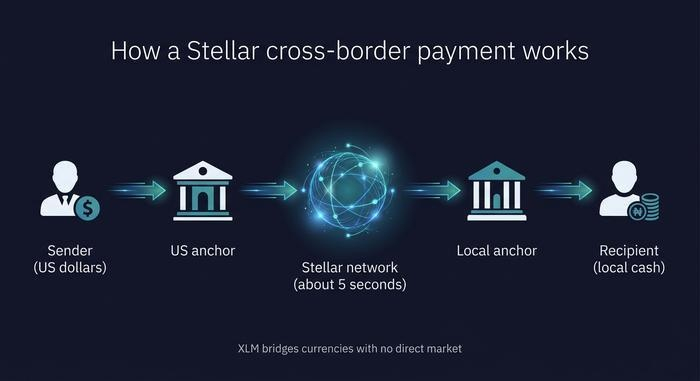
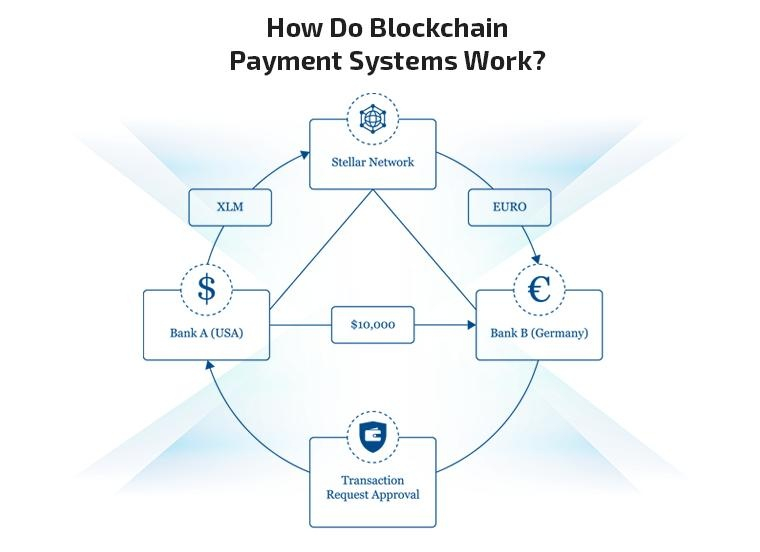
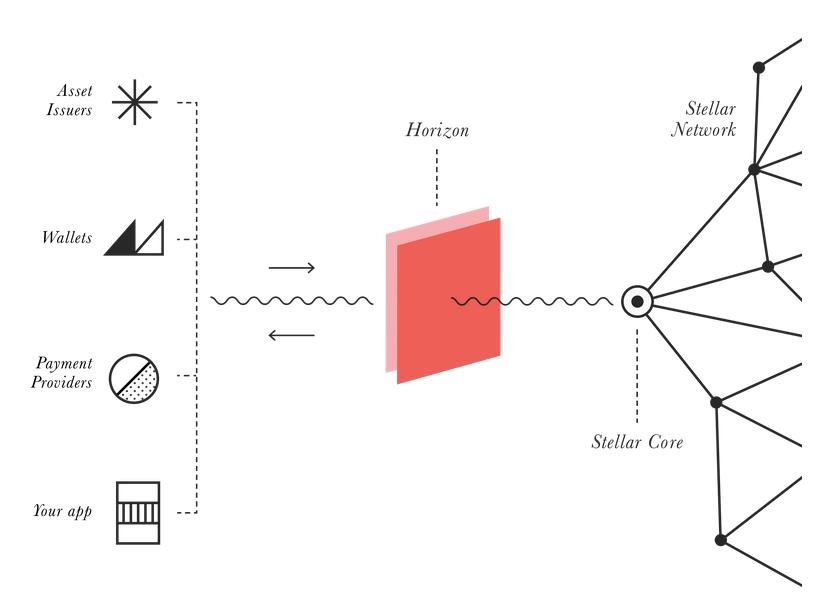
🌐 Stellar Network Explained
Stellar is a Layer-1 blockchain built for fast, low-cost payments and asset transfers worldwide.
🔹 Native Token: $XLM
🔹 Consensus: SCP
🔹 Transaction Speed: Seconds
🔹 Fees: Very Low
🔹 Smart Contracts: Soroban
Stellar aims to make global financial transactions simpler and more accessible.
#Stellar #XLM #Blockchain #cryptoeducation #BinanceSquare
{spot}(XLMUSDT)
🌐 Stellar Network Explained
Stellar is a Layer-1 blockchain built for fast, low-cost payments and asset transfers worldwide.
🔹 Native Token: $XLM
🔹 Consensus: SCP
🔹 Transaction Speed: Seconds
🔹 Fees: Very Low
🔹 Smart Contracts: Soroban
Stellar aims to make global financial transactions simpler and more accessible.
#Stellar #XLM #Blockchain #cryptoeducation #BinanceSquare
1
149

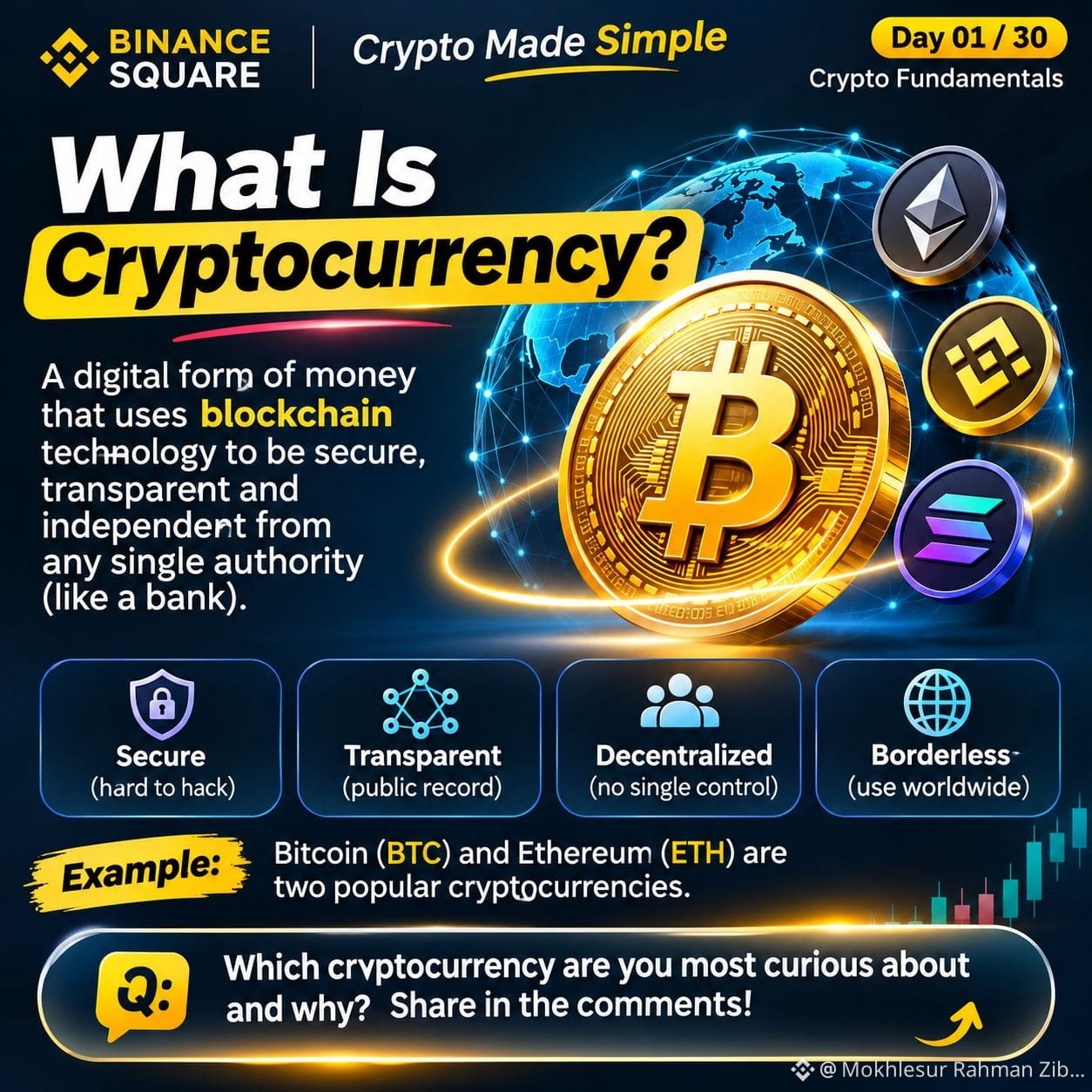
🤔 What Is Cryptocurrency? And Why Is Everyone Talking About It?
Imagine sending money to someone on the other side of the world without relying on a traditional bank.
Sounds interesting, right?
Welcome to the world of Cryptocurrency! 🚀
So, what exactly is it?
Cryptocurrency is a digital asset that uses cryptography for security. Many cryptocurrencies use blockchain technology to record and verify transactions.
Let's break it down:
🔹 1. Digital Money: It exists electronically, not as physical cash.
🔹 2. Blockchain: A digital ledger that records transactions and allows them to be verified.
🔹 3. Decentralization: Some crypto networks operate without a single central authority controlling them.
🔹 4. Global Access: People can access crypto networks through the internet, subject to local laws and restrictions.
Some popular examples:
₿ Bitcoin (BTC) – The first successful decentralized cryptocurrency.
♦ Ethereum (ETH) – A blockchain platform that supports smart contracts.
◎ Solana (SOL) – A blockchain designed for fast transactions and applications.
⚠️ One thing to remember:
Crypto is not a guaranteed way to make money. Prices can rise or fall dramatically, and scams are real.
Understanding crypto should always come before investing.
💬 Let's talk!
What do you want to learn first: Bitcoin, Blockchain, Crypto Wallets, or Trading?
Share your thoughts below!
Crypto Made Simple.
Learn Crypto. Understand Risk. Think Independently.
#CryptoEducation #Bitcoin #Blockchain #CryptoForBeginners
145


Article
⚡ THE NEXT DIGITAL WAR: Can Blockchain Survive the AI Revolution?🤖 Artificial Intelligence Is Changing the Rules. Blockchain Must Evolve — Or Risk Being Left Behind.
The world is entering a technological transformation that could redefine the future of finance, cybersecurity, digital ownership, and global economic power.
Artificial Intelligence is no longer just a tool for generating content or automating simple tasks. It is rapidly evolving into autonomous systems capable of analyzing information, making decisions, executing operations, and interacting with other digital systems.
Meanwhile, blockchain was built around a powerful promise: decentralization, transparency, security, and trust without traditional intermediaries.
But a critical question is emerging:
Can blockchain remain relevant in a world where AI is becoming increasingly powerful, autonomous, and intelligent?
The answer may determine the next major chapter of the digital economy.
🔴 1. The New Cybersecurity Battlefield
AI is changing the nature of cyber threats.
Sophisticated phishing campaigns, automated vulnerability discovery, identity impersonation, and increasingly convincing digital fraud are becoming more accessible.
Blockchain networks are not immune.
Smart contracts, decentralized applications, and digital wallets could face increasingly sophisticated attacks.
The challenge is no longer simply protecting the network. It is protecting the entire ecosystem surrounding it.
In this new environment, security must become intelligent, adaptive, and continuously evolving.
🧠 2. Smart Contracts: From Automation to Intelligence
Smart contracts revolutionized the way digital agreements are executed.
But traditional smart contracts follow predefined rules. They do not independently understand context or exercise human-like judgment.
AI could change this.
Imagine intelligent systems capable of analyzing market conditions, identifying risks, and interacting with smart contracts automatically.
However, there is a dangerous contradiction:
AI can generate code faster than ever, but faster code does not necessarily mean safer code.
A single vulnerability in a financial contract can expose millions of dollars to potential losses.
The future will require AI-assisted auditing, formal verification, and stronger security standards.
🌐 3. The Decentralization Paradox
Here lies one of the biggest challenges.
AI development increasingly depends on enormous computing resources, advanced chips, proprietary datasets, and powerful infrastructure controlled by a relatively small number of organizations.
Blockchain, on the other hand, was designed to challenge excessive centralization.
This creates a fundamental conflict:
Can we build a decentralized AI economy using infrastructure that remains largely centralized?
Decentralized computing networks and distributed AI platforms are attempting to address this problem.
But they still face difficult questions involving performance, cost, reliability, and real-world adoption.
🤖 4. AI Agents Could Become the Next Major Blockchain Users
Perhaps the most interesting development is the emergence of autonomous AI agents.
Imagine millions of digital agents operating independently.
They could:
- Manage digital wallets.
- Purchase computing resources.
- Execute transactions.
- Pay for services.
- Interact with decentralized applications.
- Negotiate and execute digital agreements.
Blockchain could provide these agents with a financial infrastructure that enables programmable payments, verifiable transactions, and transparent records.
This could create an entirely new digital economy.
But it also introduces an unprecedented question:
Who is responsible when an autonomous AI agent makes a financial decision that causes significant losses?
Technology may advance faster than the legal and regulatory frameworks needed to control it.
🔐 5. The Trust Crisis: When Seeing Is No Longer Believing
AI-generated images, videos, voices, and documents are becoming increasingly sophisticated.
Distinguishing authentic information from manipulated content could become one of the defining challenges of the digital era.
Blockchain may help establish the origin and integrity of digital records.
However, an important distinction must be understood:
Blockchain can help prove that information has not been altered after registration. It cannot automatically prove that the original information was truthful.
The future of digital trust will likely require a combination of cryptographic verification, secure identities, reliable data sources, and AI-powered detection systems.
📈 6. Where Could the Next Big Opportunity Emerge?
The convergence of AI and blockchain could create several important technological sectors.
Decentralized AI: Building alternatives to highly centralized AI infrastructure.
AI Agents: Enabling autonomous systems to interact with digital economies.
Decentralized Computing: Providing distributed access to computing power.
Blockchain Security: Protecting smart contracts and digital assets against increasingly sophisticated threats.
Data Verification: Establishing reliable origins and integrity for digital information.
Decentralized Identity: Helping distinguish real users, legitimate systems, and artificial identities.
These sectors deserve attention, but technological relevance does not automatically translate into token value or investment returns.
The real winners will be determined by adoption, actual utility, security, sustainable economics, and the ability to solve problems that traditional systems cannot efficiently address.
🔮 7. The Future: Competition or Convergence?
There are two possible directions.
AI could strengthen centralized technological power, leaving blockchain struggling to defend its original principles.
Or the two technologies could converge, creating a new infrastructure where intelligent systems operate through decentralized networks, execute verifiable transactions, and interact without relying entirely on traditional intermediaries.
The second scenario is particularly fascinating.
It could transform blockchain from a financial technology into a fundamental layer of the emerging machine economy.
But this transformation is not guaranteed.
It will require years of technological development, security improvements, regulatory adaptation, and genuine adoption.
⚡ THE BIG QUESTION
We once asked whether blockchain could replace traditional financial intermediaries.
Today, a much bigger question is emerging:
What happens when artificial intelligence no longer needs humans to initiate every transaction, make every decision, or manage every digital operation?
Will blockchain become the financial infrastructure of an autonomous AI economy?
Or will centralized AI companies dominate the next generation of digital power?
One thing is becoming increasingly clear:
The next technological revolution may not belong to AI or blockchain individually. It may belong to whoever successfully combines both.
The battle for the next digital economy has already begun.
💬 JOIN THE DISCUSSION
Do you believe AI Agents will become major users of blockchain networks in the coming years?
Or will centralized AI platforms make decentralized infrastructure less relevant?
Share your perspective. The most important opportunities may be hiding in this technological intersection.
#AI #blockchain #ArtificialIntelligence #Crypto #Web3 #AIAgents #DePIN #DecentralizedAI #SmartContracts #CryptoInnovation #DigitalEconomy #FutureOfTechnology
$ANTB $KERNEL $BNB
⚡ THE NEXT DIGITAL WAR: Can Blockchain Survive the AI Revolution?
🤖 Artificial Intelligence Is Changing the Rules. Blockchain Must Evolve — Or Risk Being Left Behind.
The world is entering a technological transformation that could redefine the future of finance, cybersecurity, digital ownership, and global economic power.
Artificial Intelligence is no longer just a tool for generating content or automating simple tasks. It is rapidly evolving into autonomous systems capable of analyzing information, making decisions, executing operations, and interacting with other digital systems.
Meanwhile, blockchain was built around a powerful promise: decentralization, transparency, security, and trust without traditional intermediaries.
But a critical question is emerging:
Can blockchain remain relevant in a world where AI is becoming increasingly powerful, autonomous, and intelligent?
The answer may determine the next major chapter of the digital economy.
🔴 1. The New Cybersecurity Battlefield
AI is changing the nature of cyber threats.
Sophisticated phishing campaigns, automated vulnerability discovery, identity impersonation, and increasingly convincing digital fraud are becoming more accessible.
Blockchain networks are not immune.
Smart contracts, decentralized applications, and digital wallets could face increasingly sophisticated attacks.
The challenge is no longer simply protecting the network. It is protecting the entire ecosystem surrounding it.
In this new environment, security must become intelligent, adaptive, and continuously evolving.
🧠 2. Smart Contracts: From Automation to Intelligence
Smart contracts revolutionized the way digital agreements are executed.
But traditional smart contracts follow predefined rules. They do not independently understand context or exercise human-like judgment.
AI could change this.
Imagine intelligent systems capable of analyzing market conditions, identifying risks, and interacting with smart contracts automatically.
However, there is a dangerous contradiction:
AI can generate code faster than ever, but faster code does not necessarily mean safer code.
A single vulnerability in a financial contract can expose millions of dollars to potential losses.
The future will require AI-assisted auditing, formal verification, and stronger security standards.
🌐 3. The Decentralization Paradox
Here lies one of the biggest challenges.
AI development increasingly depends on enormous computing resources, advanced chips, proprietary datasets, and powerful infrastructure controlled by a relatively small number of organizations.
Blockchain, on the other hand, was designed to challenge excessive centralization.
This creates a fundamental conflict:
Can we build a decentralized AI economy using infrastructure that remains largely centralized?
Decentralized computing networks and distributed AI platforms are attempting to address this problem.
But they still face difficult questions involving performance, cost, reliability, and real-world adoption.
🤖 4. AI Agents Could Become the Next Major Blockchain Users
Perhaps the most interesting development is the emergence of autonomous AI agents.
Imagine millions of digital agents operating independently.
They could:
- Manage digital wallets.
- Purchase computing resources.
- Execute transactions.
- Pay for services.
- Interact with decentralized applications.
- Negotiate and execute digital agreements.
Blockchain could provide these agents with a financial infrastructure that enables programmable payments, verifiable transactions, and transparent records.
This could create an entirely new digital economy.
But it also introduces an unprecedented question:
Who is responsible when an autonomous AI agent makes a financial decision that causes significant losses?
Technology may advance faster than the legal and regulatory frameworks needed to control it.
🔐 5. The Trust Crisis: When Seeing Is No Longer Believing
AI-generated images, videos, voices, and documents are becoming increasingly sophisticated.
Distinguishing authentic information from manipulated content could become one of the defining challenges of the digital era.
Blockchain may help establish the origin and integrity of digital records.
However, an important distinction must be understood:
Blockchain can help prove that information has not been altered after registration. It cannot automatically prove that the original information was truthful.
The future of digital trust will likely require a combination of cryptographic verification, secure identities, reliable data sources, and AI-powered detection systems.
📈 6. Where Could the Next Big Opportunity Emerge?
The convergence of AI and blockchain could create several important technological sectors.
Decentralized AI: Building alternatives to highly centralized AI infrastructure.
AI Agents: Enabling autonomous systems to interact with digital economies.
Decentralized Computing: Providing distributed access to computing power.
Blockchain Security: Protecting smart contracts and digital assets against increasingly sophisticated threats.
Data Verification: Establishing reliable origins and integrity for digital information.
Decentralized Identity: Helping distinguish real users, legitimate systems, and artificial identities.
These sectors deserve attention, but technological relevance does not automatically translate into token value or investment returns.
The real winners will be determined by adoption, actual utility, security, sustainable economics, and the ability to solve problems that traditional systems cannot efficiently address.
🔮 7. The Future: Competition or Convergence?
There are two possible directions.
AI could strengthen centralized technological power, leaving blockchain struggling to defend its original principles.
Or the two technologies could converge, creating a new infrastructure where intelligent systems operate through decentralized networks, execute verifiable transactions, and interact without relying entirely on traditional intermediaries.
The second scenario is particularly fascinating.
It could transform blockchain from a financial technology into a fundamental layer of the emerging machine economy.
But this transformation is not guaranteed.
It will require years of technological development, security improvements, regulatory adaptation, and genuine adoption.
⚡ THE BIG QUESTION
We once asked whether blockchain could replace traditional financial intermediaries.
Today, a much bigger question is emerging:
What happens when artificial intelligence no longer needs humans to initiate every transaction, make every decision, or manage every digital operation?
Will blockchain become the financial infrastructure of an autonomous AI economy?
Or will centralized AI companies dominate the next generation of digital power?
One thing is becoming increasingly clear:
The next technological revolution may not belong to AI or blockchain individually. It may belong to whoever successfully combines both.
The battle for the next digital economy has already begun.
💬 JOIN THE DISCUSSION
Do you believe AI Agents will become major users of blockchain networks in the coming years?
Or will centralized AI platforms make decentralized infrastructure less relevant?
Share your perspective. The most important opportunities may be hiding in this technological intersection.
#AI #blockchain #ArtificialIntelligence #Crypto #Web3 #AIAgents #DePIN #DecentralizedAI #SmartContracts #CryptoInnovation #DigitalEconomy #FutureOfTechnology
$ANTB $KERNEL $BNB
228
·
--

Article
THE OLD FINANCIAL SYSTEM IS MEETING ITS DIGITAL FUTUREWALL STREET IS MOVING ON-CHAIN: THE QUIET RESTRUCTURING OF GLOBAL FINANCE
TradFi vs. DeFi may be the wrong battle to watch. The real competition is emerging around the infrastructure that connects them.
For years, traditional finance (TradFi) and decentralized finance (DeFi) were framed as opposing financial systems.
One was built around established institutions, regulated intermediaries, centralized custody, and conventional market infrastructure.
The other emerged with a different proposition: programmable assets, open financial protocols, blockchain-based settlement, and fewer traditional intermediaries.
The debate was simple: Would blockchain replace traditional finance, or would traditional finance eventually absorb blockchain?
But recent developments suggest that this question may already be outdated.
Something more structural is happening.
Traditional financial institutions are beginning to integrate blockchain infrastructure into parts of the financial system they already operate.
And this shift deserves considerably more attention than another debate about which cryptocurrency will outperform the market.
1. The turning point: DTCC moves tokenization into production
One of the most significant developments came on October 28, 2026.
The Depository Trust & Clearing Corporation (DTCC), through its subsidiary The Depository Trust Company (DTC), officially launched its DTCC Tokenization Service.
This matters because DTCC is not a typical blockchain startup.
It operates critical post-trade infrastructure within the US financial markets.
The new service enables eligible participants to create tokenized representations of selected securities held in DTC custody, with the ability to convert between traditional and tokenized forms.
The scale of the institution is particularly important.
DTC reports more than $114 trillion in assets under custody.
However, this figure represents its overall custody base, not the value of securities already tokenized.
At launch, 20 DTC participants had signed agreements to access the service. These included major financial institutions such as Bank of America, Citi, J.P. Morgan, Morgan Stanley, State Street, UBS, and others.
The infrastructure currently integrates with Canton Network and DTCC’s private Besu network, with additional blockchain networks planned for 2027.
This is a meaningful development.
It demonstrates that blockchain-based securities infrastructure is moving beyond isolated experiments and into the operating environment of established financial market institutions.
But the distinction matters: a production launch and signed participation agreements do not yet demonstrate large-scale adoption or substantial tokenized trading volumes.
2. Institutional interest is becoming measurable
The shift is not limited to DTCC.
A January 2026 survey conducted by EY-Parthenon and Coinbase, covering 351 institutional investors, provides another important perspective.
The findings reveal several developments:
* 63% expressed interest in allocating to tokenized assets.
* 64% of asset managers expressed interest in tokenizing their own assets.
* More than 60% expected tokenization to significantly affect market structure.
* 53% preferred a traditional financial platform equipped with digital asset capabilities.
The last figure is particularly interesting.
It suggests that a significant portion of institutional demand is not necessarily about abandoning traditional financial institutions.
Instead, institutions may prefer to access digital assets through familiar financial platforms that incorporate blockchain capabilities.
This points toward convergence rather than straightforward replacement.
Yet institutional interest should not be confused with actual capital deployment. Intent, implementation, and sustained market activity are three different stages.
3. Visa is connecting stablecoins to traditional payment infrastructure
Another important signal emerged on November 18, 2026.
Visa announced plans to extend stablecoin-enabled prefunding capabilities for cross-border payouts into Asia Pacific through Visa Direct.
The regional pilot involves Singapore-based digital payments company dtcpay.
The model is worth understanding.
Eligible payment providers can use supported stablecoins to fund cross-border payouts, while recipients continue receiving money in their local fiat currencies.
The digital asset infrastructure and regulated services are provided by independent licensed partners.
This is not a replacement of Visa’s payment network.
It is an integration of blockchain-based funding into an existing financial infrastructure.
The distinction is important because it demonstrates a practical use case for stablecoins beyond crypto trading: liquidity management and cross-border money movement.
The technology is becoming relevant not simply because it exists, but because established financial companies are finding specific operational problems it may help address.
4. The real competition may be taking place beneath the surface
This is where the discussion becomes more interesting.
When financial institutions begin adopting tokenized securities and blockchain-based settlement infrastructure, the strategic question changes.
Instead of asking which cryptocurrency will dominate the next market cycle, we should ask:
Who will provide the infrastructure through which institutional capital actually moves?
Several layers deserve attention:
Settlement infrastructure
Which networks can support the transfer and settlement of tokenized financial assets under institutional requirements?
Interoperability
How will different blockchains, financial institutions, custodians, and traditional market systems communicate with one another?
Custody and asset servicing
Who will safeguard the underlying assets, administer ownership rights, and manage corporate actions?
Liquidity and collateral
Can tokenized assets become useful in real financial transactions rather than simply existing as digital representations?
Regulatory architecture
Which institutions and protocols can operate within enforceable legal frameworks across different jurisdictions?
These are not merely technical questions.
They concern the future distribution of financial infrastructure, institutional influence, and economic value.
5. The uncomfortable question: Is this really decentralization?
There is an important contradiction that the crypto industry should not ignore.
A financial asset can be represented on a public or private blockchain while its underlying ownership, custody, redemption, and administration remain controlled by centralized institutions.
A tokenized security does not automatically become a decentralized financial instrument.
In the case of DTCC, the service is designed around eligible participants, established custody arrangements, and regulatory authorization.
This may improve efficiency and accessibility within certain financial processes, but it does not eliminate institutional control.
That distinction is fundamental.
The future of finance could become significantly more blockchain-based without becoming equally more decentralized.
6. What could prevent this transformation from scaling?
A serious analysis must also examine the obstacles.
The International Organization of Securities Commissions (IOSCO), in its November 2025 report on financial asset tokenization, identified the potential benefits of tokenization while highlighting challenges involving interoperability, settlement assets, market integrity, and investor protection.
Several issues remain unresolved:
* Fragmented blockchain infrastructure.
* Legal recognition and enforceability of tokenized ownership.
* Liquidity in secondary markets.
* Custody and counterparty risks.
* Regulatory differences between jurisdictions.
* The difficulty of connecting traditional financial systems with blockchain networks at scale.
The EY-Coinbase survey also found that 67% of respondents considered regulatory uncertainty a significant barrier to investing in tokenized assets.
In other words, institutional interest is real, but the path toward widespread adoption is neither automatic nor guaranteed.
7. What should investors watch next?
The most important signals may not come from cryptocurrency price charts.
They may come from measurable developments across financial infrastructure.
We believe the following indicators deserve continued attention:
1. The actual volume of tokenized securities being issued and traded.
2. The number of financial institutions moving from signed agreements to operational adoption.
3. Growth in tokenized Treasury securities and money market funds.
4. Stablecoin usage in real commercial payments and institutional treasury operations.
5. Interoperability between institutional blockchain networks and public blockchain ecosystems.
6. Evidence that tokenization is improving settlement efficiency, liquidity, and collateral mobility.
These indicators can help distinguish genuine structural adoption from temporary market narratives.
Our perspective: The future may be neither TradFi nor DeFi alone
The developments of 2026 suggest that the relationship between traditional finance and blockchain is evolving.
DTCC has launched a regulated tokenization service.
Institutional investors are expressing measurable interest in tokenized assets.
Visa is integrating stablecoin-based funding into its established payment infrastructure.
None of these developments proves that traditional finance is about to disappear, or that decentralized finance will automatically capture the value of this transition.
But together, they reveal something important:
Blockchain is increasingly being evaluated as financial infrastructure, not merely as an alternative asset class.
The next major competition may therefore be less about TradFi versus DeFi and more about who can build the most reliable, interoperable, liquid, and trusted infrastructure for moving financial value.
And perhaps the most important question is no longer whether traditional finance will adopt blockchain.
It is:
When the world’s financial assets increasingly move on-chain, who will control the rails on which they move?
⸻
NEXUS ATLAS
Research Beyond the Noise.
Sources and further reading:
1. DTCC — Tokenization Service Goes Live, October 28, 2026: https://www.dtcc.com/press-releases/2026/dtcc-tokenization-service-goes-live
2. DTCC — Tokenization Service FAQ: https://www.dtcc.com/products-and-services/digital-assets/tokenization/hub
3. EY & Coinbase — 2026 Institutional Investor Digital Assets Survey: https://www.coinbase.com/institutional/research-insights/research/insights-reports/2026-institutional-investor-survey-e-and-y
4. Visa — Stablecoin-Powered Money Movement in Asia Pacific, November 18, 2026: https://www.visa.com.sg/about-visa/newsroom/press-releases/visa-direct-advances-stablecoin-powered-money-movement-in-asia-pacific.html
5. IOSCO — Final Report on Financial Asset Tokenization, November 11, 2025: https://www.iosco.org/news/pdf/IOSCONEWS778.pdf
#TradFiForBeginners #blockchain #Write2Earn!
THE OLD FINANCIAL SYSTEM IS MEETING ITS DIGITAL FUTURE
WALL STREET IS MOVING ON-CHAIN: THE QUIET RESTRUCTURING OF GLOBAL FINANCE
TradFi vs. DeFi may be the wrong battle to watch. The real competition is emerging around the infrastructure that connects them.
For years, traditional finance (TradFi) and decentralized finance (DeFi) were framed as opposing financial systems.
One was built around established institutions, regulated intermediaries, centralized custody, and conventional market infrastructure.
The other emerged with a different proposition: programmable assets, open financial protocols, blockchain-based settlement, and fewer traditional intermediaries.
The debate was simple: Would blockchain replace traditional finance, or would traditional finance eventually absorb blockchain?
But recent developments suggest that this question may already be outdated.
Something more structural is happening.
Traditional financial institutions are beginning to integrate blockchain infrastructure into parts of the financial system they already operate.
And this shift deserves considerably more attention than another debate about which cryptocurrency will outperform the market.
1. The turning point: DTCC moves tokenization into production
One of the most significant developments came on October 28, 2026.
The Depository Trust & Clearing Corporation (DTCC), through its subsidiary The Depository Trust Company (DTC), officially launched its DTCC Tokenization Service.
This matters because DTCC is not a typical blockchain startup.
It operates critical post-trade infrastructure within the US financial markets.
The new service enables eligible participants to create tokenized representations of selected securities held in DTC custody, with the ability to convert between traditional and tokenized forms.
The scale of the institution is particularly important.
DTC reports more than $114 trillion in assets under custody.
However, this figure represents its overall custody base, not the value of securities already tokenized.
At launch, 20 DTC participants had signed agreements to access the service. These included major financial institutions such as Bank of America, Citi, J.P. Morgan, Morgan Stanley, State Street, UBS, and others.
The infrastructure currently integrates with Canton Network and DTCC’s private Besu network, with additional blockchain networks planned for 2027.
This is a meaningful development.
It demonstrates that blockchain-based securities infrastructure is moving beyond isolated experiments and into the operating environment of established financial market institutions.
But the distinction matters: a production launch and signed participation agreements do not yet demonstrate large-scale adoption or substantial tokenized trading volumes.
2. Institutional interest is becoming measurable
The shift is not limited to DTCC.
A January 2026 survey conducted by EY-Parthenon and Coinbase, covering 351 institutional investors, provides another important perspective.
The findings reveal several developments:
* 63% expressed interest in allocating to tokenized assets.
* 64% of asset managers expressed interest in tokenizing their own assets.
* More than 60% expected tokenization to significantly affect market structure.
* 53% preferred a traditional financial platform equipped with digital asset capabilities.
The last figure is particularly interesting.
It suggests that a significant portion of institutional demand is not necessarily about abandoning traditional financial institutions.
Instead, institutions may prefer to access digital assets through familiar financial platforms that incorporate blockchain capabilities.
This points toward convergence rather than straightforward replacement.
Yet institutional interest should not be confused with actual capital deployment. Intent, implementation, and sustained market activity are three different stages.
3. Visa is connecting stablecoins to traditional payment infrastructure
Another important signal emerged on November 18, 2026.
Visa announced plans to extend stablecoin-enabled prefunding capabilities for cross-border payouts into Asia Pacific through Visa Direct.
The regional pilot involves Singapore-based digital payments company dtcpay.
The model is worth understanding.
Eligible payment providers can use supported stablecoins to fund cross-border payouts, while recipients continue receiving money in their local fiat currencies.
The digital asset infrastructure and regulated services are provided by independent licensed partners.
This is not a replacement of Visa’s payment network.
It is an integration of blockchain-based funding into an existing financial infrastructure.
The distinction is important because it demonstrates a practical use case for stablecoins beyond crypto trading: liquidity management and cross-border money movement.
The technology is becoming relevant not simply because it exists, but because established financial companies are finding specific operational problems it may help address.
4. The real competition may be taking place beneath the surface
This is where the discussion becomes more interesting.
When financial institutions begin adopting tokenized securities and blockchain-based settlement infrastructure, the strategic question changes.
Instead of asking which cryptocurrency will dominate the next market cycle, we should ask:
Who will provide the infrastructure through which institutional capital actually moves?
Several layers deserve attention:
Settlement infrastructure
Which networks can support the transfer and settlement of tokenized financial assets under institutional requirements?
Interoperability
How will different blockchains, financial institutions, custodians, and traditional market systems communicate with one another?
Custody and asset servicing
Who will safeguard the underlying assets, administer ownership rights, and manage corporate actions?
Liquidity and collateral
Can tokenized assets become useful in real financial transactions rather than simply existing as digital representations?
Regulatory architecture
Which institutions and protocols can operate within enforceable legal frameworks across different jurisdictions?
These are not merely technical questions.
They concern the future distribution of financial infrastructure, institutional influence, and economic value.
5. The uncomfortable question: Is this really decentralization?
There is an important contradiction that the crypto industry should not ignore.
A financial asset can be represented on a public or private blockchain while its underlying ownership, custody, redemption, and administration remain controlled by centralized institutions.
A tokenized security does not automatically become a decentralized financial instrument.
In the case of DTCC, the service is designed around eligible participants, established custody arrangements, and regulatory authorization.
This may improve efficiency and accessibility within certain financial processes, but it does not eliminate institutional control.
That distinction is fundamental.
The future of finance could become significantly more blockchain-based without becoming equally more decentralized.
6. What could prevent this transformation from scaling?
A serious analysis must also examine the obstacles.
The International Organization of Securities Commissions (IOSCO), in its November 2025 report on financial asset tokenization, identified the potential benefits of tokenization while highlighting challenges involving interoperability, settlement assets, market integrity, and investor protection.
Several issues remain unresolved:
* Fragmented blockchain infrastructure.
* Legal recognition and enforceability of tokenized ownership.
* Liquidity in secondary markets.
* Custody and counterparty risks.
* Regulatory differences between jurisdictions.
* The difficulty of connecting traditional financial systems with blockchain networks at scale.
The EY-Coinbase survey also found that 67% of respondents considered regulatory uncertainty a significant barrier to investing in tokenized assets.
In other words, institutional interest is real, but the path toward widespread adoption is neither automatic nor guaranteed.
7. What should investors watch next?
The most important signals may not come from cryptocurrency price charts.
They may come from measurable developments across financial infrastructure.
We believe the following indicators deserve continued attention:
1. The actual volume of tokenized securities being issued and traded.
2. The number of financial institutions moving from signed agreements to operational adoption.
3. Growth in tokenized Treasury securities and money market funds.
4. Stablecoin usage in real commercial payments and institutional treasury operations.
5. Interoperability between institutional blockchain networks and public blockchain ecosystems.
6. Evidence that tokenization is improving settlement efficiency, liquidity, and collateral mobility.
These indicators can help distinguish genuine structural adoption from temporary market narratives.
Our perspective: The future may be neither TradFi nor DeFi alone
The developments of 2026 suggest that the relationship between traditional finance and blockchain is evolving.
DTCC has launched a regulated tokenization service.
Institutional investors are expressing measurable interest in tokenized assets.
Visa is integrating stablecoin-based funding into its established payment infrastructure.
None of these developments proves that traditional finance is about to disappear, or that decentralized finance will automatically capture the value of this transition.
But together, they reveal something important:
Blockchain is increasingly being evaluated as financial infrastructure, not merely as an alternative asset class.
The next major competition may therefore be less about TradFi versus DeFi and more about who can build the most reliable, interoperable, liquid, and trusted infrastructure for moving financial value.
And perhaps the most important question is no longer whether traditional finance will adopt blockchain.
It is:
When the world’s financial assets increasingly move on-chain, who will control the rails on which they move?
⸻
NEXUS ATLAS
Research Beyond the Noise.
Sources and further reading:
1. DTCC — Tokenization Service Goes Live, October 28, 2026: https://www.dtcc.com/press-releases/2026/dtcc-tokenization-service-goes-live
2. DTCC — Tokenization Service FAQ: https://www.dtcc.com/products-and-services/digital-assets/tokenization/hub
3. EY & Coinbase — 2026 Institutional Investor Digital Assets Survey: https://www.coinbase.com/institutional/research-insights/research/insights-reports/2026-institutional-investor-survey-e-and-y
4. Visa — Stablecoin-Powered Money Movement in Asia Pacific, November 18, 2026: https://www.visa.com.sg/about-visa/newsroom/press-releases/visa-direct-advances-stablecoin-powered-money-movement-in-asia-pacific.html
5. IOSCO — Final Report on Financial Asset Tokenization, November 11, 2025: https://www.iosco.org/news/pdf/IOSCONEWS778.pdf
#TradFiForBeginners #blockchain #Write2Earn!
MSUS-3.94%
BAC-2.64%
117

WHAT IS BLOCKCHAIN?
Imagine a digital record book that stores transactions across a network of computers.
That is a simple way to understand blockchain.
Information is recorded in blocks connected together, creating a chain of records.
Blockchain technology is one of the foundations behind cryptocurrencies.
Never stop learning!
#Blockchain #CryptoEducation #LearnCrypto

·
--
Blockchain Is More Than Just Cryptocurrency.
When people hear Web3, the first thing that comes to mind is usually Bitcoin, Ethereum or making money from crypto.
But there's much more to this technology.
Blockchain is changing how we think about ownership, transparency, digital identity and financial access.
From decentralized finance (DeFi) to smart contracts and decentralized applications, we're witnessing a new way of interacting with the digital world.
I'm here to explore, learn and share these concepts in simple, practical ways, especially for those just getting started.
My focus will be Web3 education, blockchain technology and practical DEX trading insights.
Because understanding the technology is just as important as knowing how to trade its tokens.
Let's learn Web3 together.
let's explore web3 together
#Web3 #Blockchain
2
264

·
--
let's talk about blockchain consensus. you got 2 main types: proof of work (pow) and proof of stake (pos). pow's like a gold rush - miners compete to solve a puzzle, first one to solve it gets to add a new block and claim the reward. pos is more like a vote - validators are chosen based on the amount of coins they hold. $G uses one of these methods. understanding the difference CAN HELP YOU MAKE SENSE OF HOW BLOCKCHAINS WORK, IT'S NOT THAT HARD. #Blockchain #DeFi #Liquidity
let's talk about blockchain consensus. you got 2 main types: proof of work (pow) and proof of stake (pos). pow's like a gold rush - miners compete to solve a puzzle, first one to solve it gets to add a new block and claim the reward. pos is more like a vote - validators are chosen based on the amount of coins they hold. $G uses one of these methods. understanding the difference CAN HELP YOU MAKE SENSE OF HOW BLOCKCHAINS WORK, IT'S NOT THAT HARD. #Blockchain #DeFi #Liquidity
57
·
--
🔵 NEAR Protocol ($NEAR ): Building a Faster Blockchain!
NEAR is a Layer-1 blockchain designed to make decentralized applications more scalable and user-friendly.
🔹 Symbol: $NEAR
🔹 Launched: 2020
🔹 Consensus: Proof of Stake
🔹 Uses: Staking, Smart Contracts & dApps
🔹 Focus: Scalability and usability
Can user-friendly blockchain technology drive wider adoption?
#Near #NEARProtocol #blockchain #cryptoeducation #BinanceSquare
{spot}(NEARUSDT)
🔵 NEAR Protocol ($NEAR ): Building a Faster Blockchain!
NEAR is a Layer-1 blockchain designed to make decentralized applications more scalable and user-friendly.
🔹 Symbol: $NEAR
🔹 Launched: 2020
🔹 Consensus: Proof of Stake
🔹 Uses: Staking, Smart Contracts & dApps
🔹 Focus: Scalability and usability
Can user-friendly blockchain technology drive wider adoption?
#Near #NEARProtocol #blockchain #cryptoeducation #BinanceSquare
2
230

·
--
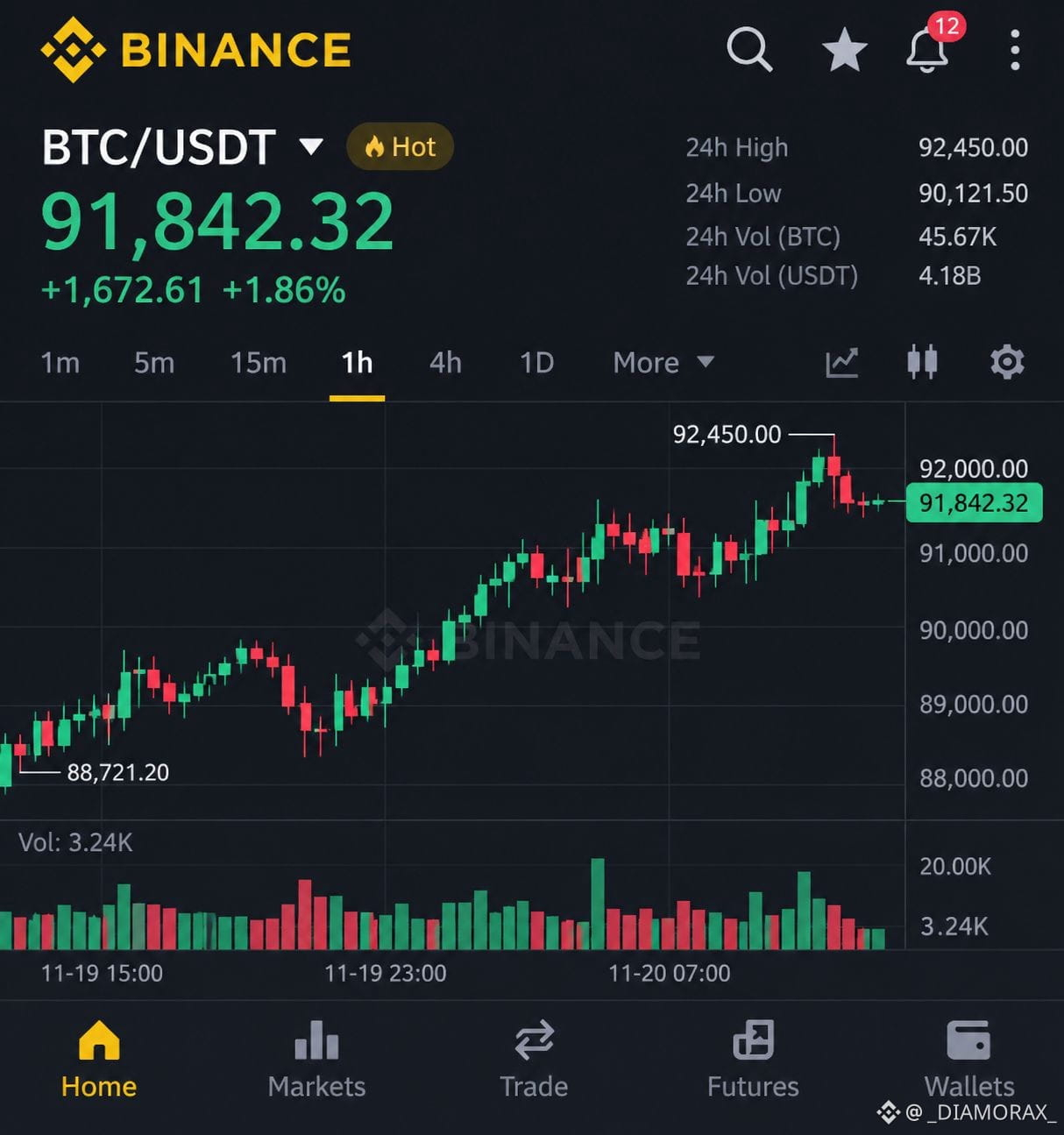
🚀 BITCOIN ($BTC ) — MORE THAN JUST A COIN! ($BTC )
The digital financial world is constantly evolving, and Bitcoin remains one of the most recognized names in cryptocurrency.
💎 Decentralized technology.
🌍 Global digital accessibility.
⚡ A new era of financial innovation.
The question isn't just where Bitcoin stands today, but how blockchain technology will shape tomorrow.
📊 Stay informed. Research before you invest.
#bitcoin #Binance #cryptouniverseofficial
#blockchain #CryptoNewss
4
329
·
--
⚡ Proof of Work vs. Proof of Stake: Two Different Ways to Secure a Blockchain!
Not all blockchains work the same way. Two major consensus mechanisms help networks agree on transactions and maintain security.
🔹 Proof of Work (PoW): Miners use computing power to compete to add new blocks. Bitcoin is the best-known example.
🔹 Proof of Stake (PoS): Validators stake cryptocurrency to participate in transaction validation. Ethereum uses this model.
What's the difference?
• PoW relies on computational work and energy.
• PoS relies on staked assets and validator rules.
• Both have different security designs, costs, and trade-offs.
Neither mechanism is automatically perfect. Understanding how a blockchain works matters before using its ecosystem.
💬 Your turn: Which consensus model do you find more interesting — PoW or PoS, and why?
$BTC $ETH
#bitcoin
{spot}(NVDABUSDT)
{spot}(SPCXBUSDT)
#Ethereum✅ m #blockchain #cryptoeducation #BinanceSquare
⚡ Proof of Work vs. Proof of Stake: Two Different Ways to Secure a Blockchain!
Not all blockchains work the same way. Two major consensus mechanisms help networks agree on transactions and maintain security.
🔹 Proof of Work (PoW): Miners use computing power to compete to add new blocks. Bitcoin is the best-known example.
🔹 Proof of Stake (PoS): Validators stake cryptocurrency to participate in transaction validation. Ethereum uses this model.
What's the difference?
• PoW relies on computational work and energy.
• PoS relies on staked assets and validator rules.
• Both have different security designs, costs, and trade-offs.
Neither mechanism is automatically perfect. Understanding how a blockchain works matters before using its ecosystem.
💬 Your turn: Which consensus model do you find more interesting — PoW or PoS, and why?
$BTC $ETH
#bitcoin
#Ethereum✅ m #blockchain #cryptoeducation #BinanceSquare
157

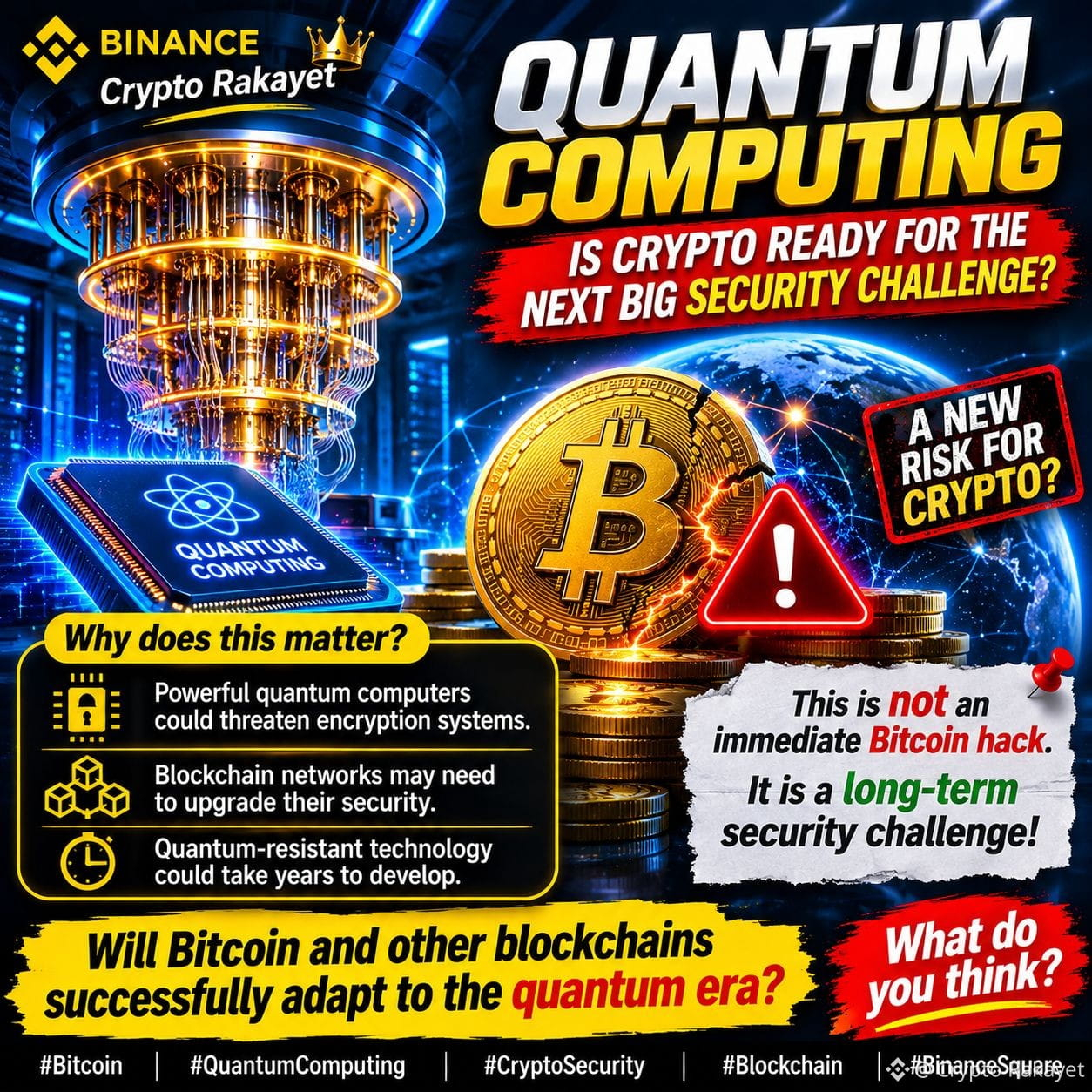
⚛️ QUANTUM COMPUTING: IS CRYPTO READY FOR THE NEXT BIG SECURITY CHALLENGE?
The future of cryptocurrency may face a new technological challenge: Quantum Computing.
A major global securities watchdog, IOSCO, has urged financial firms to prepare for potential quantum-related security risks.
🔐 Why does this matter?
• Powerful quantum computers could eventually threaten some encryption systems.
• Blockchain networks may need to upgrade their cryptographic security.
• Moving toward quantum-resistant technology could require years of planning and coordination.
🚨 This is not an immediate Bitcoin hack. It is a long-term security challenge that the crypto industry should prepare for today.
THE BIG QUESTION:
Will Bitcoin and other blockchain networks successfully adapt to the quantum era?
What do you think? 👇
#Bitcoin #quantumcomputing #CryptoSecurity #blockchain #BinanceSquare
86

·
--
📰 Ant, DBS Use Blockchain Cash to Buy Tokenized Funds
Summary Cash stays locked until fund tokens move Pilot ran under Singapore’s MAS-led BLOOM initiative Builds on DBS-Ant Treasury Tokens […] The post Ant, DBS Use Blockchain Cash to Buy Tokenized Funds appeared first on Coindoo.
Source : Coindoo
Time : 2026-11-19 07:44:00
Credit : alexander zdravkov
#blockchain
Share your opinion in the comment section below
2

·
--
📰 Ant, DBS Use Blockchain Cash to Buy Tokenized Funds
Summary Cash stays locked until fund tokens move Pilot ran under Singapore’s MAS-led BLOOM initiative Builds on DBS-Ant Treasury Tokens […] The post Ant, DBS Use Blockchain Cash to Buy Tokenized Funds appeared first on Coindoo.
Source : Coindoo
Time : 2026-11-19 07:44:00
Credit : alexander zdravkov
#blockchain
Share your opinion in the comment section below
📰 Ant, DBS Use Blockchain Cash to Buy Tokenized Funds
Summary Cash stays locked until fund tokens move Pilot ran under Singapore’s MAS-led BLOOM initiative Builds on DBS-Ant Treasury Tokens […] The post Ant, DBS Use Blockchain Cash to Buy Tokenized Funds appeared first on Coindoo.
Source : Coindoo
Time : 2026-11-19 07:44:00
Credit : alexander zdravkov
#blockchain
Share your opinion in the comment section below
Summary Cash stays locked until fund tokens move Pilot ran under Singapore’s MAS-led BLOOM initiative Builds on DBS-Ant Treasury Tokens […] The post Ant, DBS Use Blockchain Cash to Buy Tokenized Funds appeared first on Coindoo.
Source : Coindoo
Time : 2026-11-19 07:44:00
Credit : alexander zdravkov
#blockchain
Share your opinion in the comment section below
2

🌐 Blockchain Explained in Simple Words
Have you ever wondered how cryptocurrency transactions are recorded?
Blockchain is a digital record system that stores information in connected blocks.
Here is how it works:
A transaction is requested.
The network verifies the transaction.
Valid transactions are added to a block.
The block becomes part of the blockchain.
Blockchain technology is used in cryptocurrencies and many other applications.
It is one of the most important innovations behind the crypto industry.
💬 Question: Do you think blockchain technology will become more important in the future?
#Blockchain #CryptoEducation #Technology #Bitcoin #BinanceSquare $ETH
{future}(ETHUSDT)
🌐 Blockchain Explained in Simple Words
Have you ever wondered how cryptocurrency transactions are recorded?
Blockchain is a digital record system that stores information in connected blocks.
Here is how it works:
A transaction is requested.
The network verifies the transaction.
Valid transactions are added to a block.
The block becomes part of the blockchain.
Blockchain technology is used in cryptocurrencies and many other applications.
It is one of the most important innovations behind the crypto industry.
💬 Question: Do you think blockchain technology will become more important in the future?
#Blockchain #CryptoEducation #Technology #Bitcoin #BinanceSquare $ETH
77
·
--
Bullish
🟣 Polkadot ($DOT ): Connecting the Blockchain World!
Polkadot is designed to connect different blockchains and help them communicate with each other.
🔹 Symbol: $DOT
🔹 Launched: 2020
🔹 Founder: Gavin Wood
🔹 Consensus: Nominated Proof of Stake
🔹 Uses: Staking, Governance & Network Security
💡 Can blockchain interoperability shape the future of Web3?
#Polkadot #dot #Blockchain #Web3 #CryptoEducation
{spot}(DOTUSDT)
🟣 Polkadot ($DOT ): Connecting the Blockchain World!
Polkadot is designed to connect different blockchains and help them communicate with each other.
🔹 Symbol: $DOT
🔹 Launched: 2020
🔹 Founder: Gavin Wood
🔹 Consensus: Nominated Proof of Stake
🔹 Uses: Staking, Governance & Network Security
💡 Can blockchain interoperability shape the future of Web3?
#Polkadot #dot #Blockchain #Web3 #CryptoEducation
2
326

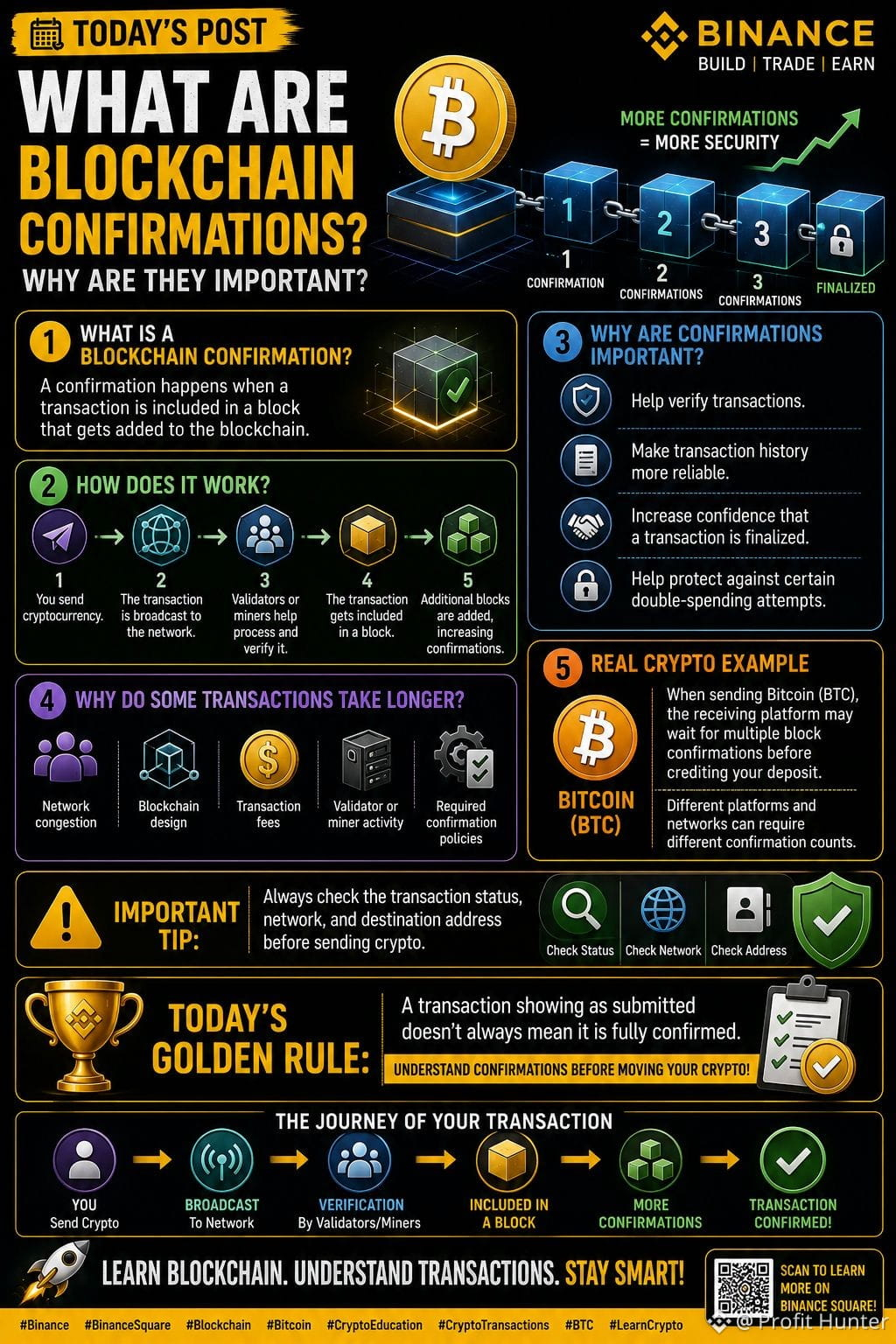
⛓️ WHAT ARE BLOCKCHAIN CONFIRMATIONS? WHY ARE THEY IMPORTANT?
Have you ever sent cryptocurrency and wondered why your transaction takes time to complete?
The answer is often related to Blockchain Confirmations! 🤔
Let's understand how they work. 👇
🔥 1. WHAT IS A BLOCKCHAIN CONFIRMATION?
A confirmation happens when a transaction is included in a block that gets added to the blockchain.
⚙️ 2. HOW DOES IT WORK?
🔹 You send cryptocurrency.
🔹 The transaction is broadcast to the network.
🔹 Validators or miners help process and verify it.
🔹 The transaction gets included in a block.
🔹 Additional blocks are added, increasing confirmations.
📊 3. WHY ARE CONFIRMATIONS IMPORTANT?
✅ Help verify transactions.
✅ Make transaction history more reliable.
✅ Increase confidence that a transaction is finalized.
✅ Help protect against certain double-spending attempts.
⏳ 4. WHY DO SOME TRANSACTIONS TAKE LONGER?
Transaction speed can depend on:
- Network congestion.
- Blockchain design.
- Transaction fees.
- Validator or miner activity.
- Required confirmation policies.
💡 5. REAL CRYPTO EXAMPLE
When sending $BTC
{spot}(BTCUSDT)
The receiving platform may wait for multiple block confirmations before crediting your deposit.
Different platforms and networks can require different confirmation counts.
⚠️ IMPORTANT TIP:
Always check the transaction status, network, and destination address before sending crypto.
🏆 TODAY'S GOLDEN RULE:
A transaction showing as submitted doesn't always mean it is fully confirmed.
Understand confirmations before moving your crypto!
🚀 LEARN BLOCKCHAIN. UNDERSTAND TRANSACTIONS. STAY SMART!
#Blockchain #CryptoTransactions #BTC #BlockchainTechnology
⛓️ WHAT ARE BLOCKCHAIN CONFIRMATIONS? WHY ARE THEY IMPORTANT?
Have you ever sent cryptocurrency and wondered why your transaction takes time to complete?
The answer is often related to Blockchain Confirmations! 🤔
Let's understand how they work. 👇
🔥 1. WHAT IS A BLOCKCHAIN CONFIRMATION?
A confirmation happens when a transaction is included in a block that gets added to the blockchain.
⚙️ 2. HOW DOES IT WORK?
🔹 You send cryptocurrency.
🔹 The transaction is broadcast to the network.
🔹 Validators or miners help process and verify it.
🔹 The transaction gets included in a block.
🔹 Additional blocks are added, increasing confirmations.
📊 3. WHY ARE CONFIRMATIONS IMPORTANT?
✅ Help verify transactions.
✅ Make transaction history more reliable.
✅ Increase confidence that a transaction is finalized.
✅ Help protect against certain double-spending attempts.
⏳ 4. WHY DO SOME TRANSACTIONS TAKE LONGER?
Transaction speed can depend on:
- Network congestion.
- Blockchain design.
- Transaction fees.
- Validator or miner activity.
- Required confirmation policies.
💡 5. REAL CRYPTO EXAMPLE
When sending $BTC
The receiving platform may wait for multiple block confirmations before crediting your deposit.
Different platforms and networks can require different confirmation counts.
⚠️ IMPORTANT TIP:
Always check the transaction status, network, and destination address before sending crypto.
🏆 TODAY'S GOLDEN RULE:
A transaction showing as submitted doesn't always mean it is fully confirmed.
Understand confirmations before moving your crypto!
🚀 LEARN BLOCKCHAIN. UNDERSTAND TRANSACTIONS. STAY SMART!
#Blockchain #CryptoTransactions #BTC #BlockchainTechnology
106
·
--
🚀 Can Layer 2 Make Blockchain Faster and More Affordable?
As blockchain adoption grows, network congestion and transaction costs can become challenges.
That's where Layer 2 (L2) solutions come in.
Layer 2 networks operate alongside a main blockchain, helping process transactions more efficiently. Many Ethereum rollups bundle transactions and submit data or proofs to Ethereum's main network.
But there is something important to remember:
🔹 Lower fees do not automatically mean zero risk.
🔹 Different Layer 2 networks have different security designs.
🔹 Always check the correct network before transferring crypto.
🔹 Bridges and withdrawals may involve additional risks or delays.
Layer 2 technology could play an important role in making blockchain applications more accessible.
💬 Your opinion: What matters most for blockchain adoption — lower transaction fees, faster transactions, or stronger security?
#Ethereum #Layer2 #blockchain #CryptoEducation
{spot}(AAPLBUSDT)
#BinanceSquare
$ETH
$MSFTB
{spot}(BNBUSDT)
🚀 Can Layer 2 Make Blockchain Faster and More Affordable?
As blockchain adoption grows, network congestion and transaction costs can become challenges.
That's where Layer 2 (L2) solutions come in.
Layer 2 networks operate alongside a main blockchain, helping process transactions more efficiently. Many Ethereum rollups bundle transactions and submit data or proofs to Ethereum's main network.
But there is something important to remember:
🔹 Lower fees do not automatically mean zero risk.
🔹 Different Layer 2 networks have different security designs.
🔹 Always check the correct network before transferring crypto.
🔹 Bridges and withdrawals may involve additional risks or delays.
Layer 2 technology could play an important role in making blockchain applications more accessible.
💬 Your opinion: What matters most for blockchain adoption — lower transaction fees, faster transactions, or stronger security?
#Ethereum #Layer2 #blockchain #CryptoEducation
#BinanceSquare
$ETH
$MSFTB
90

·
--
Article
Space and Time: Making On-Chain Apps Trust Real-World Data.Space and Time: Building a New Era of Blockchain Data 🚀
Blockchain technology is growing rapidly, but one major challenge remains: how can applications access and verify large amounts of on-chain data securely?
This is where Space and Time (@SpaceandTimeDB ) comes into the picture.
Space and Time is working on making blockchain data more accessible, transparent, and verifiable through advanced technology.
Why Space and Time Matters
🔹 Verifiable Data: Helping applications work with data that can be cryptographically verified.
🔹 Zero-Knowledge Technology: Using ZK proofs to support trustless data verification.
🔹 Web3 Infrastructure: Creating tools that can help developers build more powerful decentralized applications.
🔹 Future Potential: Reliable data infrastructure could become increasingly important as Web3 continues to evolve.
My Thoughts
I believe reliable and verifiable data will play an important role in the future of Web3.
Projects building infrastructure rather than chasing short-term hype deserve attention.
Space and Time is definitely a project worth keeping an eye on.
What do you think about the future of verifiable blockchain data?
#SpaceandTimeDB #Web3 #blockchain #crypto
Space and Time: Making On-Chain Apps Trust Real-World Data.
Space and Time: Building a New Era of Blockchain Data 🚀
Blockchain technology is growing rapidly, but one major challenge remains: how can applications access and verify large amounts of on-chain data securely?
This is where Space and Time (@SpaceandTime ) comes into the picture.
Space and Time is working on making blockchain data more accessible, transparent, and verifiable through advanced technology.
Why Space and Time Matters
🔹 Verifiable Data: Helping applications work with data that can be cryptographically verified.
🔹 Zero-Knowledge Technology: Using ZK proofs to support trustless data verification.
🔹 Web3 Infrastructure: Creating tools that can help developers build more powerful decentralized applications.
🔹 Future Potential: Reliable data infrastructure could become increasingly important as Web3 continues to evolve.
My Thoughts
I believe reliable and verifiable data will play an important role in the future of Web3.
Projects building infrastructure rather than chasing short-term hype deserve attention.
Space and Time is definitely a project worth keeping an eye on.
What do you think about the future of verifiable blockchain data?
#SpaceandTimeDB #Web3 #blockchain #crypto
15
40

·
--
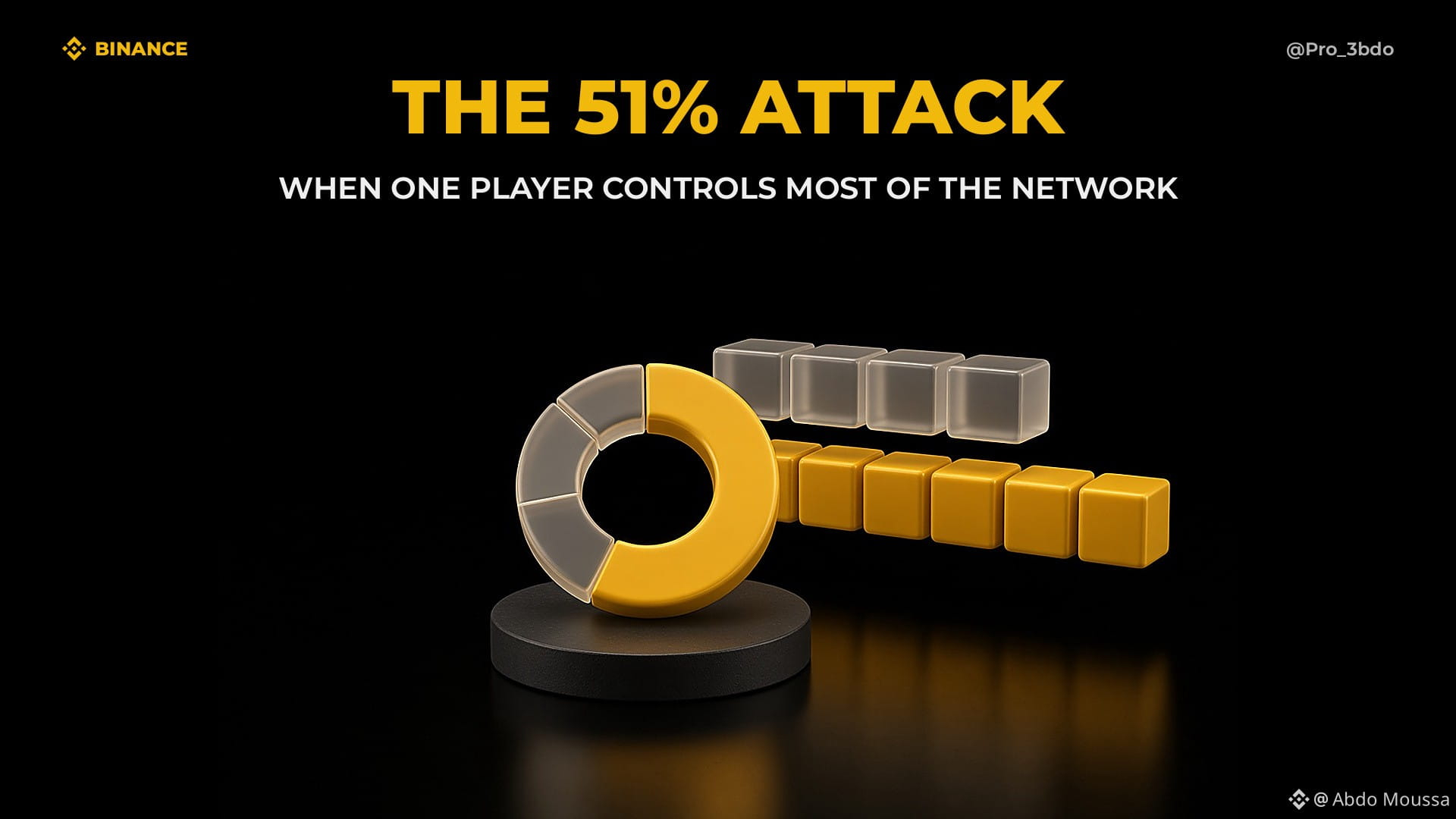
𝐖𝐡𝐚𝐭 𝐡𝐚𝐩𝐩𝐞𝐧𝐬 𝐢𝐟 𝐨𝐧𝐞 𝐩𝐥𝐚𝐲𝐞𝐫 𝐜𝐨𝐧𝐭𝐫𝐨𝐥𝐬 𝐦𝐨𝐬𝐭 𝐨𝐟 𝐚 𝐛𝐥𝐨𝐜𝐤𝐜𝐡𝐚𝐢𝐧'𝐬 𝐦𝐢𝐧𝐢𝐧𝐠 𝐩𝐨𝐰𝐞𝐫? 𝐄𝐧𝐭𝐞𝐫 𝐭𝐡𝐞 𝟓𝟏% 𝐀𝐭𝐭𝐚𝐜𝐤 ⛓️⚠️
𝐷𝑟𝑎𝑤𝑖𝑛𝑔 𝑓𝑟𝑜𝑚 𝑓𝑜𝑢𝑛𝑑𝑎𝑡𝑖𝑜𝑛𝑎𝑙 𝑙𝑒𝑠𝑠𝑜𝑛𝑠 𝑜𝑛 #BinanceAcademy, ℎ𝑒𝑟𝑒 𝑖𝑠 𝑦𝑜𝑢𝑟 𝑞𝑢𝑖𝑐𝑘 51% 𝐴𝑡𝑡𝑎𝑐𝑘 𝑏𝑟𝑒𝑎𝑘𝑑𝑜𝑤𝑛:
1️⃣ 𝐌𝐚𝐣𝐨𝐫𝐢𝐭𝐲 𝐂𝐨𝐧𝐭𝐫𝐨𝐥, 𝐄𝐱𝐩𝐥𝐚𝐢𝐧𝐞𝐝:
• A 51% attack is when one entity or group controls more than half of a network's hash rate (or stake, in Proof of Stake), which could let it override consensus.
2️⃣ 𝐖𝐡𝐚𝐭 𝐚𝐧 𝐀𝐭𝐭𝐚𝐜𝐤𝐞𝐫 𝐂𝐨𝐮𝐥𝐝 𝐃𝐨:
• Secretly mine a longer private chain and broadcast it to reverse their own recent transactions (double-spending), block some transactions from confirming, or keep other miners out.
3️⃣ 𝐖𝐡𝐚𝐭 𝐓𝐡𝐞𝐲 𝐂𝐚𝐧'𝐭 𝐃𝐨:
• They generally can't reverse other users' transactions, stop transactions from being broadcast, change the block reward, or create coins out of thin air.
⚠️ 𝐑𝐢𝐬𝐤 𝐍𝐨𝐭𝐞:
Smaller chains with lower hash rates tend to be more exposed, and several have been hit, while large networks like Bitcoin are much harder to attack given the resources needed.
For me, every extra confirmation adds peace of mind, especially on smaller networks 💛
📖 Learn more on Binance Academy: https://www.binance.com/en/academy/articles/what-is-a-51-percent-attack
Crypto involves risk, this is not financial advice, always DYOR 💡
#Blockchain #CryptoSecurity #Bitcoin
Follow me for more 💛
3
101
Log in to explore more content
Join global crypto users on Binance Square
⚡️ Get latest and useful information about crypto.
💬 Trusted by the world’s largest crypto exchange.
👍 Discover real insights from verified creators.
Email / Phone number
Trending Topics
1
#CanBTCReboundAfterFallingBelow60K?
350,985 views
1,470 Discussing
2
#GlobalStocksFaceLongestLosingStreakSince2023
115,684 views
1,042 Discussing
3
#BlackRockIBITPostsRecord$541MSingleDayOutflow
551 views
14 Discussing
4
#AnthropicPlungesTowardIPOPriceonDay2
55,260 views
558 Discussing
5
#TwentyOneCapitalAdds172.25BTC
8,795 views
131 Discussing
6
#HKBillWouldExcludeTokenizedDepositsFromVirtualAssets
766 views
13 Discussing
7
#BNBDropsBelow540USDTWith8.46%DailyDecline
29,675 views
245 Discussing
8
#HKBillProposesHK$100KFineForUnauthorizedCryptoTitles
989 views
14 Discussing
9
#BitMineFaces$10.1BUnrealizedETHLoss
1,942 views
18 Discussing
10
#StrategyReports$35BNetReserves
1,794 views
17 Discussing