
#cryptoeducation
cryptoeducation
3.7M views
24,897 Discussing
Hot
Latest

·
--
Bullish
🔷 Ethereum ($ETH ) — The Foundation of Smart Contracts!
Ethereum is one of the most important blockchain networks, powering decentralized applications and smart contracts.
🔹 Symbol: $ETH
🔹 Launched: 2015
🔹 Founder: Vitalik Buterin
🔹 Consensus: Proof of Stake
🔹 Utility: Gas Fees, DeFi, NFTs & dApps
Ethereum continues to shape the decentralized technology ecosystem.
#Ethereum #ETH #blockchain #CryptoEducation #BinanceSquare
{spot}(ETHUSDT)
🔷 Ethereum ($ETH ) — The Foundation of Smart Contracts!
Ethereum is one of the most important blockchain networks, powering decentralized applications and smart contracts.
🔹 Symbol: $ETH
🔹 Launched: 2015
🔹 Founder: Vitalik Buterin
🔹 Consensus: Proof of Stake
🔹 Utility: Gas Fees, DeFi, NFTs & dApps
Ethereum continues to shape the decentralized technology ecosystem.
#Ethereum #ETH #blockchain #CryptoEducation #BinanceSquare
1
1
184
·
--
⚠️ WHO PAYS THE FUNDING?
📊 19 NOV 2026 PK NIGHT ..
Many futures traders focus on price movements but forget about funding fees.
📚 WHAT IS FUNDING RATE?
Funding is a periodic payment between LONG and SHORT traders in perpetual futures.
Its purpose is to help keep futures prices close to the spot market price.
🔹 POSITIVE FUNDING RATE:
Long traders PAY short traders.
🔹 NEGATIVE FUNDING RATE:
Short traders PAY long traders.
💡 SIMPLE EXAMPLE:
Imagine your position value is 10,000 USDT and the funding rate is +0.01%.
Your funding payment as a long trader would be 1 USDT for that settlement.
Remember:
Funding is exchanged between traders, not an ordinary trading fee charged by the exchange.
✅ BEFORE HOLDING A FUTURES POSITION:
1️⃣ Check the current funding rate.
2️⃣ Check the next settlement time.
3️⃣ Understand your position size and potential funding cost.
⚠️ Important:
Funding intervals vary by contract and can change.
A high positive rate is not a guaranteed price reversal signal.
#CryptoEducation #FuturesTrading #FundingRate #TradingTips
🗳️ COMMUNITY POLL
When trading perpetual futures, what do you check most carefully?
Funding Rate
Liquidation Price
Trading Volume
All of Them
6 day(s) left
1
6

·
--
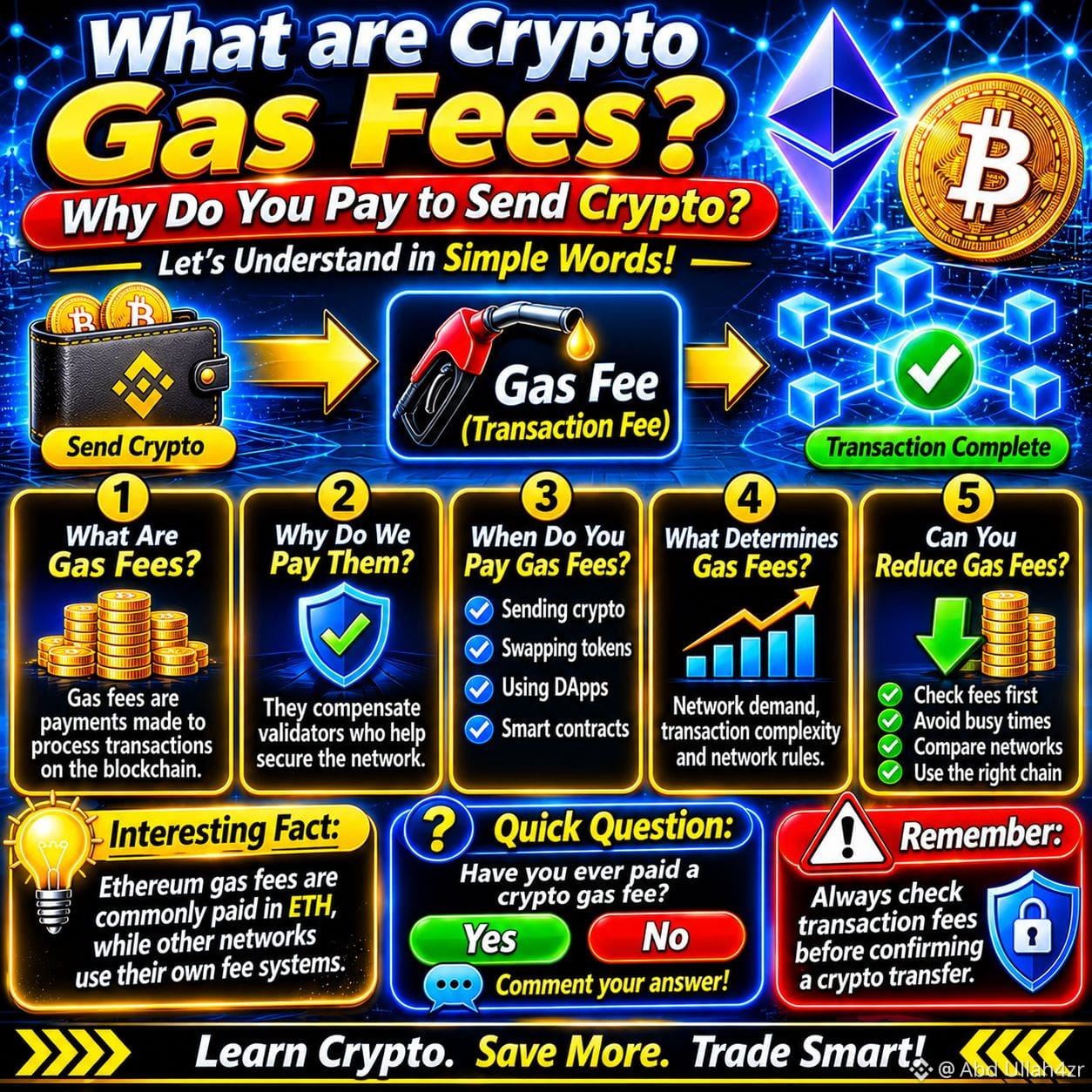
⛽ WHAT ARE CRYPTO GAS FEES? WHY DO YOU PAY TO SEND CRYPTO?
Have you ever sent cryptocurrency and noticed an extra fee? 🤔
That fee may be called a Gas Fee. Let's understand how it works!
📌 1. What Are Gas Fees?
Gas fees are payments made to process transactions and execute operations on certain blockchain networks.
📌 2. Why Do We Pay Them?
They compensate network validators or participants who help process and secure transactions.
📌 3. When Do You Pay Gas Fees?
🔹 Sending cryptocurrency.
🔹 Swapping tokens.
🔹 Using decentralized applications.
🔹 Interacting with smart contracts.
📌 4. What Determines Gas Fees?
Gas fees can change depending on network demand, transaction complexity and network rules.
📌 5. Can You Reduce Gas Fees?
✅ Check network fees before transacting.
✅ Avoid busy periods when practical.
✅ Compare supported networks.
✅ Always select the correct network for your transfer.
💡 Interesting Fact: Ethereum gas fees are commonly paid in ETH, while other blockchain networks use their own fee systems.
🎯 Quick Question: Have you ever paid a crypto gas fee?
👇 Comment YES or NO!
Remember: Always check transaction fees before confirming a crypto transfer.
#CryptoEducation #GasFees #Ethereum #Blockchain #CryptoForBeginners
60

·
--
Bullish
⚡ SPOT vs FUTURES: Do you know the difference?
Spot trading means buying and owning crypto assets. Futures trading involves contracts, leverage, and higher risks.
Beginners should understand the risks before choosing either.
💬 Which do you prefer: SPOT or FUTURES? Tell us why!$AAPLB
#Binance #SpotTradingSuccess #CryptoFutures #BitcoinDunyamiz $ #cryptoeducation

1
36
·
--
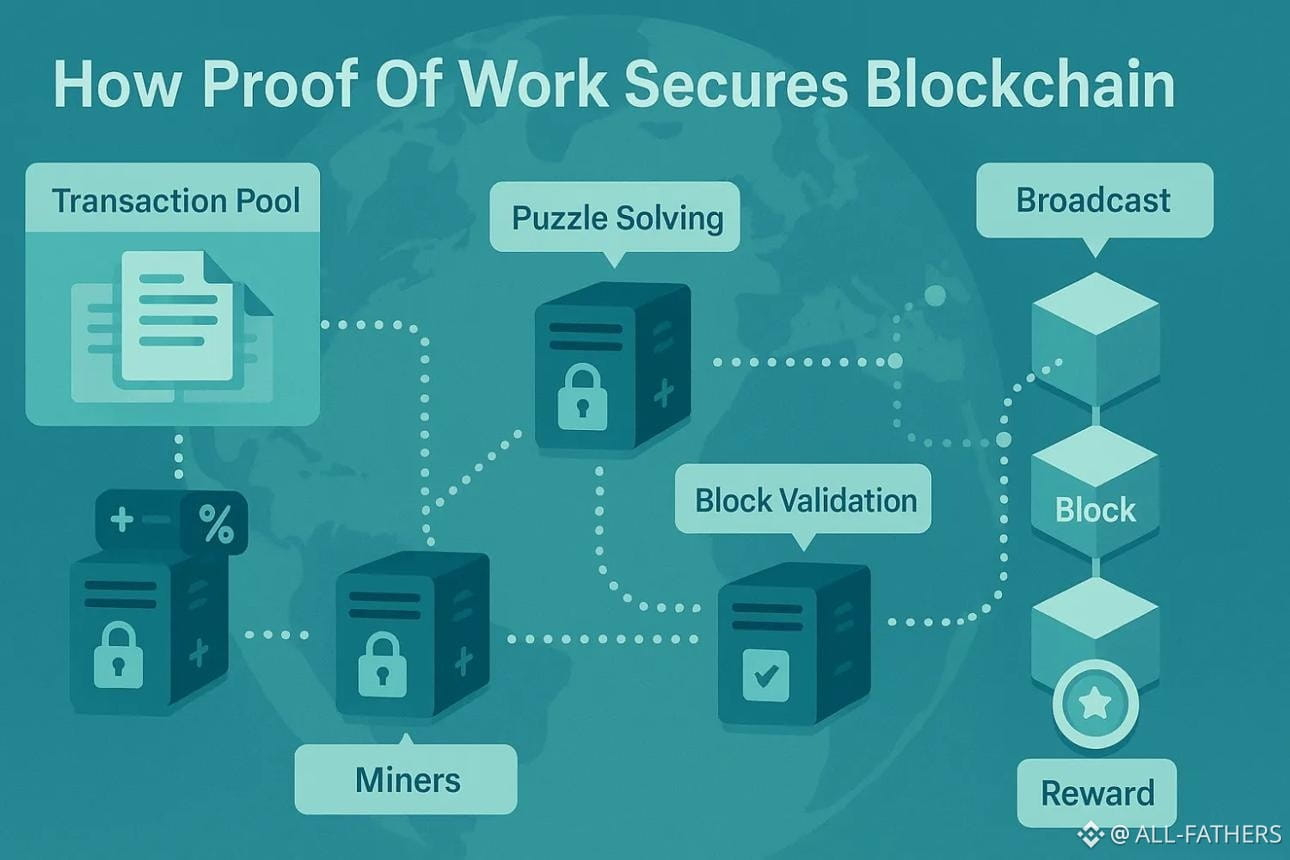
WHAT ACTUALLY SECURES THE BITCOIN NETWORK? ₿
Bitcoin's security does not depend on trusting one company. It comes from a network of participants following independently verifiable rules.
Here is how it works:
1. Miners compete through Proof of Work to produce new blocks.
2. Full nodes independently verify that transactions and blocks follow Bitcoin's rules.
3. Mining difficulty adjusts every 2,016 blocks to help maintain an average block interval of about 10 minutes.
4. Limited supply: Bitcoin's protocol sets a maximum supply of 21 million BTC.
One important distinction: miners produce blocks, but full nodes check that those blocks follow the rules.
And remember: limited supply does not guarantee a rising market price.
QUESTION: What do beginners misunderstand most about Bitcoin: mining, decentralisation or its limited supply?
$BTC
#bitcoin #BTC #blockchain #cryptoeducation #BinanceSquare
82

·
--
💡 3 Golden Rules Every Crypto Beginner Must Follow!
1️⃣ Never invest more than you can afford to lose. Protect your capital first.
2️⃣ Do Your Own Research (DYOR): Don't blindly follow hype on social media.
3️⃣ Patience Pays: Great profits in $BTC, ETH, and BNB come to those who wait for the right entry.
Which rule do you think is the most important for surviving in crypto? Let’s discuss! 💬
#CryptoEducation
#DYOR
#BinanceSquare
#Write2Earn
#BTC
#ETH
#BNB
2
175

📚 WHY DOES THE FED MATTER TO BITCOIN?
Many crypto beginners focus only on Bitcoin charts.
But there's another important factor: Federal Reserve interest rates.
Let's understand it simply.
🏦 When interest rates rise:
🔹 Borrowing can become more expensive.
🔹 Investors may prefer lower-risk assets.
🔹 Liquidity conditions can tighten.
🔹 Riskier investments, including crypto, may face pressure.
When interest rates fall, financial conditions can become more supportive for risk assets.
But here's the important part:
Bitcoin does not move only because of the Fed.
ETF flows, investor demand, liquidity and market sentiment also matter.
The lesson: Understand macroeconomics alongside technical analysis.
💬 Do you follow Federal Reserve decisions when trading Bitcoin?
#BinanceAcademy #Bitcoin #CryptoEducation #Macroeconomics $BTC $BNB
78
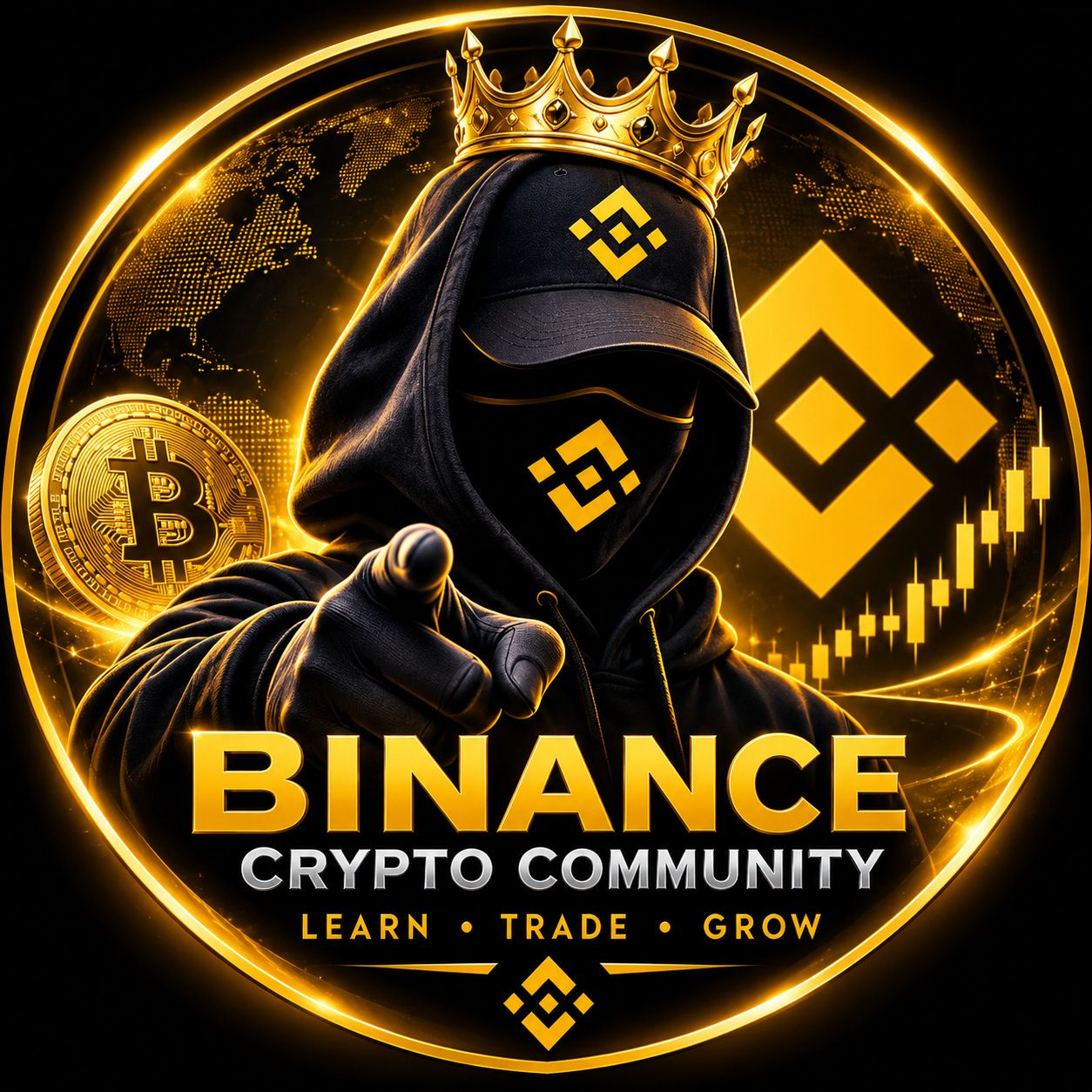
₿ BITCOIN: 5 THINGS EVERY BEGINNER SHOULD KNOW!
Are you new to cryptocurrency? Start with these 5 important facts:
1️⃣ Bitcoin is the first major decentralized cryptocurrency.
2️⃣ Its maximum supply is 21 million BTC.
3️⃣ Bitcoin transactions are recorded on the blockchain.
4️⃣ Bitcoin's price can rise or fall significantly.
5️⃣ Always do your own research before investing.
💡 Knowledge is more valuable than hype.
Are you a Bitcoin beginner or an experienced crypto user?
#Bitcoin #BTC #Crypto #CryptoEducation
1
252

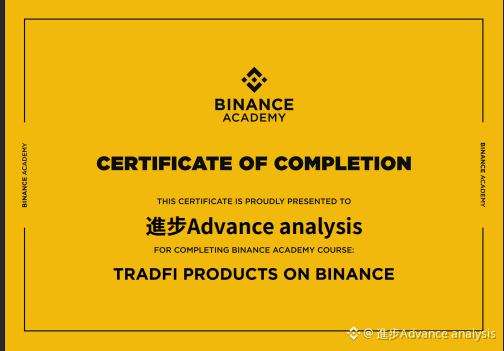
I’m proud to announce that I have successfully completed the “TradFi Products on Binance” course from Binance Academy and earned a Certificate of Completion.
This course has strengthened my understanding of traditional finance products available through Binance and expanded my knowledge of the evolving digital-asset ecosystem.
Looking forward to continuing my learning journey in blockchain, cryptocurrency, and financial markets.
#BinanceAcademy #blockchain #Binance #cryptoeducation
Bryan Pientka W7Ii:
plz 30 dollor gift me plz I am very losees
11
10
43
6.9k
·
--
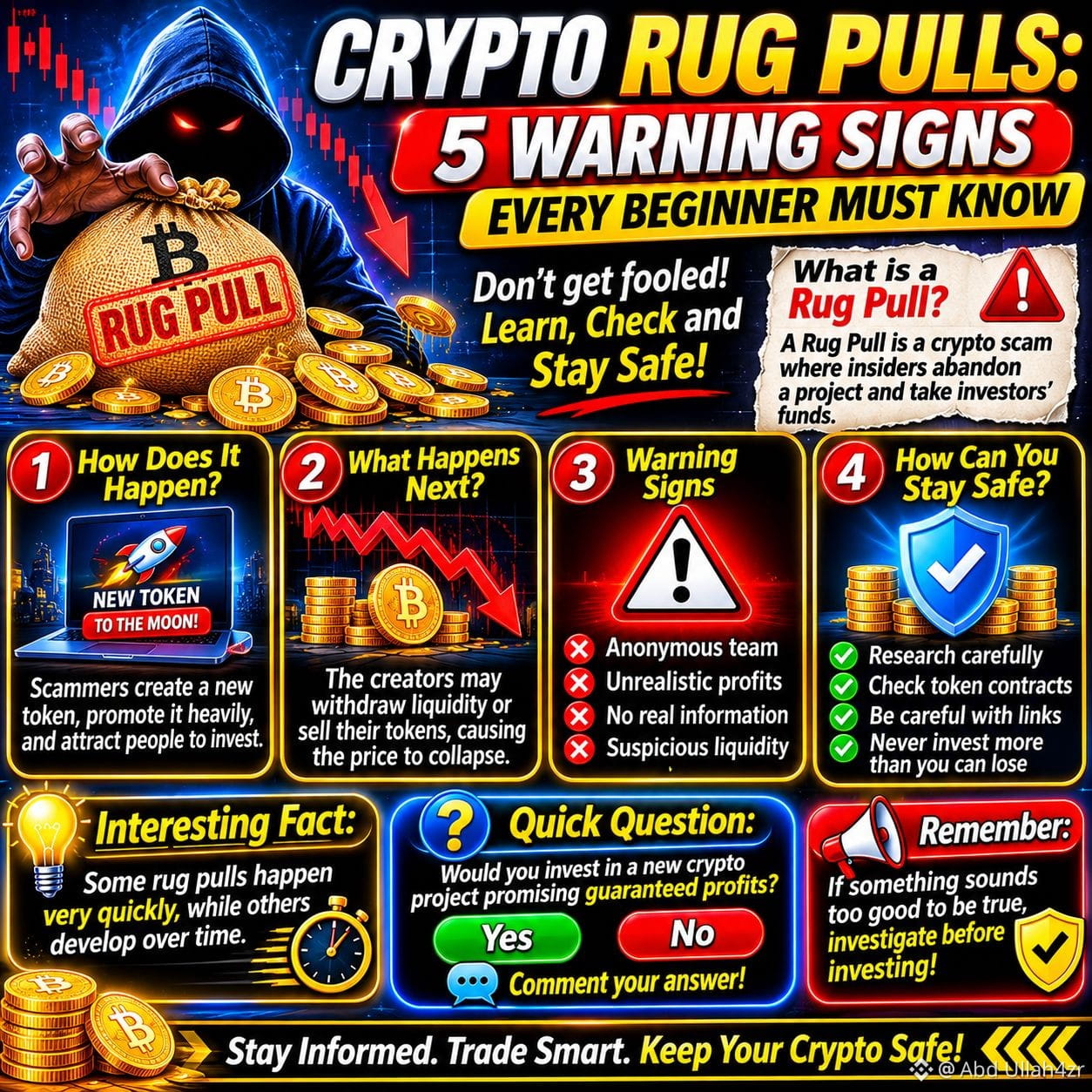
🚨 WHAT IS A CRYPTO RUG PULL? HOW DO CRYPTO SCAMS TRICK INVESTORS?
Have you ever heard of a cryptocurrency project that suddenly disappears with investors' money? 😨
This is sometimes called a Rug Pull. Let's understand it!
📌 1. What Is a Rug Pull?
A rug pull is a crypto scam where project insiders abandon a project and take investors' funds.
📌 2. How Does It Happen?
Scammers create a new token, promote it heavily, and attract people to invest.
📌 3. What Happens Next?
The creators may withdraw liquidity or sell their large token holdings, causing the token's price to collapse.
📌 4. Warning Signs
🚩 Anonymous or unverified team.
🚩 Unrealistic profit promises.
🚩 No clear project information.
🚩 Suspicious token ownership or liquidity controls.
📌 5. How Can You Stay Safe?
✅ Research the project carefully.
✅ Check token contracts and liquidity.
✅ Be careful with unknown links.
✅ Never invest money you cannot afford to lose.
💡 Interesting Fact: Some rug pulls happen very quickly, while others develop over a longer period.
🎯 Quick Question: Would you invest in a new crypto project promising guaranteed profits?
Remember: If something sounds too good to be true, investigate before investing!
#CryptoEducation #RugPull #CryptoScams #BlockchainSecurity #LearnCrypto
55
·
--
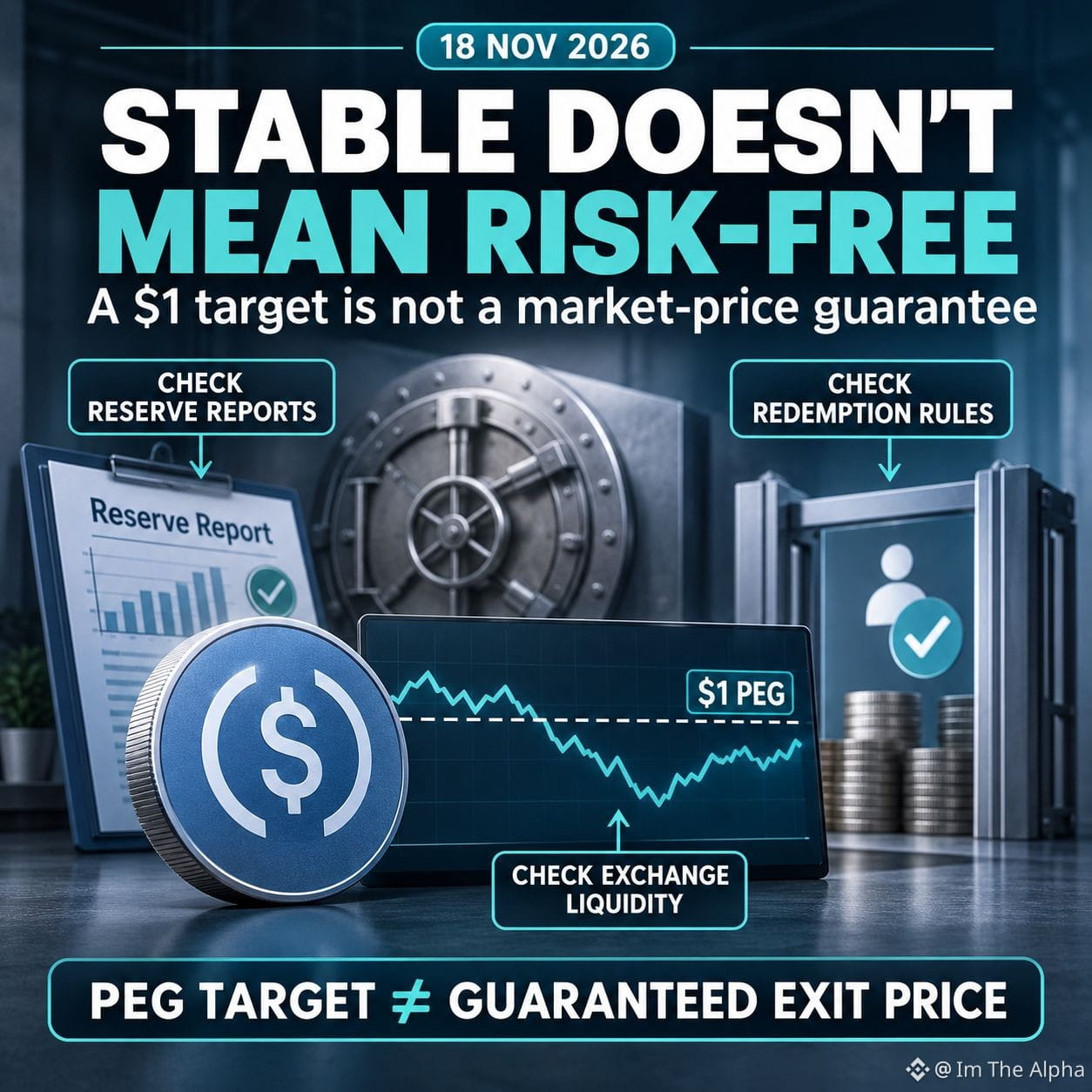
🚨 STABLECOINS ARE NOT RISK FREE!
CRYPTO KNOWLEDGE
18 NOV 2026 NIGHT....
Many traders believe a stablecoin will always be worth exactly $1.
But that's not guaranteed on crypto exchanges.
📚 WHAT IS A DEPEG?
A depeg happens when a stablecoin moves away from its target value.
For example, a $1 stablecoin starts trading at $0.97.
WHY CAN THIS HAPPEN?
• Doubts about reserve quality.
• Liquidity problems.
• Loss of market confidence.
• Delays or restrictions in redemption.
⚠️ 3 THINGS TO CHECK:
1️⃣ Reserve reports: What assets back the stablecoin?
2️⃣ Redemption rules: Can ordinary holders actually redeem directly with the issuer?
3️⃣ Exchange liquidity: Can you sell at a reasonable market price?
💡 IMPORTANT:
A reserve report does not guarantee that you can immediately withdraw $1 through your exchange.
What matters most to you when choosing a stablecoin?
A) Reserve quality
B) Redemption access
C) Exchange liquidity
D) All three
Stay informed. Protect your capital.
#Stablecoins #CryptoEducation #CryptoSecurity #DeFi $BTC $BNB
1
86

🔓 THE TOKEN UNLOCK TRAP: A METRIC EVERY CRYPTO TRADER SHOULD CHECK!
A token can look bullish on the chart while its future supply tells a completely different story.
One important factor in crypto research is the token unlock schedule.
When previously locked tokens become transferable, the amount of potentially tradable supply can increase. But that doesn't automatically mean the price will fall.
🔍 Before evaluating a token, check these 4 things:
1️⃣ Circulating supply: How many tokens are currently available?
2️⃣ Vesting schedule: When will additional tokens become unlocked?
3️⃣ Token allocation: How much is held by teams, early investors and the community?
4️⃣ Market liquidity: Can the market absorb additional supply without major disruption?
📊 Projects such as ARB , OP and SUI are useful examples to research when learning how token distribution and vesting schedules differ across ecosystems. Always check their individual tokenomics rather than assuming they share the same supply dynamics.
🧠 My takeaway: Don't evaluate a crypto project using price charts alone. Understand who holds the tokens, when supply can enter circulation, and whether real demand can support it.
💬 Question: When researching an altcoin, do you check its token unlock schedule before looking at its technical chart?
Knowledge before speculation. Research before risk.
$ARB $OP $SUI
#Tokenomics #cryptoeducation #altcoins #BinanceSquare
520
🚨 WHY DO MOST CRYPTO BEGINNERS LOSE MONEY?
Many beginners enter crypto with one dream: QUICK PROFITS.
But they often make 5 big mistakes:
1️⃣ Buying coins just because they are trending.
2️⃣ Investing without research.
3️⃣ Panic selling during market dips.
4️⃣ Following random signals blindly.
5️⃣ Expecting overnight wealth.
💡 Remember:
Successful crypto investing requires patience, knowledge, discipline and risk management.
Don't chase profits. Build knowledge first!
🔥 What do you think is the BIGGEST mistake beginners make in crypto?
#crypto #bitcoin #cryptoeducation #BinanceSquare #CryptoChainPulse
71

·
--
📚 ONE TRADING MISTAKE THAT CAN DESTROY YOUR CAPITAL
STOP CHASING BREAKOUTS!
Imagine Bitcoin breaks above resistance.
You get excited and immediately buy.
But suddenly, price falls back below resistance.
This is called a FALSE BREAKOUT.
Here's how to approach it:
1️⃣ Mark the important resistance level.
2️⃣ Wait for a candle to close above resistance.
3️⃣ Watch whether price retests the broken level.
4️⃣ Look for confirmation that buyers are defending it.
5️⃣ Plan your stop-loss before entering.
A breakout is not confirmed just because price briefly moves above resistance.
Patience can save your capital.
Do you enter immediately after a breakout, or wait for a retest?
Follow for more practical trading lessons.
#CryptoEducation #Bitcoin #TradingTips #BinanceSquare
113

·
--
📈 WHY DOES BITCOIN’S PRICE GO UP AND DOWN?
Have you ever wondered why Bitcoin ($BTC ) can rise or fall so quickly?
Here are 5 important factors:
1️⃣ Supply and Demand
When more people want to buy Bitcoin than sell it, its price can increase.
2️⃣ Market Sentiment
Positive news can create excitement, while negative news can cause fear.
3️⃣ Global Events
Economic changes, regulations and government decisions can influence crypto markets.
4️⃣ Institutional Investment
Large investors and companies can influence market demand.
5️⃣ Bitcoin News
Major announcements and developments can affect how people view Bitcoin.
💡 Remember: Bitcoin is highly volatile. Its price can move in either direction.
YOUR TURN 👇
What do you think influences Bitcoin’s price the most?
A. Supply and demand
B. Global news
C. Large investors
D. Market sentiment
Share your answer below!
#bitcoin #BTC #CryptoEducation #BinanceSquare
115

📘 CRYPTO EXPLAINED BY HCG
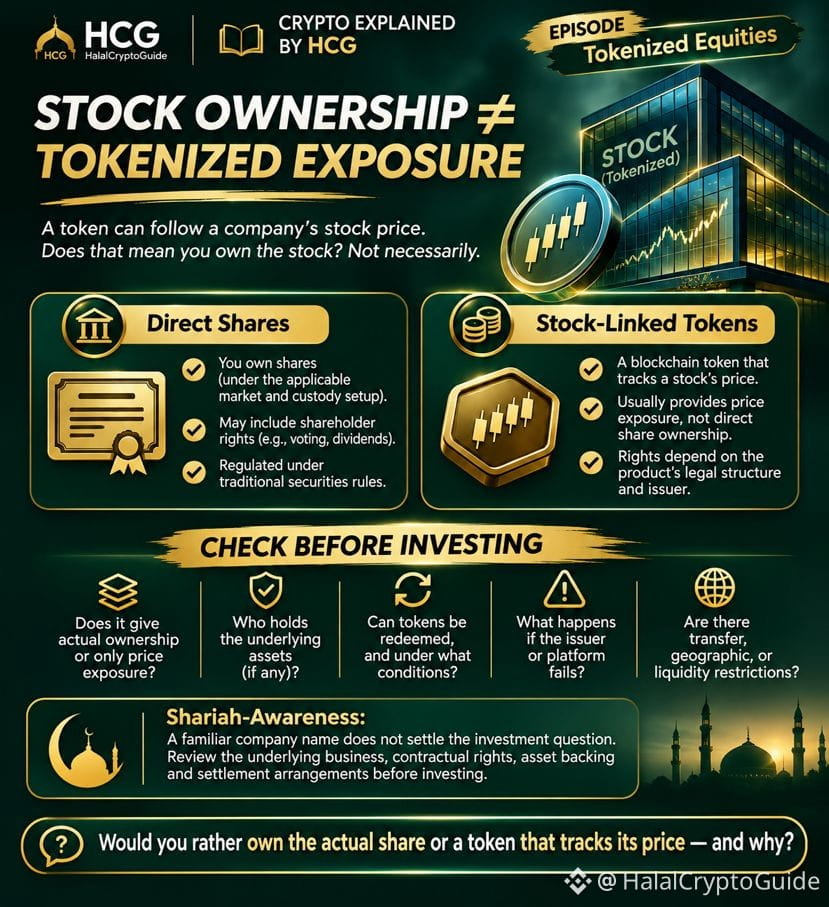
A token follows a stock's price. Does that mean you own the stock?
Not necessarily.
Binance Wallet promoted an Anthropic-related tokenized securities campaign on November 18, with a stated 500 million USDC subscription cap. Its application window has now closed.
Here's what beginners should understand:
🏢 Direct shares: You own shares under the applicable market and custody arrangements, with rights determined by the share class and jurisdiction.
🔗 Tokenized exposure: A blockchain token may track a share's value, but its holder rights depend entirely on the product's legal structure.
Before considering any tokenized equity, check:
1️⃣ Does it convey actual share ownership or only price exposure?
2️⃣ Who holds the underlying assets, if any?
3️⃣ Can tokens be redeemed, and under what conditions?
4️⃣ What happens if the issuer or platform fails?
5️⃣ Are there transfer, geographic, or liquidity restrictions?
☪️ Shariah-awareness: A familiar company name does not settle the investment question. Review the underlying business, contractual rights, asset backing and settlement arrangements rather than assuming a stock-linked token is equivalent to owning shares.
💬 Would you rather own the actual share or a token that tracks its price — and why?
#CryptoEducation #Tokenization #InvestorProtection #HalalCryptoGuide
1
81

·
--
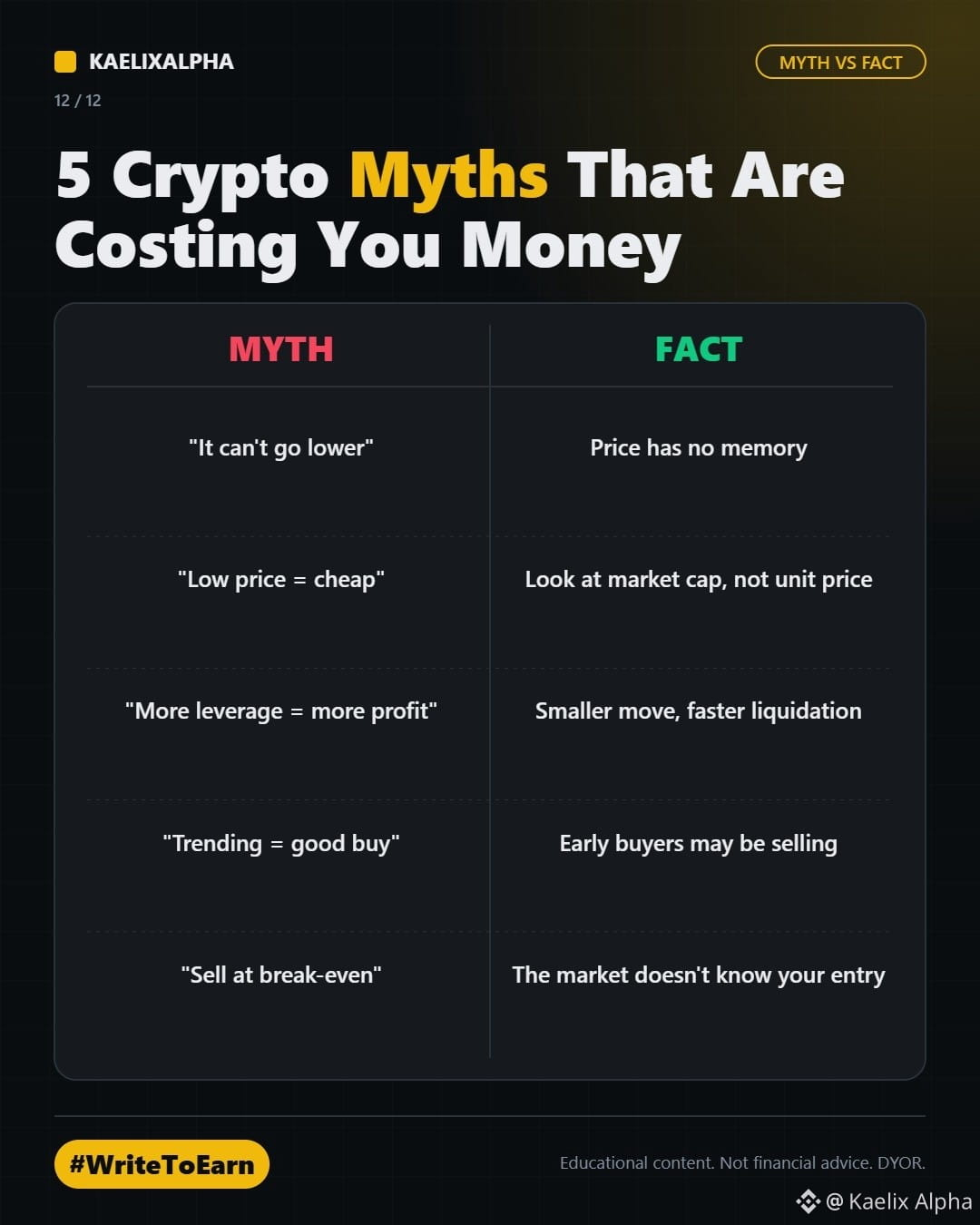
𝟱 𝗖𝗥𝗬𝗣𝗧𝗢 𝗠𝗬𝗧𝗛𝗦 𝗧𝗛𝗔𝗧 𝗔𝗥𝗘 𝗖𝗢𝗦𝗧𝗜𝗡𝗚 𝗬𝗢𝗨 𝗠𝗢𝗡𝗘𝗬
Some beliefs sound smart but quietly destroy portfolios. Let's separate myth from fact.
𝗠𝗬𝗧𝗛 𝟭: "It already dropped a lot, it can't go lower."
𝗙𝗔𝗖𝗧: Price has no memory. An asset down 50% can still fall another 50%.
𝗠𝗬𝗧𝗛 𝟮: "Low price per coin means it's cheap."
𝗙𝗔𝗖𝗧: A $0.001 token can be more overvalued than a coin priced in five figures. Look at market cap, not unit price.
𝗠𝗬𝗧𝗛 𝟯: "More leverage means more profit."
𝗙𝗔𝗖𝗧: More leverage means a smaller move can liquidate you. Most profitable traders use low leverage or none at all.
𝗠𝗬𝗧𝗛 𝟰: "If it's trending on social media, it must be a good buy."
𝗙𝗔𝗖𝗧: By the time something is trending everywhere, early buyers may already be selling to latecomers.
𝗠𝗬𝗧𝗛 𝟱: "I'll sell when I'm back to break-even."
𝗙𝗔𝗖𝗧: The market doesn't know your entry price. Make decisions based on the chart and your plan, not your past mistakes.
𝗧𝗛𝗘 𝗥𝗘𝗔𝗟 𝗘𝗗𝗚𝗘
In crypto, avoiding big mistakes is worth more than finding the next big coin.
Which myth did you believe when you started? Comment the number.
$BTC $ETH $BNB
#WriteToEarn #BinanceSquare #CryptoEducation #CryptoTrading
136
·
--
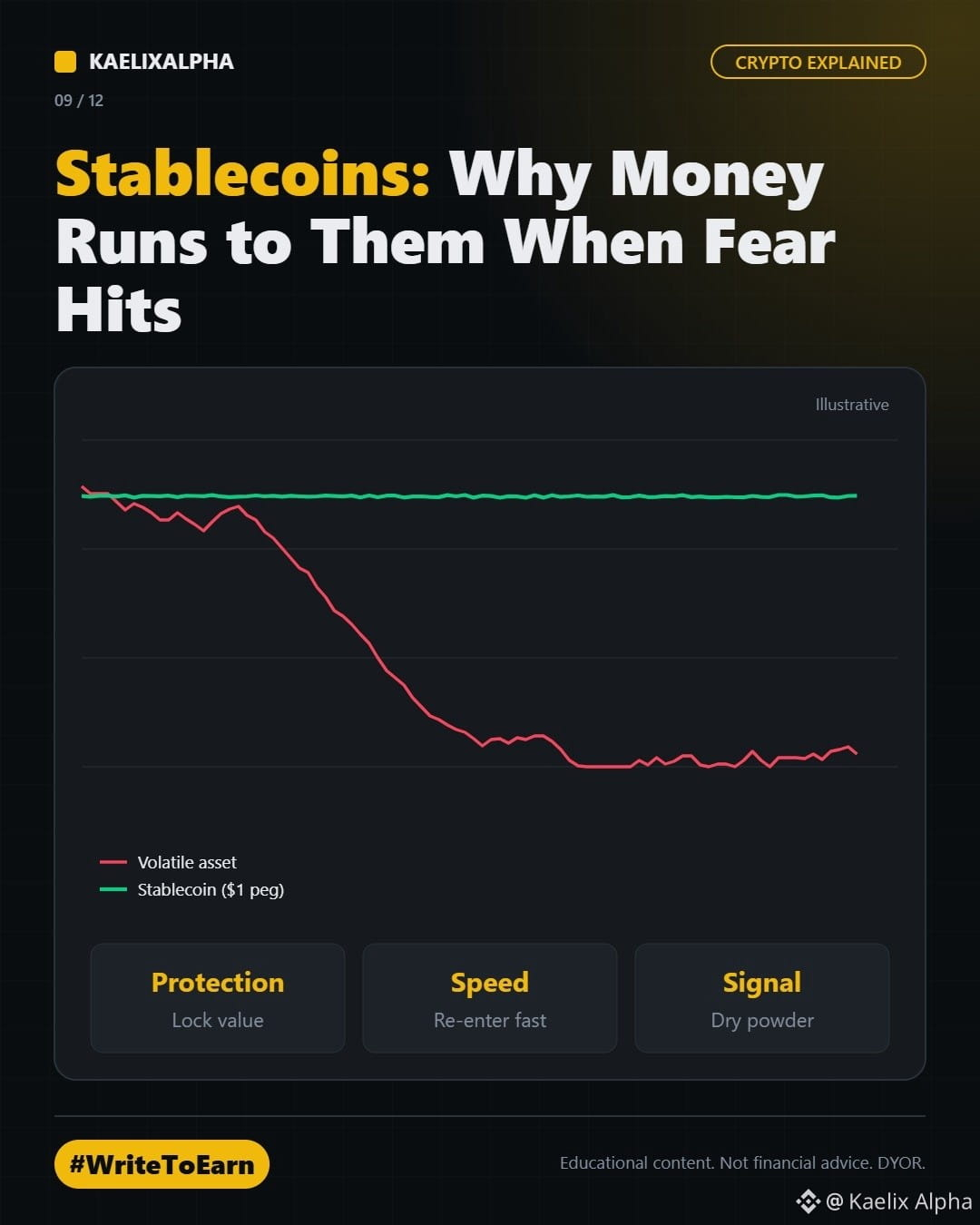
𝗦𝗧𝗔𝗕𝗟𝗘𝗖𝗢𝗜𝗡𝗦 𝗘𝗫𝗣𝗟𝗔𝗜𝗡𝗘𝗗: 𝗪𝗛𝗬 𝗠𝗢𝗡𝗘𝗬 𝗥𝗨𝗡𝗦 𝗧𝗢 𝗧𝗛𝗘𝗠 𝗪𝗛𝗘𝗡 𝗙𝗘𝗔𝗥 𝗛𝗜𝗧𝗦
When the market crashes, traders don't always leave crypto. Many simply move into stablecoins. Here's why.
𝗪𝗛𝗔𝗧 𝗜𝗦 𝗔 𝗦𝗧𝗔𝗕𝗟𝗘𝗖𝗢𝗜𝗡?
A crypto token designed to keep a steady value, usually 1 US dollar. Examples: USDT, USDC and FDUSD.
𝗛𝗢𝗪 𝗗𝗢 𝗧𝗛𝗘𝗬 𝗦𝗧𝗔𝗬 𝗦𝗧𝗔𝗕𝗟𝗘?
Fiat-backed: backed by cash and short-term government bonds held in reserve.
Crypto-backed: backed by other crypto, usually over-collateralised.
Algorithmic: rely on code and incentives. Historically the riskiest type.
𝗪𝗛𝗬 𝗧𝗥𝗔𝗗𝗘𝗥𝗦 𝗨𝗦𝗘 𝗧𝗛𝗘𝗠 𝗜𝗡 𝗔 𝗕𝗘𝗔𝗥 𝗠𝗔𝗥𝗞𝗘𝗧
1. Protection: lock in value without leaving the crypto ecosystem.
2. Speed: re-enter the market in seconds when an opportunity appears.
3. Earning: some platforms offer yield on stablecoin holdings.
4. Measuring sentiment: rising stablecoin balances on exchanges can mean "dry powder" waiting to buy.
𝗧𝗛𝗘 𝗥𝗜𝗦𝗞𝗦 𝗡𝗢𝗕𝗢𝗗𝗬 𝗧𝗔𝗟𝗞𝗦 𝗔𝗕𝗢𝗨𝗧
- A stablecoin is only as good as its reserves.
- Regulation can affect which stablecoins are available where.
- "De-pegs" have happened before, especially with algorithmic designs.
𝗧𝗛𝗘 𝗧𝗔𝗞𝗘𝗔𝗪𝗔𝗬
Stablecoins are not exciting, but in a fearful market they are a strategic tool, not a waiting room.
Do you keep part of your portfolio in stablecoins? What percentage?
$USDC $FDUSD $BTC
#WriteToEarn #BinanceSquare #Stablecoins #CryptoEducation
68
·
--
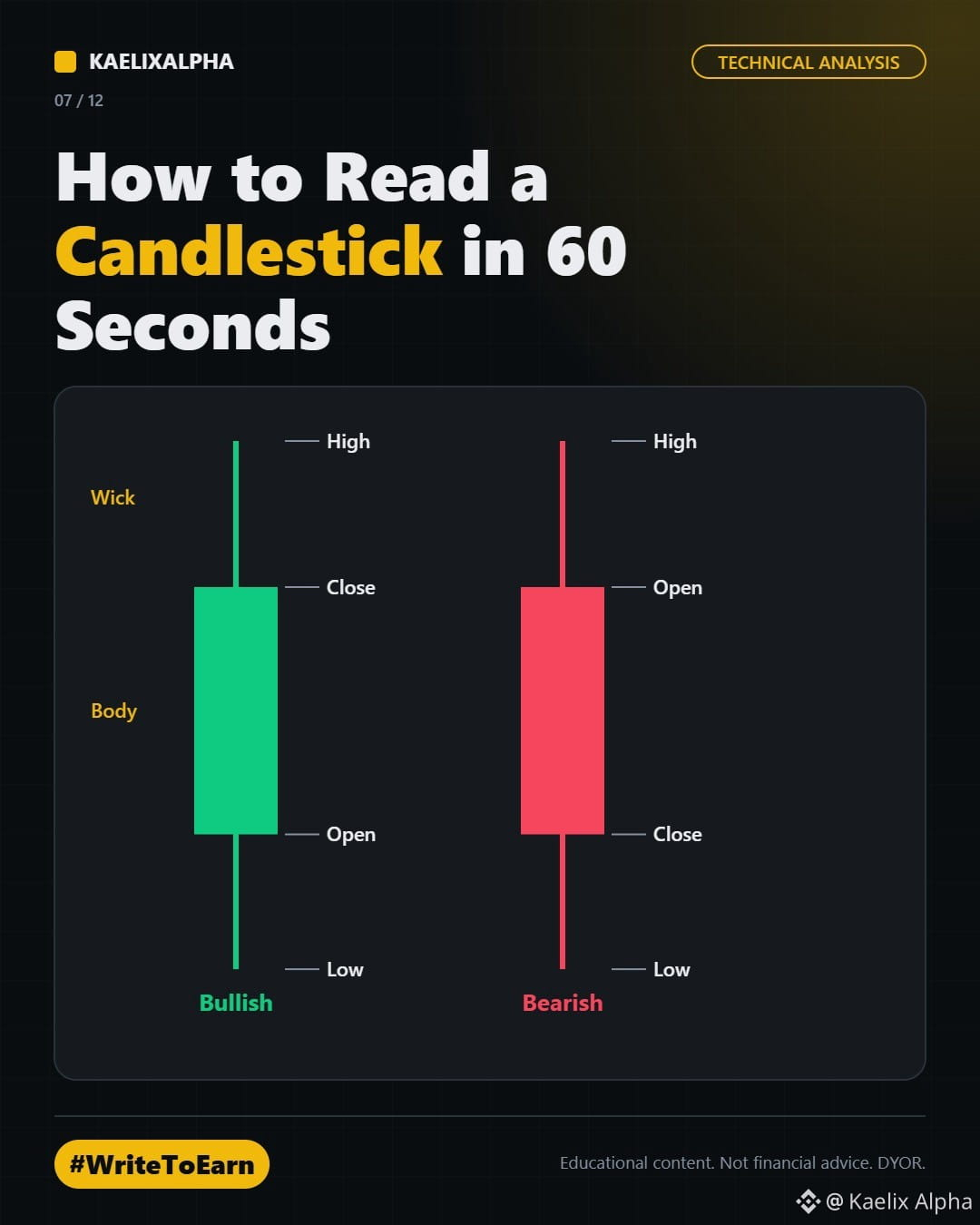
𝗛𝗢𝗪 𝗧𝗢 𝗥𝗘𝗔𝗗 𝗔 𝗖𝗔𝗡𝗗𝗟𝗘𝗦𝗧𝗜𝗖𝗞 𝗜𝗡 𝟲𝟬 𝗦𝗘𝗖𝗢𝗡𝗗𝗦
Every chart you see on Binance is built from candlesticks. Once you understand one candle, you can start reading the story of the market.
𝗧𝗛𝗘 𝟰 𝗣𝗥𝗜𝗖𝗘𝗦 𝗜𝗡 𝗘𝗩𝗘𝗥𝗬 𝗖𝗔𝗡𝗗𝗟𝗘
Open: price at the start of the time period
Close: price at the end of the time period
High: the highest price reached
Low: the lowest price reached
𝗧𝗛𝗘 𝗕𝗢𝗗𝗬
The thick part between open and close.
Green candle: close is higher than open (buyers won).
Red candle: close is lower than open (sellers won).
𝗧𝗛𝗘 𝗪𝗜𝗖𝗞𝗦 (𝗦𝗛𝗔𝗗𝗢𝗪𝗦)
The thin lines above and below the body. They show how far price travelled before being pushed back.
Long upper wick: sellers rejected higher prices.
Long lower wick: buyers defended lower prices.
𝟯 𝗖𝗔𝗡𝗗𝗟𝗘𝗦 𝗘𝗩𝗘𝗥𝗬 𝗕𝗘𝗚𝗜𝗡𝗡𝗘𝗥 𝗦𝗛𝗢𝗨𝗟𝗗 𝗞𝗡𝗢𝗪
Doji: open and close almost equal. The market is undecided.
Hammer: small body, long lower wick, often appearing after a drop. Buyers are stepping in.
Shooting star: small body, long upper wick, often appearing after a rise. Sellers are stepping in.
𝗜𝗠𝗣𝗢𝗥𝗧𝗔𝗡𝗧
One candle is a clue, not a confirmation. Always look at the trend, volume and key levels around it.
Open your $BTC chart now and find the last doji. Drop the timeframe in the comments.
$BTC $ETH
#WriteToEarn #BinanceSquare #TechnicalAnalysis #CryptoEducation
1
66
·
--
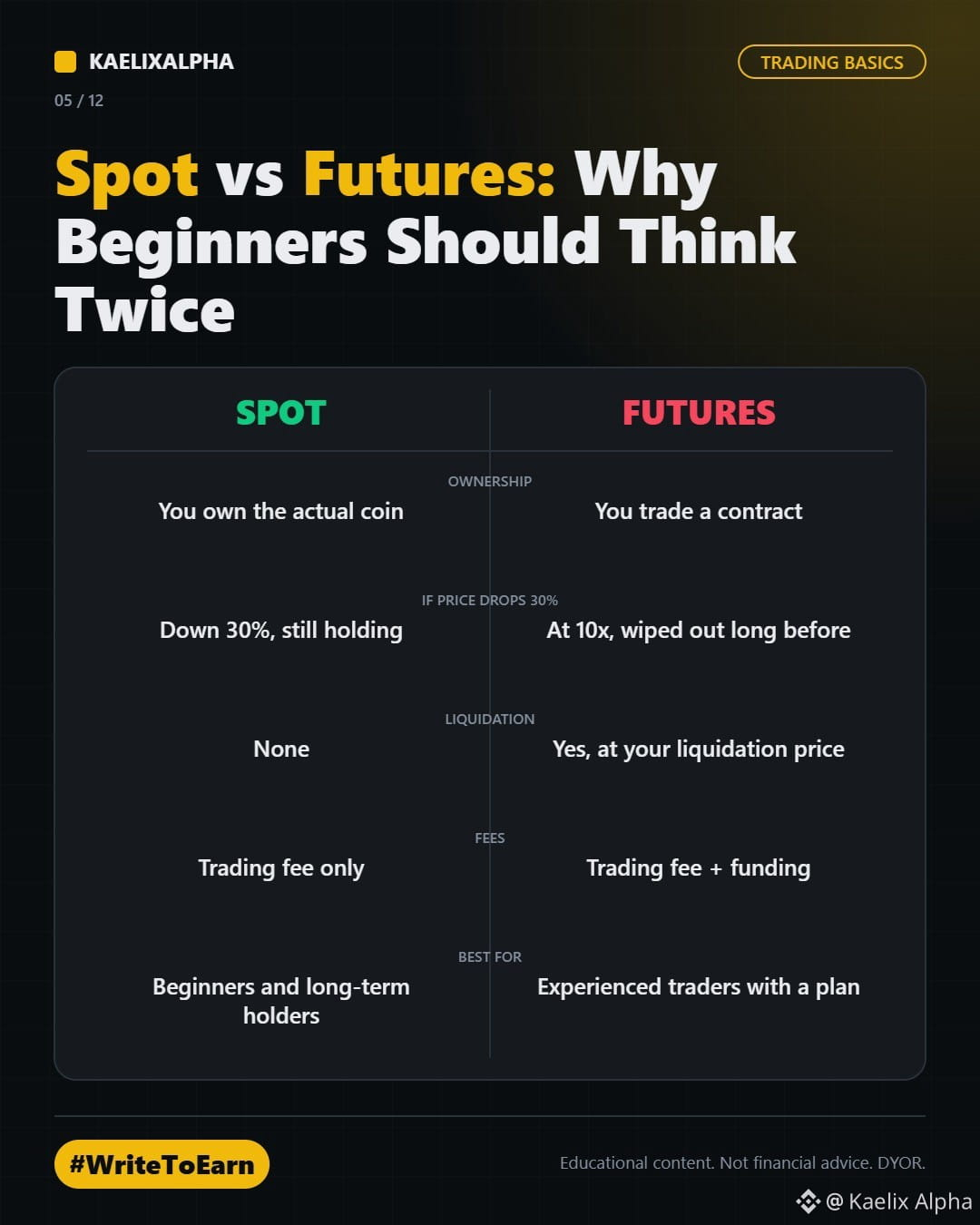
𝗦𝗣𝗢𝗧 𝗩𝗦 𝗙𝗨𝗧𝗨𝗥𝗘𝗦: 𝗪𝗛𝗬 𝗕𝗘𝗚𝗜𝗡𝗡𝗘𝗥𝗦 𝗦𝗛𝗢𝗨𝗟𝗗 𝗧𝗛𝗜𝗡𝗞 𝗧𝗪𝗜𝗖𝗘
Every day new traders jump straight into futures because of screenshots showing 500% gains. What those screenshots don't show is the liquidations.
𝗦𝗣𝗢𝗧 𝗧𝗥𝗔𝗗𝗜𝗡𝗚
You buy the actual coin. You own it.
If price drops 30%, you are down 30%, but you still hold the coin and can wait.
No liquidation. No funding fees.
𝗙𝗨𝗧𝗨𝗥𝗘𝗦 𝗧𝗥𝗔𝗗𝗜𝗡𝗚
You trade a contract, not the coin.
Leverage multiplies both profits AND losses.
With 10x leverage, a move of roughly 10% against you can wipe out your position.
Funding fees apply while you hold.
𝗧𝗛𝗘 𝗠𝗔𝗧𝗛 𝗠𝗢𝗦𝗧 𝗣𝗘𝗢𝗣𝗟𝗘 𝗜𝗚𝗡𝗢𝗥𝗘
At 20x leverage, a price move of only about 5% against you can liquidate your margin. In volatile weeks, crypto can move 5% in a few hours.
𝗪𝗛𝗘𝗡 𝗙𝗨𝗧𝗨𝗥𝗘𝗦 𝗠𝗔𝗞𝗘 𝗦𝗘𝗡𝗦𝗘
- You understand margin, liquidation price and funding.
- You use a stop-loss on every trade.
- You use low leverage and small position sizes.
- You have a tested strategy, not a feeling.
𝗠𝗬 𝗔𝗗𝗩𝗜𝗖𝗘 𝗙𝗢𝗥 𝗕𝗘𝗚𝗜𝗡𝗡𝗘𝗥𝗦
Master spot first. Learn to read charts, manage risk and control emotions. Futures will still be there when you're ready.
Spot or futures: which one do you trade, and why?
$BTC $ETH
#WriteToEarn #BinanceSquare #FuturesTrading #CryptoEducation
47
Log in to explore more content
Join global crypto users on Binance Square
⚡️ Get latest and useful information about crypto.
💬 Trusted by the world’s largest crypto exchange.
👍 Discover real insights from verified creators.
Email / Phone number
Trending Topics
1
#IsAnthropic’s$1.5TMarketCapJustified?
4,753 views
44 Discussing
2
#BTCRemainsUnderPressureAfterHawkishFOMCMinutes
183,447 views
1,900 Discussing
3
#NvidiaBoardReportedlySplitOverHuang’sReturn
88,405 views
1,010 Discussing
4
#StrategySTRCPreferredSlips3.65%Below$100Par
3,996 views
59 Discussing
5
#MASToUpgradeSGDTestnetToSGDigitalLedger
11,823 views
196 Discussing
6
#CanGTA6'sLaunchLiftTTWOShares?
61,129 views
751 Discussing
7
#Solana2027RoadmapTargetsDoubleComputeCapacity
3,224 views
98 Discussing
8
#InjectiveTokenizedRealEstateMortgagesTop$1.5B
853 views
27 Discussing
9
#TetherMakesStrategicInvestmentInSCRYPT
3,766 views
84 Discussing
10
#CapitalGroupAdds1264500StrategyShares
18,818 views
209 Discussing