
隐私币DragonX
54 Posts
隐私币DragonX
Report
Block User
0 Following
182 Followers
98 Liked
Posts
All
Quotes
·
--
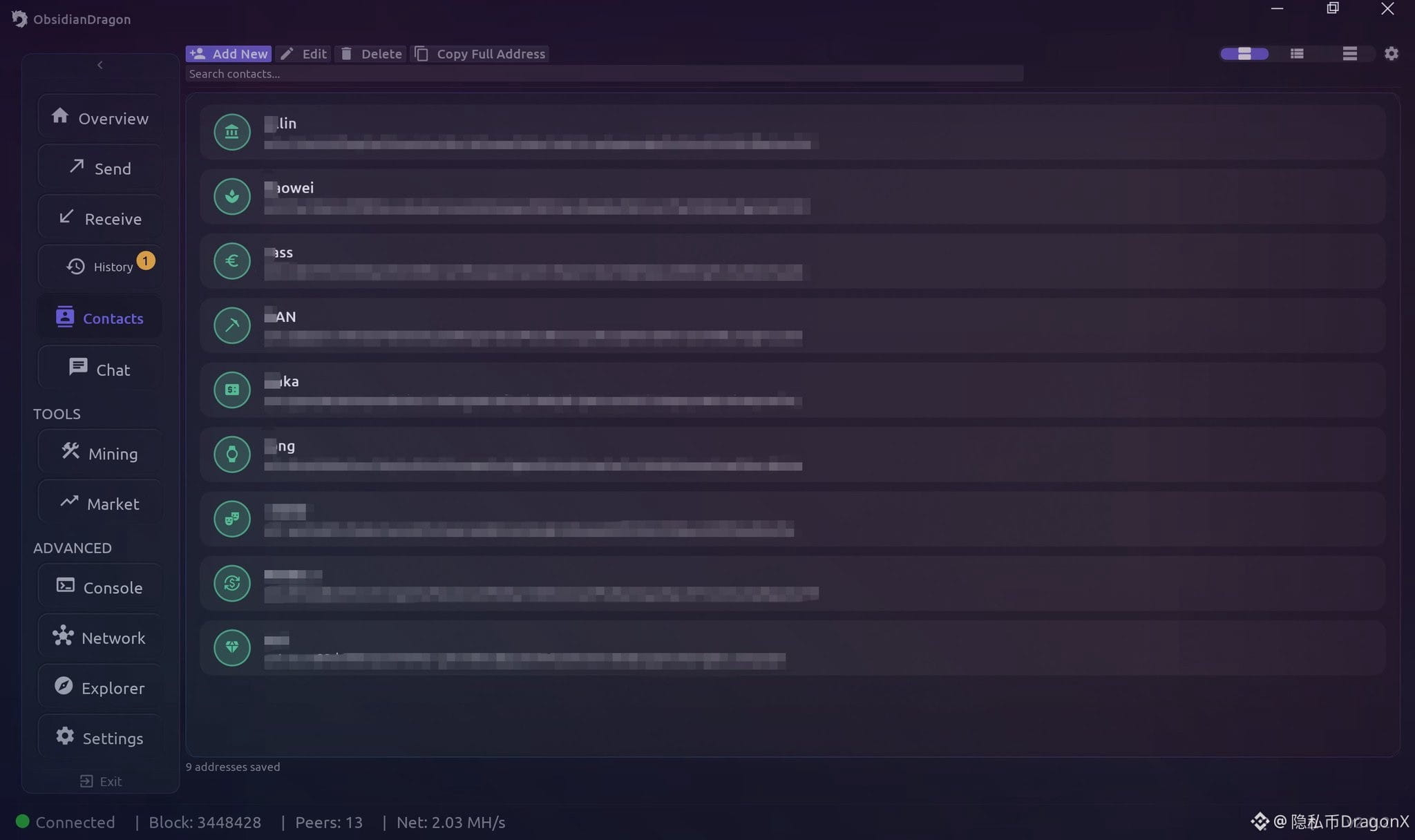
Just discovered DragonX ($DRGX)? Try the ObsidianDragon wallet for yourself. 🐉✨
This is the native client for our fair-launch L1 privacy chain—with zk-SNARK shielded transfers enabled by default, encrypted chat in the node mempool, and CPU mining (0% developer tax, no pre-mine).
New users can also claim 5 $DRGX in our community wallet trial airdrop (1 per person):
Join Telegram, follow @dragonxchain on Twitter/X, repost &
comment with a screenshot, and share your zs address!
#BTC #ETH #zec #PrivacyCoin #Airdrop
4
·
--
Partly True
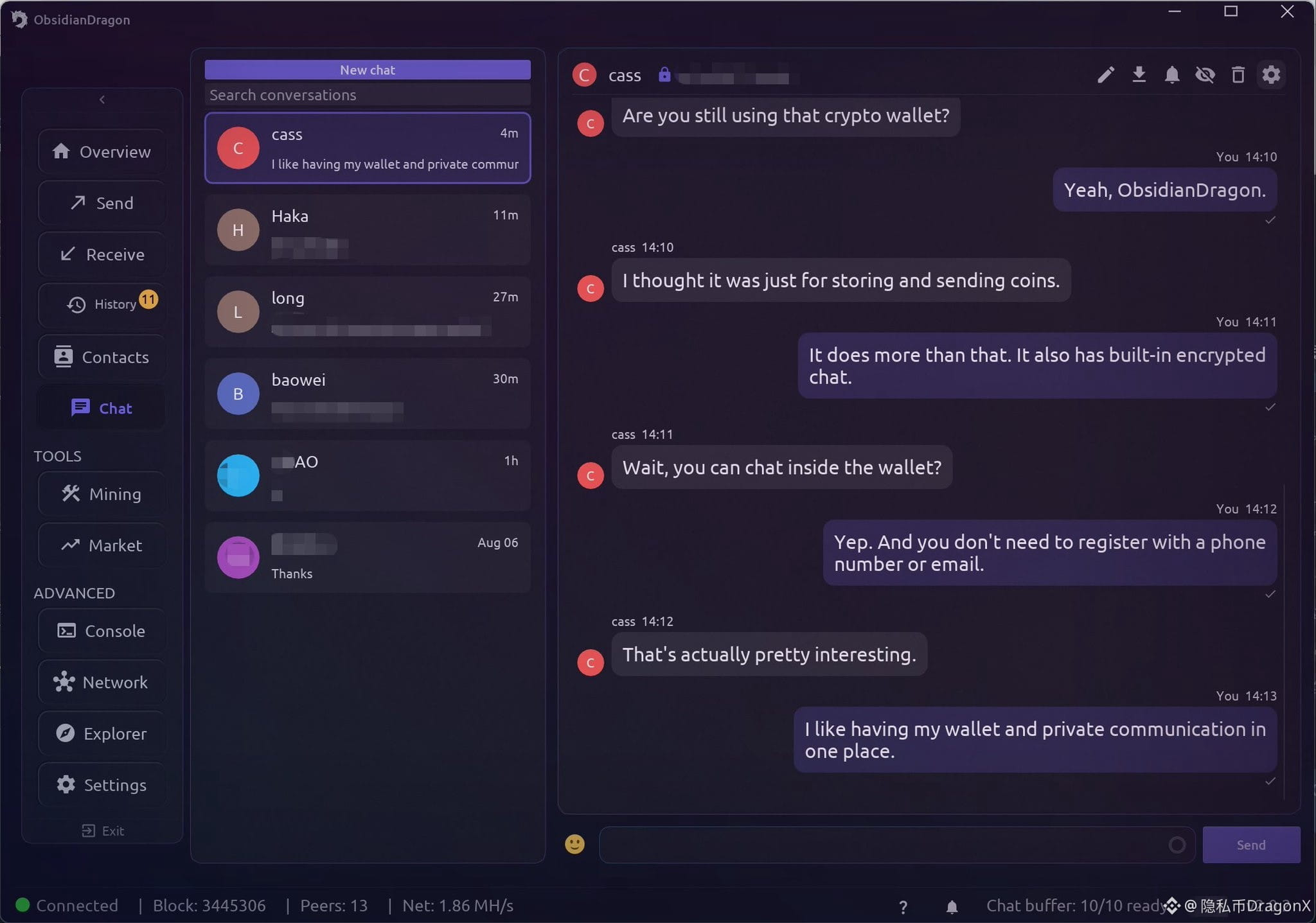
Introducing ObsidianDragon V2.0.2 — the core wallet for DragonX ($DRGX).
This is more than just a wallet. It integrates a decentralized, end-to-end encrypted messaging system directly into the blockchain ecosystem.
⚡ How does it work?
Unlike traditional messaging apps that rely on centralized messaging servers, DragonX uses its blockchain transaction infrastructure to deliver encrypted messages.
🔹 Mempool messaging: Messages are transmitted through the DragonX network’s transaction mempool.
🔹 Zero-confirmation delivery: Recipients can detect incoming encrypted messages directly from the mempool. No need to wait for block confirmations.
🔹 End-to-end encryption: Encrypted communications protect messages from unauthorized access.
🔹 Wallet-based identity: Your messaging identity comes from your wallet. No phone number. No email registration.
🔹 Peer-to-peer infrastructure: Communications run over a decentralized network without relying on centralized messaging servers.
Your messages don’t need to wait for block confirmations. Your privacy shouldn’t have to wait, either.
Traditional crypto wallets store and transfer funds.
ObsidianDragon brings private funds + private communications together.
No centralized messaging infrastructure. No unnecessary intermediaries. Your wallet, your identity, your privacy.
🐉 DragonX — Privacy is freedom.
🌐 dragonx.is
#BTC #ETH #zec #P2P #PrivacyCoins
404
·
--
Verified
Summary of responses by Dan, a representative of the U.S. project, to questions from community members:
1. Exchange security and double-spend prevention: Why not use (or rely entirely on) dPoW?
Exchange confirmation mechanism: Dan made clear that double-spend prevention does not hinge entirely on dPoW. Instead, exchanges are directly required to wait for 100 block confirmations to eliminate the risk of chain reorganizations.
A realistic understanding of dPoW:
Delayed Proof of Work (dPoW, such as Komodo's mechanism) can only reduce the probability of double-spending.
It has a cost-prohibitive barrier—which is also why Pirate Chain later had to switch its security notarization from Bitcoin (BTC) to Litecoin (LTC) to maintain dPoW.
This explains why $DRGX's high-level design opts for a streamlined, robust approach based on CPU mining and confirmations on the base chain, rather than blindly piling on the high costs and complexity of dPoW notarization.
2. Privacy purity: Upholding the red line of "fully shielded transactions"
The only transparent Coinbase transaction: Like Pirate Chain, $DRGX has transparent transactions only in the "coinbase transaction" created when miners mine. All other transactions across the network remain fully private.
Pirate Chain's compromise and $DRGX's refusal:
To enable cross-chain atomic swaps on AtomicDEX (a cross-chain decentralized exchange), Pirate Chain was forced to allow some transparent metadata to be exposed in DEX trades.
To uphold an absolute privacy baseline and leave no room for metadata leaks, $DRGX decisively chose to forgo this compromise-based DEX solution.
3. A path forward: Adapter Signatures and BasicSwap
Seeking a better solution: To enable decentralized trading without compromising the underlying architecture of complete privacy, the $DRGX team is exploring Adapter Signatures, with the goal of seamlessly integrating with the BasicSwap DEX in the future.
Continuity of development: This technical exploration actually began several years ago. Although it was put on hold for a time, the team plans to resume the work in the near future now that other interim goals have been achieved.
#BTC #ETH #zec #DASH #XMR
1
640
·
--
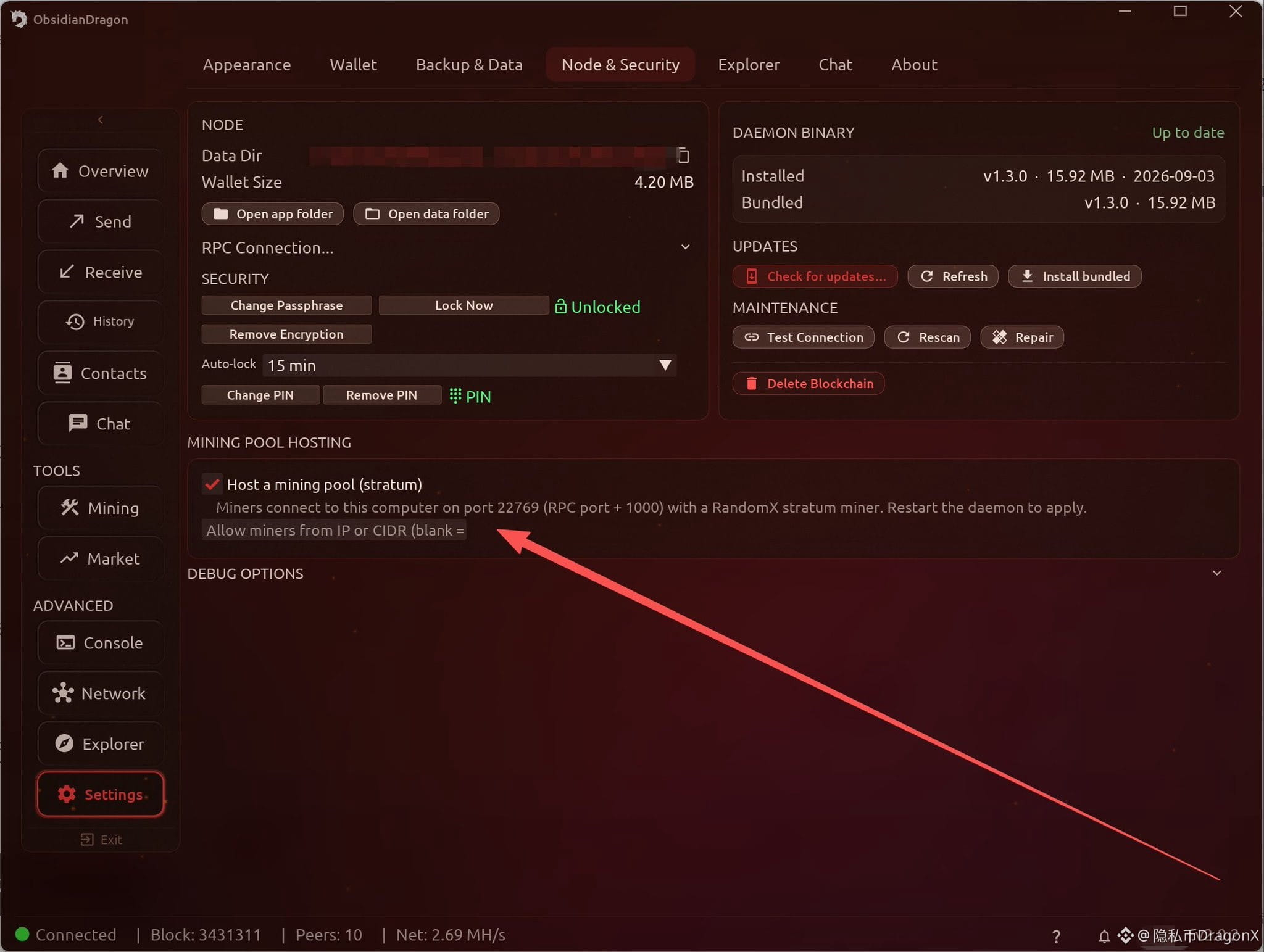
🚨 Stop renting mining infrastructure. Build your own! 🐉 $DRGX
Did you know? ObsidianDragon Wallet comes with built-in Stratum hosting?
🔥 Run your own private solo mining server!
No need to rely entirely on third-party mining pools.
With DragonX's built-in Stratum hosting, you can:
⚡ Run your own DragonX full node.
🖥️ Host your own Stratum mining service.
⛏️ Connect multiple CPU mining machines.
🐉 Coordinate your own solo mining operations.
💰 Avoid third-party pool fees.
Have 10, 50, or 100+ CPU machines?
Instead of sending all your hash rate to someone else's pool, explore building your own mining infrastructure.
One full node. Your own Stratum server. Multiple connected miners.
Don't just mine. Build your own mining infrastructure!
🐉 ObsidianDragon Wallet — more than just a wallet.
Explore more: dragonx.is
#BTC #ETH #zec #DASH #XMR
442
·
--
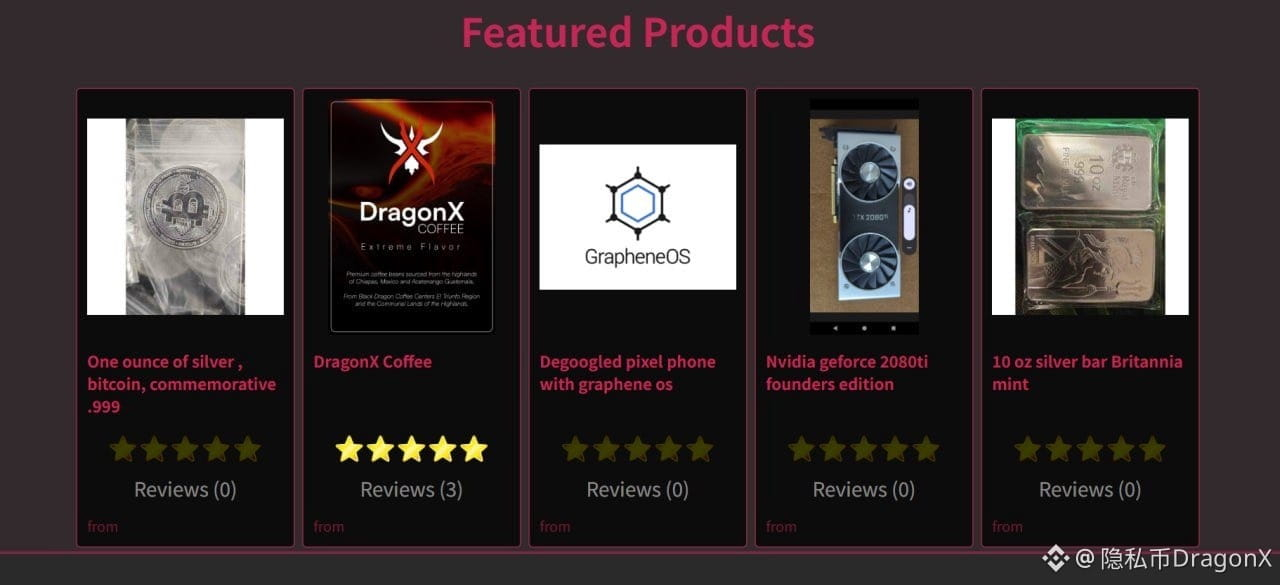
Breaking: The $DRGX privacy ecosystem is expanding!
AgoraX — a privacy-focused marketplace
While most cryptocurrencies remain caught up in an endless frenzy of speculation, DragonX is exploring something more meaningful:
PoW mining + zero-knowledge privacy + encrypted communications + private commerce.
True cryptocurrency shouldn’t exist only on trading charts.
It’s time to bring privacy-focused cryptocurrency into real-world commerce!
From digital scarcity to financial privacy, from technology to practical utility.
$DRGX — Privacy isn’t a feature. It’s a right.
Explore AgoraX:
agorax.is
#POW #BTC #ETH #zec #XMR
71
·
--
1
542
·
--
Verified

Article
DragonX: A CPU-Mining Project — Detailed Information🐉 $DRGX: The Truth About DragonX Coin’s Technology and Product Positioning — A Statement on Mandatory Privacy, Mempool Encrypted Messaging, and the Project’s Long-Term Roadmap
To all our friends in the DragonX community:
Recently, the community’s core team and lead developer, Dan Akston, held an in-depth discussion about the underlying technical architecture, development history, product experience, and future R&D roadmap of DragonX ($DRGX). To help everyone better understand the core strengths of $DRGX and the boundaries of what we claim in our promotional materials, we’ve systematically reviewed the key technical facts and product positioning:
DragonX: A CPU-Mining Project — Detailed Information
🐉 $DRGX: The Truth About DragonX Coin’s Technology and Product Positioning — A Statement on Mandatory Privacy, Mempool Encrypted Messaging, and the Project’s Long-Term Roadmap
To all our friends in the DragonX community:
Recently, the community’s core team and lead developer, Dan Akston, held an in-depth discussion about the underlying technical architecture, development history, product experience, and future R&D roadmap of DragonX ($DRGX). To help everyone better understand the core strengths of $DRGX and the boundaries of what we claim in our promotional materials, we’ve systematically reviewed the key technical facts and product positioning:
1
1
2
418
·
--
🛡️ $DRGX Obsidian Dragon Wallet — Security Improvements
The DragonX development team continues to strengthen the security of the Obsidian Dragon Wallet.
The latest code updates address four important areas of security:
Key Security Improvements
1. F13 — Secure Ephemeral Port Selection
Introduces unpredictable, operating-system-assigned ephemeral ports for the migration-to-seed process, reducing the risk of local port hijacking and RPC interception.
2. F12 — Mining Pool TLS Certificate Pinning
Adds TLS certificate fingerprint verification for mining pool connections. TLS-enabled mining pools will be prevented from mining if no certificate fingerprint is configured, helping protect against man-in-the-middle attacks.
3. F5 — Ed25519 Bootstrap Signature Verification
Introduces Ed25519 digital signature verification for blockchain bootstrap downloads, providing an additional layer of authenticity protection against malicious archive replacement.
4. Multilingual Security Warnings
Adds localized TLS security warnings in Chinese, German, Spanish, French, Japanese, Korean, Portuguese, and Russian.
Our Commitment
Security is not a one-time achievement. It is an ongoing development responsibility.
DragonX is committed to building not only a privacy-focused digital currency, but also a more secure and reliable infrastructure for privacy wallets.
Your privacy. Your security. Your freedom.
🐉 DragonX — Private currency. Private communications.
Code updates:
git.dragonx.is/DragonX/ObsidianDragon
#BTC #zec #ETH #XMR #DASH
72
·
--
Verified
🐉 Privacy is in action! 🔥
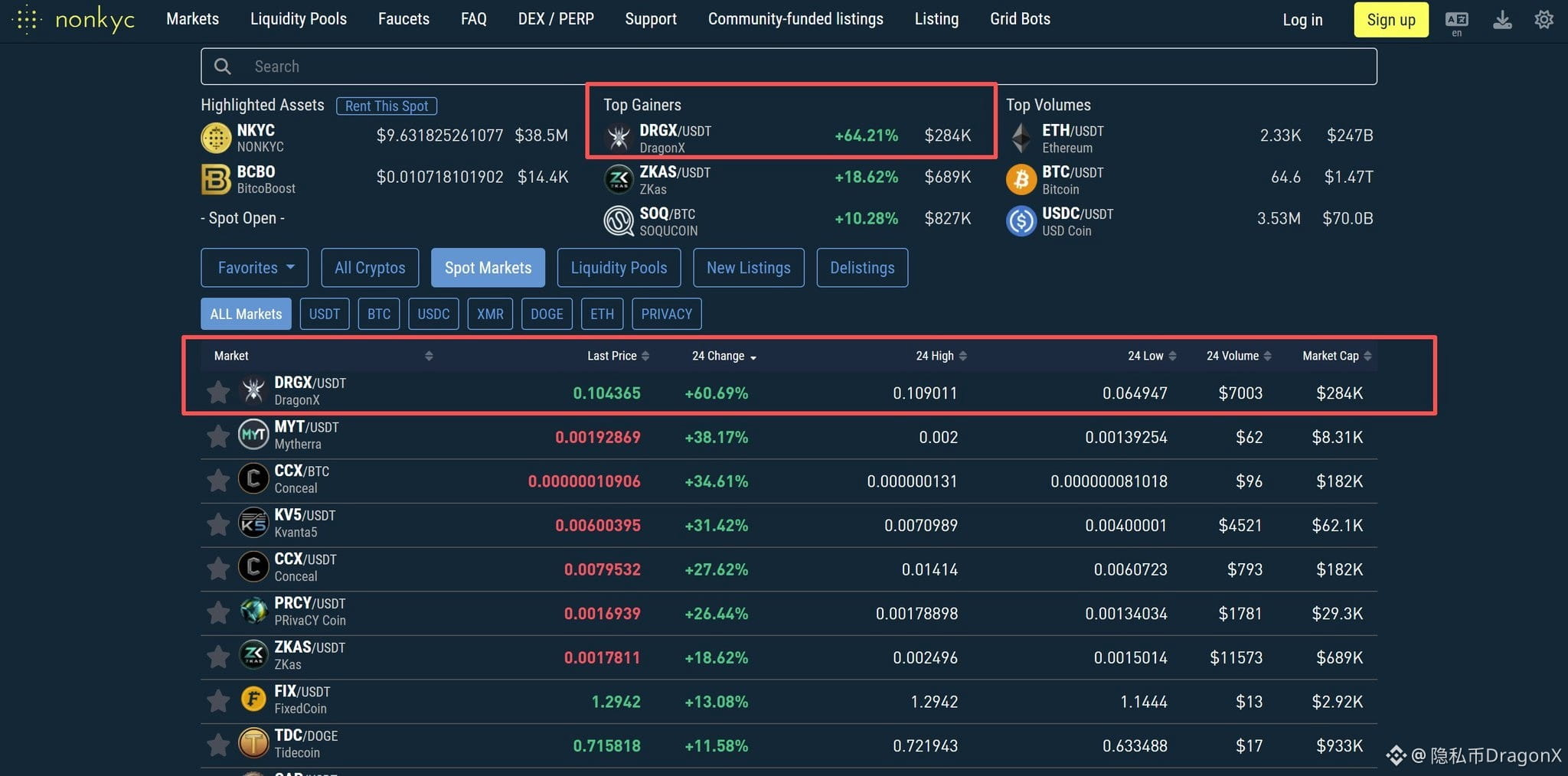
DragonX ($DRGX) has just claimed the top spot on NonKYC’s Top Gainers list! 🚀
But DragonX is about much more than price movements.
It’s building a complete privacy ecosystem.
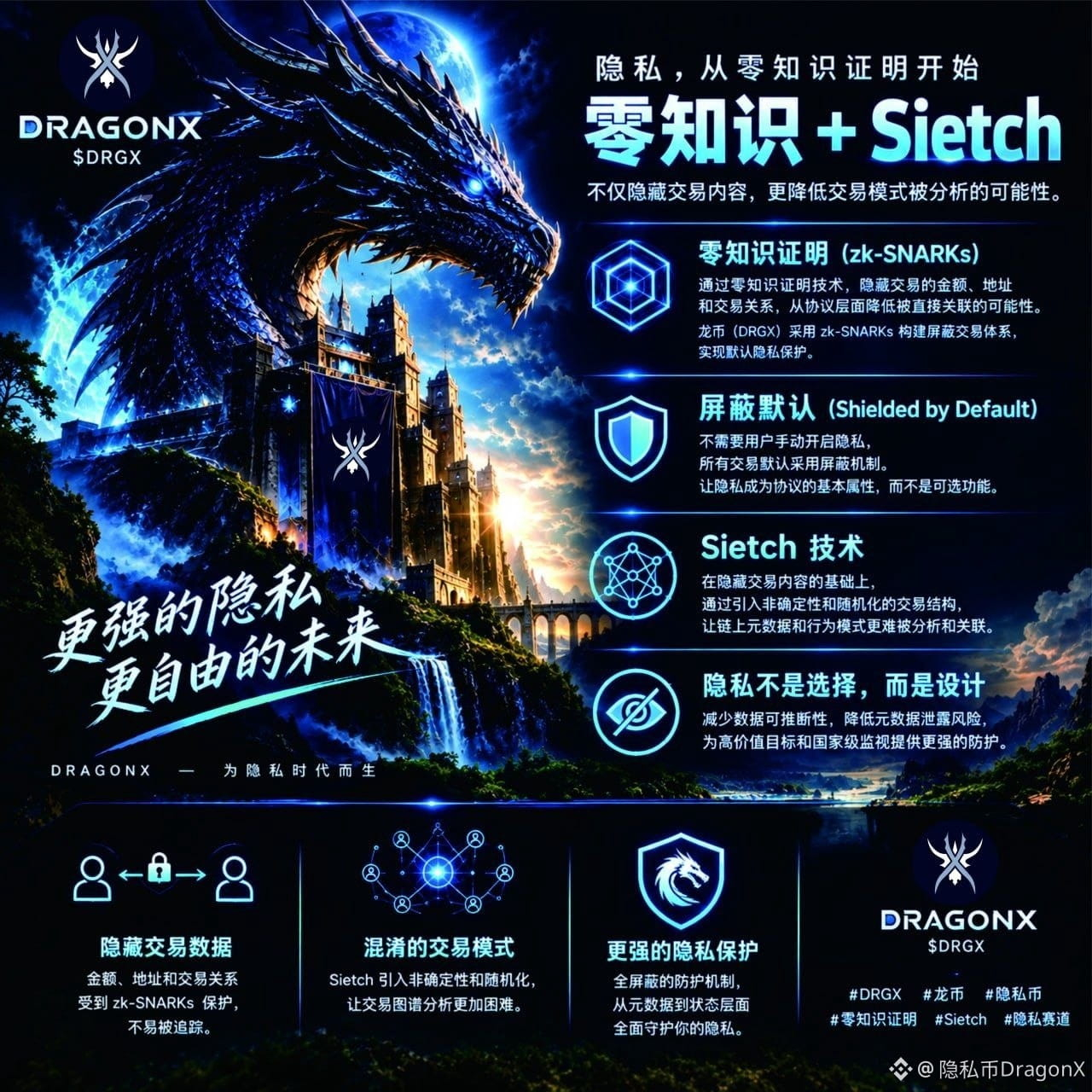
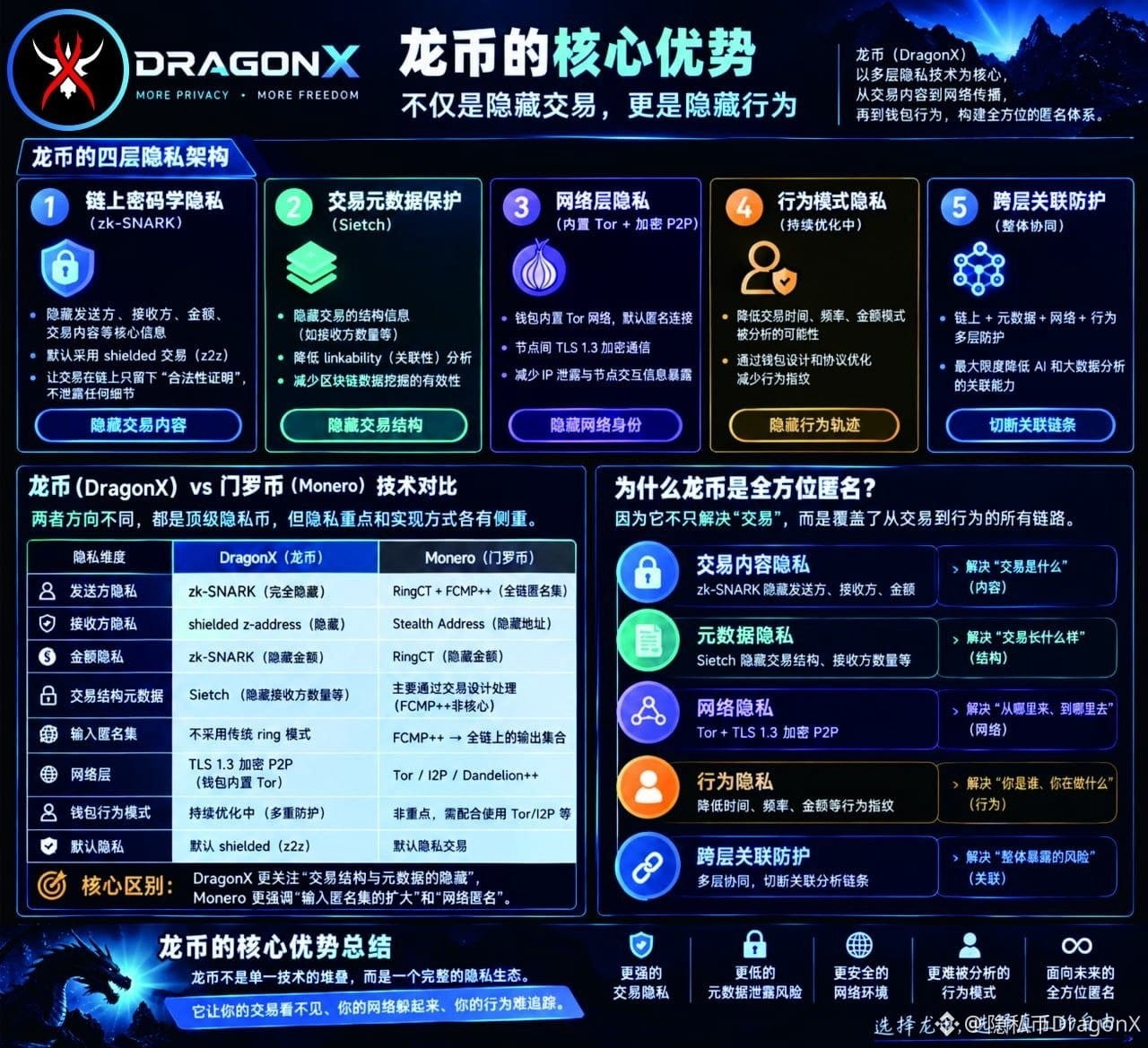
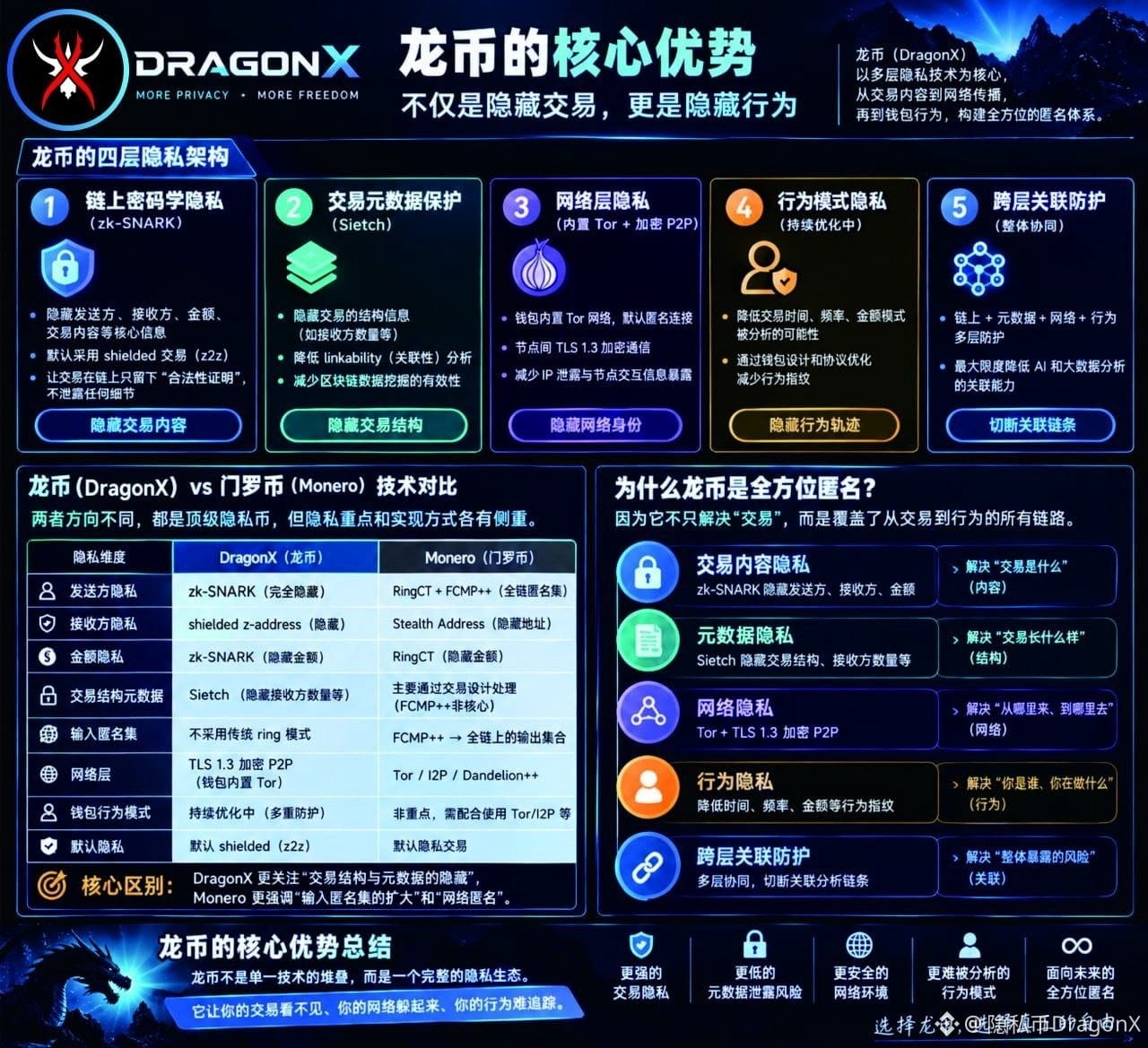
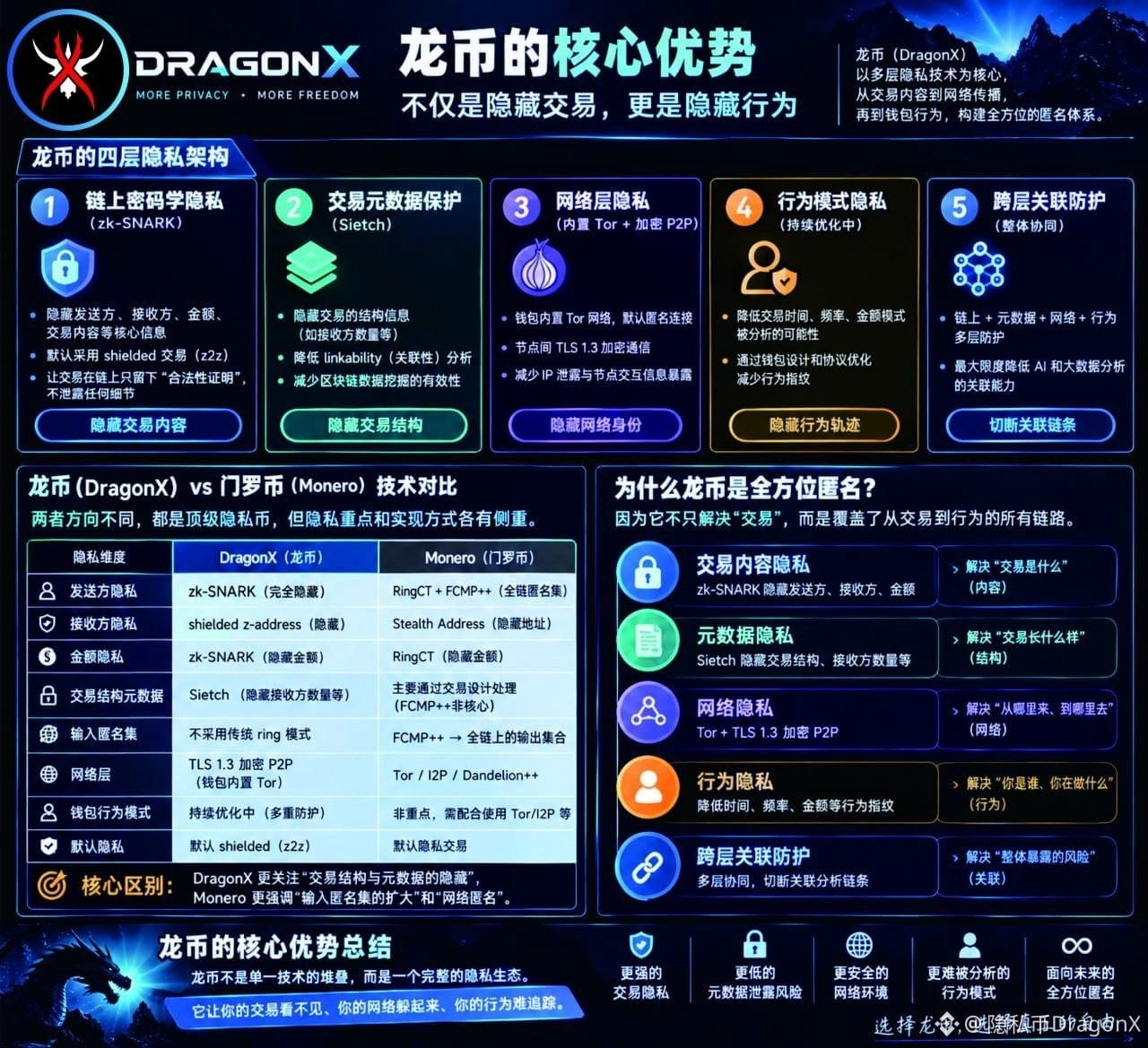
🔐 zk-SNARKs — Shielded financial transactions
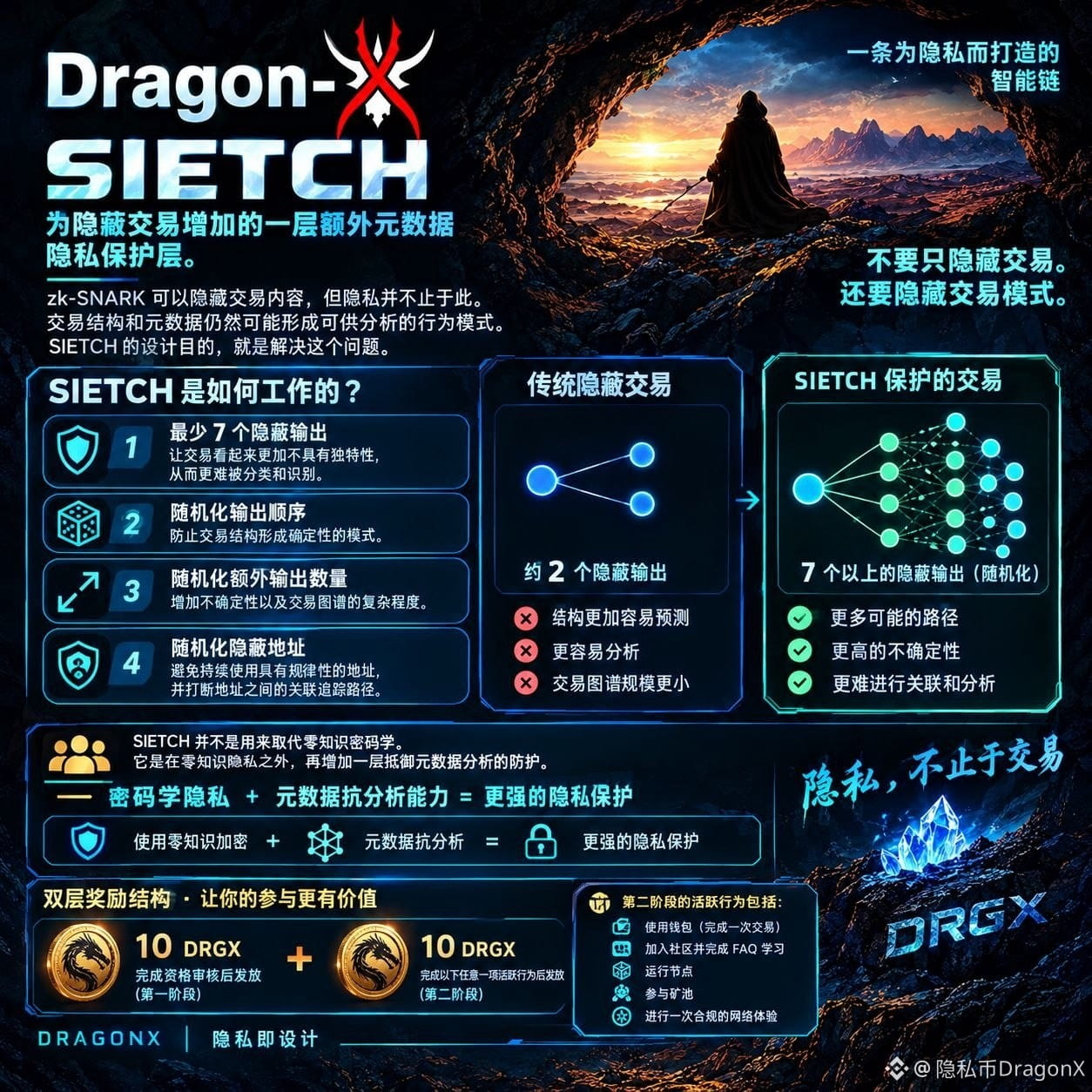
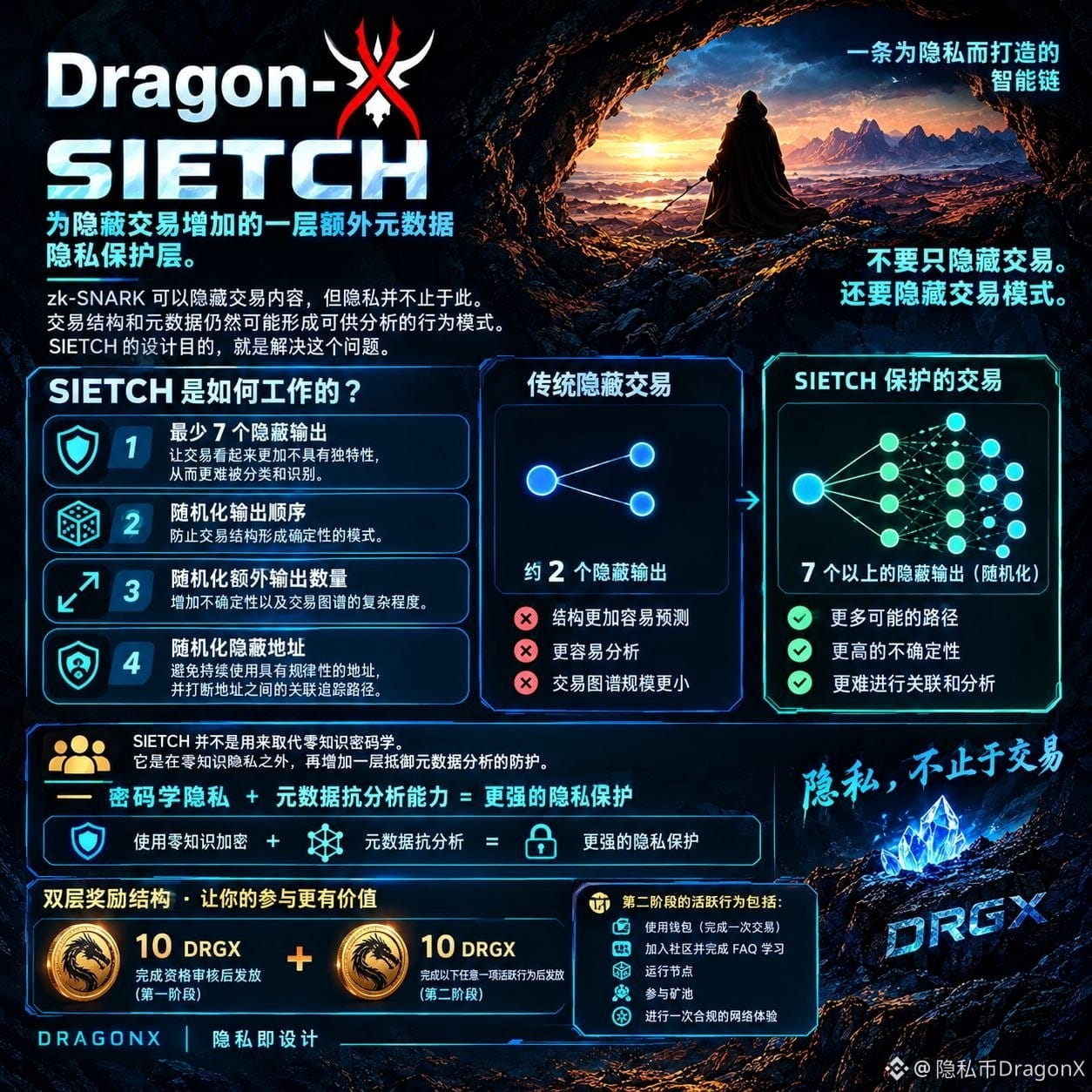
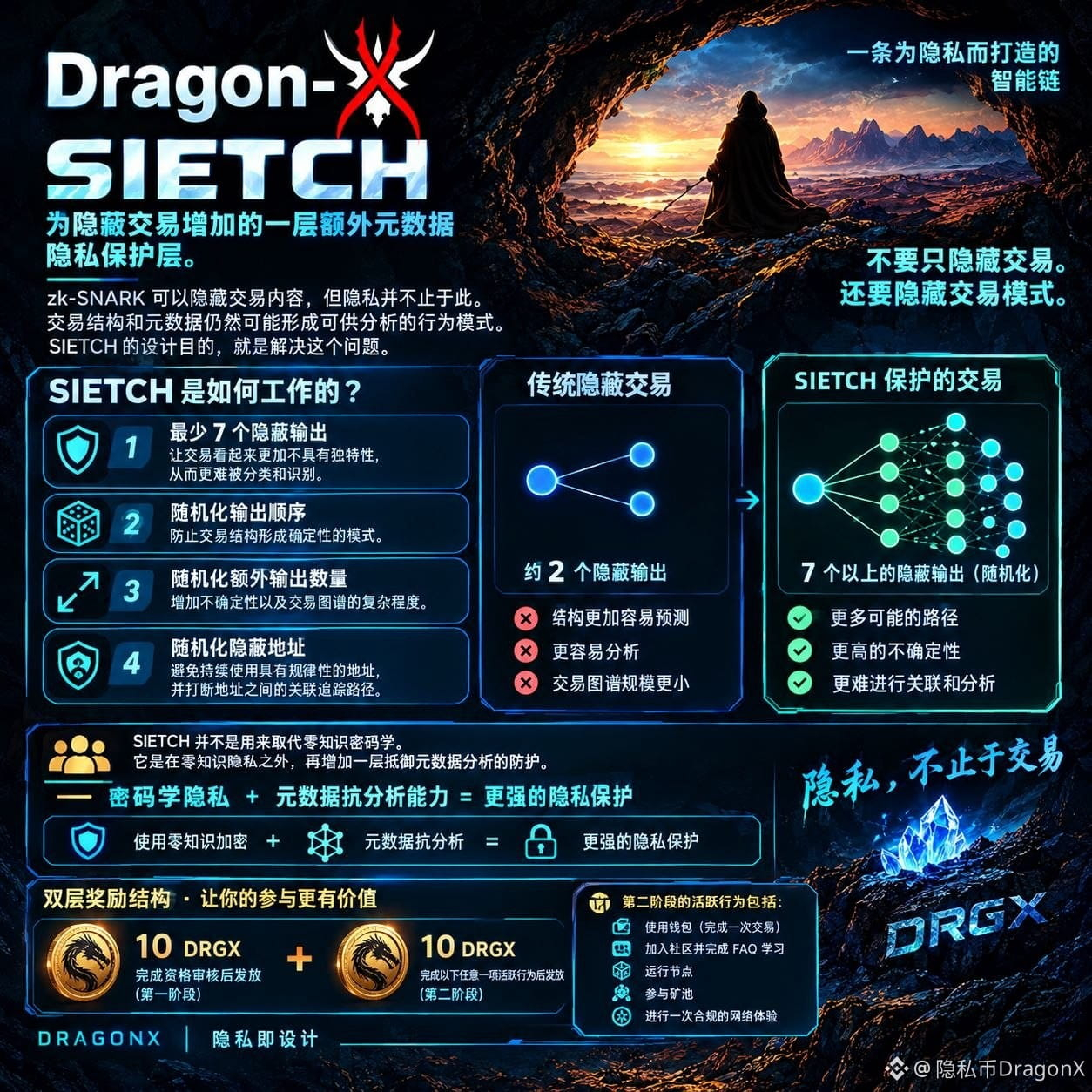
🛡️ Sietch — Metadata obfuscation and enhanced privacy
🌐 Tor integration — Network-level privacy
💬 Built-in encrypted chat — Private communication directly in your wallet
📡 P2P and mempool messaging — Decentralized messaging
⛏️ RandomX — CPU-based mining
Private money + private communication.
No massive marketing budget. No shortcuts. Just technology, ongoing development, and a community that believes in financial freedom.
The dragon is awakening. Are you paying attention?
🐉 Privacy isn’t a luxury. It’s a right.
#PrivacyCoins #crypto #BTC #zec #XMR
1
2
2
634
·
--
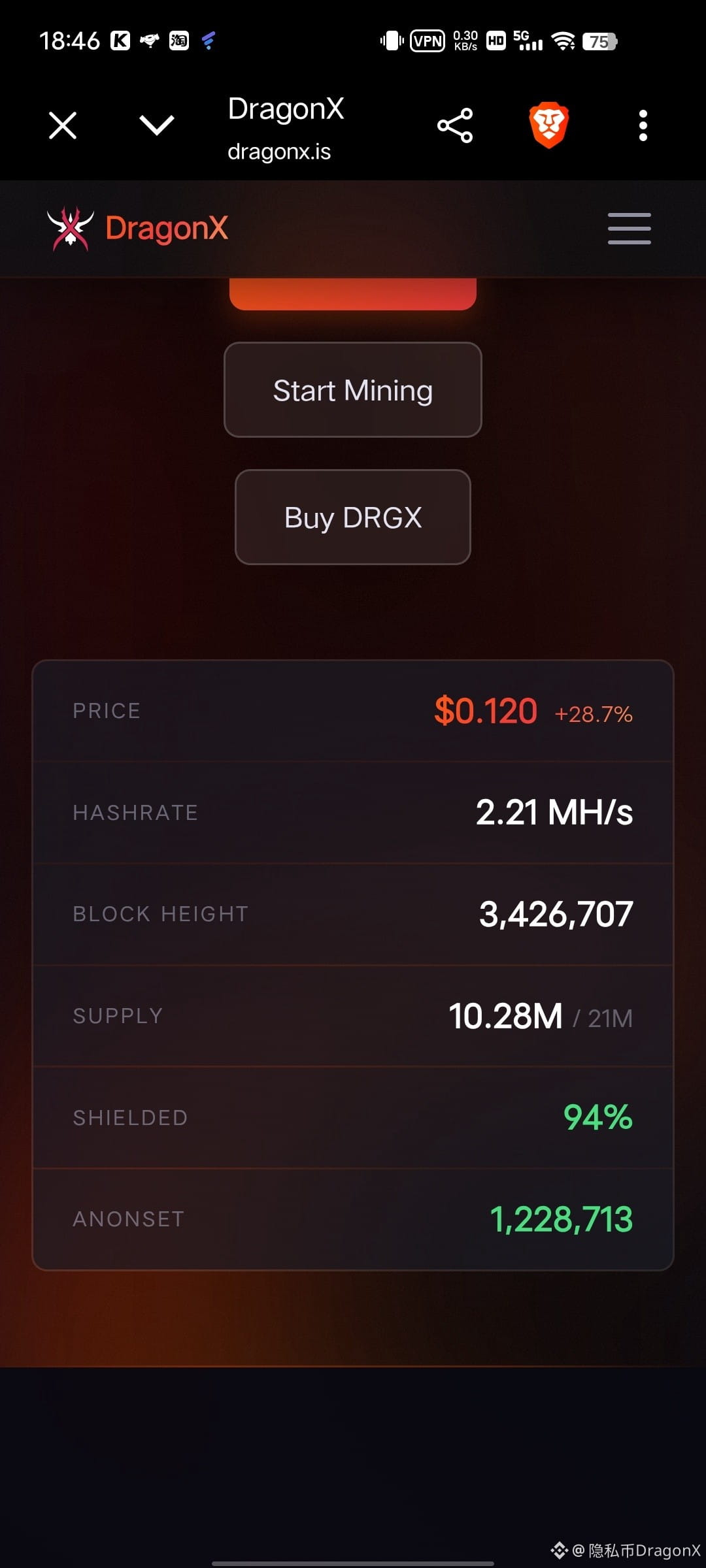
There is a privacy-focused cryptocurrency called DragonX, ticker DRGX. It’s a Layer 1 coin forked from Hush that uses Zcash’s zk-SNARKs, so every transaction is shielded by default. It also has built-in encrypted chat that runs through the mempool without servers. Mining is CPU-only via RandomX, with no ASICs, no premine, no developer tax, and a maximum supply of 21 million. It’s tiny right now—around a $500,000 market cap, priced at about 6 cents, and up roughly 26% over the past day. The first halving is expected on December 12. There’s also a separate project with the same name, a blockchain advertising platform on Ethereum, but the crypto has been getting the attention lately.
One thing worth noting: with a network hash rate below 3 megahashes per second and only a few dozen miners, the barrier to entry is low, but so is security. If you want to mine it, the economics are basically a lottery ticket until more hash power shows up.
#BTC #zec #DASH #XMR #ETH
One thing worth noting: with a network hash rate below 3 megahashes per second and only a few dozen miners, the barrier to entry is low, but so is security. If you want to mine it, the economics are basically a lottery ticket until more hash power shows up.
#BTC #zec #DASH #XMR #ETH
8
76
·
--
🐉 The new name for the DragonX mobile wallet has been revealed! $DRGX
Meet Yulong, also known as Yu. 💚
As DragonX continues to build its identity and ecosystem, a new chapter begins.
A name inspired by the dragon. A symbol of privacy and strength.
The future of DragonX is taking shape. 🐉
#Privacy #币安将恢复更多资产提现 #BTC #ETH #DASH
Meet Yulong, also known as Yu. 💚
As DragonX continues to build its identity and ecosystem, a new chapter begins.
A name inspired by the dragon. A symbol of privacy and strength.
The future of DragonX is taking shape. 🐉
#Privacy #币安将恢复更多资产提现 #BTC #ETH #DASH
68
·
--
In 59 minutes, the DragonX chain will celebrate its 4th anniversary. Then it will be December 12, with 98,550 blocks left until the first halving.
Let’s explore a new frontier of privacy together.
DragonX.is
If you’re planning to research a #cryptocurrency , I recommend starting with DragonX, 100%.
#BTC #ETH #zec #XMR
Let’s explore a new frontier of privacy together.
DragonX.is
If you’re planning to research a #cryptocurrency , I recommend starting with DragonX, 100%.
#BTC #ETH #zec #XMR
1
1
537
·
--
TLS 1.3-Based Peer-to-Peer (P2P) Communication — $DRGX
Encrypted peer-to-peer communication adds another layer of security to the network.
This is more than just adding a privacy feature.
At its core, it means integrating privacy protection directly into the architectural design.
#美国中期选举:市场有哪些期待? #BTC #ETH #zec #DASH
Encrypted peer-to-peer communication adds another layer of security to the network.
This is more than just adding a privacy feature.
At its core, it means integrating privacy protection directly into the architectural design.
#美国中期选举:市场有哪些期待? #BTC #ETH #zec #DASH

67
·
--
🐉 Tomorrow, DragonX celebrates its fourth anniversary!
For four years, we’ve been dedicated to building, mining, innovating, and staying committed to financial privacy.
📅 November 5, 2026
⏰ 11:05 AM — Central Mexico Time
Four years behind us. The journey continues.
Long live DragonX! 🐉
#Privacy #BTC #ETH #zec #美国中期选举:市场有哪些期待?
For four years, we’ve been dedicated to building, mining, innovating, and staying committed to financial privacy.
📅 November 5, 2026
⏰ 11:05 AM — Central Mexico Time
Four years behind us. The journey continues.
Long live DragonX! 🐉
#Privacy #BTC #ETH #zec #美国中期选举:市场有哪些期待?

65
·
--
Verified
DragonX didn’t appear out of nowhere.
Bitcoin, then Zcash Sapling, then Komodo, then Hush, then DragonX. Hush developers are still contributing to the core.
A privacy technology stack with real lineage.
Official Twitter/X: @DragonXchain
#BTC #zec #DASH #XMR #美国中期选举:市场有哪些期待?
DragonX didn’t appear out of nowhere.
Bitcoin, then Zcash Sapling, then Komodo, then Hush, then DragonX. Hush developers are still contributing to the core.
A privacy technology stack with real lineage.
Official Twitter/X: @DragonXchain
#BTC #zec #DASH #XMR #美国中期选举:市场有哪些期待?
Bitcoin, then Zcash Sapling, then Komodo, then Hush, then DragonX. Hush developers are still contributing to the core.
A privacy technology stack with real lineage.
Official Twitter/X: @DragonXchain
#BTC #zec #DASH #XMR #美国中期选举:市场有哪些期待?
586
·
--
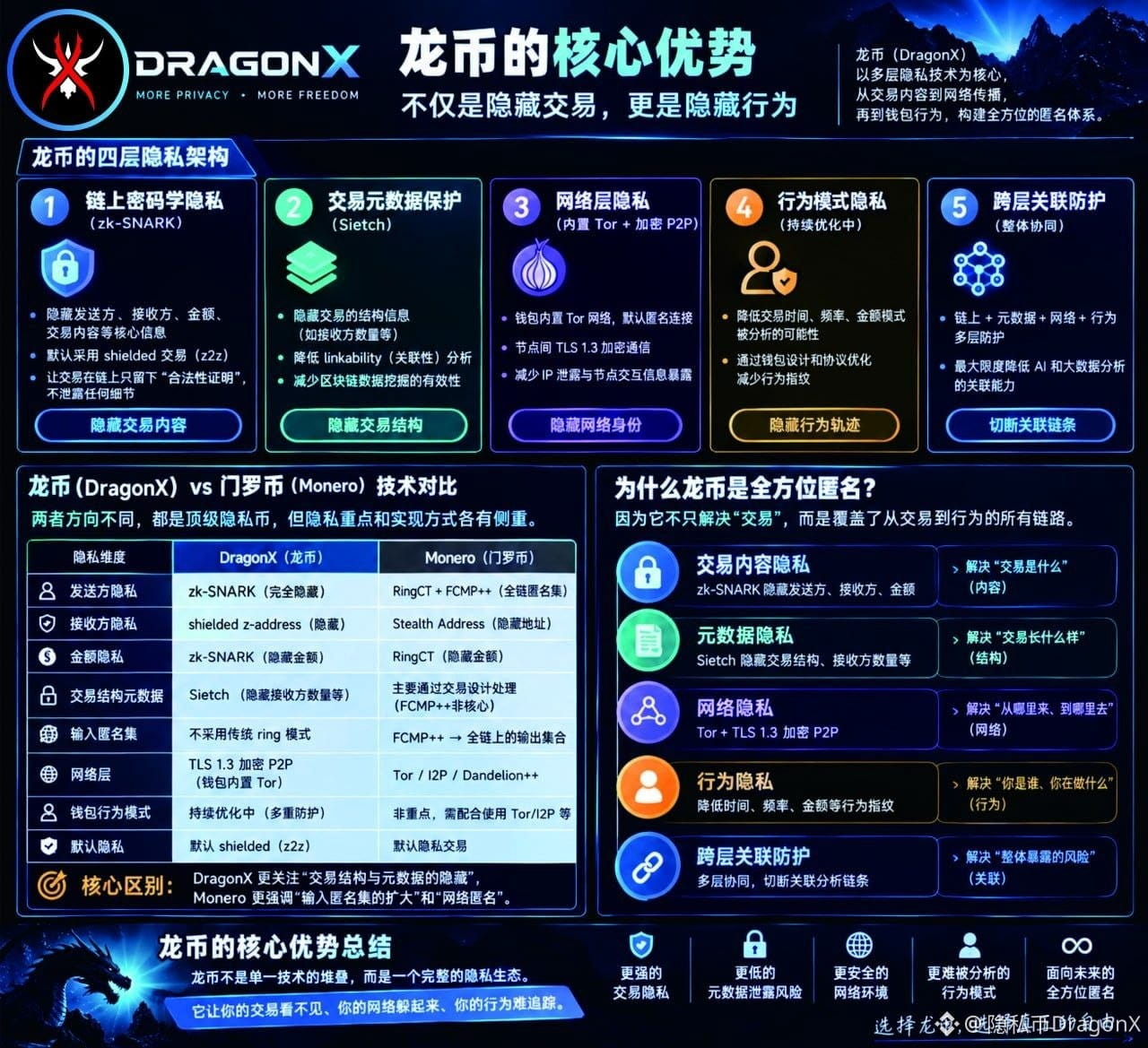
#BTC DragonX ($DRGX) — A privacy-first cryptocurrency.
DragonX is built for those who believe financial privacy should be a right, not a choice.
zk-SNARK privacy technology
Sietch metadata obfuscation
Encrypted wallet messaging
36-second block time
21 million maximum supply
Private money. Private communication.
Official website: dragonx.is
$DRGX: A truly privacy-focused coin!
Fair CPU mining, no premine, no VCs!
Scarce: 21 million total supply.
Mineable by everyone.
No compromises on privacy. Power to the community.
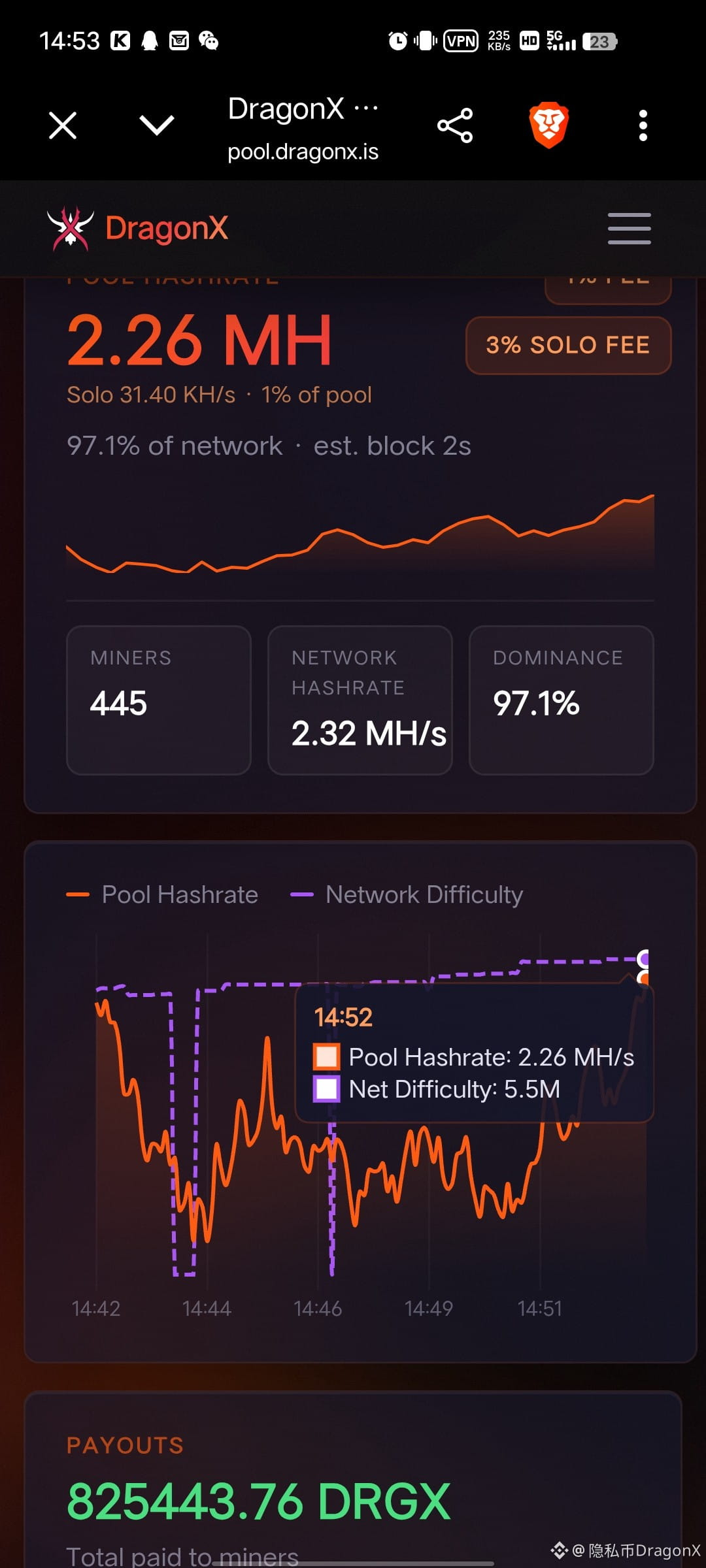
Mining pool: pool.dragonx.is
#Privacy #POW #zec #ETH
52
·
--
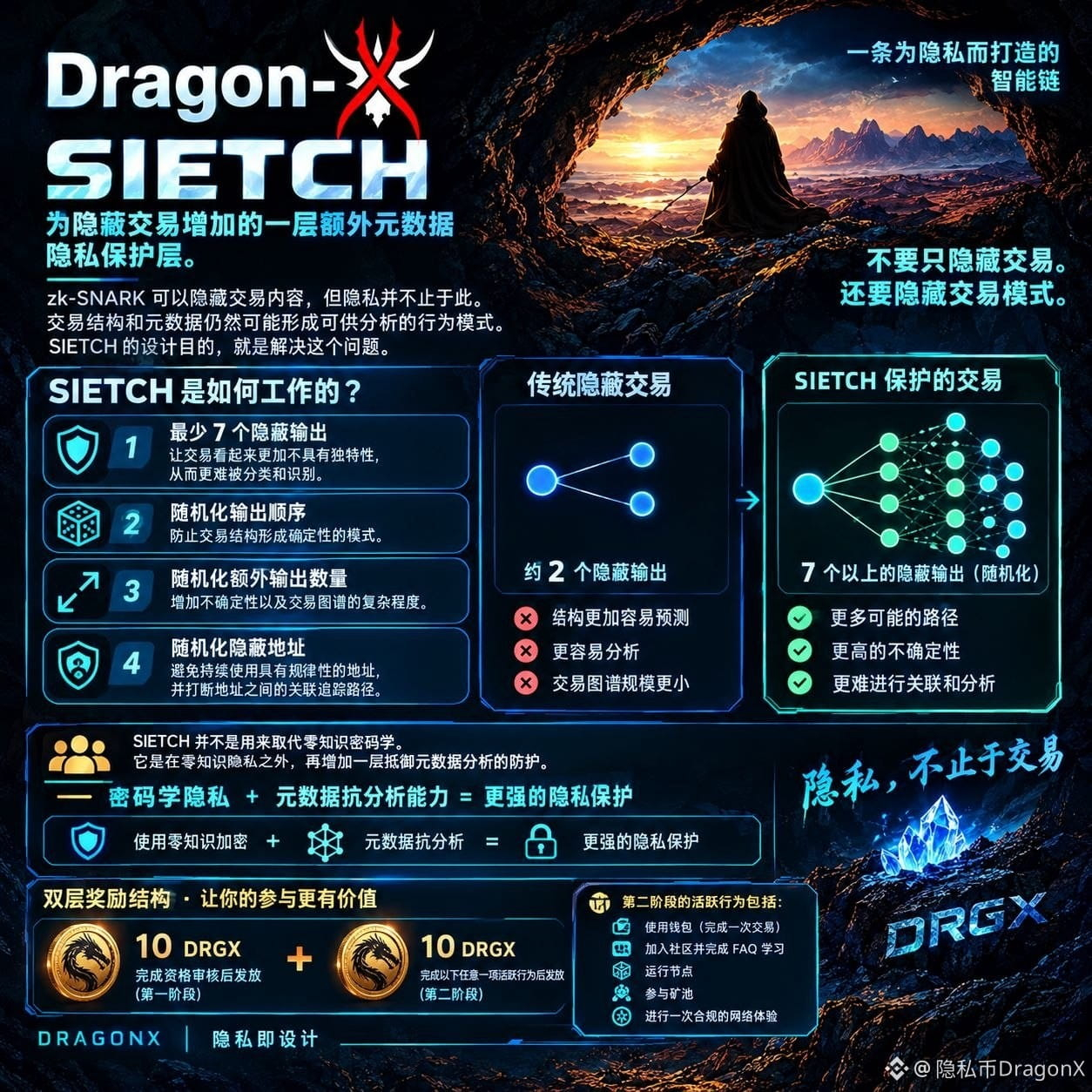
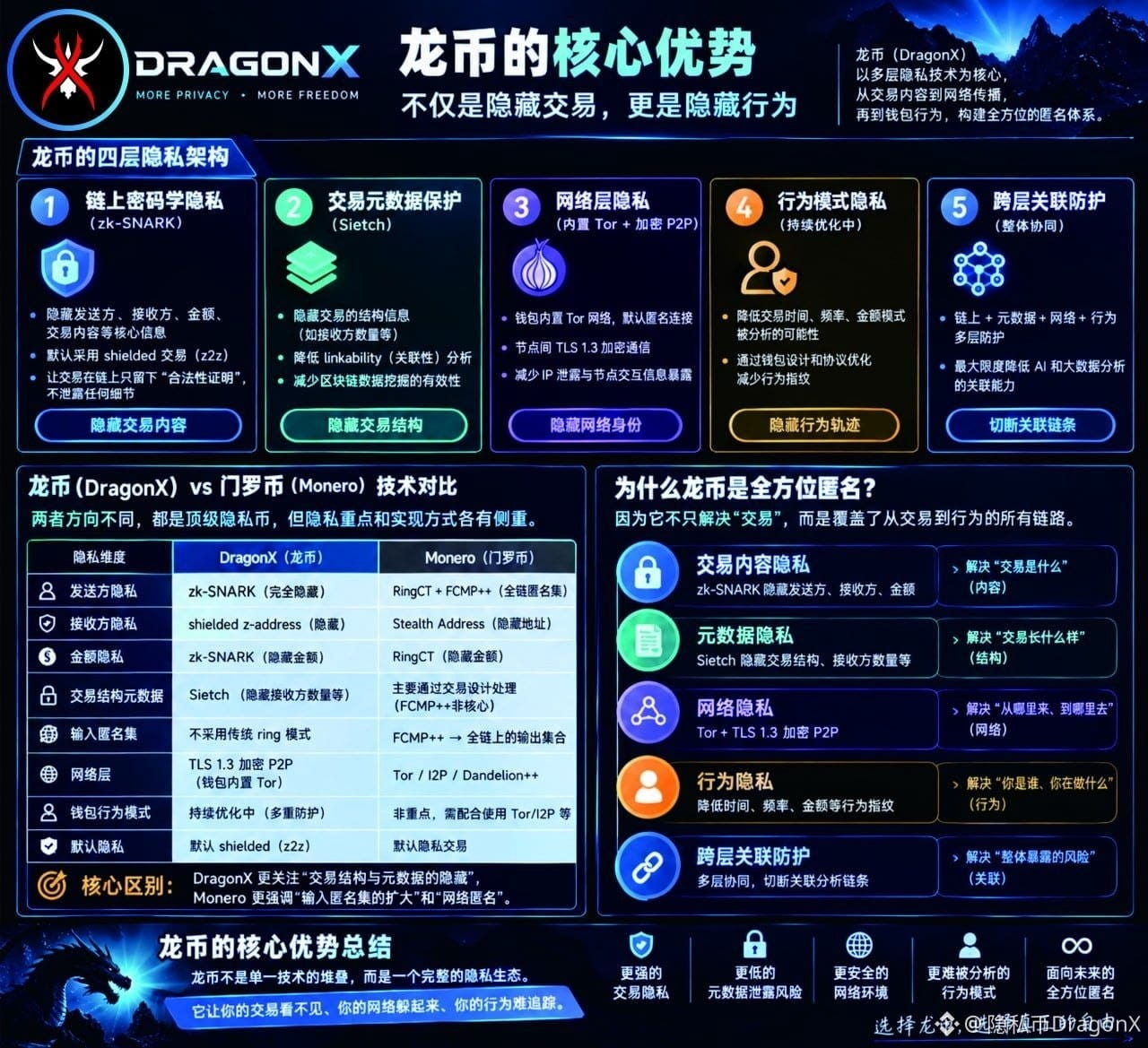
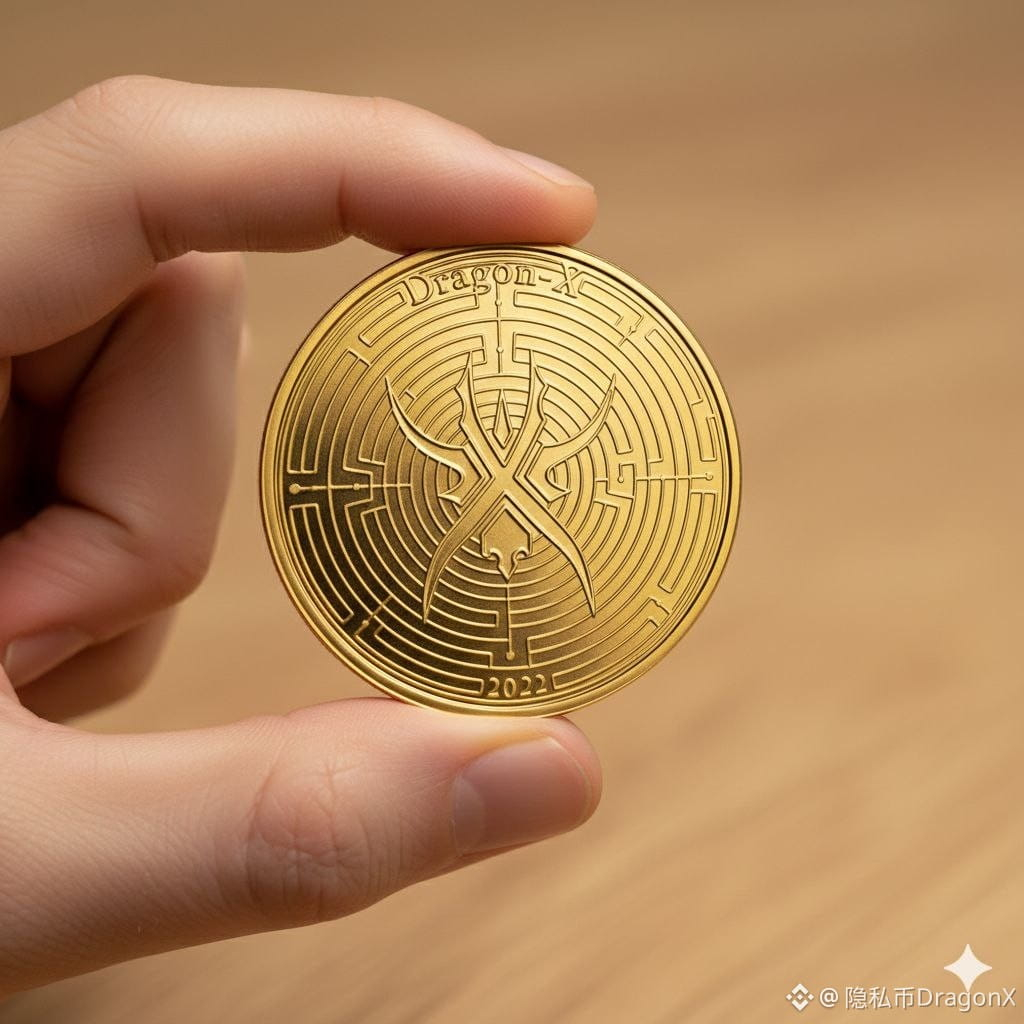
DragonX ($DRGX) — A privacy-first cryptocurrency.
DragonX is built for those who believe financial privacy should be a right, not a choice.
zk-SNARK privacy technology
Sietch metadata obfuscation
Encrypted wallet messaging
36-second block time
21 million maximum supply
Private money. Private communication.
Official website: dragonx.is
$DRGX, the truly strong privacy coin!
Fair CPU mining, no premine, no VCs!
Scarcity: 21 million total supply.
Mineable by everyone.
No compromise on privacy, power to the community.
Mining pool: pool.dragonx.is
#Privacy #POW #BTC #zec #ETH
66
·
--
Verified
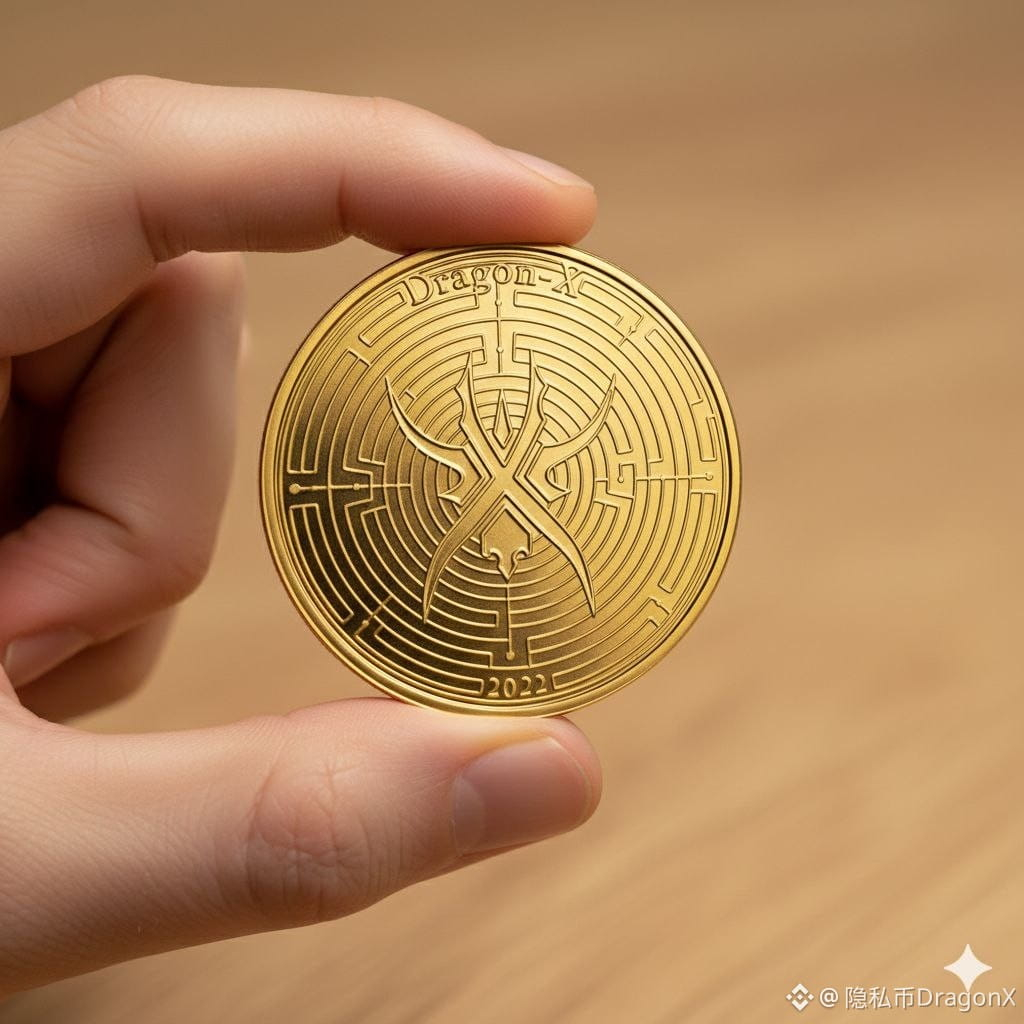
DragonX ($DRGX) is an independent, decentralized Layer 1 privacy blockchain designed to support secure peer-to-peer transactions, with an emphasis on strict financial confidentiality and cryptographic autonomy. The network launched on November 5, 2022, and runs on its dedicated architecture, achieving complete technological independence from traditional systems to ensure long-term architectural stability and optimal code maintainability.
The network’s core technological distinction lies in its multi-layered approach to privacy, addressing traditional vulnerabilities by combining enforcement with nondeterministic metadata obfuscation. Unlike standard implementation models, DragonX enforces zero-knowledge privacy by default through zk-SNARKs for all standard peer-to-peer transactions, ensuring that every transaction enters a fully shielded pool to maintain an absolute anonymity set.
Additionally, DragonX mitigates advanced blockchain surveillance and behavioral tracking vectors, such as cross-tree methods or metaverse attacks, through its proprietary Sietch protocol. Integrated at the RPC layer, Sietch enforces a nondeterministic mechanism called the “Rule of Seven,” which automatically generates up to six decoy outputs for every transaction sent to a dynamically managed address, making systematic metadata analysis mathematically infeasible. To further isolate network traffic, all peer-to-peer communications use native TLS 1.3 encryption at the transport layer.
DragonX’s economic and security infrastructure is maintained through an ASIC-resistant proof-of-work (PoW) consensus mechanism. The network uses a highly customized variant of the RandomX mining algorithm that deliberately increases memory and execution requirements to deter specialized hardware centralization and preserve CPU-accessible mining distribution. The network has a maximum total supply of 21,000,000 coins, with a current circulating supply of approximately 9,290,000 DRGX. The native utility asset serves as the primary medium of exchange within the ecosystem and provides incentives for decentralized validators, supporting production-ready client infrastructure, including the ObsidianDragon wallet suite and an asynchronous-memo-based communication protocol.
Explore more: dragonx.is
#BTC #XMR #ZEC #DASH #ETH
553
Log in to explore more content
Join global crypto users on Binance Square
⚡️ Get latest and useful information about crypto.
💬 Trusted by the world’s largest crypto exchange.
👍 Discover real insights from verified creators.
Email / Phone number
Trending Topics
NVIDIAReinstatesJensenHuangasCEO
43,564 views
661 Discussing
TradFi News | Nvidia Board Unanimously Reinstates Jensen Huang as CEO; Shares Jump 30% Premarket
Binance News
·35 Likes
·31.9k views
WillMarketsStageAThanksgivingReliefRally?
143,112 views
1,735 Discussing
WillOctCorePCEShiftFedHikeExpectations?
55,524 views
731 Discussing