
#guide
guide
90,166 views
184 Discussing
Hot
Latest

·
--
Article
How to Use InjScan and Renzu on Injective: A Complete GuideWhen using Injective, you don't have to depend on other people to understand what's happening on the network.
You can check transactions, explore wallets, look at token holders and learn where your tokens are going.
There are two useful tools that can help with this: InjScan and Renzu.
Both offer different ways to explore Injective. Let's understand how to use them.
1. InjScan – Explore the Injective Blockchain
Website: https://injscan.com/
InjScan is the blockchain explorer for Injective.
Think of it as a public record book. It lets you look at information saved on the blockchain.
You can search for a wallet address, transaction or token and explore the available details.
What can you do with InjScan?
Check a wallet: See its available token balances and past activity.
Check transactions: See the details of a transaction and whether it was successful.
Check token holders: See how many wallets hold a token and how the tokens are spread across them.
Check token transfers: Look at tokens sent and received by a wallet.
Check NFTs: View NFTs held by a wallet.
Explore smart contracts: Developers can read contract information and use the available query and execution tools.
How to check a transaction on InjScan
Let's take a simple example.
Imagine you send 5 INJ to your friend.
You want to check whether the transaction was successful.
Open your wallet and find the transaction.
Copy its transaction hash (the transaction's unique ID).
Visit https://injscan.com/
Paste the transaction hash into the search bar.
Open the result.
Check its status, fee, time and other details.
You can also check the sender, receiver and the actions recorded in the transaction.
This is how you can check a transfer instead of simply trusting a screenshot.
2. Renzu – Understand Injective Activity
Website: https://renzu.xyz/
Renzu is another tool for exploring Injective.
While InjScan lets you see blockchain records, Renzu offers different tools to help you study transactions, wallets and tokens.
These tools are called lenses.
Here are some of the main features described by Renzu:
TxTranslator
You can paste a transaction hash and get an easier explanation of what happened.
Wallet Scan
You can enter a wallet address and explore its activity.
Token Safety
It checks different warning signs, such as fake tokens, possible scams, ownership and token holders.
Real Volume
It helps you study token trading activity and individual trades.
Whale Tracking
You can look at activity from wallets holding large amounts of tokens.
Token Lens
You can explore token details, holders and activity.
PnL (Profit and Los4s)
It helps you look at a wallet's gains and losses.
These tools give you different ways to study what is happening on Injective.
Remember that token checks cannot guarantee safety, and large wallet movements cannot tell you what a token's price will do next.
3. Using InjScan and Renzu Together
Now let's put both tools together.
Imagine you send 5 INJ from Wallet A to Wallet B.
You want to check what happened.
Step 1: Open your wallet and copy the transaction hash.
Step 2: Visit InjScan and paste the hash into the search bar.
Step 3: Open the transaction and check its status and details.
Step 4: Copy the same transaction hash.
Step 5: Open Renzu and use TxTranslator.
Step 6: Read the explanation to understand the transaction more easily.
In this way, InjScan gives you the transaction record, while Renzu helps explain it.
4. Important Things to Remember
When exploring any blockchain tool, always be careful.
Never share your private key or recovery phrase.
Never enter your recovery phrase into an explorer or analytics website.
Check the correct token address before buying or sending tokens.
Don't trust a token only because a safety tool shows no warning.
Don't assume every large wallet is making a good investment.
Always read the details before approving a transaction.
You can explore public blockchain information without connecting your wallet.
5. Useful Links
InjScan: https://injscan.com/
Renzu: https://renzu.xyz/
Official Injective Explorer: https://explorer.injective.network
Final Thoughts
Understanding a blockchain becomes easier when you learn how to explore it yourself.
InjScan helps you check transactions, wallets and token information.
Renzu offers more ways to study and understand that activity.
You don't need to learn everything in one day. Start by checking a wallet, open a transaction and slowly explore the other tools.
The more you explore, the better you understand what's happening on Injective.
Learn by exploring. Stay careful and keep building your knowledge.
#Injective🔥 #altcoins #guide #Earncommissions
How to Use InjScan and Renzu on Injective: A Complete Guide
When using Injective, you don't have to depend on other people to understand what's happening on the network.
You can check transactions, explore wallets, look at token holders and learn where your tokens are going.
There are two useful tools that can help with this: InjScan and Renzu.
Both offer different ways to explore Injective. Let's understand how to use them.
1. InjScan – Explore the Injective Blockchain
Website: https://injscan.com/
InjScan is the blockchain explorer for Injective.
Think of it as a public record book. It lets you look at information saved on the blockchain.
You can search for a wallet address, transaction or token and explore the available details.
What can you do with InjScan?
Check a wallet: See its available token balances and past activity.
Check transactions: See the details of a transaction and whether it was successful.
Check token holders: See how many wallets hold a token and how the tokens are spread across them.
Check token transfers: Look at tokens sent and received by a wallet.
Check NFTs: View NFTs held by a wallet.
Explore smart contracts: Developers can read contract information and use the available query and execution tools.
How to check a transaction on InjScan
Let's take a simple example.
Imagine you send 5 INJ to your friend.
You want to check whether the transaction was successful.
Open your wallet and find the transaction.
Copy its transaction hash (the transaction's unique ID).
Visit https://injscan.com/
Paste the transaction hash into the search bar.
Open the result.
Check its status, fee, time and other details.
You can also check the sender, receiver and the actions recorded in the transaction.
This is how you can check a transfer instead of simply trusting a screenshot.
2. Renzu – Understand Injective Activity
Website: https://renzu.xyz/
Renzu is another tool for exploring Injective.
While InjScan lets you see blockchain records, Renzu offers different tools to help you study transactions, wallets and tokens.
These tools are called lenses.
Here are some of the main features described by Renzu:
TxTranslator
You can paste a transaction hash and get an easier explanation of what happened.
Wallet Scan
You can enter a wallet address and explore its activity.
Token Safety
It checks different warning signs, such as fake tokens, possible scams, ownership and token holders.
Real Volume
It helps you study token trading activity and individual trades.
Whale Tracking
You can look at activity from wallets holding large amounts of tokens.
Token Lens
You can explore token details, holders and activity.
PnL (Profit and Los4s)
It helps you look at a wallet's gains and losses.
These tools give you different ways to study what is happening on Injective.
Remember that token checks cannot guarantee safety, and large wallet movements cannot tell you what a token's price will do next.
3. Using InjScan and Renzu Together
Now let's put both tools together.
Imagine you send 5 INJ from Wallet A to Wallet B.
You want to check what happened.
Step 1: Open your wallet and copy the transaction hash.
Step 2: Visit InjScan and paste the hash into the search bar.
Step 3: Open the transaction and check its status and details.
Step 4: Copy the same transaction hash.
Step 5: Open Renzu and use TxTranslator.
Step 6: Read the explanation to understand the transaction more easily.
In this way, InjScan gives you the transaction record, while Renzu helps explain it.
4. Important Things to Remember
When exploring any blockchain tool, always be careful.
Never share your private key or recovery phrase.
Never enter your recovery phrase into an explorer or analytics website.
Check the correct token address before buying or sending tokens.
Don't trust a token only because a safety tool shows no warning.
Don't assume every large wallet is making a good investment.
Always read the details before approving a transaction.
You can explore public blockchain information without connecting your wallet.
5. Useful Links
InjScan: https://injscan.com/
Renzu: https://renzu.xyz/
Official Injective Explorer: https://explorer.injective.network
Final Thoughts
Understanding a blockchain becomes easier when you learn how to explore it yourself.
InjScan helps you check transactions, wallets and token information.
Renzu offers more ways to study and understand that activity.
You don't need to learn everything in one day. Start by checking a wallet, open a transaction and slowly explore the other tools.
The more you explore, the better you understand what's happening on Injective.
Learn by exploring. Stay careful and keep building your knowledge.
#Injective🔥 #altcoins #guide #Earncommissions
2
410

·
--
Bullish
#guide #analysis
Practical guide
💡 How to manage your risk in 3 steps (beginner guide):
✅ Decide how much you can afford to lose before entering
✅ Set a stop-loss and a target BEFORE trading
✅ Never trade with money you need
Discipline matters more than the perfect timing.
Share this post with a friend who’s just starting 🤝 $BTC $ETH $BNB

Meilleurs vœux !
From arslane_silver
21


Article
The Retail Crypto Trap: How to Survive the WhalesMost everyday investors enter the crypto market with a single mindset: find the jackpot, strike it rich, and do it overnight.
Driven by social media hype and dreams of unrealistic gains, the typical newbie jumps into the deep end looking for instant wins. They invest randomly based on what’s trending, what has a cool logo, or what an influencer suggested over breakfast.
The result? They buy into coins that have already pumped, enter the market at the absolute worst time, ignore portfolio diversification, or mistakenly dump their entire life savings into a single asset all at once. Instead of achieving financial freedom, they bleed capital. Meanwhile, the "big fish"—the institutional whales—quietly manipulate the market and siphon away retail liquidity.
If you want to actually make money in crypto, you have to stop playing like a gambler and start thinking like an insider. Here is how you survive the trap.
1. Treat Crypto Like Real Estate, Not a Casino
When you buy a house, you don't just hand over a briefcase of cash because a stranger told you it’s a "good deal." You inspect the foundation, look at the plumbing, check the neighborhood comps, and verify the legal paperwork.
Crypto requires the same exact diligence. Before putting a single dollar into a project, you must look for its genuine value:
Fundamental Analysis (FA): Read the whitepaper. Who is building this? What real-world problem does it solve? What do the tokenomics (supply and distribution) look like?
Technical Analysis (TA): Study chart structures and volume to understand market timing.
Don't rely on other people to do the heavy lifting for you. If you don't research the project yourself, you are just blindly trusting someone else with your hard-earned money.
2. Shatter the Myth of "Diamond Hands"
The crypto community loves to glorify "HODLing" and having "diamond hands"—the idea that you should hold an asset forever, no matter how low it drops.
Let's be real: "Diamond hands" is a psychological trick. It is a concept manufactured to convince retail investors to hold onto a sinking ship while insiders and whales quietly cash out at the peak.
Profit isn't real until it is sitting back in your bank account or locked into stablecoins. Set realistic targets before you enter a trade, execute them without emotion, and cash out. Greed kills more crypto portfolios than scams ever will.
3. Don't Fall for the "Cheap Coin" Illusion
Newbies are incredibly susceptible to Unit Bias. They see a token priced at $0.000003 and think, "If this just goes to $1, I’ll be a multimillionaire!"
What they fail to understand is Market Capitalization (the total supply of tokens multiplied by the current price). A coin priced at a fraction of a cent often has trillions of tokens in circulation, making a $1 price tag mathematically impossible without overtaking the GDP of the entire planet. Whales love pumping these cheap, useless meme coins because they know retail investors will flock to them based on price tag alone.
*Market Cap = Total Token Supply × Current Price*
4. Break the Cycle of Over-Trading and Chart Addiction
The second a retail investor buys a coin, a strange curse seems to activate: the price immediately drops. This happens because retail usually buys at the absolute peak of emotional euphoria, driven by FOMO (Fear of Missing Out).
When the price drops, panic sets in. Investors become glued to 1-minute charts, checking their phones every thirty seconds, losing sleep, and eventually panic-selling at a loss. Then, they over-trade to try and "break even," digging an even deeper hole.
The whales thrive on your emotional exhaustion. True profitability in crypto doesn't come from staring at flashing red and green lights all day; it comes from doing deep research, waiting for the right macro cycle, and having the patience to let the trade play out.
> The Bottom Line: Every successful trader has paid "crypto tuition"—losing money early on to a bad trade, a scam, or a market crash. You can either pay to learn through proactive research, or you can pay the whales via losses. The choice is yours. Turn off the hype, study the charts, and protect your capital.
#crypto #investing #guide #btc
The Retail Crypto Trap: How to Survive the Whales
Most everyday investors enter the crypto market with a single mindset: find the jackpot, strike it rich, and do it overnight.
Driven by social media hype and dreams of unrealistic gains, the typical newbie jumps into the deep end looking for instant wins. They invest randomly based on what’s trending, what has a cool logo, or what an influencer suggested over breakfast.
The result? They buy into coins that have already pumped, enter the market at the absolute worst time, ignore portfolio diversification, or mistakenly dump their entire life savings into a single asset all at once. Instead of achieving financial freedom, they bleed capital. Meanwhile, the "big fish"—the institutional whales—quietly manipulate the market and siphon away retail liquidity.
If you want to actually make money in crypto, you have to stop playing like a gambler and start thinking like an insider. Here is how you survive the trap.
1. Treat Crypto Like Real Estate, Not a Casino
When you buy a house, you don't just hand over a briefcase of cash because a stranger told you it’s a "good deal." You inspect the foundation, look at the plumbing, check the neighborhood comps, and verify the legal paperwork.
Crypto requires the same exact diligence. Before putting a single dollar into a project, you must look for its genuine value:
Fundamental Analysis (FA): Read the whitepaper. Who is building this? What real-world problem does it solve? What do the tokenomics (supply and distribution) look like?
Technical Analysis (TA): Study chart structures and volume to understand market timing.
Don't rely on other people to do the heavy lifting for you. If you don't research the project yourself, you are just blindly trusting someone else with your hard-earned money.
2. Shatter the Myth of "Diamond Hands"
The crypto community loves to glorify "HODLing" and having "diamond hands"—the idea that you should hold an asset forever, no matter how low it drops.
Let's be real: "Diamond hands" is a psychological trick. It is a concept manufactured to convince retail investors to hold onto a sinking ship while insiders and whales quietly cash out at the peak.
Profit isn't real until it is sitting back in your bank account or locked into stablecoins. Set realistic targets before you enter a trade, execute them without emotion, and cash out. Greed kills more crypto portfolios than scams ever will.
3. Don't Fall for the "Cheap Coin" Illusion
Newbies are incredibly susceptible to Unit Bias. They see a token priced at $0.000003 and think, "If this just goes to $1, I’ll be a multimillionaire!"
What they fail to understand is Market Capitalization (the total supply of tokens multiplied by the current price). A coin priced at a fraction of a cent often has trillions of tokens in circulation, making a $1 price tag mathematically impossible without overtaking the GDP of the entire planet. Whales love pumping these cheap, useless meme coins because they know retail investors will flock to them based on price tag alone.
*Market Cap = Total Token Supply × Current Price*
4. Break the Cycle of Over-Trading and Chart Addiction
The second a retail investor buys a coin, a strange curse seems to activate: the price immediately drops. This happens because retail usually buys at the absolute peak of emotional euphoria, driven by FOMO (Fear of Missing Out).
When the price drops, panic sets in. Investors become glued to 1-minute charts, checking their phones every thirty seconds, losing sleep, and eventually panic-selling at a loss. Then, they over-trade to try and "break even," digging an even deeper hole.
The whales thrive on your emotional exhaustion. True profitability in crypto doesn't come from staring at flashing red and green lights all day; it comes from doing deep research, waiting for the right macro cycle, and having the patience to let the trade play out.
> The Bottom Line: Every successful trader has paid "crypto tuition"—losing money early on to a bad trade, a scam, or a market crash. You can either pay to learn through proactive research, or you can pay the whales via losses. The choice is yours. Turn off the hype, study the charts, and protect your capital.
#crypto #investing #guide #btc
3
2
200

·
--
Bullish
Holding $BTW 59.1 USDT
how to NOT Keep your money:
no.1: enter trade without an exit plan
no.2: randomly sell your coins at a lower price because a shinier more attractive coin is rising . and buy that coin to supposedly "profit more"
or "catch up"
no.3: money 💰 🤑 💰 (gone)
(seriously guys either enter a trade and don't leave until your stop loss. that you're supposed to put, or take profit is reached. or just dont enter the trade at all. preserve your Capital instead of aching to spend it 🥲 )
#guide #trader #wisdom #guidance
#FunnyTopic
$BTW

38

yes but limited
0%
no
0%
full knowledge
0%
0 votes • Voting closed
2
24

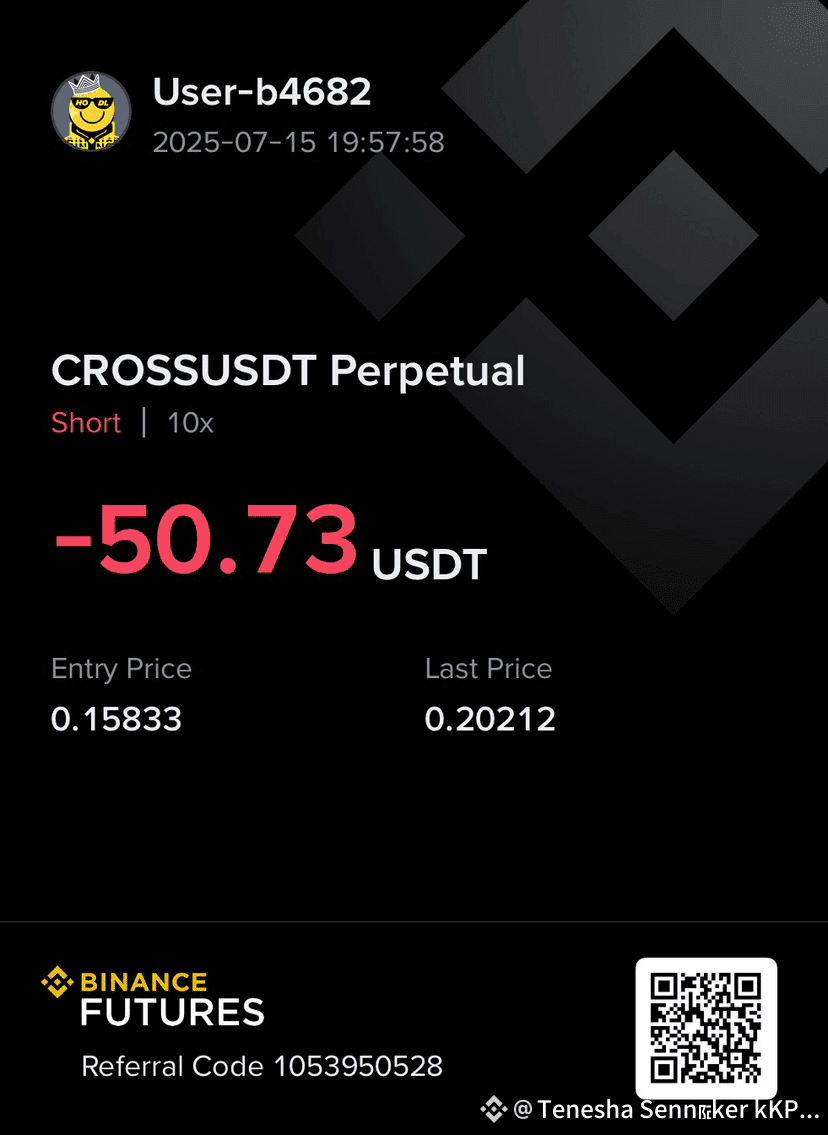
Should i carry on with the trade or not? Is their any possibility for cross usdt of coming back to 0.158? #guide
Should i carry on with the trade or not? Is their any possibility for cross usdt of coming back to 0.158? #guide
2
1
1
5.3k


what is this profitable trade
kindly #guide me
what is this profitable trade
kindly #guide me
kindly #guide me
1
196

·
--
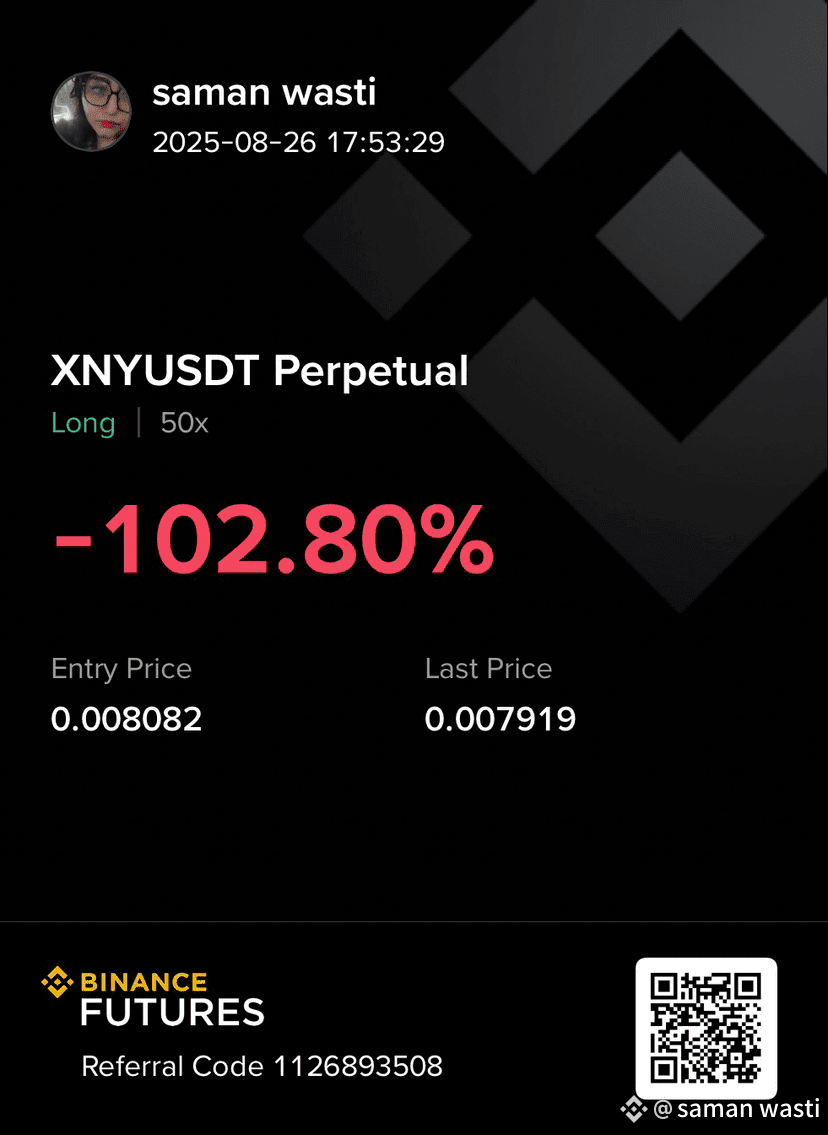
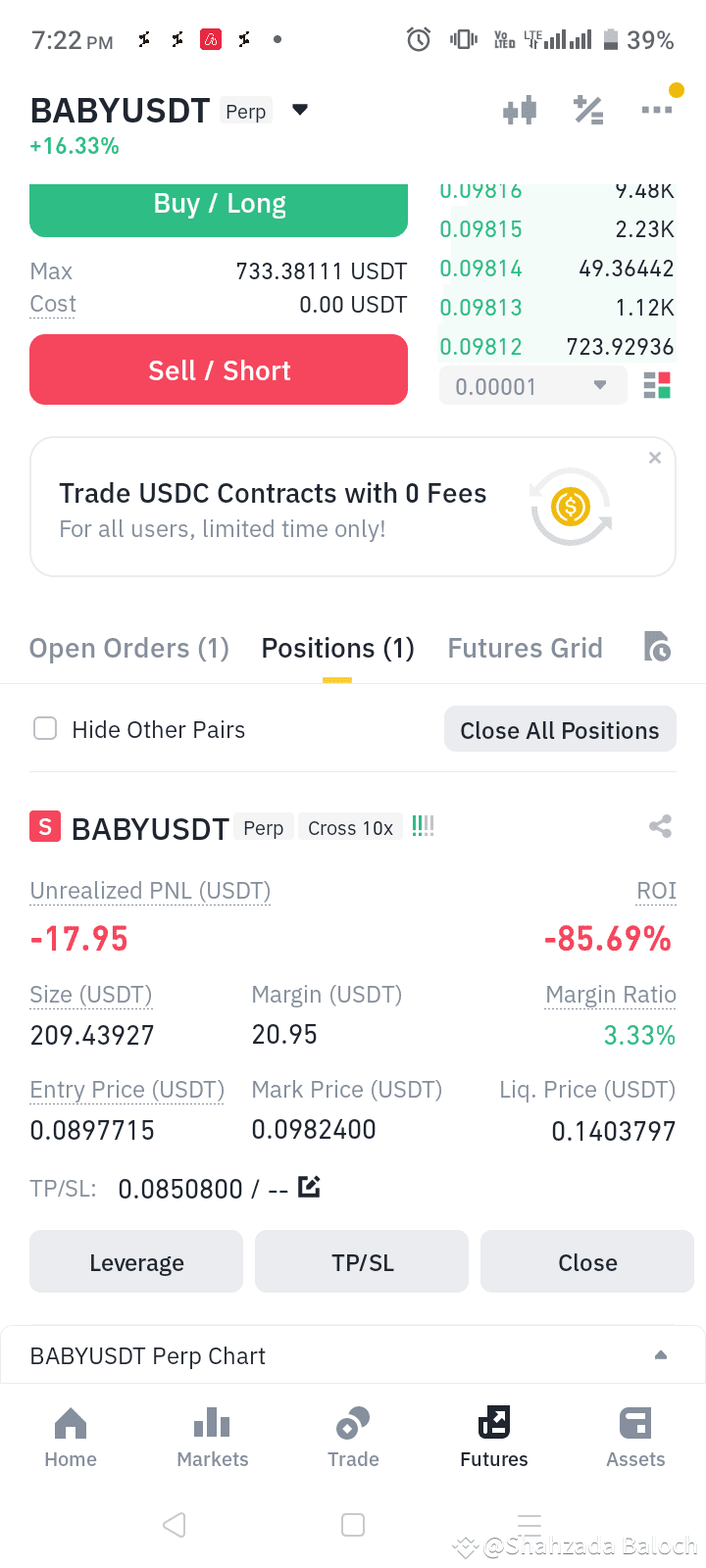
Did i enter in a wong time
Kindly guide me..
Hold or close
#BinanceHerYerde
#Binance
#guide
#close
#hold
Did i enter in a wong time
Kindly guide me..
Hold or close
#BinanceHerYerde
#Binance
#guide
#close
#hold
Kindly guide me..
Hold or close
#BinanceHerYerde
#Binance
#guide
#close
#hold
18
13
27
7.8k

·
--

Article
Understanding Open Interest in Crypto Trading: A Guide to Profitable StrategiesOpen Interest (OI) is a critical but often underutilized metric in the world of #CryptoTrading. This #guide will help you understand what #Openinterest is, how to use it effectively, and how to combine it with other trading instruments to enhance your trading strategy and boost profitability.
What is Open Interest?
Open Interest represents the total number of outstanding derivative contracts, such as futures or options, that are currently open and active. It’s a measure of the flow of money into the futures market and an #Indicator of market #Sentiments and liquidity.
Why is Open Interest Important?
Market Sentiment: Increasing OI suggests new money is flowing into the market, indicating a potential continuation of the current trend. Conversely, decreasing OI suggests money is leaving the market, which could signal a trend reversal.Liquidity: High OI indicates a liquid market where it is easier to enter and exit positions without significant slippage.Confirmation Tool: OI can be used to confirm trends. For instance, a price increase accompanied by rising OI suggests a strong bullish trend.
How to Use Open Interest in Crypto Trading
To effectively incorporate OI into your trading strategy, it’s essential to combine it with other instruments and indicators. Here are some practical strategies:
1. Combining OI with Price Action
Trend Confirmation: Use OI to confirm price trends. If prices are rising and OI is increasing, it suggests that the upward trend is strong and likely to continue. Conversely, if prices are rising but OI is falling, it may indicate that the trend is weakening.Divergence Analysis: Look for divergences between price and OI. For example, if the price of a cryptocurrency is rising but OI is decreasing, it could be a warning sign that the bullish trend is losing momentum.
2. OI and Volume Analysis
Volume Confirmation: High trading volume alongside increasing OI can confirm the strength of a price movement. Conversely, if volume is high but OI is decreasing, it might indicate short-term speculation rather than a strong trend.Volume Spikes: Sudden spikes in volume accompanied by rising OI can signal the beginning of a new trend or the end of a consolidation phase.
3. OI and Volatility
Volatility Analysis: Track changes in OI along with volatility measures like the Bollinger Bands or the Average True Range (ATR). Rising OI in a low volatility environment might signal a breakout, while high volatility with increasing OI can indicate a strong trending market.Volatility Breakouts: Use OI to identify potential breakouts. A sudden increase in OI during a period of low volatility might precede a significant price move.
4. OI and Sentiment Indicators
Market Sentiment: Combine OI with sentiment indicators like the Fear and Greed Index or social media sentiment analysis to gauge the overall mood of the market. High OI during extreme greed could indicate a potential bubble, while high OI during extreme fear might present a buying opportunity.Contrarian Signals: Use OI to identify contrarian trading opportunities. For example, if OI is rising significantly in a bearish market, it might indicate that a bottom is forming.
Practical Example: $RSR
{spot}(RSRUSDT)
Trade Analysis
Let's delve into a practical example to illustrate how Open Interest can be used effectively in trading decisions. The following images and analysis provide a detailed look into an RSR/USDT trade.
Example Breakdown:
Step 1: Identifying Key Levels on Higher Timeframe
The 4-hour chart of RSR/USDT shows a significant support level that was broken down. This breakdown indicated a potential change in trend direction from bullish to bearish.
Step 2: ERKEScan Alert
ERKEScan triggered an alert for a significant increase in Open Interest (OI Change 1h: 5.231). This alert indicates a substantial number of new positions being opened, suggesting strong market activity.
Step 3: Zooming into Smaller Timeframes
Moving into a smaller timeframe , we see that the price popped right into the newly formed resistance zone from the 4-hour breakdown level. This movement provided an ideal entry point for a short trade.
The chart shows the significant spike in price followed by a quick reversal, confirming the resistance level's strength. Many positions were placed at this level, providing a high-probability trade setup.
Trade Execution
Based on the higher timeframe analysis and the confirmation from the OI spike, we could enter a short trade on RSR at the resistance level. The trade benefits from the confirmation of increased OI and the price action aligning with our higher timeframe analysis.
Using ERKEScan's Top10 Leaderboard to Filter Fake Signals
To avoid being misled by fake OI signals, you can use ERKEScan's Top10 leaderboard feature. This tool shows the top 10 tokens with the highest Open Interest increases, allowing you to filter out any anomalies or false signals. By focusing on the tokens with the most significant OI changes, you can make more informed trading decisions and enhance your strategy's effectiveness.
Conclusion
Open Interest is a powerful tool that, when used correctly, can provide valuable insights into market sentiment, liquidity, and potential price movements. By combining OI with other trading instruments such as price action, volume, volatility, and sentiment indicators, you can develop a robust trading strategy that enhances your profitability in the crypto market.
As you refine your strategy, consider using advanced tools and platforms that offer real-time OI data and customizable alerts, like the ErkeScan crypto screener. By leveraging these resources, you can stay ahead of the market and make more informed trading decisions.
With these strategies, you'll be well-equipped to incorporate Open Interest into your trading arsenal and improve your chances of success in the dynamic world of crypto trading.
Understanding Open Interest in Crypto Trading: A Guide to Profitable Strategies
Open Interest (OI) is a critical but often underutilized metric in the world of #CryptoTrading. This #guide will help you understand what #Openinterest is, how to use it effectively, and how to combine it with other trading instruments to enhance your trading strategy and boost profitability.
What is Open Interest?
Open Interest represents the total number of outstanding derivative contracts, such as futures or options, that are currently open and active. It’s a measure of the flow of money into the futures market and an #Indicator of market #Sentiments and liquidity.
Why is Open Interest Important?
Market Sentiment: Increasing OI suggests new money is flowing into the market, indicating a potential continuation of the current trend. Conversely, decreasing OI suggests money is leaving the market, which could signal a trend reversal.Liquidity: High OI indicates a liquid market where it is easier to enter and exit positions without significant slippage.Confirmation Tool: OI can be used to confirm trends. For instance, a price increase accompanied by rising OI suggests a strong bullish trend.
How to Use Open Interest in Crypto Trading
To effectively incorporate OI into your trading strategy, it’s essential to combine it with other instruments and indicators. Here are some practical strategies:
1. Combining OI with Price Action
Trend Confirmation: Use OI to confirm price trends. If prices are rising and OI is increasing, it suggests that the upward trend is strong and likely to continue. Conversely, if prices are rising but OI is falling, it may indicate that the trend is weakening.Divergence Analysis: Look for divergences between price and OI. For example, if the price of a cryptocurrency is rising but OI is decreasing, it could be a warning sign that the bullish trend is losing momentum.
2. OI and Volume Analysis
Volume Confirmation: High trading volume alongside increasing OI can confirm the strength of a price movement. Conversely, if volume is high but OI is decreasing, it might indicate short-term speculation rather than a strong trend.Volume Spikes: Sudden spikes in volume accompanied by rising OI can signal the beginning of a new trend or the end of a consolidation phase.
3. OI and Volatility
Volatility Analysis: Track changes in OI along with volatility measures like the Bollinger Bands or the Average True Range (ATR). Rising OI in a low volatility environment might signal a breakout, while high volatility with increasing OI can indicate a strong trending market.Volatility Breakouts: Use OI to identify potential breakouts. A sudden increase in OI during a period of low volatility might precede a significant price move.
4. OI and Sentiment Indicators
Market Sentiment: Combine OI with sentiment indicators like the Fear and Greed Index or social media sentiment analysis to gauge the overall mood of the market. High OI during extreme greed could indicate a potential bubble, while high OI during extreme fear might present a buying opportunity.Contrarian Signals: Use OI to identify contrarian trading opportunities. For example, if OI is rising significantly in a bearish market, it might indicate that a bottom is forming.
Practical Example: $RSR
Trade Analysis
Let's delve into a practical example to illustrate how Open Interest can be used effectively in trading decisions. The following images and analysis provide a detailed look into an RSR/USDT trade.
Example Breakdown:
Step 1: Identifying Key Levels on Higher Timeframe
The 4-hour chart of RSR/USDT shows a significant support level that was broken down. This breakdown indicated a potential change in trend direction from bullish to bearish.
Step 2: ERKEScan Alert
ERKEScan triggered an alert for a significant increase in Open Interest (OI Change 1h: 5.231). This alert indicates a substantial number of new positions being opened, suggesting strong market activity.
Step 3: Zooming into Smaller Timeframes
Moving into a smaller timeframe , we see that the price popped right into the newly formed resistance zone from the 4-hour breakdown level. This movement provided an ideal entry point for a short trade.
The chart shows the significant spike in price followed by a quick reversal, confirming the resistance level's strength. Many positions were placed at this level, providing a high-probability trade setup.
Trade Execution
Based on the higher timeframe analysis and the confirmation from the OI spike, we could enter a short trade on RSR at the resistance level. The trade benefits from the confirmation of increased OI and the price action aligning with our higher timeframe analysis.
Using ERKEScan's Top10 Leaderboard to Filter Fake Signals
To avoid being misled by fake OI signals, you can use ERKEScan's Top10 leaderboard feature. This tool shows the top 10 tokens with the highest Open Interest increases, allowing you to filter out any anomalies or false signals. By focusing on the tokens with the most significant OI changes, you can make more informed trading decisions and enhance your strategy's effectiveness.
Conclusion
Open Interest is a powerful tool that, when used correctly, can provide valuable insights into market sentiment, liquidity, and potential price movements. By combining OI with other trading instruments such as price action, volume, volatility, and sentiment indicators, you can develop a robust trading strategy that enhances your profitability in the crypto market.
As you refine your strategy, consider using advanced tools and platforms that offer real-time OI data and customizable alerts, like the ErkeScan crypto screener. By leveraging these resources, you can stay ahead of the market and make more informed trading decisions.
With these strategies, you'll be well-equipped to incorporate Open Interest into your trading arsenal and improve your chances of success in the dynamic world of crypto trading.
2
1.7k

·
--
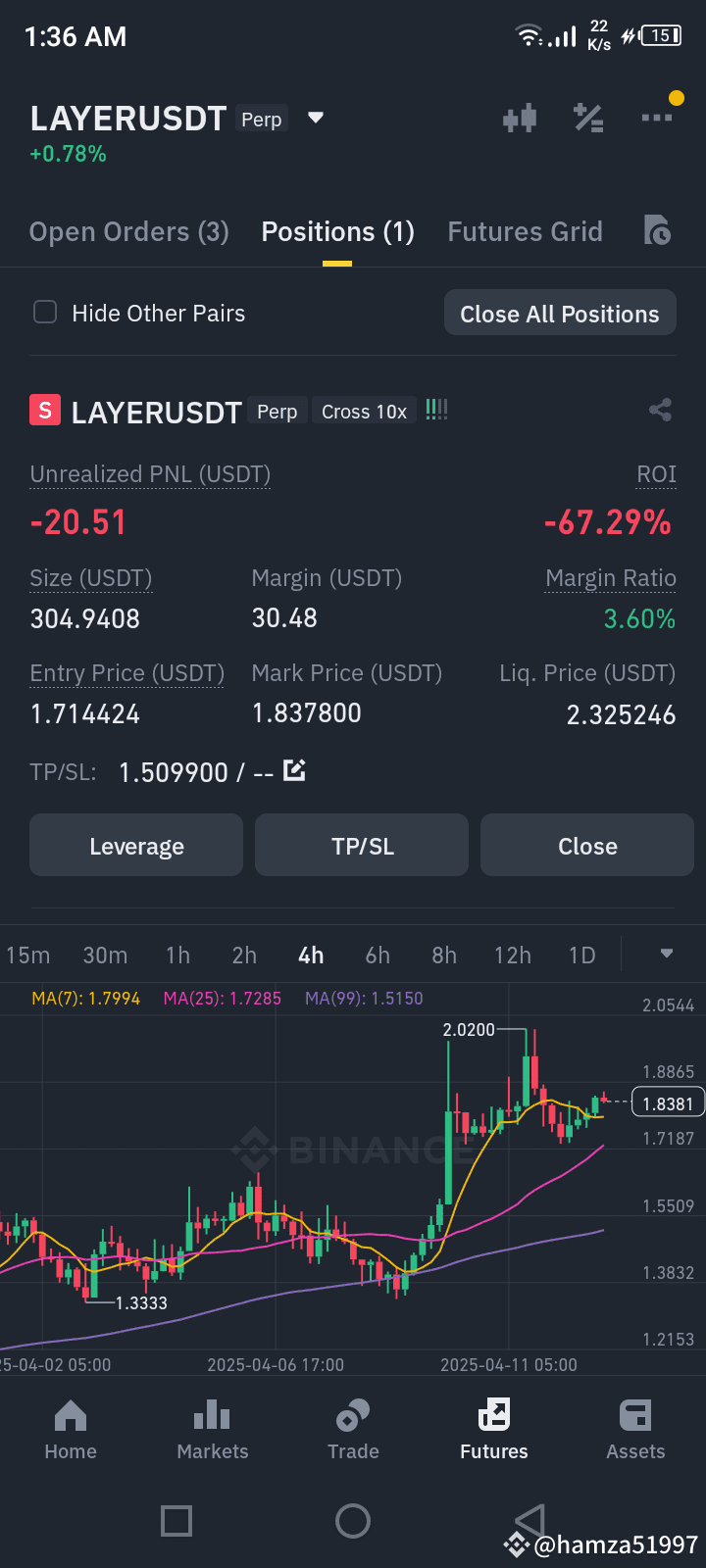
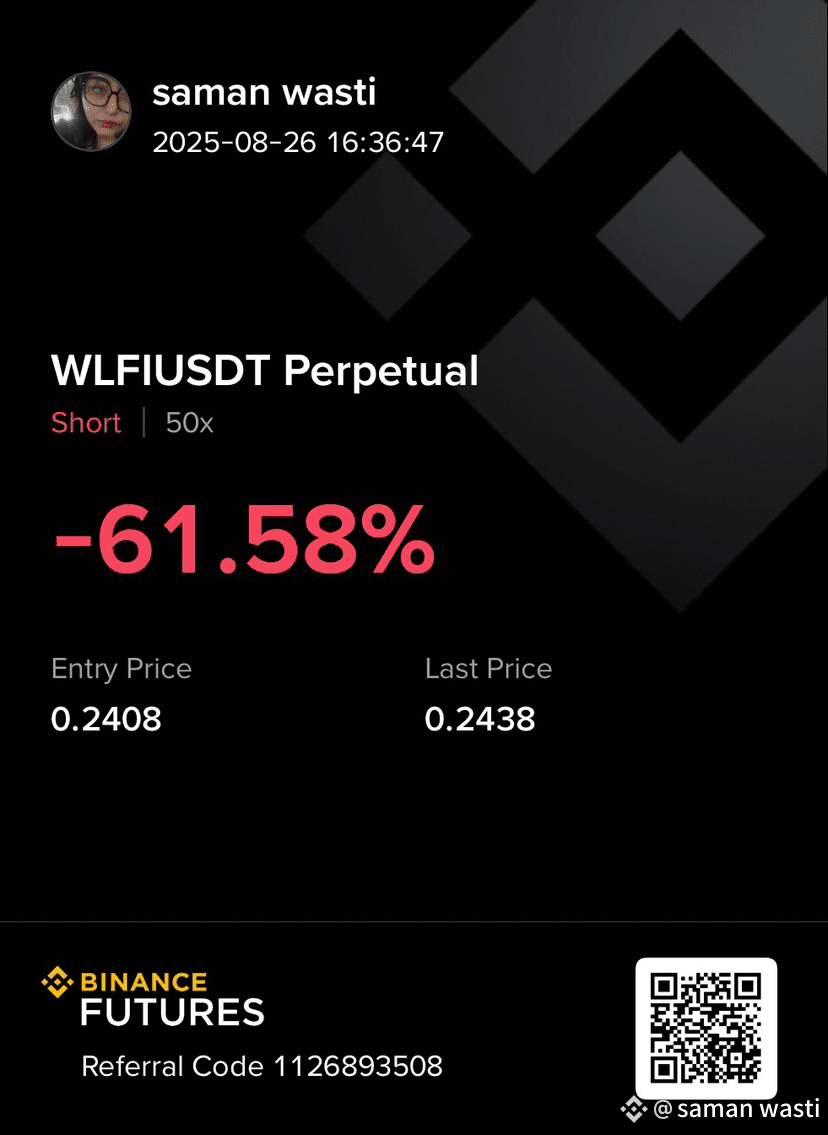
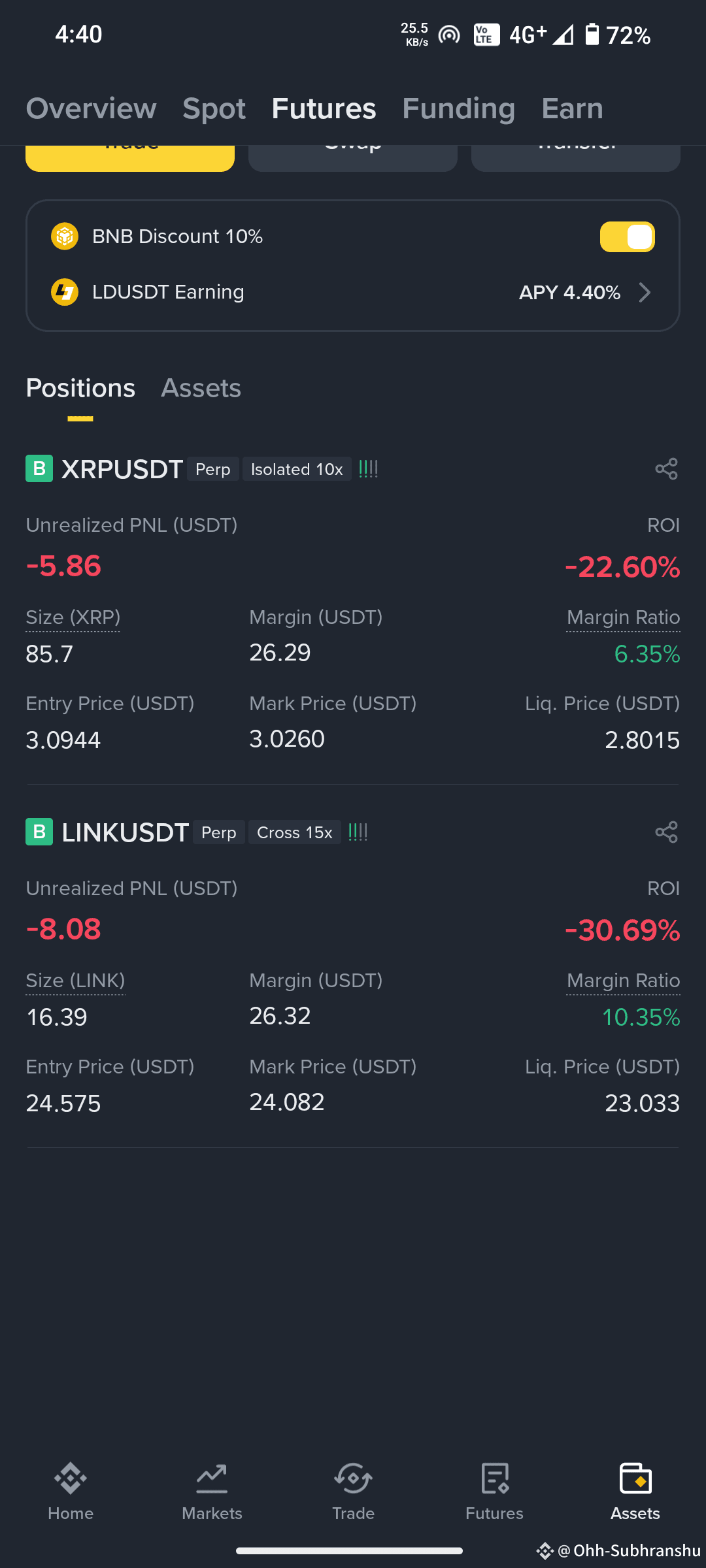
What should I do, please tell me bro—should I hold it or should I close it??? Please guide me #layer #holdorclose #FutureTarding #loss #guide
What should I do, please tell me bro—should I hold it or should I close it??? Please guide me #layer #holdorclose #FutureTarding #loss #guide
1
1
860

6
1
10
1.4k

🕌 The Unspoken Halal Crypto Playbook (Most Muslims Ignore This)
Everyone asks:
“Is crypto halal or haram?”
Wrong question.
The real question is:
👉 Are YOU trading halal?
Because the SAME market can be halal OR haram depending on how you behave inside it.
Let’s break the rules nobody posts about 👇
⚖️ Rule #1 — You’re a Trader, Not a Gambler
Haram behavior in crypto looks like:
* Buying because of hype 🚀
* Trading 20 times per day
* Using signals blindly
* Praying price goes up instead of researching
Halal behavior looks like:
* Research → Decision → Patience
* Long-term thinking
* Accepting risk without addiction
📌 If your strategy looks like a casino… it probably is.
💰 Rule #2 — Avoid Riba Hidden Inside Crypto
Many Muslims avoid bank interest but ignore crypto interest 👀
Be careful with:
* Lending platforms with fixed APY
* Margin trading interest
* Perpetual futures funding fees
Halal mindset:
* Spot trading ✔️
* Owning real assets ✔️
* Profit from price movement ✔️
💡 Profit from risk is halal.
Profit from guaranteed interest is not.
🎰 Rule #3 — Leverage Is the Silent Trap
Leverage trading feels smart because:
* Small money → Big profit fast
But Islam hates excessive risk (gharar).
Ask yourself honestly:
* Would you borrow money to gamble in a casino?
* Then why borrow 20x leverage?
Halal traders survive.
Leveraged traders disappear.
🧠 Rule #4 — Intent Matters More Than Strategy
Two traders buy the same coin:
Trader A:
“I want fast money.”
Trader B:
“I want long-term halal wealth.”
Same trade.
Different intention.
Different accountability.
Your niyyah changes your trading.
🪙 Rule #5 — Avoid Haram Projects
Yes… some coins are clearly problematic.
Avoid projects focused on:
* Gambling 🎰
* Adult content 🔞
* Interest-based finance 🏦
* Scam tokenomics
🧩 Final Thought
Crypto is NOT haram.
Reckless behavior is.
The market tests your discipline more than your faith.
Trade smart. Trade clean. Trade halal. ☪️
#Binance #crypto #Halal #guide #profit
🕌 The Unspoken Halal Crypto Playbook (Most Muslims Ignore This)
Everyone asks: “Is crypto halal or haram?”
Wrong question.
The real question is: 👉 Are YOU trading halal?
Because the SAME market can be halal OR haram depending on how you behave inside it.
Let’s break the rules nobody posts about 👇
⚖️ Rule #1 — You’re a Trader, Not a Gambler
Haram behavior in crypto looks like:
* Buying because of hype 🚀
* Trading 20 times per day
* Using signals blindly
* Praying price goes up instead of researching
Halal behavior looks like:
* Research → Decision → Patience
* Long-term thinking
* Accepting risk without addiction
📌 If your strategy looks like a casino… it probably is.
💰 Rule #2 — Avoid Riba Hidden Inside Crypto
Many Muslims avoid bank interest but ignore crypto interest 👀
Be careful with:
* Lending platforms with fixed APY
* Margin trading interest
* Perpetual futures funding fees
Halal mindset:
* Spot trading ✔️
* Owning real assets ✔️
* Profit from price movement ✔️
💡 Profit from risk is halal. Profit from guaranteed interest is not.
🎰 Rule #3 — Leverage Is the Silent Trap
Leverage trading feels smart because:
* Small money → Big profit fast
But Islam hates excessive risk (gharar).
Ask yourself honestly:
* Would you borrow money to gamble in a casino?
* Then why borrow 20x leverage?
Halal traders survive. Leveraged traders disappear.
🧠 Rule #4 — Intent Matters More Than Strategy
Two traders buy the same coin:
Trader A:
“I want fast money.”
Trader B:
“I want long-term halal wealth.”
Same trade. Different intention. Different accountability.
Your niyyah changes your trading.
🪙 Rule #5 — Avoid Haram Projects
Yes… some coins are clearly problematic.
Avoid projects focused on:
* Gambling 🎰
* Adult content 🔞
* Interest-based finance 🏦
* Scam tokenomics
🧩 Final Thought
Crypto is NOT haram. Reckless behavior is.
The market tests your discipline more than your faith.
Trade smart. Trade clean. Trade halal. ☪️
#Binance #crypto #Halal #guide #profit
1
1
178

Is there going to be a big blast? 🤔
Hello Traders!
There’s a lot of activity in the market right now, and there are two big things you should keep an eye on:
Market Trend: Solana is trading in a very important zone. If it sustains from here, then we may see a good bounce in the other altcoins as well. But trade with a tight stop-loss!
$SOL
#sol #TrendingPredictions #CryptoPatience #guide #safeWallet
Yours: Hasan
168


·
--
Bullish
#USCanadaTradeTalksCollapseCanadaVowsRetaliation #Guide me What to do. I know 1 USD is nothing. for high profit what need to do.
#USCanadaTradeTalksCollapseCanadaVowsRetaliation #Guide me What to do. I know 1 USD is nothing. for high profit what need to do.
110

·
--
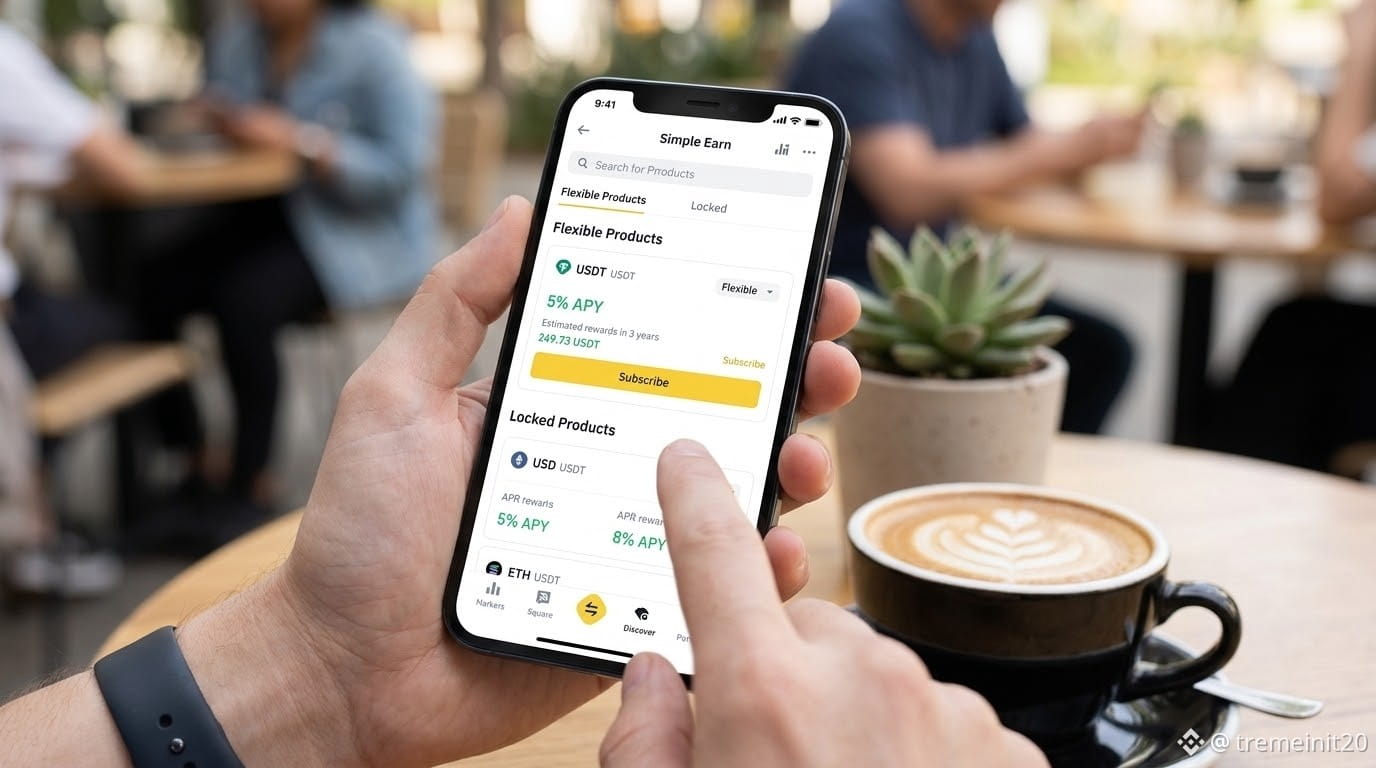
What is this Binance Earn of yours 🤔
Binance Earn is a crypto deposit where coins generate passive income instead of just sitting on spot
Flexible: Interest is paid daily; you can withdraw funds at any time
Locked: Coins are fixed for a term (mostly 30–120 days) for a higher interest rate
My experience:
I keep a reserve of USDT with a flexible interest rate. When I need to buy back coins on the market, I withdraw instantly without losing my profits
⚠️ Risks:
Interest is accrued in the coin. If its price drops, the dollar balance decreases—so for safety it’s better to choose stablecoins (USDT/USDC)
💬 Do you use Binance Earn, or do you keep everything on spot? 👇
#BinanceEarn #ukraine #guide
1
126

Log in to explore more content
Join global crypto users on Binance Square
⚡️ Get latest and useful information about crypto.
💬 Trusted by the world’s largest crypto exchange.
👍 Discover real insights from verified creators.
Email / Phone number
Trending Topics
1
#CanBTCReboundAfterFallingBelow60K?
418,790 views
1,817 Discussing
2
#GlobalStocksFaceLongestLosingStreakSince2023
140,649 views
1,270 Discussing
3
#BlackRockIBITPostsRecord$541MSingleDayOutflow
2,976 views
37 Discussing
4
#AnthropicPlungesTowardIPOPriceonDay2
67,063 views
716 Discussing
5
#TwentyOneCapitalAdds172.25BTC
18,667 views
252 Discussing
6
#HKBillWouldExcludeTokenizedDepositsFromVirtualAssets
2,139 views
26 Discussing
7
#BNBDropsBelow540USDTWith8.46%DailyDecline
39,003 views
356 Discussing
8
#HKBillProposesHK$100KFineForUnauthorizedCryptoTitles
1,328 views
19 Discussing
9
#BitMineFaces$10.1BUnrealizedETHLoss
2,356 views
24 Discussing
10
#StrategyReports$35BNetReserves
2,248 views
18 Discussing