
#liquiditymatters
liquiditymatters
26,499 views
71 Discussing
Hot
Latest

·
--
Volume is the amount of assets traded over a certain period. Open interest is the number of outstanding contracts. Liquidity pools hold assets to facilitate trading. For example, if $BTC is sitting at a high volume, it may indicate high market activity. Liquidity pools can be used to provide liquidity to markets, with some pools holding over $1 billion in assets like $ETH. Understanding these concepts can help traders make informed decisions. Open interest can give insight into market sentiment, with high open interest indicating a strong market. Liquidity pools can also be used to earn yields on assets like $BTC. Trading terms and mechanics are important to understand for successful trading. tradingterms #cryptomarkets #liquiditymatters
Volume is the amount of assets traded over a certain period. Open interest is the number of outstanding contracts. Liquidity pools hold assets to facilitate trading. For example, if $BTC is sitting at a high volume, it may indicate high market activity. Liquidity pools can be used to provide liquidity to markets, with some pools holding over $1 billion in assets like $ETH . Understanding these concepts can help traders make informed decisions. Open interest can give insight into market sentiment, with high open interest indicating a strong market. Liquidity pools can also be used to earn yields on assets like $BTC . Trading terms and mechanics are important to understand for successful trading. tradingterms #cryptomarkets #liquiditymatters
39
·
--
Institutional banking plays a key role in providing liquidity. Liquidity providers and market makers help keep markets stable. For example, a market maker may quote both a buy and sell order for $BTC to ensure liquidity. This helps keep the market sitting at a stable level. Liquidity providers can earn fees by providing this service. They may also use strategies like arbitrage to profit from differences in markets. Market makers can be seen in traditional finance, such as in foreign exchange or commodities markets. They help facilitate trading and keep markets efficient. $ETH market makers also play a crucial role in maintaining liquidity. Market makers help ensure that markets are functioning smoothly. #TradFi #LiquidityMatters #MarketMakers
Institutional banking plays a key role in providing liquidity. Liquidity providers and market makers help keep markets stable. For example, a market maker may quote both a buy and sell order for $BTC to ensure liquidity. This helps keep the market sitting at a stable level. Liquidity providers can earn fees by providing this service. They may also use strategies like arbitrage to profit from differences in markets. Market makers can be seen in traditional finance, such as in foreign exchange or commodities markets. They help facilitate trading and keep markets efficient. $ETH market makers also play a crucial role in maintaining liquidity. Market makers help ensure that markets are functioning smoothly. #TradFi #LiquidityMatters #MarketMakers
30
·
--
Liquidity's key in crypto. It's what lets you buy or sell $MIHAO without tanking the market. High liquidity means you can get in or out fast. Low liquidity's a nightmare - you'll struggle to buy or sell and it'll cost you BIG TIME. That's 55% of the battle. Ease of trading is EVERYTHING. #LiquidityMatters #Altcoins #MarketAnalysis
Liquidity's key in crypto. It's what lets you buy or sell $MIHAO without tanking the market. High liquidity means you can get in or out fast. Low liquidity's a nightmare - you'll struggle to buy or sell and it'll cost you BIG TIME. That's 55% of the battle. Ease of trading is EVERYTHING. #LiquidityMatters #Altcoins #MarketAnalysis
15
·
--
Liquidity's key in crypto, it's how easily you can buy or sell a token without affecting its value. High liquidity's good, lets you trade quickly without changing the market. It's like a busy store, many buyers and sellers make it easy to find someone to trade with. Liquidity's IMPORTANT for traders and investors, helps prevent BIG swings when you buy or sell $BTC or $ETH. Learn about it to make better trading decisions, trust me it's worth it #LiquidityMatters #CryptoEducation #LearnToTrade
Liquidity's key in crypto, it's how easily you can buy or sell a token without affecting its value. High liquidity's good, lets you trade quickly without changing the market. It's like a busy store, many buyers and sellers make it easy to find someone to trade with. Liquidity's IMPORTANT for traders and investors, helps prevent BIG swings when you buy or sell $BTC or $ETH . Learn about it to make better trading decisions, trust me it's worth it #LiquidityMatters #CryptoEducation #LearnToTrade
65
·
--
Liquidity Matters
Liquidity refers to how easily you can buy or sell an asset without affecting its value. For example, if you have 10 units of a coin and you want to sell them, you'll want to do it in a market with high liquidity so you can get a fair deal. The Dynamic Outlook
If you're trading in a low-liquidity market, it's like trying to sell your house in a neighborhood where no one's buying. You might have to lower your asking just to get a buyer, which means you'll get less than you wanted. On the other hand, high liquidity means you can buy or sell quickly and at a fair . Understanding Liquidity
Let's say you're trading a coin with a total supply of 100 units, and 50 units are being actively traded. If you want to buy 10 units, you'll have a bigger impact on the market than if you were buying 1 unit. This is why liquidity is important - it helps you trade without moving the market too much. Importance of Liquidity
In a low-liquidity market, a single big trade can cause big swings in value. This can be BAD for traders who aren't prepared. On the other hand, high liquidity provides STABILITY and makes it easier to get in and out of trades. Disclaimer
Trading carries risk, and it's essential to do your research and understand the markets before making any decisions. CryptoEducation #LiquidityMatters #Blockchain
·
--
Volume is the amount of assets traded in a given time. Open interest is the number of contracts held by traders at a specific point. Liquidity pools hold assets to facilitate trading. For example, $BTC and $ETH liquidity pools can be sitting at 10,000 or more. This means there are 10,000 units of $BTC and $ETH available to trade. High liquidity pools can handle large trades without significantly affecting the market. Low liquidity pools can lead to volatility. Understanding volume, open interest, and liquidity pools can help traders make informed decisions. $BTC is often used as an example due to its high trading volume. Trading volume is at 100,000 or more per day. tradingbasics #cryptofundamentals #liquiditymatters
Volume is the amount of assets traded in a given time. Open interest is the number of contracts held by traders at a specific point. Liquidity pools hold assets to facilitate trading. For example, $BTC and $ETH liquidity pools can be sitting at 10,000 or more. This means there are 10,000 units of $BTC and $ETH available to trade. High liquidity pools can handle large trades without significantly affecting the market. Low liquidity pools can lead to volatility. Understanding volume, open interest, and liquidity pools can help traders make informed decisions. $BTC is often used as an example due to its high trading volume. Trading volume is at 100,000 or more per day. tradingbasics #cryptofundamentals #liquiditymatters
28
·
--
Understanding Liquidity
Liquidity is about being able to buy or sell an asset without impacting its value. High liquidity means it's easy to do so, like selling a common item where you can easily find a buyer. The Concept of Liquidity
In trading, liquidity is key. It determines how easily you can buy or sell an asset. For instance, if you're selling a rare collectible, you might struggle to find a buyer, but if you're selling something common like gold, you can easily find a buyer. Liquidity in Trading
When you're trading assets like $ETH, liquidity plays a big role. If there are many buyers and sellers, it's easy to trade without impacting the asset's value. This is why liquidity is important for traders. Why Liquidity Matters
Liquidity affects how easily you can buy or sell an asset. If an asset has low liquidity, it can be hard to find a buyer or seller, and you might have to adjust your expectations. This is why understanding liquidity is important for anyone involved in trading. Disclaimer: this post is for educational purposes only.
DeFiEducation #Blockchain #LiquidityMatters
Understanding Liquidity
Liquidity is about being able to buy or sell an asset without impacting its value. High liquidity means it's easy to do so, like selling a common item where you can easily find a buyer. The Concept of Liquidity
In trading, liquidity is key. It determines how easily you can buy or sell an asset. For instance, if you're selling a rare collectible, you might struggle to find a buyer, but if you're selling something common like gold, you can easily find a buyer. Liquidity in Trading
When you're trading assets like $ETH , liquidity plays a big role. If there are many buyers and sellers, it's easy to trade without impacting the asset's value. This is why liquidity is important for traders. Why Liquidity Matters
Liquidity affects how easily you can buy or sell an asset. If an asset has low liquidity, it can be hard to find a buyer or seller, and you might have to adjust your expectations. This is why understanding liquidity is important for anyone involved in trading. Disclaimer: this post is for educational purposes only.
DeFiEducation #Blockchain #LiquidityMatters
·
--
Liquidity is key in trading. It's about being able to buy or sell an asset without impacting its value. High liquidity means it's easy to do so. Low liquidity means it's not. For example, if you're trying to sell a rare item, you might have a hard time finding a buyer, and you might have to lower your expectations. But if you're selling something common, you can easily find a buyer. Same idea applies to trading. #LiquidityMatters #TradingTips #MarketEducation
Liquidity is key in trading. It's about being able to buy or sell an asset without impacting its value. High liquidity means it's easy to do so. Low liquidity means it's not. For example, if you're trying to sell a rare item, you might have a hard time finding a buyer, and you might have to lower your expectations. But if you're selling something common, you can easily find a buyer. Same idea applies to trading. #LiquidityMatters #TradingTips #MarketEducation
13
·
--
Liquidity Explained
Liquidity is a key concept in trading, referring to the ability to buy or sell an asset without significantly impacting its value. High liquidity means that an asset can be easily bought or sold without affecting its value. In general, assets with high liquidity are more desirable because they can be quickly converted into cash. This is especially important in times of market volatility, where the ability to buy or sell an asset quickly can make a big difference. The Crypto Catalyst is not relevant to this educational post, as it typically involves market data and analysis. Instead, we will focus on explaining the concept of liquidity and its importance in trading. A liquid market is one where there are many buyers and sellers, and where transactions can be completed quickly and at a fair . This is in contrast to an illiquid market, where there may be few buyers or sellers, and where transactions can be difficult to complete. The Dynamic Outlook for liquidity is that if an asset has high liquidity, then it is more likely to be attractive to traders and investors. This is because high liquidity reduces the risk of significant impacts, making it easier to buy or sell an asset. In the context of $SOL, liquidity is an important consideration for traders and investors. However, it's also important to consider other factors, such as the overall market conditions and the specific characteristics of the asset. Disclaimer: this post is for educational purposes only and should not be considered as investment advice. Binance #BinanceSquare #LiquidityMatters
Liquidity Explained
Liquidity is a key concept in trading, referring to the ability to buy or sell an asset without significantly impacting its value. High liquidity means that an asset can be easily bought or sold without affecting its value. In general, assets with high liquidity are more desirable because they can be quickly converted into cash. This is especially important in times of market volatility, where the ability to buy or sell an asset quickly can make a big difference. The Crypto Catalyst is not relevant to this educational post, as it typically involves market data and analysis. Instead, we will focus on explaining the concept of liquidity and its importance in trading. A liquid market is one where there are many buyers and sellers, and where transactions can be completed quickly and at a fair . This is in contrast to an illiquid market, where there may be few buyers or sellers, and where transactions can be difficult to complete. The Dynamic Outlook for liquidity is that if an asset has high liquidity, then it is more likely to be attractive to traders and investors. This is because high liquidity reduces the risk of significant impacts, making it easier to buy or sell an asset. In the context of $SOL , liquidity is an important consideration for traders and investors. However, it's also important to consider other factors, such as the overall market conditions and the specific characteristics of the asset. Disclaimer: this post is for educational purposes only and should not be considered as investment advice. Binance #BinanceSquare #LiquidityMatters
Liquidity is a key concept in trading, referring to the ability to buy or sell an asset without significantly impacting its value. High liquidity means that an asset can be easily bought or sold without affecting its value. In general, assets with high liquidity are more desirable because they can be quickly converted into cash. This is especially important in times of market volatility, where the ability to buy or sell an asset quickly can make a big difference. The Crypto Catalyst is not relevant to this educational post, as it typically involves market data and analysis. Instead, we will focus on explaining the concept of liquidity and its importance in trading. A liquid market is one where there are many buyers and sellers, and where transactions can be completed quickly and at a fair . This is in contrast to an illiquid market, where there may be few buyers or sellers, and where transactions can be difficult to complete. The Dynamic Outlook for liquidity is that if an asset has high liquidity, then it is more likely to be attractive to traders and investors. This is because high liquidity reduces the risk of significant impacts, making it easier to buy or sell an asset. In the context of $SOL , liquidity is an important consideration for traders and investors. However, it's also important to consider other factors, such as the overall market conditions and the specific characteristics of the asset. Disclaimer: this post is for educational purposes only and should not be considered as investment advice. Binance #BinanceSquare #LiquidityMatters
1
·
--
Liquidity Explained
Liquidity refers to how easily you can buy or sell an asset without affecting its value. HIGH LIQUIDITY means you can buy or sell quickly without impacting the market. When you're trading, you want to be able to get in and out of a position easily. Liquidity is key to making this happen. Imagine you're trying to sell a rare collectible - if there aren't many buyers, it's going to be hard to sell it quickly. In crypto, liquidity is important because it helps you get a fair deal. If a market is highly liquid, you can buy or sell $ZEC without affecting its value. This is because there are many buyers and sellers in the market, so your trade won't impact the overall . Liquidity can be affected by many factors, including the number of buyers and sellers in a market. If a market is highly volatile, liquidity can decrease, making it harder to buy or sell. Understanding liquidity is crucial to navigating crypto markets. It's NOT ROCKET SCIENCE, but it does take some knowledge to understand how liquidity works. By knowing how liquidity affects the market, you can make better trading decisions. Disclaimer: this post is for educational purposes only. BinanceSquare #LiquidityMatters #CryptoBasics
Liquidity refers to how easily you can buy or sell an asset without affecting its value. HIGH LIQUIDITY means you can buy or sell quickly without impacting the market. When you're trading, you want to be able to get in and out of a position easily. Liquidity is key to making this happen. Imagine you're trying to sell a rare collectible - if there aren't many buyers, it's going to be hard to sell it quickly. In crypto, liquidity is important because it helps you get a fair deal. If a market is highly liquid, you can buy or sell $ZEC without affecting its value. This is because there are many buyers and sellers in the market, so your trade won't impact the overall . Liquidity can be affected by many factors, including the number of buyers and sellers in a market. If a market is highly volatile, liquidity can decrease, making it harder to buy or sell. Understanding liquidity is crucial to navigating crypto markets. It's NOT ROCKET SCIENCE, but it does take some knowledge to understand how liquidity works. By knowing how liquidity affects the market, you can make better trading decisions. Disclaimer: this post is for educational purposes only. BinanceSquare #LiquidityMatters #CryptoBasics
166

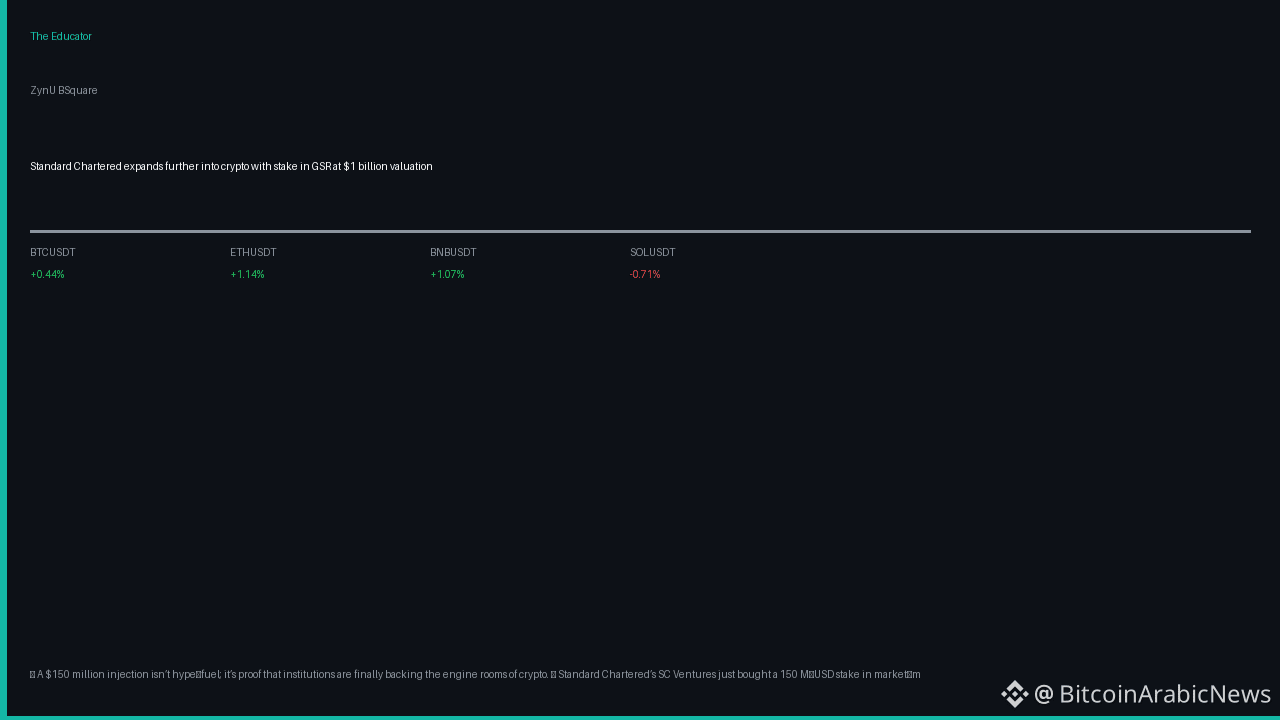
🔥 A $150 million injection isn’t hype‑fuel; it’s proof that institutions are finally backing the engine rooms of crypto.
📊 Standard Chartered’s SC Ventures just bought a 150 M‑USD stake in market‑maker GSR, valuing the firm above $1 billion #InstitutionalAdoption #CryptoInfrastructure.
💡 In a market where BTC is steady at $80,554 (+0.44%) with a bullish MACD crossover, $7.81 B of open interest and positive funding (+0.0100%), and ETH up 1.14% to $2,348 with similar bullish signals, deep‑liquidity providers like GSR become the scaffolding for the next bull phase #LiquidityMatters #BullRun.
✅ Practical move: tilt a modest portion of your allocation toward assets that benefit from tighter spreads and higher volume—BNB at $751 (RSI 61.4 Bullish) or ETH—while watching market‑maker health metrics and futures OI for early signs of sustained buying pressure.
❓ How are you adjusting your exposure now that a major bank is betting on the infrastructure that keeps crypto flowing?
6

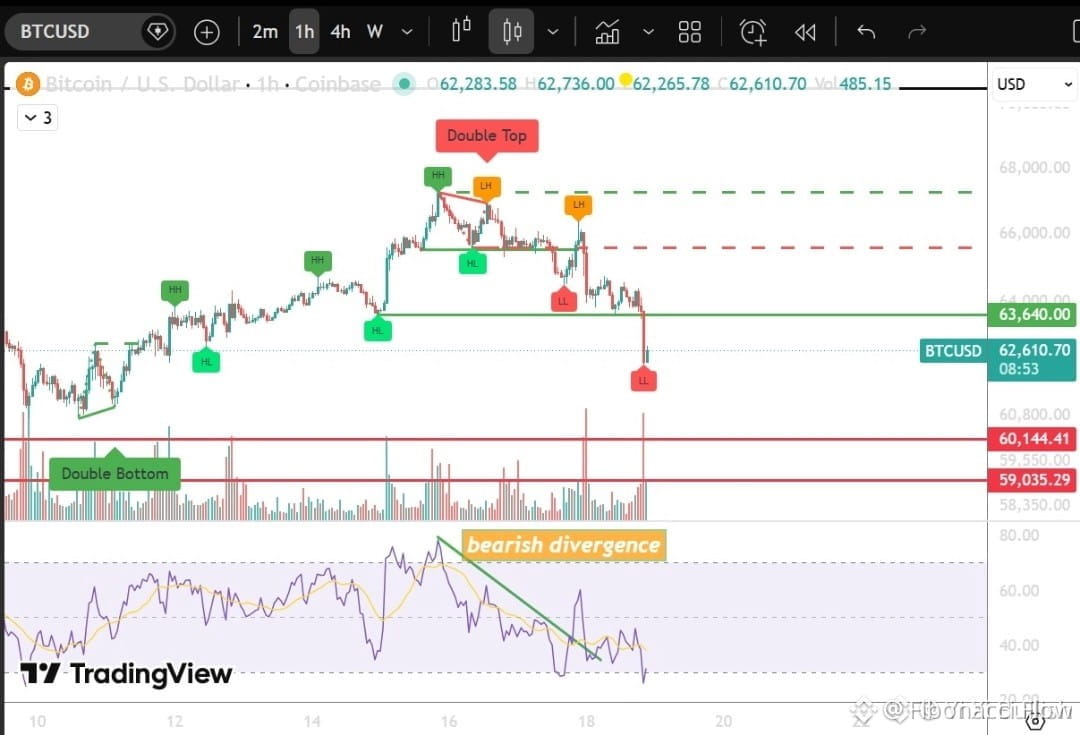
$BTC flashes multiple bearish signals 🚨
Entry: 58.5K 🔥
Target: 52K 🚀
Stop Loss: 61K ⚠️
Traders should now watch whether $BTC can reclaim the broken support, as lower liquidity zones could become the next targets. The market structure shift is clear, with bears taking short-term control.
Not financial advice. Manage your risk.
#BTC #BearishSetup #LiquidityMatters
💡
50

·
--
Most altcoin rallies end the same way: capital races into low-liquidity long-tail tokens, prices spike, then a handful of large exits drain the order book faster than retail can react. Understanding this dynamic is the difference between riding the wave and being the exit liquidity.
Here is how it works. During early altcoin season, capital flows into high-quality, liquid mid-caps first. These have real order book depth, so large buyers accumulate without moving price violently. That phase can last weeks.
Then narratives heat up, FOMO spreads, and capital chases smaller tokens promising 10-50x returns. Liquidity thins dramatically. A $500K sell order that would barely move $BTC can crater a micro-cap by 30%. Bid-ask spreads widen. Slippage becomes punishing.
The trap: when you finally decide to exit, everyone else does too. There are not enough buyers at any reasonable price.
Practical rules:
→ Check 24h volume relative to market cap before entering. A token with $50M market cap and $500K daily volume has a liquidity ratio of 1%. Anything below 3-5% carries significant exit risk.
→ Size positions inversely to liquidity. The lower the depth, the smaller your stake.
→ Define your exit price before you enter, not after you are up 80%.
→ Rotate back into liquid assets ($BTC, $ETH) before sentiment peaks — not after.
Altcoin season rewards the early and the disciplined. Long-tail liquidity traps punish the late and the greedy.
#AltcoinSeason #CryptoTrading #RiskManagement #LiquidityMatters #Crypto2026
Most altcoin rallies end the same way: capital races into low-liquidity long-tail tokens, prices spike, then a handful of large exits drain the order book faster than retail can react. Understanding this dynamic is the difference between riding the wave and being the exit liquidity.
Here is how it works. During early altcoin season, capital flows into high-quality, liquid mid-caps first. These have real order book depth, so large buyers accumulate without moving price violently. That phase can last weeks.
Then narratives heat up, FOMO spreads, and capital chases smaller tokens promising 10-50x returns. Liquidity thins dramatically. A $500K sell order that would barely move $BTC can crater a micro-cap by 30%. Bid-ask spreads widen. Slippage becomes punishing.
The trap: when you finally decide to exit, everyone else does too. There are not enough buyers at any reasonable price.
Practical rules:
→ Check 24h volume relative to market cap before entering. A token with $50M market cap and $500K daily volume has a liquidity ratio of 1%. Anything below 3-5% carries significant exit risk.
→ Size positions inversely to liquidity. The lower the depth, the smaller your stake.
→ Define your exit price before you enter, not after you are up 80%.
→ Rotate back into liquid assets ($BTC , $ETH ) before sentiment peaks — not after.
Altcoin season rewards the early and the disciplined. Long-tail liquidity traps punish the late and the greedy.
#AltcoinSeason #CryptoTrading #RiskManagement #LiquidityMatters #Crypto2026
105
Log in to explore more content
Join global crypto users on Binance Square
⚡️ Get latest and useful information about crypto.
💬 Trusted by the world’s largest crypto exchange.
👍 Discover real insights from verified creators.
Email / Phone number
Trending Topics
1
#BTCReboundsAbove$60KAmidWhaleDipBuying
30,403 views
178 Discussing
2
#SolanaSets2027RoadmapToDoubleComputeCapacity
12,631 views
374 Discussing
3
#CaliforniaNvidiaProbeExaminesPotentialCriminalViolations
4,431 views
58 Discussing
4
#BlackRockLaunchesHKDollarDigitalLiquidityFund
10,789 views
320 Discussing
5
#NvidiaLoses$2.7TrillionInMonthAndAHalf
57,893 views
262 Discussing
6
#GlobalStocksFaceLongestLosingStreakSince2023
477,452 views
3,057 Discussing
7
#BlackRockIBITPostsRecord$541MSingleDayOutflow
76,298 views
159 Discussing
8
#AnthropicPlungesTowardIPOPriceonDay2
258,824 views
2,024 Discussing
9
#TwentyOneCapitalAdds172.25BTC
130,606 views
1,364 Discussing
10
#HKBillWouldExcludeTokenizedDepositsFromVirtualAssets
16,138 views
95 Discussing