
Rahi Crypto Intel Pro
9.6k Posts

Rahi Crypto Intel Pro
Report
Block User
Spot Trader | Intraday • Swing • DCA 📊 Market insights, trade setups & Binance campaigns. Follow for clear crypto updates, research & opportunities.
Open Trade
Frequent Trader
5.5 Years
68 Following
1.7K+ Followers
11.3K+ Liked
Posts
Portfolio
All
Quotes
Videos
A reported crypto wallet incident is raising important questions about hardware wallet security.
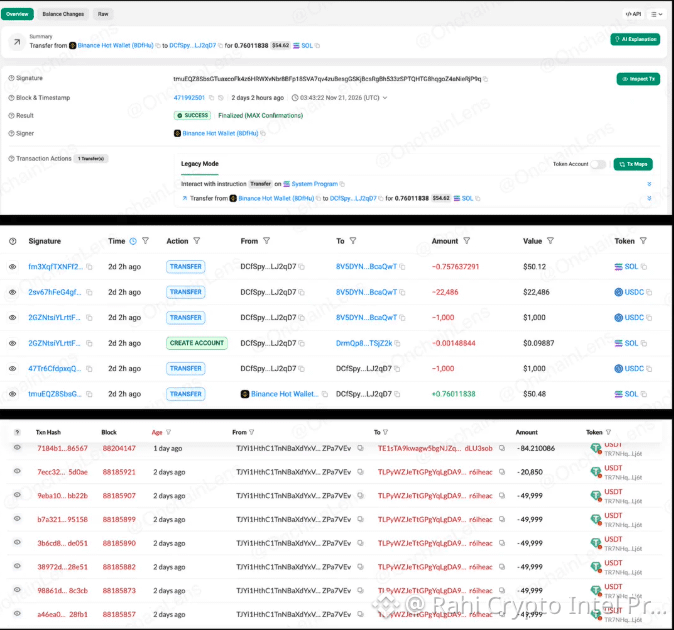
According to Onchain Lens, an iPhone user claims to have lost more than $600,000 across a Trezor Safe 7 hardware wallet and an Exodus wallet. About $580,000 was held in USDT on TRON.
The user says the Trezor Safe 7 had been used for about two months, arrived sealed with no visible signs of tampering, and generated its recovery phrase directly on the device screen. The phrase was written on paper, with no digital copy reportedly stored.
One important detail: the TRON and Solana wallets on the Trezor shared the same recovery phrase. This matters because a recovery phrase can provide access to multiple wallets derived from it. Protecting that single phrase is therefore critical to protecting every associated wallet.
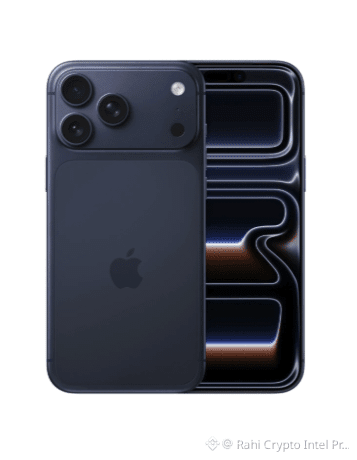
The device was connected to Trezor Suite via Bluetooth on an iPhone 17 Pro Max running iOS 27.2.1, with Exodus installed on the same phone. The user says they never approved the transfers.
But the cause remains unknown. Investigators have not established whether Bluetooth or iOS played any role. There is no confirmed evidence assigning responsibility to any company or product.
The takeaway for every crypto holder:
- Verify your recovery phrase and device security practices.
- Maintain a secure offline backup strategy.
- Be cautious when using Bluetooth-connected wallet devices.
- Monitor wallet activity and investigate unfamiliar transactions promptly.
Self-custody gives you control, but it also makes security your responsibility. Don't wait for an incident to review your setup.
$ACE
{future}(ACEUSDT)
$MUUB
{spot}(MUUBUSDT)
$WLD
{future}(WLDUSDT)
A reported crypto wallet incident is raising important questions about hardware wallet security.
According to Onchain Lens, an iPhone user claims to have lost more than $600,000 across a Trezor Safe 7 hardware wallet and an Exodus wallet. About $580,000 was held in USDT on TRON.
The user says the Trezor Safe 7 had been used for about two months, arrived sealed with no visible signs of tampering, and generated its recovery phrase directly on the device screen. The phrase was written on paper, with no digital copy reportedly stored.
One important detail: the TRON and Solana wallets on the Trezor shared the same recovery phrase. This matters because a recovery phrase can provide access to multiple wallets derived from it. Protecting that single phrase is therefore critical to protecting every associated wallet.
The device was connected to Trezor Suite via Bluetooth on an iPhone 17 Pro Max running iOS 27.2.1, with Exodus installed on the same phone. The user says they never approved the transfers.
But the cause remains unknown. Investigators have not established whether Bluetooth or iOS played any role. There is no confirmed evidence assigning responsibility to any company or product.
The takeaway for every crypto holder:
- Verify your recovery phrase and device security practices.
- Maintain a secure offline backup strategy.
- Be cautious when using Bluetooth-connected wallet devices.
- Monitor wallet activity and investigate unfamiliar transactions promptly.
Self-custody gives you control, but it also makes security your responsibility. Don't wait for an incident to review your setup.
$ACE
$MUUB
$WLD
325
Arrogant Bears just got a serious wake-up call! 🐻🔥
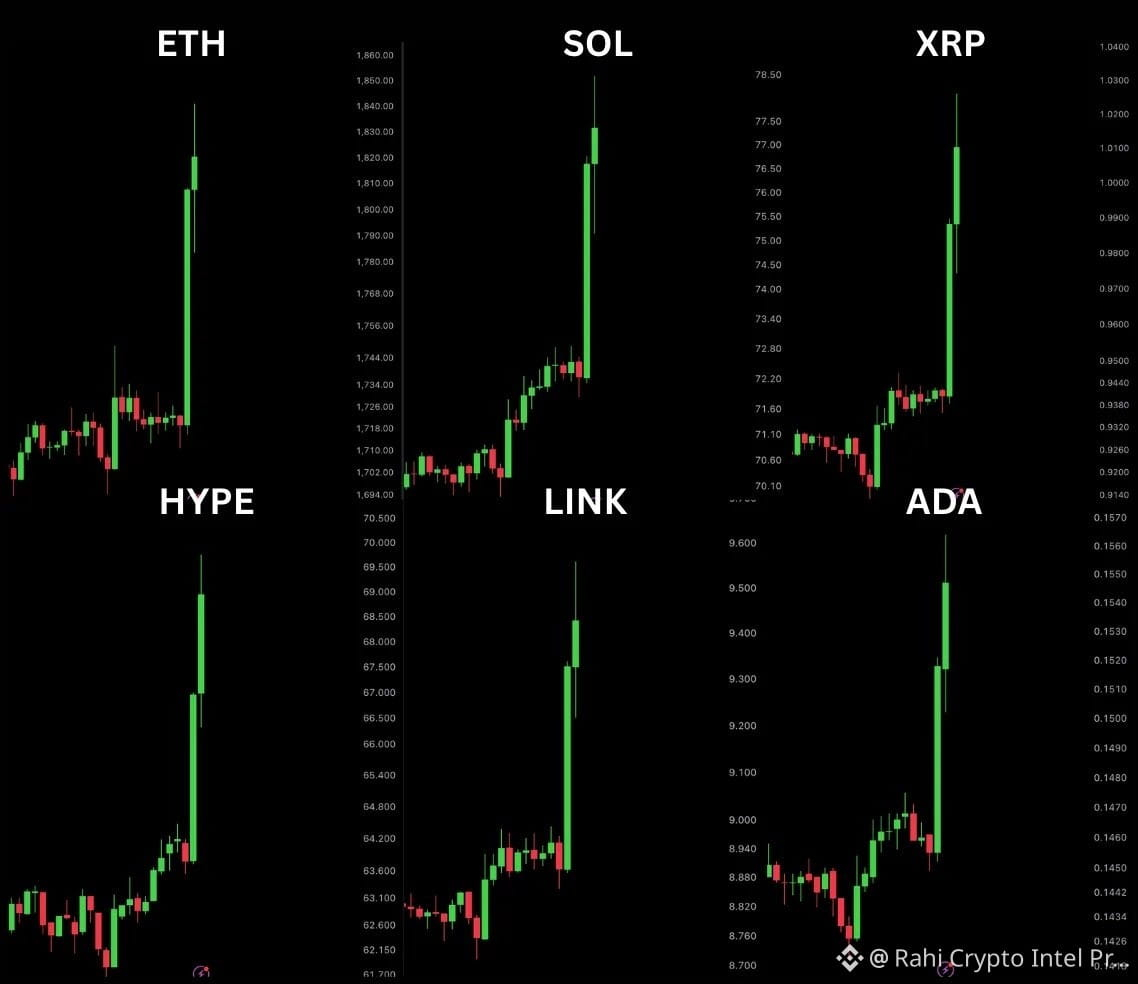
The crypto market added $110 billion in just 30 minutes, while $380 million in short positions were liquidated.
That’s a powerful move. When shorts get forced out, their closures can add further buying pressure to an already rising market.
Bears got caught on the wrong side of the move. Sometimes, the market has a message of its own.
RESPECT THE PUMP! 🚀
Remember, momentum can change quickly. Manage your risk and stay sharp.
#Crypto #Bitcoin #Binance
$ALGO
{future}(ALGOUSDT)
$QNT
{future}(QNTUSDT)
$LINK
{future}(LINKUSDT)
Arrogant Bears just got a serious wake-up call! 🐻🔥
The crypto market added $110 billion in just 30 minutes, while $380 million in short positions were liquidated.
That’s a powerful move. When shorts get forced out, their closures can add further buying pressure to an already rising market.
Bears got caught on the wrong side of the move. Sometimes, the market has a message of its own.
RESPECT THE PUMP! 🚀
Remember, momentum can change quickly. Manage your risk and stay sharp.
#Crypto #Bitcoin #Binance
$ALGO
$QNT
$LINK
187
U.S. MARKETS ADD NEARLY $3 TRILLION — NVIDIA LEADS A MASSIVE RALLY!
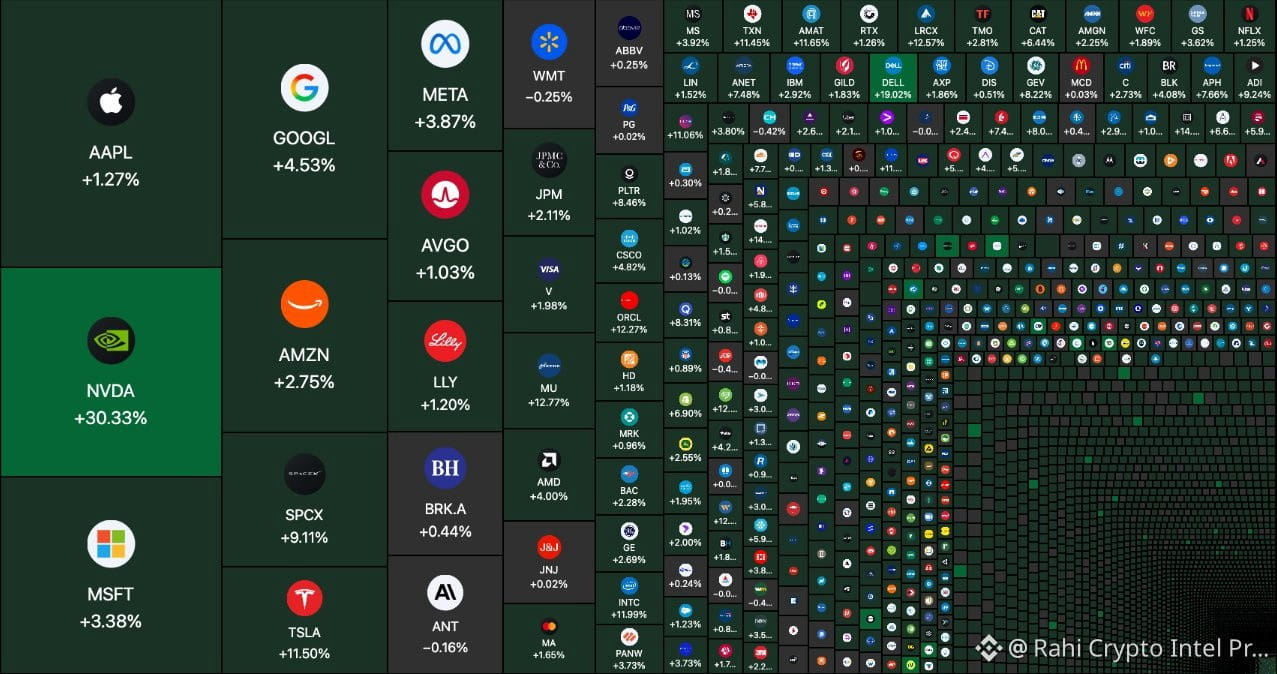
U.S. stocks surged at the market open, adding an estimated $3 trillion in market value.
Nvidia jumped more than 30%, adding approximately $950 billion in market value after Jensen Huang was reinstated as CEO, president, and board director. That's nearly double the $495 billion Nvidia lost Friday.
But the rally wasn't limited to tech. Crypto-linked stocks also posted major gains.
Crypto & Bitcoin-Treasury Stocks:
- MARA Holdings (MARA): +22.12%
- CleanSpark (CLSK): +21.68%
- BitMine (BMNR): +19.26%
- Strategy (MSTR): +15.82%
- Riot Platforms (RIOT): +14.91%
- SharpLink (SBET): +14.73%
- Robinhood (HOOD): +11.63%
- Coinbase (COIN): +8.38%
These gains put crypto-related equities firmly among the session's standout performers, alongside the broader U.S. market rally.
Chip Stocks Join the Surge
Nvidia led the semiconductor rally at +32.73%, followed by TSMC at +20.67%, Arm at +19.38%, and Marvell at +18.78%.
The broader market also opened sharply higher:
- Nasdaq: +7.30%
- S&P 500: +4.11%
What matters next?
Two things deserve attention:
1. Can Nvidia hold its opening gains?
2. Will the broader U.S. market sustain this rally as the week progresses?
A powerful opening session, but the next move matters just as much.
Do you think crypto-related stocks can maintain their momentum if the broader market stays strong?
$MVLLB
{spot}(MVLLBUSDT)
$MUBARAK
{future}(MUBARAKUSDT)
$NVDAB
{spot}(NVDABUSDT)
U.S. MARKETS ADD NEARLY $3 TRILLION — NVIDIA LEADS A MASSIVE RALLY!
U.S. stocks surged at the market open, adding an estimated $3 trillion in market value.
Nvidia jumped more than 30%, adding approximately $950 billion in market value after Jensen Huang was reinstated as CEO, president, and board director. That's nearly double the $495 billion Nvidia lost Friday.
But the rally wasn't limited to tech. Crypto-linked stocks also posted major gains.
Crypto & Bitcoin-Treasury Stocks:
- MARA Holdings (MARA): +22.12%
- CleanSpark (CLSK): +21.68%
- BitMine (BMNR): +19.26%
- Strategy (MSTR): +15.82%
- Riot Platforms (RIOT): +14.91%
- SharpLink (SBET): +14.73%
- Robinhood (HOOD): +11.63%
- Coinbase (COIN): +8.38%
These gains put crypto-related equities firmly among the session's standout performers, alongside the broader U.S. market rally.
Chip Stocks Join the Surge
Nvidia led the semiconductor rally at +32.73%, followed by TSMC at +20.67%, Arm at +19.38%, and Marvell at +18.78%.
The broader market also opened sharply higher:
- Nasdaq: +7.30%
- S&P 500: +4.11%
What matters next?
Two things deserve attention:
1. Can Nvidia hold its opening gains?
2. Will the broader U.S. market sustain this rally as the week progresses?
A powerful opening session, but the next move matters just as much.
Do you think crypto-related stocks can maintain their momentum if the broader market stays strong?
$MVLLB
$MUBARAK
$NVDAB
62
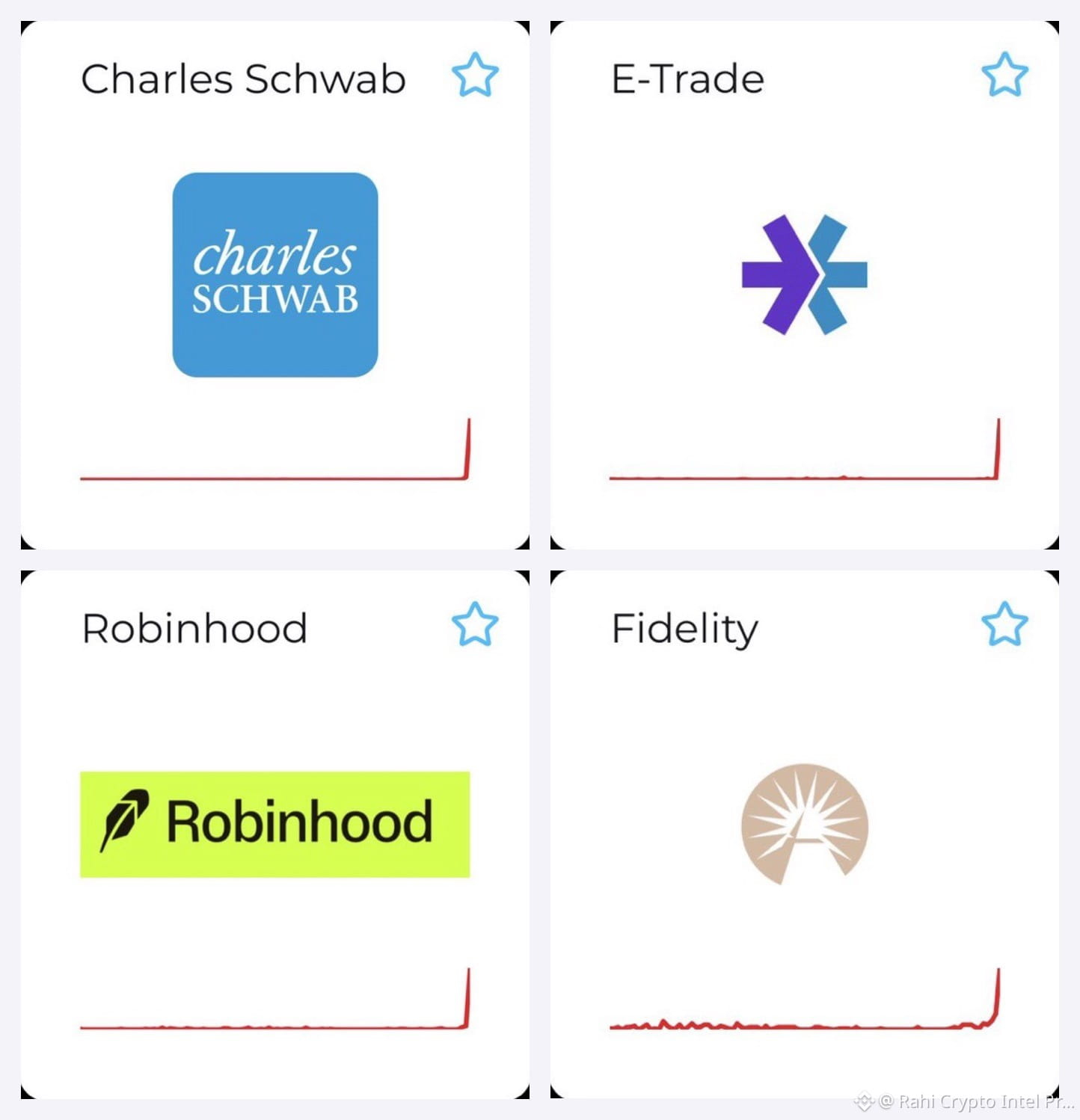
⚠️ Trading apps are reportedly facing widespread downtime as nearly $3 TRILLION has been added to the US stock market since the opening bell.
Robinhood, E\*TRADE, Fidelity, and Charles Schwab are among the platforms reporting issues as retail traders rush into US markets.
At the same time, $NVDA, the leader of the AI boom, is surging more than 30%.
The combination of massive market activity and reported platform disruptions is drawing attention across the trading community. However, the exact reason behind the reported downtime has not been confirmed.
The takeaway: US market activity is making headlines, while trading platform reliability is also in focus.
Are you seeing these reported issues?
$MVLLB
{spot}(MVLLBUSDT)
$MUUB
{spot}(MUUBUSDT)
$SOXLB
{spot}(SOXLBUSDT)
⚠️ Trading apps are reportedly facing widespread downtime as nearly $3 TRILLION has been added to the US stock market since the opening bell.
Robinhood, E\*TRADE, Fidelity, and Charles Schwab are among the platforms reporting issues as retail traders rush into US markets.
At the same time, $NVDA, the leader of the AI boom, is surging more than 30%.
The combination of massive market activity and reported platform disruptions is drawing attention across the trading community. However, the exact reason behind the reported downtime has not been confirmed.
The takeaway: US market activity is making headlines, while trading platform reliability is also in focus.
Are you seeing these reported issues?
$MVLLB
$MUUB
$SOXLB
216
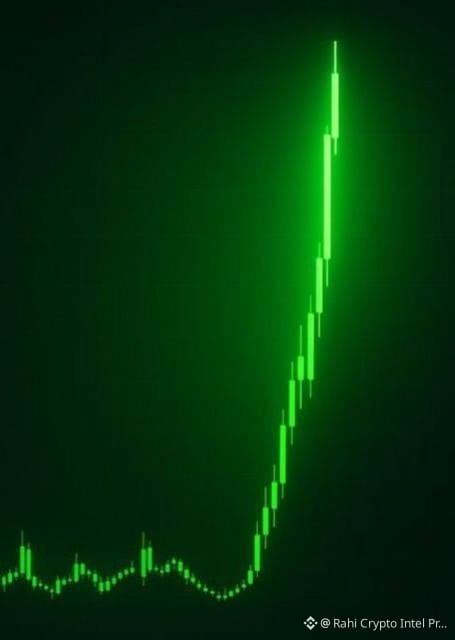
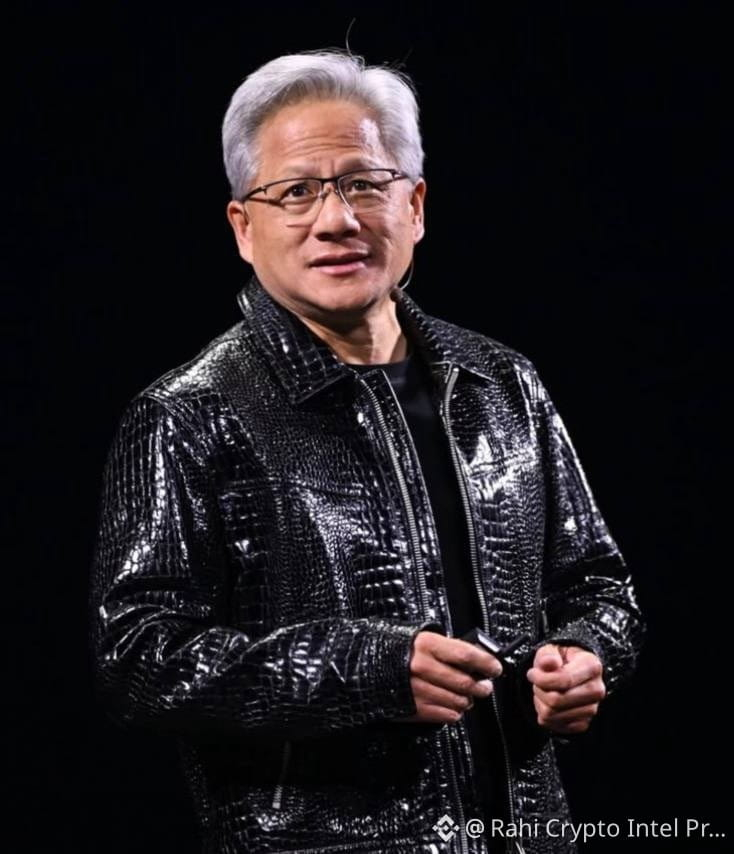
Did One Man Really Add $4.5 Trillion to Stocks, Crypto, and Metals in Just 90 Minutes?
A headline claiming that one individual added $4.5 trillion to stocks, cryptocurrencies, and precious metals in just 90 minutes is making a remarkable claim.
But there is a problem: the figure has not been independently verified.
I could not find credible financial reporting confirming who this individual was, which assets were involved, or how the $4.5 trillion figure was calculated.
There is also an important distinction between market capitalization increasing and actual money flowing into markets. A relatively small amount of buying or selling can move asset prices and change the combined market value significantly.
Why does this matter?
Stocks, Bitcoin, and precious metals are increasingly discussed together as investors respond to macroeconomic developments, liquidity conditions, and changing risk sentiment.
But extraordinary market claims need extraordinary evidence. Without a reliable source and transparent calculations, the $4.5 trillion figure should not be treated as established fact.
Source & Verification Note: The $4.5 trillion / 90-minute claim remains unverified. No confirmed individual or independently established asset breakdown could be identified.
$LISTA
{future}(LISTAUSDT)
$MUUB
{spot}(MUUBUSDT)
$SOXLB
{spot}(SOXLBUSDT)
Did One Man Really Add $4.5 Trillion to Stocks, Crypto, and Metals in Just 90 Minutes?
A headline claiming that one individual added $4.5 trillion to stocks, cryptocurrencies, and precious metals in just 90 minutes is making a remarkable claim.
But there is a problem: the figure has not been independently verified.
I could not find credible financial reporting confirming who this individual was, which assets were involved, or how the $4.5 trillion figure was calculated.
There is also an important distinction between market capitalization increasing and actual money flowing into markets. A relatively small amount of buying or selling can move asset prices and change the combined market value significantly.
Why does this matter?
Stocks, Bitcoin, and precious metals are increasingly discussed together as investors respond to macroeconomic developments, liquidity conditions, and changing risk sentiment.
But extraordinary market claims need extraordinary evidence. Without a reliable source and transparent calculations, the $4.5 trillion figure should not be treated as established fact.
Source & Verification Note: The $4.5 trillion / 90-minute claim remains unverified. No confirmed individual or independently established asset breakdown could be identified.
$LISTA
$MUUB
$SOXLB
1
208
Bitcoin Rebounds After a Brutal Sell-Off, but Is the Recovery Sustainable?
Bitcoin is showing signs of recovery after falling to its lowest level since September 2024. But the bigger question is whether buyers are returning with conviction or whether this is simply a temporary bounce.
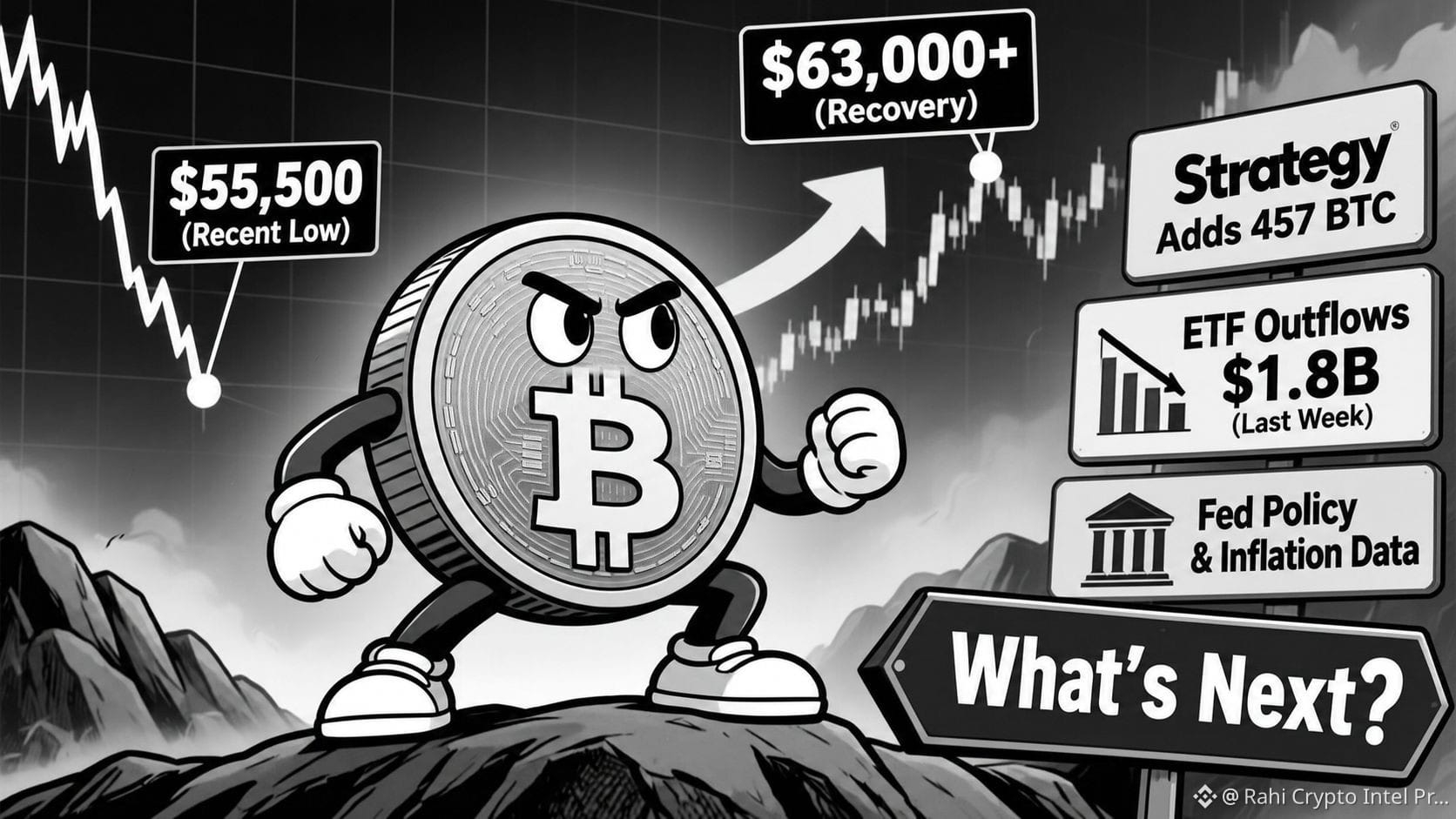
On November 23, Bitcoin recovered above $63,000 after dropping to around $55,500 over the weekend. The rebound also lifted several crypto-related stocks as broader technology markets recovered.
The move comes as Strategy disclosed another Bitcoin purchase. According to its November 23 SEC filing, the company acquired 457 BTC for $29.6 million between November 16 and November 22, bringing its total holdings to 851,305 BTC.
However, there is a reason to remain cautious. U.S. spot Bitcoin ETFs recorded nearly $1.8 billion in withdrawals last week, according to Decrypt. That suggests institutional demand has not yet clearly returned.
The bullish case is that Bitcoin is attracting buyers after a sharp correction, while Strategy continues adding to its holdings. The bearish case is that ETF outflows and uncertainty around Federal Reserve policy could put renewed pressure on the market.
The next important test is whether Bitcoin can maintain its recovery and whether ETF flows turn positive. Wednesday's U.S. PCE inflation report will also be important for assessing the macroeconomic outlook.
My takeaway: A strong rebound is encouraging, but one recovery does not confirm a trend reversal. Watch actual buying demand, institutional flows and Bitcoin's ability to hold its gains before drawing conclusions.
Fact-checking: SEC filing, CoinDesk, Barron's and Decrypt.
Sources: SEC +4
$BTC
{future}(BTCUSDT)
$BNB
{future}(BNBUSDT)
$ETH
{future}(ETHUSDT)
Bitcoin Rebounds After a Brutal Sell-Off, but Is the Recovery Sustainable?
Bitcoin is showing signs of recovery after falling to its lowest level since September 2024. But the bigger question is whether buyers are returning with conviction or whether this is simply a temporary bounce.
On November 23, Bitcoin recovered above $63,000 after dropping to around $55,500 over the weekend. The rebound also lifted several crypto-related stocks as broader technology markets recovered.
The move comes as Strategy disclosed another Bitcoin purchase. According to its November 23 SEC filing, the company acquired 457 BTC for $29.6 million between November 16 and November 22, bringing its total holdings to 851,305 BTC.
However, there is a reason to remain cautious. U.S. spot Bitcoin ETFs recorded nearly $1.8 billion in withdrawals last week, according to Decrypt. That suggests institutional demand has not yet clearly returned.
The bullish case is that Bitcoin is attracting buyers after a sharp correction, while Strategy continues adding to its holdings. The bearish case is that ETF outflows and uncertainty around Federal Reserve policy could put renewed pressure on the market.
The next important test is whether Bitcoin can maintain its recovery and whether ETF flows turn positive. Wednesday's U.S. PCE inflation report will also be important for assessing the macroeconomic outlook.
My takeaway: A strong rebound is encouraging, but one recovery does not confirm a trend reversal. Watch actual buying demand, institutional flows and Bitcoin's ability to hold its gains before drawing conclusions.
Fact-checking: SEC filing, CoinDesk, Barron's and Decrypt.
Sources: SEC +4
$BTC
$BNB
$ETH
120
🚨 $1 BILLION IN $BTC — INSTITUTIONS ARE MAKING MOVES!
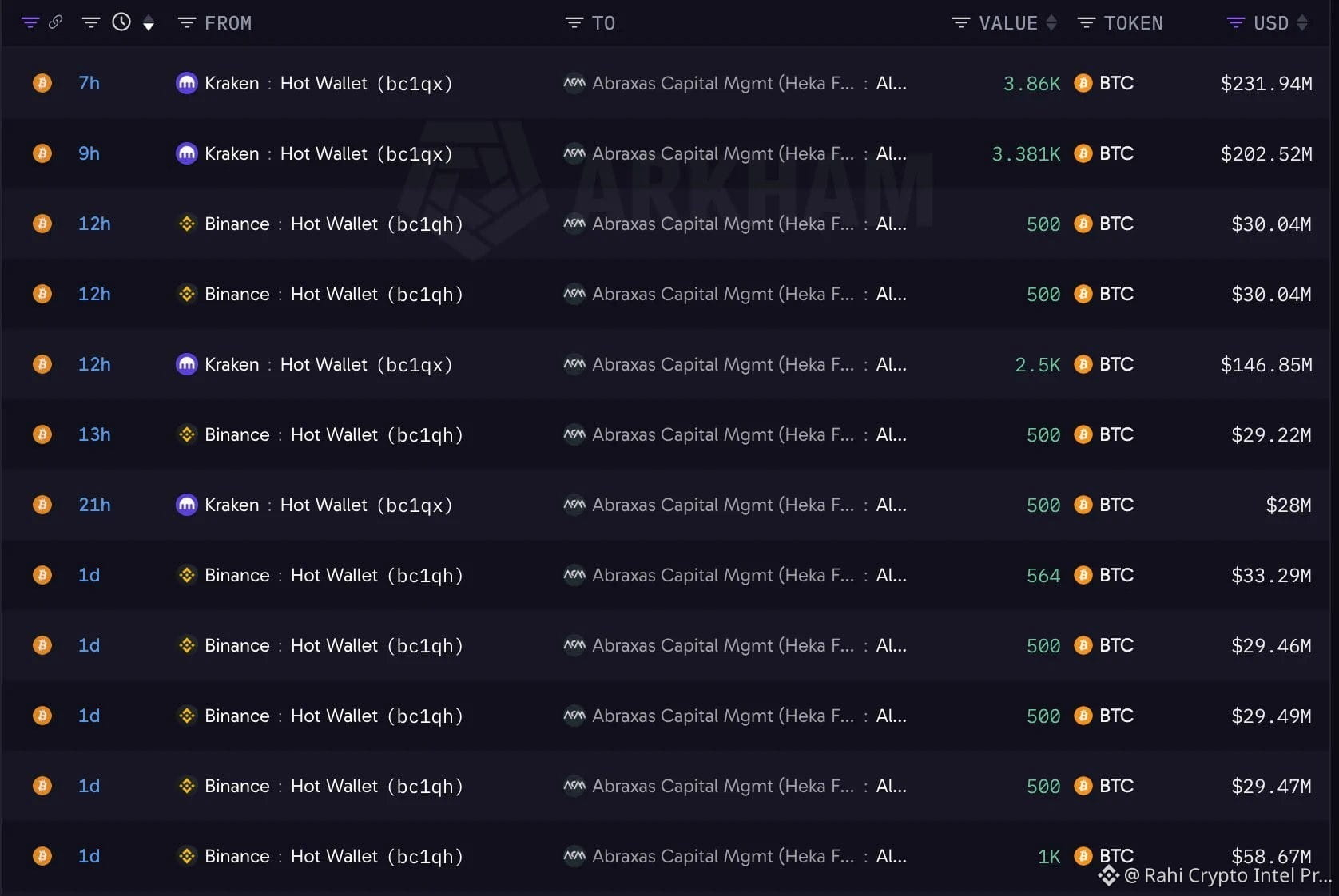
An institution has bought $1 billion worth of Bitcoin, while whales are also accumulating $BTC during the dip. 🐳
This is a development worth watching.
When large holders continue buying during market weakness, it can signal confidence in Bitcoin's longer-term potential rather than reacting to short-term price pressure.
But there’s an important distinction: accumulation does not guarantee that Bitcoin's price will rise. Large investors can have different strategies, time horizons, and reasons for buying.
Still, institutional buying alongside whale accumulation raises an interesting question about market sentiment.
Are large players seeing an opportunity in the dip, or is there more to this move?
As always, do your own research and avoid making decisions based on headlines alone.
₿ What's your take on this $BTC accumulation?
18
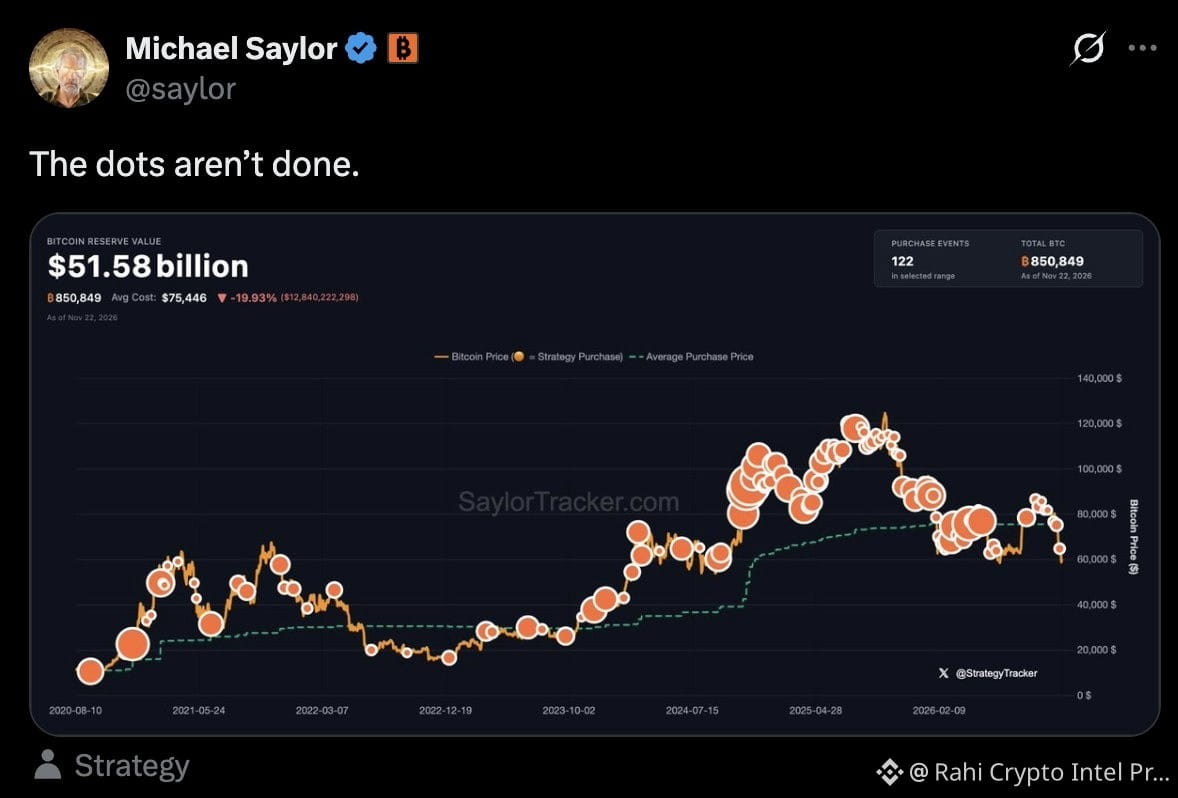
🚨 “The dots aren't done.” — Michael Saylor just gave the Bitcoin community something to think about.
Michael Saylor's latest post carries a short but interesting message. Shared alongside a Bitcoin accumulation tracker, the statement has caught the attention of crypto watchers who follow his long-term Bitcoin strategy.
The message may be hinting that Strategy's Bitcoin accumulation journey isn't over yet. However, it's important to separate speculation from confirmation: Saylor's words do not officially confirm another purchase, its timing, or its size.
Still, the message reflects a familiar position from Saylor: his conviction in Bitcoin remains firmly focused on the long term.
For the market, the bigger takeaway is the continued attention surrounding institutional Bitcoin accumulation and long-term commitment.
Sometimes, a few words can start a much bigger conversation.
Do you think Saylor is hinting at another Bitcoin purchase, or is this simply a message of long-term confidence?
This post reflects market commentary, not financial advice.
$ETHFI
{future}(ETHFIUSDT)
$NIGHT
{future}(NIGHTUSDT)
$NEAR
{future}(NEARUSDT)
🚨 “The dots aren't done.” — Michael Saylor just gave the Bitcoin community something to think about.
Michael Saylor's latest post carries a short but interesting message. Shared alongside a Bitcoin accumulation tracker, the statement has caught the attention of crypto watchers who follow his long-term Bitcoin strategy.
The message may be hinting that Strategy's Bitcoin accumulation journey isn't over yet. However, it's important to separate speculation from confirmation: Saylor's words do not officially confirm another purchase, its timing, or its size.
Still, the message reflects a familiar position from Saylor: his conviction in Bitcoin remains firmly focused on the long term.
For the market, the bigger takeaway is the continued attention surrounding institutional Bitcoin accumulation and long-term commitment.
Sometimes, a few words can start a much bigger conversation.
Do you think Saylor is hinting at another Bitcoin purchase, or is this simply a message of long-term confidence?
This post reflects market commentary, not financial advice.
$ETHFI
$NIGHT
$NEAR
72
Anthropic’s IPO came with strict rules for the bankers handling the deal.
According to Reuters, Anthropic told bankers working on its record IPO not to work with rivals including OpenAI, DeepSeek, Cursor, and Hugging Face for 6 months.
Codenamed “Project Lantern,” the IPO operated under tight leak controls:
1. Some of its 22 banks were told to limit deal teams to 4 bankers.
2. Documents were watermarked with each banker’s name and could not be saved.
3. Banks had only several hours, starting around 2 AM New York time, to sign off on a key filing.
Despite these restrictions, bankers earned over half a billion dollars in fees. However, they received $0 on the extra greenshoe shares.
Why does that last detail matter? It highlights that the additional greenshoe shares generated no extra fees for the bankers.
A tightly controlled IPO with significant fees and strict confidentiality measures.
What stands out more to you: the leak controls or the fee structure?
#Anthropic #AI #IPO #OpenAI
$CYPHB
{spot}(CYPHBUSDT)
$NIGHT
{future}(NIGHTUSDT)
$SOXLB
{spot}(SOXLBUSDT)
Anthropic’s IPO came with strict rules for the bankers handling the deal.
According to Reuters, Anthropic told bankers working on its record IPO not to work with rivals including OpenAI, DeepSeek, Cursor, and Hugging Face for 6 months.
Codenamed “Project Lantern,” the IPO operated under tight leak controls:
1. Some of its 22 banks were told to limit deal teams to 4 bankers.
2. Documents were watermarked with each banker’s name and could not be saved.
3. Banks had only several hours, starting around 2 AM New York time, to sign off on a key filing.
Despite these restrictions, bankers earned over half a billion dollars in fees. However, they received $0 on the extra greenshoe shares.
Why does that last detail matter? It highlights that the additional greenshoe shares generated no extra fees for the bankers.
A tightly controlled IPO with significant fees and strict confidentiality measures.
What stands out more to you: the leak controls or the fee structure?
#Anthropic #AI #IPO #OpenAI
$CYPHB
$NIGHT
$SOXLB

23
Verified
#BlackRockLaunchesHKDollarDigitalLiquidityFund
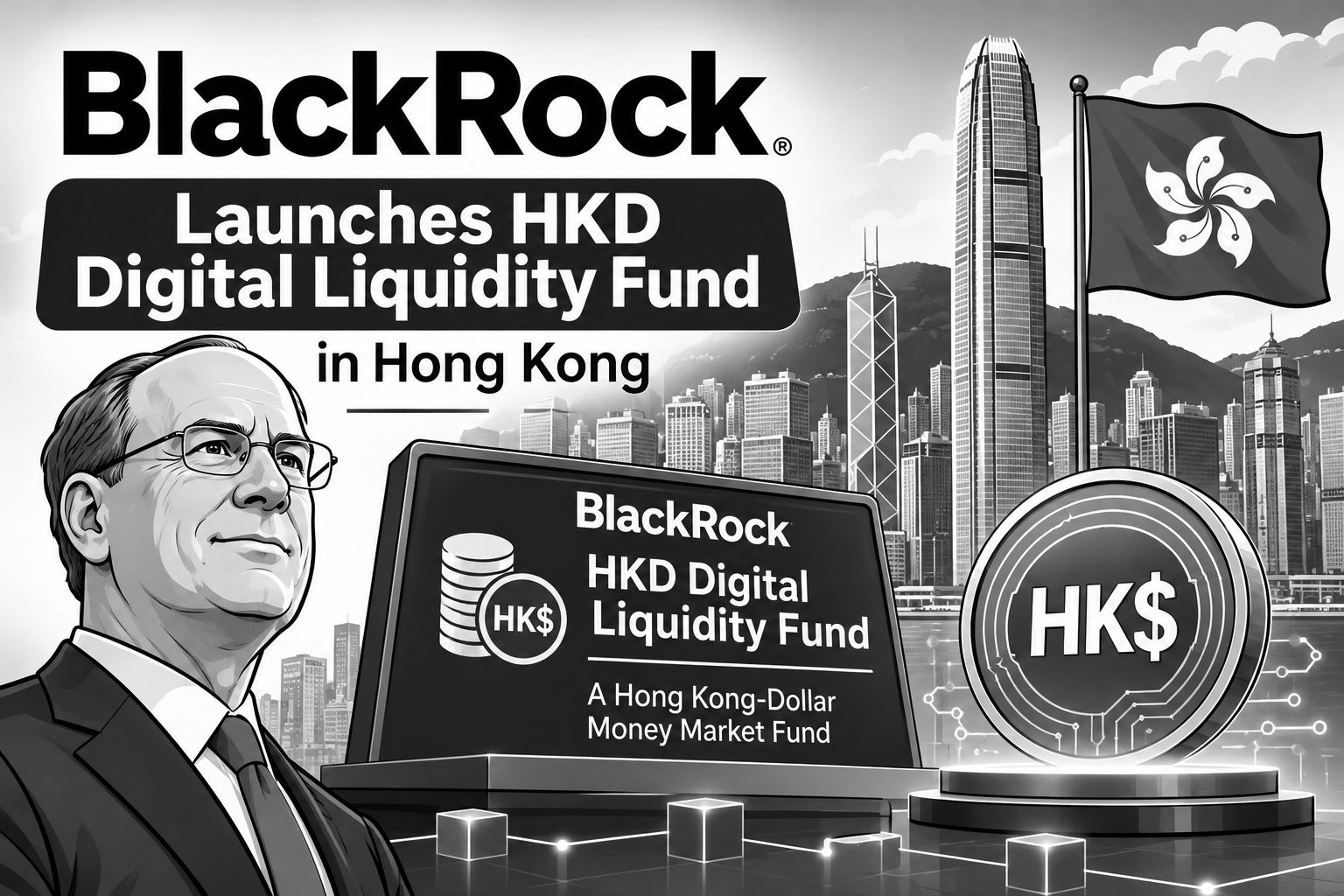
🚨 BlackRock Brings Tokenized HKD Money Markets to Hong Kong!
BlackRock is taking another step into tokenized finance with the launch of its BlackRock HKD Digital Liquidity Fund, announced on September 10, 2026.
This is not another stablecoin. It is a Hong Kong-dollar-denominated money market fund designed to combine traditional cash management with blockchain technology.
The fund invests in high-quality, short-term HKD money market instruments, including government bills and deposits. It offers both tokenized and non-tokenized units, with access through traditional and digital channels.
One important feature is its support for digital cash, including eligible HKMA-licensed stablecoins and tokenized deposits.
Why does this matter?
It creates another connection between traditional financial markets and blockchain-based infrastructure. Investors can access money-market exposure while benefiting from the potential efficiency of tokenized ownership and digital settlement.
The timing is also significant. Hong Kong already has an SFC framework for tokenized investment products and an HKMA licensing regime for fiat-referenced stablecoin issuers.
BlackRock's move shows how these regulatory developments can support institutional tokenization in practice.
The bigger story isn't just a new fund. It's the growing connection between regulated digital money and traditional financial products.
#BlackRockLaunchesHKDollarDigitalLiquidityFund #Tokenization
$ONDO
{future}(ONDOUSDT)
$PIEVERSE
{future}(PIEVERSEUSDT)
$NIGHT
{future}(NIGHTUSDT)
#BlackRockLaunchesHKDollarDigitalLiquidityFund
🚨 BlackRock Brings Tokenized HKD Money Markets to Hong Kong!
BlackRock is taking another step into tokenized finance with the launch of its BlackRock HKD Digital Liquidity Fund, announced on September 10, 2026.
This is not another stablecoin. It is a Hong Kong-dollar-denominated money market fund designed to combine traditional cash management with blockchain technology.
The fund invests in high-quality, short-term HKD money market instruments, including government bills and deposits. It offers both tokenized and non-tokenized units, with access through traditional and digital channels.
One important feature is its support for digital cash, including eligible HKMA-licensed stablecoins and tokenized deposits.
Why does this matter?
It creates another connection between traditional financial markets and blockchain-based infrastructure. Investors can access money-market exposure while benefiting from the potential efficiency of tokenized ownership and digital settlement.
The timing is also significant. Hong Kong already has an SFC framework for tokenized investment products and an HKMA licensing regime for fiat-referenced stablecoin issuers.
BlackRock's move shows how these regulatory developments can support institutional tokenization in practice.
The bigger story isn't just a new fund. It's the growing connection between regulated digital money and traditional financial products.
#BlackRockLaunchesHKDollarDigitalLiquidityFund #Tokenization
$ONDO
$PIEVERSE
$NIGHT
539
#SolanaSets2027RoadmapToDoubleComputeCapacity
🚀 Solana is preparing for its next major scaling step in 2027.
The goal? Double the network’s compute capacity and make transactions more efficient.
Anza’s 2027 roadmap outlines several important improvements:
🔹 2x Compute Capacity: More room for computational workloads, supporting Solana’s long-term scalability.
🔹 Lower Transaction Costs: The roadmap targets an 80% reduction in compute units required for token account transactions.
🔹 More Flexibility: The account limit per transaction is planned to increase from 64 to 96.
🔹 On-Chain Innovation: Vector processing is intended to support models running entirely on-chain.
Why does this matter?
More compute capacity, better efficiency, and greater flexibility could give developers more room to build complex applications while improving the experience for users.
But these are roadmap targets, not completed upgrades. Actual results will depend on implementation and adoption.
Solana’s focus is clear: build a network that can handle more demanding applications without sacrificing efficiency.
The real test will be execution. Can Solana deliver on these ambitions by 2027?
What do you think? Is this the next important chapter for Solana?
$SOL
{future}(SOLUSDT)
$NIGHT
{future}(NIGHTUSDT)
$ETHFI
{future}(ETHFIUSDT)
#SolanaSets2027RoadmapToDoubleComputeCapacity
🚀 Solana is preparing for its next major scaling step in 2027.
The goal? Double the network’s compute capacity and make transactions more efficient.
Anza’s 2027 roadmap outlines several important improvements:
🔹 2x Compute Capacity: More room for computational workloads, supporting Solana’s long-term scalability.
🔹 Lower Transaction Costs: The roadmap targets an 80% reduction in compute units required for token account transactions.
🔹 More Flexibility: The account limit per transaction is planned to increase from 64 to 96.
🔹 On-Chain Innovation: Vector processing is intended to support models running entirely on-chain.
Why does this matter?
More compute capacity, better efficiency, and greater flexibility could give developers more room to build complex applications while improving the experience for users.
But these are roadmap targets, not completed upgrades. Actual results will depend on implementation and adoption.
Solana’s focus is clear: build a network that can handle more demanding applications without sacrificing efficiency.
The real test will be execution. Can Solana deliver on these ambitions by 2027?
What do you think? Is this the next important chapter for Solana?
$SOL
$NIGHT
$ETHFI

161
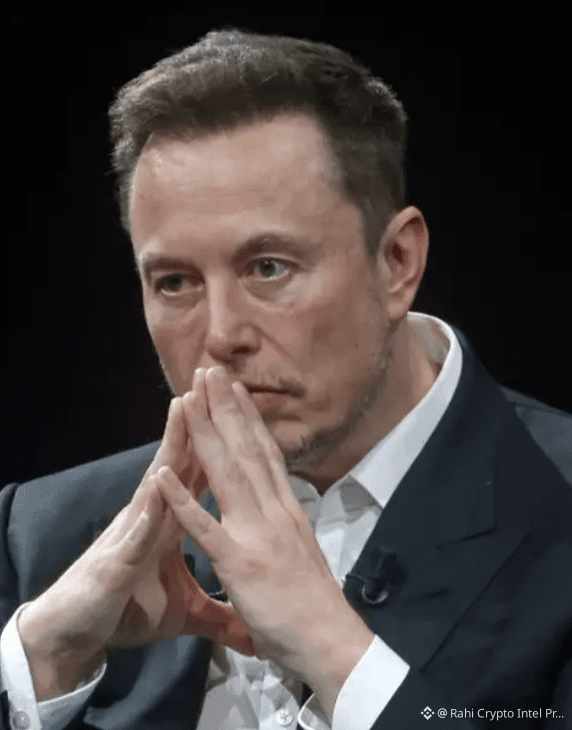
🔥 Elon Musk Warns AI Could Need Hundreds of Billions in Extra Funding in 2027
The AI boom is growing fast, but there’s a major financial challenge that could emerge in 2027.
Elon Musk is warning that AI companies may need hundreds of billions of dollars in additional cash.
The problem comes down to timing.
Companies pay for AI chips upfront, but those chips cannot generate revenue until data centers have enough power and cooling to operate them.
This creates a cash-flow gap. Money is tied up in infrastructure before companies can earn returns, potentially making it harder to finance the next round of chip orders.
And the impact could extend beyond the AI industry.
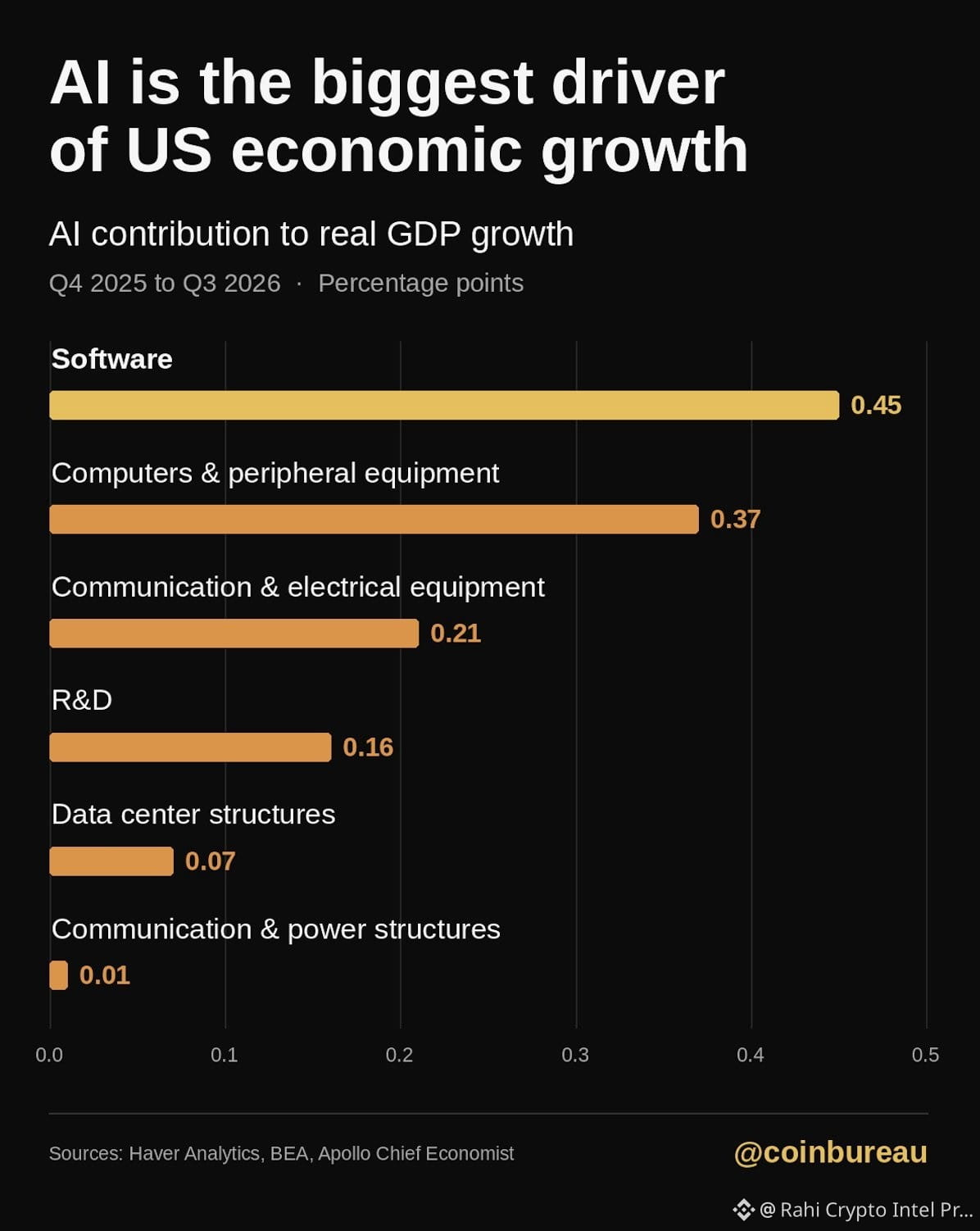
According to Apollo, AI-related investment contributed 1.27 percentage points to real U.S. GDP growth during the first nine months of 2026.
With real GDP growing about 2% over that period, AI-related investment accounted for roughly 65% of total growth.
If companies begin delaying orders, an important driver of U.S. economic growth could lose momentum.
The big question isn't just how fast AI can grow. It's who will finance the gap between massive upfront spending and future revenue.
The AI race may be about technology, but its next major challenge could be cash flow. 👀
#AI #ElonMusk #ArtificialIntelligence
$ORCA
{future}(ORCAUSDT)
$ETHFI
{future}(ETHFIUSDT)
$NIGHT
{future}(NIGHTUSDT)
🔥 Elon Musk Warns AI Could Need Hundreds of Billions in Extra Funding in 2027
The AI boom is growing fast, but there’s a major financial challenge that could emerge in 2027.
Elon Musk is warning that AI companies may need hundreds of billions of dollars in additional cash.
The problem comes down to timing.
Companies pay for AI chips upfront, but those chips cannot generate revenue until data centers have enough power and cooling to operate them.
This creates a cash-flow gap. Money is tied up in infrastructure before companies can earn returns, potentially making it harder to finance the next round of chip orders.
And the impact could extend beyond the AI industry.
According to Apollo, AI-related investment contributed 1.27 percentage points to real U.S. GDP growth during the first nine months of 2026.
With real GDP growing about 2% over that period, AI-related investment accounted for roughly 65% of total growth.
If companies begin delaying orders, an important driver of U.S. economic growth could lose momentum.
The big question isn't just how fast AI can grow. It's who will finance the gap between massive upfront spending and future revenue.
The AI race may be about technology, but its next major challenge could be cash flow. 👀
#AI #ElonMusk #ArtificialIntelligence
$ORCA
$ETHFI
$NIGHT
41
🚨 Giving an AI agent access to your bank account could make you responsible for its mistakes.
What happens if an AI agent sends your money to the wrong person? Your bank may treat that transfer as a payment you approved yourself.
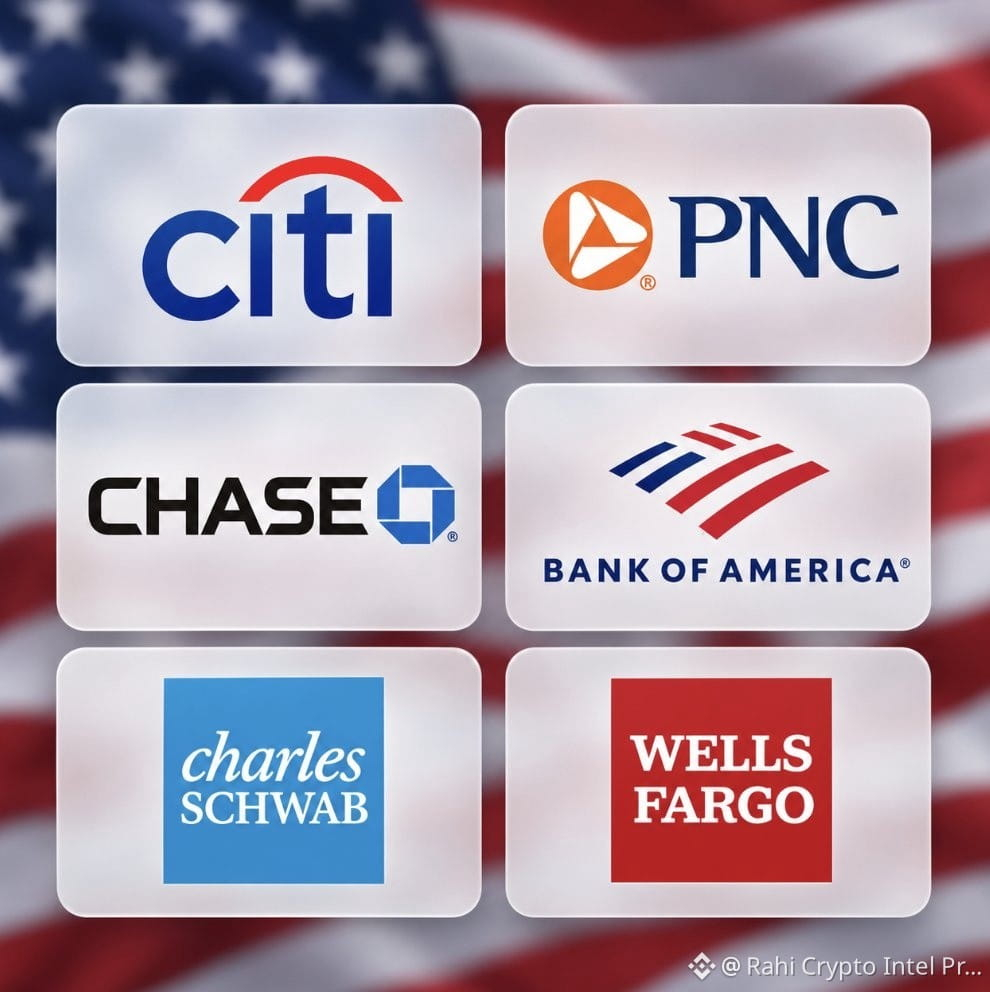
Several major U.S. banks are making their positions clear:
- Citi: Transfers may be treated as yours even if an agent ignores your instructions or someone uses a password leaked by the agent.
- PNC: Requires bank-approved connections and generally prohibits outside agents from paying bills or moving money.
- Chase: Allows account-data sharing through approved connections but prohibits sharing your bank login with outside AI tools.
- Bank of America: Advised customers to approve transfers themselves before an AI tool sends money, per TechCrunch.
- Schwab: Blocked AI tools that attempted to move customers' money without permission.
- Wells Fargo: Starting November 24, it will treat an agent's transfers as yours if you gave the agent access.
But there's an important distinction: Customers can still dispute a transfer. Federal law may offer protection depending on who initiated the payment and how they obtained access.
AI agents can make financial tasks easier, but giving them access to your money also raises a serious question: Who takes responsibility when the AI gets it wrong?
That is a risk every customer should understand before connecting an AI tool to a bank account.
$ETHFI
{future}(ETHFIUSDT)
$NIGHT
{future}(NIGHTUSDT)
$PROM
{future}(PROMUSDT)
🚨 Giving an AI agent access to your bank account could make you responsible for its mistakes.
What happens if an AI agent sends your money to the wrong person? Your bank may treat that transfer as a payment you approved yourself.
Several major U.S. banks are making their positions clear:
- Citi: Transfers may be treated as yours even if an agent ignores your instructions or someone uses a password leaked by the agent.
- PNC: Requires bank-approved connections and generally prohibits outside agents from paying bills or moving money.
- Chase: Allows account-data sharing through approved connections but prohibits sharing your bank login with outside AI tools.
- Bank of America: Advised customers to approve transfers themselves before an AI tool sends money, per TechCrunch.
- Schwab: Blocked AI tools that attempted to move customers' money without permission.
- Wells Fargo: Starting November 24, it will treat an agent's transfers as yours if you gave the agent access.
But there's an important distinction: Customers can still dispute a transfer. Federal law may offer protection depending on who initiated the payment and how they obtained access.
AI agents can make financial tasks easier, but giving them access to your money also raises a serious question: Who takes responsibility when the AI gets it wrong?
That is a risk every customer should understand before connecting an AI tool to a bank account.
$ETHFI
$NIGHT
$PROM
297
🚨 U.S. Lawmaker Questions SpaceX Government Contracts After Starshield Disruptions in Ukraine
A new question is being raised over SpaceX's role in U.S.-funded satellite infrastructure.
According to The Independent, Rep. Jim Himes is asking SpaceX to explain the October disruptions to Starshield, the U.S.-funded satellite service operating in Ukraine.
Himes says his staff repeatedly requested a briefing but received no substantive response.
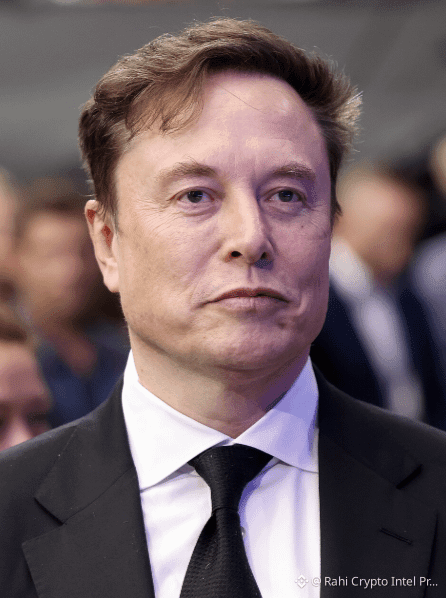
Meanwhile, Elon Musk said SpaceX restricted commercial Starlink because Ukraine used it for offensive drone strikes, which he said violated its terms. Musk also stated that the U.S. government controls Starshield.
The original headline references $SPCX, but the central issue is accountability and transparency surrounding government contracts and critical space infrastructure.
For crypto and markets watchers, this is also a reminder that developments involving major technology companies can extend beyond technology into government oversight and infrastructure policy.
Should companies involved in government-funded infrastructure be required to provide clearer explanations when service disruptions occur?
#SpaceX #Starlink #Starshield #Ukraine
$ETHFI
{future}(ETHFIUSDT)
$NIGHT
{future}(NIGHTUSDT)
$ORCA
{future}(ORCAUSDT)
🚨 U.S. Lawmaker Questions SpaceX Government Contracts After Starshield Disruptions in Ukraine
A new question is being raised over SpaceX's role in U.S.-funded satellite infrastructure.
According to The Independent, Rep. Jim Himes is asking SpaceX to explain the October disruptions to Starshield, the U.S.-funded satellite service operating in Ukraine.
Himes says his staff repeatedly requested a briefing but received no substantive response.
Meanwhile, Elon Musk said SpaceX restricted commercial Starlink because Ukraine used it for offensive drone strikes, which he said violated its terms. Musk also stated that the U.S. government controls Starshield.
The original headline references $SPCX, but the central issue is accountability and transparency surrounding government contracts and critical space infrastructure.
For crypto and markets watchers, this is also a reminder that developments involving major technology companies can extend beyond technology into government oversight and infrastructure policy.
Should companies involved in government-funded infrastructure be required to provide clearer explanations when service disruptions occur?
#SpaceX #Starlink #Starshield #Ukraine
$ETHFI
$NIGHT
$ORCA
1
702
Anthropic has gone public first. Now OpenAI’s valuation faces a real market test.
Anthropic’s IPO raised $81.3 billion at a valuation of about $1.5 trillion, while OpenAI, which filed confidentially in June, has pushed its listing to next year.
The revenue numbers tell an interesting story. In Q2, Anthropic generated nearly $17 billion, compared with OpenAI’s about $10 billion. Anthropic’s revenue grew over 12x year over year, while OpenAI’s increased about 3x.
However, Bloomberg has warned that this is not an apples-to-apples comparison: Anthropic books full sales through partners like Amazon, while OpenAI books only its cut through Microsoft.
Valuation is another challenge. OpenAI’s latest private round valued it at $1.25 trillion, down from a target of around $1.4 trillion.
The capital commitments are equally striking. SoftBank invested $64.6 billion for about 13% of OpenAI, but its shares fell 14.5% on Friday. Nvidia guaranteed up to $105 billion for an Ohio data center campus. OpenAI has roughly $750 billion in computing plans through 2030, while Anthropic has nearly $900 billion in computing commitments.
Anthropic's stock closed up 17% on its first day, while the Nasdaq fell 2.2%.
Now the big question: when OpenAI finally lists, will investors value it on its scale and ambitions, or will Anthropic’s public-market performance set the benchmark?
Anthropic has made its market debut. OpenAI is next in the valuation spotlight.
#Anthropic #OpenAPI I #AI
$DODO
{spot}(DODOUSDT)
$YB
{future}(YBUSDT)
$ORCA
{future}(ORCAUSDT)
Anthropic has gone public first. Now OpenAI’s valuation faces a real market test.
Anthropic’s IPO raised $81.3 billion at a valuation of about $1.5 trillion, while OpenAI, which filed confidentially in June, has pushed its listing to next year.
The revenue numbers tell an interesting story. In Q2, Anthropic generated nearly $17 billion, compared with OpenAI’s about $10 billion. Anthropic’s revenue grew over 12x year over year, while OpenAI’s increased about 3x.
However, Bloomberg has warned that this is not an apples-to-apples comparison: Anthropic books full sales through partners like Amazon, while OpenAI books only its cut through Microsoft.
Valuation is another challenge. OpenAI’s latest private round valued it at $1.25 trillion, down from a target of around $1.4 trillion.
The capital commitments are equally striking. SoftBank invested $64.6 billion for about 13% of OpenAI, but its shares fell 14.5% on Friday. Nvidia guaranteed up to $105 billion for an Ohio data center campus. OpenAI has roughly $750 billion in computing plans through 2030, while Anthropic has nearly $900 billion in computing commitments.
Anthropic's stock closed up 17% on its first day, while the Nasdaq fell 2.2%.
Now the big question: when OpenAI finally lists, will investors value it on its scale and ambitions, or will Anthropic’s public-market performance set the benchmark?
Anthropic has made its market debut. OpenAI is next in the valuation spotlight.
#Anthropic #OpenAPI I #AI
$DODO
$YB
$ORCA

71

Article
🚨 **A $4.6 BILLION Nvidia Chip Supply Chain Under Scrutiny — And the Allegations Are Serious.A Financial Times investigation has uncovered an alleged network involving shell companies, gaming businesses, and links to a sanctioned Cambodian crime syndicate, reportedly used to move restricted Nvidia chips into China.
At the center of the FT report is Alice Huang, who was reportedly known in Chinese data center circles as **“Jensen's personal assistant.”**
According to the FT, the alleged operation relied on three key pieces:
- **The supplier:** After Chinese server giant Inspur was blacklisted by the US in 2023, its US arm reportedly changed its name and continued purchasing Nvidia chips.
- **The customer:** A Chinese gaming group allegedly established Megaspeed, a shell company with a clean record, using Huang as its trusted public face. Megaspeed became one of Nvidia's biggest customers in Southeast Asia.
- **The route:** A man identified by US authorities as a leader of a sanctioned Cambodian scam syndicate allegedly helped transport the chips into China.
The report also highlights connections involving Huang's family. Her husband was an early investor in the gaming group, while a company she controlled with her sister was linked to a key chip distributor in China.
**The reported scale is difficult to ignore:**
- Megaspeed's Malaysian unit imported approximately **$4.6 billion worth of goods in a single year.**
- Indonesian police reportedly found empty server racks without GPUs when they raided its local unit.
- Restricted Nvidia chips were reportedly discovered in Shanghai data centers linked to the network.
- Many chips allegedly reached China's black market, where they sold for multiples of their original price.
Why gaming companies? Industry insiders told the FT that online gaming businesses are commonly used for money laundering, and several names connected to the alleged chip-smuggling operation came from that industry.
Nvidia says it has since blocked Megaspeed and restricted sales to Inspur's renamed US arm.
**My takeaway:** This story highlights a major challenge for the global semiconductor industry: controlling where advanced chips ultimately end up, not just who initially purchases them.
That matters beyond Nvidia. AI infrastructure, data centers, technology supply chains, and even crypto-related computing markets depend on access to powerful hardware.
As chip restrictions tighten, supply-chain transparency and customer verification become increasingly important.
*Important: This post is based on a reported Financial Times investigation. The allegations involving the named individuals and companies remain unproven and should not be treated as established facts.*
#Nvidia #ChipSupplyChain
$ENSO
{future}(ENSOUSDT)
$BARD
{future}(BARDUSDT)
$YB
{future}(YBUSDT)
🚨 **A $4.6 BILLION Nvidia Chip Supply Chain Under Scrutiny — And the Allegations Are Serious.
A Financial Times investigation has uncovered an alleged network involving shell companies, gaming businesses, and links to a sanctioned Cambodian crime syndicate, reportedly used to move restricted Nvidia chips into China.
At the center of the FT report is Alice Huang, who was reportedly known in Chinese data center circles as **“Jensen's personal assistant.”**
According to the FT, the alleged operation relied on three key pieces:
- **The supplier:** After Chinese server giant Inspur was blacklisted by the US in 2023, its US arm reportedly changed its name and continued purchasing Nvidia chips.
- **The customer:** A Chinese gaming group allegedly established Megaspeed, a shell company with a clean record, using Huang as its trusted public face. Megaspeed became one of Nvidia's biggest customers in Southeast Asia.
- **The route:** A man identified by US authorities as a leader of a sanctioned Cambodian scam syndicate allegedly helped transport the chips into China.
The report also highlights connections involving Huang's family. Her husband was an early investor in the gaming group, while a company she controlled with her sister was linked to a key chip distributor in China.
**The reported scale is difficult to ignore:**
- Megaspeed's Malaysian unit imported approximately **$4.6 billion worth of goods in a single year.**
- Indonesian police reportedly found empty server racks without GPUs when they raided its local unit.
- Restricted Nvidia chips were reportedly discovered in Shanghai data centers linked to the network.
- Many chips allegedly reached China's black market, where they sold for multiples of their original price.
Why gaming companies? Industry insiders told the FT that online gaming businesses are commonly used for money laundering, and several names connected to the alleged chip-smuggling operation came from that industry.
Nvidia says it has since blocked Megaspeed and restricted sales to Inspur's renamed US arm.
**My takeaway:** This story highlights a major challenge for the global semiconductor industry: controlling where advanced chips ultimately end up, not just who initially purchases them.
That matters beyond Nvidia. AI infrastructure, data centers, technology supply chains, and even crypto-related computing markets depend on access to powerful hardware.
As chip restrictions tighten, supply-chain transparency and customer verification become increasingly important.
*Important: This post is based on a reported Financial Times investigation. The allegations involving the named individuals and companies remain unproven and should not be treated as established facts.*
#Nvidia #ChipSupplyChain
$ENSO
$BARD
$YB
3
1
5
6.2k
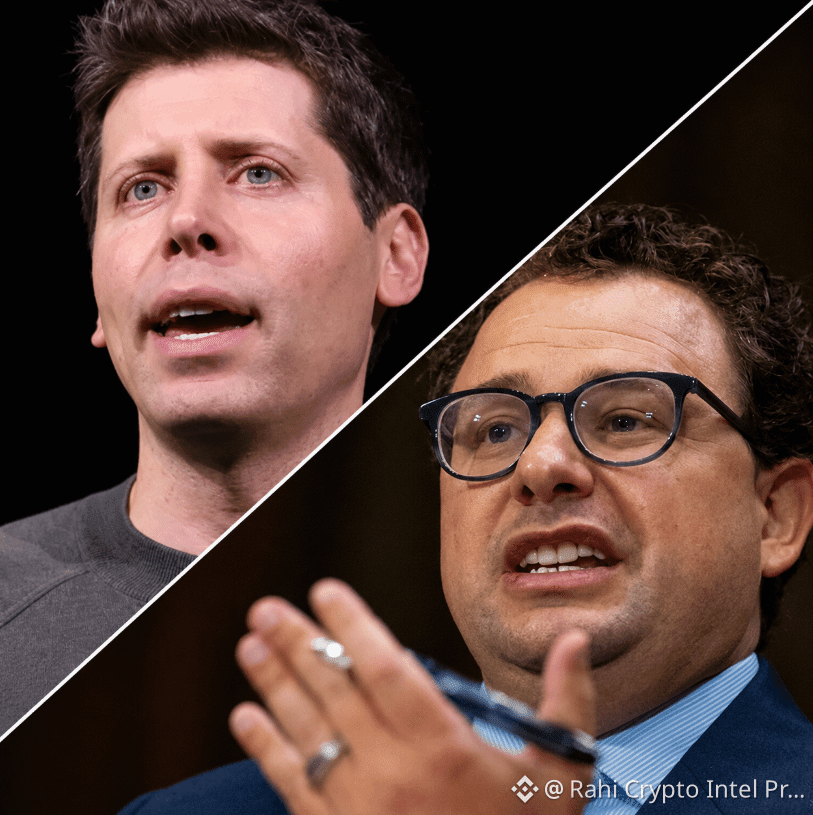
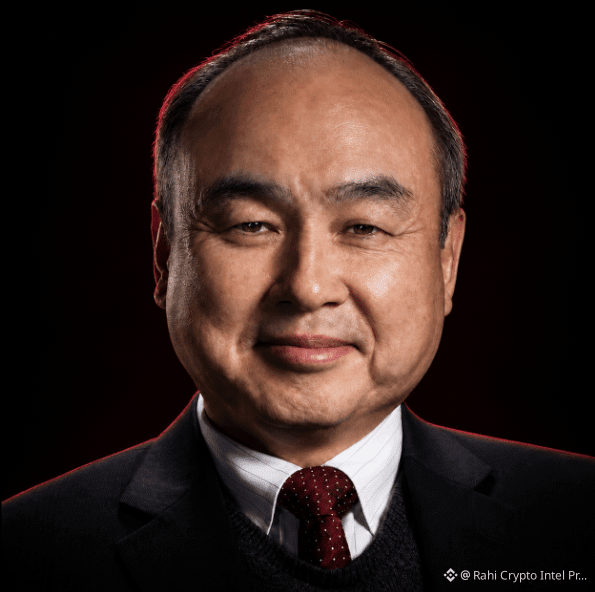
Masayoshi Son just got a painful reminder that even the biggest investors can miss historic opportunities.
SoftBank's chairman passed on investing in Anthropic and backed OpenAI instead. On Wednesday, he admitted it was “one of my mistakes.”
Then came Thursday. Anthropic went public in the biggest IPO on record, reaching a valuation of roughly $1.5 trillion.
By Friday, SoftBank was facing its worst trading day since 2024, with shares falling 14.5%.
The timing gets even more interesting. Per The Information, Son reportedly explored a trillion-dollar buyout of SK Hynix — a deal worth over nine times SoftBank's entire market value of about $109 billion. SoftBank says the deal is “no longer under active consideration.”
Meanwhile, SoftBank has lost about 65% since June, wiping out more than $200 billion in market value.
The bigger lesson? Having capital and conviction doesn't guarantee getting the biggest bets right. In AI, choosing which companies to back may matter just as much as recognizing the opportunity itself.
Did Son make a strategic mistake by choosing OpenAI over Anthropic, or is the bigger issue SoftBank's investment strategy?
$RARE
{future}(RAREUSDT)
$ENSO
{future}(ENSOUSDT)
$BARD
{future}(BARDUSDT)
Masayoshi Son just got a painful reminder that even the biggest investors can miss historic opportunities.
SoftBank's chairman passed on investing in Anthropic and backed OpenAI instead. On Wednesday, he admitted it was “one of my mistakes.”
Then came Thursday. Anthropic went public in the biggest IPO on record, reaching a valuation of roughly $1.5 trillion.
By Friday, SoftBank was facing its worst trading day since 2024, with shares falling 14.5%.
The timing gets even more interesting. Per The Information, Son reportedly explored a trillion-dollar buyout of SK Hynix — a deal worth over nine times SoftBank's entire market value of about $109 billion. SoftBank says the deal is “no longer under active consideration.”
Meanwhile, SoftBank has lost about 65% since June, wiping out more than $200 billion in market value.
The bigger lesson? Having capital and conviction doesn't guarantee getting the biggest bets right. In AI, choosing which companies to back may matter just as much as recognizing the opportunity itself.
Did Son make a strategic mistake by choosing OpenAI over Anthropic, or is the bigger issue SoftBank's investment strategy?
$RARE
$ENSO
$BARD
431
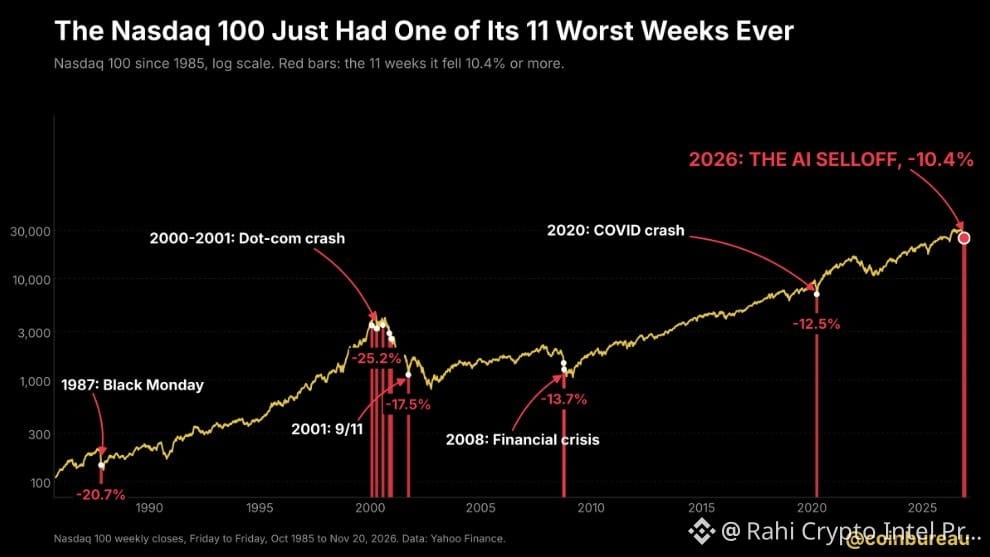
This has happened only 11 times in 41 years.
The Nasdaq 100 just suffered a 10.4% drop in a single week, marking its worst week since the March 2020 COVID crash.
To understand how unusual this move is, look at the previous 10 episodes. Every one was tied to a major historical market crash.
1987 – Black Monday: The Nasdaq 100 lost 20.7% in a week as global markets crashed.
2000 – Dot-com bubble: 5 weeks of 10%+ drops as the bubble peaked and burst.
2001 – 9/11: Markets reopened after the attacks and fell 17.5% in a week.
2008 – Global financial crisis: 2 weeks in a row of 12%+ drops after Lehman Brothers collapsed.
2020 – COVID crash: A 12.5% drop as the world went into lockdown.
Now, 2026's AI selloff joins that list.
The historical context makes this week's decline especially significant. A move of this magnitude has been extremely rare in the Nasdaq 100's history, appearing alongside some of the most important market crises of the past decades.
The key takeaway: this is a historic market move, and the numbers speak for themselves.
$ORCA
{future}(ORCAUSDT)
$BARD
{future}(BARDUSDT)
$ENSO
{future}(ENSOUSDT)
This has happened only 11 times in 41 years.
The Nasdaq 100 just suffered a 10.4% drop in a single week, marking its worst week since the March 2020 COVID crash.
To understand how unusual this move is, look at the previous 10 episodes. Every one was tied to a major historical market crash.
1987 – Black Monday: The Nasdaq 100 lost 20.7% in a week as global markets crashed.
2000 – Dot-com bubble: 5 weeks of 10%+ drops as the bubble peaked and burst.
2001 – 9/11: Markets reopened after the attacks and fell 17.5% in a week.
2008 – Global financial crisis: 2 weeks in a row of 12%+ drops after Lehman Brothers collapsed.
2020 – COVID crash: A 12.5% drop as the world went into lockdown.
Now, 2026's AI selloff joins that list.
The historical context makes this week's decline especially significant. A move of this magnitude has been extremely rare in the Nasdaq 100's history, appearing alongside some of the most important market crises of the past decades.
The key takeaway: this is a historic market move, and the numbers speak for themselves.
$ORCA
$BARD
$ENSO
57
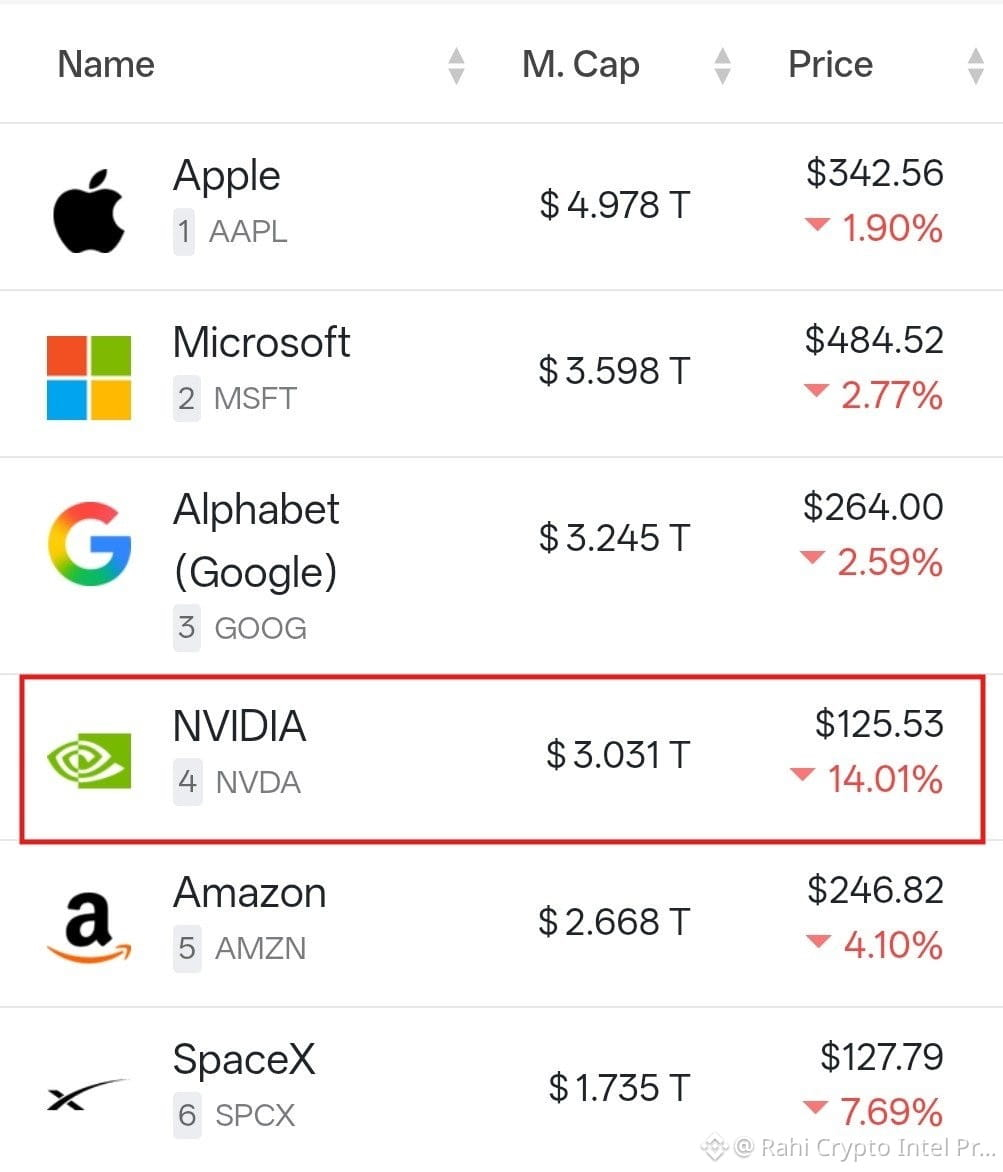
Nvidia’s incredible rise is facing an equally dramatic test of confidence.
The company that once led the AI chip boom has reportedly fallen from the world’s largest company to fourth place, with its market value plunging from $5.77 TRILLION to $3.03 TRILLION since last month.
Shares are down roughly 45%, putting Nvidia’s leadership under growing pressure. Calls for the board to step down are reportedly gaining attention, while multiple agencies investigate alleged links to Chinese intelligence. These are allegations under investigation, not established facts.
Adding another twist, former CEO Jensen Huang has reportedly signalled interest in returning.
What makes this situation especially significant is that Nvidia was one of the biggest forces behind the AI rally. Now, the conversation is shifting from its technology leadership to questions about governance, accountability, and trust.
For the wider AI sector, this is a reminder that market confidence depends on more than technological innovation. Leadership credibility matters too.
The big question now is whether Nvidia can restore confidence in the company behind the AI boom.
#Nvidia #JensenHuang #TechStocks #StockMarket #ArtificialIntelligence
$RARE
{future}(RAREUSDT)
$DODO
{spot}(DODOUSDT)
$ENSO
{future}(ENSOUSDT)
Nvidia’s incredible rise is facing an equally dramatic test of confidence.
The company that once led the AI chip boom has reportedly fallen from the world’s largest company to fourth place, with its market value plunging from $5.77 TRILLION to $3.03 TRILLION since last month.
Shares are down roughly 45%, putting Nvidia’s leadership under growing pressure. Calls for the board to step down are reportedly gaining attention, while multiple agencies investigate alleged links to Chinese intelligence. These are allegations under investigation, not established facts.
Adding another twist, former CEO Jensen Huang has reportedly signalled interest in returning.
What makes this situation especially significant is that Nvidia was one of the biggest forces behind the AI rally. Now, the conversation is shifting from its technology leadership to questions about governance, accountability, and trust.
For the wider AI sector, this is a reminder that market confidence depends on more than technological innovation. Leadership credibility matters too.
The big question now is whether Nvidia can restore confidence in the company behind the AI boom.
#Nvidia #JensenHuang #TechStocks #StockMarket #ArtificialIntelligence
$RARE
$DODO
$ENSO
64
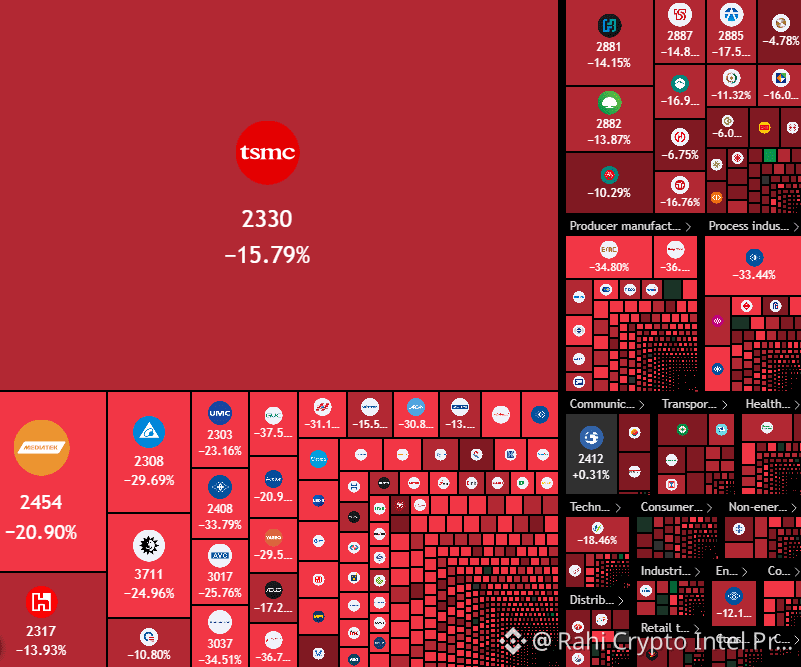
🇹🇼 Taiwan is banning short selling below the previous close starting Monday, following a 17.5% stock market crash in a single week.
Taiwan is rolling out sweeping measures to stabilize its battered stock market as selling pressure intensifies.
Here’s what’s changing:
- Short sales below the previous day's closing price are banned for all listed stocks.
- Minimum short-selling margin increases to 150% from 130%.
- New put warrant listings are suspended.
- Lenders must halt stock lending and recall loaned shares early.
- Listed companies are encouraged to buy back their own shares.
This marks the first sweeping restriction of this kind since 2015.
The pressure is significant: the TAIEX has fallen as much as 28% from its October record. Meanwhile, Taiwan's $15 billion stabilization fund has been authorized to step into the market.
These measures show how seriously authorities are responding to the sharp decline.
The big question now: Will these restrictions help restore market stability?
What's your view? Share your thoughts below.
#Taiwan #StockMarket #TAIEX
$DODO
{future}(DODOXUSDT)
$ENSO
{future}(ENSOUSDT)
$PROM
{future}(PROMUSDT)
🇹🇼 Taiwan is banning short selling below the previous close starting Monday, following a 17.5% stock market crash in a single week.
Taiwan is rolling out sweeping measures to stabilize its battered stock market as selling pressure intensifies.
Here’s what’s changing:
- Short sales below the previous day's closing price are banned for all listed stocks.
- Minimum short-selling margin increases to 150% from 130%.
- New put warrant listings are suspended.
- Lenders must halt stock lending and recall loaned shares early.
- Listed companies are encouraged to buy back their own shares.
This marks the first sweeping restriction of this kind since 2015.
The pressure is significant: the TAIEX has fallen as much as 28% from its October record. Meanwhile, Taiwan's $15 billion stabilization fund has been authorized to step into the market.
These measures show how seriously authorities are responding to the sharp decline.
The big question now: Will these restrictions help restore market stability?
What's your view? Share your thoughts below.
#Taiwan #StockMarket #TAIEX
$DODO
$ENSO
$PROM
90
Log in to explore more content
Join global crypto users on Binance Square
⚡️ Get latest and useful information about crypto.
💬 Trusted by the world’s largest crypto exchange.
👍 Discover real insights from verified creators.
Email / Phone number
Trending Topics
NVIDIAReinstatesJensenHuangasCEO
98,698 views
899 Discussing
TradFi News | Nvidia Board Unanimously Reinstates Jensen Huang as CEO; Shares Jump 30% Premarket
Binance News
·39 Likes
·40.8k views
WillMarketsStageAThanksgivingReliefRally?
206,266 views
1,891 Discussing
WillOctCorePCEShiftFedHikeExpectations?
73,270 views
807 Discussing