
#bonds
bonds
156,472 views
590 Discussing
Hot
Latest

·
--
Verified
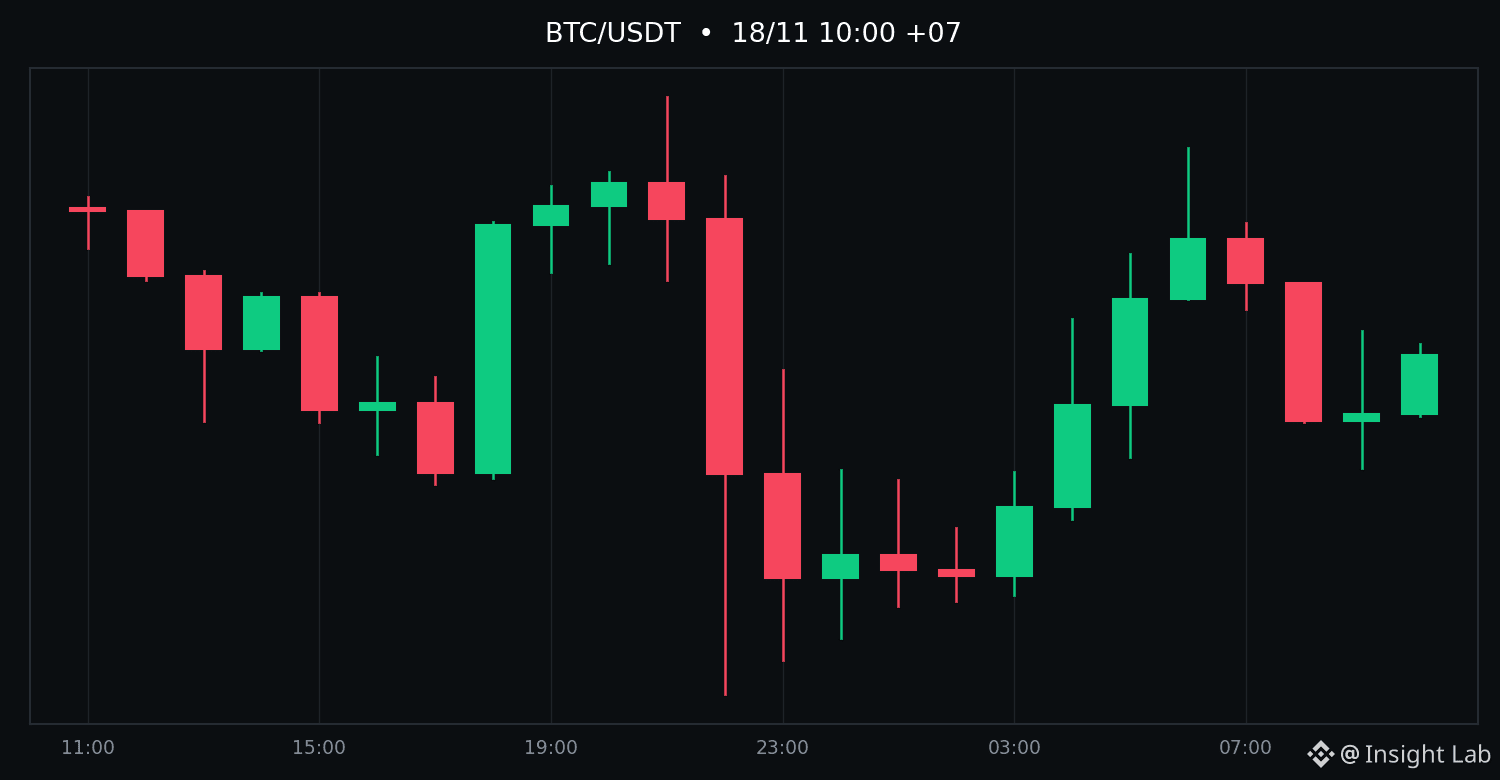
Japan's 20-year bond auction disappoints: the bid-to-cover ratio was just 3.64, well below 5.84 at the previous auction and the 12-month average of 3.92. The auction tail widened to 0.29 (just 0.07 last month)—investors are reluctant to hold long-term debt amid concerns over fiscal pressures and further interest rate hikes.
The 20-year JGB yield had risen to ~3.78% ahead of the auction, its highest in a month. The market is pricing in further BOJ rate hikes.
$BTC 64.535 (-0.79%)
#bonds #jpy
The 20-year JGB yield had risen to ~3.78% ahead of the auction, its highest in a month. The market is pricing in further BOJ rate hikes.
$BTC 64.535 (-0.79%)
#bonds #jpy
641
·
--
🇯🇵 BOJ Governor Kazuo Ueda warns: if the market believes the BOJ is supporting fiscal policy by buying government bonds, Japan’s long-term interest rates could rise sharply.
A firm message: the BOJ will not use bond purchases to “prop up” government spending — long-term interest rates must be determined by the market. Context: the BOJ is holding interest rates at 1.25%, and the market expects a hike to 1.5% in December, while Japanese bond yields remain elevated amid concerns about the Takaichi government’s expanding fiscal spending.
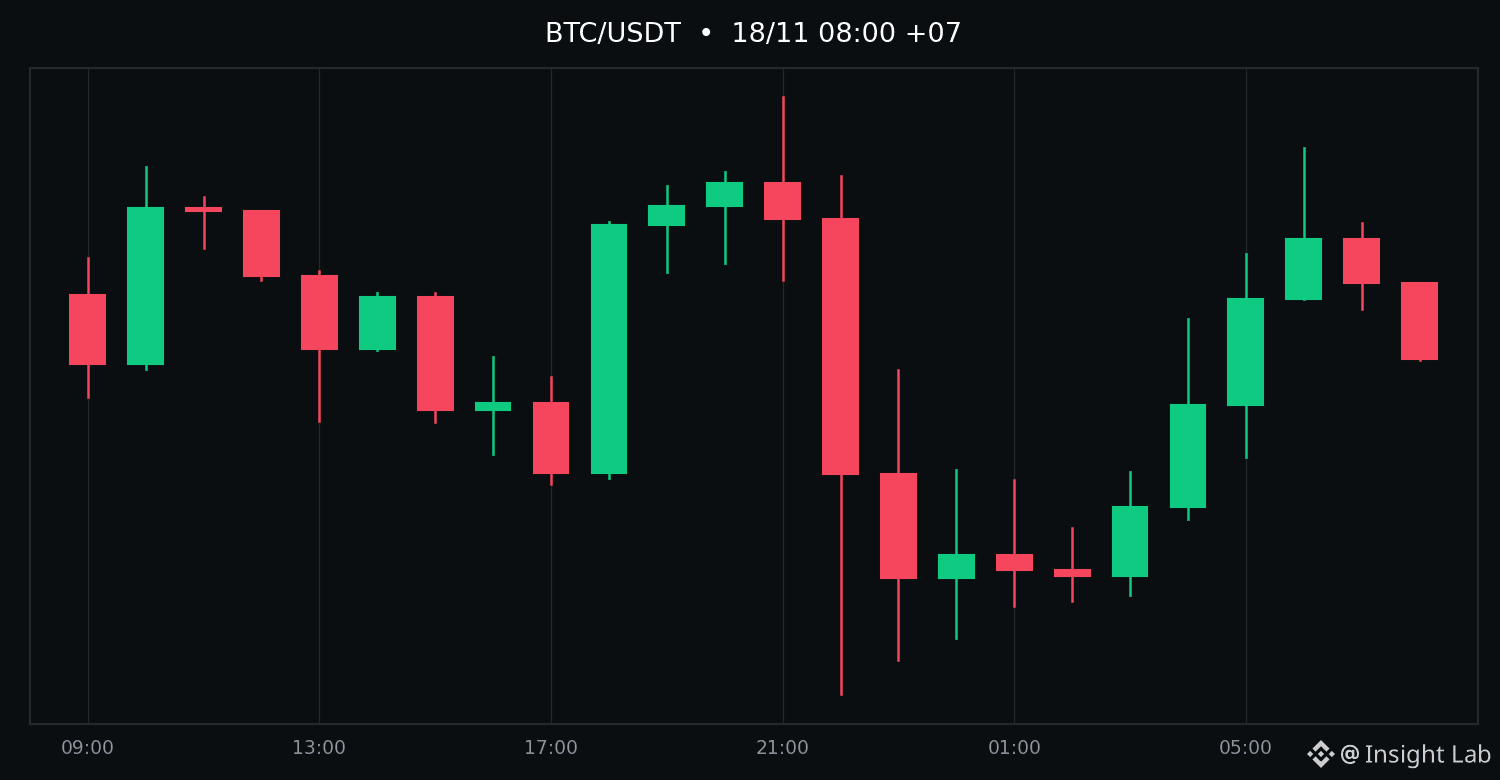
$BTC is currently around $64,500, virtually unchanged over the past 24 hours as the market awaits further signals from major central banks.
#jpy #bonds
216

·
--
South Korea's competition watchdog just issued its biggest fine ever: about $1.2B against 15 government bond dealers.
• 15 primary dealers fined 1.6266 trillion won (about $1.2B) over bond auction collusion in 2020-2023
• Largest single-case fine by the regulator, topping Qualcomm's 1.03 trillion won in 2016
• Bidding info was shared in 150 auctions, with yields or volumes agreed in 145
Why it matters: Bond yields are a benchmark for pricing other assets, and Korea is a major crypto market.
Source: Yonhap (Korea Fair Trade Commission decision)
Not financial advice.
💬 Should crypto markets face the same auction-integrity scrutiny as bonds?
#SouthKorea #Bonds #Regulation
1

#TradFiForBeginners 💵 Bonds: The Investment Many Beginners Ignore!
A bond is basically a loan made by an investor to a government or company.
Here's how it works:
1️⃣ An organization issues a bond.
2️⃣ Investors purchase it.
3️⃣ The issuer may pay regular interest.
4️⃣ The original amount is generally repaid at maturity, subject to the issuer's ability to pay.
📌 Bonds can provide income, but they also carry risks, including default and interest-rate risk.
🔥 Understanding bonds gives you another important piece of the financial puzzle.
#TradFiForBeginners #Bonds #InvestmentEducation #Finance $UVXY $GNS $HIMS
403

·
--
Verified
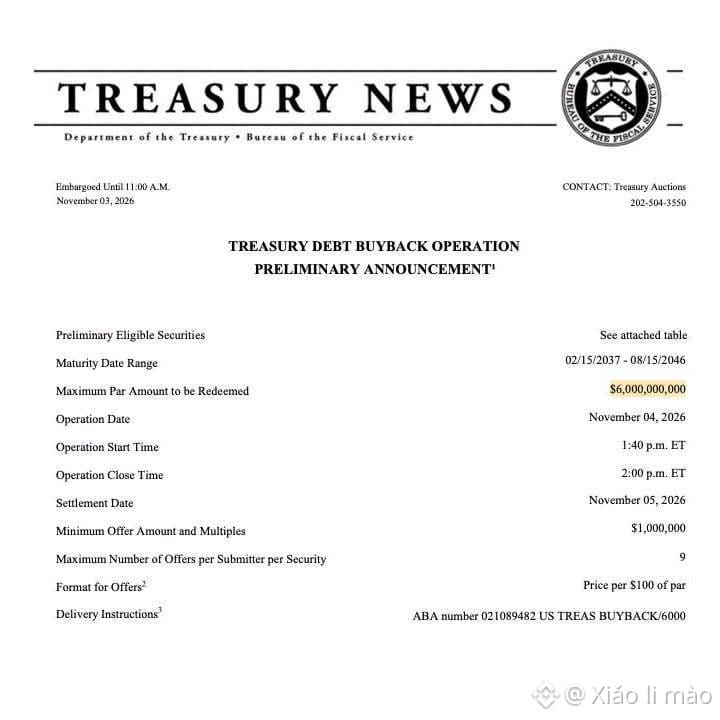
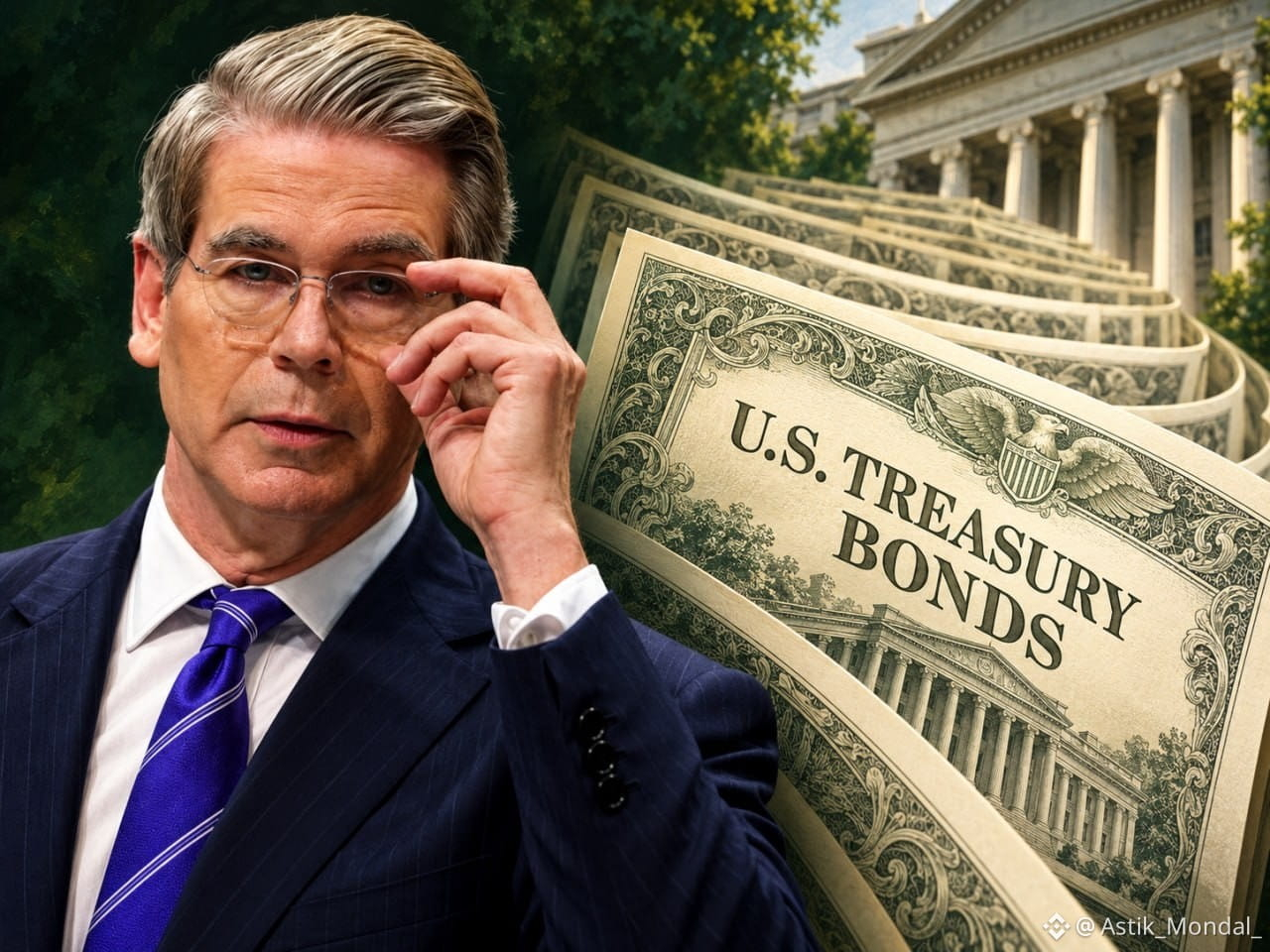
The Treasury is back with another buyback and the timing is doing a lot of talking.
Up to $6 billion in longer-term government debt gets repurchased Thursday. Same play as before. Buy back the old illiquid bonds nobody wants to trade and hope the long end of the curve stops screaming.
Here is the part that matters. This buyback wave runs through November 4. The midterms are November 3. That is not a coincidence anyone should ignore .
The program got doubled back in August and the per-operation cap hit $6 billion in September . But yields did not exactly behave. The 10-year actually climbed after the size was announced because traders wanted more .
So the real question is not whether $6 billion is a lot. It is whether this is liquidity support or election-year yield suppression. Bessent has been open about wanting borrowing costs down . The calendar makes the political read impossible to shake.
Watch the quarterly refunding on November 4 too. That is when we find out if Treasury changes issuance or just keeps patching the long end with buybacks .
$AGT $Q $IDOL #Treasury #Bonds #Yields #Midterms
{future}(IDOLUSDT)
{future}(QUSDT)
The Treasury is back with another buyback and the timing is doing a lot of talking.
Up to $6 billion in longer-term government debt gets repurchased Thursday. Same play as before. Buy back the old illiquid bonds nobody wants to trade and hope the long end of the curve stops screaming.
Here is the part that matters. This buyback wave runs through November 4. The midterms are November 3. That is not a coincidence anyone should ignore .
The program got doubled back in August and the per-operation cap hit $6 billion in September . But yields did not exactly behave. The 10-year actually climbed after the size was announced because traders wanted more .
So the real question is not whether $6 billion is a lot. It is whether this is liquidity support or election-year yield suppression. Bessent has been open about wanting borrowing costs down . The calendar makes the political read impossible to shake.
Watch the quarterly refunding on November 4 too. That is when we find out if Treasury changes issuance or just keeps patching the long end with buybacks .
$AGT $Q $IDOL #Treasury #Bonds #Yields #Midterms

2
1.4k

Praise be to God! 🎓
I’ve completed the UNDERSTANDING BONDS course from Binance Academy.
Certificate of Completion - 24 October 2024
ID: BA-UB-1024-57893
Along with crypto, it’s also very important to understand traditional finance. Understanding the bond market is a great help with trading and investing.
The learning journey continues! 📚
#BinanceAcademy #BinanceSquare #CryptoEducation #Bonds #MYounasCrypto

2
63

🚨 HUGE: The US Treasury just bought back $6 BILLION of its own debt, taking October's total to $26.08 BILLION.
On October 27, Treasury targeted bonds with 20 to 30 years remaining and accepted the full $6 billion maximum from $10.75 billion offered, across six of 35 eligible issues. It paid between 52 and 71 cents on the dollar for the old, low-coupon bonds, about $3.8 billion in cash. It was the fourth operation to fill its entire limit.
Treasury calls these operations liquidity support, aimed at helping dealers offload older, thinly traded bonds and improving trading conditions. The program was expanded in August, when Treasury said it would at least double long-dated buybacks to $4 billion or more per operation.
The market response has been muted. The 10-year yield hit 5.342% on October 1, its highest since April 2002, as Treasury filled its cap, and long-term yields haven't clearly fallen on days when the buybacks maxed out. Bitcoin didn't get the 7% pop it enjoyed on the August announcement and slipped below $80,000, because this one was widely expected.
All eyes now turn to the quarterly refunding on November 4, when Treasury will provide more detail on future buyback sizes.
At $6 billion a shot, buybacks are plumbing, not policy. Whether they're enough to settle a market worried about supply is still an open question.
#Treasury #Bonds #Fed #Markets #Economy
$BTC $SOL $CL
TLTETF+0.92%
SHYETF+0.17%
IEFETF+0.67%
1
209

·
--
The 10-year Treasury traded below 5% on Thursday for the first time since 23 September, on the same session December $BZ closed up 4.00% at 113.17. You'd normally expect an oil move that size to push yields up, since energy feeds straight into the inflation prints... this time the bid for duration came from Europe.
France's 10-year hit 5.142%, its highest since 2002 and above Treasuries for the first time since 2013, with the Bund spread at 176bp and French 5-year CDS over 100bp for the first time since October 2012. I think that's money running into Treasuries out of a European credit scare, and for a session it beat the oil impulse. The Fed is in blackout until the 29th, so none of it came from anything the Fed said.
$BTC fell 3.59% the same day, which isn't what the rates picture alone would have you expect from an asset with no cash flow.
I'm watching whether the 10-year can stay under 5% into the FOMC on 27-28 October while Brent holds this bid.
#Bonds #Treasuries #Macro #Bitcoin
443
·
--
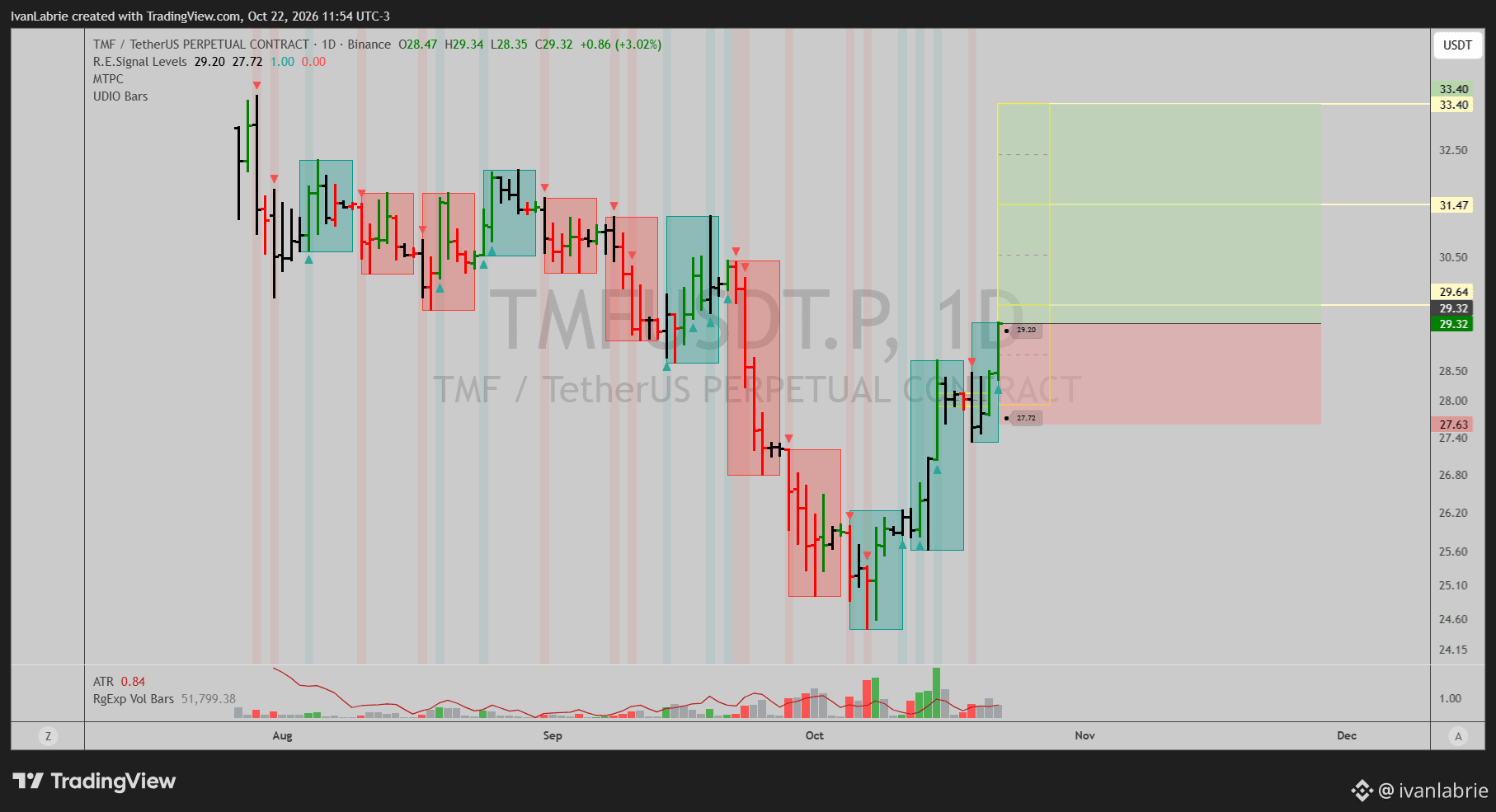
TMF long idea at market, 29.33 on the perp, daily chart. TMF is the 3x long 20+ year Treasury bond fund, and long bonds are turning up as markets go risk-off.
Stop is 27.63. Targets are 29.64, 31.47 and 33.40. The first one is close, the bigger move sits at the other two.
That's about +1.1%, +7.3% and +13.9% to the targets, against roughly 5.8% to the stop. It also works as a hedge for other risk-on positions. I'd risk 1-2% of capital at the stop and size from that.
$TMF
#TMF #Bonds #TradeIdea
115

·
--
European bond markets saw a major upheaval today. France’s 10-year government bond yield just hit the 5% mark, its highest level since July 2002. Meanwhile, the risk gauge measuring the credit risk of French government bonds also approached 160 basis points, setting a new high not seen in nearly 15 years.
The severity of this sell-off has clearly exceeded the day-to-day expectations of many institutions. As the eurozone’s second-largest core economy, France is seeing its sovereign borrowing costs soar to levels not seen in more than two decades, reflecting a concentrated surge in market concerns about Europe’s fiscal health and debt sustainability.
In traditional financial markets, persistently high yields on core sovereign bonds tend to push up global risk-free rates and put substantial pressure on euro-denominated assets and equity valuations. As interest rates surge and sovereign risk is repriced, capital typically tends to pull back from liquidity and adopt a defensive, wait-and-see stance.
For crypto markets, persistently high macro funding costs continue to weigh on liquidity, and short-term speculative sentiment may remain cautious. However, the ongoing exposure of risks in traditional fiat sovereign debt is also leading some investors to keep an eye on the long-term hedging value of non-sovereign assets. The outlook will depend on how the battle over macro liquidity unfolds. $BTC
#Bonds #MacroEconomy #Eurozone
8
·
--
European financial markets have just seen major volatility, with the yield on 10-year French government bonds reaching 5%, its highest level since July 2002. At the same time, the risk premium on French bonds came close to 160 basis points, reaching a 15-year high.
This move reflects mounting public debt pressures and growing political instability in the eurozone’s second-largest economy. France’s borrowing costs rising more than expected is fueling concerns about financial fragmentation within the EU.
The sharp rise in bond yields is putting downward pressure on the EUR and increasing the cost of capital worldwide. Major investors are becoming less willing to take risks, forcing investment funds to rebalance their portfolios to hedge against macroeconomic risks.
For crypto markets, widespread caution could slow capital inflows into $BTC and other risky assets in the short term. Investors should closely monitor global liquidity conditions before opening large leveraged positions. 📊
#Bonds #MacroEconomy #Eurozone
1
246

U.S. Treasury Secretary Scott Bessent said publicly on Tuesday that he expects turmoil in bond markets triggered by a spike in French government bond yields to have no spillover effects on global markets. Recently, amid intensifying protests and pressure from its fiscal deficit, France has seen a sharp rise in sovereign debt risk premiums, raising liquidity concerns among investors in Europe and around the world.
From a macroeconomic fundamentals perspective, the situation in France has been characterized as a localized fiscal and political struggle, rather than a systemic sovereign debt crisis. Bessent explicitly noted that funds are flowing from vulnerable European assets into U.S. Treasuries as a safe haven. This effectively blocks the chain reaction of liquidity crisis transmission and eases market fears of a repeat of the “European debt crisis.”
Technically, global sovereign bond yield curves have neither inverted across the board nor surged uncontrollably, while safe-haven buying has provided solid support for U.S. Treasury prices. The U.S. dollar index has remained resilient, buoyed by the return of liquidity, without triggering a contraction in cross-border credit. Overall, financial conditions remain relatively loose and stable.
For crypto assets, localized geopolitical and sovereign risks have not escalated into a widespread liquidity fire sale; instead, they are a positive sign that risk appetite is recovering. As executives’ remarks have effectively calmed market fears, core digital assets such as $BTC have demonstrated remarkable resilience, with ample buying momentum on dips. The overall upward trend remains intact.
#MacroEconomics #Bonds #CryptoLiquidity
260
·
--
Today, the Japanese bond market saw new developments. Driven by market expectations of a rate hike by the Bank of Japan, Japan’s long-term government bond yields rose. The benchmark 10-year Japanese government bond yield increased by 0.5 basis points, closing at 2.990%. In addition to warming expectations for domestic policy, stronger-than-expected US consumer inflation data also lifted US Treasury yields, creating a linkage effect on Japan’s domestic bond market.
At the heart of this trend is that later this week both the Federal Reserve and the Bank of Japan will hold key monetary policy meetings. The market is not only watching the policy decisions of these two central banks closely, but also keeping a close eye on developments in Iran’s situation and potential fluctuations in energy prices. With multiple macro uncertainties intertwined, investors’ expectation-driven positioning has become even more intense.
From a broader perspective of financial markets, Japanese bond yields are approaching key levels, reflecting pressure for a reassessment of global borrowing costs. As changes in the US-Japan interest rate differential and geopolitical developments disrupt commodities, the volatility in the foreign exchange market and the direction of global liquidity flows may trigger further knock-on effects.
For the cryptocurrency market, the interest-rate paths of major global central banks serve as a gauge for liquidity flows. A rise in Japanese bond yields is often accompanied by the potential unwinding or reshuffling of JPY carry trades. In the short term, macro headlines remain dense, and risk assets overall—including $BTC —are in a phase of waiting and digesting information. Future performance still depends on clearer developments in macro liquidity conditions.
#BOJ #InterestRates #Bonds #MacroEconomics
63

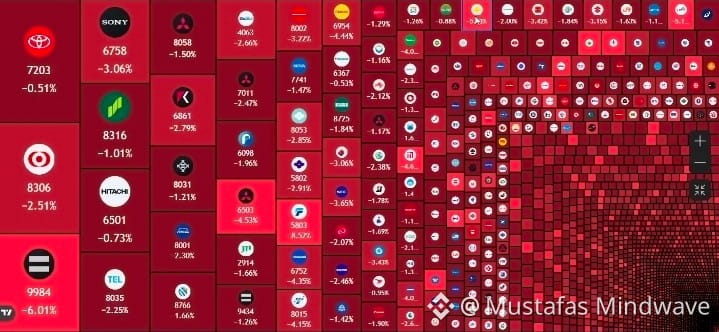
🚨 MARKET SELL-OFF: 🇯🇵 Japanese equities came under renewed pressure today as the global bond market rout continued weighing on risk assets worldwide. 📉👀
Rising bond yields are tightening financial conditions and increasing fears around: ⚠️ Higher borrowing costs
⚠️ Slower economic growth
⚠️ Persistent inflation pressures
⚠️ Valuation stress in equities and tech stocks
Analysts estimate that trillions of yen in market value were erased during the latest market decline as investors reduced exposure to risk-sensitive assets.
The bond market remains the key macro driver influencing stocks, Bitcoin, crypto, and global financial sentiment. 🔥
📌 Follow for the latest updates on bonds, stocks, Bitcoin, crypto, and global financial markets.
#bitcoin #Crypto #Japan #Bonds #BinanceSquare
24
·
--
🚨SPACEX PLANS TO RAISE $25B IN BONDS — WHAT DOES THIS MEAN FOR OUR MARKET?
SpaceX, Elon Musk's aerospace company, is reportedly preparing a high-grade bond issuance worth $25 billion. This isn't a minor move — it's potentially one of the largest fundraising efforts in private tech company history.
Notably, SpaceX is choosing bonds over an IPO or new equity. This signals they want major liquidity without diluting ownership. Funds will likely go toward Starship development, Starlink satellite expansion, and long-term Mars mission infrastructure.
Market impact? When a company the size of SpaceX pulls $25 billion from the bond market, it draws liquidity away from other instruments. Institutional investors who typically allocate to risk assets — including crypto — may temporarily rotate into SpaceX bonds offering competitive yields backed by a powerhouse name.
Watch BTC and ETH price action over the next 2–3 weeks. When global liquidity shifts, crypto always feels it first.
Not financial advice. Always DYOR.
Follow @CoinbroNews for the next update. 🚀
#SpaceX #Elon #Bonds #Crypto #SpaceXLosesOver600BInThreeDays $SPCXB $BTC


128

🚨 Macro Alert
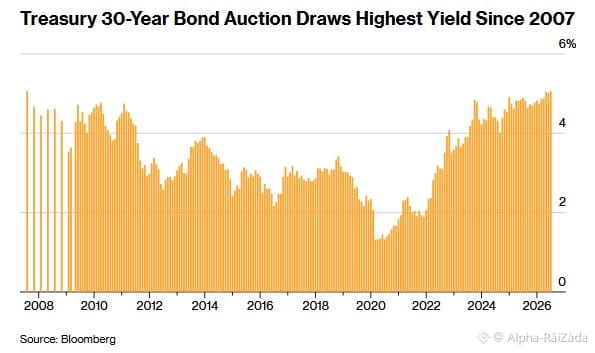
The U.S. 30-Year Treasury Bond Auction cleared at 5.058%—the highest yield since the run-up to the 2008 Global Financial Crisis.
📊 Higher bond yields can tighten financial conditions and increase pressure on risk assets such as $BTC and equities.
👀 Markets will be watching whether yields continue climbing or begin to ease in the coming weeks.
$BTC #Macro #Bonds #Crypto #BinanceSquare 📉
32
·
--
The Bank of England is reported to be preparing to pause the sale of long-dated government bonds before UK Chancellor of the Exchequer Jeremy Hunt releases his first Budget on October 28. According to The Daily Telegraph, the central bank plans to stop offloading the 20- and 30-year gilts it accumulated during the previous financial crisis, in order to ease the pressure on the Treasury caused by rising borrowing costs.
The key behind this is the scale of fiscal losses. Economists estimate that since the sale of these long-term debts began in 2022, it has already cost UK taxpayers around £22 billion. Against the backdrop of global bond sell-offs, halting this discount-driven selling could save the Treasury about £2.5 billion per year, giving the newly appointed chancellor some policy room to manoeuvre, even though it also makes the budget rules for balancing day-to-day spending more complicated.
From a traditional macro market perspective, adjustments to the pace of central bank balance-sheet shrinkage directly affect the supply-and-demand dynamics in the bond market. Pausing the sale of long-dated gilts can help temporarily relieve upward pressure on long-end yields and, to some extent, stabilize market sentiment toward the UK’s sovereign credit. It may also lead to minor tweaks in the liquidity tug-of-war between the US dollar and the pound.
For the crypto market, this reflects the real trade-offs major central banks face between tightening liquidity and their ability to bear fiscal strain. While this does not mean a full pivot to easing, reduced pressure from long-end selling may slightly ease the overall liquidity environment. Crypto investors can continue to monitor how sovereign bond markets in major economies react, and to view structural changes in liquidity conditions rationally. $BTC
#BankOfEngland #Bonds #MacroEconomy
80

·
--
In the 30-year Treasury bond auction completed by the U.S. Department of the Treasury on October 8, the winning yield surged significantly to 5.618%, well above the 5.308% from the prior auction. Meanwhile, the bid-to-cover ratio fell from 2.61 to 2.54, indicating a clear weakening in demand for long-dated U.S. Treasuries.
This outcome reflects intensifying market concerns about sticky long-term inflation and an expansion of fiscal deficits. Against the backdrop of cooling demand, investors are demanding a higher risk premium, completely dashing any optimistic expectations of near-term liquidity easing.
A broad rise in U.S. Treasury yields will further lift the risk-free return rate across the economy, putting substantial downward pressure on the valuations of risk assets. The spike in long-end yields is also strengthening the U.S. dollar index, creating continued pressure for tighter liquidity in both the stock market and highly leveraged financial markets.
For the crypto market, elevated risk-free rates significantly reduce the appetite to allocate capital to high-volatility assets. If long-end rates remain at current high levels, crypto assets led by $BTC will face a dual risk in the near term: liquidity being drained and valuations coming under pressure.🏛️
#USDT #Bonds #MacroEconomy
BTC+2.00%
TLTETF+0.92%
21

·
--
Bullish
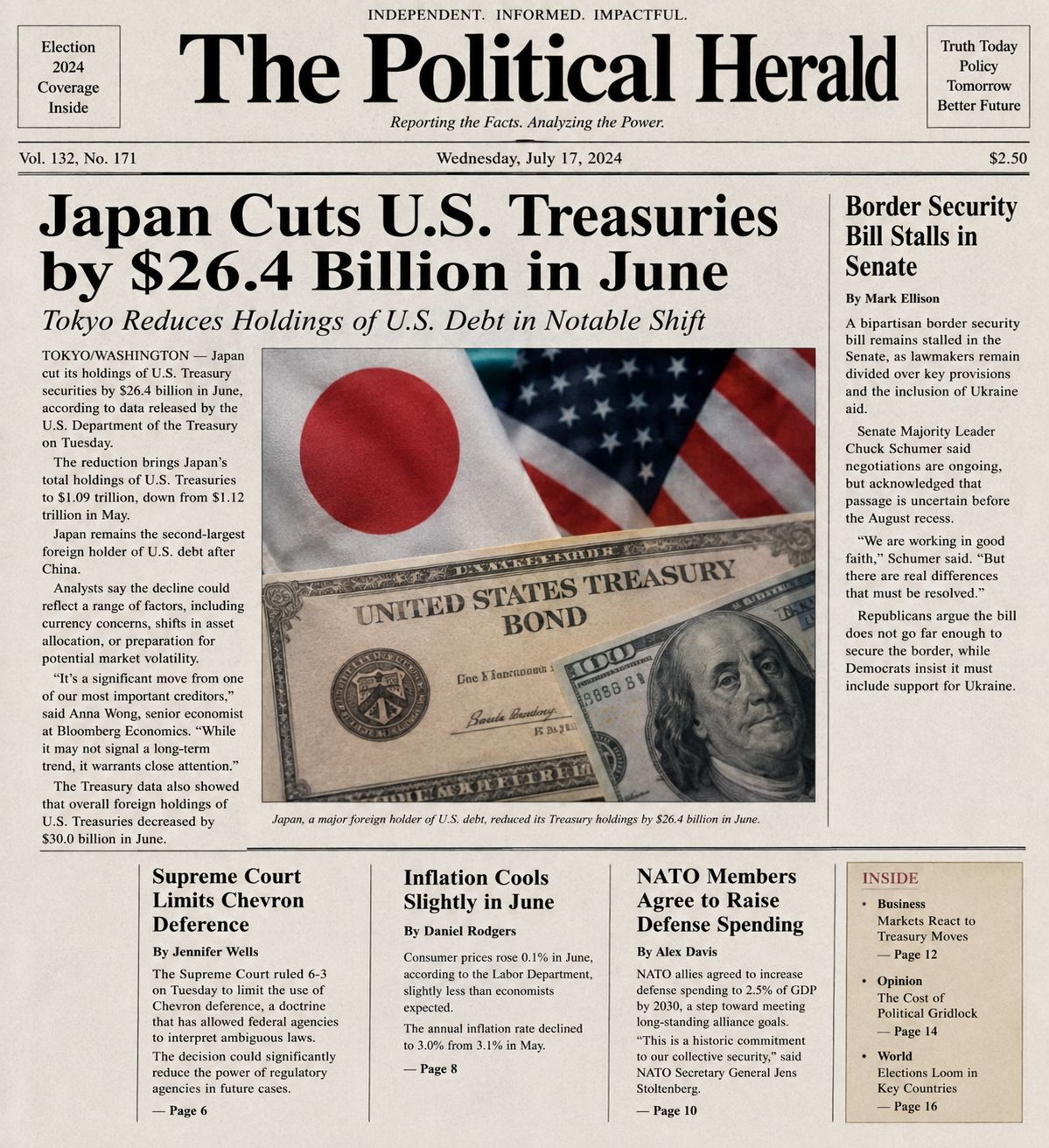
🇯🇵💰 Japan Cuts U.S. Treasuries by $26.4B in June
Japan reduced its holdings of U.S. Treasury securities by $26.4 billion in June. 📉🇺🇸
That’s a notable move from one of the biggest foreign holders of U.S. debt. Could this signal a shift in Japan’s asset allocation—or simply portfolio rebalancing?
👀 Traders will be watching whether the selling continues in the coming months.
#Japan #USTreasuries #USDebt #Bonds
$BTC
$ETH
$BNB
{spot}(BNBUSDT)
{spot}(ETHUSDT)
{spot}(BTCUSDT)
🇯🇵💰 Japan Cuts U.S. Treasuries by $26.4B in June
Japan reduced its holdings of U.S. Treasury securities by $26.4 billion in June. 📉🇺🇸
That’s a notable move from one of the biggest foreign holders of U.S. debt. Could this signal a shift in Japan’s asset allocation—or simply portfolio rebalancing?
👀 Traders will be watching whether the selling continues in the coming months.
#Japan #USTreasuries #USDebt #Bonds
$BTC
$ETH
$BNB
1
93

Verified
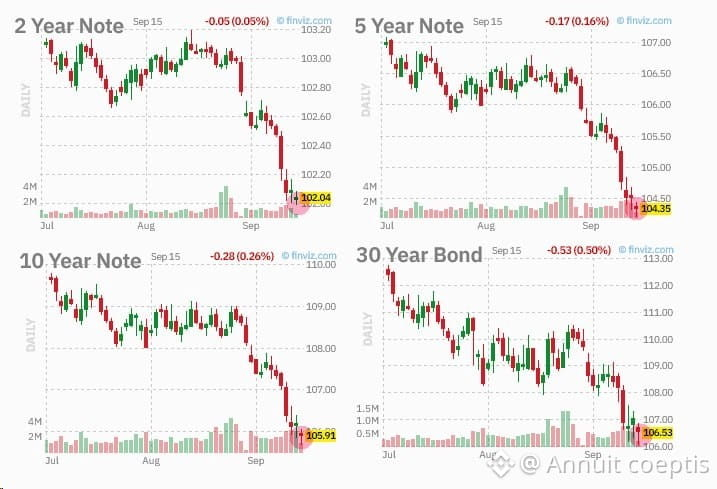
⚠️🇺🇸#bonds #usa #yields US Treasury bonds are falling again, yields are rising
Bessent just said that rising oil prices are to blame for the rise in yields
After Bessent's words, even the dumbest traders will now sell US bonds when they see rising oil prices, analysts say
Iran is making all this clear
Bessent just said that rising oil prices are to blame for the rise in yields
After Bessent's words, even the dumbest traders will now sell US bonds when they see rising oil prices, analysts say
Iran is making all this clear
740
Log in to explore more content
Join global crypto users on Binance Square
⚡️ Get latest and useful information about crypto.
💬 Trusted by the world’s largest crypto exchange.
👍 Discover real insights from verified creators.
Email / Phone number
Trending Topics
1
#NvidiaLoses$2.7TrillionInMonthAndAHalf
26,783 views
151 Discussing
2
#CanBTCReboundAfterFallingBelow60K?
827,535 views
3,102 Discussing
3
#GlobalStocksFaceLongestLosingStreakSince2023
309,960 views
2,075 Discussing
4
#BlackRockIBITPostsRecord$541MSingleDayOutflow
38,827 views
111 Discussing
5
#AnthropicPlungesTowardIPOPriceonDay2
158,750 views
1,256 Discussing
6
#TwentyOneCapitalAdds172.25BTC
74,045 views
702 Discussing
7
#HKBillWouldExcludeTokenizedDepositsFromVirtualAssets
10,348 views
51 Discussing
8
#BNBDropsBelow540USDTWith8.46%DailyDecline
84,793 views
676 Discussing
9
#HKBillProposesHK$100KFineForUnauthorizedCryptoTitles
2,899 views
25 Discussing
10
#BitMineFaces$10.1BUnrealizedETHLoss
5,940 views
29 Discussing