
#fit21
fit21
21.5M views
10,661 Discussing
Big news from Capitol Hill! The U.S. House has approved the FIT21 Bill with strong Democratic support, providing regulatory clarity and consumer protections for the digital asset ecosystem. Now, the bill heads to the Senate, where its fate is uncertain. What are your thoughts on this development, and how do you think the Senate will respond? Let's discuss the future of crypto regulation!
Hot
Latest


·
--
FIT21 Crypto Regulation Bill Advances in US House, Faces Uncertain Future in the SenateAccording to Cointelegraph: The US House of Representatives has voted in favor of the Financial Innovation and Technology for the 21st Century Act (FIT21), aimed at clarifying the rules of securities and commodities regulators in overseeing cryptocurrencies. The next step for the bill is a potentially challenging path through the US Senate, where it has neither a companion bill nor a set timeline for action.
The FIT21 bill, which saw 71 Democrats and 208 Republicans vote in favor, could face robust opposition in the Senate, considering the presence of prominent crypto critics like Senator Elizabeth Warren. Post the Senate Review, if approved, the bill would proceed to President Biden's desk. The President on May 22 expressed his administration's disapproval of the bill, though it didn't specify his vetoing intention.
While Coinbase CEO, Brian Armstrong, celebrated this development as a "total victory", crypto-focused lawyer Gabriel Shapiro countered by arguing that the FIT21 could still grant the SEC "considerable power". The bill, if passed, will primarily place the control of cryptocurrencies under the Commodity Futures Trading Commission (CFTC), viewed as a more lax regulator than the SEC.
FIT21 Crypto Regulation Bill Advances in US House, Faces Uncertain Future in the Senate
According to Cointelegraph: The US House of Representatives has voted in favor of the Financial Innovation and Technology for the 21st Century Act (FIT21), aimed at clarifying the rules of securities and commodities regulators in overseeing cryptocurrencies. The next step for the bill is a potentially challenging path through the US Senate, where it has neither a companion bill nor a set timeline for action.
The FIT21 bill, which saw 71 Democrats and 208 Republicans vote in favor, could face robust opposition in the Senate, considering the presence of prominent crypto critics like Senator Elizabeth Warren. Post the Senate Review, if approved, the bill would proceed to President Biden's desk. The President on May 22 expressed his administration's disapproval of the bill, though it didn't specify his vetoing intention.
While Coinbase CEO, Brian Armstrong, celebrated this development as a "total victory", crypto-focused lawyer Gabriel Shapiro countered by arguing that the FIT21 could still grant the SEC "considerable power". The bill, if passed, will primarily place the control of cryptocurrencies under the Commodity Futures Trading Commission (CFTC), viewed as a more lax regulator than the SEC.
1
1
13
2.9k
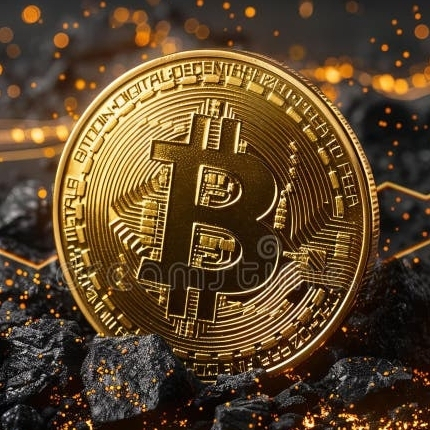
Big News! 🚨 Trump has pledged full support for the FIT21 Crypto Bill. If this bill passes completely, tough restrictions on crypto will be lifted, and fresh capital will flood the market.
Do you think this year’s crypto regulations will bring us gains or losses? Let us know in the comments! 👇
#FIT21 #CryptoRegulation #TrumpCrypto #BinanceSquare
Do you think this year’s crypto regulations will bring us gains or losses? Let us know in the comments! 👇
#FIT21 #CryptoRegulation #TrumpCrypto #BinanceSquare
225

·
--
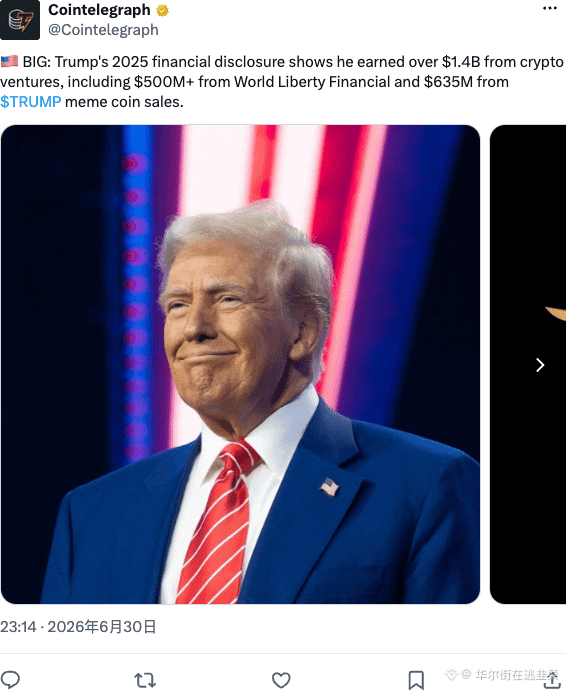
At first they cursed BTC as a scam, and now they’ve brought in $635 million thanks to meme coins.
This $1.4B crypto earnings report from Trump turns “selling air” into top-tier cash flow. Since the president himself has stepped in to demonstrate issuing coins, the regulatory logic under the FIT21 framework likely needs to be rewritten. #FIT21 $TRUMP
{future}(TRUMPUSDT)
At first they cursed BTC as a scam, and now they’ve brought in $635 million thanks to meme coins.
This $1.4B crypto earnings report from Trump turns “selling air” into top-tier cash flow. Since the president himself has stepped in to demonstrate issuing coins, the regulatory logic under the FIT21 framework likely needs to be rewritten. #FIT21 $TRUMP
This $1.4B crypto earnings report from Trump turns “selling air” into top-tier cash flow. Since the president himself has stepped in to demonstrate issuing coins, the regulatory logic under the FIT21 framework likely needs to be rewritten. #FIT21 $TRUMP
1
291

·
--
Article
THE WORLD STILL RUNS ON THE DOLLAR 🇺🇸💵THE WORLD STILL RUNS ON THE DOLLAR 🇺🇸💵
First please follow and tip 1 dollar the cost of time of writing and search the resources are not cheap , go to bottom of article find the tipping button and send tip appreciate that ♥️🔥
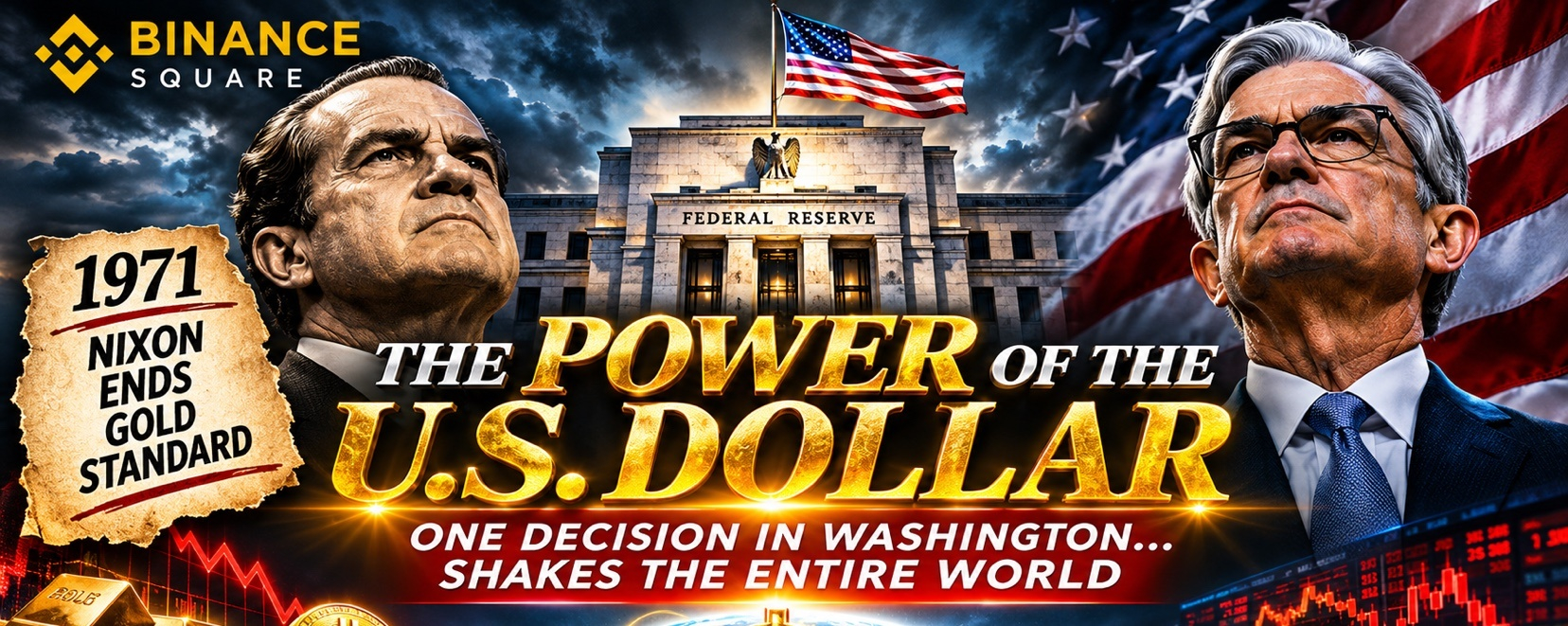
Question the dollar’s power all you want. But watch what happens to the entire world when Washington changes the price of money.
People keep talking about the collapse of the US dollar. They talk about de-dollarization, BRICS, gold, Bitcoin, alternative payment systems, and the end of American financial dominance.
But there is one reality they often ignore:
The global economy is still deeply connected to the US dollar—and the Federal Reserve remains one of the most powerful institutions on Earth.
Look at what happens when markets believe the Federal Reserve may change interest rates.
Gold can collapse. Bitcoin can sell off. Stocks can fall. Bonds can reprice. Emerging-market currencies can weaken. Borrowing costs can rise thousands of kilometers away from the United States.
One policy decision—or even a change in expectations about that decision—can move markets around the planet.
That is not a coincidence.
That is the power of the dollar system.
🌎 THE DOLLAR IS NOT JUST AMERICAN MONEY
The US dollar is the world’s financial language.
It is used to price commodities, finance international trade, settle transactions, hold reserves, borrow money, and manage risk.
According to the Federal Reserve’s 2025 analysis, the dollar accounted for approximately 58% of disclosed global foreign-exchange reserves in 2024—far ahead of the euro, yen, pound, and Chinese renminbi.
The dollar’s importance extends far beyond reserves. It is deeply embedded in international banking, trade finance, debt markets, commodity markets, and investment.
Nearly 90% of foreign-exchange transactions involve the dollar, according to recent BIS-based statistics.
You can criticize Washington. You can dislike American politics. You can support alternative currencies.
But you cannot simply replace a financial network that the entire world has spent decades building around.
⚡ ONE FEDERAL RESERVE DECISION—GLOBAL CONSEQUENCES
Imagine the Federal Reserve signals that interest rates may remain higher for longer—or that another rate increase is coming.
What happens?
Capital becomes more expensive.
The dollar can strengthen.
Treasury yields rise.
Investors reassess risk.
Gold becomes less attractive when the opportunity cost of holding a non-yielding asset increases.
Bitcoin and other speculative assets can face pressure as liquidity tightens and investors move toward cash or safer assets.
Emerging-market countries can face capital outflows, weaker currencies, more expensive dollar debt, and tighter financial conditions.
The Fed does not need to call the central bank of every country.
Its policy can travel through the global financial system automatically.
The dollar is the transmission mechanism.
🥇 GOLD, BITCOIN, AND THE MARKET REALITY
Gold is often presented as the ultimate escape from the dollar.
Bitcoin is frequently presented as an escape from the entire traditional financial system.
But both are still traded in a global environment where the dollar, US interest rates, Treasury yields, and liquidity conditions matter enormously.
When the dollar strengthens and interest-rate expectations rise, even assets promoted as alternatives to the dollar can experience severe pressure.
Gold recently fell dramatically from its record highs, with Reuters reporting that it had declined roughly 31.5% from its January peak by November 16, 2026.
Bitcoin, equities, and other risk assets have also demonstrated how rapidly markets can react when liquidity expectations change.
The lesson is simple:
An asset can be called an alternative to the dollar. That does not mean it is immune to the dollar.
🌐 THE DOLLAR HELPED BUILD GLOBALIZATION
The dollar system is not merely a mechanism for American power.
It also helped make international commerce more efficient.
A globally accepted currency reduces the need for every country to constantly exchange currencies with every trading partner. It can reduce transaction costs, simplify contracts, reduce exchange-rate uncertainty, and make international financing easier.
The IMF has explained that the dollar-centered international monetary system supported cross-border trade and financial integration by reducing transaction costs and exchange risks.
Think about the complexity of global trade without a common financial anchor.
A factory in Asia buys raw materials from Africa, machinery from Europe, energy from the Middle East, and sells finished products to North America.
A common currency used for pricing, financing, and settlement simplifies that entire chain.
It helps businesses plan.
It helps banks finance trade.
It helps investors move capital.
It helps countries participate in a global marketplace.
🍚 FOOD, TRADE, AND THE FIGHT AGAINST SCARCITY
The dollar did not magically eliminate famine—and no currency can replace agriculture, infrastructure, peace, or good government.
But a connected global trading system makes something fundamental possible:
When a country suffers a shortage, it does not have to depend exclusively on what it can produce within its own borders.
It can import wheat.
It can buy rice.
It can purchase fertilizer, fuel, machinery, and agricultural technology.
It can connect its farmers to international markets.
Global agricultural trade has expanded dramatically, connecting more countries to food markets and making supply chains more geographically diversified.
International trade cannot guarantee food security. Wars, export restrictions, poverty, currency crises, and logistical breakdowns can still create disasters.
But a functioning global market gives countries another option when local production fails.
The alternative is a world where shortages become isolated national disasters—with fewer mechanisms to move food from places with surpluses to places experiencing scarcity.
🇨🇳 HOW GLOBAL INTEGRATION HELPED TRANSFORM CHINA
China’s transformation is one of the greatest economic changes in modern history.
China’s rise was not caused by the dollar alone.
It involved reforms, infrastructure, education, industrial policy, investment, labor, technology, entrepreneurship, and an enormous expansion of manufacturing.
But the dollar-centered global system helped create the environment in which China’s manufacturing revolution could scale globally.
International markets.
Foreign investment.
Global supply chains.
Access to customers.
Export financing.
International capital.
The ability to manufacture in China and sell products across the planet.
Globalization connected Chinese factories to consumers in the United States, Europe, Asia, Africa, and everywhere else.
China did not become an industrial giant by remaining economically isolated.
It became a global economic power by becoming deeply integrated into the global economy.
And that integration was supported by a financial system in which the US dollar played a central role.
🌍 ASIA, AFRICA, AND THE GLOBAL SOUTH
The dollar-centered system also helped create a global financial infrastructure through which developing economies could trade, borrow, attract investment, and access international markets.
Countries in Asia and Africa were no longer limited to the size of their domestic markets.
They could export.
They could import technology.
They could attract international capital.
They could finance infrastructure.
They could participate in supply chains that stretched across continents.
Of course, the system has disadvantages.
Dollar debt can become painful when the dollar strengthens.
Federal Reserve tightening can create financial stress in developing countries.
The dollar system can amplify inequality and expose countries to external shocks.
But the same system also created opportunities for integration, trade, investment, and economic development that were previously much more difficult to achieve.
The story is not perfect.
It is enormously consequential.
🇪🇺 THE END OF EUROPEAN EMPIRES—AND A NEW ECONOMIC ORDER
The dollar did not single-handedly end European colonialism.
Decolonization was driven by independence movements, wars, political pressure, changing international norms, and the weakening of European empires after World War II.
But the postwar economic order also changed the balance of global power.
The old world—where European empires controlled trade routes, territories, resources, and markets—was gradually replaced by a world of sovereign nations increasingly connected through international institutions, trade, investment, and financial markets.
The dollar-centered postwar system helped establish a new economic architecture.
Countries could trade internationally without being directly controlled by a European imperial power.
They could participate in global commerce as independent states.
They could access international capital and markets.
This was not the end of economic dependency or exploitation.
But it was a profound change in the structure of the world economy.
🧠 THE MOST IMPORTANT INVENTION MAY NOT BE A TECHNOLOGY
We celebrate the internet.
We celebrate artificial intelligence.
We celebrate smartphones, rockets, computers, and medical breakthroughs.
But one of the most consequential inventions in modern economic history may be the creation of a trusted, scalable, globally accepted monetary and financial system.
A system that allows a farmer in one country to sell produce to another.
A factory to buy machinery from another continent.
An investor to finance a project thousands of kilometers away.
A government to access international markets.
A company to operate across borders.
A country to import food when its harvest fails.
The US dollar is not perfect.
The United States is not perfect.
And dollar dominance will not necessarily last forever.
But the scale, depth, liquidity, and network effects of the dollar system are extraordinary.
The world may eventually become more multipolar.
Other currencies may gain influence.
Reserve holdings may diversify.
Payment systems may evolve.
But replacing the dollar is not simply a matter of announcing a new currency.
It requires trust.
Liquidity.
Deep capital markets.
A reliable legal system.
Global acceptance.
Infrastructure.
And millions of businesses, banks, governments, investors, and individuals willing to use it.
Until another system can offer all of that at comparable scale, the dollar remains at the center of the global financial universe.
You can question the dollar.
You can bet against it.
You can build alternatives.
But when the Federal Reserve moves—and markets across the world react—you are witnessing the power of the system that still connects the global economy.
The dollar is not just a currency.
It is the financial gravity of the modern world. 🇺🇸💵🌎
🏆 RICHARD NIXON DESERVES CREDIT FOR ONE OF HISTORY’S GREATEST ECONOMIC DECISIONS
And perhaps we should give Richard Nixon far more credit than history usually does.
In August 1971, Nixon ended the convertibility of the US dollar into gold—a decision that fundamentally transformed the international monetary system.
Many people still view this decision as the destruction of the gold standard.
I see something far more important:
It was the liberation of the world’s monetary system from the physical limitations of gold.
A modern economy cannot be expected to grow indefinitely while its monetary system remains chained to the quantity of a metal that must be physically mined, transported, stored, and accumulated.
The world needed a monetary system capable of supporting an expanding economy, expanding international trade, growing populations, industrialization, technological progress, and an increasingly interconnected global marketplace.
Nixon’s decision helped pave the way for the modern fiat monetary system.
And whether people love it or hate it, that system made possible a level of monetary flexibility that the gold-standard system simply could not provide in the same way.
Gold is scarce.
Economic activity is not supposed to remain artificially constrained by the quantity of gold available underground.
The modern financial system can expand liquidity in response to economic conditions, finance investment, facilitate international trade, and support the enormous scale of today’s global economy.
Yes, this system carries risks.
Inflation.
Debt accumulation.
Financial bubbles.
Poor monetary decisions.
Those risks are real.
But imagine trying to finance the modern global economy, international trade, technological development, infrastructure, industrial expansion, and emergency responses to economic crises under a rigid monetary system tied directly to gold.
The ability to manage money and liquidity independently of physical gold was one of the most consequential transformations in economic history.
Nixon’s decision was controversial.
But perhaps history should recognize that it was not merely the end of an old monetary system.
It was the beginning of a new one.
And if we are discussing the inventions and decisions that made the modern global economy possible, I would argue that the decision to free the dollar from gold deserves a place among the greatest economic decisions ever made.
Richard Nixon deserves recognition for understanding that the world’s monetary system had to evolve beyond gold. 🇺🇸💵
IMF — International Monetary System: Currencies in a Changing World (2025): Dollar dominance, globalization, lower transaction costs, financial integration, and the network effect.
IMF — Geopolitics and Its Impact on Global Trade and the Dollar: Dollar's role in trade finance, reserves, financial fragmentation, and global economic risks.
Reuters — Gold market, November 16, 2026: Gold's sharp decline amid stronger dollar, Treasury yields, and changing Federal Reserve expectations.
BIS — Global dollar dominance: Dollar involvement in foreign exchange transactions, global banking, and financial conditions.
FAO — Global food and agricultural trade: Expansion and diversification of international food and agricultural trade.
IMF — Globalization and economic integration: Historical growth of global integration, trade liberalization, and the integration of emerging economies.
#USDOLLAR #DollarDominance #FIT21 #FederalReserve #crashmarket
THE WORLD STILL RUNS ON THE DOLLAR 🇺🇸💵
THE WORLD STILL RUNS ON THE DOLLAR 🇺🇸💵
First please follow and tip 1 dollar the cost of time of writing and search the resources are not cheap , go to bottom of article find the tipping button and send tip appreciate that ♥️🔥
Question the dollar’s power all you want. But watch what happens to the entire world when Washington changes the price of money.
People keep talking about the collapse of the US dollar. They talk about de-dollarization, BRICS, gold, Bitcoin, alternative payment systems, and the end of American financial dominance.
But there is one reality they often ignore:
The global economy is still deeply connected to the US dollar—and the Federal Reserve remains one of the most powerful institutions on Earth.
Look at what happens when markets believe the Federal Reserve may change interest rates.
Gold can collapse. Bitcoin can sell off. Stocks can fall. Bonds can reprice. Emerging-market currencies can weaken. Borrowing costs can rise thousands of kilometers away from the United States.
One policy decision—or even a change in expectations about that decision—can move markets around the planet.
That is not a coincidence.
That is the power of the dollar system.
🌎 THE DOLLAR IS NOT JUST AMERICAN MONEY
The US dollar is the world’s financial language.
It is used to price commodities, finance international trade, settle transactions, hold reserves, borrow money, and manage risk.
According to the Federal Reserve’s 2025 analysis, the dollar accounted for approximately 58% of disclosed global foreign-exchange reserves in 2024—far ahead of the euro, yen, pound, and Chinese renminbi.
The dollar’s importance extends far beyond reserves. It is deeply embedded in international banking, trade finance, debt markets, commodity markets, and investment.
Nearly 90% of foreign-exchange transactions involve the dollar, according to recent BIS-based statistics.
You can criticize Washington. You can dislike American politics. You can support alternative currencies.
But you cannot simply replace a financial network that the entire world has spent decades building around.
⚡ ONE FEDERAL RESERVE DECISION—GLOBAL CONSEQUENCES
Imagine the Federal Reserve signals that interest rates may remain higher for longer—or that another rate increase is coming.
What happens?
Capital becomes more expensive.
The dollar can strengthen.
Treasury yields rise.
Investors reassess risk.
Gold becomes less attractive when the opportunity cost of holding a non-yielding asset increases.
Bitcoin and other speculative assets can face pressure as liquidity tightens and investors move toward cash or safer assets.
Emerging-market countries can face capital outflows, weaker currencies, more expensive dollar debt, and tighter financial conditions.
The Fed does not need to call the central bank of every country.
Its policy can travel through the global financial system automatically.
The dollar is the transmission mechanism.
🥇 GOLD, BITCOIN, AND THE MARKET REALITY
Gold is often presented as the ultimate escape from the dollar.
Bitcoin is frequently presented as an escape from the entire traditional financial system.
But both are still traded in a global environment where the dollar, US interest rates, Treasury yields, and liquidity conditions matter enormously.
When the dollar strengthens and interest-rate expectations rise, even assets promoted as alternatives to the dollar can experience severe pressure.
Gold recently fell dramatically from its record highs, with Reuters reporting that it had declined roughly 31.5% from its January peak by November 16, 2026.
Bitcoin, equities, and other risk assets have also demonstrated how rapidly markets can react when liquidity expectations change.
The lesson is simple:
An asset can be called an alternative to the dollar. That does not mean it is immune to the dollar.
🌐 THE DOLLAR HELPED BUILD GLOBALIZATION
The dollar system is not merely a mechanism for American power.
It also helped make international commerce more efficient.
A globally accepted currency reduces the need for every country to constantly exchange currencies with every trading partner. It can reduce transaction costs, simplify contracts, reduce exchange-rate uncertainty, and make international financing easier.
The IMF has explained that the dollar-centered international monetary system supported cross-border trade and financial integration by reducing transaction costs and exchange risks.
Think about the complexity of global trade without a common financial anchor.
A factory in Asia buys raw materials from Africa, machinery from Europe, energy from the Middle East, and sells finished products to North America.
A common currency used for pricing, financing, and settlement simplifies that entire chain.
It helps businesses plan.
It helps banks finance trade.
It helps investors move capital.
It helps countries participate in a global marketplace.
🍚 FOOD, TRADE, AND THE FIGHT AGAINST SCARCITY
The dollar did not magically eliminate famine—and no currency can replace agriculture, infrastructure, peace, or good government.
But a connected global trading system makes something fundamental possible:
When a country suffers a shortage, it does not have to depend exclusively on what it can produce within its own borders.
It can import wheat.
It can buy rice.
It can purchase fertilizer, fuel, machinery, and agricultural technology.
It can connect its farmers to international markets.
Global agricultural trade has expanded dramatically, connecting more countries to food markets and making supply chains more geographically diversified.
International trade cannot guarantee food security. Wars, export restrictions, poverty, currency crises, and logistical breakdowns can still create disasters.
But a functioning global market gives countries another option when local production fails.
The alternative is a world where shortages become isolated national disasters—with fewer mechanisms to move food from places with surpluses to places experiencing scarcity.
🇨🇳 HOW GLOBAL INTEGRATION HELPED TRANSFORM CHINA
China’s transformation is one of the greatest economic changes in modern history.
China’s rise was not caused by the dollar alone.
It involved reforms, infrastructure, education, industrial policy, investment, labor, technology, entrepreneurship, and an enormous expansion of manufacturing.
But the dollar-centered global system helped create the environment in which China’s manufacturing revolution could scale globally.
International markets.
Foreign investment.
Global supply chains.
Access to customers.
Export financing.
International capital.
The ability to manufacture in China and sell products across the planet.
Globalization connected Chinese factories to consumers in the United States, Europe, Asia, Africa, and everywhere else.
China did not become an industrial giant by remaining economically isolated.
It became a global economic power by becoming deeply integrated into the global economy.
And that integration was supported by a financial system in which the US dollar played a central role.
🌍 ASIA, AFRICA, AND THE GLOBAL SOUTH
The dollar-centered system also helped create a global financial infrastructure through which developing economies could trade, borrow, attract investment, and access international markets.
Countries in Asia and Africa were no longer limited to the size of their domestic markets.
They could export.
They could import technology.
They could attract international capital.
They could finance infrastructure.
They could participate in supply chains that stretched across continents.
Of course, the system has disadvantages.
Dollar debt can become painful when the dollar strengthens.
Federal Reserve tightening can create financial stress in developing countries.
The dollar system can amplify inequality and expose countries to external shocks.
But the same system also created opportunities for integration, trade, investment, and economic development that were previously much more difficult to achieve.
The story is not perfect.
It is enormously consequential.
🇪🇺 THE END OF EUROPEAN EMPIRES—AND A NEW ECONOMIC ORDER
The dollar did not single-handedly end European colonialism.
Decolonization was driven by independence movements, wars, political pressure, changing international norms, and the weakening of European empires after World War II.
But the postwar economic order also changed the balance of global power.
The old world—where European empires controlled trade routes, territories, resources, and markets—was gradually replaced by a world of sovereign nations increasingly connected through international institutions, trade, investment, and financial markets.
The dollar-centered postwar system helped establish a new economic architecture.
Countries could trade internationally without being directly controlled by a European imperial power.
They could participate in global commerce as independent states.
They could access international capital and markets.
This was not the end of economic dependency or exploitation.
But it was a profound change in the structure of the world economy.
🧠 THE MOST IMPORTANT INVENTION MAY NOT BE A TECHNOLOGY
We celebrate the internet.
We celebrate artificial intelligence.
We celebrate smartphones, rockets, computers, and medical breakthroughs.
But one of the most consequential inventions in modern economic history may be the creation of a trusted, scalable, globally accepted monetary and financial system.
A system that allows a farmer in one country to sell produce to another.
A factory to buy machinery from another continent.
An investor to finance a project thousands of kilometers away.
A government to access international markets.
A company to operate across borders.
A country to import food when its harvest fails.
The US dollar is not perfect.
The United States is not perfect.
And dollar dominance will not necessarily last forever.
But the scale, depth, liquidity, and network effects of the dollar system are extraordinary.
The world may eventually become more multipolar.
Other currencies may gain influence.
Reserve holdings may diversify.
Payment systems may evolve.
But replacing the dollar is not simply a matter of announcing a new currency.
It requires trust.
Liquidity.
Deep capital markets.
A reliable legal system.
Global acceptance.
Infrastructure.
And millions of businesses, banks, governments, investors, and individuals willing to use it.
Until another system can offer all of that at comparable scale, the dollar remains at the center of the global financial universe.
You can question the dollar.
You can bet against it.
You can build alternatives.
But when the Federal Reserve moves—and markets across the world react—you are witnessing the power of the system that still connects the global economy.
The dollar is not just a currency.
It is the financial gravity of the modern world. 🇺🇸💵🌎
🏆 RICHARD NIXON DESERVES CREDIT FOR ONE OF HISTORY’S GREATEST ECONOMIC DECISIONS
And perhaps we should give Richard Nixon far more credit than history usually does.
In August 1971, Nixon ended the convertibility of the US dollar into gold—a decision that fundamentally transformed the international monetary system.
Many people still view this decision as the destruction of the gold standard.
I see something far more important:
It was the liberation of the world’s monetary system from the physical limitations of gold.
A modern economy cannot be expected to grow indefinitely while its monetary system remains chained to the quantity of a metal that must be physically mined, transported, stored, and accumulated.
The world needed a monetary system capable of supporting an expanding economy, expanding international trade, growing populations, industrialization, technological progress, and an increasingly interconnected global marketplace.
Nixon’s decision helped pave the way for the modern fiat monetary system.
And whether people love it or hate it, that system made possible a level of monetary flexibility that the gold-standard system simply could not provide in the same way.
Gold is scarce.
Economic activity is not supposed to remain artificially constrained by the quantity of gold available underground.
The modern financial system can expand liquidity in response to economic conditions, finance investment, facilitate international trade, and support the enormous scale of today’s global economy.
Yes, this system carries risks.
Inflation.
Debt accumulation.
Financial bubbles.
Poor monetary decisions.
Those risks are real.
But imagine trying to finance the modern global economy, international trade, technological development, infrastructure, industrial expansion, and emergency responses to economic crises under a rigid monetary system tied directly to gold.
The ability to manage money and liquidity independently of physical gold was one of the most consequential transformations in economic history.
Nixon’s decision was controversial.
But perhaps history should recognize that it was not merely the end of an old monetary system.
It was the beginning of a new one.
And if we are discussing the inventions and decisions that made the modern global economy possible, I would argue that the decision to free the dollar from gold deserves a place among the greatest economic decisions ever made.
Richard Nixon deserves recognition for understanding that the world’s monetary system had to evolve beyond gold. 🇺🇸💵
IMF — International Monetary System: Currencies in a Changing World (2025): Dollar dominance, globalization, lower transaction costs, financial integration, and the network effect.
IMF — Geopolitics and Its Impact on Global Trade and the Dollar: Dollar's role in trade finance, reserves, financial fragmentation, and global economic risks.
Reuters — Gold market, November 16, 2026: Gold's sharp decline amid stronger dollar, Treasury yields, and changing Federal Reserve expectations.
BIS — Global dollar dominance: Dollar involvement in foreign exchange transactions, global banking, and financial conditions.
FAO — Global food and agricultural trade: Expansion and diversification of international food and agricultural trade.
IMF — Globalization and economic integration: Historical growth of global integration, trade liberalization, and the integration of emerging economies.
#USDOLLAR #DollarDominance #FIT21 #FederalReserve #crashmarket
1
173

·
--
I once heard a wise man named Raymond Reddington
say: If you get the chance to show the rich your problems, do it. They may laugh a lot at your naivety at first,
but they’ll enjoy solving them.
1006332130
I once heard a wise man named Raymond Redington say: if you get the chance to show the rich your problems, do it. They may laugh at your naivety at first, but they'll enjoy solving them.
. 1006332130
#FIT21 #solana #female
ABO_SHAMAN:
عندما اصبح ثريا سوف ادعمك🌹
1
2
264

·
--

Article
1
140

·
--
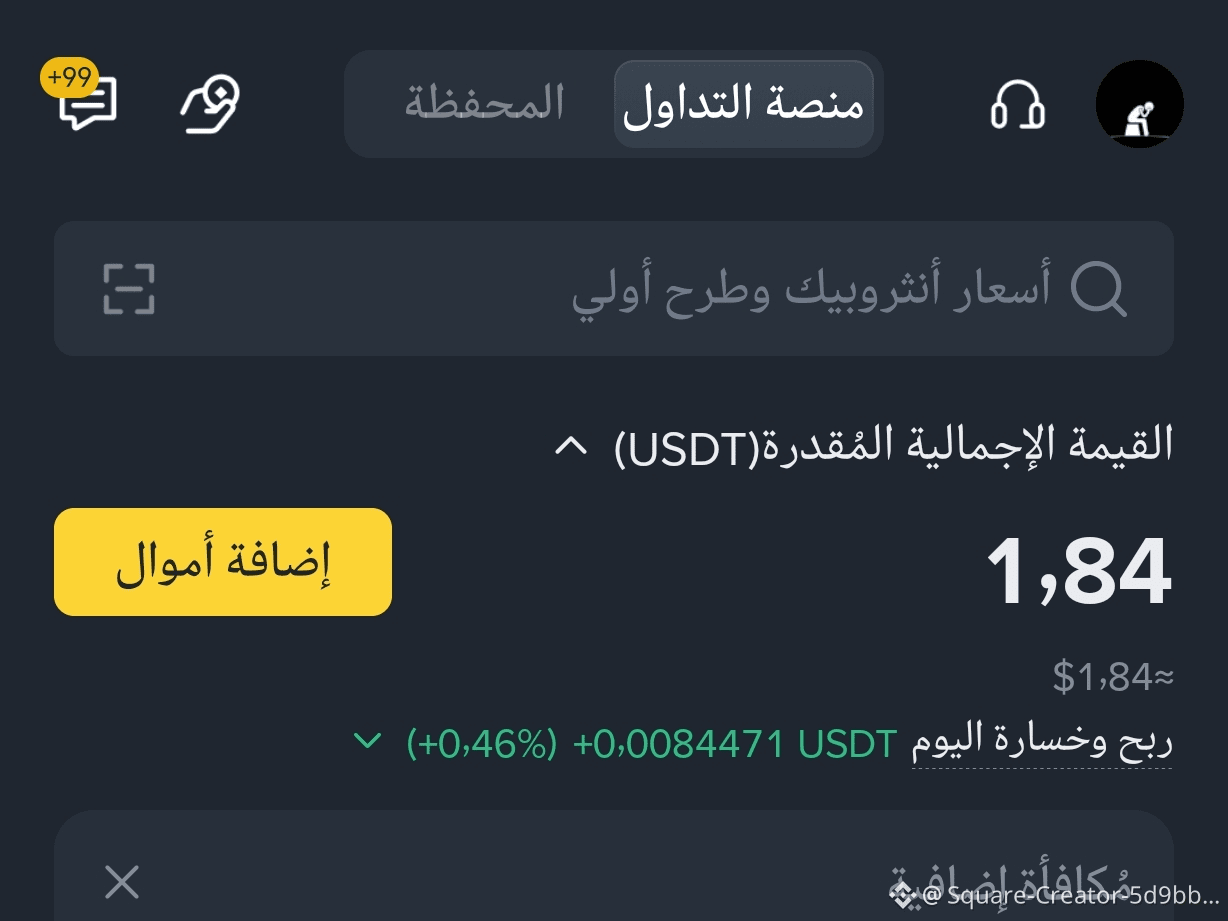
Thank God, we got into the first 1$USDT , by God's grace #السعودية #اكسبلور #WhatWillDriveCryptoandStocks’NextRebound? #FIT21 #Floki🔥🔥
Thank God, we got into the first 1$USDT , by God's grace #السعودية #اكسبلور #WhatWillDriveCryptoandStocks’NextRebound? #FIT21 #Floki🔥🔥
Sourced by user sharing on Binance
120
·
--
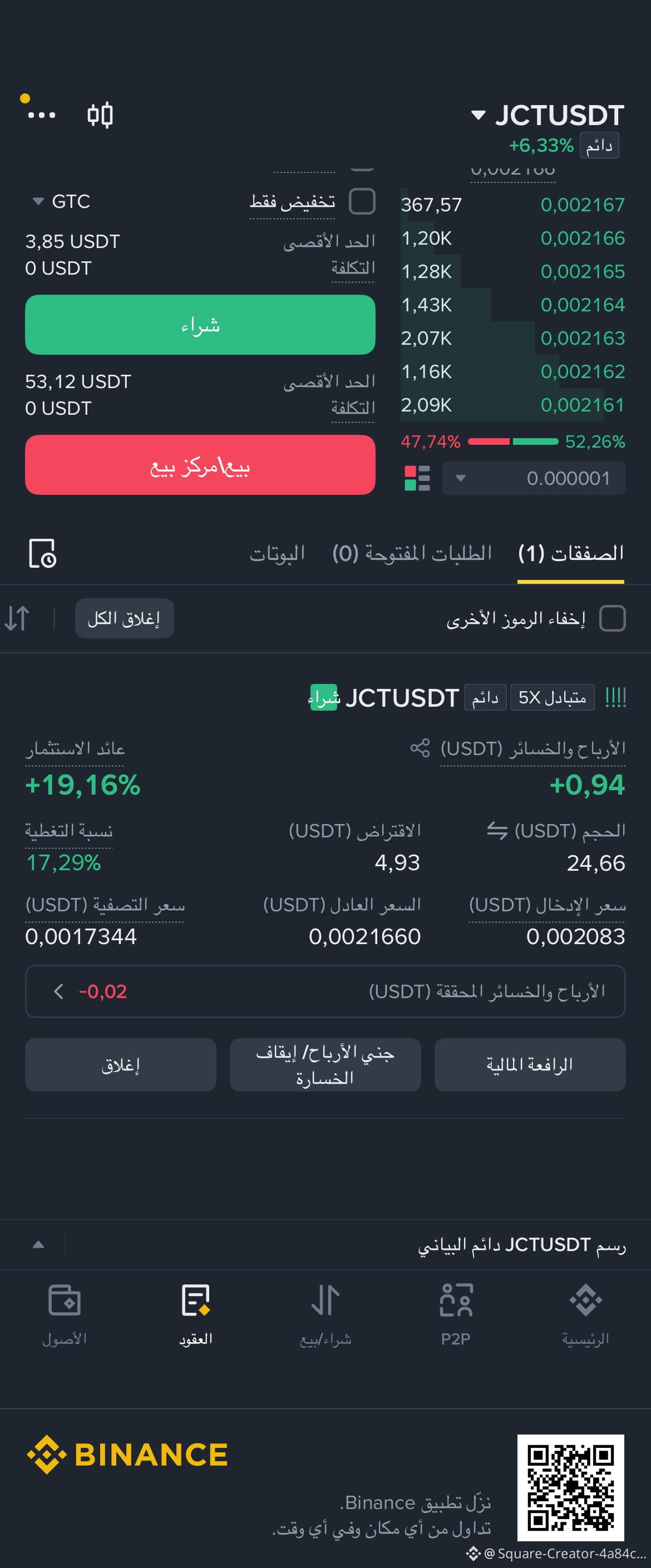
$JCT Guys, the coin is going to trend, God willing. I’m getting in with $4 at 5x leverage, and hopefully I won’t regret it. Anyone joining me, leave a comment. 🙂May God protect us🙂💔ها#WhoWillSucceedJensenHuangatNvidia? #WhatWillDriveCryptoandStocks’NextRebound? #FIT21
$JCT Guys, the coin is going to trend, God willing. I’m getting in with $4 at 5x leverage, and hopefully I won’t regret it. Anyone joining me, leave a comment. 🙂May God protect us🙂💔ها#WhoWillSucceedJensenHuangatNvidia? #WhatWillDriveCryptoandStocks’NextRebound? #FIT21
52

·
--
Bullish
🚨 The 2026 Market Shift: Are You Riding the Right Wave or Chasing Noise? 📊🔥
Let’s be honest: The crypto market is moving fast, and old strategies won't work in this phase. Smart money on Binance is making a silent pivot.
$AMZNB
Here is what is actually driving liquidity right now:
1️⃣ BTC Dominance & Macro Stability: Bitcoin is holding strong structure, and every major dip is being heavily defended by institutional inflows.
2️⃣ The AI & Layer-2 Super-Cycle: Capital is rotating aggressively into high-utility ecosystems (like AI compute and fast L1/L2 solutions) rather than pure hype.
3️⃣ Spot Accumulation > Emotional Leverage: Over-leveraged traders are getting wiped out. The winners right now are disciplined spot accumulators waiting for key technical supports. 🛡️
$MSFTB
🧠 The Big Question for Traders:
Are you actively accumulating your favorite bags on this consolidation, or are you sitting on the sidelines waiting for a breakout confirmation? Drop your thoughts below! 👇💬
Hit that Follow#HotCPIDecemberHikePriced #AnthropicRejectsIPODelayValuationinQuestion #FIT21 #Floki🔥🔥
@Binance_Square_Official @BiBi #BTC $AAPLB
🚨 The 2026 Market Shift: Are You Riding the Right Wave or Chasing Noise? 📊🔥
Let’s be honest: The crypto market is moving fast, and old strategies won't work in this phase. Smart money on Binance is making a silent pivot.
$AMZNB
Here is what is actually driving liquidity right now:
1️⃣ BTC Dominance & Macro Stability: Bitcoin is holding strong structure, and every major dip is being heavily defended by institutional inflows.
2️⃣ The AI & Layer-2 Super-Cycle: Capital is rotating aggressively into high-utility ecosystems (like AI compute and fast L1/L2 solutions) rather than pure hype.
3️⃣ Spot Accumulation > Emotional Leverage: Over-leveraged traders are getting wiped out. The winners right now are disciplined spot accumulators waiting for key technical supports. 🛡️
$MSFTB
🧠 The Big Question for Traders:
Are you actively accumulating your favorite bags on this consolidation, or are you sitting on the sidelines waiting for a breakout confirmation? Drop your thoughts below! 👇💬
Hit that Follow#HotCPIDecemberHikePriced #AnthropicRejectsIPODelayValuationinQuestion #FIT21 #Floki🔥🔥
@Binance Square Official @Binance BiBi #BTC $AAPLB
145

·
--

Article
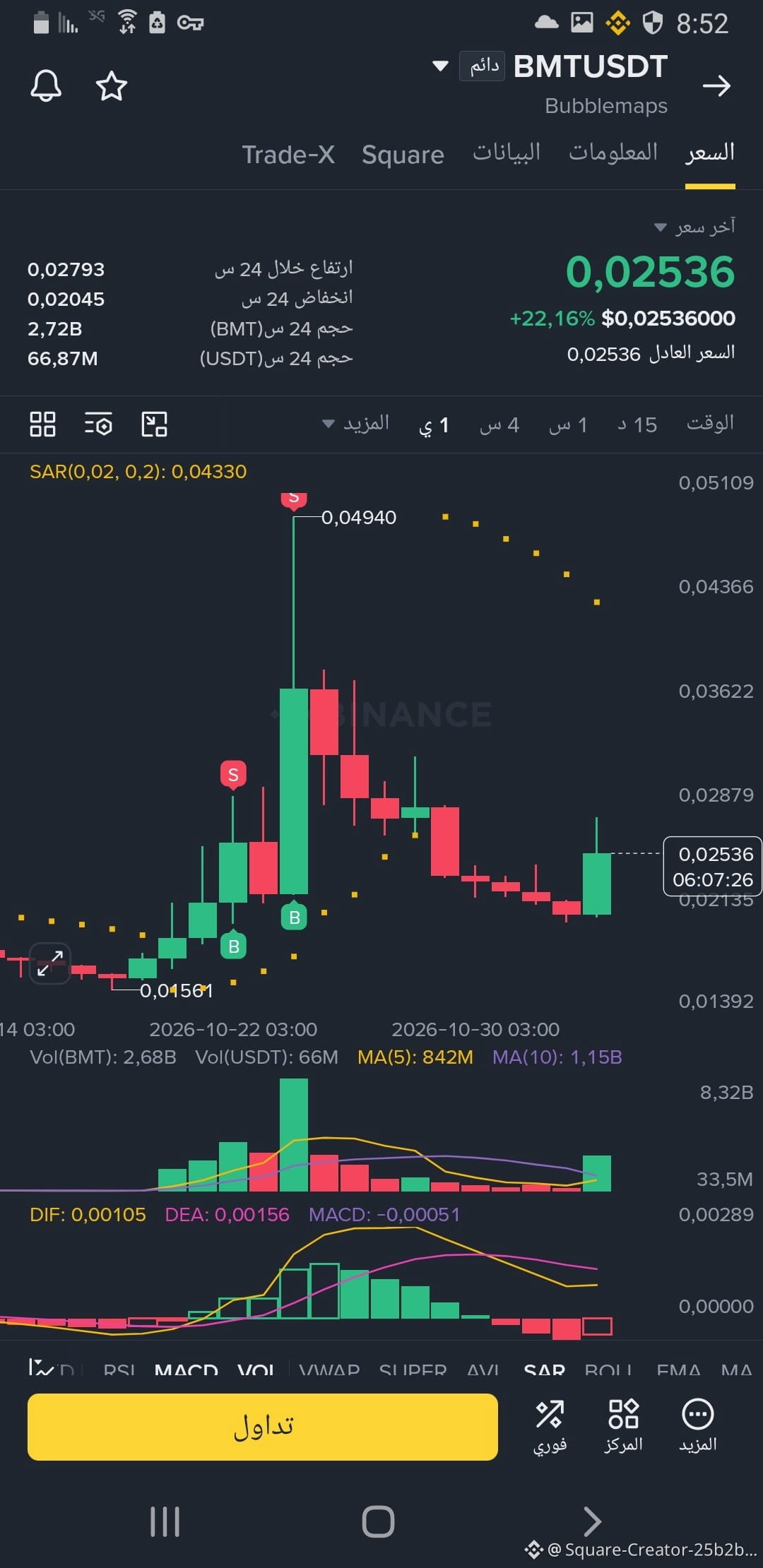
Day 24: Fair Value Gaps (FVG)1. What is a Fair Value Gap? (Fair Value Gap Concept)
🕳️ Concept: An empty area on the chart that occurs when price moves extremely quickly in one direction (an impulse), to the point that the first candle does not overlap with the third candle.
⚡ Significance: It reflects a sharp imbalance between supply and demand in favor of one side.
2. Types of Fair Value Gaps (Types of FVGs)
Day 24: Fair Value Gaps (FVG)
1. What is a Fair Value Gap? (Fair Value Gap Concept)
🕳️ Concept: An empty area on the chart that occurs when price moves extremely quickly in one direction (an impulse), to the point that the first candle does not overlap with the third candle.
⚡ Significance: It reflects a sharp imbalance between supply and demand in favor of one side.
2. Types of Fair Value Gaps (Types of FVGs)
49
2
4
129


·
--

Article
I recommend the best coins you can trade: BTC/BNB/SOL/DOGEBased on today's market and your trading style in meme and top coins, these are the best 6 for SPOT (not futures) right now:
1. TRUMP - Today's winner
+6.6% today, RSI 58—not overbought yet; %B 0.90, but above all moving averages. Light volume but strong momentum. Suitable for a quick spot scalp.
Target: a break above $1.72 = $1.82
2. BNB - Defensive + rebound opportunity
It fell to $698 due to the Binance hack; now it's at $706. Above the 200MA = safely clear; below $710 = resistance. If it breaks $710, it could return to $745 before the hack (+4% quick gain). A strong, top-4 coin, with $1B+ volume = high liquidity.
I recommend the best coins you can trade: BTC/BNB/SOL/DOGE
Based on today's market and your trading style in meme and top coins, these are the best 6 for SPOT (not futures) right now:
1. TRUMP - Today's winner
+6.6% today, RSI 58—not overbought yet; %B 0.90, but above all moving averages. Light volume but strong momentum. Suitable for a quick spot scalp.
Target: a break above $1.72 = $1.82
2. BNB - Defensive + rebound opportunity
It fell to $698 due to the Binance hack; now it's at $706. Above the 200MA = safely clear; below $710 = resistance. If it breaks $710, it could return to $745 before the hack (+4% quick gain). A strong, top-4 coin, with $1B+ volume = high liquidity.
2
251


·
--
Binance $6.3B Incident Update: What You Need to Know!
Approximately $6.3 Billion across hot wallets on multiple chains.
Over ~$2.7B to $3.0 Billion in affected crypto assets have already been frozen on-chain thanks to swift coordination with blockchain intelligence partners, law enforcement, and token issuers (Tether, Circle, Arbitrum, etc.).
Preliminary investigation suggests the attack originated from a compromised DevOps engineer's laptop, which allowed unauthorized access to a service container to submit withdrawal transactions.
Binance confirmed there is no evidence of any wallet private key leak.
100% User Fund Protection: Binance has committed to bearing all losses resulting from the incident. All affected user funds are being covered via the SAFU fund (Secure Asset Fund for Users) and company resources.
Operational Status:
Deposits remain unaffected and operating as normal.
Withdrawals are temporarily paused while security revamps are completed, with full service expected to resume within 48 hours.
An updated Proof of Reserves and full technical post-mortem will be published following complete remediation.
#USMidtermElections #RateCut #FIT21 #Floki🔥🔥
$ETH
$XAU
{spot}(TSMBUSDT)
{spot}(ETHUSDT)
{future}(XAUUSDT)
Binance $6.3B Incident Update: What You Need to Know!
Approximately $6.3 Billion across hot wallets on multiple chains.
Over ~$2.7B to $3.0 Billion in affected crypto assets have already been frozen on-chain thanks to swift coordination with blockchain intelligence partners, law enforcement, and token issuers (Tether, Circle, Arbitrum, etc.).
Preliminary investigation suggests the attack originated from a compromised DevOps engineer's laptop, which allowed unauthorized access to a service container to submit withdrawal transactions.
Binance confirmed there is no evidence of any wallet private key leak.
100% User Fund Protection: Binance has committed to bearing all losses resulting from the incident. All affected user funds are being covered via the SAFU fund (Secure Asset Fund for Users) and company resources.
Operational Status:
Deposits remain unaffected and operating as normal.
Withdrawals are temporarily paused while security revamps are completed, with full service expected to resume within 48 hours.
An updated Proof of Reserves and full technical post-mortem will be published following complete remediation.
#USMidtermElections #RateCut #FIT21 #Floki🔥🔥
$ETH
$XAU
257


Article
CRYPTO FEAR & GREED INDEX: WE ARE NEUTRAL! 🤷♂️🛑 dm📊 CRYPTO FEAR & GREED INDEX: WE ARE NEUTRAL! 🤷♂️🛑
After some turbulent weeks, the market has settled into the NEUTRAL zone at 50/100. The intense fear is fading, but the bulls aren't in full control yet.
Historically, "Neutral" is a waiting phase. It's when smart traders build their plans without the emotional rush of extreme hype or panic.
💬 What is your sentiment today?
1️⃣ Fearing the drop? (Accumulating cash) 📉
2️⃣ Feeling greedy? (Buying before the pump) 🚀
3️⃣ Staying neutral? (Just DCA and chill) ☕
Let us know where you think we go next! 👇
#BinanceSquare #CryptoMarket #FearAndGreed #TradingExpert #BTC #CryptoC ommunity
#FIT21
#FedWatch Fedwatch
CRYPTO FEAR & GREED INDEX: WE ARE NEUTRAL! 🤷♂️🛑 dm
📊 CRYPTO FEAR & GREED INDEX: WE ARE NEUTRAL! 🤷♂️🛑
After some turbulent weeks, the market has settled into the NEUTRAL zone at 50/100. The intense fear is fading, but the bulls aren't in full control yet.
Historically, "Neutral" is a waiting phase. It's when smart traders build their plans without the emotional rush of extreme hype or panic.
💬 What is your sentiment today?
1️⃣ Fearing the drop? (Accumulating cash) 📉
2️⃣ Feeling greedy? (Buying before the pump) 🚀
3️⃣ Staying neutral? (Just DCA and chill) ☕
Let us know where you think we go next! 👇
#BinanceSquare #CryptoMarket #FearAndGreed #TradingExpert #BTC #CryptoC ommunity
#FIT21
#FedWatch Fedwatch
75

Article
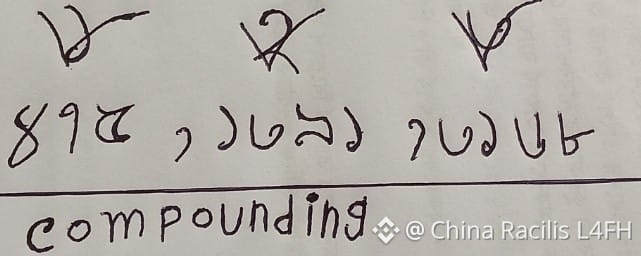
compounding 3 step success 🤘 trading 💹 , FF Rhedoy 🥷$NVDAB $AAPLB $MSFTB , #FOMCWatch #Xrp🔥🔥 #FIT21 #FFRhedoy trading , FF Rhedoy ,
compounding 3 step success 🤘 trading 💹 , FF Rhedoy 🥷
10

·
--
$FF.US thoughts and earnings are diff from one another
explain why 👇👇👇
#FOMCWatch #TradingTales #FIT21 $NVDAB $BEB
$FF.US thoughts and earnings are diff from one another
explain why 👇👇👇
#FOMCWatch #TradingTales #FIT21 $NVDAB $BEB
explain why 👇👇👇
#FOMCWatch #TradingTales #FIT21 $NVDAB $BEB
85

·
--
Article
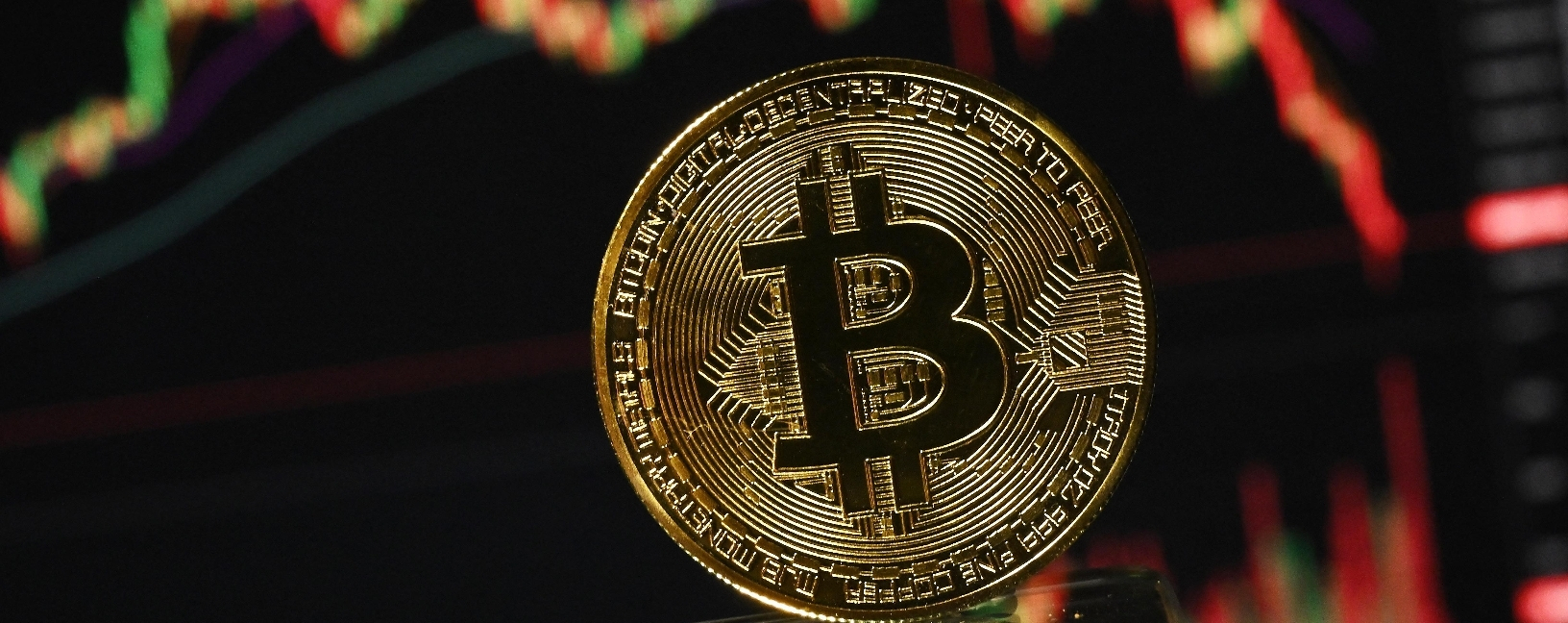
Bitcoin Falls Below $80,000$BTC
Bitcoin dropped to approximately $79,656 on October 26, amid concerns about ETF outflows and uncertainty surrounding US interest rates. Traders are watching whether the market can recover or face further downside.
#FOMCWatch #viralpost #FIT21
Bitcoin Falls Below $80,000
$BTC
Bitcoin dropped to approximately $79,656 on October 26, amid concerns about ETF outflows and uncertainty surrounding US interest rates. Traders are watching whether the market can recover or face further downside.
#FOMCWatch #viralpost #FIT21
Bitcoin dropped to approximately $79,656 on October 26, amid concerns about ETF outflows and uncertainty surrounding US interest rates. Traders are watching whether the market can recover or face further downside.
#FOMCWatch #viralpost #FIT21
79
Log in to explore more content
Join global crypto users on Binance Square
⚡️ Get latest and useful information about crypto.
💬 Trusted by the world’s largest crypto exchange.
👍 Discover real insights from verified creators.
Email / Phone number
Trending Topics
1
#BTCReboundsAbove$60KAmidWhaleDipBuying
64,583 views
313 Discussing
2
#SolanaSets2027RoadmapToDoubleComputeCapacity
48,734 views
907 Discussing
3
#CaliforniaNvidiaProbeExaminesPotentialCriminalViolations
13,102 views
121 Discussing
4
#BlackRockLaunchesHKDollarDigitalLiquidityFund
40,565 views
696 Discussing
5
#NvidiaLoses$2.7TrillionInMonthAndAHalf
74,161 views
302 Discussing
6
#GlobalStocksFaceLongestLosingStreakSince2023
552,133 views
3,438 Discussing
7
#BlackRockIBITPostsRecord$541MSingleDayOutflow
90,896 views
180 Discussing
8
#AnthropicPlungesTowardIPOPriceonDay2
304,885 views
2,305 Discussing
9
#TwentyOneCapitalAdds172.25BTC
159,923 views
1,621 Discussing
10
#HKBillWouldExcludeTokenizedDepositsFromVirtualAssets
17,640 views
102 Discussing