
#philippines
philippines
44,319 views
235 Discussing
Hot
Latest
·
--
TONY TAN CAKTIONG: FROM A SMALL ICE CREAM SHOP TO A GLOBAL FOOD BUSINESS
Can a small family business become an international restaurant empire?
Tony Tan Caktiong is a Filipino entrepreneur who founded the Jollibee Group.
In 1975, together with his wife Grace, family members and relatives, he started a small ice cream business in Manila, Philippines.
But Tony noticed something important: customers also wanted hot meals.
In 1978, the family transformed its ice cream business into the Jollibee brand.
Through hard work, customer understanding and business vision, Jollibee grew into one of the Philippines' best-known restaurant brands $WOD
The business later expanded internationally, building a portfolio of restaurant brands across different markets.
Tony's journey shows how understanding customers can turn a small business into a much bigger opportunity $WILD
THE BUSINESS LESSON:
Listen to your customers. Sometimes the best business opportunity comes from understanding what people really need.
What is more important for business success: a great product or understanding customers $WEBS.ETF
#Philippines #Trading #ForYou #CryptoTrading #BinanceSquare
TONY TAN CAKTIONG: FROM A SMALL ICE CREAM SHOP TO A GLOBAL FOOD BUSINESS
Can a small family business become an international restaurant empire?
Tony Tan Caktiong is a Filipino entrepreneur who founded the Jollibee Group.
In 1975, together with his wife Grace, family members and relatives, he started a small ice cream business in Manila, Philippines.
But Tony noticed something important: customers also wanted hot meals.
In 1978, the family transformed its ice cream business into the Jollibee brand.
Through hard work, customer understanding and business vision, Jollibee grew into one of the Philippines' best-known restaurant brands $WOD
The business later expanded internationally, building a portfolio of restaurant brands across different markets.
Tony's journey shows how understanding customers can turn a small business into a much bigger opportunity $WILD
THE BUSINESS LESSON:
Listen to your customers. Sometimes the best business opportunity comes from understanding what people really need.
What is more important for business success: a great product or understanding customers $WEBS.ETF
#Philippines #Trading #ForYou #CryptoTrading #BinanceSquare
Can a small family business become an international restaurant empire?
Tony Tan Caktiong is a Filipino entrepreneur who founded the Jollibee Group.
In 1975, together with his wife Grace, family members and relatives, he started a small ice cream business in Manila, Philippines.
But Tony noticed something important: customers also wanted hot meals.
In 1978, the family transformed its ice cream business into the Jollibee brand.
Through hard work, customer understanding and business vision, Jollibee grew into one of the Philippines' best-known restaurant brands $WOD
The business later expanded internationally, building a portfolio of restaurant brands across different markets.
Tony's journey shows how understanding customers can turn a small business into a much bigger opportunity $WILD
THE BUSINESS LESSON:
Listen to your customers. Sometimes the best business opportunity comes from understanding what people really need.
What is more important for business success: a great product or understanding customers $WEBS.ETF
#Philippines #Trading #ForYou #CryptoTrading #BinanceSquare

58

·
--
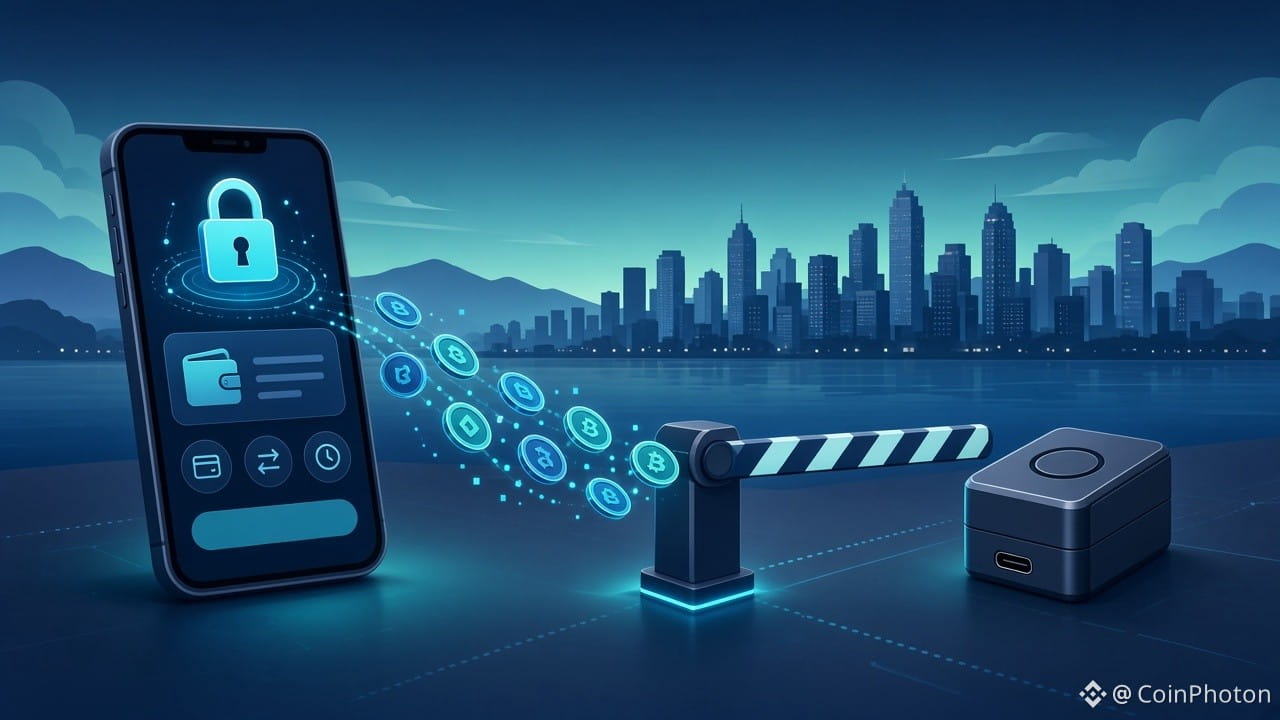
Coins.ph has stopped supporting self-custody wallets. Since Nov 19, Philippine users can only send crypto to or receive it from other regulated platforms, and every external transfer needs Travel Rule details whatever the amount, to meet Bangko Sentral ng Pilipinas rules. A big test for self-custody in Southeast Asia. #Crypto #Philippines #TravelRule
Coins.ph has stopped supporting self-custody wallets. Since Nov 19, Philippine users can only send crypto to or receive it from other regulated platforms, and every external transfer needs Travel Rule details whatever the amount, to meet Bangko Sentral ng Pilipinas rules. A big test for self-custody in Southeast Asia. #Crypto #Philippines #TravelRule
3


·
--
🇵🇭 Coins.ph cuts off self-custody wallet transfers
Philippine exchange Coins.ph now only lets users send and receive crypto with accounts at other regulated exchanges, saying self-custody wallets are no longer supported as of Nov. 19.
Every external deposit or withdrawal, of any size, now requires names, wallet addresses, the counterparty platform and the purpose of the transfer, and funds move only after the details are verified. The exchange cites the Travel Rule set by the Bangko Sentral ng Pilipinas (BSP).
⭐ One of Asia's strictest takes on the Travel Rule, it cuts users off from moving coins to personal wallets or DeFi and could set a precedent for other regional platforms.
#Philippines #TravelRule #SelfCustody #CryptoRegulation
🇵🇭 Coins.ph cuts off self-custody wallet transfers
Philippine exchange Coins.ph now only lets users send and receive crypto with accounts at other regulated exchanges, saying self-custody wallets are no longer supported as of Nov. 19.
Every external deposit or withdrawal, of any size, now requires names, wallet addresses, the counterparty platform and the purpose of the transfer, and funds move only after the details are verified. The exchange cites the Travel Rule set by the Bangko Sentral ng Pilipinas (BSP).
⭐ One of Asia's strictest takes on the Travel Rule, it cuts users off from moving coins to personal wallets or DeFi and could set a precedent for other regional platforms.
#Philippines #TravelRule #SelfCustody #CryptoRegulation
Philippine exchange Coins.ph now only lets users send and receive crypto with accounts at other regulated exchanges, saying self-custody wallets are no longer supported as of Nov. 19.
Every external deposit or withdrawal, of any size, now requires names, wallet addresses, the counterparty platform and the purpose of the transfer, and funds move only after the details are verified. The exchange cites the Travel Rule set by the Bangko Sentral ng Pilipinas (BSP).
⭐ One of Asia's strictest takes on the Travel Rule, it cuts users off from moving coins to personal wallets or DeFi and could set a precedent for other regional platforms.
#Philippines #TravelRule #SelfCustody #CryptoRegulation
74

Don’t just shout “regulatory crackdown on self-custody” over the Philippines situation. Look at who’s actually shutting the door.
The facts: The original text on the Coins.ph Help Center says that starting November 19, all on-chain deposits and withdrawals require the other party’s name, address, wallet type, sending/receiving exchange, and purpose of transfer, with no minimum amount; and that “transfers are only allowed between accounts at other regulated exchanges; self-custody wallets are no longer supported.” The stated reason is the BSP’s Travel Rule (Circular 1108 and M-2023-042 from 2023).
But the Travel Rule itself doesn’t require banning self-custody. FATF guidance says platforms should collect information and apply a risk-based approach. Limits, enhanced due diligence, and on-chain analysis are all options; a blanket ban is just one possible choice. Even the EU’s strict TFR requires verification of ownership of self-hosted wallet addresses, not a ban. I also haven’t found any public BSP notice saying “self-custody is prohibited.” I can’t verify the original source behind screenshots online claiming “the BSP directed this.” So a more accurate way to put it is: Coins.ph cites the Travel Rule as its reason, but it’s the one that has shut the door as tightly as possible.
Why shut it so tightly? Look at the background. In October, CoinDesk reported that the BSP had taken action against Coins.ph over services provided to customers of illicit offshore businesses. The BSP had already restricted deposits to its parent wallet company, DCPay, and a number of people from its compliance and anti-money laundering teams left this year. For a platform under the central bank’s scrutiny and potentially at risk of losing its license, the most rational move is to block any money flows it can’t fully verify. Self-custody is the first to go. That’s self-preservation, not a regulatory requirement.
The real problem is the cumulative effect. The Philippine SEC began blocking Binance in 2024, then in 2025 named a number of offshore exchanges—including OKX, Bybit, KuCoin, Bitget, and Kraken—and told operators to block them. “Transfers are only allowed with regulated exchanges” translates to: you can only move funds around among a handful of locally licensed platforms. That CoinDesk article says Coins.ph alone accounts for 75–80% of the liquidity between the Philippine peso and stablecoins (based on an anonymous source; take that for what it’s worth).
A country that receives over $40 billion in remittances from overseas workers each year has had few ways to send USDT home on-chain while avoiding high fees. Now that the only off-ramp is through licensed platforms, I don’t need to spell out who gets to set the fees and exchange-rate spreads.
My take: In the short term, users in the Philippines will flock to P2P and smaller platforms, which could actually increase the risks. What we need to watch is whether other local licensed exchanges (such as PDAX) follow suit. If it’s just Coins.ph tightening its rules, that’s one company’s compliance crisis; if the whole industry follows, that’s a policy signal.
Sources: Coins.ph Travel Rule page on support.coins.ph (updated 11/21), FATF VA/VASP guidance, CoinDesk report from 10/13, Philippine SEC notices.
#Philippines #SelfCustody
Don’t just shout “regulatory crackdown on self-custody” over the Philippines situation. Look at who’s actually shutting the door.
The facts: The original text on the Coins.ph Help Center says that starting November 19, all on-chain deposits and withdrawals require the other party’s name, address, wallet type, sending/receiving exchange, and purpose of transfer, with no minimum amount; and that “transfers are only allowed between accounts at other regulated exchanges; self-custody wallets are no longer supported.” The stated reason is the BSP’s Travel Rule (Circular 1108 and M-2023-042 from 2023).
But the Travel Rule itself doesn’t require banning self-custody. FATF guidance says platforms should collect information and apply a risk-based approach. Limits, enhanced due diligence, and on-chain analysis are all options; a blanket ban is just one possible choice. Even the EU’s strict TFR requires verification of ownership of self-hosted wallet addresses, not a ban. I also haven’t found any public BSP notice saying “self-custody is prohibited.” I can’t verify the original source behind screenshots online claiming “the BSP directed this.” So a more accurate way to put it is: Coins.ph cites the Travel Rule as its reason, but it’s the one that has shut the door as tightly as possible.
Why shut it so tightly? Look at the background. In October, CoinDesk reported that the BSP had taken action against Coins.ph over services provided to customers of illicit offshore businesses. The BSP had already restricted deposits to its parent wallet company, DCPay, and a number of people from its compliance and anti-money laundering teams left this year. For a platform under the central bank’s scrutiny and potentially at risk of losing its license, the most rational move is to block any money flows it can’t fully verify. Self-custody is the first to go. That’s self-preservation, not a regulatory requirement.
The real problem is the cumulative effect. The Philippine SEC began blocking Binance in 2024, then in 2025 named a number of offshore exchanges—including OKX, Bybit, KuCoin, Bitget, and Kraken—and told operators to block them. “Transfers are only allowed with regulated exchanges” translates to: you can only move funds around among a handful of locally licensed platforms. That CoinDesk article says Coins.ph alone accounts for 75–80% of the liquidity between the Philippine peso and stablecoins (based on an anonymous source; take that for what it’s worth).
A country that receives over $40 billion in remittances from overseas workers each year has had few ways to send USDT home on-chain while avoiding high fees. Now that the only off-ramp is through licensed platforms, I don’t need to spell out who gets to set the fees and exchange-rate spreads.
My take: In the short term, users in the Philippines will flock to P2P and smaller platforms, which could actually increase the risks. What we need to watch is whether other local licensed exchanges (such as PDAX) follow suit. If it’s just Coins.ph tightening its rules, that’s one company’s compliance crisis; if the whole industry follows, that’s a policy signal.
Sources: Coins.ph Travel Rule page on support.coins.ph (updated 11/21), FATF VA/VASP guidance, CoinDesk report from 10/13, Philippine SEC notices.
#Philippines #SelfCustody
The facts: The original text on the Coins.ph Help Center says that starting November 19, all on-chain deposits and withdrawals require the other party’s name, address, wallet type, sending/receiving exchange, and purpose of transfer, with no minimum amount; and that “transfers are only allowed between accounts at other regulated exchanges; self-custody wallets are no longer supported.” The stated reason is the BSP’s Travel Rule (Circular 1108 and M-2023-042 from 2023).
But the Travel Rule itself doesn’t require banning self-custody. FATF guidance says platforms should collect information and apply a risk-based approach. Limits, enhanced due diligence, and on-chain analysis are all options; a blanket ban is just one possible choice. Even the EU’s strict TFR requires verification of ownership of self-hosted wallet addresses, not a ban. I also haven’t found any public BSP notice saying “self-custody is prohibited.” I can’t verify the original source behind screenshots online claiming “the BSP directed this.” So a more accurate way to put it is: Coins.ph cites the Travel Rule as its reason, but it’s the one that has shut the door as tightly as possible.
Why shut it so tightly? Look at the background. In October, CoinDesk reported that the BSP had taken action against Coins.ph over services provided to customers of illicit offshore businesses. The BSP had already restricted deposits to its parent wallet company, DCPay, and a number of people from its compliance and anti-money laundering teams left this year. For a platform under the central bank’s scrutiny and potentially at risk of losing its license, the most rational move is to block any money flows it can’t fully verify. Self-custody is the first to go. That’s self-preservation, not a regulatory requirement.
The real problem is the cumulative effect. The Philippine SEC began blocking Binance in 2024, then in 2025 named a number of offshore exchanges—including OKX, Bybit, KuCoin, Bitget, and Kraken—and told operators to block them. “Transfers are only allowed with regulated exchanges” translates to: you can only move funds around among a handful of locally licensed platforms. That CoinDesk article says Coins.ph alone accounts for 75–80% of the liquidity between the Philippine peso and stablecoins (based on an anonymous source; take that for what it’s worth).
A country that receives over $40 billion in remittances from overseas workers each year has had few ways to send USDT home on-chain while avoiding high fees. Now that the only off-ramp is through licensed platforms, I don’t need to spell out who gets to set the fees and exchange-rate spreads.
My take: In the short term, users in the Philippines will flock to P2P and smaller platforms, which could actually increase the risks. What we need to watch is whether other local licensed exchanges (such as PDAX) follow suit. If it’s just Coins.ph tightening its rules, that’s one company’s compliance crisis; if the whole industry follows, that’s a policy signal.
Sources: Coins.ph Travel Rule page on support.coins.ph (updated 11/21), FATF VA/VASP guidance, CoinDesk report from 10/13, Philippine SEC notices.
#Philippines #SelfCustody
4
·
--
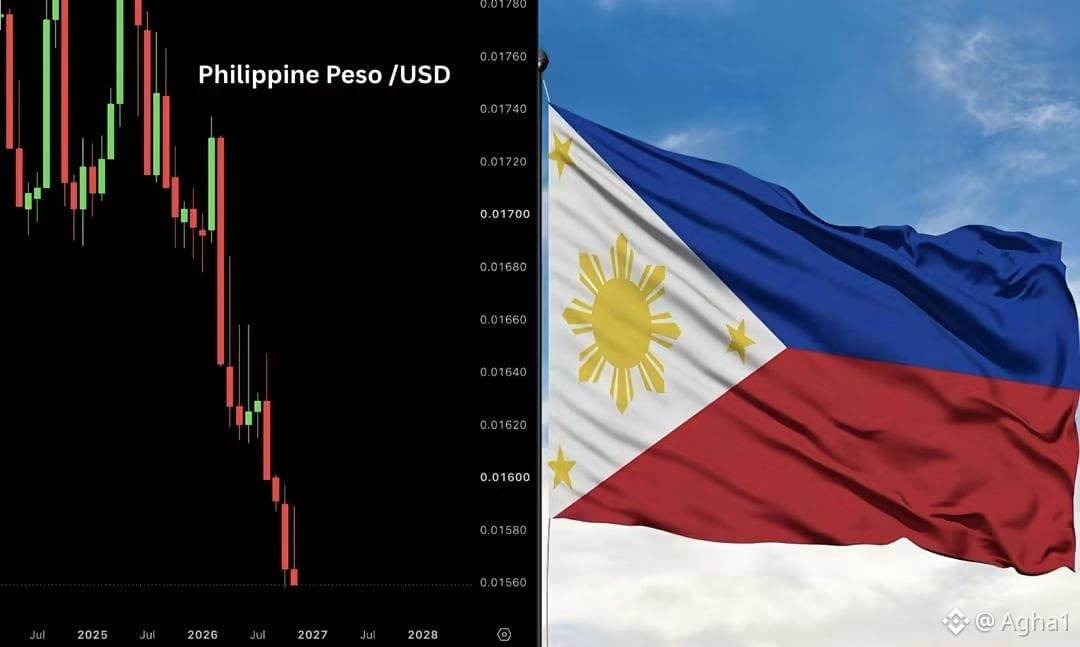
JUST IN: The Philippine peso is on track to hit another all-time low against USD this month.
How much further could it weaken, and what does this mean for the Philippine economy?
#PESO #Philippines
JUST IN: The Philippine peso is on track to hit another all-time low against USD this month.
How much further could it weaken, and what does this mean for the Philippine economy?
#PESO #Philippines
How much further could it weaken, and what does this mean for the Philippine economy?
#PESO #Philippines
4

·
--
Bullish
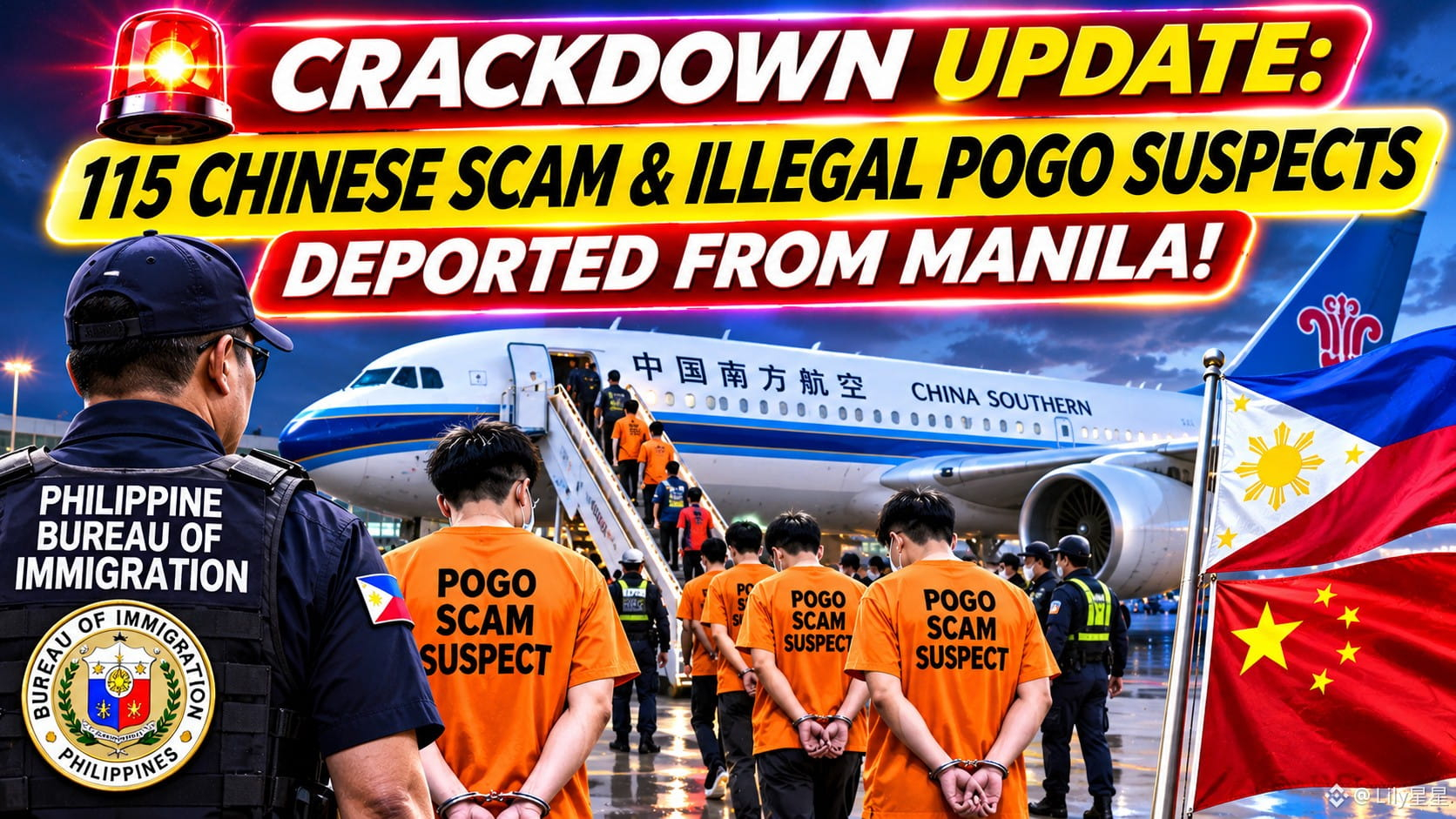
🚨 CRACKDOWN UPDATE: 115 CHINESE SCAM & ILLEGAL POGO SUSPECTS DEPORTED FROM MANILA! 🇵🇭✈️🇨🇳
The Philippine Bureau of Immigration (BI) officially deported the first wave of 115 Chinese nationals arrested during major October raids targeting illegal POGO and scam operations in Zamboanga Sibugay and Cubao, Quezon City.
📌 Key News Breakdown
✈️ Chartered Repatriation: The suspects were flown back to China on November 6 aboard chartered China Southern flight CZ5308 out of NAIA Terminal 3.
📜 Immigration Route Over Local Trial: The deportees were removed via Summary Deportation Orders (visa violations & undesirability) and permanently blacklisted, rather than prosecuted in Philippine courts.
🔍 Massive Evidence: The joint operations seized thousands of mobile devices, SIM cards, laptops, and monitors used to run cyber-fraud networks.
🤝 Joint Enforcement: The Chinese Embassy commended the operation, noting that over 2,600 suspects have been repatriated through joint law enforcement since 2023.
$BNB
{future}(BNBUSDT)
💡 Industry Perspective: Fast-track deportation removes operational hubs quickly, but without global cyber-law enforcement and masterminds facing prosecution, $BTC
{future}(BTCUSDT)
does deportation dissolve these networks—or simply force them to relocate? 📊$ZEC
{future}(ZECUSDT)
🛡️
#Philippines #CyberSecurity #crypto #TradFiForBeginners #breakingnews
🚨 CRACKDOWN UPDATE: 115 CHINESE SCAM & ILLEGAL POGO SUSPECTS DEPORTED FROM MANILA! 🇵🇭✈️🇨🇳
The Philippine Bureau of Immigration (BI) officially deported the first wave of 115 Chinese nationals arrested during major October raids targeting illegal POGO and scam operations in Zamboanga Sibugay and Cubao, Quezon City.
📌 Key News Breakdown
✈️ Chartered Repatriation: The suspects were flown back to China on November 6 aboard chartered China Southern flight CZ5308 out of NAIA Terminal 3.
📜 Immigration Route Over Local Trial: The deportees were removed via Summary Deportation Orders (visa violations & undesirability) and permanently blacklisted, rather than prosecuted in Philippine courts.
🔍 Massive Evidence: The joint operations seized thousands of mobile devices, SIM cards, laptops, and monitors used to run cyber-fraud networks.
🤝 Joint Enforcement: The Chinese Embassy commended the operation, noting that over 2,600 suspects have been repatriated through joint law enforcement since 2023.
$BNB
💡 Industry Perspective: Fast-track deportation removes operational hubs quickly, but without global cyber-law enforcement and masterminds facing prosecution, $BTC
does deportation dissolve these networks—or simply force them to relocate? 📊$ZEC
🛡️
#Philippines #CyberSecurity #crypto #TradFiForBeginners #breakingnews
The Philippine Bureau of Immigration (BI) officially deported the first wave of 115 Chinese nationals arrested during major October raids targeting illegal POGO and scam operations in Zamboanga Sibugay and Cubao, Quezon City.
📌 Key News Breakdown
✈️ Chartered Repatriation: The suspects were flown back to China on November 6 aboard chartered China Southern flight CZ5308 out of NAIA Terminal 3.
📜 Immigration Route Over Local Trial: The deportees were removed via Summary Deportation Orders (visa violations & undesirability) and permanently blacklisted, rather than prosecuted in Philippine courts.
🔍 Massive Evidence: The joint operations seized thousands of mobile devices, SIM cards, laptops, and monitors used to run cyber-fraud networks.
🤝 Joint Enforcement: The Chinese Embassy commended the operation, noting that over 2,600 suspects have been repatriated through joint law enforcement since 2023.
$BNB
💡 Industry Perspective: Fast-track deportation removes operational hubs quickly, but without global cyber-law enforcement and masterminds facing prosecution, $BTC
does deportation dissolve these networks—or simply force them to relocate? 📊$ZEC
🛡️
#Philippines #CyberSecurity #crypto #TradFiForBeginners #breakingnews
2
624

🇵🇭 Batang Pinoy in Bacolod🔥🚀
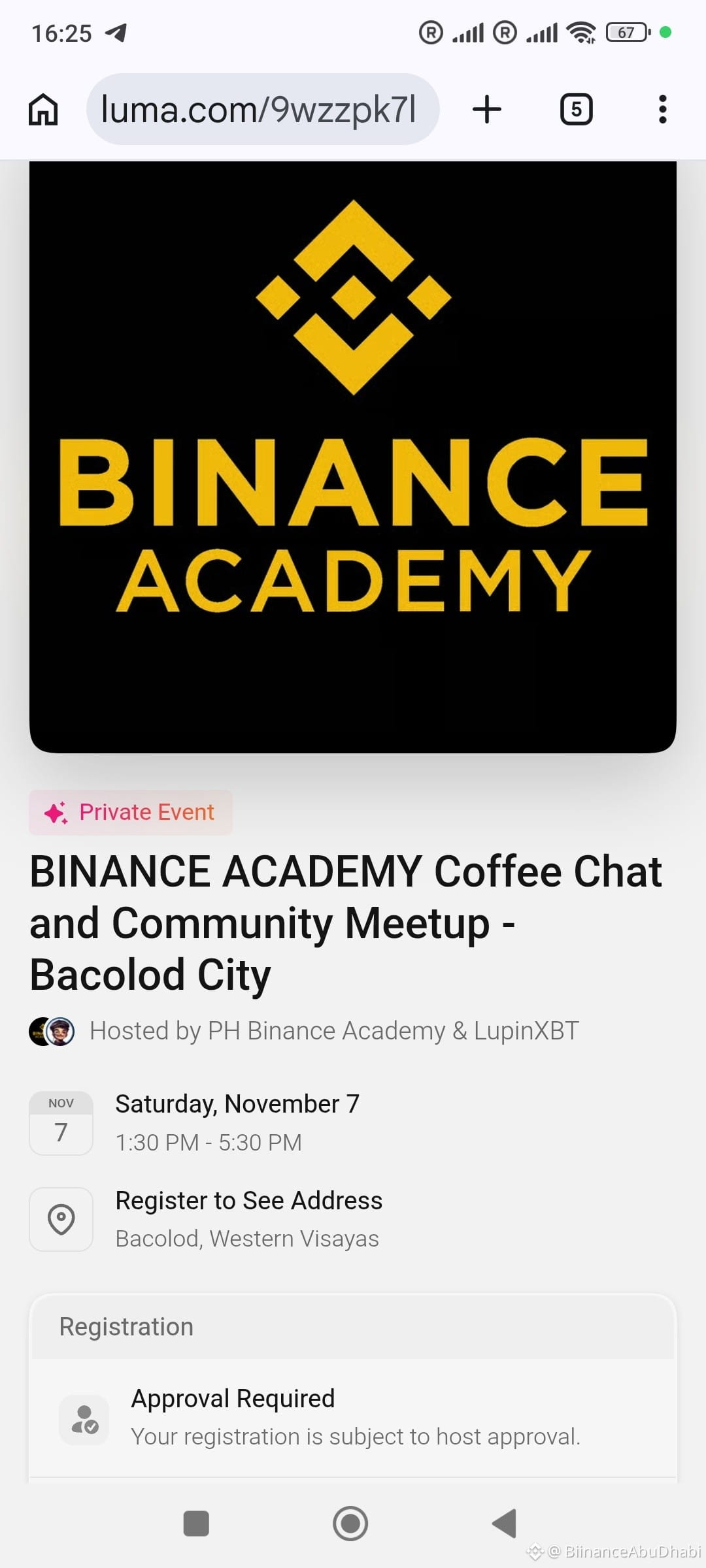
🟡 BINANCE ACADEMY Coffee Chat and Community Meetup..
🗓️ Nov 07, 2026
⏰ 13:30 - 17:30 PM
👋 Come hang out with us in Bacolod City! Grab your favorite brew, pull up a chair, and let's talk and learn in a relaxed, friendly setting.
❤️ Expect good conversation, fresh ideas, and a chance to share stories, ask the questions you've been saving up, and meet some new faces from around Negros Island. It's a weekend afternoon chill with caffeine and curiosity, and bring a friend or two along.
🔥Hosted by Binance Academy..
🇵🇭 Bacolod, Western Visayas
📝 Register to see exact location
🔗 https://luma.com/9wzzpk7l
#BinanceSquare #Philippines #BinanceAcademy #Bacolod $BTC $ETH $ZEC
🇵🇭 Batang Pinoy in Bacolod🔥🚀
🟡 BINANCE ACADEMY Coffee Chat and Community Meetup..
🗓️ Nov 07, 2026
⏰ 13:30 - 17:30 PM
👋 Come hang out with us in Bacolod City! Grab your favorite brew, pull up a chair, and let's talk and learn in a relaxed, friendly setting.
❤️ Expect good conversation, fresh ideas, and a chance to share stories, ask the questions you've been saving up, and meet some new faces from around Negros Island. It's a weekend afternoon chill with caffeine and curiosity, and bring a friend or two along.
🔥Hosted by Binance Academy..
🇵🇭 Bacolod, Western Visayas
📝 Register to see exact location
🔗 https://luma.com/9wzzpk7l
#BinanceSquare #Philippines #BinanceAcademy #Bacolod $BTC $ETH $ZEC
🟡 BINANCE ACADEMY Coffee Chat and Community Meetup..
🗓️ Nov 07, 2026
⏰ 13:30 - 17:30 PM
👋 Come hang out with us in Bacolod City! Grab your favorite brew, pull up a chair, and let's talk and learn in a relaxed, friendly setting.
❤️ Expect good conversation, fresh ideas, and a chance to share stories, ask the questions you've been saving up, and meet some new faces from around Negros Island. It's a weekend afternoon chill with caffeine and curiosity, and bring a friend or two along.
🔥Hosted by Binance Academy..
🇵🇭 Bacolod, Western Visayas
📝 Register to see exact location
🔗 https://luma.com/9wzzpk7l
#BinanceSquare #Philippines #BinanceAcademy #Bacolod $BTC $ETH $ZEC
297
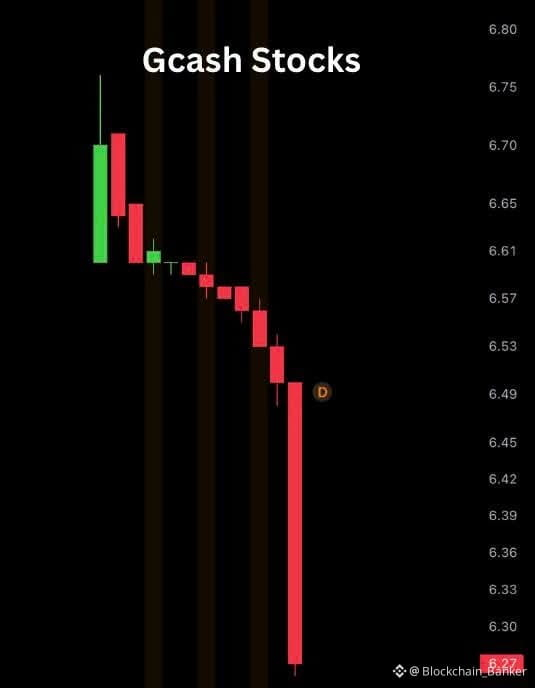
LOOK: 🚨GCash Stock Falls Below Its IPO Price
The Philippines’ fintech giant just made history with the country’s largest-ever IPO.
Mynt, the parent company of GCash, listed at ₱6.60 per share on October 20, 2026.
After briefly climbing to ₱6.76, the stock dropped -7% and is now below its IPO price.
#GCASH #Philippines #Blockchain_banker
LOOK: 🚨GCash Stock Falls Below Its IPO Price
The Philippines’ fintech giant just made history with the country’s largest-ever IPO.
Mynt, the parent company of GCash, listed at ₱6.60 per share on October 20, 2026.
After briefly climbing to ₱6.76, the stock dropped -7% and is now below its IPO price.
#GCASH #Philippines #Blockchain_banker
The Philippines’ fintech giant just made history with the country’s largest-ever IPO.
Mynt, the parent company of GCash, listed at ₱6.60 per share on October 20, 2026.
After briefly climbing to ₱6.76, the stock dropped -7% and is now below its IPO price.
#GCASH #Philippines #Blockchain_banker
40

Manila is done asking nicely.
The Philippine SEC just named seven crypto platforms — dYdX, Aevo, gTrade, Pacifica, Orderly, Deriv and Ostium — warning Filipinos against investing in them. None are registered under the country's CASP framework, and the regulator says they appear to be soliciting investments promising returns, profits or interest.
Here's the sharp part: the warning targets the megaphone, not just the venue. Anyone promoting these platforms in the Philippines — salesmen, agents, even influencers — faces criminal liability under Sections 28 and 73 of the Securities Regulation Code: fines up to ₱5 million (~$89,000), up to 21 years in prison, or both.
This is an arc, not a one-off: Binance was blocked in 2024, Coinbase and Gemini followed in December 2025. The Philippines isn't banning crypto — it's fencing off the unlicensed lanes.
Tape for context: $BTC $82,922 (+1.0%/24h), $ETH $2,447 (+1.5%/24h). For perp traders, where you trade is becoming a legal question, not just a UX one.
Which country's regulators go after the promoters next? NFA. DYOR.
#Philippines #CryptoRegulation #DeFi #dYdX
Manila is done asking nicely.
The Philippine SEC just named seven crypto platforms — dYdX, Aevo, gTrade, Pacifica, Orderly, Deriv and Ostium — warning Filipinos against investing in them. None are registered under the country's CASP framework, and the regulator says they appear to be soliciting investments promising returns, profits or interest.
Here's the sharp part: the warning targets the megaphone, not just the venue. Anyone promoting these platforms in the Philippines — salesmen, agents, even influencers — faces criminal liability under Sections 28 and 73 of the Securities Regulation Code: fines up to ₱5 million (~$89,000), up to 21 years in prison, or both.
This is an arc, not a one-off: Binance was blocked in 2024, Coinbase and Gemini followed in December 2025. The Philippines isn't banning crypto — it's fencing off the unlicensed lanes.
Tape for context: $BTC $82,922 (+1.0%/24h), $ETH $2,447 (+1.5%/24h). For perp traders, where you trade is becoming a legal question, not just a UX one.
Which country's regulators go after the promoters next? NFA. DYOR.
#Philippines #CryptoRegulation #DeFi #dYdX
The Philippine SEC just named seven crypto platforms — dYdX, Aevo, gTrade, Pacifica, Orderly, Deriv and Ostium — warning Filipinos against investing in them. None are registered under the country's CASP framework, and the regulator says they appear to be soliciting investments promising returns, profits or interest.
Here's the sharp part: the warning targets the megaphone, not just the venue. Anyone promoting these platforms in the Philippines — salesmen, agents, even influencers — faces criminal liability under Sections 28 and 73 of the Securities Regulation Code: fines up to ₱5 million (~$89,000), up to 21 years in prison, or both.
This is an arc, not a one-off: Binance was blocked in 2024, Coinbase and Gemini followed in December 2025. The Philippines isn't banning crypto — it's fencing off the unlicensed lanes.
Tape for context: $BTC $82,922 (+1.0%/24h), $ETH $2,447 (+1.5%/24h). For perp traders, where you trade is becoming a legal question, not just a UX one.
Which country's regulators go after the promoters next? NFA. DYOR.
#Philippines #CryptoRegulation #DeFi #dYdX
202

·
--
Is Dash eyeing the Philippines? Let's focus on compliance first 🇵🇭
Dash is evaluating the Philippines as a new battlefield for crypto payments—simple reason: users here are fed up with high transaction fees and are open to new tech. But hold your horses before you hit that buy button; Dash itself mentioned they're still in the "wait and see" phase, with compliance being the priority. Registering a company in the Philippines only takes 20 minutes, but crypto compliance could take several years (just look at how long it took BlockShoals × Binance—two years to get it done). Privacy tokens have seen a nice uptick lately, but this news is essentially market assessment chatter, not a product launch announcement.🔍 #DASH #Philippines #CryptoPayments
$DASH
Is Dash eyeing the Philippines? Let's focus on compliance first 🇵🇭
Dash is evaluating the Philippines as a new battlefield for crypto payments—simple reason: users here are fed up with high transaction fees and are open to new tech. But hold your horses before you hit that buy button; Dash itself mentioned they're still in the "wait and see" phase, with compliance being the priority. Registering a company in the Philippines only takes 20 minutes, but crypto compliance could take several years (just look at how long it took BlockShoals × Binance—two years to get it done). Privacy tokens have seen a nice uptick lately, but this news is essentially market assessment chatter, not a product launch announcement.🔍 #DASH #Philippines #CryptoPayments
$DASH
Dash is evaluating the Philippines as a new battlefield for crypto payments—simple reason: users here are fed up with high transaction fees and are open to new tech. But hold your horses before you hit that buy button; Dash itself mentioned they're still in the "wait and see" phase, with compliance being the priority. Registering a company in the Philippines only takes 20 minutes, but crypto compliance could take several years (just look at how long it took BlockShoals × Binance—two years to get it done). Privacy tokens have seen a nice uptick lately, but this news is essentially market assessment chatter, not a product launch announcement.🔍 #DASH #Philippines #CryptoPayments
$DASH
98

·
--
🚀 Philippines on Binance’s radar! 🇵🇭
Dash is exploring the exciting opportunity to integrate crypto payments in the Philippines, spurred by favorable regulatory changes streamlining business registrations. While a fully compliant market launch remains a long-term vision – potentially taking several years – early signs point towards significant potential for growth within this dynamic economy.
We’re watching closely as $BTC and $ETH continue their established dominance alongside the innovative movement of $SOL. Could the Philippines be the next key region for decentralized finance? 🤔
#CryptoPayments #Philippines #Blockchain
🚀 Philippines on Binance’s radar! 🇵🇭
Dash is exploring the exciting opportunity to integrate crypto payments in the Philippines, spurred by favorable regulatory changes streamlining business registrations. While a fully compliant market launch remains a long-term vision – potentially taking several years – early signs point towards significant potential for growth within this dynamic economy.
We’re watching closely as $BTC and $ETH continue their established dominance alongside the innovative movement of $SOL . Could the Philippines be the next key region for decentralized finance? 🤔
#CryptoPayments #Philippines #Blockchain
Dash is exploring the exciting opportunity to integrate crypto payments in the Philippines, spurred by favorable regulatory changes streamlining business registrations. While a fully compliant market launch remains a long-term vision – potentially taking several years – early signs point towards significant potential for growth within this dynamic economy.
We’re watching closely as $BTC and $ETH continue their established dominance alongside the innovative movement of $SOL . Could the Philippines be the next key region for decentralized finance? 🤔
#CryptoPayments #Philippines #Blockchain
1
23

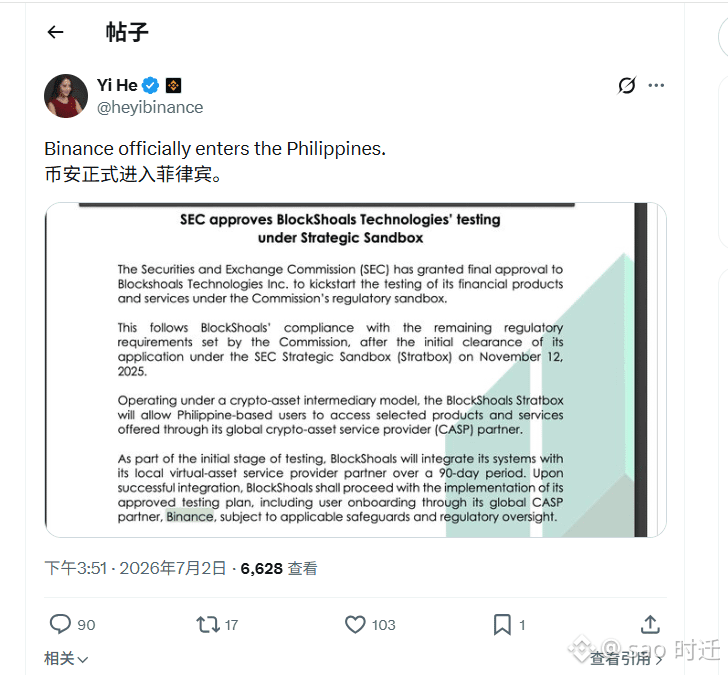
Breaking News! The “Sister” confirms: Binance officially enters the Philippines market!
Just now, the Philippine SEC approved Binance to localize its operations through cooperation with BlockShoals Technologies.
Clarification: This is entering the Philippines through a partnership, not a direct application for a license!
After 90 days of integration, Philippine users can access Binance’s global products in compliance.
Is the crypto market in the Philippines—and even across Southeast Asia—about to take off?
#Binance #Philippines
Breaking News! The “Sister” confirms: Binance officially enters the Philippines market!
Just now, the Philippine SEC approved Binance to localize its operations through cooperation with BlockShoals Technologies.
Clarification: This is entering the Philippines through a partnership, not a direct application for a license!
After 90 days of integration, Philippine users can access Binance’s global products in compliance.
Is the crypto market in the Philippines—and even across Southeast Asia—about to take off?
#Binance #Philippines
Just now, the Philippine SEC approved Binance to localize its operations through cooperation with BlockShoals Technologies.
Clarification: This is entering the Philippines through a partnership, not a direct application for a license!
After 90 days of integration, Philippine users can access Binance’s global products in compliance.
Is the crypto market in the Philippines—and even across Southeast Asia—about to take off?
#Binance #Philippines

2
416
·
--
Lawyer says OK? Binance's regulatory status in the Philippines still lacks half the answer
CoinTelegraph latest news: BlockShoals' related lawyer clarified Binance's regulatory status in the Philippines. But hold up—this is just the lawyer's one-sided statement; Binance hasn't responded, and the Philippine regulatory agency hasn't issued an announcement. Lawyer's statement ≠ compliance certification, so let's be cautious 🍉 It's advisable to wait and see if there are more official documents before making any conclusions. #Binance #Philippines #CryptoRegulation
#Binance #BlockShoals
Lawyer says OK? Binance's regulatory status in the Philippines still lacks half the answer
CoinTelegraph latest news: BlockShoals' related lawyer clarified Binance's regulatory status in the Philippines. But hold up—this is just the lawyer's one-sided statement; Binance hasn't responded, and the Philippine regulatory agency hasn't issued an announcement. Lawyer's statement ≠ compliance certification, so let's be cautious 🍉 It's advisable to wait and see if there are more official documents before making any conclusions. #Binance #Philippines #CryptoRegulation
#Binance #BlockShoals
CoinTelegraph latest news: BlockShoals' related lawyer clarified Binance's regulatory status in the Philippines. But hold up—this is just the lawyer's one-sided statement; Binance hasn't responded, and the Philippine regulatory agency hasn't issued an announcement. Lawyer's statement ≠ compliance certification, so let's be cautious 🍉 It's advisable to wait and see if there are more official documents before making any conclusions. #Binance #Philippines #CryptoRegulation
#Binance #BlockShoals
19

A nation of 115 million people just turned Bitcoin and Ethereum into everyday money.
Not a pilot Not a sandbox Live Now. Nationwide.
Coins.ph the Philippines' dominant crypto wallet just plugged BTC and ETH directly into QRPh.
QRPh isn't some fintech app. It's the Philippines' national QR payment standard. The same code your local sari-sari store, pharmacy, and food stall already accepts.
No new hardware. No merchant education. No friction.
Just scan and pay in Bitcoin.
This is the moment crypto evangelists have been drawing on whiteboards for a decade. Seamless. Real world. Mass market.
And it didn't happen in the US. It didn't happen in Europe.
It happened in Southeast Asia where 50%+ of the population has been underbanked for generations, where remittances are a lifeline, and where mobile-first infrastructure already exists at scale.
The Philippines isn't experimenting with crypto adoption. They're lapping the developed world.
While Washington debates ETF footnotes and Brussels writes whitepapers, a 115 million person economy just made ETH spendable at the corner store.
This is what real adoption looks like. Not price. Not market cap.
A grandmother in Manila scanning a QR code with Bitcoin.
The future doesn't announce itself. It just quietly goes live.
#Bitcoin #Ethereum #Crypto #Philippines #Web3
A nation of 115 million people just turned Bitcoin and Ethereum into everyday money.
Not a pilot Not a sandbox Live Now. Nationwide.
Coins.ph the Philippines' dominant crypto wallet just plugged BTC and ETH directly into QRPh.
QRPh isn't some fintech app. It's the Philippines' national QR payment standard. The same code your local sari-sari store, pharmacy, and food stall already accepts.
No new hardware. No merchant education. No friction.
Just scan and pay in Bitcoin.
This is the moment crypto evangelists have been drawing on whiteboards for a decade. Seamless. Real world. Mass market.
And it didn't happen in the US. It didn't happen in Europe.
It happened in Southeast Asia where 50%+ of the population has been underbanked for generations, where remittances are a lifeline, and where mobile-first infrastructure already exists at scale.
The Philippines isn't experimenting with crypto adoption. They're lapping the developed world.
While Washington debates ETF footnotes and Brussels writes whitepapers, a 115 million person economy just made ETH spendable at the corner store.
This is what real adoption looks like. Not price. Not market cap.
A grandmother in Manila scanning a QR code with Bitcoin.
The future doesn't announce itself. It just quietly goes live.
#Bitcoin #Ethereum #Crypto #Philippines #Web3
Not a pilot Not a sandbox Live Now. Nationwide.
Coins.ph the Philippines' dominant crypto wallet just plugged BTC and ETH directly into QRPh.
QRPh isn't some fintech app. It's the Philippines' national QR payment standard. The same code your local sari-sari store, pharmacy, and food stall already accepts.
No new hardware. No merchant education. No friction.
Just scan and pay in Bitcoin.
This is the moment crypto evangelists have been drawing on whiteboards for a decade. Seamless. Real world. Mass market.
And it didn't happen in the US. It didn't happen in Europe.
It happened in Southeast Asia where 50%+ of the population has been underbanked for generations, where remittances are a lifeline, and where mobile-first infrastructure already exists at scale.
The Philippines isn't experimenting with crypto adoption. They're lapping the developed world.
While Washington debates ETF footnotes and Brussels writes whitepapers, a 115 million person economy just made ETH spendable at the corner store.
This is what real adoption looks like. Not price. Not market cap.
A grandmother in Manila scanning a QR code with Bitcoin.
The future doesn't announce itself. It just quietly goes live.
#Bitcoin #Ethereum #Crypto #Philippines #Web3
95

·
--
Bullish
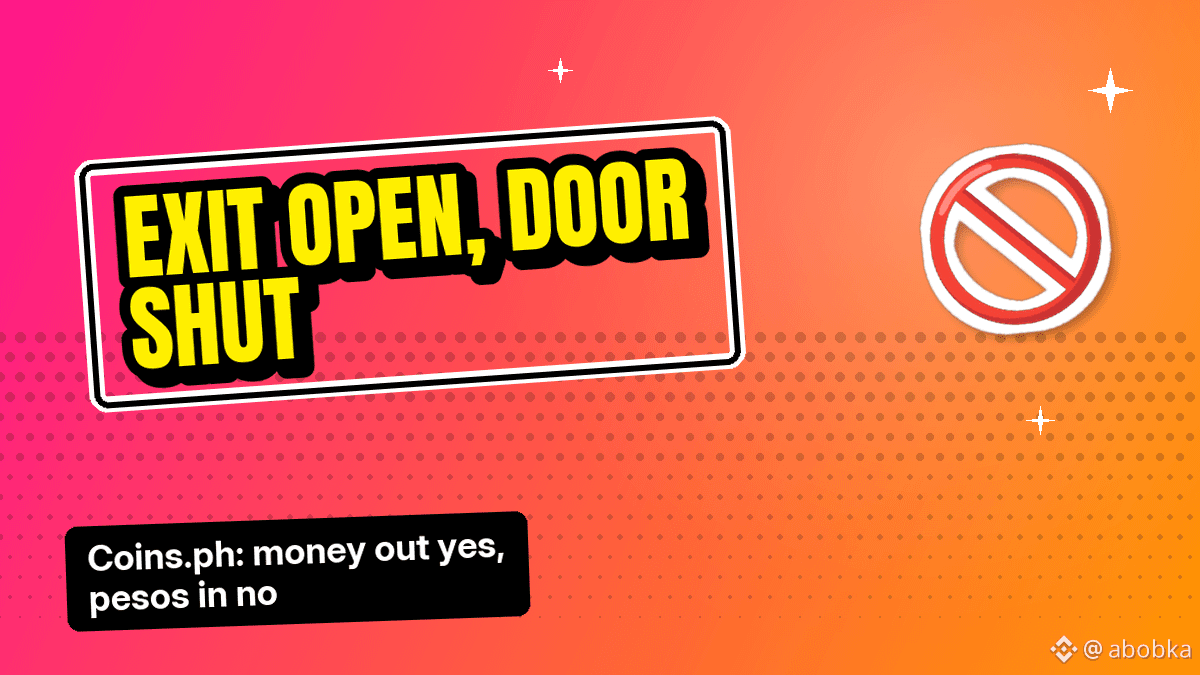
Coins.ph counts 7 million+ monthly active users
since September 29 none of them can top up pesos from a bank through InstaPay or PESONet
the BSP partially suspended DCPay, the e-wallet operator behind the app
Monetary Board Resolution No. 839
what still works:
- sending pesos out
- QRPh payments at shops
- crypto deposits and withdrawals
what doesn't: pesos in from BDO, BPI, UnionBank, GCash or Maya
the only door left is on-chain
no reason, no end date, and Coins.ph hadn't replied to BitPinas
for me any app with a one-way peso rail turns into a wallet I only withdraw from. anyone here waiting it out instead?
#CoinsPH #Philippines #BSP #CryptoNews
Coins.ph counts 7 million+ monthly active users
since September 29 none of them can top up pesos from a bank through InstaPay or PESONet
the BSP partially suspended DCPay, the e-wallet operator behind the app
Monetary Board Resolution No. 839
what still works:
- sending pesos out
- QRPh payments at shops
- crypto deposits and withdrawals
what doesn't: pesos in from BDO, BPI, UnionBank, GCash or Maya
the only door left is on-chain
no reason, no end date, and Coins.ph hadn't replied to BitPinas
for me any app with a one-way peso rail turns into a wallet I only withdraw from. anyone here waiting it out instead?
#CoinsPH #Philippines #BSP #CryptoNews
since September 29 none of them can top up pesos from a bank through InstaPay or PESONet
the BSP partially suspended DCPay, the e-wallet operator behind the app
Monetary Board Resolution No. 839
what still works:
- sending pesos out
- QRPh payments at shops
- crypto deposits and withdrawals
what doesn't: pesos in from BDO, BPI, UnionBank, GCash or Maya
the only door left is on-chain
no reason, no end date, and Coins.ph hadn't replied to BitPinas
for me any app with a one-way peso rail turns into a wallet I only withdraw from. anyone here waiting it out instead?
#CoinsPH #Philippines #BSP #CryptoNews
3
46

·
--
🚨 BINANCE CLEARS PH HURDLE – $ESP EYES ADOPTION SURGE 🚨💥
This is a structural expansion of market access. After the 2024 ban, Binance re-enters through a regulatory sandbox – a clear signal of institutional cooperation. 📊 PLDT and Globe networks now route traffic, meaning millions of Filipinos regain on‑ramp access.
PHP fiat support on the horizon further lowers friction. 💡 For tokens like $ESP , $RE , and $KOMA , this represents a significant liquidity catalyst as the Philippine user base re‑engages. Volume profiles often spike after such regulatory breakthroughs. 💬 Which of these altcoins has the strongest local community to capture this inflow? 👇
⚠️ Not financial advice. Always manage your risk. 🛡️
🏷️ #ESP #Binance #Philippines #CryptoAdoption #Altcoins
🚀 🔥
🚨 BINANCE CLEARS PH HURDLE – $ESP EYES ADOPTION SURGE 🚨💥
This is a structural expansion of market access. After the 2024 ban, Binance re-enters through a regulatory sandbox – a clear signal of institutional cooperation. 📊 PLDT and Globe networks now route traffic, meaning millions of Filipinos regain on‑ramp access.
PHP fiat support on the horizon further lowers friction. 💡 For tokens like $ESP , $RE , and $KOMA , this represents a significant liquidity catalyst as the Philippine user base re‑engages. Volume profiles often spike after such regulatory breakthroughs. 💬 Which of these altcoins has the strongest local community to capture this inflow? 👇
⚠️ Not financial advice. Always manage your risk. 🛡️
🏷️ #ESP #Binance #Philippines #CryptoAdoption #Altcoins
🚀 🔥
This is a structural expansion of market access. After the 2024 ban, Binance re-enters through a regulatory sandbox – a clear signal of institutional cooperation. 📊 PLDT and Globe networks now route traffic, meaning millions of Filipinos regain on‑ramp access.
PHP fiat support on the horizon further lowers friction. 💡 For tokens like $ESP , $RE , and $KOMA , this represents a significant liquidity catalyst as the Philippine user base re‑engages. Volume profiles often spike after such regulatory breakthroughs. 💬 Which of these altcoins has the strongest local community to capture this inflow? 👇
⚠️ Not financial advice. Always manage your risk. 🛡️
🏷️ #ESP #Binance #Philippines #CryptoAdoption #Altcoins
🚀 🔥
133
·
--
🚀 Philippines could be heating up for crypto! 🇵🇭
Dash is actively exploring the burgeoning Philippine market, driven by supportive regulatory changes making business setup simpler. Initial assessments point to a potentially significant opportunity for crypto payments – particularly as businesses streamline their operations.
We’re seeing early momentum with regulators prioritizing ease of registration, but full compliant market entry remains a multi-year process. $BTC $ETH $SOL are watching closely! This signals growing global acceptance and demand for decentralized solutions.
What do you think - is the Philippines ready to lead the charge in crypto adoption? 🤔
#CryptoPayments #Philippines #Blockchain
🚀 Philippines could be heating up for crypto! 🇵🇭
Dash is actively exploring the burgeoning Philippine market, driven by supportive regulatory changes making business setup simpler. Initial assessments point to a potentially significant opportunity for crypto payments – particularly as businesses streamline their operations.
We’re seeing early momentum with regulators prioritizing ease of registration, but full compliant market entry remains a multi-year process. $BTC $ETH $SOL are watching closely! This signals growing global acceptance and demand for decentralized solutions.
What do you think - is the Philippines ready to lead the charge in crypto adoption? 🤔
#CryptoPayments #Philippines #Blockchain
Dash is actively exploring the burgeoning Philippine market, driven by supportive regulatory changes making business setup simpler. Initial assessments point to a potentially significant opportunity for crypto payments – particularly as businesses streamline their operations.
We’re seeing early momentum with regulators prioritizing ease of registration, but full compliant market entry remains a multi-year process. $BTC $ETH $SOL are watching closely! This signals growing global acceptance and demand for decentralized solutions.
What do you think - is the Philippines ready to lead the charge in crypto adoption? 🤔
#CryptoPayments #Philippines #Blockchain
1
106

🚨 Philippines arrests 244 suspects in crackdown on online scams
Philippine authorities have launched a large-scale crackdown on online scams, resulting in the arrest of 244 people. These criminal networks are suspected of using offshore gaming centers as fronts for illegal activities, including fraud and human trafficking.
━━━━━━━━━━━━━━
📊 Impact: 📊 Moderate
🏷️ REGULATION
#Philippines #Cybercrime #Fraud #Regulation #Enforcement
📰 Source: aljazeera.com
🚨 Philippines arrests 244 suspects in crackdown on online scams
Philippine authorities have launched a large-scale crackdown on online scams, resulting in the arrest of 244 people. These criminal networks are suspected of using offshore gaming centers as fronts for illegal activities, including fraud and human trafficking.
━━━━━━━━━━━━━━
📊 Impact: 📊 Moderate
🏷️ REGULATION
#Philippines #Cybercrime #Fraud #Regulation #Enforcement
📰 Source: aljazeera.com
Philippine authorities have launched a large-scale crackdown on online scams, resulting in the arrest of 244 people. These criminal networks are suspected of using offshore gaming centers as fronts for illegal activities, including fraud and human trafficking.
━━━━━━━━━━━━━━
📊 Impact: 📊 Moderate
🏷️ REGULATION
#Philippines #Cybercrime #Fraud #Regulation #Enforcement
📰 Source: aljazeera.com
24
·
--
Article
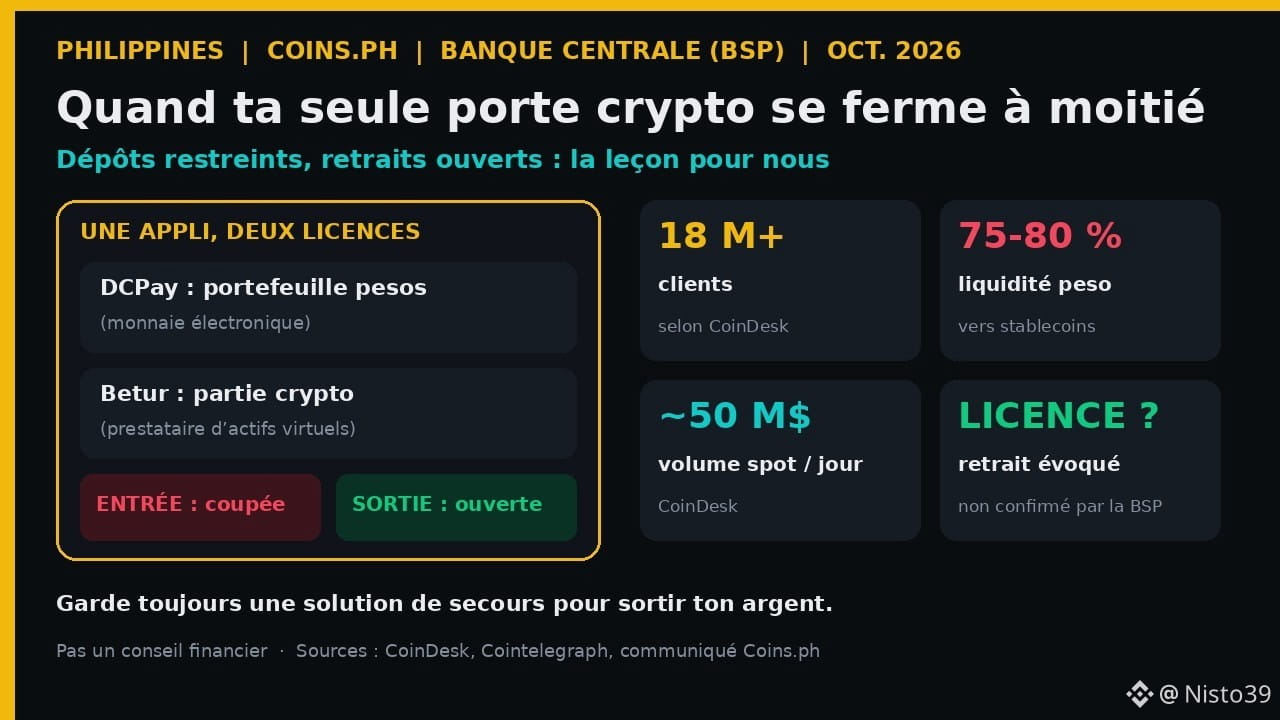
Coins.ph under the central bank’s microscope: when your only crypto gateway is half shutImagine: one morning, your app for converting mobile money into digital dollars displays “Deposits temporarily unavailable.” You can still withdraw, still exchange… but nothing can come in anymore. That’s what millions of Coins.ph users, the Philippines’ largest crypto platform, have been experiencing since early October. The story is unfolding in Asia, but the lesson applies to us all.
📋 The facts (CoinDesk, Cointelegraph, Coins.ph statement)
• Coins.ph claims to have more than 18 million customers and around $50 million in daily spot trading volume. According to CoinDesk, it reportedly controls 75–80% of the country’s “Philippine peso-to-stablecoin” liquidity.
Coins.ph under the central bank’s microscope: when your only crypto gateway is half shut
Imagine: one morning, your app for converting mobile money into digital dollars displays “Deposits temporarily unavailable.” You can still withdraw, still exchange… but nothing can come in anymore. That’s what millions of Coins.ph users, the Philippines’ largest crypto platform, have been experiencing since early October. The story is unfolding in Asia, but the lesson applies to us all.
📋 The facts (CoinDesk, Cointelegraph, Coins.ph statement)
• Coins.ph claims to have more than 18 million customers and around $50 million in daily spot trading volume. According to CoinDesk, it reportedly controls 75–80% of the country’s “Philippine peso-to-stablecoin” liquidity.
📋 The facts (CoinDesk, Cointelegraph, Coins.ph statement)
• Coins.ph claims to have more than 18 million customers and around $50 million in daily spot trading volume. According to CoinDesk, it reportedly controls 75–80% of the country’s “Philippine peso-to-stablecoin” liquidity.
62

·
--
💎 HOT TOPIC 💎
Binance has re-entered the Philippine market through a strategic partnership with BlockShoals Technologies, a local entity authorized by the SEC to operate within its regulatory sandbox program.
The platform now supports PHP deposits, withdrawals, and crypto purchases via local cards and e-wallets, with full deployment pending integration and testing. This return under regulatory oversight follows Binance's access restriction in 2024 over licensing requirements.
#Binance #CryptoNews #Philippines $BNB
$PEPE $ADA
Source: Compiled
💎 HOT TOPIC 💎
Binance has re-entered the Philippine market through a strategic partnership with BlockShoals Technologies, a local entity authorized by the SEC to operate within its regulatory sandbox program.
The platform now supports PHP deposits, withdrawals, and crypto purchases via local cards and e-wallets, with full deployment pending integration and testing. This return under regulatory oversight follows Binance's access restriction in 2024 over licensing requirements.
#Binance #CryptoNews #Philippines $BNB
$PEPE $ADA
Source: Compiled
Binance has re-entered the Philippine market through a strategic partnership with BlockShoals Technologies, a local entity authorized by the SEC to operate within its regulatory sandbox program.
The platform now supports PHP deposits, withdrawals, and crypto purchases via local cards and e-wallets, with full deployment pending integration and testing. This return under regulatory oversight follows Binance's access restriction in 2024 over licensing requirements.
#Binance #CryptoNews #Philippines $BNB
$PEPE $ADA
Source: Compiled
41
Log in to explore more content
Join global crypto users on Binance Square
⚡️ Get latest and useful information about crypto.
💬 Trusted by the world’s largest crypto exchange.
👍 Discover real insights from verified creators.
Email / Phone number
Trending Topics
1
#BTCReboundsAbove$60KAmidWhaleDipBuying
26,901 views
166 Discussing
2
#SolanaSets2027RoadmapToDoubleComputeCapacity
10,232 views
340 Discussing
3
#CaliforniaNvidiaProbeExaminesPotentialCriminalViolations
3,908 views
50 Discussing
4
#BlackRockLaunchesHKDollarDigitalLiquidityFund
8,649 views
290 Discussing
5
#NvidiaLoses$2.7TrillionInMonthAndAHalf
56,506 views
258 Discussing
6
#GlobalStocksFaceLongestLosingStreakSince2023
469,576 views
3,023 Discussing
7
#BlackRockIBITPostsRecord$541MSingleDayOutflow
73,981 views
159 Discussing
8
#AnthropicPlungesTowardIPOPriceonDay2
254,939 views
2,001 Discussing
9
#TwentyOneCapitalAdds172.25BTC
127,286 views
1,343 Discussing
10
#HKBillWouldExcludeTokenizedDepositsFromVirtualAssets
15,954 views
95 Discussing