
JAM SAJID
1.4k Posts

JAM SAJID
Report
Block User
Crypto learner | Binance trader.Market updates & earning ideas.DYOR | Stay consistent
Open Trade
Occasional Trader
3 Years
1.6K+ Following
10.1K+ Followers
909 Liked
Posts
Portfolio
All
Quotes
Live
·
--
#sxt | Verifiable Data Matters!
AI, DeFi, and tokenization need more than just data. They need data that can be trusted and verified.
@SpaceandTimeDB is building that foundation through Proof of SQL, helping applications verify data and query results.
I’m watching $SXT closely as verifiable data becomes increasingly important across Web3.
#sxt | Verifiable Data Matters!
AI, DeFi, and tokenization need more than just data. They need data that can be trusted and verified.
@SpaceandTime is building that foundation through Proof of SQL, helping applications verify data and query results.
I’m watching $SXT closely as verifiable data becomes increasingly important across Web3.
1
1
202
·
--
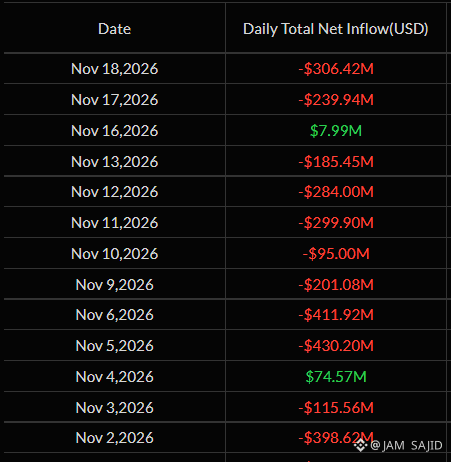
ETF fund flows continue to deteriorate, with more than $350M in net outflows
📊 Spot ETF 18/11
• BTC: - $306.4M
• ETH: - $39.8M
• ZEC: - $2M
• HYPE: - $2.3M
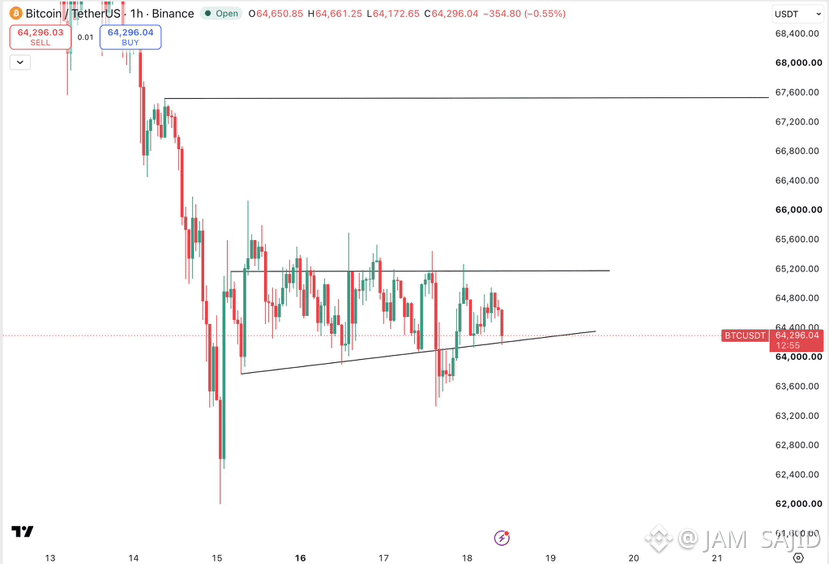
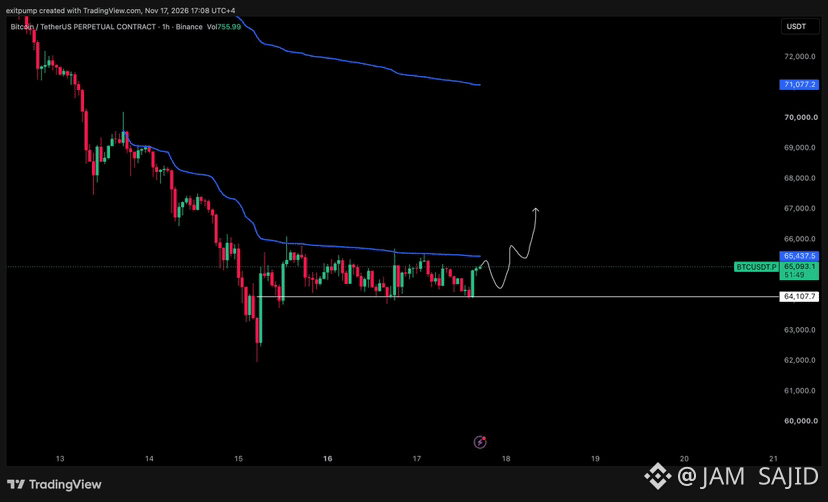
BTC outflows are accelerating for the second consecutive session, reflecting the pessimistic sentiment among Western investors in general
If this situation persists, ETF flows will continue to put pressure on the market. We need to wait for signs of fund flows stabilizing again before expecting a reversal.
#BTCRemainsUnderPressureAfterHawkishFOMCMinutes #SouthKoreaPlansToLet3500ListedFirmsBuyBitcoin
90
·
--
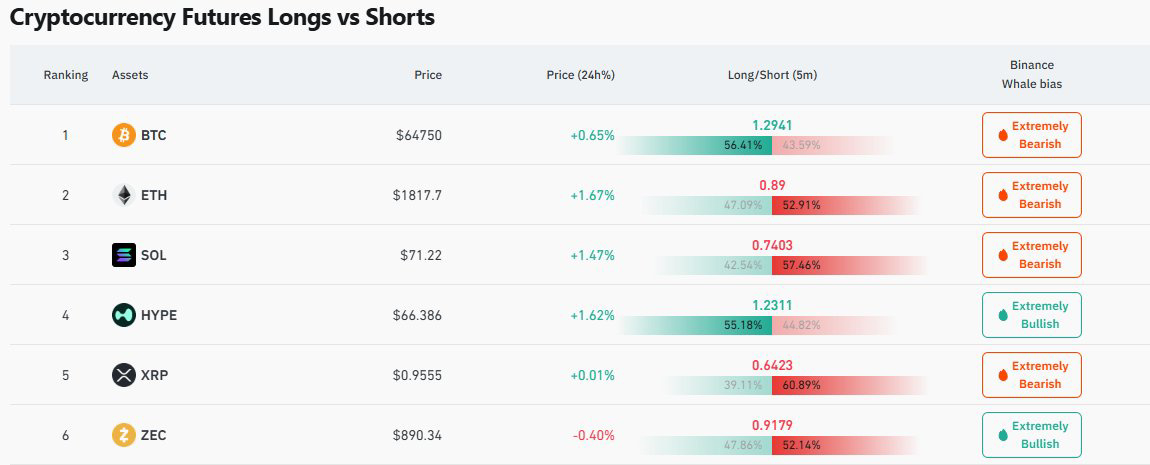
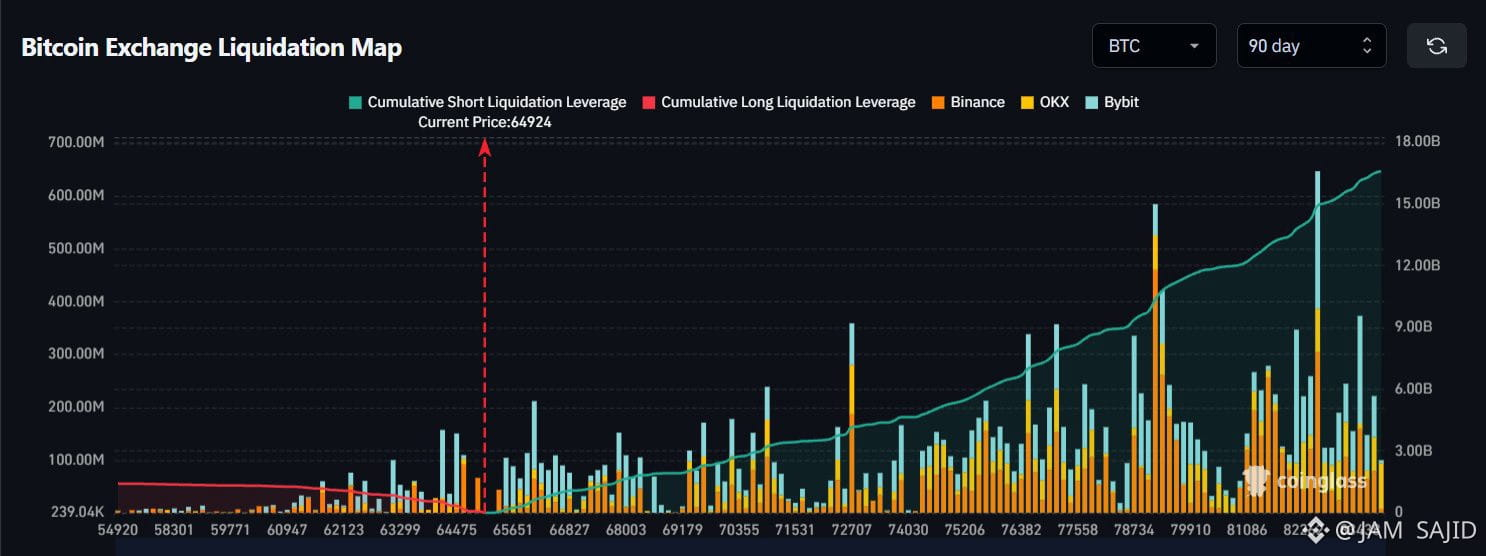
Binance Smart money continues to maintain an extremely bearish sentiment on $BTC , $ETH , $SOL , XRP .
They hold a larger volume of short positions, exerting persistent downward pressure on the market.
When their stance shift, the market could change rapidly. For now, the downward pressure remains in place.
They hold a larger volume of short positions, exerting persistent downward pressure on the market.
When their stance shift, the market could change rapidly. For now, the downward pressure remains in place.
124
·
--
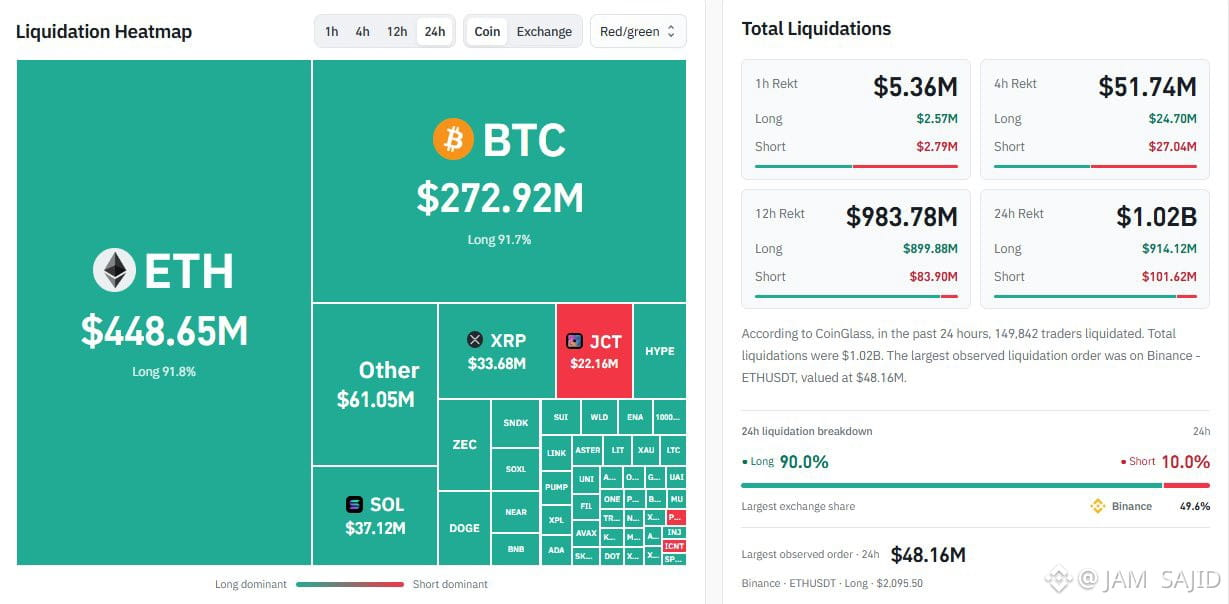
Over $1 BILLION liquidated in the past 24 hours, and 90% of it came from LONG positions.
$ETH took the biggest hit at $448.65M, followed by $BTC at $272.92M.
Nearly 150,000 traders liquidated in a single day.
To me, this shows just how much leverage was still sitting on the long side. A flush this big can clear out excess risk, but it doesn't automatically mean the bottom is in.
The real question is whether buyers can step back in without relying on that same leverage.
#btc #bitcoin #ETH #Etherum #TradFiForBeginners
125
·
--
$BTC - Idea
Goodmorning!
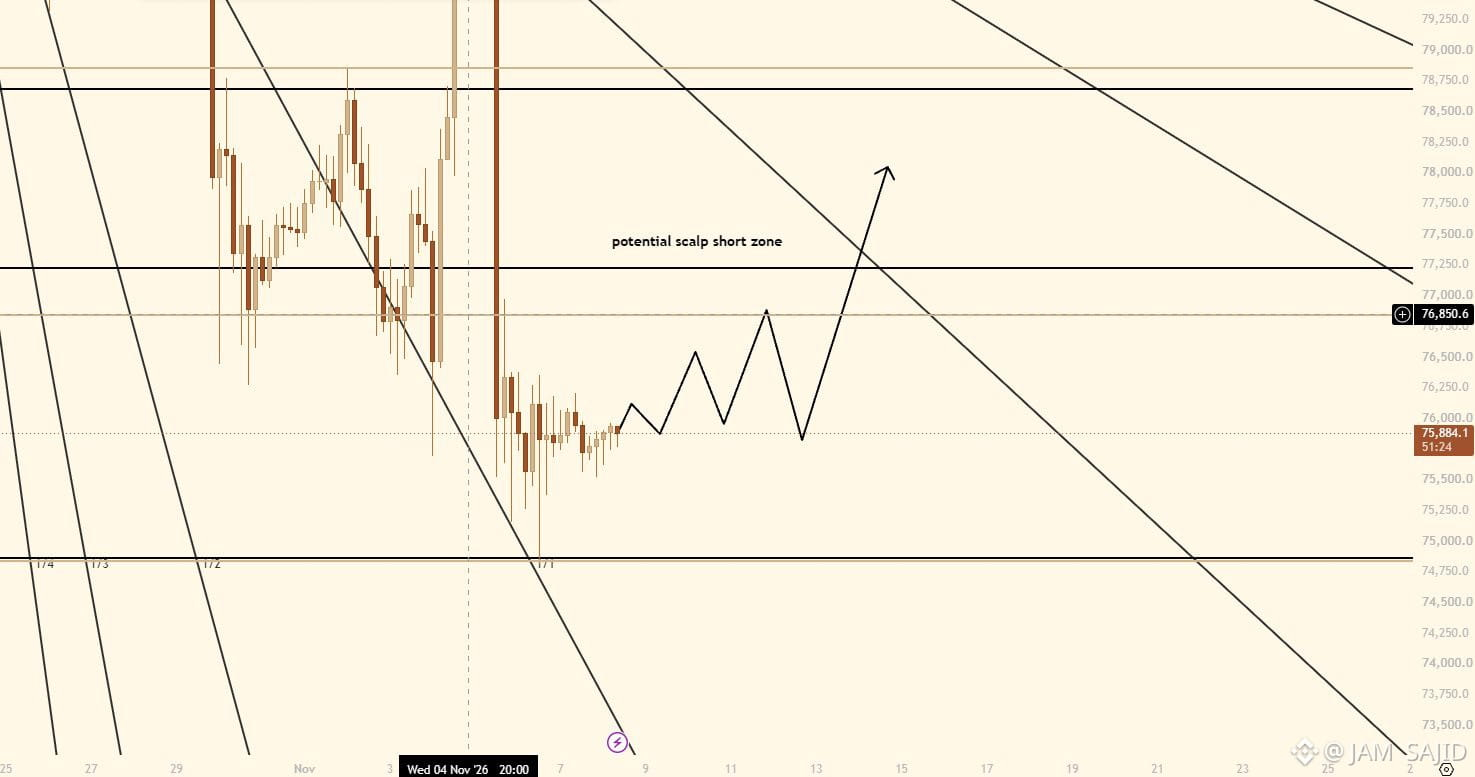
Looking at how price is moving currently, which is as expected purely chop, for Monday open i'll be looking at my LTF zones for potential scalp shorts then I am expecting quick movements to the upside.
After that i'll be looking for longs after retests to join the trend.
We still held above "Big Buy Orders" and we keep pumping from it.
#BinanceReopensWithdrawalsForHYPE&APT #TradFiForBeginners #btc #bitcoin
136
·
--
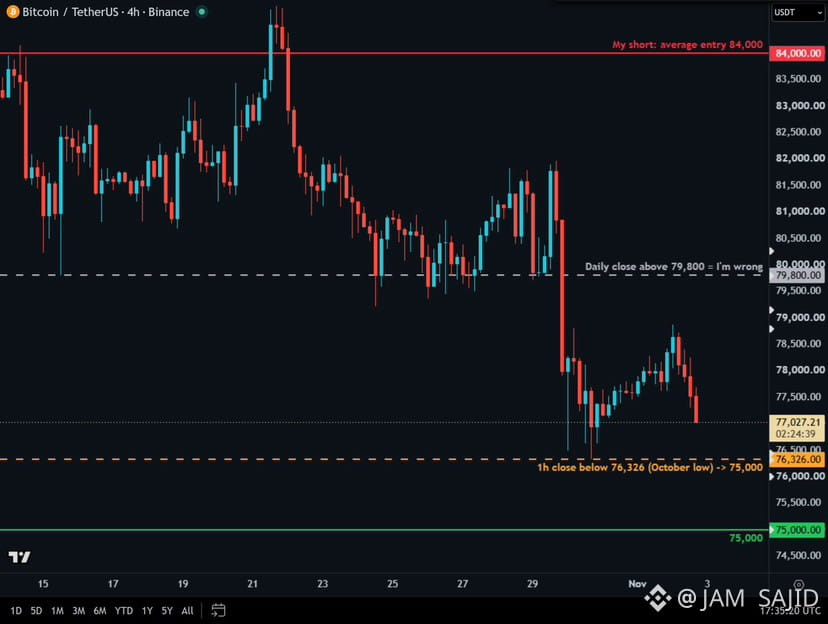
Still waiting for the bounce? My $BTC short is from 84,000.
Now 77,100. That's +6,900 per coin, +8%.
4 red weeks in a row. 69% of Binance traders still long.
1h close below 76,326 -> 75,000
Daily close above 79,800 -> I'm wrong
#Bitcoin #BinanceReopensWithdrawalsForMoreAssets #AppleReportsMixedResults #BTC
Now 77,100. That's +6,900 per coin, +8%.
4 red weeks in a row. 69% of Binance traders still long.
1h close below 76,326 -> 75,000
Daily close above 79,800 -> I'm wrong
#Bitcoin #BinanceReopensWithdrawalsForMoreAssets #AppleReportsMixedResults #BTC
121
·
--
$BTC UPDATE
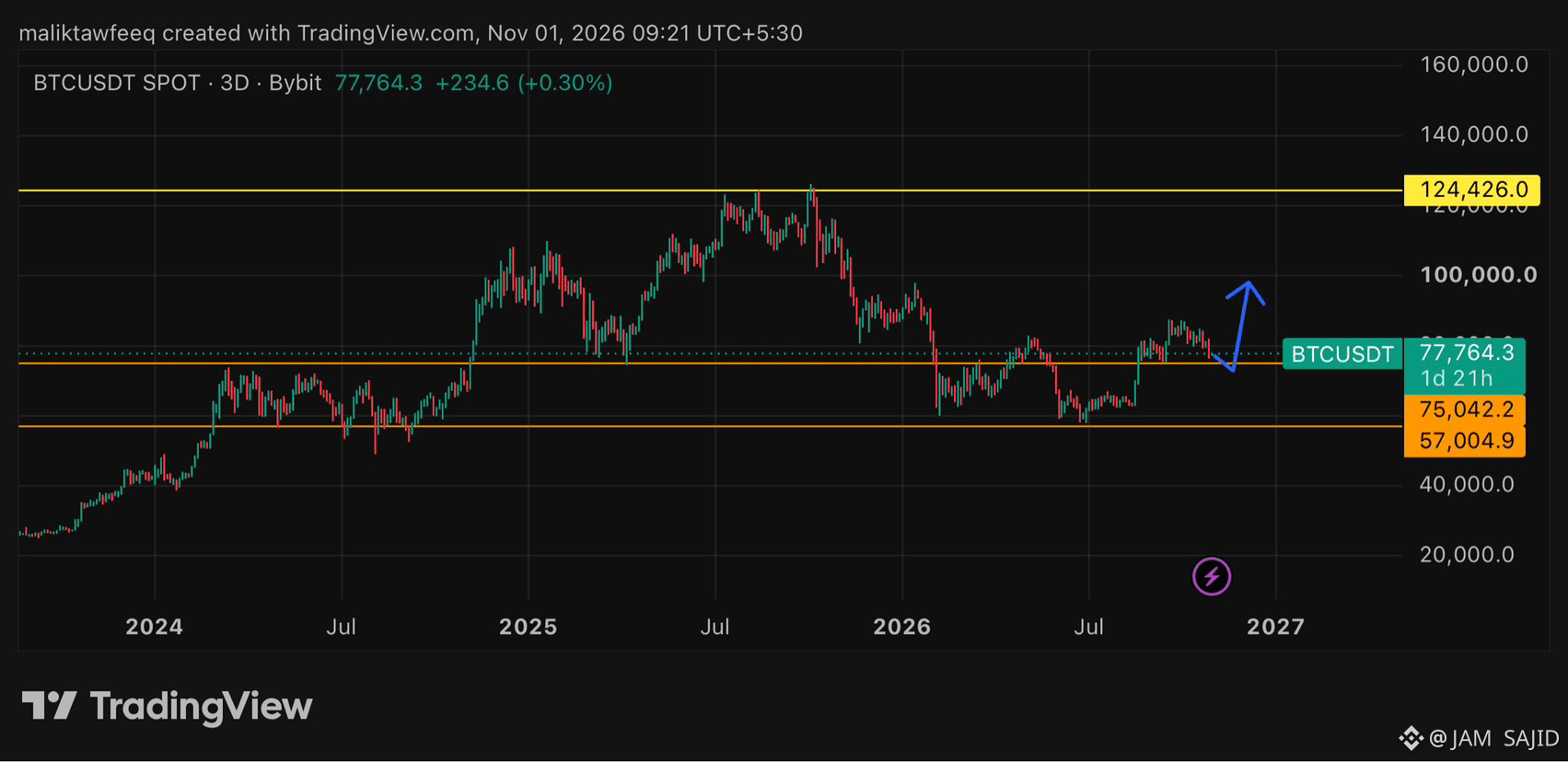
Bitcoin is currently trading at the $75,000 mid-range support.
This is a key level to watch.
If BTC manages to hold this support, we could see a strong move higher from here.
Watching the price action closely. The next move could be interesting!
Stay patient and trade smart. 🎯
#btc
$BTC UPDATE
Bitcoin is currently trading at the $75,000 mid-range support.
This is a key level to watch.
If BTC manages to hold this support, we could see a strong move higher from here.
Watching the price action closely. The next move could be interesting!
Stay patient and trade smart. 🎯
#btc
Bitcoin is currently trading at the $75,000 mid-range support.
This is a key level to watch.
If BTC manages to hold this support, we could see a strong move higher from here.
Watching the price action closely. The next move could be interesting!
Stay patient and trade smart. 🎯
#btc
135
·
--
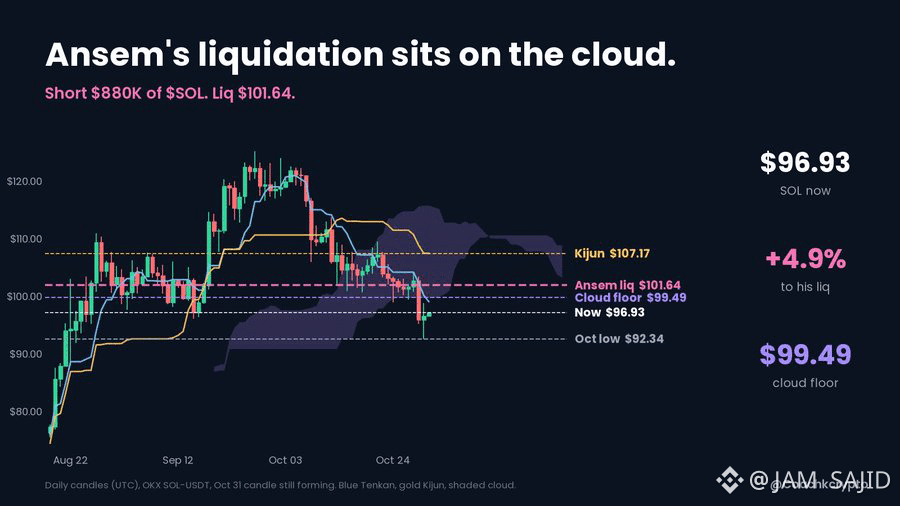
Ansem is short $880K of $SOL . His liquidation: $101.64.
SOL $96.93. Under the daily cloud floor ($99.49), Kijun up at $107.17.
His liq sits just over the cloud. That's where a squeeze would start.
I'm with the cloud until it breaks. Daily close over $101.64 and I'm wrong.
#solana #Sol #UniswapA16zSeekDeFiExemptionFromIllinoisCryptoTax
SOL $96.93. Under the daily cloud floor ($99.49), Kijun up at $107.17.
His liq sits just over the cloud. That's where a squeeze would start.
I'm with the cloud until it breaks. Daily close over $101.64 and I'm wrong.
#solana #Sol #UniswapA16zSeekDeFiExemptionFromIllinoisCryptoTax
2
707
·
--
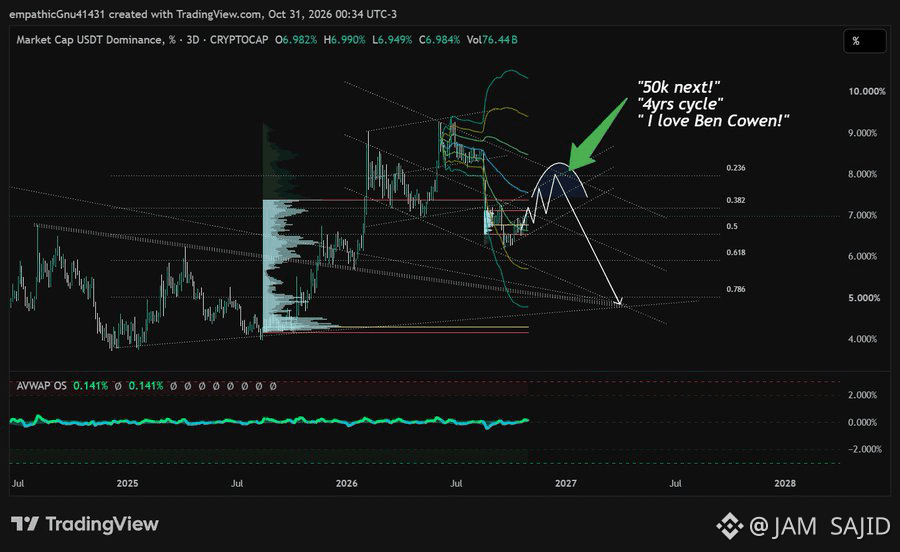
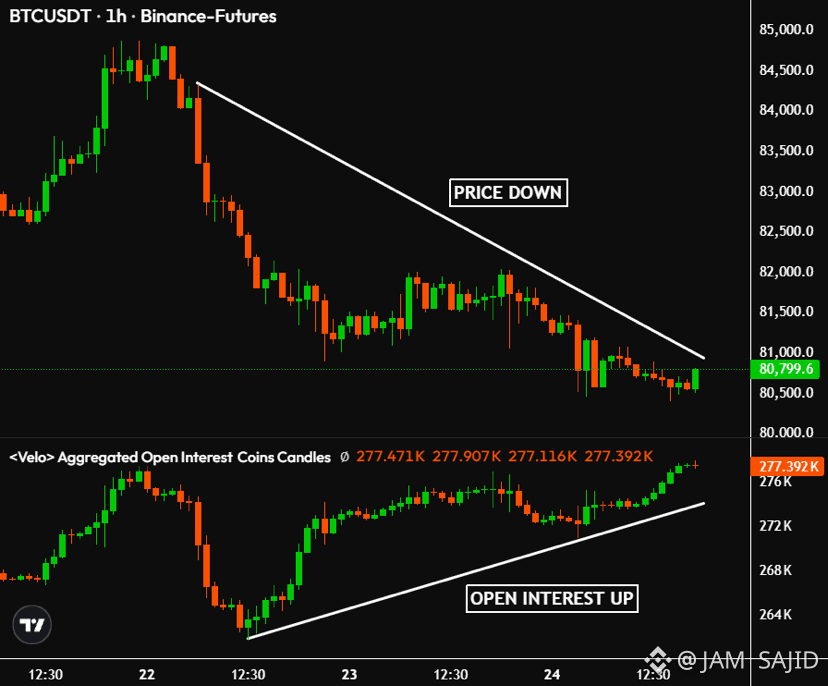
Massive amount of $BTC shorts have entered in the last few days
Just a slight spot demand, and they'll get squeezed.
Massive amount of $BTC shorts have entered in the last few days
Just a slight spot demand, and they'll get squeezed.
Just a slight spot demand, and they'll get squeezed.
172
·
--
Verified
An AI agent could follow every spending rule and still waste your money.
That’s the question I think deserves more attention as agents start paying for digital services.
Kite Passport lets users approve a spending session with a total budget, a limit for each transaction and an expiry time. These controls help define how much an agent can spend and for how long.
But a budget alone cannot tell us whether a purchase was useful.
A research agent might pay for an article that repeats information it already found. It could buy a dataset that is outdated or too broad for the question.
For me, evaluating $KITE means looking at both parts: the controls around a payment and the value of what the agent receives.
I’d want to compare the final answer with the purchases behind it. Which expense filled a real gap? Which one could have been avoided?
Would you rather an agent use its full budget to improve an answer, or return early when the free information is enough?
#KiteBBW @GoKiteAI
An AI agent could follow every spending rule and still waste your money.
That’s the question I think deserves more attention as agents start paying for digital services.
Kite Passport lets users approve a spending session with a total budget, a limit for each transaction and an expiry time. These controls help define how much an agent can spend and for how long.
But a budget alone cannot tell us whether a purchase was useful.
A research agent might pay for an article that repeats information it already found. It could buy a dataset that is outdated or too broad for the question.
For me, evaluating $KITE means looking at both parts: the controls around a payment and the value of what the agent receives.
I’d want to compare the final answer with the purchases behind it. Which expense filled a real gap? Which one could have been avoided?
Would you rather an agent use its full budget to improve an answer, or return early when the free information is enough?
#KiteBBW @KITE AI 中文

22
15
685
·
--
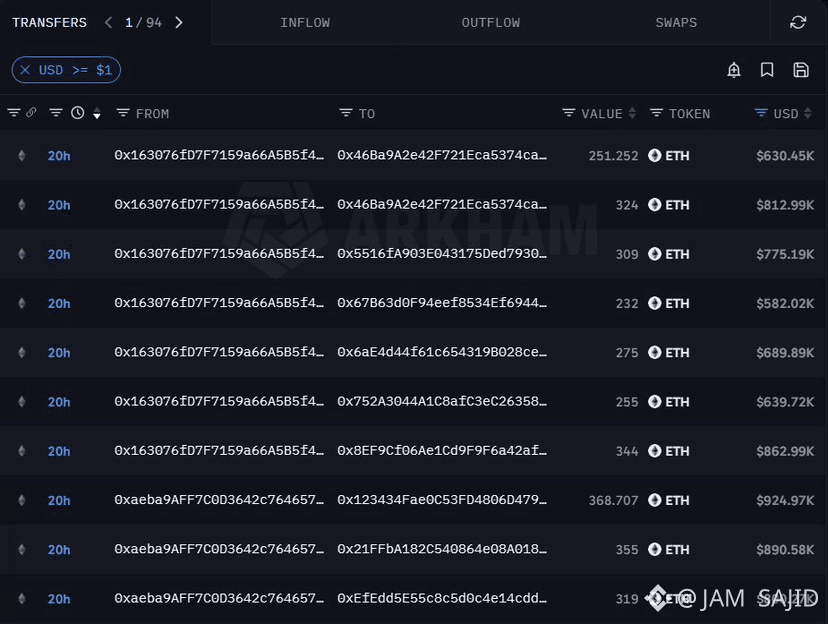
A whale is selling $BTC and buying $ETH .
He has sold $159 million in Bitcoin so far and bought 64,545 ETH.
He is betting on ETH to outperform BTC.
A whale is selling $BTC and buying $ETH .
He has sold $159 million in Bitcoin so far and bought 64,545 ETH.
He is betting on ETH to outperform BTC.
He has sold $159 million in Bitcoin so far and bought 64,545 ETH.
He is betting on ETH to outperform BTC.
68
·
--
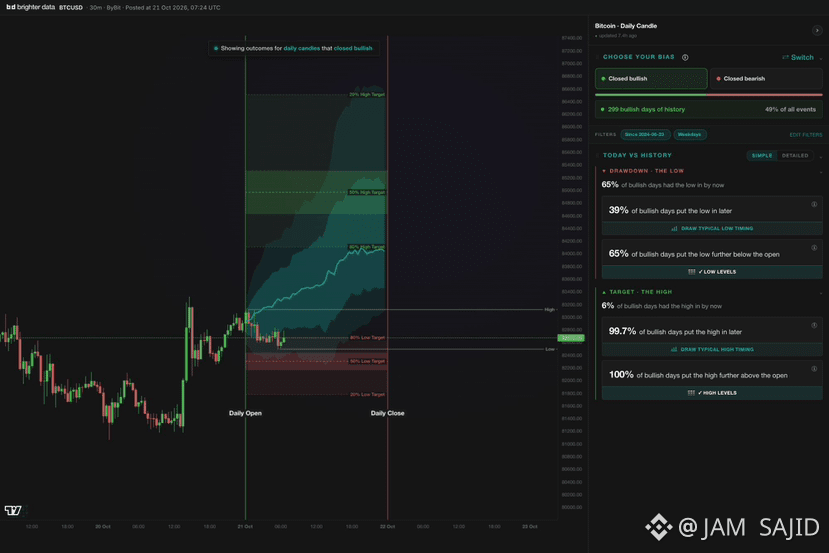
$BTC daily, bullish
Price reclaimed the open and pushed up early
Filtered on every bullish day in the data
65% already had their low in, and 100% put the high further above the open
Which means: the low’s in and the high is still ahead
25% off Brighter Data with code “MAURICE
$BTC daily, bullish
Price reclaimed the open and pushed up early
Filtered on every bullish day in the data
65% already had their low in, and 100% put the high further above the open
Which means: the low’s in and the high is still ahead
25% off Brighter Data with code “MAURICE
Price reclaimed the open and pushed up early
Filtered on every bullish day in the data
65% already had their low in, and 100% put the high further above the open
Which means: the low’s in and the high is still ahead
25% off Brighter Data with code “MAURICE
107
·
--
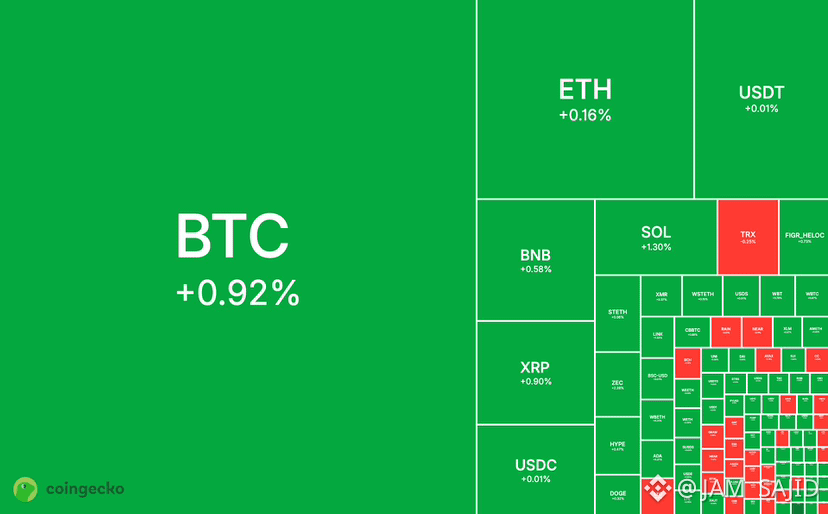
Green Monday 🟢
$BTC and $ETH see small gains as "Black Monday" fears ease on the 39th anniversary of the 1987 crash.
Will the gains hold through the US open?
Green Monday 🟢
$BTC and $ETH see small gains as "Black Monday" fears ease on the 39th anniversary of the 1987 crash.
Will the gains hold through the US open?
$BTC and $ETH see small gains as "Black Monday" fears ease on the 39th anniversary of the 1987 crash.
Will the gains hold through the US open?
107
Log in to explore more content
Join global crypto users on Binance Square
⚡️ Get latest and useful information about crypto.
💬 Trusted by the world’s largest crypto exchange.
👍 Discover real insights from verified creators.
Email / Phone number
Trending Topics
WillMarketsStageAThanksgivingReliefRally?
51,160 views
871 Discussing
Was $55K the bottom for $BTC ? Honestly... i don't think so 😅
Bitcoin has recovered above $61K after crashing to $55,130... and now everyone is talking about a possible Thanksgiving relief rally.
But buddies... look at the bigger picture.
Bitcoin is still down nearly 30% from $87K, $ETH is struggling around $1,727 after touching $1,538 and $ZEC is barely recovering near $784 after that brutal selloff.
A few green candles won't suddenly fix all this damage 🥲
Now... could we see a Thanksgiving rally? Definitely possible 😁
Especially if buyers keep defending $60K and BTC manages to push back toward $64K-$65K.
But a relief rally and a real market reversal are TWO different things.
I still think another dip below $55K is possible if this recovery loses strength.
That's why i am not chasing this bounce... just accumulating slowly, keeping USDT ready for lower entries.
If we get a proper recovery, good. If we get another dump, i wanna have cash ready 💪🏻
What do you think... Thanksgiving rally or another trap before the next dump? 👀
#WillMarketsStageAThanksgivingReliefRally?
ParvezMayar
·18 Likes
·8.3k views
WillOctCorePCEShiftFedHikeExpectations?
8,331 views
216 Discussing
BessentSoftensStanceOnHuang’sNvidiaReturn
34,753 views
594 Discussing