
#erc20
erc20
179,974 views
146 Discussing
Hot
Latest

Why Is an ERC-20 Balance Such a Large Integer? Convert Token Amounts AccuratelySummary: ERC-20 amounts read on-chain are denominated in the smallest unit. When recording them, retain the raw integer and token identifier. When displaying amounts or processing user input, convert using the verified decimals value to reduce decimal-place mismatches.
After reading a balance of 1250000 from a contract, how many tokens should the wallet display? That depends on the token contract’s decimals. Whether you’re building a balance dashboard, reconciling transaction records, or creating a transfer form, first determine the unit used for the amount, then decide how to display and process it.
1. Convert based on the number of decimal places
ERC-20’s balanceOf returns an integer balance. Suppose decimals is 6: divide the raw value of 1250000 by 10 to the power of 6, and it displays as 1.25 tokens. Suppose another token has decimals set to 18: the same raw value converts to 0.00000000000125 tokens. These numbers are only for illustrating the conversion. When constructing transfer parameters, calculate in the reverse direction. For example, a user-entered amount of 1.25 tokens corresponds to the integer 1250000 at 6 decimal places.
Why Is an ERC-20 Balance Such a Large Integer? Convert Token Amounts Accurately
Summary: ERC-20 amounts read on-chain are denominated in the smallest unit. When recording them, retain the raw integer and token identifier. When displaying amounts or processing user input, convert using the verified decimals value to reduce decimal-place mismatches.
After reading a balance of 1250000 from a contract, how many tokens should the wallet display? That depends on the token contract’s decimals. Whether you’re building a balance dashboard, reconciling transaction records, or creating a transfer form, first determine the unit used for the amount, then decide how to display and process it.
1. Convert based on the number of decimal places
ERC-20’s balanceOf returns an integer balance. Suppose decimals is 6: divide the raw value of 1250000 by 10 to the power of 6, and it displays as 1.25 tokens. Suppose another token has decimals set to 18: the same raw value converts to 0.00000000000125 tokens. These numbers are only for illustrating the conversion. When constructing transfer parameters, calculate in the reverse direction. For example, a user-entered amount of 1.25 tokens corresponds to the integer 1250000 at 6 decimal places.
87

·
--
Big Things Coming for $RKC Token!
We are excited to share the latest updates on RKC Token! Built on the Ethereum Mainnet with top-tier transparency and safety for our community.
Key Highlights of $RKC
{web3_wallet_create}(10x28f63b5e731b6325d83ec2cdb1d67fd8fd9497d1)
:
CA :0x28f63B5e731b6325d83EC2CDb1d67fd8fd9497d1
Chain: Ethereum (ERC-20)
Safety: Smart Contract Verified & Ownership Renounced
Liquidity: Active on Uniswap V2
Analytics: Live on DexScreener & Trust Wallet
Whether you're holding or watching, $RKC is building momentum for the long haul.
🔎 Check contract & trading charts on DexScreener now!#Ethereum #ERC20 #Uniswap #Altcoins #Bullish
Big Things Coming for $RKC Token!
We are excited to share the latest updates on RKC Token! Built on the Ethereum Mainnet with top-tier transparency and safety for our community.
Key Highlights of $RKC
:
CA :0x28f63B5e731b6325d83EC2CDb1d67fd8fd9497d1
Chain: Ethereum (ERC-20)
Safety: Smart Contract Verified & Ownership Renounced
Liquidity: Active on Uniswap V2
Analytics: Live on DexScreener & Trust Wallet
Whether you're holding or watching, $RKC is building momentum for the long haul.
🔎 Check contract & trading charts on DexScreener now!#Ethereum #ERC20 #Uniswap #Altcoins #Bullish
1
217
·
--
Bullish
Partly True
🚨 Important news for Harmony traders ($ONE )! 🦅🔥
Binance has announced the resumption of deposits and withdrawals for ONE under the ERC-20 standard, a move that enhances the freedom to transfer the coin between the exchange and external wallets such as MetaMask and ERC-20 compatible applications.
💧 What does this mean for traders?
Reopening deposits and withdrawals may boost liquidity and trading volume, allowing larger amounts of ONE to move between platforms and wallets, which could lead to increased price volatility in the short term.
🔄 In addition, ERC-20 support makes transfer and conversion operations associated with the coin easier—especially with recent developments in the Harmony ecosystem.
⛽ Since transfers run over the Ethereum network, this may add some activity to the network and increase gas fees, though the impact of ONE alone on Ethereum network fees remains limited.
⚠️ Important: Resuming deposits and withdrawals does not necessarily mean the price will rise; the new liquidity may be used for selling, buying, or transferring assets.
🦅 Summary:
The return of deposits and withdrawals means more potential liquidity and movement for ONE, and thus an opportunity for increased activity and volatility, while the price trend still depends on demand and supply, trading volume, and the project’s developments.
$ONE
#Harmony #Ethereum
#ERC20 #Crypto #BinanceSquare
2
266

·
--
🤔 The FBI is once again catching crypto enthusiasts "red-handed"
American authorities launched a fake ERC-20 token Lexobit and set up a full-blown trap for crypto schemers 😶
According to the investigation:
⚫️ The token was specifically created as bait
⚫️ They hired "market makers" for illegal volume manipulation
⚫️ Conducted market manipulation and artificial activity
⚫️ After that, they arrested 10 people on charges of fraud and market manipulation
Essentially, the FBI gave people the chance to get caught up in the scheme themselves, and then just documented everything that went down 😭
And this isn’t the first case like this.
A similar operation was conducted back in 2024 — during that crypto saga with fake tokens and volume pumps, 18 people were arrested.
Now, for all those "volume painters" and shady market makers, the market is becoming increasingly dangerous. Especially for those who are used to wash trading and pumping small altcoins.
Ps: The funniest part is that half of the crypto space was built on fake volumes... and suddenly it turns out that sometimes your client is literally the FBI 😬
#FBI #erc20 #scam #trading
👀 Follow us, here you'll find the dirtiest schemes, arrests, and crypto dramas without filters

3
4.1k

·
--
Harmony a month ago was shouting about pivoting to AI video, yet not a single piece of user data has been shown. In the past two days, however, the discussion volume has surged to 2.1x the baseline—not driven by video, but by the airdrop of 14.028 billion ONE tokens.
The eligibility threshold is locked to the snapshot from September 10. Over the past few days, long-time users who have accumulated 1,000 ONE have been signing migration confirmation forms. The first batch of the airdrop—14.028 billion tokens—has been sent automatically, with another 3.59 billion reserved to be claimed later. Binance was the first to reopen deposits and withdrawals for the new ERC-20 ONE on September 30; HTX and MEXC followed and resumed. This is the real trigger for the spike in discussion volume. That “new AI video story” never matched up from start to finish.
Some people cite the supply cap as evidence that this is a scarce asset: 26.271 billion tokens capped in total, with only 441 million more minted each year through 2050, and no minting backdoor left in the contract. It sounds like a positive, but it’s simply moving the old chain’s holder rights onto Ethereum without creating a single new user or generating one new fee. The exchange shortfall mentioned in the audit dropped from 6.581 billion to 5.435 billion; what’s “saved” is just debt patching—not fresh, real money flowing in.
I’m not bullish on this round—it’s not something you can ride. The newly unfrozen 14+ billion tokens as new trading chips, combined with the liquidity that has just resumed, makes sell-pressure more realistic than buy demand. Going forward, I’ll watch two things: (1) whether this batch of newly arrived ONE starts net flowing out of wallets within a short time, and (2) whether Harmony has actually produced usage data for an AI video product—not just swapping slogans to fool people. Until both appear, what you’re seeing is short-term sentiment from migration benefits, not a fundamentals reversal. If there is truly a comeback, wait until before the remaining 3.59 billion tokens unlock—by then, we should already see real data. We’re not there yet.
$ONE #Harmony #airdrop #ERC20
258

·
--
ETH: The future of contracts is here 🚀
Recent advancements in smart contracts bring automation and efficiency to various industries, [✨] from finance & real estate to art investments. These digital agreements, primarily built on the Ethereum blockchain, promise more transparency and reduced reliance on intermediaries.
Experts highlight both potential and challenges. While automated processes like dividend distributions are streamlined, securing these protocols remains crucial. [🛡️]
From Ava Protocol's mainnet launch for enhanced automation and security to tokenization unlocking new investment opportunities in assets like IP & carbon credits, smart contracts are transforming how we do business without intermediaries.
Even small mistakes can lead to big risks, so a multi-faceted approach is needed: formal verification tools, auditing processes, and advanced encryption. [🔒]
Looking ahead, scalability issues and regulatory frameworks will be key. As the tech matures, expect greater adoption, enabling new innovations in industries worldwide. 🔥
What do you think about the future of smart contracts? 👇
#ETH #ERC20 #SmartContracts
153

·
--
Article
Before You Paste a USDT Address: My Network Checklist for BiyaPay DepositsDisclosure: It is not financial advice
The question everyone asks first
"Which network is cheapest for USDT?" In Indonesian crypto chats the answer is almost automatic: TRC20, because Ethereum is expensive.
I wanted to know if that answer still holds, so I looked at what a single USDT transfer actually cost on-chain in October and November 2026. The result surprised me, and it changed what I worry about before a deposit. The fee turned out to be the small problem. The network mismatch is the big one.
What one transfer actually cost this autumn
On TRON, a USDT transfer is a smart contract call, so it burns Energy. Energy has no free daily quota. You either stake TRX for it, rent it, or the network burns TRX from your balance at 100 sun per Energy.
An on-chain check by OrcaRail on 14 November 2026 put the cost at:
64,285 Energy (6.43 TRX, about $2.01) when the receiving address already holds USDT130,285 Energy (13.03 TRX, about $4.08) when the address has never held USDT
On Ethereum, the same check measured a USDT transfer at 64,031 gas to a new holder. At that day's base fee of 0.059 gwei, that is about 0.0000038 ETH, or under one US cent at ETH near $1,905.
A separate sample by TRXMAN on 27 October 2026 points the same way: a median of about $0.017 for 250 ERC20 USDT transfers, against a median of 6.77 TRX (about $2.22) for TRC20 transfers that had to burn TRX. TRC20 only becomes nearly free when the sender already has staked or rented Energy.
Here is what that means as a share of the amount, if you send from your own wallet without staked Energy:
20 USDT: TRC20 to a new address costs about 20.4%. ERC20 costs about 0.04%.100 USDT: TRC20 to a new address about 4.1%, to an existing holder about 2.0%. ERC20 under 0.01%.1,000 USDT: TRC20 about 0.41% or 0.20%. ERC20 is still a rounding error.
Two things follow. TRC20 is a flat fee in TRX, so it hurts small transfers most. And Ethereum's gas price moves with demand, so this snapshot can flip on a busy day. The fee is real, but it is measured in cents to a few dollars.
If you send from an exchange instead of your own wallet, the exchange charges its own flat withdrawal fee per network, and that number replaces the on-chain math above. Either way, the fee is something you can see before you press send.
Where deposits really go missing
The expensive mistake is choosing a different network on each side. Same token name, USDT, different blockchain. When the sending network and the receiving network do not match, the coins can be lost. That is a 100% loss, not a 4% fee.
Address formats explain why some mix-ups get caught and others do not. A TRON address starts with T and has 34 characters. An Ethereum address starts with 0x and has 42. Paste a TRON address into an Ethereum withdrawal field and the format check usually rejects it.
The dangerous case is between networks that share the 0x format. Several EVM chains use exactly the same address shape, so a withdrawal on the wrong one can look completely valid and go through. The wallet accepts it. The deposit never shows up where you expect it.
Memo coins are the second trap. For coins like XRP and EOS, the deposit needs both the address and a tag (MEMO), usually a string of numbers shown above the address. Skip the tag and the coins can be lost, even with a perfect address.
How I deposit USDT on BiyaPay
On BiyaPay, the deposit itself costs nothing. Crypto deposits are free on the receiving side; any fee comes from the sending wallet or exchange and the blockchain.
The path in the app is Deposit, then On-chain Deposit (Cryptocurrency), then pick USDT and the network, for example USDT-TRC20, and copy the address. On the web it starts from My Assets, then Funds, then Deposit, with the same network step.
The minimum depends on the network. USDT on TRC20 has a minimum of 1 USDT, and USDT on ERC20 has a minimum of 10 USDT. That matters for test transfers: a 5 USDT test on ERC20 sits below the minimum.
Each network also has its own confirmation requirement, shown on the network selection page. TRON blocks come about every 3 seconds, so TRC20 deposits usually confirm within minutes. Ethereum depends on congestion and the gas paid.
The deposit record icon in the upper right corner of the address page shows every deposit and its status. If a deposit is late, the transaction hash on a block explorer tells you whether it confirmed on-chain. If it confirmed and the balance has not updated, BiyaPay support needs the transaction hash, registered email, currency, deposit network, deposit address, transaction time, and a screenshot. Having those ready saves a lot of back and forth.
My checklist, in the order I use it
Pick the network on BiyaPay first, then select the exact same network on the sending side. Never the other way around.Read the first characters of the address: T for TRON, 0x for Ethereum. If it is 0x, double-check the chain name, not just the format.For memo coins, fill in both the address and the tag.Compare the total cost: the sender's withdrawal fee, or the on-chain cost from your own wallet. For small amounts from a wallet without staked Energy, ERC20 was the cheaper chain in this autumn's data.Stay above the network minimum: 1 USDT on TRC20, 10 USDT on ERC20.For a new route, send a small amount above the minimum first, then the rest.Keep the transaction hash until the balance shows up.
My take
The "TRC20 is always cheaper" rule is out of date for small transfers from a self-custody wallet. The October and November 2026 numbers show ERC20 costing a fraction of a cent while a TRC20 transfer burned $2 to $4 of TRX.
But I would not choose a network on fee alone. A few dollars of fee is a cost I can see in advance. A network mismatch is a full loss I cannot undo. So my order is fixed: match the network first, check the format and the memo, and only then compare fees.
Source: OrcaRail, "USDT TRC20 Fee vs ERC20 and Solana" (on-chain check, 14 Nov 2026); TRXMAN, "TRC20 vs ERC20: USDT fees measured on-chain" (updated 27 Oct 2026); TRON Developer Hub, "Bandwidth and Energy". Checked 21 Nov 2026.
#BiyaPay #USDT #CryptoDeposit #TRC20 #ERC20
Before You Paste a USDT Address: My Network Checklist for BiyaPay Deposits
Disclosure: It is not financial advice
The question everyone asks first
"Which network is cheapest for USDT?" In Indonesian crypto chats the answer is almost automatic: TRC20, because Ethereum is expensive.
I wanted to know if that answer still holds, so I looked at what a single USDT transfer actually cost on-chain in October and November 2026. The result surprised me, and it changed what I worry about before a deposit. The fee turned out to be the small problem. The network mismatch is the big one.
What one transfer actually cost this autumn
On TRON, a USDT transfer is a smart contract call, so it burns Energy. Energy has no free daily quota. You either stake TRX for it, rent it, or the network burns TRX from your balance at 100 sun per Energy.
An on-chain check by OrcaRail on 14 November 2026 put the cost at:
64,285 Energy (6.43 TRX, about $2.01) when the receiving address already holds USDT130,285 Energy (13.03 TRX, about $4.08) when the address has never held USDT
On Ethereum, the same check measured a USDT transfer at 64,031 gas to a new holder. At that day's base fee of 0.059 gwei, that is about 0.0000038 ETH, or under one US cent at ETH near $1,905.
A separate sample by TRXMAN on 27 October 2026 points the same way: a median of about $0.017 for 250 ERC20 USDT transfers, against a median of 6.77 TRX (about $2.22) for TRC20 transfers that had to burn TRX. TRC20 only becomes nearly free when the sender already has staked or rented Energy.
Here is what that means as a share of the amount, if you send from your own wallet without staked Energy:
20 USDT: TRC20 to a new address costs about 20.4%. ERC20 costs about 0.04%.100 USDT: TRC20 to a new address about 4.1%, to an existing holder about 2.0%. ERC20 under 0.01%.1,000 USDT: TRC20 about 0.41% or 0.20%. ERC20 is still a rounding error.
Two things follow. TRC20 is a flat fee in TRX, so it hurts small transfers most. And Ethereum's gas price moves with demand, so this snapshot can flip on a busy day. The fee is real, but it is measured in cents to a few dollars.
If you send from an exchange instead of your own wallet, the exchange charges its own flat withdrawal fee per network, and that number replaces the on-chain math above. Either way, the fee is something you can see before you press send.
Where deposits really go missing
The expensive mistake is choosing a different network on each side. Same token name, USDT, different blockchain. When the sending network and the receiving network do not match, the coins can be lost. That is a 100% loss, not a 4% fee.
Address formats explain why some mix-ups get caught and others do not. A TRON address starts with T and has 34 characters. An Ethereum address starts with 0x and has 42. Paste a TRON address into an Ethereum withdrawal field and the format check usually rejects it.
The dangerous case is between networks that share the 0x format. Several EVM chains use exactly the same address shape, so a withdrawal on the wrong one can look completely valid and go through. The wallet accepts it. The deposit never shows up where you expect it.
Memo coins are the second trap. For coins like XRP and EOS, the deposit needs both the address and a tag (MEMO), usually a string of numbers shown above the address. Skip the tag and the coins can be lost, even with a perfect address.
How I deposit USDT on BiyaPay
On BiyaPay, the deposit itself costs nothing. Crypto deposits are free on the receiving side; any fee comes from the sending wallet or exchange and the blockchain.
The path in the app is Deposit, then On-chain Deposit (Cryptocurrency), then pick USDT and the network, for example USDT-TRC20, and copy the address. On the web it starts from My Assets, then Funds, then Deposit, with the same network step.
The minimum depends on the network. USDT on TRC20 has a minimum of 1 USDT, and USDT on ERC20 has a minimum of 10 USDT. That matters for test transfers: a 5 USDT test on ERC20 sits below the minimum.
Each network also has its own confirmation requirement, shown on the network selection page. TRON blocks come about every 3 seconds, so TRC20 deposits usually confirm within minutes. Ethereum depends on congestion and the gas paid.
The deposit record icon in the upper right corner of the address page shows every deposit and its status. If a deposit is late, the transaction hash on a block explorer tells you whether it confirmed on-chain. If it confirmed and the balance has not updated, BiyaPay support needs the transaction hash, registered email, currency, deposit network, deposit address, transaction time, and a screenshot. Having those ready saves a lot of back and forth.
My checklist, in the order I use it
Pick the network on BiyaPay first, then select the exact same network on the sending side. Never the other way around.Read the first characters of the address: T for TRON, 0x for Ethereum. If it is 0x, double-check the chain name, not just the format.For memo coins, fill in both the address and the tag.Compare the total cost: the sender's withdrawal fee, or the on-chain cost from your own wallet. For small amounts from a wallet without staked Energy, ERC20 was the cheaper chain in this autumn's data.Stay above the network minimum: 1 USDT on TRC20, 10 USDT on ERC20.For a new route, send a small amount above the minimum first, then the rest.Keep the transaction hash until the balance shows up.
My take
The "TRC20 is always cheaper" rule is out of date for small transfers from a self-custody wallet. The October and November 2026 numbers show ERC20 costing a fraction of a cent while a TRC20 transfer burned $2 to $4 of TRX.
But I would not choose a network on fee alone. A few dollars of fee is a cost I can see in advance. A network mismatch is a full loss I cannot undo. So my order is fixed: match the network first, check the format and the memo, and only then compare fees.
Source: OrcaRail, "USDT TRC20 Fee vs ERC20 and Solana" (on-chain check, 14 Nov 2026); TRXMAN, "TRC20 vs ERC20: USDT fees measured on-chain" (updated 27 Oct 2026); TRON Developer Hub, "Bandwidth and Energy". Checked 21 Nov 2026.
#BiyaPay #USDT #CryptoDeposit #TRC20 #ERC20
131

Harmony ONE Doubles in Two Days on 40 Times Normal Volume
Harmony ONE doubled from its 5 November low as Binance volume ran 40 times normal, while Ethereum pools held about $2,700. A look at the chart levels and the 18 November date.
Full article: https://www.cryptonewslive.org/article/harmony-one-doubles-in-two-days-on-40-times-normal-volume/
#Altcoins #Binance #ERC20 #Harmony #HarmonyONE
219


·
--
Bullish
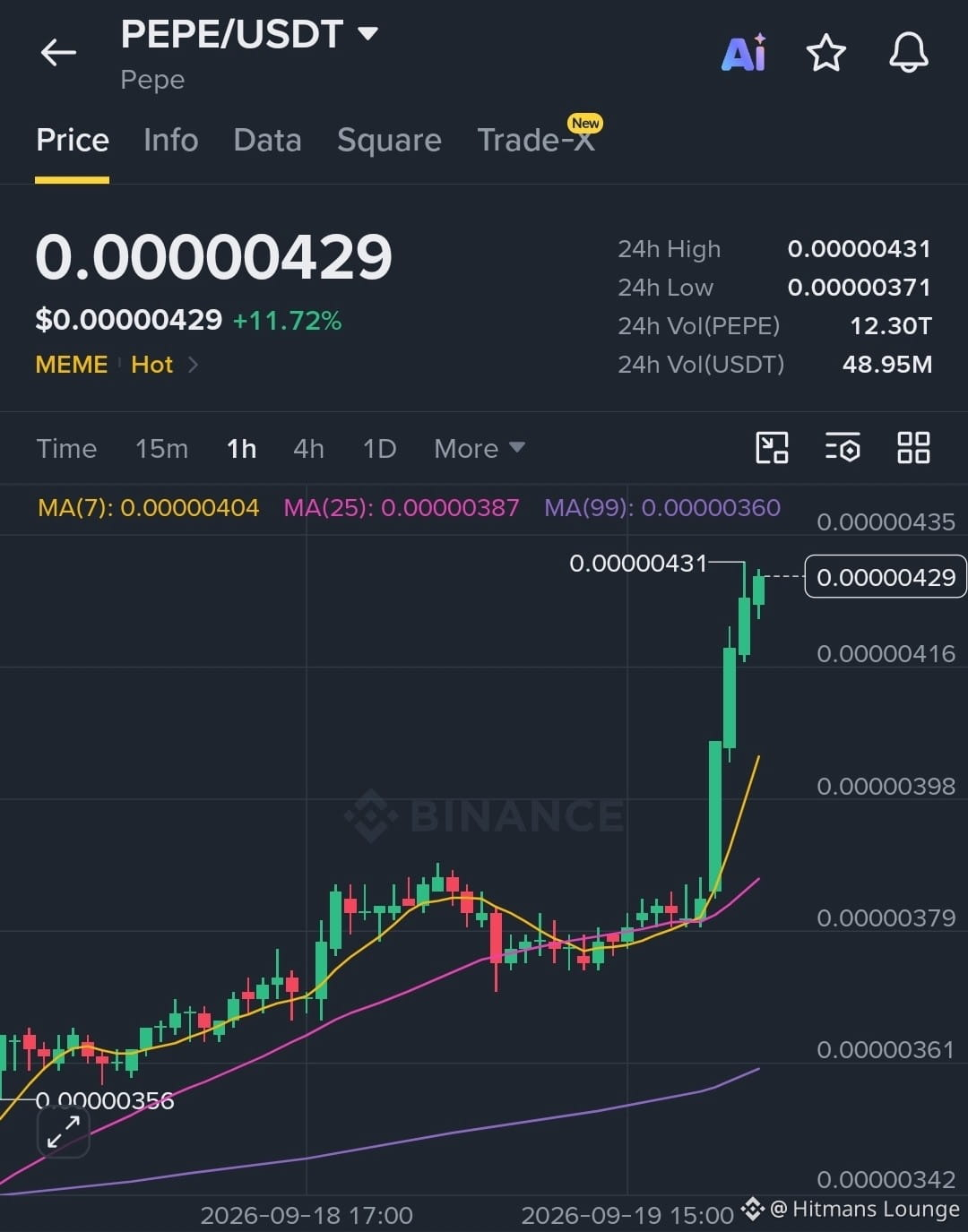
$PEPE /USDT — 🟢 LONG · Conf 80%
📍 Entry: 0.0000042771 – 0.0000043057
🛑 SL: 0.0000036645
🎯 TP1: 0.0000045045
✅ TP2: 0.0000046761
🏆 TP3: 0.0000049335
Price exploded above all MAs in a single 1H candle with MA stack perfectly ordered (MA7 > MA25 > MA99) — momentum structure clean, no overhead resistance on the visible 1H range.
$PEPE : PEPE is a pure meme coin with no utility, riding Ethereum meme culture — key mechanic is its deflationary burn on transfers; risk is that $48.95M USDT daily volume, while healthy, can evaporate fast when meme cycle sentiment rotates.
At what point does a meme coin with 12.30 trillion tokens in circulation and zero utility transition from a speculative instrument to a permanent fixture of on-chain liquidity — and has PEPE already crossed that line?
#PEPE #Memecoins🤑🤑 #Frog #erc20 #uniswap
{spot}(PEPEUSDT)
$PEPE /USDT — 🟢 LONG · Conf 80%
📍 Entry: 0.0000042771 – 0.0000043057
🛑 SL: 0.0000036645
🎯 TP1: 0.0000045045
✅ TP2: 0.0000046761
🏆 TP3: 0.0000049335
Price exploded above all MAs in a single 1H candle with MA stack perfectly ordered (MA7 > MA25 > MA99) — momentum structure clean, no overhead resistance on the visible 1H range.
$PEPE : PEPE is a pure meme coin with no utility, riding Ethereum meme culture — key mechanic is its deflationary burn on transfers; risk is that $48.95M USDT daily volume, while healthy, can evaporate fast when meme cycle sentiment rotates.
At what point does a meme coin with 12.30 trillion tokens in circulation and zero utility transition from a speculative instrument to a permanent fixture of on-chain liquidity — and has PEPE already crossed that line?
#PEPE #Memecoins🤑🤑 #Frog #erc20 #uniswap

1
330

·
--
🚀 $SHIB 12% PUMP: THE BURN THAT RESHAPED SUPPLY DYNAMICS! 💥
📌 This isn't just a meme pump — it's a structural supply story. When 50% of total supply landed in Vitalik Buterin's wallet, he burned the vast majority, permanently removing billions of tokens from circulation. 📊 That's an institutional-grade catalyst, not retail hype.
⚡ As ETH rallies, ERC-20 tokens like SHIB ride the liquidity wave — but the reduced supply amplifies price reaction. 📈 Positive sentiment + buying pressure = the 12% move today is a textbook demand-meets-constrained-supply event. 💬 Are you watching for the next ETH leg to trigger another SHIB structural breakout? 👇
⚠️ Not financial advice. Always manage your risk. 🛡️
🏷️ #SHIB #Burn #ERC20 #Crypto #Ethereum
🔥 💎
96
·
--
ETH: RAVEDAO token takes a nosedive, down 95% to under $1, wiping out gains 🚀 It crashed! RaveDAO (RAVE) token plummeted from $26 all the way down to under $1, nearly erasing all previous gains. 🚨
Detailed investigation reveals multiple suspicious projects including MemeCore, River, and MYX, with ZachXBT uncovering on-chain analysis that exposes centralized wallet control over liquidity, executing pump strategies before dumping. 😱
#ETH #ERC20 #加密货币 #价格操纵 #RaveDAO
Detailed investigation reveals multiple suspicious projects including MemeCore, River, and MYX, with ZachXBT uncovering on-chain analysis that exposes centralized wallet control over liquidity, executing pump strategies before dumping. 😱
#ETH #ERC20 #加密货币 #价格操纵 #RaveDAO
540

I’m Keeping a Close Eye on Humanity Protocol’s Next Move After Its ERC20 Migration
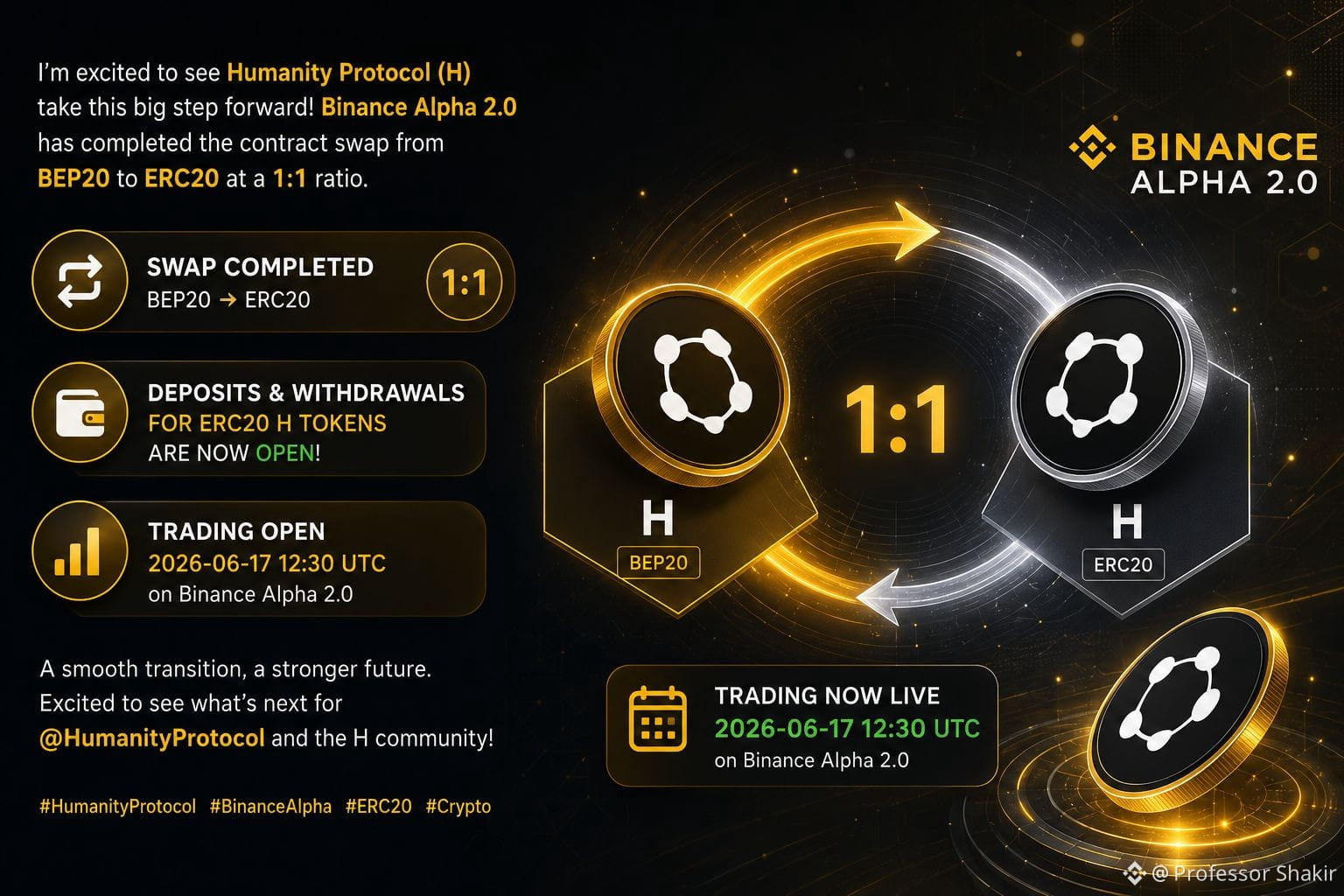
I’ve been following @HumanityProtocol for a while, and the latest update on Binance Alpha 2.0 definitely caught my attention. The successful contract swap of Humanity Protocol (H) from the BEP20 network to the ERC20 network is an important milestone that could help strengthen the project's position within the broader blockchain ecosystem. The migration was completed at a 1:1 ratio, which made the transition straightforward for existing holders, and it’s great to see that deposits and withdrawals for the ERC20 version of H are now available.
What I find most interesting is that this move is not just a technical upgrade. In my opinion, it represents another step in the project's long-term development journey. Trading for H is now live on Binance Alpha 2.0, bringing fresh visibility to the project and its vision. I’ll be watching closely to see how @HumanityProtocol builds on this momentum and what opportunities this ERC20 integration may unlock in the future. As always, staying focused on development, adoption, and real utility matters more to me than short-term market noise.
#HumanityProtocol #H #BinanceAlpha #ERC20 #Crypto
2
437

·
--
Bullish
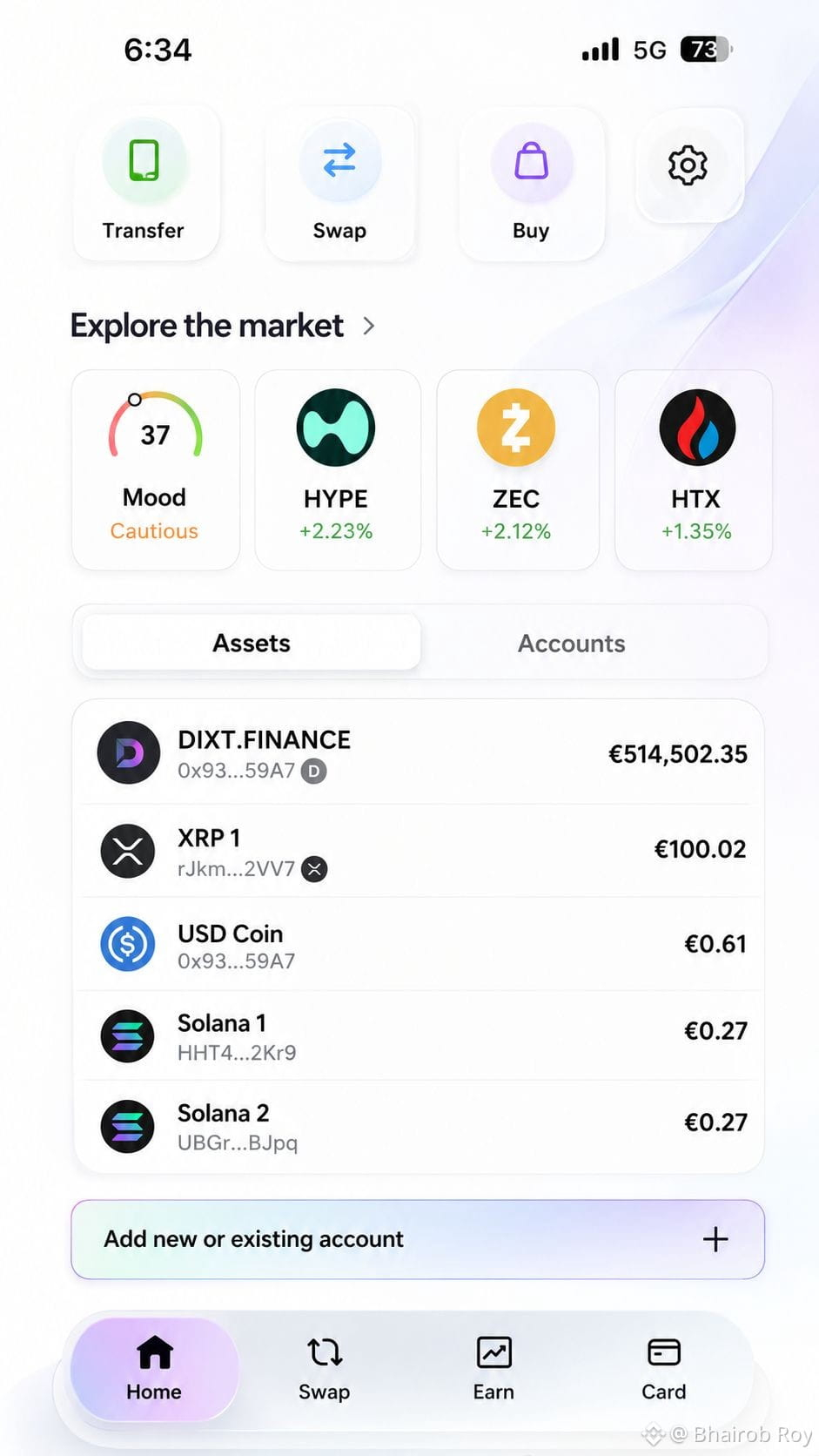
Just noticed a random token named “DIXT.FINANCE” appear in my Ledger wallet without doing anything.
The strange part?
It claims that only 0.00000009 DIXT is worth more than €500K 😳
I never bought this token, never interacted with the project, and never approved any transaction related to it.
Looks like another fake valuation / spam airdrop targeting wallet users.
Has anyone else seen this before?
Stay careful with unknown tokens — sometimes even visiting suspicious links can be risky.
#crypto #LedgerWallet #ScamAlert #Ethereum #Airdrop #ERC20 #Binance #WalletSecurity
$SOL $XRP $USDC
1
152

·
--
ETH: 🚀 $DOGIZ, the native token of the Dogizen ecosystem, is set to launch on the Cetus decentralised exchange in just hours! The team raised over $4.5m from investors during its successful presale. 💸 No more waiting - $DOGIZ will be available for millions of users on the Sui blockchain. 🔥 Are you ready for Dogizen’s next level? 👀 #ETH #ERC20 #Dogizen
ETH: 🚀 $DOGIZ, the native token of the Dogizen ecosystem, is set to launch on the Cetus decentralised exchange in just hours! The team raised over $4.5m from investors during its successful presale. 💸 No more waiting - $DOGIZ will be available for millions of users on the Sui blockchain. 🔥 Are you ready for Dogizen’s next level? 👀 #ETH #ERC20 #Dogizen
135

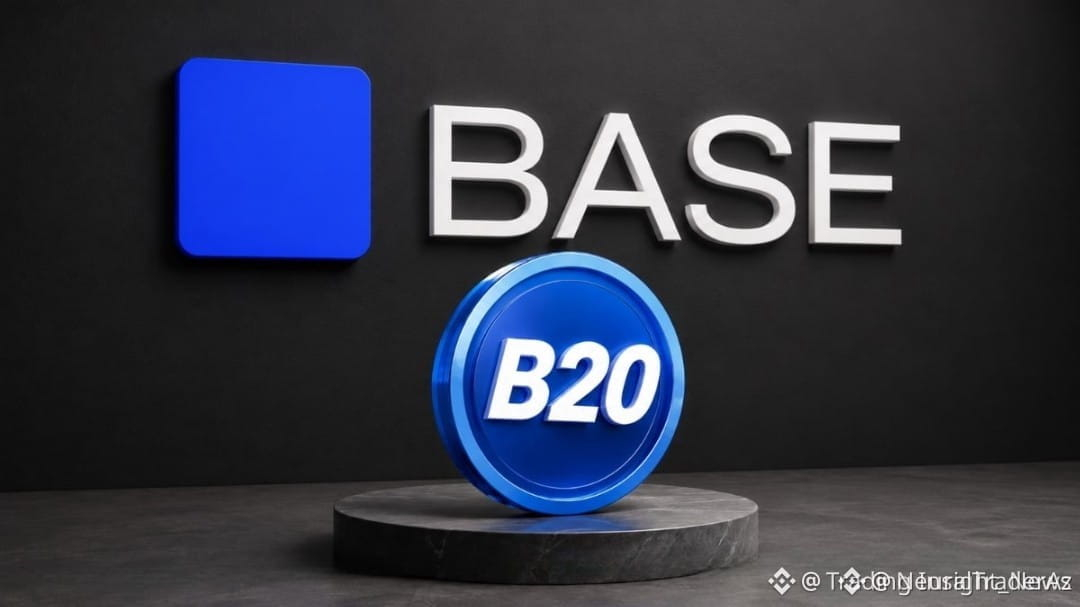
$ETH BASE LAUNCHING B20 TOKEN STANDARD ON MAINNET 🔥
Base officially deploys B20 at 2 AM July 9 (UTC+8). This subset of ERC-20 acts as a pre-compiled program — reducing gas fees and throughput while baking in roles, supply limits, and pauses. Developers can create a complete token in a single call to the B20 Factory.
The parallel to Pumpfun on Solana is clear. If B20 triggers a wave of new projects on Base, demand for $ETH block space rises as Base settles to Ethereum. That’s a structural tailwind for the entire ecosystem.
Will B20 create the same developer frenzy we saw on Solana?
Not financial advice. Always manage your risk.
#ETH #Base #TokenStandard #ERC20 #CryptoNews
🔥
78


·
--

Article
BNBWhat's the deal with this coin project $BNB ?
Binance Coin, or BNB for short, is the native digital asset of the Binance crypto trading platform. It's built on the Ethereum blockchain, following the #ERC20 standard. Binance issued a max supply of 200 million BNB. The coin launched in July 2017 through an Initial Coin Offering (ICO), where 20 million BNB were allocated to early investors, 80 million to project contributors, and the remaining 100 million to various participants in the ICO. The funds raised from selling BNB were utilized to develop the Binance platform, brand, and marketing efforts. A portion of the investment was also spent on necessary upgrades to the digital trading platform #Binance .
BNB
What's the deal with this coin project $BNB ?
Binance Coin, or BNB for short, is the native digital asset of the Binance crypto trading platform. It's built on the Ethereum blockchain, following the #ERC20 standard. Binance issued a max supply of 200 million BNB. The coin launched in July 2017 through an Initial Coin Offering (ICO), where 20 million BNB were allocated to early investors, 80 million to project contributors, and the remaining 100 million to various participants in the ICO. The funds raised from selling BNB were utilized to develop the Binance platform, brand, and marketing efforts. A portion of the investment was also spent on necessary upgrades to the digital trading platform #Binance .
Binance Coin, or BNB for short, is the native digital asset of the Binance crypto trading platform. It's built on the Ethereum blockchain, following the #ERC20 standard. Binance issued a max supply of 200 million BNB. The coin launched in July 2017 through an Initial Coin Offering (ICO), where 20 million BNB were allocated to early investors, 80 million to project contributors, and the remaining 100 million to various participants in the ICO. The funds raised from selling BNB were utilized to develop the Binance platform, brand, and marketing efforts. A portion of the investment was also spent on necessary upgrades to the digital trading platform #Binance .
2
7
447
·
--
ETH: StakeStone price soared 136%, hitting new all-time highs 🚀
The token jumped from $0.11 to over $0.26 amid a spike in daily volume, following a massive transaction linked to a newly created wallet withdrawing 25.5 million STO tokens worth over $4.85M. 🔥💡
StakeStone (STO) is now up more than 390% since its all-time low 📈, with the token now trading at nearly $0.25. #ETH #ERC20 #STO
1
283

·
--
Have you ever sent cryptocurrencies and then been left frozen when you saw the “Network” options without knowing which one to choose? 🥶🤔
Choosing the wrong network is like trying to put gas in an electric car: it won’t work and it can end up costing you a lot. But don’t worry—we’re going to simplify this once and for all! 💡
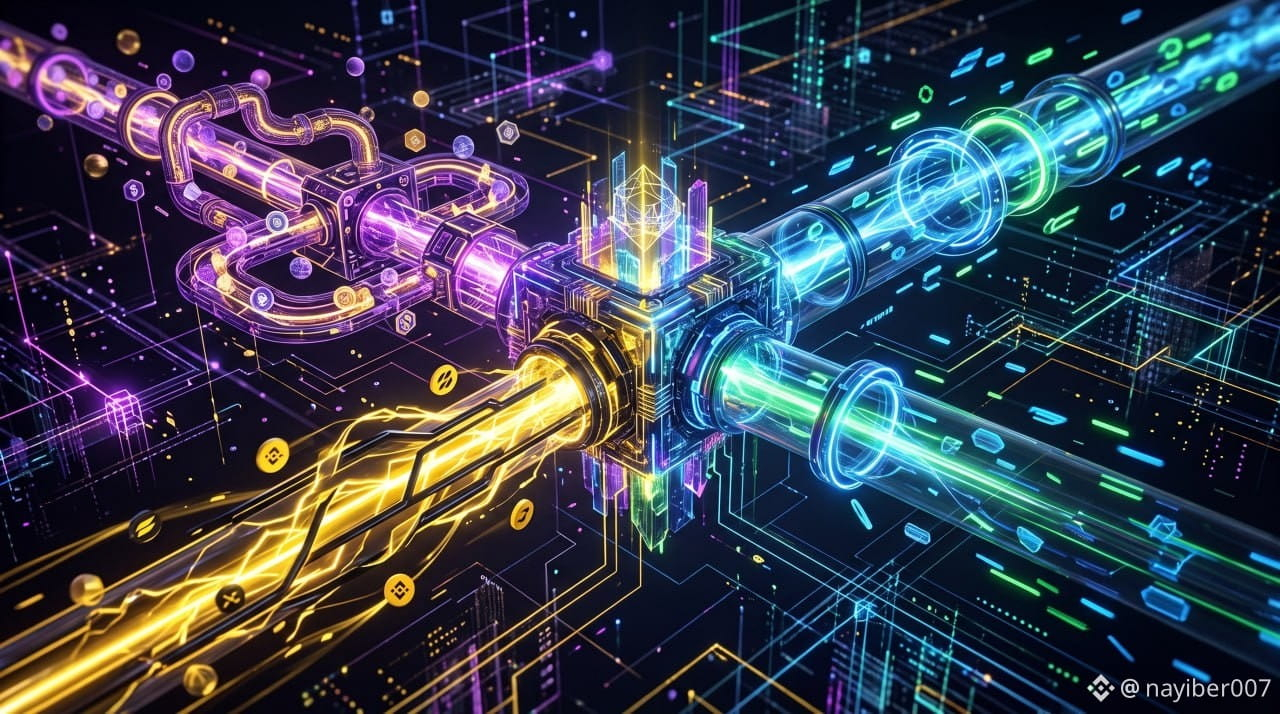
Each network is like a different “highway” for your tokens, and each one has its own rules, costs, and speed. The most common ones you’ll see are:
Ethereum (ERC-20): The original and safest highway, but it’s often congested 🚗💨. It’s the gold standard for smart contracts, but be ready to pay “tolls” (high gas fees) and wait a bit longer during peak hours. Perfect for maximum security, not so much for micropayments.
TRON (TRC-20): The fast, low-cost lane ⚡️💸. It’s extremely popular for sending stablecoins like USDT because the fees are very low (often almost zero) and transfers are nearly instant. Ideal for everyday transfers and arbitrage.
BNB Chain (BSC): The modern, high-speed, budget highway 🏎💨. Fully compatible with Ethereum (you can use the same addresses), it’s very fast and fees are significantly lower than on ERC-20. It’s home to many DeFi projects and accessible NFTs. A great balance between cost and speed.
🚀 Remember the Golden Tip: When you withdraw or send funds, ALWAYS make sure the network you choose matches EXACTLY the destination wallet address. If you send ERC-20 to a TRC-20 address, your funds will be lost forever in cyberspace.
Don’t risk your money. Educate yourself and protect your assets!
👇 Which of these networks do you use the most, and why? Share your experience in the comments. 👇
🔥 Follow me for more crypto tips, analysis, and easy tutorials. Let’s grow your knowledge together! 🤝. #ERC20 #TRC20 #BNBChain #CryptoEducation #Stablecoins
209
Log in to explore more content
Join global crypto users on Binance Square
⚡️ Get latest and useful information about crypto.
💬 Trusted by the world’s largest crypto exchange.
👍 Discover real insights from verified creators.
Email / Phone number
Trending Topics
1
#NvidiaLoses$2.7TrillionInMonthAndAHalf
18,046 views
116 Discussing
2
#CanBTCReboundAfterFallingBelow60K?
750,467 views
2,958 Discussing
3
#GlobalStocksFaceLongestLosingStreakSince2023
272,226 views
1,979 Discussing
4
#BlackRockIBITPostsRecord$541MSingleDayOutflow
31,956 views
88 Discussing
5
#AnthropicPlungesTowardIPOPriceonDay2
138,889 views
1,202 Discussing
6
#TwentyOneCapitalAdds172.25BTC
63,357 views
655 Discussing
7
#HKBillWouldExcludeTokenizedDepositsFromVirtualAssets
7,987 views
50 Discussing
8
#BNBDropsBelow540USDTWith8.46%DailyDecline
76,021 views
648 Discussing
9
#HKBillProposesHK$100KFineForUnauthorizedCryptoTitles
2,541 views
22 Discussing
10
#BitMineFaces$10.1BUnrealizedETHLoss
5,348 views
28 Discussing