
#blockchainsecurity
blockchainsecurity
668,609 views
1,855 Discussing
Hot
Latest

Wrapped Monero Token Drops 99.8% After $13.5M Security Breach
Suspicious sales of wrapped Monero triggered a 99.8% crash, as the operator confirmed a security breach and pledged reimbursements. Traders should verify wallet security to avoid losses. Always confirm wallet security after token exploit reports.
Source: Cointelegraph · 05:07 UTC
AI illustration
#cryptosecurity #blockchainsecurity #digitalsafety #crypto
Wrapped Monero Token Drops 99.8% After $13.5M Security Breach
Suspicious sales of wrapped Monero triggered a 99.8% crash, as the operator confirmed a security breach and pledged reimbursements. Traders should verify wallet security to avoid losses. Always confirm wallet security after token exploit reports.
Source: Cointelegraph · 05:07 UTC
AI illustration
#cryptosecurity #blockchainsecurity #digitalsafety #crypto
Suspicious sales of wrapped Monero triggered a 99.8% crash, as the operator confirmed a security breach and pledged reimbursements. Traders should verify wallet security to avoid losses. Always confirm wallet security after token exploit reports.
Source: Cointelegraph · 05:07 UTC
AI illustration
#cryptosecurity #blockchainsecurity #digitalsafety #crypto
37
Binance Hackers Move $600M in ETH Through Cross-Chain Mixers
Hackers transferred nearly $600 million in Ethereum using THORChain and Chainflip to obscure trails, Cointelegraph reports. This highlights ongoing risks in cross-chain fund movements. Monitor wallet activity and use multi-factor authentication to secure assets.
Source: Cointelegraph · 13:55 UTC
AI illustration
#cryptosecurity #blockchainsecurity #digitalsafety #crypto
Binance Hackers Move $600M in ETH Through Cross-Chain Mixers
Hackers transferred nearly $600 million in Ethereum using THORChain and Chainflip to obscure trails, Cointelegraph reports. This highlights ongoing risks in cross-chain fund movements. Monitor wallet activity and use multi-factor authentication to secure assets.
Source: Cointelegraph · 13:55 UTC
AI illustration
#cryptosecurity #blockchainsecurity #digitalsafety #crypto
Hackers transferred nearly $600 million in Ethereum using THORChain and Chainflip to obscure trails, Cointelegraph reports. This highlights ongoing risks in cross-chain fund movements. Monitor wallet activity and use multi-factor authentication to secure assets.
Source: Cointelegraph · 13:55 UTC
AI illustration
#cryptosecurity #blockchainsecurity #digitalsafety #crypto
7
Beware: Wallet Connections Aren’t Automatic Spending Approvals
Monero users should carefully review contract permissions before approving transactions. Malicious approvals can move assets without revealing seed phrases, so reject unfamiliar spending requests. Always verify contract permissions before approving any wallet transaction.
Source: https://www.binance.com/en/support/faq/detail/78def429ca0c470abb60a852f8fbef75
AI illustration
#cryptosecurity #blockchainsecurity #digitalsafety #crypto
Beware: Wallet Connections Aren’t Automatic Spending Approvals
Monero users should carefully review contract permissions before approving transactions. Malicious approvals can move assets without revealing seed phrases, so reject unfamiliar spending requests. Always verify contract permissions before approving any wallet transaction.
Source: https://www.binance.com/en/support/faq/detail/78def429ca0c470abb60a852f8fbef75
AI illustration
#cryptosecurity #blockchainsecurity #digitalsafety #crypto
Monero users should carefully review contract permissions before approving transactions. Malicious approvals can move assets without revealing seed phrases, so reject unfamiliar spending requests. Always verify contract permissions before approving any wallet transaction.
Source: https://www.binance.com/en/support/faq/detail/78def429ca0c470abb60a852f8fbef75
AI illustration
#cryptosecurity #blockchainsecurity #digitalsafety #crypto
48

🚨 $XRP ARCHITECTS FUTURE-PROOF SECURITY WITH QUANTUM-RESISTANT PROTOCOL UPGRADES 🛡️
Institutional grade architecture requires anticipating structural risks years ahead of execution. 📊 The XRP Ledger Foundation is laying down quantum-resistant signing frameworks to future-proof network security against next-generation computational threats. ⚡
This methodical long-term positioning reinforces structural confidence for enterprise capital allocation. 💡 As systemic risk profiles evolve, networks that proactively harden their infrastructure capture institutional longevity. 🌊
💬 How will future technological shifts impact large-scale liquidity distribution across enterprise-tier ledgers? 👇
⚠️ Not financial advice. Always manage your risk. 🛡️
🏷️ #XRP #Ripple #Crypto #BlockchainSecurity
🦈 🔒
🚨 $XRP ARCHITECTS FUTURE-PROOF SECURITY WITH QUANTUM-RESISTANT PROTOCOL UPGRADES 🛡️
Institutional grade architecture requires anticipating structural risks years ahead of execution. 📊 The XRP Ledger Foundation is laying down quantum-resistant signing frameworks to future-proof network security against next-generation computational threats. ⚡
This methodical long-term positioning reinforces structural confidence for enterprise capital allocation. 💡 As systemic risk profiles evolve, networks that proactively harden their infrastructure capture institutional longevity. 🌊
💬 How will future technological shifts impact large-scale liquidity distribution across enterprise-tier ledgers? 👇
⚠️ Not financial advice. Always manage your risk. 🛡️
🏷️ #XRP #Ripple #Crypto #BlockchainSecurity
🦈 🔒
Institutional grade architecture requires anticipating structural risks years ahead of execution. 📊 The XRP Ledger Foundation is laying down quantum-resistant signing frameworks to future-proof network security against next-generation computational threats. ⚡
This methodical long-term positioning reinforces structural confidence for enterprise capital allocation. 💡 As systemic risk profiles evolve, networks that proactively harden their infrastructure capture institutional longevity. 🌊
💬 How will future technological shifts impact large-scale liquidity distribution across enterprise-tier ledgers? 👇
⚠️ Not financial advice. Always manage your risk. 🛡️
🏷️ #XRP #Ripple #Crypto #BlockchainSecurity
🦈 🔒
79

IOSCO warns that transitioning to quantum resistant signatures could cause massive performance degradation. Solana testnets showed a 90% reduction in speed when implementing these security protocols.
#BlockchainSecurity #QuantumComputing
IOSCO warns that transitioning to quantum resistant signatures could cause massive performance degradation. Solana testnets showed a 90% reduction in speed when implementing these security protocols.
#BlockchainSecurity #QuantumComputing
#BlockchainSecurity #QuantumComputing
3
IOSCO warns quantum-resistant upgrades may slow blockchains 90% per Solana tests, leaving older-key wallets vulnerable to security gaps, Cointelegraph reports.
🔐 #QuantumComputing #BlockchainSecurity #IOSCO
$SOL
IOSCO warns quantum-resistant upgrades may slow blockchains 90% per Solana tests, leaving older-key wallets vulnerable to security gaps, Cointelegraph reports.
🔐 #QuantumComputing #BlockchainSecurity #IOSCO
$SOL
🔐 #QuantumComputing #BlockchainSecurity #IOSCO
$SOL
11

·
--
IOSCO flags quantum threat as Solana testnet slows by 90%, raising concerns about long-term confidence
The International Organization of Securities Commissions (IOSCO), a global association of securities regulators, recently warned about the potential impact of quantum computing on blockchains, noting that quantum upgrades could slow public blockchains and leave security gaps. This authoritative assessment is prompting greater scrutiny of the market’s confidence in holding public blockchain assets over the long term.
According to Cointelegraph, IOSCO emphasized in its analysis that as quantum computing capabilities advance, existing cryptographic signature mechanisms risk being cracked, and the industry needs to transition to quantum-resistant signatures. Performance degradation is a practical challenge during this transition: Solana’s testnet, for example, ran about 90% slower after quantum-resistant signatures were enabled.
This figure matters because it takes the “quantum threat” from theory into the realm of observable engineering. For institutions, whether a public blockchain can maintain usability and throughput while upgrading its security directly affects the costs and expectations associated with holding its assets over the long term. As the project singled out in this instance, Solana could face near-term pressure on confidence as a result.
From a fundamental perspective, the slowdown data comes from the testnet, not the mainnet, and the actual impact still needs to be verified. The transition path, key-rotation mechanisms, and how wallets still using old keys will migrate are all unresolved issues. Meanwhile, quantum computers themselves are not yet mature, and the threat is largely a long-term one; some in the community believe the current discussion is being overstated.
How the market will respond remains to be seen. If institutions incorporate quantum risk into their long-term allocation frameworks, sentiment may turn cautious. But if they regard it as a distant concern, short-term prices may not reflect it. The more likely outcome is a gradual reassessment of confidence rather than a one-sided shock.
One caveat: testnet performance can differ from mainnet performance, so the 90% figure should not be directly extrapolated to a production environment. An excessive emotional reaction could trigger short-term volatility, but it may also amount to little more than noise.
Going forward, it is worth watching the actual progress and performance of the mainnet transition, as well as whether institutional capital responds in a meaningful way. If you are following $SOL, it may be more useful in the short term to watch whether trading volume and price confirm this narrative, rather than rushing to price in a long-term risk that has yet to take shape.
$SOL #QuantumRisk #BlockchainSecurity
The above is a compilation of information and personal analysis, and does not constitute investment advice.
I will continue to track key data and technological developments.
IOSCO flags quantum threat as Solana testnet slows by 90%, raising concerns about long-term confidence
The International Organization of Securities Commissions (IOSCO), a global association of securities regulators, recently warned about the potential impact of quantum computing on blockchains, noting that quantum upgrades could slow public blockchains and leave security gaps. This authoritative assessment is prompting greater scrutiny of the market’s confidence in holding public blockchain assets over the long term.
According to Cointelegraph, IOSCO emphasized in its analysis that as quantum computing capabilities advance, existing cryptographic signature mechanisms risk being cracked, and the industry needs to transition to quantum-resistant signatures. Performance degradation is a practical challenge during this transition: Solana’s testnet, for example, ran about 90% slower after quantum-resistant signatures were enabled.
This figure matters because it takes the “quantum threat” from theory into the realm of observable engineering. For institutions, whether a public blockchain can maintain usability and throughput while upgrading its security directly affects the costs and expectations associated with holding its assets over the long term. As the project singled out in this instance, Solana could face near-term pressure on confidence as a result.
From a fundamental perspective, the slowdown data comes from the testnet, not the mainnet, and the actual impact still needs to be verified. The transition path, key-rotation mechanisms, and how wallets still using old keys will migrate are all unresolved issues. Meanwhile, quantum computers themselves are not yet mature, and the threat is largely a long-term one; some in the community believe the current discussion is being overstated.
How the market will respond remains to be seen. If institutions incorporate quantum risk into their long-term allocation frameworks, sentiment may turn cautious. But if they regard it as a distant concern, short-term prices may not reflect it. The more likely outcome is a gradual reassessment of confidence rather than a one-sided shock.
One caveat: testnet performance can differ from mainnet performance, so the 90% figure should not be directly extrapolated to a production environment. An excessive emotional reaction could trigger short-term volatility, but it may also amount to little more than noise.
Going forward, it is worth watching the actual progress and performance of the mainnet transition, as well as whether institutional capital responds in a meaningful way. If you are following $SOL , it may be more useful in the short term to watch whether trading volume and price confirm this narrative, rather than rushing to price in a long-term risk that has yet to take shape.
$SOL #QuantumRisk #BlockchainSecurity
The above is a compilation of information and personal analysis, and does not constitute investment advice.
I will continue to track key data and technological developments.
The International Organization of Securities Commissions (IOSCO), a global association of securities regulators, recently warned about the potential impact of quantum computing on blockchains, noting that quantum upgrades could slow public blockchains and leave security gaps. This authoritative assessment is prompting greater scrutiny of the market’s confidence in holding public blockchain assets over the long term.
According to Cointelegraph, IOSCO emphasized in its analysis that as quantum computing capabilities advance, existing cryptographic signature mechanisms risk being cracked, and the industry needs to transition to quantum-resistant signatures. Performance degradation is a practical challenge during this transition: Solana’s testnet, for example, ran about 90% slower after quantum-resistant signatures were enabled.
This figure matters because it takes the “quantum threat” from theory into the realm of observable engineering. For institutions, whether a public blockchain can maintain usability and throughput while upgrading its security directly affects the costs and expectations associated with holding its assets over the long term. As the project singled out in this instance, Solana could face near-term pressure on confidence as a result.
From a fundamental perspective, the slowdown data comes from the testnet, not the mainnet, and the actual impact still needs to be verified. The transition path, key-rotation mechanisms, and how wallets still using old keys will migrate are all unresolved issues. Meanwhile, quantum computers themselves are not yet mature, and the threat is largely a long-term one; some in the community believe the current discussion is being overstated.
How the market will respond remains to be seen. If institutions incorporate quantum risk into their long-term allocation frameworks, sentiment may turn cautious. But if they regard it as a distant concern, short-term prices may not reflect it. The more likely outcome is a gradual reassessment of confidence rather than a one-sided shock.
One caveat: testnet performance can differ from mainnet performance, so the 90% figure should not be directly extrapolated to a production environment. An excessive emotional reaction could trigger short-term volatility, but it may also amount to little more than noise.
Going forward, it is worth watching the actual progress and performance of the mainnet transition, as well as whether institutional capital responds in a meaningful way. If you are following $SOL , it may be more useful in the short term to watch whether trading volume and price confirm this narrative, rather than rushing to price in a long-term risk that has yet to take shape.
$SOL #QuantumRisk #BlockchainSecurity
The above is a compilation of information and personal analysis, and does not constitute investment advice.
I will continue to track key data and technological developments.
92

·
--
🛡️ Detecting Illicit Funds Is Only Half the Battle. Acting Before They Move Is the Real Challenge.
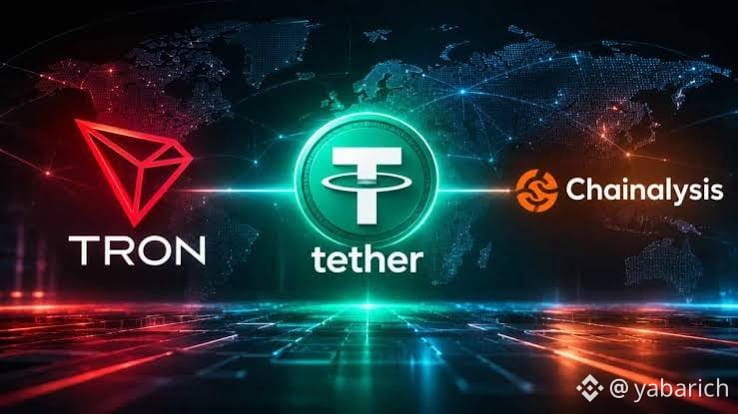
TRON, Tether, and Chainalysis have launched the Digital Crime Task Force (DCTF) to strengthen efforts against illicit USDT activity on TRON.
The important distinction is between identifying suspicious transactions and turning intelligence into actionable responses.
The proposed approach connects three capabilities:
🔹 Blockchain intelligence to identify suspicious fund flows.
🔹 Coordination with law enforcement to investigate suspected criminal activity.
🔹 Support for potential asset freezes before illicit funds can be moved further.
But detection alone doesn't establish wrongdoing, and freezing assets requires appropriate authority and procedures.
My perspective: The real value of DCTF will depend on how accurately, quickly, and responsibly intelligence can be translated into coordinated action.
Blockchain transparency creates visibility. Effective cooperation determines what can be done with it.
@JustinSun @TRONDAO
#TRONEcoStar #TRON #DCTF #BlockchainSecurity
🛡️ Detecting Illicit Funds Is Only Half the Battle. Acting Before They Move Is the Real Challenge.
TRON, Tether, and Chainalysis have launched the Digital Crime Task Force (DCTF) to strengthen efforts against illicit USDT activity on TRON.
The important distinction is between identifying suspicious transactions and turning intelligence into actionable responses.
The proposed approach connects three capabilities:
🔹 Blockchain intelligence to identify suspicious fund flows.
🔹 Coordination with law enforcement to investigate suspected criminal activity.
🔹 Support for potential asset freezes before illicit funds can be moved further.
But detection alone doesn't establish wrongdoing, and freezing assets requires appropriate authority and procedures.
My perspective: The real value of DCTF will depend on how accurately, quickly, and responsibly intelligence can be translated into coordinated action.
Blockchain transparency creates visibility. Effective cooperation determines what can be done with it.
@Justin Sun孙宇晨 @TRON DAO
#TRONEcoStar #TRON #DCTF #BlockchainSecurity
TRON, Tether, and Chainalysis have launched the Digital Crime Task Force (DCTF) to strengthen efforts against illicit USDT activity on TRON.
The important distinction is between identifying suspicious transactions and turning intelligence into actionable responses.
The proposed approach connects three capabilities:
🔹 Blockchain intelligence to identify suspicious fund flows.
🔹 Coordination with law enforcement to investigate suspected criminal activity.
🔹 Support for potential asset freezes before illicit funds can be moved further.
But detection alone doesn't establish wrongdoing, and freezing assets requires appropriate authority and procedures.
My perspective: The real value of DCTF will depend on how accurately, quickly, and responsibly intelligence can be translated into coordinated action.
Blockchain transparency creates visibility. Effective cooperation determines what can be done with it.
@Justin Sun孙宇晨 @TRON DAO
#TRONEcoStar #TRON #DCTF #BlockchainSecurity
16

🚨 KAVA SHOCK: $3.8 MILLION LOST IN A MAJOR EXPLOIT!
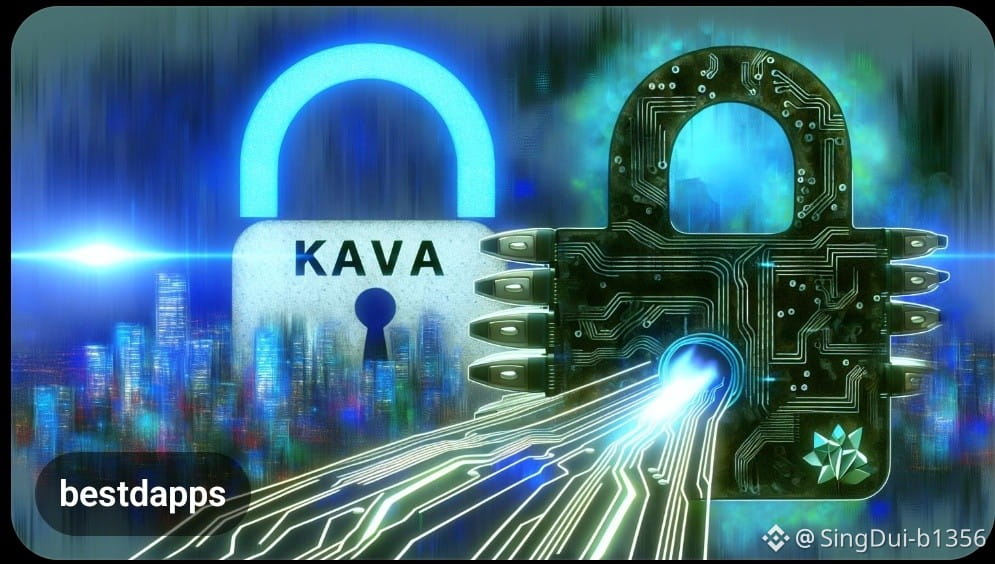
The Kava Lend protocol has suffered a serious security attack, resulting in approximately $3.8 million in losses.
According to reports, the attacker manipulated deposits in a dormant BUSD market and borrowed nearly all the KAVA tokens held by the protocol.
Following the incident, KAVA's price dropped by nearly 40%.
🔥 What does this mean for crypto investors?
This incident highlights three important lessons:
1. Smart contract security is critical.
2. DeFi protocols can carry significant risks.
3. Investors should always research a project's security before investing.
⚠️ In crypto, protecting your assets is just as important as finding profits.
Do you think DeFi security is strong enough to protect investors today?
Share your thoughts below! 👇
#KAVA #CryptoNews #DeFi #BinanceSquare #BlockchainSecurity
🚨 KAVA SHOCK: $3.8 MILLION LOST IN A MAJOR EXPLOIT!
The Kava Lend protocol has suffered a serious security attack, resulting in approximately $3.8 million in losses.
According to reports, the attacker manipulated deposits in a dormant BUSD market and borrowed nearly all the KAVA tokens held by the protocol.
Following the incident, KAVA's price dropped by nearly 40%.
🔥 What does this mean for crypto investors?
This incident highlights three important lessons:
1. Smart contract security is critical.
2. DeFi protocols can carry significant risks.
3. Investors should always research a project's security before investing.
⚠️ In crypto, protecting your assets is just as important as finding profits.
Do you think DeFi security is strong enough to protect investors today?
Share your thoughts below! 👇
#KAVA #CryptoNews #DeFi #BinanceSquare #BlockchainSecurity
The Kava Lend protocol has suffered a serious security attack, resulting in approximately $3.8 million in losses.
According to reports, the attacker manipulated deposits in a dormant BUSD market and borrowed nearly all the KAVA tokens held by the protocol.
Following the incident, KAVA's price dropped by nearly 40%.
🔥 What does this mean for crypto investors?
This incident highlights three important lessons:
1. Smart contract security is critical.
2. DeFi protocols can carry significant risks.
3. Investors should always research a project's security before investing.
⚠️ In crypto, protecting your assets is just as important as finding profits.
Do you think DeFi security is strong enough to protect investors today?
Share your thoughts below! 👇
#KAVA #CryptoNews #DeFi #BinanceSquare #BlockchainSecurity
394
·
--
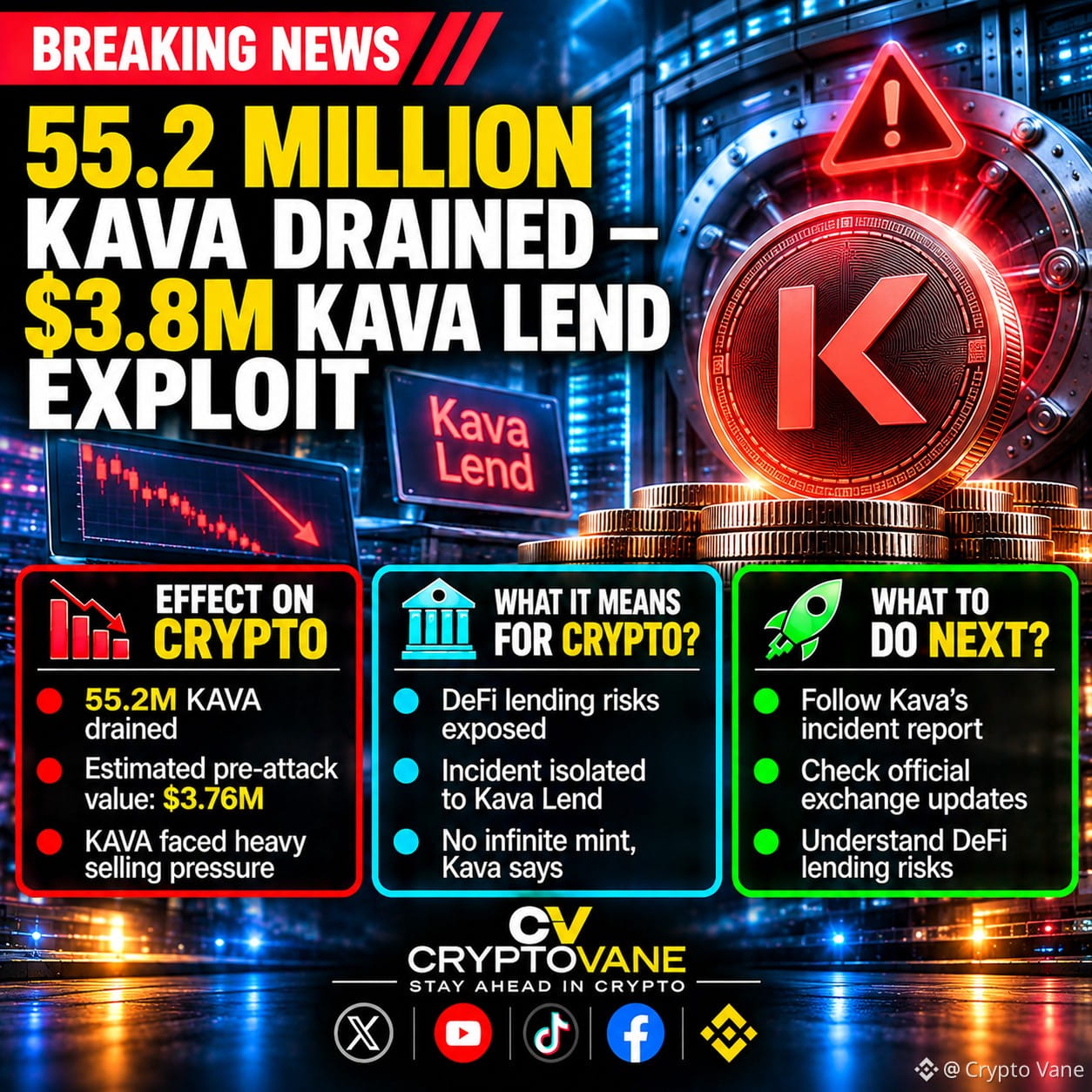
$KAVA Lend Hit by $3.8 Million Exploit — 55.2 Million KAVA Drained!
A major DeFi security incident has shaken the Kava ecosystem. Approximately 55.2 million $KAVA were drained from $KAVA Lend, exposing serious lending-protocol risks and raising concerns about DeFi security and investor confidence.
#KAVA #DeFi #CryptoHack #CryptoNews #BlockchainSecurity
{spot}(BNBUSDT)
{spot}(KAVAUSDT)
$KAVA Lend Hit by $3.8 Million Exploit — 55.2 Million KAVA Drained!
A major DeFi security incident has shaken the Kava ecosystem. Approximately 55.2 million $KAVA were drained from $KAVA Lend, exposing serious lending-protocol risks and raising concerns about DeFi security and investor confidence.
#KAVA #DeFi #CryptoHack #CryptoNews #BlockchainSecurity
A major DeFi security incident has shaken the Kava ecosystem. Approximately 55.2 million $KAVA were drained from $KAVA Lend, exposing serious lending-protocol risks and raising concerns about DeFi security and investor confidence.
#KAVA #DeFi #CryptoHack #CryptoNews #BlockchainSecurity
121

·
--
Quantum Risk Is a Long-Term Upgrade Challenge—not a Wallet Panic
Quantum computers are not cracking crypto wallets today—but preparation has a long lead time.
Google Research’s March 31, 2026 paper estimates that a future cryptographically relevant quantum computer could run Shor’s algorithm against 256-bit elliptic-curve cryptography with fewer than 1,200 logical qubits in one circuit. These are error-corrected logical qubits, not a working machine available today. The result is a resource estimate, not evidence that current wallets are compromised. Google recommends that blockchains plan for post-quantum cryptography before such hardware exists. What migration steps should networks prioritize first?
Source: Google Research: https://research.google/blog/safeguarding-cryptocurrency-by-disclosing-quantum-vulnerabilities-responsibly/
Market watch:
#CryptoEducation #QuantumComputing #BlockchainSecurity
Quantum Risk Is a Long-Term Upgrade Challenge—not a Wallet Panic
Quantum computers are not cracking crypto wallets today—but preparation has a long lead time.
Google Research’s March 31, 2026 paper estimates that a future cryptographically relevant quantum computer could run Shor’s algorithm against 256-bit elliptic-curve cryptography with fewer than 1,200 logical qubits in one circuit. These are error-corrected logical qubits, not a working machine available today. The result is a resource estimate, not evidence that current wallets are compromised. Google recommends that blockchains plan for post-quantum cryptography before such hardware exists. What migration steps should networks prioritize first?
Source: Google Research: https://research.google/blog/safeguarding-cryptocurrency-by-disclosing-quantum-vulnerabilities-responsibly/
Market watch:
#CryptoEducation #QuantumComputing #BlockchainSecurity
Quantum computers are not cracking crypto wallets today—but preparation has a long lead time.
Google Research’s March 31, 2026 paper estimates that a future cryptographically relevant quantum computer could run Shor’s algorithm against 256-bit elliptic-curve cryptography with fewer than 1,200 logical qubits in one circuit. These are error-corrected logical qubits, not a working machine available today. The result is a resource estimate, not evidence that current wallets are compromised. Google recommends that blockchains plan for post-quantum cryptography before such hardware exists. What migration steps should networks prioritize first?
Source: Google Research: https://research.google/blog/safeguarding-cryptocurrency-by-disclosing-quantum-vulnerabilities-responsibly/
Market watch:
#CryptoEducation #QuantumComputing #BlockchainSecurity
3
·
--
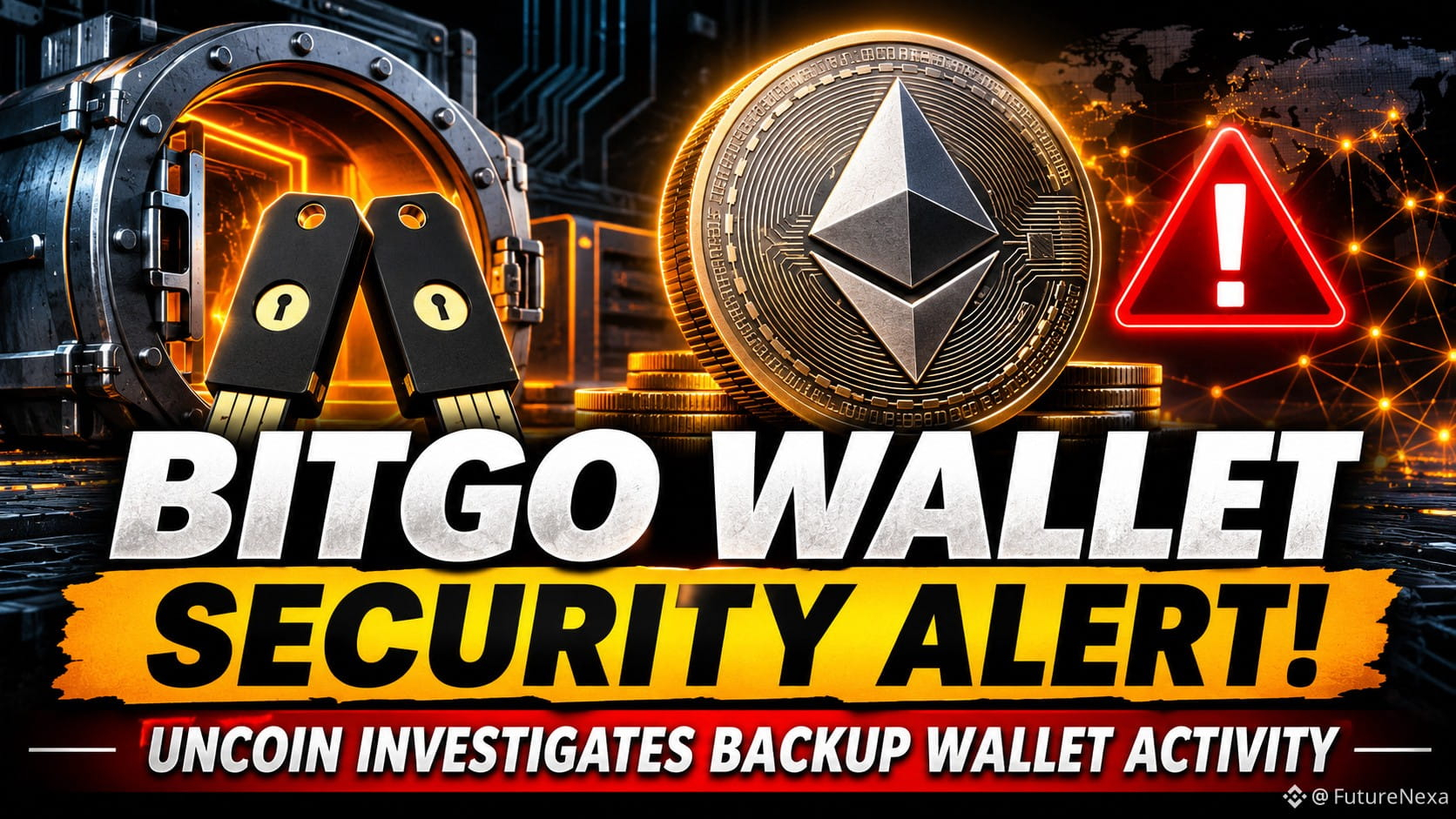
🚨 UNOCOIN SECURITY INCIDENT: BITGO BACKUP WALLET SUSPECTED OF EXPLOITATION!
A major cryptocurrency security incident is raising serious questions about multisignature wallet protection.
India-based crypto exchange Unocoin is investigating suspicious transactions linked to its BitGo multisignature backup wallet.
📌 What Happened?
• November 6: Unocoin requested BitGo and Fireblocks to freeze its corporate accounts after detecting unauthorized activity.
• November 9: Further suspicious activity forced Unocoin to suspend all services.
• November 12: Unocoin identified outgoing transactions from an Ethereum address linked to its BitGo wallet infrastructure.
• November 13: Unocoin revealed that the transactions were signed and broadcast directly on-chain, outside BitGo's platform.
🔐 The Critical Detail
BitGo told The Block that the transactions were signed using Unocoin's user and backup keys.
BitGo's account freeze worked as intended. However, it does not prevent transactions independently signed using keys held by the customer.
What About Customer Funds?
Unocoin says more than 90% of customer cryptocurrency is held in cold storage.
However, the company is still investigating:
• Whether cryptocurrency assets were lost.
• How the backup-key mechanism was accessed.
• Whether customer information was exposed.
• When services can safely resume.
⚠️ No confirmed total loss figure has been published.
MY TAKE:
This incident highlights an important lesson in crypto custody:
Even when an exchange uses a professional custody provider, backup-key security and internal access controls remain critical.
A secure wallet system must protect every recovery path, not just the main platform.
💬 Do you think multisig backup systems need stronger independent security audits?
#CryptoSecurity #Unocoin #BitGo #Ethereum #Multisig #BlockchainSecurity #Cybersecurity #CryptoNews
🚨 UNOCOIN SECURITY INCIDENT: BITGO BACKUP WALLET SUSPECTED OF EXPLOITATION!
A major cryptocurrency security incident is raising serious questions about multisignature wallet protection.
India-based crypto exchange Unocoin is investigating suspicious transactions linked to its BitGo multisignature backup wallet.
📌 What Happened?
• November 6: Unocoin requested BitGo and Fireblocks to freeze its corporate accounts after detecting unauthorized activity.
• November 9: Further suspicious activity forced Unocoin to suspend all services.
• November 12: Unocoin identified outgoing transactions from an Ethereum address linked to its BitGo wallet infrastructure.
• November 13: Unocoin revealed that the transactions were signed and broadcast directly on-chain, outside BitGo's platform.
🔐 The Critical Detail
BitGo told The Block that the transactions were signed using Unocoin's user and backup keys.
BitGo's account freeze worked as intended. However, it does not prevent transactions independently signed using keys held by the customer.
What About Customer Funds?
Unocoin says more than 90% of customer cryptocurrency is held in cold storage.
However, the company is still investigating:
• Whether cryptocurrency assets were lost.
• How the backup-key mechanism was accessed.
• Whether customer information was exposed.
• When services can safely resume.
⚠️ No confirmed total loss figure has been published.
MY TAKE:
This incident highlights an important lesson in crypto custody:
Even when an exchange uses a professional custody provider, backup-key security and internal access controls remain critical.
A secure wallet system must protect every recovery path, not just the main platform.
💬 Do you think multisig backup systems need stronger independent security audits?
#CryptoSecurity #Unocoin #BitGo #Ethereum #Multisig #BlockchainSecurity #Cybersecurity #CryptoNews
A major cryptocurrency security incident is raising serious questions about multisignature wallet protection.
India-based crypto exchange Unocoin is investigating suspicious transactions linked to its BitGo multisignature backup wallet.
📌 What Happened?
• November 6: Unocoin requested BitGo and Fireblocks to freeze its corporate accounts after detecting unauthorized activity.
• November 9: Further suspicious activity forced Unocoin to suspend all services.
• November 12: Unocoin identified outgoing transactions from an Ethereum address linked to its BitGo wallet infrastructure.
• November 13: Unocoin revealed that the transactions were signed and broadcast directly on-chain, outside BitGo's platform.
🔐 The Critical Detail
BitGo told The Block that the transactions were signed using Unocoin's user and backup keys.
BitGo's account freeze worked as intended. However, it does not prevent transactions independently signed using keys held by the customer.
What About Customer Funds?
Unocoin says more than 90% of customer cryptocurrency is held in cold storage.
However, the company is still investigating:
• Whether cryptocurrency assets were lost.
• How the backup-key mechanism was accessed.
• Whether customer information was exposed.
• When services can safely resume.
⚠️ No confirmed total loss figure has been published.
MY TAKE:
This incident highlights an important lesson in crypto custody:
Even when an exchange uses a professional custody provider, backup-key security and internal access controls remain critical.
A secure wallet system must protect every recovery path, not just the main platform.
💬 Do you think multisig backup systems need stronger independent security audits?
#CryptoSecurity #Unocoin #BitGo #Ethereum #Multisig #BlockchainSecurity #Cybersecurity #CryptoNews
100

Chainstack identifies publicly exposed admin tools as the cause of data leak
- Chainstack has published a detailed report on the customer data leak.
- The incident was traced to exposed administrative tools (admin tools).
- Key lesson: Changing passwords is only part of the solution; node credentials must also be updated, applications changed, and access controls strengthened.
- Blockchain/Web3 security requires a comprehensive security system, not just a focus on passwords.
#BinanceSquare #CryptoNews #Web3 #BlockchainSecurity #Chainstack
$btc $eth
vlikevn Titanbot
Source: NewsBTC
Chainstack identifies publicly exposed admin tools as the cause of data leak
- Chainstack has published a detailed report on the customer data leak.
- The incident was traced to exposed administrative tools (admin tools).
- Key lesson: Changing passwords is only part of the solution; node credentials must also be updated, applications changed, and access controls strengthened.
- Blockchain/Web3 security requires a comprehensive security system, not just a focus on passwords.
#BinanceSquare #CryptoNews #Web3 #BlockchainSecurity #Chainstack
$btc $eth
vlikevn Titanbot
Source: NewsBTC
- Chainstack has published a detailed report on the customer data leak.
- The incident was traced to exposed administrative tools (admin tools).
- Key lesson: Changing passwords is only part of the solution; node credentials must also be updated, applications changed, and access controls strengthened.
- Blockchain/Web3 security requires a comprehensive security system, not just a focus on passwords.
#BinanceSquare #CryptoNews #Web3 #BlockchainSecurity #Chainstack
$btc $eth
vlikevn Titanbot
Source: NewsBTC
200
·
--
🚨 XRP Ledger is looking beyond today’s security threats.
Its proposed 2027 roadmap includes quantum-resistant signatures, but implementation still requires development, audits and validator approval.
This is a security roadmap, not a confirmed upgrade.
Could long-term security become blockchain’s next competitive advantage?
$XRP #xrp #XRPL #BlockchainSecurity
{spot}(XRPUSDT)
🚨 XRP Ledger is looking beyond today’s security threats.
Its proposed 2027 roadmap includes quantum-resistant signatures, but implementation still requires development, audits and validator approval.
This is a security roadmap, not a confirmed upgrade.
Could long-term security become blockchain’s next competitive advantage?
$XRP #xrp #XRPL #BlockchainSecurity
Its proposed 2027 roadmap includes quantum-resistant signatures, but implementation still requires development, audits and validator approval.
This is a security roadmap, not a confirmed upgrade.
Could long-term security become blockchain’s next competitive advantage?
$XRP #xrp #XRPL #BlockchainSecurity
Eva Green x:
I have followed you; please follow me back and like
1
1
176

·
--
Smart contracts are self-executing contracts with terms directly written into code. They are sitting at the heart of many blockchain applications, including those on $ETH. However, they can be vulnerable to attacks due to coding errors. Security audits are essential to identify and fix these vulnerabilities before deployment. For example, a single bug in a smart contract can lead to losses of millions of dollars in $BTC. Execution environments, such as the Ethereum Virtual Machine, also play a crucial role in smart contract security. Regular audits can help prevent such losses. Blockchain security is a growing concern. Blockchain protocols #blockchainsecurity #smartcontract #ethereumdevelopment
Smart contracts are self-executing contracts with terms directly written into code. They are sitting at the heart of many blockchain applications, including those on $ETH . However, they can be vulnerable to attacks due to coding errors. Security audits are essential to identify and fix these vulnerabilities before deployment. For example, a single bug in a smart contract can lead to losses of millions of dollars in $BTC . Execution environments, such as the Ethereum Virtual Machine, also play a crucial role in smart contract security. Regular audits can help prevent such losses. Blockchain security is a growing concern. Blockchain protocols #blockchainsecurity #smartcontract #ethereumdevelopment
20

·
--
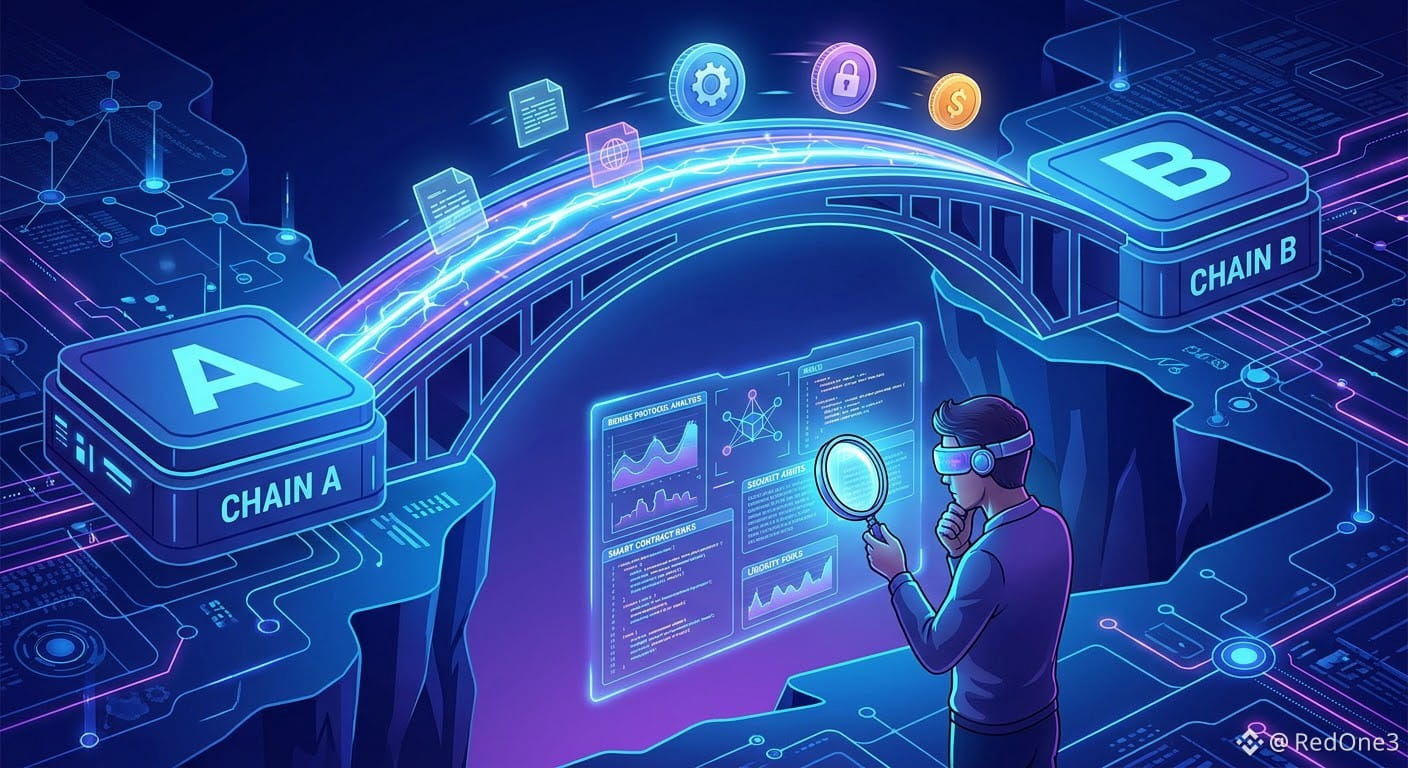
Cross-Chain Bridges Need Careful Research 🌉
Bridges allow assets or information to move between blockchain networks. They can improve interoperability, but bridge design and security remain important considerations.
#CrossChain #DeFi #BlockchainSecurity #Web3 .
Cross-Chain Bridges Need Careful Research 🌉
Bridges allow assets or information to move between blockchain networks. They can improve interoperability, but bridge design and security remain important considerations.
#CrossChain #DeFi #BlockchainSecurity #Web3 .
Bridges allow assets or information to move between blockchain networks. They can improve interoperability, but bridge design and security remain important considerations.
#CrossChain #DeFi #BlockchainSecurity #Web3 .
138

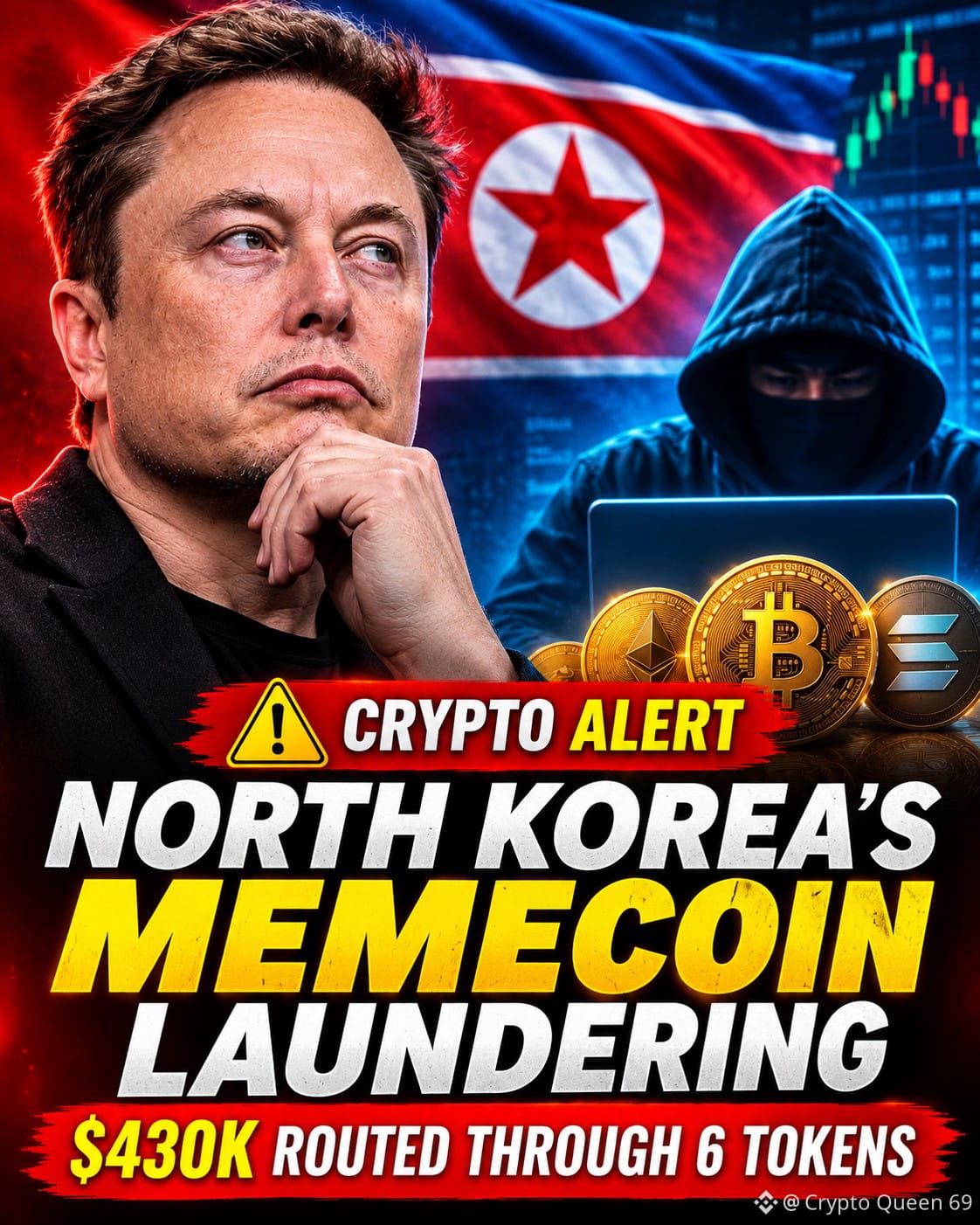
🚨 NORTH KOREA'S HACKERS ARE USING MEMECOINS TO LAUNDER STOLEN CRYPTO.
{future}(ZECUSDT)
This is getting strange.
{future}(HYPEUSDT)
According to blockchain analytics firm Elliptic, hackers linked to the $6B+ Binance theft created six disposable memecoins to disguise stolen funds as trading activity.
One even used an image of Elon Musk with an “Elon 2028 President” banner. No connection to Musk has been suggested.
Here's the shocking part: around 117,000 NEAR ($430K) passed through these tokens, with almost all trading activity coming from wallets linked to the operation.
The trick? Buy their own tokens with stolen funds, then sell them through liquidity pools to make the money look like trading profits.
But blockchain records still leave a trail.
Crypto traders, remember: high volume doesn't always mean real demand.
{future}(ARIAUSDT)
$ERA $AGIX $JCT
#CryptoNews🚀🔥 #BinanceSquareFamily #NEARToken #Memecoins🤑🤑 #BlockchainSecurity
🚨 NORTH KOREA'S HACKERS ARE USING MEMECOINS TO LAUNDER STOLEN CRYPTO.
This is getting strange.
According to blockchain analytics firm Elliptic, hackers linked to the $6B+ Binance theft created six disposable memecoins to disguise stolen funds as trading activity.
One even used an image of Elon Musk with an “Elon 2028 President” banner. No connection to Musk has been suggested.
Here's the shocking part: around 117,000 NEAR ($430K) passed through these tokens, with almost all trading activity coming from wallets linked to the operation.
The trick? Buy their own tokens with stolen funds, then sell them through liquidity pools to make the money look like trading profits.
But blockchain records still leave a trail.
Crypto traders, remember: high volume doesn't always mean real demand.
$ERA $AGIX $JCT
#CryptoNews🚀🔥 #BinanceSquareFamily #NEARToken #Memecoins🤑🤑 #BlockchainSecurity
This is getting strange.
According to blockchain analytics firm Elliptic, hackers linked to the $6B+ Binance theft created six disposable memecoins to disguise stolen funds as trading activity.
One even used an image of Elon Musk with an “Elon 2028 President” banner. No connection to Musk has been suggested.
Here's the shocking part: around 117,000 NEAR ($430K) passed through these tokens, with almost all trading activity coming from wallets linked to the operation.
The trick? Buy their own tokens with stolen funds, then sell them through liquidity pools to make the money look like trading profits.
But blockchain records still leave a trail.
Crypto traders, remember: high volume doesn't always mean real demand.
$ERA $AGIX $JCT
#CryptoNews🚀🔥 #BinanceSquareFamily #NEARToken #Memecoins🤑🤑 #BlockchainSecurity
1
258

·
--
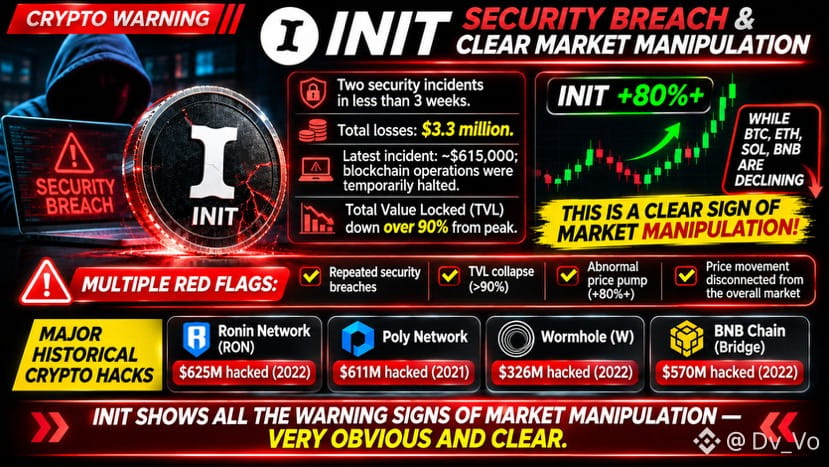
🚨 CRYPTO WARNING: INIT JOINS THE LIST OF BLOCKCHAIN SECURITY DISASTERS!
💀 History Is Repeating Itself — Are Investors Ignoring the Warning Signs?
Major crypto security breaches:
🔴 Ronin Network (2022): $625M
🔴 Poly Network (2021): $611M
🔴 BNB Chain Bridge (2022): $570M
🔴 Wormhole (2022): $326M
🚨 NOW INIT (2026):
⚠️ 2 reported security breaches in under 3 weeks.
💸 Approximately $3.3M in reported losses.
📉 TVL down over 90% from its peak.
🚀 INIT surged over 60% despite the latest security crisis.
FAKE PUMP OR GENUINE DEMAND?
Repeated security failures and unusual price rallies are serious red flags. The divergence deserves investigation, although manipulation has not been proven.
⚠️ A SMALLER HACK DOESN’T MEAN A SMALLER RISK.
Investors should demand answers before trusting another rally.
#INIT #Initia #CryptoHack #CryptoWarning #FakePump #BlockchainSecurity
🚨 CRYPTO WARNING: INIT JOINS THE LIST OF BLOCKCHAIN SECURITY DISASTERS!
💀 History Is Repeating Itself — Are Investors Ignoring the Warning Signs?
Major crypto security breaches:
🔴 Ronin Network (2022): $625M
🔴 Poly Network (2021): $611M
🔴 BNB Chain Bridge (2022): $570M
🔴 Wormhole (2022): $326M
🚨 NOW INIT (2026):
⚠️ 2 reported security breaches in under 3 weeks.
💸 Approximately $3.3M in reported losses.
📉 TVL down over 90% from its peak.
🚀 INIT surged over 60% despite the latest security crisis.
FAKE PUMP OR GENUINE DEMAND?
Repeated security failures and unusual price rallies are serious red flags. The divergence deserves investigation, although manipulation has not been proven.
⚠️ A SMALLER HACK DOESN’T MEAN A SMALLER RISK.
Investors should demand answers before trusting another rally.
#INIT #Initia #CryptoHack #CryptoWarning #FakePump #BlockchainSecurity
💀 History Is Repeating Itself — Are Investors Ignoring the Warning Signs?
Major crypto security breaches:
🔴 Ronin Network (2022): $625M
🔴 Poly Network (2021): $611M
🔴 BNB Chain Bridge (2022): $570M
🔴 Wormhole (2022): $326M
🚨 NOW INIT (2026):
⚠️ 2 reported security breaches in under 3 weeks.
💸 Approximately $3.3M in reported losses.
📉 TVL down over 90% from its peak.
🚀 INIT surged over 60% despite the latest security crisis.
FAKE PUMP OR GENUINE DEMAND?
Repeated security failures and unusual price rallies are serious red flags. The divergence deserves investigation, although manipulation has not been proven.
⚠️ A SMALLER HACK DOESN’T MEAN A SMALLER RISK.
Investors should demand answers before trusting another rally.
#INIT #Initia #CryptoHack #CryptoWarning #FakePump #BlockchainSecurity
402

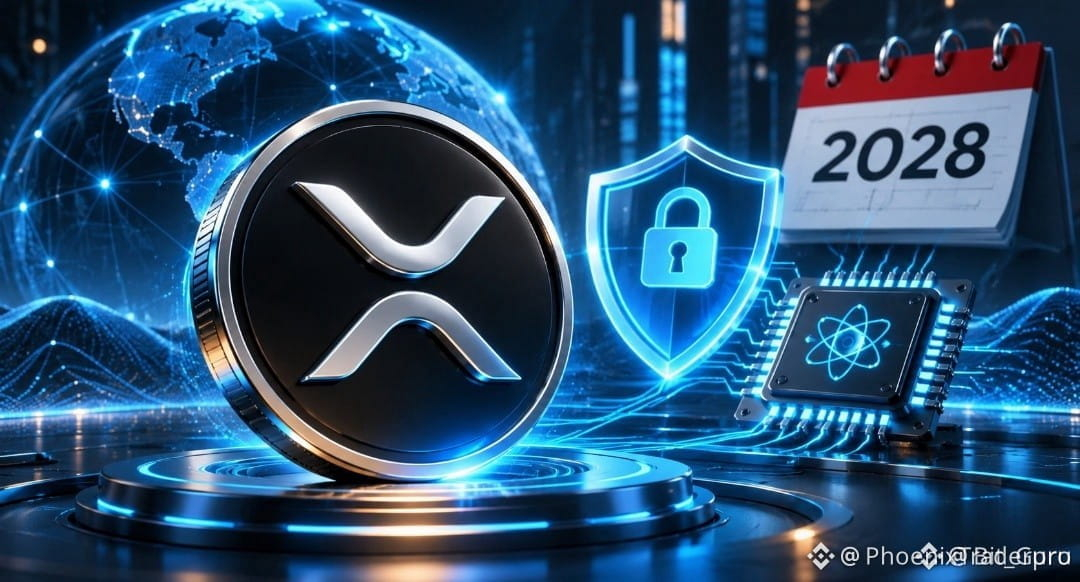
⚡ $XRP FORTIFIES ITS INFRASTRUCTURE AGAINST QUANTUM COMPUTING THREATS 🛡️
The foundation is laying down heavy-duty armor to future-proof the network against tomorrow's computational threats long before they arrive on the horizon. 📊 This forward-looking architecture transition scheduled for 2028 establishes a masterclass in long-term infrastructure hardening.
Smart capital respects protocols that prioritize deep security layers and resilience over quick fixes. 💡 When institutional-grade fortifications evolve this steadily, the broader ecosystem takes note of the structural durability.
💬 Are you positioning for this long-term structural evolution or focusing purely on short-term chart noise? 👇
⚠️ Not financial advice. Always manage your risk. 🛡️
🏷️ #XRP #SmartMoney #BlockchainSecurity #Crypto
⚡ 🦈
⚡ $XRP FORTIFIES ITS INFRASTRUCTURE AGAINST QUANTUM COMPUTING THREATS 🛡️
The foundation is laying down heavy-duty armor to future-proof the network against tomorrow's computational threats long before they arrive on the horizon. 📊 This forward-looking architecture transition scheduled for 2028 establishes a masterclass in long-term infrastructure hardening.
Smart capital respects protocols that prioritize deep security layers and resilience over quick fixes. 💡 When institutional-grade fortifications evolve this steadily, the broader ecosystem takes note of the structural durability.
💬 Are you positioning for this long-term structural evolution or focusing purely on short-term chart noise? 👇
⚠️ Not financial advice. Always manage your risk. 🛡️
🏷️ #XRP #SmartMoney #BlockchainSecurity #Crypto
⚡ 🦈
The foundation is laying down heavy-duty armor to future-proof the network against tomorrow's computational threats long before they arrive on the horizon. 📊 This forward-looking architecture transition scheduled for 2028 establishes a masterclass in long-term infrastructure hardening.
Smart capital respects protocols that prioritize deep security layers and resilience over quick fixes. 💡 When institutional-grade fortifications evolve this steadily, the broader ecosystem takes note of the structural durability.
💬 Are you positioning for this long-term structural evolution or focusing purely on short-term chart noise? 👇
⚠️ Not financial advice. Always manage your risk. 🛡️
🏷️ #XRP #SmartMoney #BlockchainSecurity #Crypto
⚡ 🦈
15


Article
Solana's Network Upgrade Roadmap: Developers Propose Retiring a Transaction Feature After the DriftSolana ($SOL ) is attracting attention for an important network-security development.
Developers have proposed retiring a transaction feature known as durable nonces following its reported exploitation in the $270 million Drift protocol attack in April 2026.
The proposal highlights an important question for blockchain networks: how can transaction flexibility be maintained without creating unnecessary security risks?
What Are Durable Nonces?
Normally, Solana transactions use recent blockhashes that expire after a relatively short period.
Durable nonces provide a different mechanism. They allow a signed transaction to remain valid for a much longer period, making them useful for exchanges and custodians that require offline transaction signing.
However, this flexibility can introduce security challenges if transaction approvals are compromised.
What Happened With the New Proposal?
On November 5, Anza developer Gabe Rodriguez filed a draft proposal known as SIMD-0723 to retire durable nonces.
According to CoinDesk, the proposal would not take effect on mainnet before May 5, 2027. It still requires technical approval and a migration plan for affected users and services.
Who Could Be Affected?
The proposed change is particularly relevant to:
Cryptocurrency exchanges.
Institutional custodians.
Offline transaction-signing services.
Developers using durable nonce transactions.
Regular $SOL holders do not automatically need to change their wallets because of this draft proposal.
However, service providers that rely on durable nonces may need to update their transaction-signing infrastructure.
Why Does This Matter for Solana?
Security is an important part of blockchain adoption.
Solana's wider development roadmap also includes the Alpenglow consensus upgrade, designed to improve transaction finality.
The combination of network performance improvements and security-focused development shows why infrastructure changes matter beyond short-term token prices.Final Thoughts
Solana's durable-nonce retirement proposal is an important development to follow, but it remains a draft rather than an activated network change.
Its final impact will depend on technical approval, implementation and how effectively affected services migrate to alternative solutions.
Disclaimer: This article is for educational purposes only and does not provide investment advice. Network proposals can change before implementation.
$SOL #Solana #BlockchainSecurity #CryptoTechnology #BinanceSquare
{spot}(SOLUSDT)
Solana's Network Upgrade Roadmap: Developers Propose Retiring a Transaction Feature After the Drift
Solana ($SOL ) is attracting attention for an important network-security development.
Developers have proposed retiring a transaction feature known as durable nonces following its reported exploitation in the $270 million Drift protocol attack in April 2026.
The proposal highlights an important question for blockchain networks: how can transaction flexibility be maintained without creating unnecessary security risks?
What Are Durable Nonces?
Normally, Solana transactions use recent blockhashes that expire after a relatively short period.
Durable nonces provide a different mechanism. They allow a signed transaction to remain valid for a much longer period, making them useful for exchanges and custodians that require offline transaction signing.
However, this flexibility can introduce security challenges if transaction approvals are compromised.
What Happened With the New Proposal?
On November 5, Anza developer Gabe Rodriguez filed a draft proposal known as SIMD-0723 to retire durable nonces.
According to CoinDesk, the proposal would not take effect on mainnet before May 5, 2027. It still requires technical approval and a migration plan for affected users and services.
Who Could Be Affected?
The proposed change is particularly relevant to:
Cryptocurrency exchanges.
Institutional custodians.
Offline transaction-signing services.
Developers using durable nonce transactions.
Regular $SOL holders do not automatically need to change their wallets because of this draft proposal.
However, service providers that rely on durable nonces may need to update their transaction-signing infrastructure.
Why Does This Matter for Solana?
Security is an important part of blockchain adoption.
Solana's wider development roadmap also includes the Alpenglow consensus upgrade, designed to improve transaction finality.
The combination of network performance improvements and security-focused development shows why infrastructure changes matter beyond short-term token prices.Final Thoughts
Solana's durable-nonce retirement proposal is an important development to follow, but it remains a draft rather than an activated network change.
Its final impact will depend on technical approval, implementation and how effectively affected services migrate to alternative solutions.
Disclaimer: This article is for educational purposes only and does not provide investment advice. Network proposals can change before implementation.
$SOL #Solana #BlockchainSecurity #CryptoTechnology #BinanceSquare
Developers have proposed retiring a transaction feature known as durable nonces following its reported exploitation in the $270 million Drift protocol attack in April 2026.
The proposal highlights an important question for blockchain networks: how can transaction flexibility be maintained without creating unnecessary security risks?
What Are Durable Nonces?
Normally, Solana transactions use recent blockhashes that expire after a relatively short period.
Durable nonces provide a different mechanism. They allow a signed transaction to remain valid for a much longer period, making them useful for exchanges and custodians that require offline transaction signing.
However, this flexibility can introduce security challenges if transaction approvals are compromised.
What Happened With the New Proposal?
On November 5, Anza developer Gabe Rodriguez filed a draft proposal known as SIMD-0723 to retire durable nonces.
According to CoinDesk, the proposal would not take effect on mainnet before May 5, 2027. It still requires technical approval and a migration plan for affected users and services.
Who Could Be Affected?
The proposed change is particularly relevant to:
Cryptocurrency exchanges.
Institutional custodians.
Offline transaction-signing services.
Developers using durable nonce transactions.
Regular $SOL holders do not automatically need to change their wallets because of this draft proposal.
However, service providers that rely on durable nonces may need to update their transaction-signing infrastructure.
Why Does This Matter for Solana?
Security is an important part of blockchain adoption.
Solana's wider development roadmap also includes the Alpenglow consensus upgrade, designed to improve transaction finality.
The combination of network performance improvements and security-focused development shows why infrastructure changes matter beyond short-term token prices.Final Thoughts
Solana's durable-nonce retirement proposal is an important development to follow, but it remains a draft rather than an activated network change.
Its final impact will depend on technical approval, implementation and how effectively affected services migrate to alternative solutions.
Disclaimer: This article is for educational purposes only and does not provide investment advice. Network proposals can change before implementation.
$SOL #Solana #BlockchainSecurity #CryptoTechnology #BinanceSquare
3
1
5
2.9k
Log in to explore more content
Join global crypto users on Binance Square
⚡️ Get latest and useful information about crypto.
💬 Trusted by the world’s largest crypto exchange.
👍 Discover real insights from verified creators.
Email / Phone number
Trending Topics
1
#CanBTCReboundAfterFallingBelow60K?
369,886 views
1,547 Discussing
2
#GlobalStocksFaceLongestLosingStreakSince2023
122,357 views
1,094 Discussing
3
#BlackRockIBITPostsRecord$541MSingleDayOutflow
692 views
17 Discussing
4
#AnthropicPlungesTowardIPOPriceonDay2
58,891 views
596 Discussing
5
#TwentyOneCapitalAdds172.25BTC
11,483 views
162 Discussing
6
#HKBillWouldExcludeTokenizedDepositsFromVirtualAssets
972 views
14 Discussing
7
#BNBDropsBelow540USDTWith8.46%DailyDecline
32,204 views
277 Discussing
8
#HKBillProposesHK$100KFineForUnauthorizedCryptoTitles
1,056 views
14 Discussing
9
#BitMineFaces$10.1BUnrealizedETHLoss
2,007 views
18 Discussing
10
#StrategyReports$35BNetReserves
1,983 views
18 Discussing